menu

Water Stains on Ceiling in Miami – Expert Diagnosis and Permanent Repair to Stop Hidden Roof Damage

Those brown spots and yellow ceiling stains are warning signs of active roof leaks. We identify the exact source, prevent structural damage, and restore your ceiling before mold takes hold.

Slider Image 1
Slider Image 2
Slider Image 3
Slider Image 4
Slider Image 5
Slider Image 7
Slider Image 8
Slider Image 9
Slider Image 10
Slider Image 11

Why Water Stains Appear on Miami Ceilings and What They Really Mean

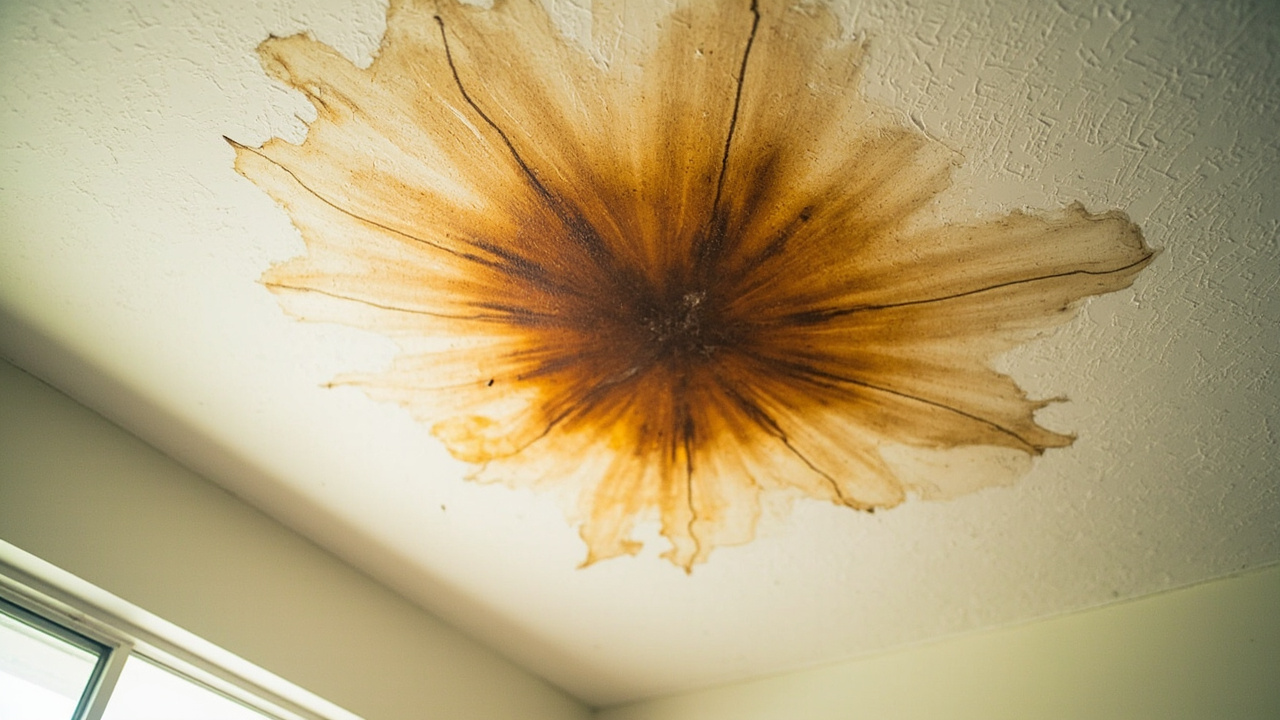
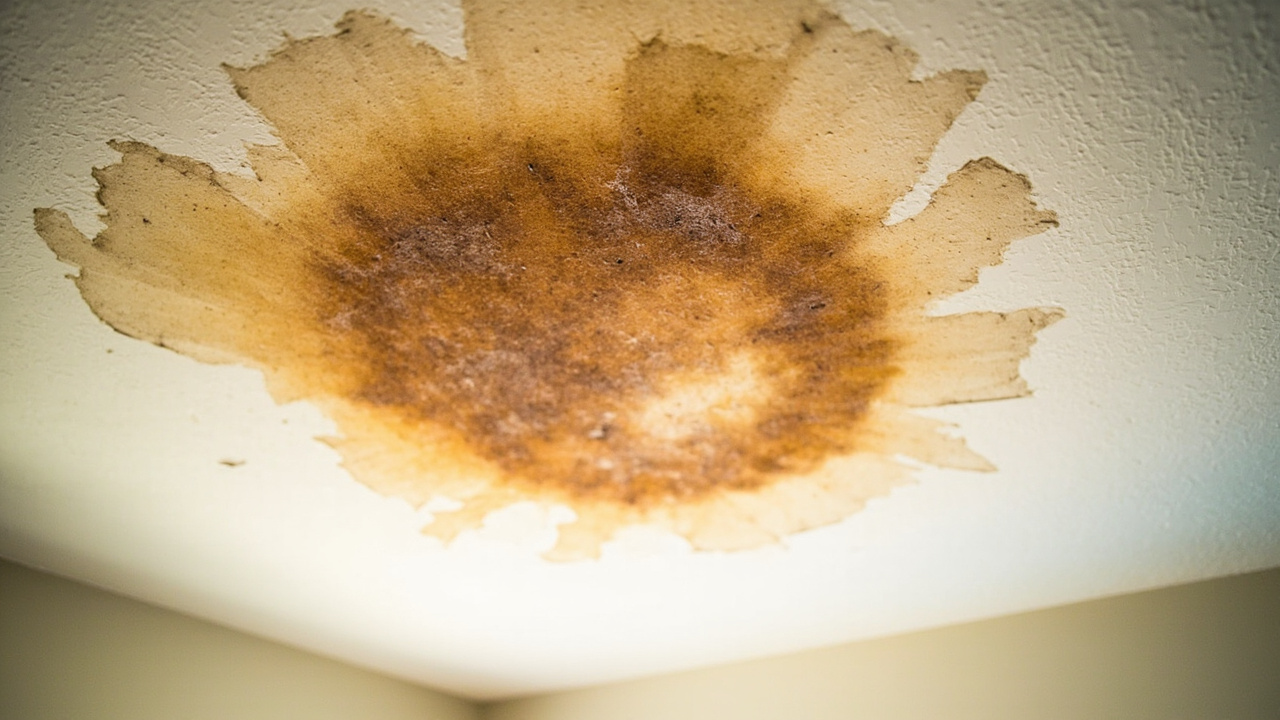
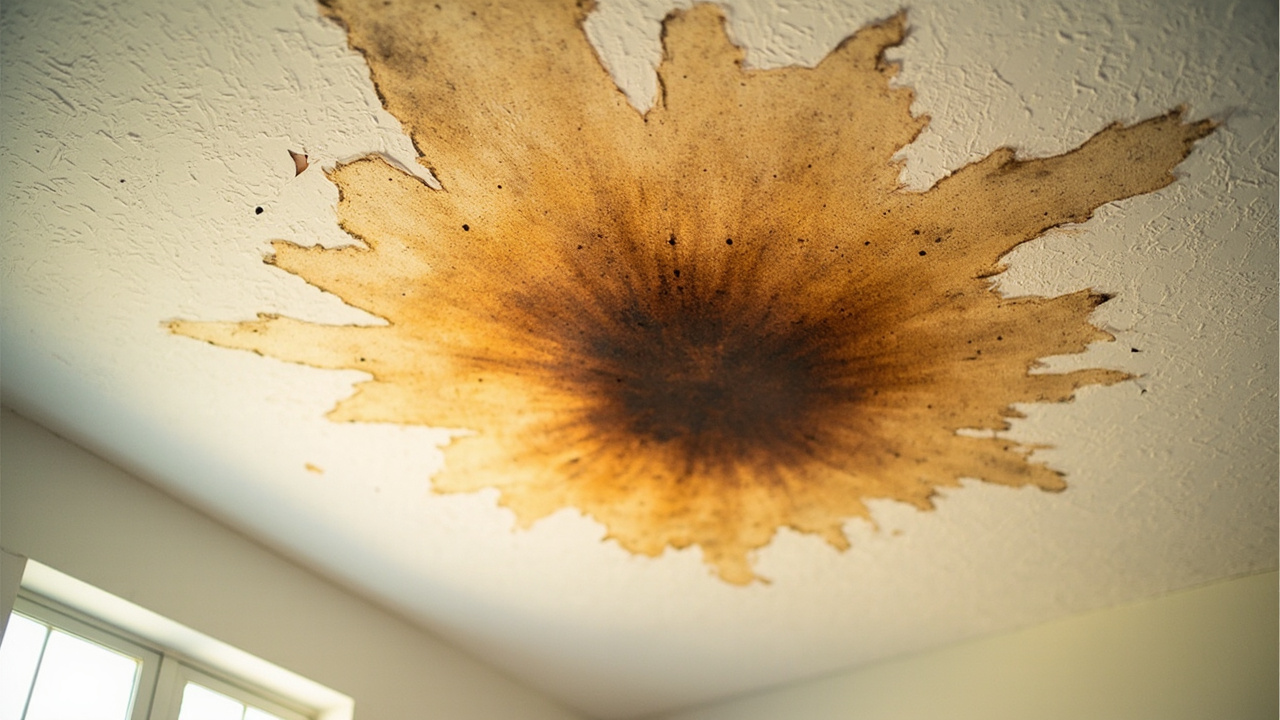
You walk into a room and notice brown spots on ceiling tiles or drywall. Maybe you see yellow ceiling stains spreading near a corner, or damp ceiling patches that seem to grow after every afternoon thunderstorm. This is not cosmetic. Those ceiling water marks are evidence of active water intrusion, and in Miami's climate, the damage accelerates fast.

Miami's combination of intense UV exposure, near-daily summer rain, and high humidity creates a perfect storm for roof deterioration. Asphalt shingles bake under relentless sun, making them brittle. Flashing around vents and chimneys expands and contracts, creating gaps. When afternoon downpours hit, water finds those weak points and travels along roof decking until it drips through your insulation and onto drywall. The result is ceiling discoloration that signals a bigger problem above.

You might see the stain in your living room, but the actual roof leak could be 10 feet away. Water follows the path of least resistance along rafters, truss chords, and sheathing before it finally breaks through. That small brown ring on your ceiling represents gallons of water that have already soaked your attic insulation, compromised your roof deck, and started the clock on mold growth.

Ignoring those ceiling water marks in Miami is expensive. Humidity feeds mold within 48 hours of water exposure. The longer water sits in your attic, the more your wood framing softens and your insulation loses R-value. What starts as a small stain becomes a structural repair, an insulation replacement, and a mold remediation project. The visible stain is just the tip of the damage.

Why Water Stains Appear on Miami Ceilings and What They Really Mean
How We Find and Fix the Real Source of Your Ceiling Stains

How We Find and Fix the Real Source of Your Ceiling Stains

Most contractors slap a patch on the stain and call it fixed. We trace the water back to its origin point on your roof. This requires attic access, moisture meters, and an understanding of how water behaves on Miami roof systems. We do not guess.

Our diagnostic starts in the attic. We map the water trail from the ceiling stain backwards, following discoloration on rafters and sheathing until we pinpoint the entry point. We use thermal imaging to detect temperature differences caused by wet insulation. We inspect roof penetrations, step flashing at wall intersections, and valley channels where two roof planes meet. These are the most common failure points in Miami's weather cycle.

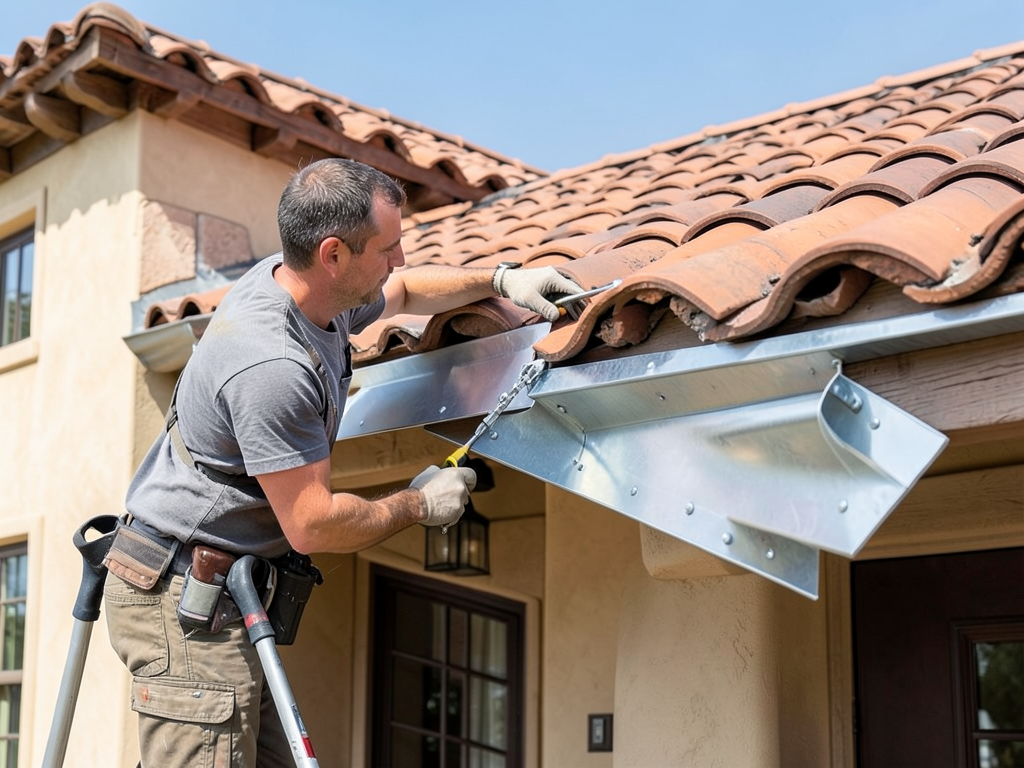
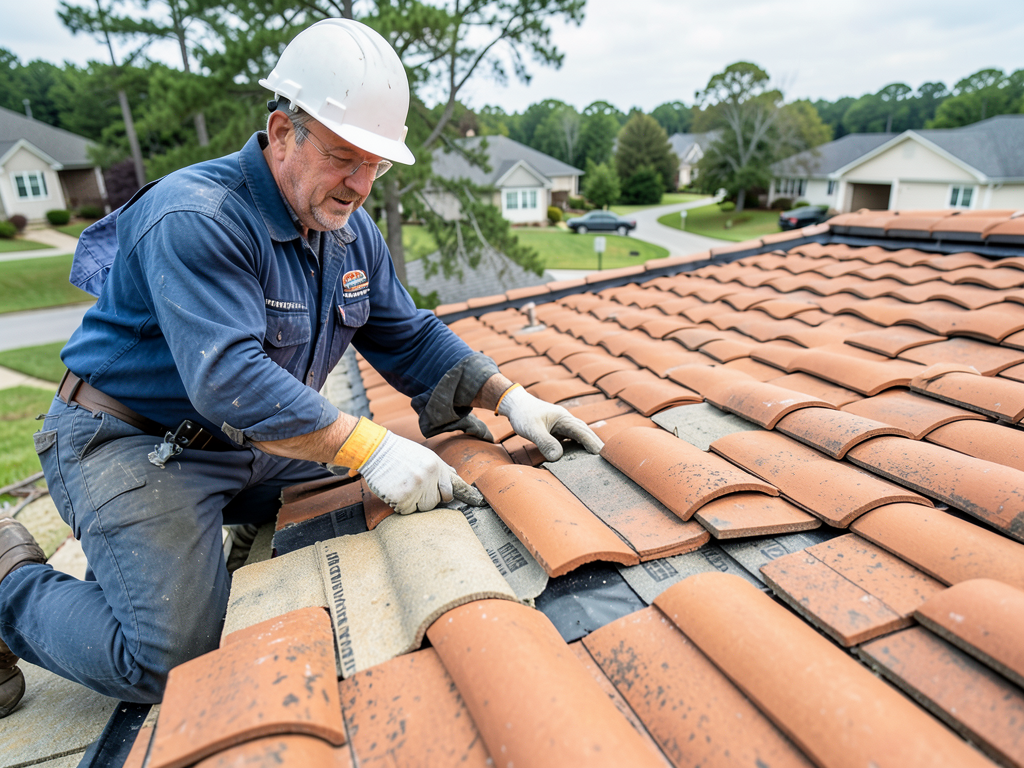
Once we locate the breach, we assess the scope of damage. If your roof decking is soft or delaminated, we replace the affected section with new plywood or OSB sheathing. If underlayment has degraded, we strip back shingles and install a new water barrier. If flashing has pulled away from masonry or pipe boots have cracked from UV exposure, we remove the old components and install new galvanized or copper flashing that will outlast the shingles.

The repair is only half the job. We address the interior damage caused by the leak. If insulation is waterlogged, we remove and replace it to restore energy efficiency and prevent mold colonization. If drywall is stained but structurally sound, we treat it with a stain-blocking primer before repainting. If the drywall has sagged or crumbled, we cut it out and hang new material. You get a complete fix, not a cosmetic coverup.

What Happens When You Call Us About Ceiling Water Marks

Water Stains on Ceiling in Miami – Expert Diagnosis and Permanent Repair to Stop Hidden Roof Damage
01

Attic and Roof Inspection

We start by accessing your attic to trace the water path from the ceiling stain to the roof deck. We use moisture meters to identify saturated materials and inspect insulation for compression or mold. Then we get on the roof to examine shingles, flashing, and penetrations at the suspected leak origin. This diagnostic takes 45 to 90 minutes and gives us the full picture of what failed and why.
02

Leak Repair and Deck Restoration

Once we confirm the source, we make the structural repair. This includes replacing damaged roof decking, installing new underlayment, and replacing shingles or tiles in the affected area. We re-flash roof penetrations with new step flashing, counterflashing, or pipe boots. If the leak compromised multiple areas, we address them all in one visit. This phase typically takes one to two days depending on the extent of rot or water damage.
03

Interior Restoration and Stain Elimination

After the roof is sealed, we turn to your ceiling. We remove wet insulation and install new batts to restore thermal performance. We treat stained drywall with a stain-blocking primer or replace sections that have lost structural integrity. You get a clean ceiling with no watermarks, no odor, and no risk of mold reappearing. We leave your home dry and fully restored.

Why Miami Homeowners Trust Ironwood Roofing Miami for Leak Diagnosis

Leak repair in Miami requires knowledge of local roof systems and weather patterns. Homes built in the 1980s and 1990s often have inadequate flashing at wall intersections or poorly sealed ridge vents. Newer construction might use synthetic underlayment that performs well in heat but fails if improperly nailed. We have repaired leaks in every Miami neighborhood, from Coral Gables bungalows with barrel tile roofs to Kendall subdivisions with architectural shingles.

We understand how Miami's afternoon thunderstorms stress roof systems. Rain does not fall vertically here. Wind-driven rain forces water under shingle tabs and through microscopic gaps in flashing. If your roof was installed without ice and water shield in valleys or if step flashing was not woven into sidewall construction, you will get leaks. We correct these installation errors when we make repairs.

Our crews know the Florida Building Code requirements for roof assemblies in High Velocity Hurricane Zones. We use ring-shank nails, not smooth-shank. We install drip edge at eaves and rakes. We seal all penetrations with rubberized flashing tape before we apply caulking. These details are not optional. They are the difference between a roof that holds up in a tropical storm and one that fails in the next heavy rain.

You also get honest communication. If your roof has widespread granule loss or if multiple shingles are cracked and brittle, we tell you. Patching one leak on a 20-year-old roof might buy you two years, or it might buy you six months. We give you the information you need to make a smart decision. If a patch makes sense, we do it. If a replacement is the only responsible option, we explain why.

What You Can Expect When We Repair Your Ceiling Leak

Response Time and Scheduling

We schedule inspections within 24 to 48 hours of your call. If you have an active leak and water is dripping into your home, we prioritize your job and can often arrive the same day to tarp the roof or apply an emergency patch. Once we complete the diagnostic, we provide a detailed estimate and schedule the repair within three to seven days. Most single-leak repairs are completed in one to two days. If you need drywall replacement or insulation work, we coordinate that as part of the same project to minimize disruption.

Diagnostic Process and Transparency

Our inspection includes attic access, roof surface evaluation, and moisture testing. We take photos of the damaged roof deck, wet insulation, and the failed flashing or shingle area. You see exactly what we see. We walk you through the photos and explain what caused the leak and what is required to fix it. If we find secondary issues like soffit rot or fascia damage, we document those as well. You get a written estimate that breaks down material costs, labor, and timeline. No surprises.

Quality of Repair and Materials

We use materials rated for Florida's climate. That means shingles with high wind ratings, rubberized underlayment that seals around nails, and galvanized or copper flashing that resists corrosion in humid air. When we replace roof decking, we use CDX plywood or OSB rated for structural sheathing. When we replace insulation, we install fiberglass batts with the correct R-value for Miami attics. The repair is built to last, not just to stop the immediate leak. You get a roof section that performs as well as or better than the original installation.

Follow-Up and Maintenance Guidance

After we complete the repair, we walk you through what we fixed and what to watch for. We provide maintenance recommendations based on the age and condition of your roof. If your shingles are nearing the end of their lifespan, we suggest scheduling an annual inspection to catch small problems before they become leaks. If we replaced flashing or sealed penetrations, we explain how to check those areas after heavy storms. You also get our contact information for any follow-up questions or concerns. If the leak reappears, we come back to assess the issue at no additional diagnostic charge.

Frequently Asked Questions

You Have Questions,
We Have Answers

Is a water stain on a ceiling serious? +

Yes, water stains signal active or past moisture intrusion. In Miami's humid climate, even small leaks create conditions for mold growth within 24 to 48 hours. The stain itself is cosmetic, but the underlying cause requires immediate attention. Common sources include roof damage from tropical storms, failed flashing around chimneys, or condensation from overworked AC units. Ignoring stains leads to structural wood rot, compromised drywall, and expensive repairs. If you see discoloration spreading or feel soft spots when you press the ceiling, you need a professional inspection to identify the source and prevent further damage.

How to get rid of a water stain on a ceiling? +

First, stop the water source. Fix the roof leak, plumbing issue, or AC condensation problem causing the stain. Let the area dry completely for at least 72 hours in Miami's humidity. Use fans and dehumidifiers to speed drying. Once dry, apply a stain-blocking primer like Kilz or Zinsser to seal the discoloration and prevent bleed-through. After the primer dries, paint the ceiling with matching interior paint. Skipping the stain blocker causes yellow or brown marks to reappear. If you skip fixing the actual leak, the stain returns quickly.

Why do I have water spots on my ceiling but no leak? +

Miami homeowners often see ceiling stains without obvious leaks due to condensation issues. High humidity causes moisture to collect on cold AC ducts in attics, then drip onto drywall below. Poorly insulated ductwork sweats in our climate. Bathroom exhaust fans venting into attics instead of outside also cause moisture buildup. Roof leaks can be intermittent, only appearing during heavy afternoon thunderstorms when wind-driven rain penetrates flashing. Check your attic after the next storm. Look for damp insulation, water trails on rafters, or condensation on metal ducts. These invisible sources create visible stains.

Can I just paint over a water stained ceiling? +

No. Painting over an active water stain without addressing the leak guarantees failure. The moisture will bleed through standard paint within weeks, wasting your time and money. You must fix the water source first, allow complete drying, then apply a stain-blocking primer before painting. Miami's humidity slows drying, so wait at least three days. Press the stained area to check for soft spots indicating structural damage that needs repair before cosmetic work. Painting over water damage also traps moisture inside drywall, creating perfect conditions for hidden mold growth behind your fresh paint.

What are signs of a serious ceiling issue? +

Sagging or bulging drywall indicates water-logged material about to collapse. Soft spots when you press the ceiling mean structural deterioration. Dark brown or black stains suggest mold colonization. A musty odor signals hidden mold growth inside the ceiling cavity. Stains that spread quickly indicate an active, worsening leak. Peeling or bubbling paint shows moisture pushing through from behind. Multiple stains in different rooms point to widespread roof failure common after hurricane damage. If you see any of these signs in your Miami home, get a professional inspection immediately to prevent collapse or health hazards.

Should I call a plumber for a ceiling stain? +

Not always. If the stain appears directly below a bathroom, kitchen, or water heater, call a plumber. If it appears under the roof line, attic, or follows your roof's slope, you need a roofing contractor. In Miami, many ceiling stains stem from roof leaks caused by missing shingles, damaged flashing, or blocked gutters after tropical storms. AC condensation issues require an HVAC technician. Start by checking your attic during rain to see where water enters. A roofing professional can diagnose the source and determine if the problem originates above or within your plumbing system.

What causes brown water stains on the ceiling? +

Brown stains indicate rust or organic material in the water. Roof leaks carry tannins from deteriorating wood sheathing, creating brown discoloration. Rusty pipes or corroded plumbing fittings add iron to leaking water. In Miami attics, brown stains often come from dirty condensation dripping off dusty AC ducts. The combination of humidity and organic debris creates the brown color. Old roof leaks that dried and reactivated during storms leave layered brown rings showing leak history. If the stain smells musty or appears fuzzy, mold colonization has begun on the organic material, requiring remediation beyond simple repairs.

How much does it cost to fix a wet spot in a ceiling? +

Costs vary widely based on the water source and damage extent. Simple drywall patching and repainting runs a few hundred dollars. Roof leak repairs range from minor flashing fixes to full section replacements after hurricane damage. Plumbing repairs depend on pipe accessibility. Extensive water damage requiring mold remediation, insulation replacement, and structural repairs costs thousands. Miami's strict building codes may require permits for significant repairs. Get multiple inspections to identify the true source before committing to repairs. Fixing only the cosmetic stain without addressing the leak wastes money when the problem returns after the next storm.

Can a small leak cause a big stain? +

Yes. Small, slow leaks create disproportionately large stains because water spreads laterally through drywall and insulation before gravity pulls it down. A pinhole roof leak can saturate several square feet of ceiling material. Miami's afternoon thunderstorms dump water fast, overwhelming small roof defects and pushing moisture wide areas. Porous drywall wicks water outward from the entry point. The visible stain shows where moisture finally breaks through the paint surface, not the leak's actual size or location. The leak source might be feet away from the stain, requiring attic inspection to locate accurately.

How to tell if water is leaking into a ceiling? +

Check for soft, spongy areas when you press the ceiling. Look for discoloration, even faint yellow tints. Peeling or bubbling paint indicates moisture pushing through. Use a moisture meter to detect hidden wetness before visible stains appear. In your attic, look for water trails on rafters, damp insulation, or dark spots on the underside of roof sheathing after Miami storms. A musty smell signals moisture even without visible stains. Monitor stains during heavy rain to see if they darken or spread, confirming an active leak versus old damage. Temperature differences where wet insulation reduces effectiveness also indicate hidden moisture.

How Miami's Rain Patterns and Humidity Turn Small Roof Leaks Into Major Ceiling Damage

Miami gets more than 60 inches of rain each year, with the heaviest downpours occurring between June and September. Afternoon thunderstorms drop two inches of rain in 30 minutes, overwhelming gutters and driving water under shingles that have lifted from thermal expansion. The UV index here is extreme year-round, breaking down asphalt and causing granule loss that exposes the underlying mat. Once a shingle loses its protective granules, water penetrates the fiberglass base and travels along the underlayment until it finds a gap. That gap leads to your attic. Combine that with 75 to 85 percent humidity, and any water that enters your attic stays there, soaking insulation and promoting mold growth within 48 hours. A small roof breach in Miami becomes a health hazard faster than in drier climates.

Ironwood Roofing Miami has repaired ceiling leaks in every Miami-Dade neighborhood, from historic Coral Gables homes with clay tile roofs to newer Doral developments with laminated shingles. We understand the building practices used in different eras and how those practices hold up in subtropical weather. Older homes often lack adequate attic ventilation, trapping heat and moisture that accelerates roof deterioration. Newer homes might have been built during the construction boom with substandard flashing installation. We have seen it all. When you call us, you get a team that knows Miami roofs and how to fix them right the first time. That local expertise is the difference between a patch that fails in six months and a repair that lasts a decade.
Roofing Services in The Miami Area

Ironwood Roofing Miami is proud to service the entire Miami-Dade County area, including South Beach, Coral Gables, Doral, and beyond. We are a local company deeply familiar with the region, allowing us to respond quickly to your emergency needs and schedule non-urgent services with efficient turnaround. View our location on the map to see where our trusted professionals operate and invite us to your neighborhood for the area's most reliable roofing expertise.

Address:
Ironwood Roofing Miami, 2214 Biscayne Blvd, Miami, FL, 33131

Additional Services We Offer

Our news updates

Latest Articles & News from The Blogs

The Best Roof Styles for Modern Accessory Dwelling Units in West Miami Building an Accessory Dwelling Unit in West Miami…

The Best Roof Styles for Modern Accessory Dwelling Units in West Miami

The Best Roof Styles for Modern Accessory Dwelling Units in West Miami Building an Accessory Dwelling Unit in West Miami…

How to Spot Drywood Termite Damage in Your Little Haiti Roof Structure

How to Spot Drywood Termite Damage in Your Little Haiti Roof Structure Little Haiti’s historic wooden roof structures face unique…

Why Metal Roofing Is Becoming the New Standard for Richmond Heights Homes

Why Metal Roofing Is Becoming the New Standard for Richmond Heights Homes Metal roofing is rapidly replacing traditional asphalt shingles…

Contact Us

Those ceiling stains are not going away on their own. Call Ironwood Roofing Miami at (645) 231-4888 now to schedule your roof and attic inspection. We will find the source, fix it right, and restore your ceiling. Do not wait for the next storm.