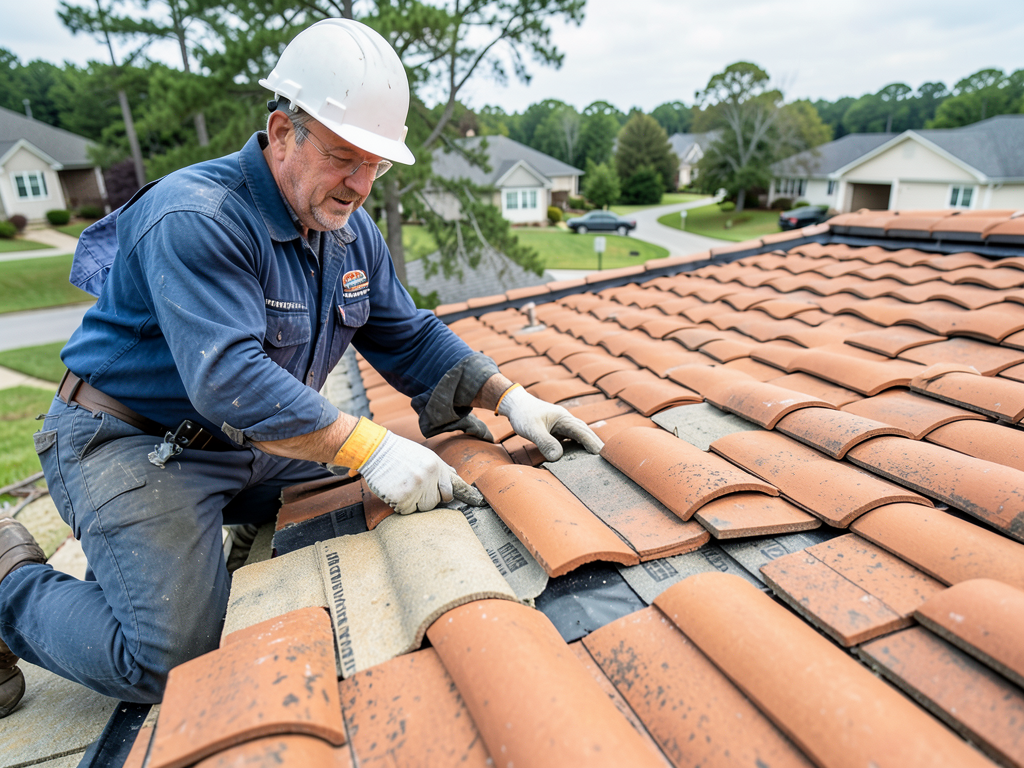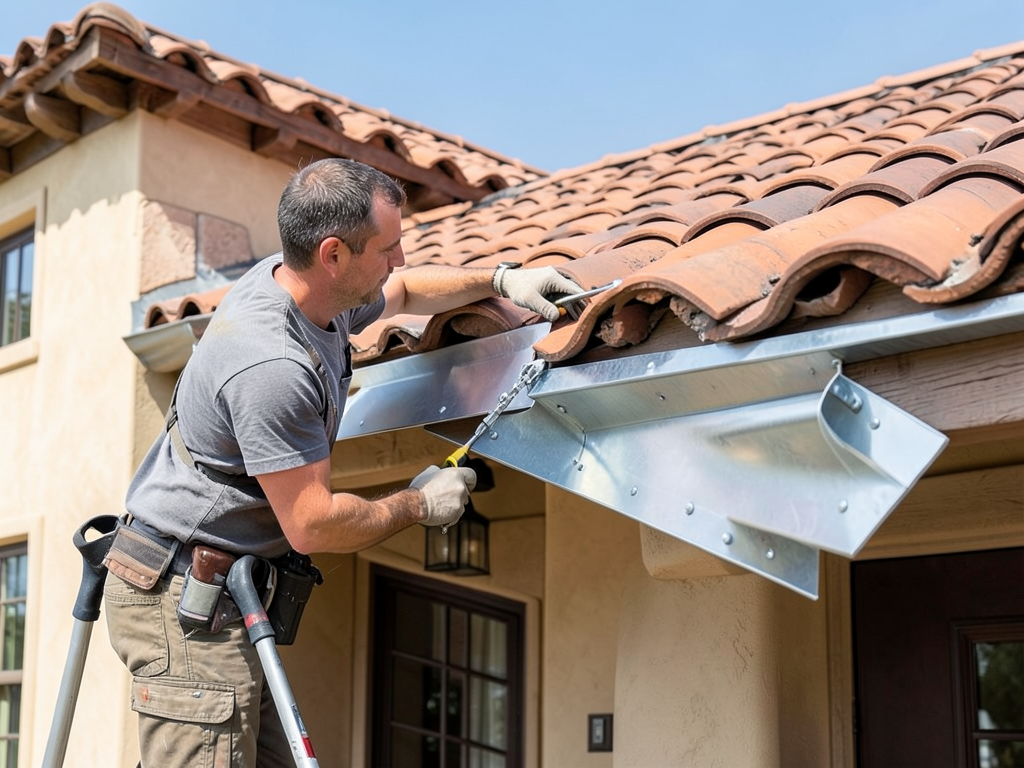


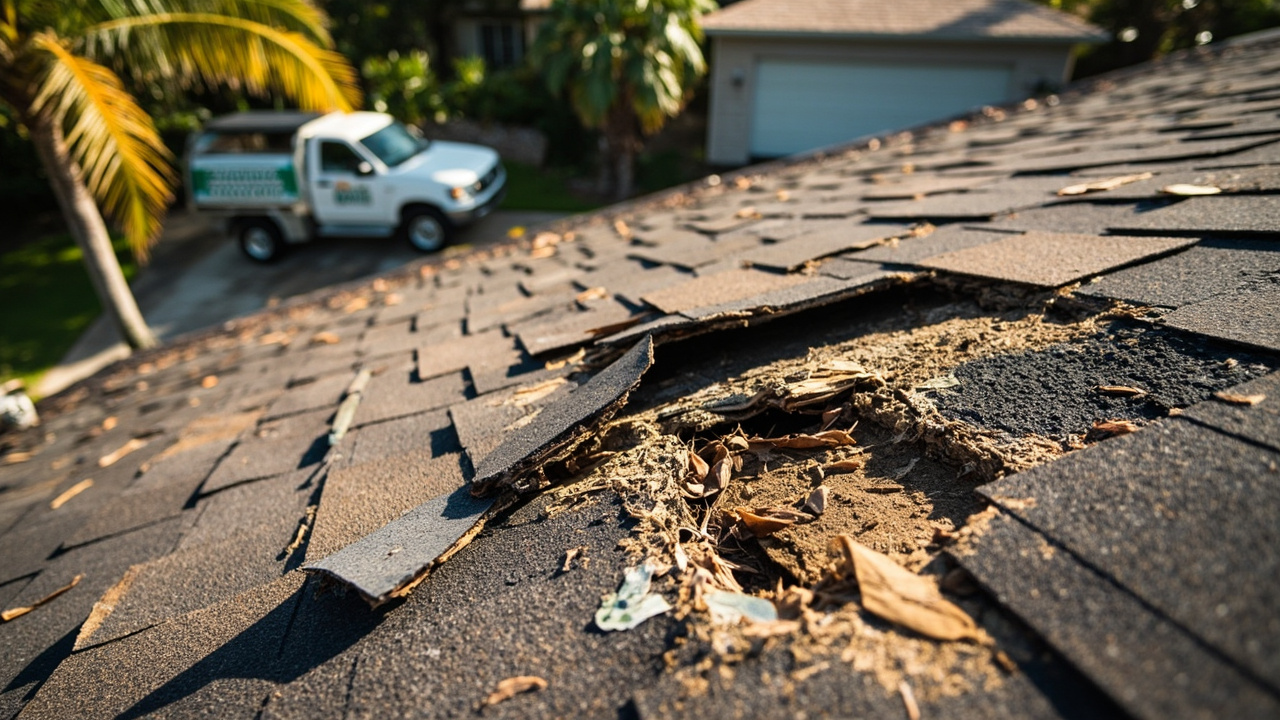
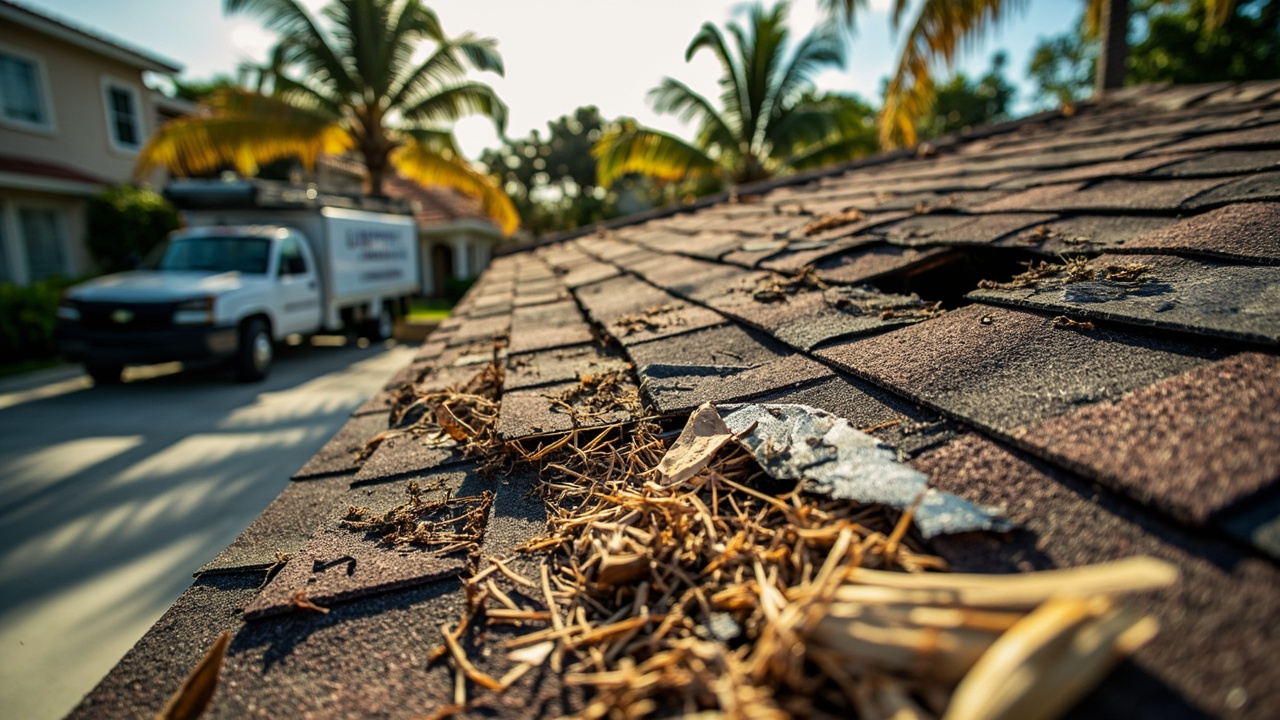
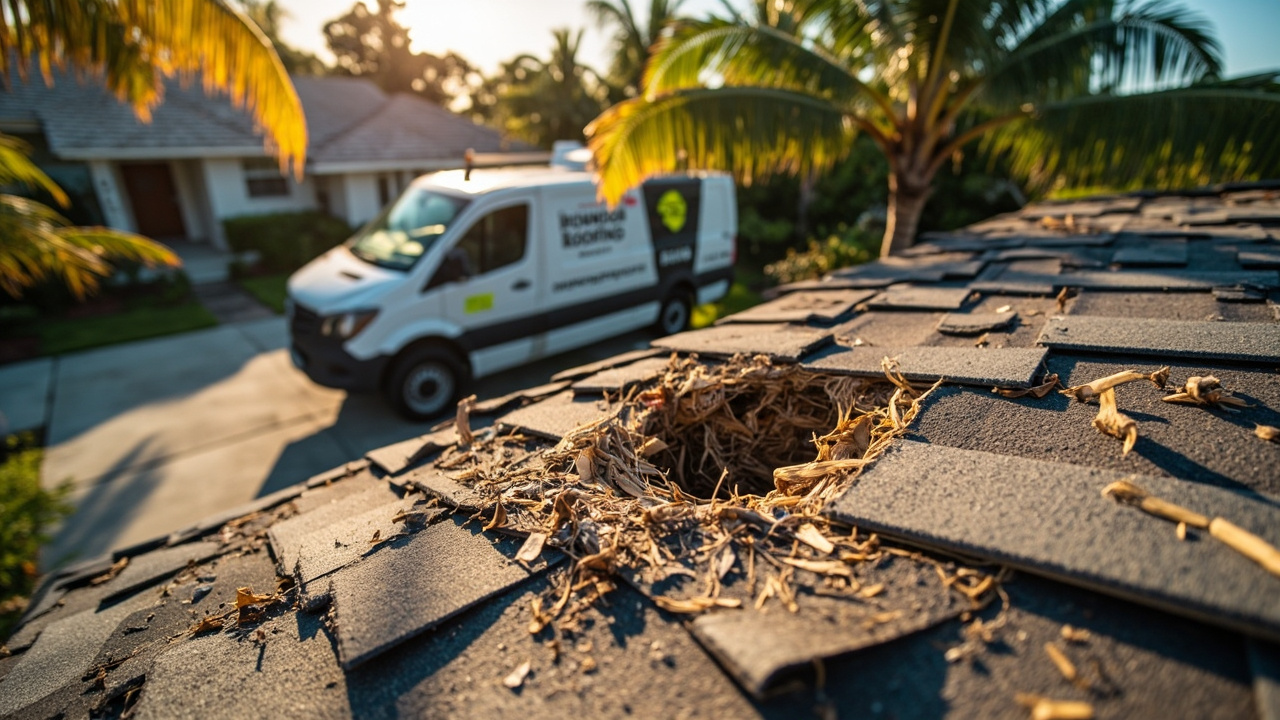
Miami's year-round warmth eliminates the population controls that limit wildlife in northern climates. Roof rats breed continuously, producing up to six litters annually. Raccoons do not den for winter, so they are always active and searching for shelter. Iguanas thrive in South Florida's heat, with populations exploding in suburbs near the Everglades and along canal systems. These animals exploit the same construction vulnerabilities, chewed fascia, displaced tiles, torn flashing, but the damage accelerates because of constant activity and humidity-driven rot. A small entry point in January becomes a collapsed soffit by June. The UV intensity degrades sealants faster, creating gaps. Summer thunderstorms wash urine and droppings into insulation, spreading contamination. Miami's subtropical conditions turn minor pest damage shingles into major structural failures within months.
Choosing a local roofer for wildlife damage repairs means working with professionals who understand Miami-Dade building codes, Florida-specific product approvals, and the wildlife behavior patterns unique to South Florida. We know which vent models pass High Velocity Hurricane Zone testing and include pest screens. We understand how to detail flashing on CBS block walls versus wood-frame construction. We coordinate with county permitting when decking replacement triggers structural thresholds. National companies and traveling contractors lack this local knowledge. They use generic materials that fail under Miami's combined wildlife and hurricane pressures. Local expertise means repairs that last and exclusion systems that hold up to both animal intrusion attempts and 150 mph wind events.