menu

Emergency Roof Leak Detection in Miami – Expert Tracing & Repair Within 60 Minutes

When water is dripping through your ceiling right now, you need an immediate roof leak locator who can identify the source, stop the damage, and prevent mold growth before your home or business suffers permanent structural harm.

Slider Image 1
Slider Image 2
Slider Image 3
Slider Image 4
Slider Image 5
Slider Image 7
Slider Image 8
Slider Image 9
Slider Image 10
Slider Image 11

Why Miami Roof Leaks Escalate From Minor Drips to Major Disasters in Hours

You see water staining your ceiling. You grab a bucket. You think you have time.

You do not.

Miami's extreme humidity and afternoon thunderstorms create a pressure cooker for roof leaks. A small breach in your roof deck allows water to enter, but the real damage happens invisibly. That water spreads laterally through insulation, soaks wooden trusses, and begins feeding mold colonies within 24 to 48 hours. The 90-degree heat accelerates decomposition of organic materials.

South Florida's hurricane season compounds this urgency. Wind-driven rain forces water through vulnerabilities that stay dry during normal weather. A leak that seems minor today becomes a catastrophic failure when the next tropical system arrives.

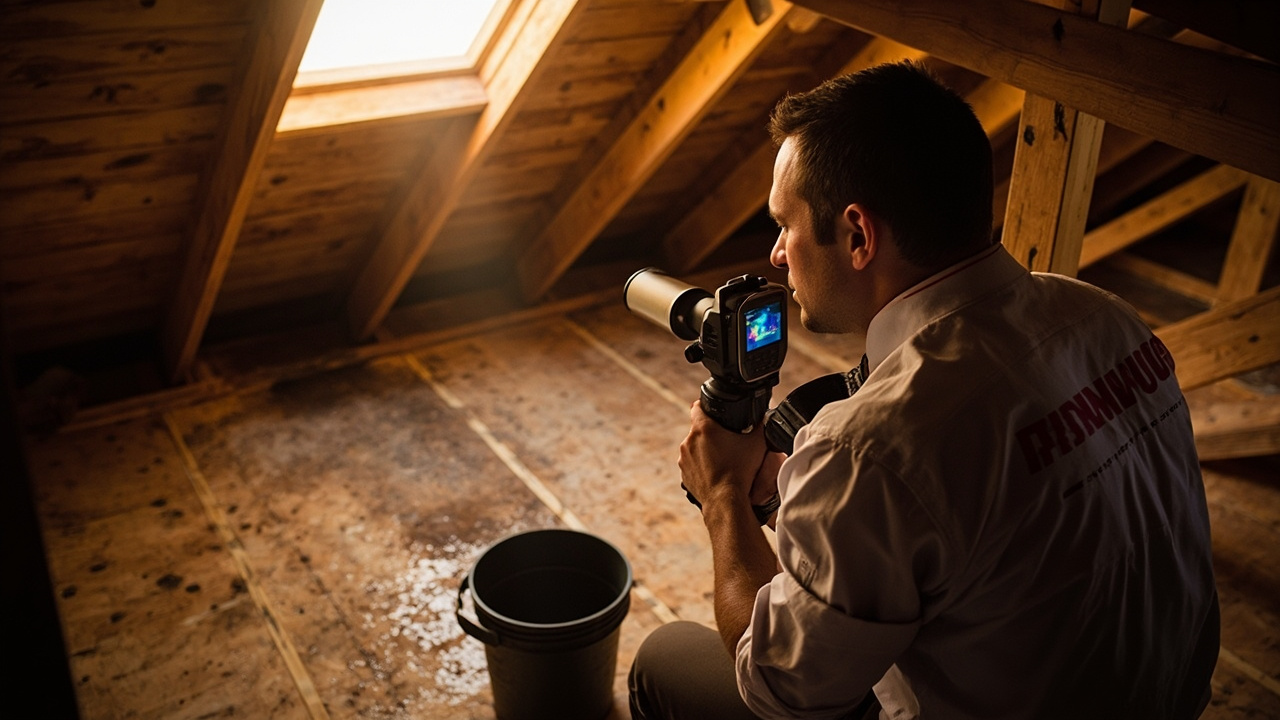
Our urgent roof leak inspection service uses thermal imaging cameras to detect moisture patterns invisible to the naked eye. We trace water migration paths through your attic space, identify compromised flashing around vents and chimneys, and pinpoint failed sealant joints before secondary damage spreads.

Time matters. Every hour you wait, water travels further into wall cavities and ceiling joists. What starts as a $300 flashing repair becomes a $8,000 mold remediation project and structural rebuild.

Ironwood Roofing Miami provides 24/7 roof leak diagnosis because we understand Miami's climate does not respect business hours. We arrive with moisture meters, infrared cameras, and the experience to distinguish between active leaks and old water stains that confuse property owners into false security.

Stop guessing where the water enters. Get same day roof leak detection from professionals who know how Miami roofs fail.

Why Miami Roof Leaks Escalate From Minor Drips to Major Disasters in Hours
The Forensic Approach to Emergency Roof Leak Tracing That Actually Finds the Source

The Forensic Approach to Emergency Roof Leak Tracing That Actually Finds the Source

Most property owners look at the ceiling stain and assume the leak sits directly above. Wrong.

Water enters through one breach point and travels along roof decking, down rafters, and across horizontal framing members before it finally drips through your ceiling. The visible damage can be 10 to 15 feet away from the actual entry point.

We use a systematic elimination process that starts in your attic space. Our technicians inspect the underside of roof sheathing for moisture trails, discoloration patterns, and active dripping. We check every penetration point: plumbing vents, exhaust fans, satellite dish mounts, and HVAC line sets.

Miami's flat and low-slope roofs create additional challenges. Water pools in valleys and behind parapet walls. We examine scupper drains for blockages and check that membrane seams remain heat-welded properly.

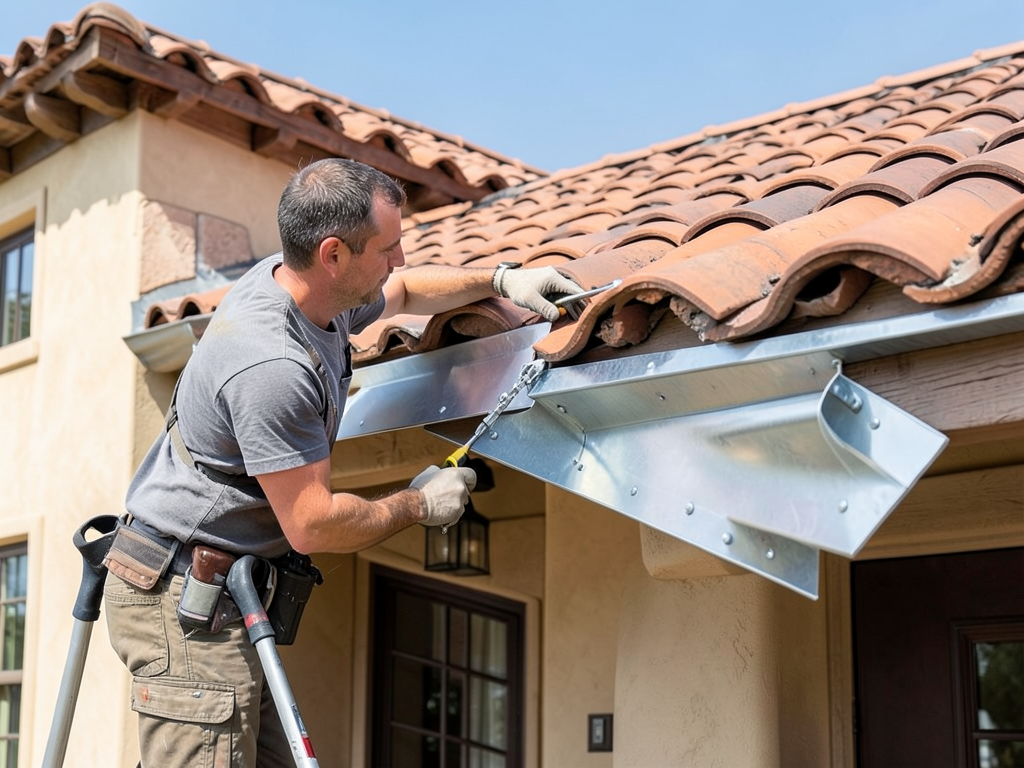
For tile and concrete roofs common in Miami, we inspect underlayment integrity. The tiles themselves rarely leak. The problem lies in deteriorated felt paper or damaged self-adhering membranes beneath the tiles. We lift tiles strategically to expose suspect areas without causing additional damage.

Our thermal imaging cameras detect temperature differentials that indicate trapped moisture. Wet insulation appears cooler than dry insulation. This technology eliminates guesswork.

We also evaluate your roof's drainage design. Miami Building Code requires specific drainage rates. If your roof was installed incorrectly or settling has changed slope angles, water accumulates where it should not.

Ironwood Roofing Miami combines old-school crawl space inspection with modern diagnostic equipment. We do not guess. We do not make assumptions. We find the exact failure point and explain why it happened.

What Happens During Your Emergency Leak Detection Call

Emergency Roof Leak Detection in Miami – Expert Tracing & Repair Within 60 Minutes
01

Immediate Phone Assessment

When you call, we ask targeted questions about water volume, location, and roof age. This helps us bring the correct diagnostic equipment and allows you to take immediate damage control steps while we drive to your property. We guide you through temporary water diversion techniques and help you document damage for insurance claims. Our dispatcher provides a realistic arrival window and confirms your address to eliminate delays.
02

On-Site Leak Tracing

Our technician performs a complete attic inspection first, checking for active dripping and moisture trails. We then move to the roof surface to examine flashing, sealant joints, and membrane integrity around the suspected breach zone. Thermal imaging scans reveal hidden moisture pockets. We take photos and measurements to create a clear diagnosis. For complex leaks, we may introduce water to specific areas to replicate the failure and confirm our findings.
03

Repair Plan and Execution

You receive a written diagnosis explaining what failed and why. We provide repair options ranging from emergency tarping to immediate permanent fixes if materials and daylight allow. Most emergency leak repairs involve flashing replacement, sealant reapplication, or small membrane patches that we complete same-day. For extensive damage requiring tear-off, we secure the area temporarily and schedule comprehensive repairs. You get clear next steps and documented findings for your insurance adjuster.

Why Miami Property Owners Trust Local Roof Leak Specialists Over National Chains

National roofing franchises send technicians who learned their trade in Tennessee or Texas. They do not understand how Miami-Dade County's High Velocity Hurricane Zone requirements affect roof assembly. They have never dealt with the specific failure patterns of concrete tile roofs in tropical climates.

Ironwood Roofing Miami focuses exclusively on South Florida roof systems. We know that barrel tile roofs need specific underlayment types. We understand that modified bitumen roofs fail differently here than in Phoenix because UV exposure combines with humidity to accelerate deterioration.

We also know Miami's building codes. Properties built before 2002 do not meet current wind load requirements. If you need permits for repairs, we handle the Miami-Dade Building Department submittal process, including product approval verification and Notice of Commencement filing.

Our technicians recognize the architectural styles throughout Miami. We have repaired Art Deco buildings in South Beach, mid-century modern homes in Morningside, and Mediterranean Revival estates in Coral Gables. Each style presents unique leak vulnerability points.

We maintain relationships with local suppliers who stock materials that meet Florida Building Code Product Approval specifications. When you need an emergency repair, we do not wait three days for special-order flashing. We source it locally within hours.

You also get technicians who live here. We respond faster because we are already in Miami, not dispatched from a regional hub in Fort Lauderdale or Tampa. We understand that a leak during a tropical storm requires immediate response, not a callback on Monday.

Local expertise matters when water is damaging your property right now. We have diagnosed thousands of Miami roof leaks. We know where they hide and how to fix them permanently.

What You Get With Professional Emergency Leak Detection Service

Response Time and Availability

We answer phones 24 hours per day, seven days per week, including holidays. Our average response time is 45 to 90 minutes for Miami and surrounding areas. During severe weather events when multiple leaks occur simultaneously, we triage based on damage severity and dispatch accordingly. You receive text updates with technician name, photo, and estimated arrival time. We do not use answering services. You speak directly with dispatch who can authorize emergency tarping before a technician arrives if your situation requires immediate water diversion.

Comprehensive Leak Diagnosis Process

Your inspection includes thermal imaging scans, moisture meter readings at multiple points, complete attic space examination, and exterior roof surface assessment. We check all penetrations, evaluate drainage patterns, and document findings with photos and measurements. You receive a written diagnostic report explaining the failure mechanism, contributing factors like poor installation or age-related deterioration, and recommended repairs. For insurance claims, we provide detailed documentation that adjusters require. Our diagnosis identifies both the immediate leak source and any secondary vulnerabilities that may fail soon.

Repair Quality and Materials

All emergency repairs use materials that meet Florida Building Code Product Approval requirements. We do not apply hardware store sealants that fail in six months. Flashing replacements use 26-gauge galvanized steel or copper appropriate for your roof type. Membrane patches are heat-welded, not glued. Tile replacements match your existing profile and color. For temporary measures, we use commercial-grade tarps with proper fastening that withstands wind without damaging your roof further. Every repair includes explanation of what we did and why, so you understand the solution.

Follow-Up and Prevention Planning

After emergency repairs, we schedule a follow-up inspection during the next rain event to confirm the leak is resolved. You receive a comprehensive roof condition report identifying other areas of concern before they fail. We provide maintenance recommendations specific to your roof type and age. For older roofs approaching replacement age, we give you realistic timelines and help you plan budgets. Our goal is not just stopping today's leak but preventing next month's emergency. You get added to our maintenance reminder system for annual inspections before hurricane season.

Frequently Asked Questions

You Have Questions,
We Have Answers

How to figure out where a roof leak is coming from? +

Start inside. Trace the water stain on your ceiling back toward the highest point. Water travels downward along rafters and decking before dripping. In Miami's flat or low-slope roofs, leaks often appear far from the source. Check your attic during daylight for light penetration or wet insulation. Outside, inspect areas where the roof plane changes: valleys, chimneys, vent pipes, and skylights. Look for missing or lifted shingles, cracked flashing, or clogged gutters. Miami's intense afternoon storms expose weak points fast. If you cannot isolate the entry point within 30 minutes, call a professional immediately to prevent mold and structural damage.

Is a roof leak an emergency? +

Yes. Any active leak is an emergency in Miami. High humidity accelerates mold growth within 24 to 48 hours. Water infiltration compromises roof decking, insulation, drywall, and electrical systems. During hurricane season, a small leak becomes a catastrophic breach under sustained wind-driven rain. Do not wait. Place a bucket under the drip, move valuables, and contact a licensed roofer immediately. Miami's tropical climate does not forgive delays. Even a slow drip indicates a compromised envelope. Professional assessment stops minor issues from becoming total re-roofs. Act now to protect your home and avoid insurance complications later.

How urgent is a leaking roof? +

Extremely urgent. Every hour water enters your home, damage multiplies. In Miami's heat and humidity, mold colonizes wet drywall and insulation within 48 hours. Roof decking swells and rots. Electrical wiring becomes a fire hazard when soaked. Ceiling joists weaken under sustained moisture. If you see active dripping, discoloration spreading, or sagging drywall, you have minutes to hours before structural failure. Do not attempt a DIY fix during a storm. Call a 24/7 emergency roofer immediately. Tarping and temporary repairs buy time until permanent fixes. Speed matters. Miami's afternoon thunderstorms and hurricane risks make every leak a countdown.

What to do when you can't find a roof leak? +

Call a professional immediately. Hidden leaks are common in Miami due to flat roofs, tile systems, and concealed flashing failures. Professionals use infrared cameras, moisture meters, and dye testing to locate elusive entry points. Water may travel 10 feet or more along underlayment before appearing inside. Do not keep searching alone while damage spreads. A licensed roofer knows Miami's common failure points: valley metal fatigue, parapet wall flashing, and HVAC penetration seals. They assess from above and below. Waiting risks mold, electrical shorts, and ceiling collapse. Emergency detection services operate 24/7 across Miami. Stop the guessing and get expert eyes on it now.

What is the most common source for roof leaks? +

Roof penetrations. Chimneys, vent pipes, skylights, and HVAC units require flashing to seal gaps where roofing material meets vertical surfaces. In Miami, flashing deteriorates rapidly from UV exposure, salt air, and thermal cycling. Cracked boot seals around plumbing vents and lifted step flashing at walls are the top culprits. Valleys rank second, especially on older tile roofs where mortar has crumbled. Flat roofs develop ponding water at drains and scuppers. Missing or wind-damaged shingles follow close behind. Regular inspections catch these weak points before storms exploit them. Miami's weather accelerates wear. Address flashing failures immediately.

Does homeowners insurance pay for a leaky roof? +

It depends. Homeowners insurance typically covers sudden, accidental damage like storm-related leaks, fallen trees, or wind-blown debris. It does not cover neglect or gradual wear. If your roof leaked because you ignored maintenance or it exceeded its lifespan, expect denial. Miami insurers scrutinize roof age heavily. Document everything: take photos, save contractor reports, and file claims immediately after storms. Insurance adjusters look for pre-existing damage. A roof inspection report dated before the storm strengthens your claim. Wind-driven rain during hurricanes usually qualifies. Slow leaks from deferred maintenance do not. Read your policy and call your agent before a roofer starts work.

What is the average cost to repair a roof leak? +

Costs vary widely based on damage extent and roof type. Minor flashing repairs or shingle replacement run a few hundred dollars. Significant structural repairs involving decking replacement, mold remediation, or tile reinstallation reach thousands. Miami's tile and flat roofs cost more to repair than asphalt shingles. Emergency callouts during storms carry premium pricing. Do not delay repairs to save money. A small leak becomes a total re-roof fast in Miami's climate. Get multiple written estimates. Beware lowball quotes that skip underlying damage. Expect honest roofers to assess hidden issues once they open the roof. Insurance may cover storm damage minus your deductible.

Is it normal for a roof to leak in heavy rain? +

No. A properly installed and maintained roof should never leak, even during Miami's severe thunderstorms or hurricanes. If water enters during heavy rain, your roof has failed. Common causes include clogged gutters causing overflow, wind-lifted shingles, compromised flashing, or inadequate drainage on flat roofs. Miami's intense rainfall rates expose every weak point. Ponding water on low-slope roofs finds cracks fast. Do not normalize leaks. Each storm worsens the problem. What starts as a drip becomes a torrent. Schedule an emergency inspection immediately after any leak. Temporary tarping stops further damage until permanent repairs happen. Your roof should protect you, not fail you.

Who is responsible for leaking roofs? +

The property owner. Homeowners are legally responsible for maintaining their roofs and repairing leaks promptly. Negligence that causes damage to neighbors or tenants creates liability. In condos or HOAs, responsibility splits: the association covers common roofs, unit owners handle their portion per governing documents. Landlords must repair rental property roofs quickly. Failure to act exposes them to habitability claims and rent withholding. If a roofer installed your system incorrectly, you may have recourse under warranty or contractor liability. Document everything. In Miami, hurricane damage complicates claims. Act fast regardless of fault. Water does not wait for liability disputes. Fix it now, sort responsibility later.

Who is the best person to fix a leaking roof? +

A licensed roofing contractor experienced in emergency leak detection and Miami's climate challenges. Look for contractors with thermal imaging equipment, 24/7 availability, and proven storm response. They should understand Miami's building codes, tile and flat roof systems, and insurance claims processes. Verify state licensure, liability insurance, and local references. Avoid handymen for leak repairs. Roof systems require specialized knowledge of waterproofing, flashing details, and structural integrity. Emergency roofers who respond fast, diagnose accurately, and execute temporary and permanent repairs protect your home and investment. Check reviews mentioning hurricane response and moisture detection. Speed and expertise matter equally when water is entering your home.

How Miami's Tropical Storms Make Roof Leak Detection More Complex and Urgent

Miami receives 60 inches of rain annually, with most falling between May and October during violent afternoon thunderstorms. Wind-driven rain penetrates roof vulnerabilities that remain dry during calm weather. This makes leak diagnosis challenging because a roof that appears sound in January fails catastrophically in August. Our immediate roof leak locator service accounts for this variable by testing suspected areas under simulated wind-driven rain conditions. We also evaluate your roof's performance during different weather patterns, checking that flashing and sealant joints withstand lateral water pressure from horizontal rain typical in tropical systems.

Miami-Dade County requires specific wind load ratings and installation methods that differ from standard roofing practices. Properties in the High Velocity Hurricane Zone must meet enhanced fastening schedules and underlayment specifications. Ironwood Roofing Miami maintains up-to-date knowledge of these requirements and verifies that repairs comply with current code. We also understand local permitting requirements and when emergency repairs trigger permit obligations. This local regulatory expertise protects you from future complications when you sell your property or file insurance claims after hurricanes.
Roofing Services in The Miami Area

Ironwood Roofing Miami is proud to service the entire Miami-Dade County area, including South Beach, Coral Gables, Doral, and beyond. We are a local company deeply familiar with the region, allowing us to respond quickly to your emergency needs and schedule non-urgent services with efficient turnaround. View our location on the map to see where our trusted professionals operate and invite us to your neighborhood for the area's most reliable roofing expertise.

Address:
Ironwood Roofing Miami, 2214 Biscayne Blvd, Miami, FL, 33131

Additional Services We Offer

Our news updates

Latest Articles & News from The Blogs

The Real Cost Difference Between Concrete and Clay Tiles for Hammock Lakes Homes Choosing between concrete and clay roof tiles…

The Real Cost Difference Between Concrete and Clay Tiles for Hammock Lakes Homes

The Real Cost Difference Between Concrete and Clay Tiles for Hammock Lakes Homes Choosing between concrete and clay roof tiles…

Managing Parapet Wall Leaks and Cap Flashing Issues for Brickell Townhomes

Managing Parapet Wall Leaks and Cap Flashing Issues for Brickell Townhomes Parapet walls create a critical vulnerability in Brickell townhome…

Why Your Ponce Davis Home Needs Heavy Duty Drip Edges to Prevent Wood Rot

Why Your Ponce Davis Home Needs Heavy Duty Drip Edges to Prevent Wood Rot The heavy afternoon thunderstorms that roll…

Contact Us

Water is spreading through your roof structure right now. Every minute increases repair costs and mold risk. Call (645) 231-4888 for immediate dispatch and expert leak tracing that finds the real source, not just the visible symptoms.