

Miami Gardens sits in one of the most punishing roof climates in America. Summer UV radiation breaks down shingles faster than northern climates. Afternoon thunderstorms pound roofs 100-plus days per year. Hurricane season brings wind-driven rain that finds every weak point in flashing and penetrations. Humidity creeps into attic spaces, feeding mold and rotting decking from the inside out.
The older neighborhoods around Scott Lake and Lake Lucerne feature homes built in the 1970s and 1980s with original roofing systems now decades past their design life. Newer developments near the Hard Rock Stadium deal with construction defects from the building boom, where shortcuts in installation create premature failures. Miami-Dade County requires NOA (Notice of Acceptance) approvals for roofing products and strict installation standards for wind resistance, but not every contractor follows protocol.
Flat roofs on commercial buildings along NW 27th Avenue face ponding water issues during rainy season. Tile roofs in Carol City crack from thermal cycling. Asphalt shingle roofs in Norwood lose granules rapidly under constant sun exposure. The combination of intense heat, severe weather, and salt air from proximity to the Atlantic creates a perfect storm for roof deterioration. Waiting too long between inspections turns minor issues into catastrophic failures that damage ceilings, walls, and electrical systems.
Ironwood Roofing Miami built its reputation on fast response and honest assessments. When you call during a crisis, you reach our dispatch team immediately, not an answering service. We keep fully stocked trucks and maintain material relationships that let us source specialty tiles, underlayment, and flashing without delays that leave your home exposed.
Our crews know Miami Gardens construction patterns. We have repaired thousands of roofs in Andover, Bunche Park, and Lake Lucerne, so we recognize the common failure points in local building styles. We understand which roof systems were installed during which building periods and what problems to expect. That knowledge speeds diagnosis and prevents guesswork that wastes your time and money.
We handle insurance claims daily. Our estimators document damage thoroughly with photos, measurements, and detailed reports that adjusters respect. We speak their language and know what evidence they need to approve claims. Many homeowners get lowball initial offers because they lack documentation. We make sure you get what you deserve.
Ironwood Roofing Miami follows Florida Building Code requirements without shortcuts. We pull permits when required, use NOA-approved materials for high-velocity hurricane zones, and install to manufacturer specifications that preserve warranties. We understand Miami-Dade County's strict standards exist because weak roofs kill people during hurricanes. Every nail, every piece of flashing, every penetration boot gets installed correctly.
You will not get upsold on unnecessary work. If your roof needs targeted repairs instead of full replacement, we tell you. If we find damage beyond what you reported, we show you with photos and explain options. Our goal is solving your immediate problem and giving you realistic expectations about remaining roof life.

Storm damage does not wait for business hours. Our crews respond to emergency calls throughout Miami Gardens, arriving with tarps and materials to stop active leaks immediately. We protect your home first, then develop a permanent repair plan. You get a live person on the phone, not a voicemail system, when water is pouring into your ceiling.

We document storm damage and roof failures with the detail insurance adjusters require to approve claims. Our estimators photograph damage from multiple angles, measure affected areas precisely, and write reports that match insurance industry standards. We have helped hundreds of Miami Gardens homeowners navigate claims and get fair settlements that cover proper repairs.
Miami-Dade County enforces the strictest building codes in Florida because hurricanes are not theoretical here. Ironwood Roofing Miami uses only NOA-approved materials rated for high-velocity hurricane zones. We install to manufacturer specifications, pull required permits, and schedule inspections. Your roof will pass code review and maintain warranty protection because we do not cut corners.
We have repaired roofs throughout Andover, Carol City, Bunche Park, and Lake Lucerne for years. Our crews recognize the architectural styles, common construction defects, and typical failure patterns in Miami Gardens neighborhoods. That local knowledge speeds diagnosis and ensures we bring the right materials and equipment to your property the first time.
Ironwood Roofing Miami handles everything from emergency leak repairs to full roof replacements across residential and commercial properties in Miami Gardens. We work on asphalt shingle systems common in Norwood and Bunche Park, concrete and clay tile roofs throughout Carol City, flat TPO and modified bitumen systems on commercial buildings along NW 27th Avenue, and metal roofing installations gaining popularity for hurricane resistance.
Our service range covers immediate damage mitigation when storms hit, scheduled maintenance that extends roof life, insurance restoration work that brings systems back to pre-loss condition, and planned replacements when roofs reach the end of their useful life. We handle small residential repairs and large commercial projects with the same attention to detail and code compliance.
Every roofing situation requires different expertise. Emergency leak repair demands fast response and temporary protection. Roof replacement needs careful planning, permitting, and material selection. Storm damage restoration requires insurance documentation and coordination. We structure our services around these distinct needs so you get the right solution for your specific situation, not a one-size-fits-all approach that wastes money or leaves problems unsolved.
When your roof fails during a storm or develops sudden leaks, you need immediate protection. Our emergency crews respond throughout Miami Gardens with tarps, sealants, and materials to stop water intrusion. We assess damage, secure your property against further weather exposure, and develop a permanent repair plan. Emergency service includes temporary waterproofing, debris removal, interior damage assessment, and photographic documentation for insurance claims. We work during and immediately after severe weather when other contractors are not available.
Roofs in Miami Gardens typically last 15-25 years depending on material and maintenance. When your system reaches the end of its design life or sustains damage beyond economical repair, full replacement becomes necessary. We handle permitting through Miami-Dade County, source NOA-approved materials rated for high-velocity hurricane zones, tear off existing systems down to decking, replace damaged substrate, and install new roofing following manufacturer specifications. Replacement projects include proper ventilation design, flashing installation at penetrations and valleys, and warranty registration. We complete most residential replacements in 2-3 days.
Regular maintenance catches small problems before they become expensive failures. Our inspection programs include bi-annual roof evaluations, gutter cleaning, debris removal, minor seal repairs, flashing inspection, and ventilation assessment. We check for loose or missing shingles, cracked tiles, compromised penetration boots, deteriorated caulking, and early signs of water intrusion. Maintenance customers receive priority emergency service and detailed condition reports that help plan for eventual replacement. Preventive care typically doubles the life expectancy of roofing systems in Miami Gardens' harsh climate.
Miami Gardens roofs face constant assault from weather extremes and environmental factors that accelerate deterioration. The combination of intense UV radiation, thermal cycling between hot days and cool nights, hurricane-force winds, torrential rainfall, and high humidity creates unique failure patterns. Understanding these common issues helps homeowners recognize problems early and prevents minor damage from escalating into catastrophic failures that threaten interior spaces and valuables.
Older neighborhoods near Scott Lake and Lake Lucerne deal with aging roof systems installed decades ago with materials and techniques that predate modern hurricane standards. Newer developments face construction defects from rapid building periods when quality control suffered. Commercial properties along major corridors experience different challenges related to flat roof drainage and membrane deterioration. Each problem requires specific repair approaches and materials suited to Miami Gardens conditions and Florida Building Code requirements.
Miami Gardens sits in a high-velocity hurricane zone where wind-driven rain penetrates every weakness in roofing systems. Storms tear off shingles, crack tiles, lift flashing, and drive water under underlayment. Even tropical storms create enough wind pressure to compromise poorly installed or aging roofs. Post-storm damage assessment identifies both obvious failures and hidden problems that will worsen over time without repair.
Summer roof surface temperatures in Miami Gardens exceed 160 degrees, causing shingles to lose protective granules and tiles to crack from thermal stress. UV radiation breaks down asphalt binders and synthetic materials faster than in northern climates. Roofs age in dog years here. Systems rated for 25-year life expectancy often fail at 15-18 years under constant sun exposure and heat cycling.
High humidity combines with poor attic ventilation to create ideal mold conditions on roof decking and in insulation. Small leaks go unnoticed until mold spreads or wood rot compromises structural integrity. Florida's wet season keeps roofs damp for extended periods. Proper ventilation design and quick leak repairs prevent moisture damage that costs far more than the original roof problem.
Many Miami Gardens roofs were installed by contractors who ignored Miami-Dade County requirements for wind resistance, proper flashing, and adequate fastener schedules. Shortcuts create premature failures and void manufacturer warranties. Insurance companies deny claims on improperly installed roofs. Re-roofing projects require correcting previous violations to pass inspection and ensure the new system performs as designed during severe weather.
Roofing projects create stress because your home's protection depends on the work quality and your daily life gets disrupted during installation. Ironwood Roofing Miami manages every project with clear communication, realistic timelines, and respect for your property. You will know what to expect at each stage, understand what is happening on your roof, and have direct access to project supervisors when questions arise.
We treat your home like our own. Crews protect landscaping, collect debris in magnetic rollers that capture nails, and clean your property thoroughly at the end of each day. You will not find trash in your yard or damage to your plants. Our project managers explain the work schedule, identify potential complications before they arise, and keep you informed of progress. The roofing process should not feel chaotic or mysterious.
Your estimate includes a detailed scope of work, material specifications, and itemized pricing. We inspect your roof thoroughly, identify all damage and deficiencies, and explain what needs immediate attention versus what can wait. You get options at different price points when choices exist. Our estimates include photos of problem areas so you see what we see. No hidden fees appear later. The price we quote is the price you pay unless you approve additional work.
Our installation teams arrive on time, work efficiently, and follow safety protocols. Every crew member is trained on proper installation techniques for the specific roofing system on your home. We use NOA-approved materials from manufacturers like GAF, CertainTeed, and Owens Corning that meet Miami-Dade County hurricane standards. You receive warranty documentation and installation certificates that protect your investment. Our crews communicate clearly, answer questions, and respect your property.
Roofing projects create massive amounts of debris. We haul away all tear-off materials, use magnetic tools to collect nails from your yard and driveway, and inspect your property for any remaining debris. The final walkthrough includes showing you completed work, explaining maintenance requirements, and providing warranty information. We do not consider a job finished until you are satisfied with both the roof and the condition of your property.
We break every project into clear phases so you know what happens next and when to expect completion. This structured approach prevents confusion and ensures quality control at each step.
We schedule a thorough roof inspection at your convenience, typically within 24-48 hours of your call. Our estimator photographs all damage, measures your roof, checks attic ventilation and decking condition from inside, and identifies code compliance issues. You receive a detailed written estimate within 24 hours that includes material specifications, scope of work, timeline, and itemized pricing. We explain all findings in plain language and answer questions until you fully understand the project.
Once you approve the estimate, we pull required permits and schedule installation around your needs and weather forecasts. Our crews protect your property with tarps and ground protection, tear off old roofing if needed, replace damaged decking, install proper underlayment and ice/water shield, and apply new roofing following manufacturer specifications. The project supervisor inspects work at the end of each day and addresses any issues immediately.
We schedule county inspection for permit jobs and conduct our own quality review on all projects. The final walkthrough includes showing you completed work, explaining warranty coverage, providing maintenance recommendations, and answering any remaining questions. You receive warranty documentation from both Ironwood Roofing Miami and the material manufacturer. We follow up after the first major rain to confirm the roof performs as expected.
Miami-Dade County enforces the most stringent building codes in the United States because hurricane damage here kills people and destroys communities. The High Velocity Hurricane Zone designation requires roofing products to pass NOA testing that simulates sustained winds over 140 mph with wind-driven rain. Every component from shingles to underlayment to fasteners must appear on the county's approved product list.
The Florida Building Code specifies fastener schedules based on roof slope, height, and exposure category. A typical residential roof in Miami Gardens requires six nails per shingle in field areas and specific patterns around perimeters and ridges where wind uplift forces concentrate. Underlayment must be self-adhering in valleys and around penetrations. Drip edge requires specific profiles and installation methods. These requirements are not suggestions. Inspectors fail roofs that deviate from code.
Roofing contractors must pull permits for most work beyond minor repairs. The permit process includes plan review, material verification, and multiple inspections during installation. Many homeowners think permits create unnecessary expense and delay. The reality is permits protect you. Unpermitted work voids insurance coverage when storm damage occurs. It creates disclosure problems when you sell your home. It puts your family at risk if the roof fails during a hurricane.
Tile roof installations require additional considerations for Miami Gardens wind loads. Each tile must be mechanically fastened, not just set in mortar. Foam adhesive provides secondary attachment for high-profile tiles. Hip and ridge tiles need hurricane clips. These requirements add labor and material cost but ensure tiles stay attached during extreme weather. Concrete tiles weigh 900-1000 pounds per square, so structural capacity must be verified before installation.
Flat roof systems on commercial buildings use different code sections related to drainage, membrane attachment, and edge securement. TPO and modified bitumen must be fully adhered or mechanically attached at specific intervals. Roof drains require overflow scuppers sized to handle extreme rainfall rates. Parapet walls need proper cap flashing and through-wall details. The complexity demands contractors who understand commercial roofing codes, not just residential requirements.
The Miami-Dade Notice of Acceptance program tests roofing products under simulated hurricane conditions before approving them for installation. Every shingle, tile, underlayment, and fastener must have a valid NOA number. Installation must follow the tested assembly exactly. Using non-approved products or deviating from tested methods violates code and voids warranties. Ironwood Roofing Miami maintains current NOA documentation for all materials we install.
Material quality creates the largest cost variation. Builder-grade shingles cost half what architectural shingles with enhanced wind resistance cost. Roof complexity adds labor time. Multiple valleys, steep slopes, and numerous penetrations increase installation difficulty. Decking replacement adds significant cost when water damage has rotted plywood. Permit fees, disposal costs, and insurance requirements affect total investment. Quality contractors cost more because we follow code and use proper materials.
Most residential roof replacements in Miami Gardens take 2-3 days from tear-off to completion. Complex roofs or tile installations may require 4-5 days. Weather delays are common during summer rainy season. Permit approval adds 1-2 weeks before work begins. Material delivery for specialty products can extend timelines. Emergency repairs happen same-day or next-day. We provide realistic schedules and update you immediately if delays occur.
Manufacturer warranties require proper installation by certified contractors using approved methods. Improper installation voids coverage even on premium materials. Workmanship warranties from Ironwood Roofing Miami cover installation defects. Insurance policies require code-compliant repairs using like-kind materials. Claims require thorough documentation. We handle the paperwork and ensure repairs meet both insurance requirements and building codes so your coverage remains valid.
Educational overview of roofing requirements and common problems in Miami Gardens, Florida. Covers Miami-Dade County building codes, NOA product approval requirements, hurricane wind standards, typical failure patterns in local roof systems, and guidance on choosing roofing contractors. Explains differences between emergency repairs, maintenance programs, and roof replacement. Provides information on tile, shingle, and flat roof systems common throughout Miami Gardens neighborhoods including Carol City, Bunche Park, Andover, and areas near Hard Rock Stadium.
Ironwood Roofing Miami provides complete roofing services throughout Miami Gardens and the surrounding areas of northern Miami-Dade County. We maintain fast response times to every neighborhood from the established communities around Scott Lake to the residential developments near Hard Rock Stadium. Our service area extends across Andover, Bunche Park, Carol City, Lake Lucerne, Norwood, and Opa-locka North, covering the diverse architectural styles and roofing systems found throughout this region.
The neighborhoods east of NW 27th Avenue feature predominantly single-family homes from the 1970s and 1980s with asphalt shingle roofs now reaching the end of their design life. These properties around Carol City and Bunche Park often require full replacement or extensive repairs from years of sun exposure and storm damage. We have completed hundreds of re-roofing projects in these areas and understand the common construction methods and failure patterns specific to this building period.
West of I-95 toward the Broward County line, you find newer construction with tile roofs and more varied architectural styles. Developments near the Miami Gardens Drive corridor and around Calder Race Course include both residential and commercial properties requiring different roofing expertise. Flat commercial roofs along NW 27th Avenue and NW 183rd Street demand specialized knowledge of drainage requirements and membrane systems that residential contractors often lack.
The area surrounding Hard Rock Stadium sees constant development and renovation activity. Properties here range from older homes being updated to new construction following current hurricane codes. Our crews navigate this area daily and know the permitting requirements and inspection procedures specific to Miami Gardens Building Department jurisdiction. We maintain relationships with local suppliers that let us source materials quickly for projects throughout the city.
North toward the Broward County line and south toward Miami Lakes, roofing challenges shift based on proximity to water features and prevailing wind patterns. Properties near Scott Lake and Lake Lucerne face additional moisture exposure that accelerates deterioration. Homes in flood zones require special attention to underlayment and ventilation to prevent moisture intrusion from below. Our experience across all these microclimates ensures we specify appropriate materials and installation methods for your specific location.
Whether you live near the Palmetto Expressway, State Road 9, or the western residential areas toward Hialeah Gardens, Ironwood Roofing Miami responds quickly and brings the equipment and materials your specific roofing system requires. We know Miami Gardens construction patterns, understand local weather challenges, and maintain the inventory to handle both emergency repairs and planned replacement projects throughout this community.
A new roof in Miami Gardens varies in price based on your home size, material choice, and roof complexity. Asphalt shingles typically fall on the lower end of the pricing spectrum, while concrete tile and metal roofs sit higher. Your roof's pitch, number of stories, and accessibility affect labor expenses. Additional factors include removal of old materials, decking repairs, and building code requirements. Get three written estimates from local contractors to compare pricing. Ask about material quality, warranties from manufacturers, and project timelines. Request references and verify licensing before making your decision.
Miami Gardens faces severe hurricane threats, so choose materials rated for high winds. Concrete and clay tiles withstand winds up to 150 mph when properly installed. Metal roofing performs well in hurricanes and resists wind uplift. Impact-rated asphalt shingles meet Florida Building Code requirements and handle flying debris better than standard options. All materials need proper installation with hurricane straps, enhanced fastening patterns, and sealed edges. Your contractor should follow Miami-Dade County protocols. Tile roofs offer superior longevity, while metal provides lightweight durability. Choose materials tested and approved for South Florida's climate conditions.
Most roof replacements in Miami Gardens take three to seven days. Single-story homes with straightforward layouts finish faster than multi-story or complex structures. Weather delays extend timelines, especially during summer rainstorms. Tile roof installations take longer than asphalt shingle projects due to weight and installation requirements. Your contractor needs time for tear-off, deck inspection, repairs, and material installation. Permit processing adds days before work starts. Large homes or extensive damage require more time. Ask your contractor for a detailed schedule. Quality work matters more than speed, so avoid contractors who rush installations.
A new roof in Miami Gardens varies in price based on your home size, material choice, and roof complexity. Asphalt shingles typically fall on the lower end of the pricing spectrum, while concrete tile and metal roofs sit higher. Your roof's pitch, number of stories, and accessibility affect labor expenses. Additional factors include removal of old materials, decking repairs, and building code requirements. Get three written estimates from local contractors to compare pricing. Ask about material quality, warranties from manufacturers, and project timelines. Request references and verify licensing before making your decision.
Miami Gardens faces severe hurricane threats, so choose materials rated for high winds. Concrete and clay tiles withstand winds up to 150 mph when properly installed. Metal roofing performs well in hurricanes and resists wind uplift. Impact-rated asphalt shingles meet Florida Building Code requirements and handle flying debris better than standard options. All materials need proper installation with hurricane straps, enhanced fastening patterns, and sealed edges. Your contractor should follow Miami-Dade County protocols. Tile roofs offer superior longevity, while metal provides lightweight durability. Choose materials tested and approved for South Florida's climate conditions.
Most roof replacements in Miami Gardens take three to seven days. Single-story homes with straightforward layouts finish faster than multi-story or complex structures. Weather delays extend timelines, especially during summer rainstorms. Tile roof installations take longer than asphalt shingle projects due to weight and installation requirements. Your contractor needs time for tear-off, deck inspection, repairs, and material installation. Permit processing adds days before work starts. Large homes or extensive damage require more time. Ask your contractor for a detailed schedule. Quality work matters more than speed, so avoid contractors who rush installations.
Yes, Miami Gardens requires permits for roof replacements. Your contractor typically handles permit applications with the city building department. Permits ensure work meets Florida Building Code and wind resistance standards. Inspectors verify proper installation techniques, material ratings, and structural integrity. Permit fees depend on project scope and home value. Working without permits risks fines and complications when selling your home. Insurance claims often require permitted work. The process takes several days to weeks for approval. Choose contractors familiar with local requirements. Permits protect you by ensuring your roof meets hurricane safety standards.
Look for missing, cracked, or displaced shingles and tiles after storms. Check your attic for water stains, daylight coming through, or wet insulation. Examine ceilings for discoloration or sagging. Outside, inspect for damaged flashing around chimneys and vents. Gutters filled with shingle granules indicate deterioration. Dented or torn metal components need replacement. Walk your property to spot debris impact points. Document damage with photos before making repairs. Schedule a professional inspection within days of a hurricane. Waiting allows secondary damage from water infiltration. Your insurance claim deadline starts from the storm date.
Tile roofs in Miami Gardens last 50 to 100 years with proper maintenance. Concrete tiles typically provide 50 years of service, while clay tiles often exceed 75 years. Miami's sun, salt air, and storms affect longevity. Individual tiles break from impacts and need replacement, but the overall system endures. Regular inspections catch problems early. Quality installation extends lifespan significantly. Underlayment wears out before tiles and needs replacement every 20 to 30 years. Keep gutters clean and replace broken tiles promptly. Tile roofs outlast asphalt and offer excellent value despite higher initial investment.
Many Miami Gardens roofing contractors assist with insurance claims for storm damage. They document damage, photograph evidence, and provide detailed estimates. Some companies meet with adjusters during inspections to explain necessary repairs. Contractors familiar with insurance processes help you understand your policy coverage. They itemize damage and explain restoration requirements. You remain responsible for filing claims and communicating with your insurer. Get multiple opinions before signing contracts. Review your policy to understand deductibles and coverage limits. Keep all documentation organized. Choose contractors experienced with Florida insurance claims to navigate the process smoothly.
Inspect your Miami Gardens roof twice yearly, preferably in spring and fall. Schedule additional inspections after major storms or hurricanes. Professional inspections identify problems before they become expensive repairs. Inspectors check shingles, flashing, gutters, and ventilation systems. They spot early signs of wear, damage, or leaks. Annual professional inspections complement your own visual checks from the ground. Older roofs need more frequent evaluation. Tile roofs require inspections to find cracked or displaced tiles. Regular maintenance extends roof life and prevents water damage. Document inspection findings to track your roof's condition over time.
Most established roofing companies in Miami Gardens provide emergency repair services for storm damage and sudden leaks. They offer 24-hour response for urgent situations. Emergency services include temporary tarping, leak repairs, and securing loose materials. Search online for contractors advertising emergency availability. Check reviews and verify credentials before hiring. Keep contact information for reputable companies before storms hit. Emergency repairs prevent further damage until full restoration begins. Expect limited availability immediately after hurricanes when demand peaks. Document all emergency work for insurance purposes. Choose companies with local presence and quick response times for your area.
Miami Gardens follows Florida Building Code requirements for wind resistance. New roofs need materials rated for high-velocity hurricane zones. Impact-resistant shingles are not universally required but offer benefits for insurance discounts and improved protection. Miami-Dade County approvals indicate products meet strict testing standards. Your location and insurance policy determine specific requirements. Many insurers reduce premiums for impact-rated materials. Building officials verify compliance during permit inspections. Consult with your contractor about code requirements for your specific project. Impact-resistant products protect against hail and flying debris during storms. Meeting or exceeding minimum standards protects your investment.
Yes, Miami Gardens requires permits for roof replacements. Your contractor typically handles permit applications with the city building department. Permits ensure work meets Florida Building Code and wind resistance standards. Inspectors verify proper installation techniques, material ratings, and structural integrity. Permit fees depend on project scope and home value. Working without permits risks fines and complications when selling your home. Insurance claims often require permitted work. The process takes several days to weeks for approval. Choose contractors familiar with local requirements. Permits protect you by ensuring your roof meets hurricane safety standards.
Look for missing, cracked, or displaced shingles and tiles after storms. Check your attic for water stains, daylight coming through, or wet insulation. Examine ceilings for discoloration or sagging. Outside, inspect for damaged flashing around chimneys and vents. Gutters filled with shingle granules indicate deterioration. Dented or torn metal components need replacement. Walk your property to spot debris impact points. Document damage with photos before making repairs. Schedule a professional inspection within days of a hurricane. Waiting allows secondary damage from water infiltration. Your insurance claim deadline starts from the storm date.
Tile roofs in Miami Gardens last 50 to 100 years with proper maintenance. Concrete tiles typically provide 50 years of service, while clay tiles often exceed 75 years. Miami's sun, salt air, and storms affect longevity. Individual tiles break from impacts and need replacement, but the overall system endures. Regular inspections catch problems early. Quality installation extends lifespan significantly. Underlayment wears out before tiles and needs replacement every 20 to 30 years. Keep gutters clean and replace broken tiles promptly. Tile roofs outlast asphalt and offer excellent value despite higher initial investment.
Many Miami Gardens roofing contractors assist with insurance claims for storm damage. They document damage, photograph evidence, and provide detailed estimates. Some companies meet with adjusters during inspections to explain necessary repairs. Contractors familiar with insurance processes help you understand your policy coverage. They itemize damage and explain restoration requirements. You remain responsible for filing claims and communicating with your insurer. Get multiple opinions before signing contracts. Review your policy to understand deductibles and coverage limits. Keep all documentation organized. Choose contractors experienced with Florida insurance claims to navigate the process smoothly.
Inspect your Miami Gardens roof twice yearly, preferably in spring and fall. Schedule additional inspections after major storms or hurricanes. Professional inspections identify problems before they become expensive repairs. Inspectors check shingles, flashing, gutters, and ventilation systems. They spot early signs of wear, damage, or leaks. Annual professional inspections complement your own visual checks from the ground. Older roofs need more frequent evaluation. Tile roofs require inspections to find cracked or displaced tiles. Regular maintenance extends roof life and prevents water damage. Document inspection findings to track your roof's condition over time.
Most established roofing companies in Miami Gardens provide emergency repair services for storm damage and sudden leaks. They offer 24-hour response for urgent situations. Emergency services include temporary tarping, leak repairs, and securing loose materials. Search online for contractors advertising emergency availability. Check reviews and verify credentials before hiring. Keep contact information for reputable companies before storms hit. Emergency repairs prevent further damage until full restoration begins. Expect limited availability immediately after hurricanes when demand peaks. Document all emergency work for insurance purposes. Choose companies with local presence and quick response times for your area.
Miami Gardens follows Florida Building Code requirements for wind resistance. New roofs need materials rated for high-velocity hurricane zones. Impact-resistant shingles are not universally required but offer benefits for insurance discounts and improved protection. Miami-Dade County approvals indicate products meet strict testing standards. Your location and insurance policy determine specific requirements. Many insurers reduce premiums for impact-rated materials. Building officials verify compliance during permit inspections. Consult with your contractor about code requirements for your specific project. Impact-resistant products protect against hail and flying debris during storms. Meeting or exceeding minimum standards protects your investment.
Ironwood Roofing Miami is proud to service the entire Miami-Dade County area, including South Beach, Coral Gables, Doral, and beyond. We are a local company deeply familiar with the region, allowing us to respond quickly to your emergency needs and schedule non-urgent services with efficient turnaround. View our location on the map to see where our trusted professionals operate and invite us to your neighborhood for the area's most reliable roofing expertise.
Address:
Miami Gardens, FL, 33056
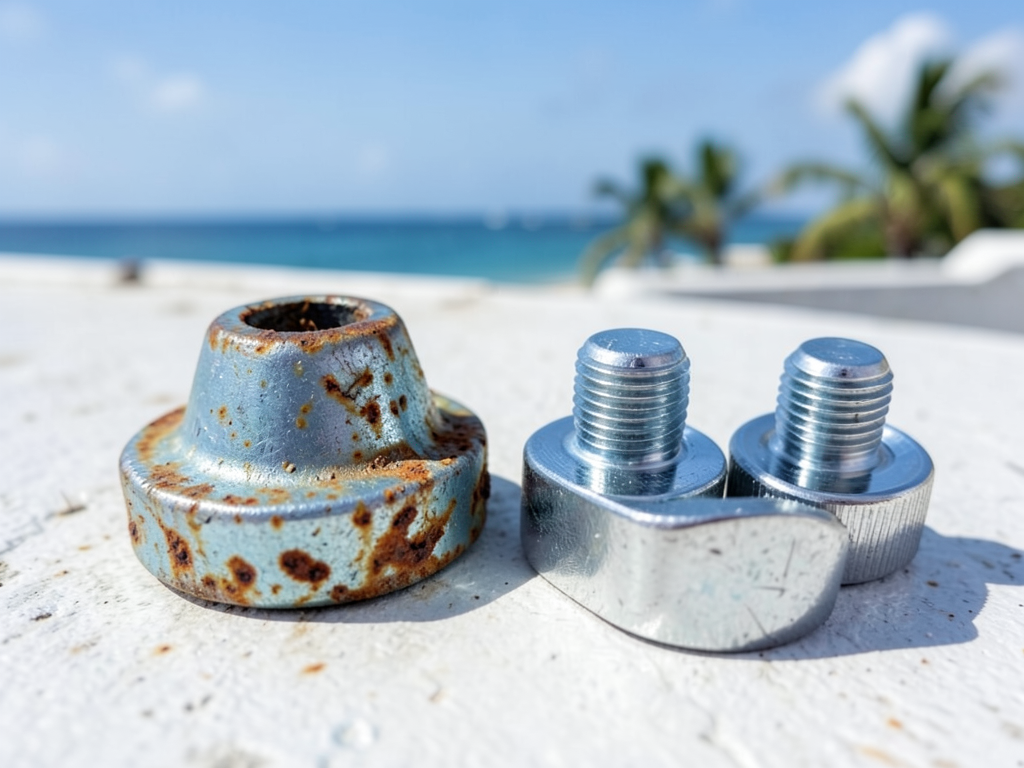
Living in Gables by the Sea means your roof faces relentless salt spray from Biscayne Bay every single day. Standard galvanized fasteners start corroding within three years and fail completely by year five. That's when…
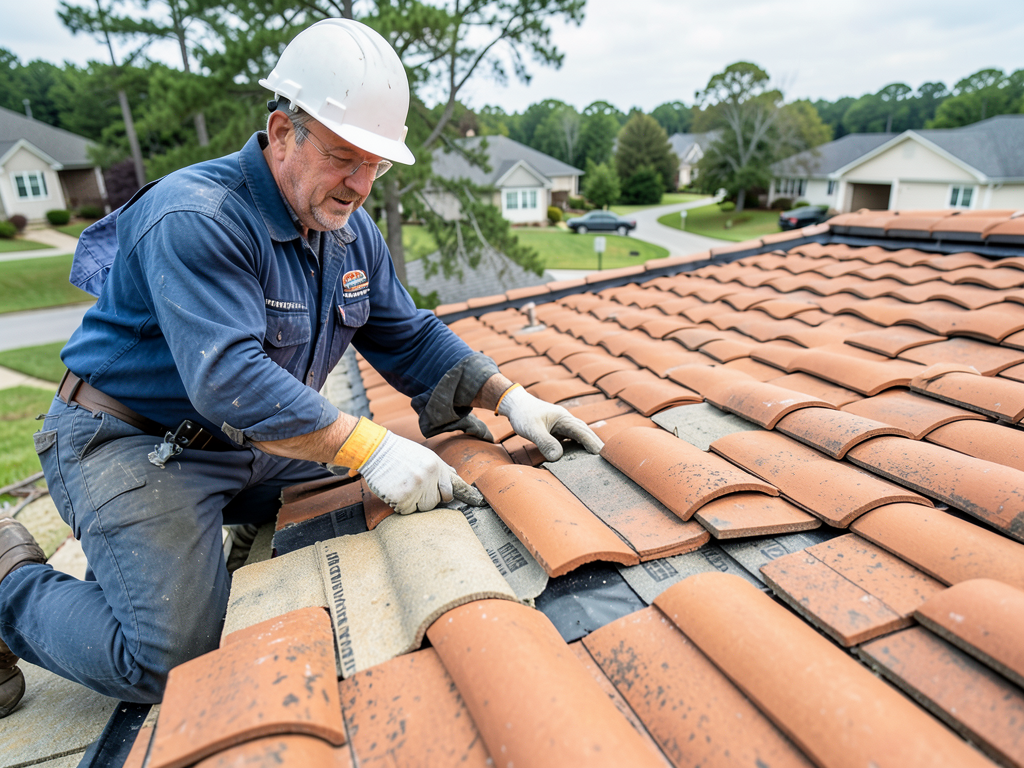
The Real Cost Difference Between Concrete and Clay Tiles for Hammock Lakes Homes Choosing between…
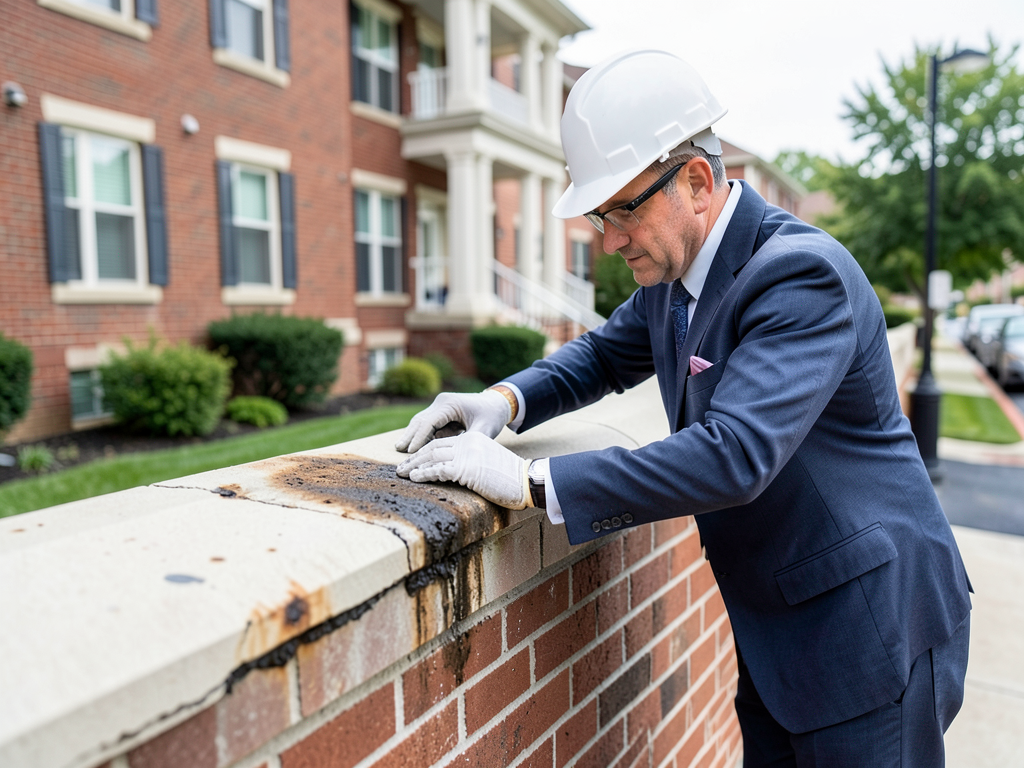
Managing Parapet Wall Leaks and Cap Flashing Issues for Brickell Townhomes Parapet walls create a…
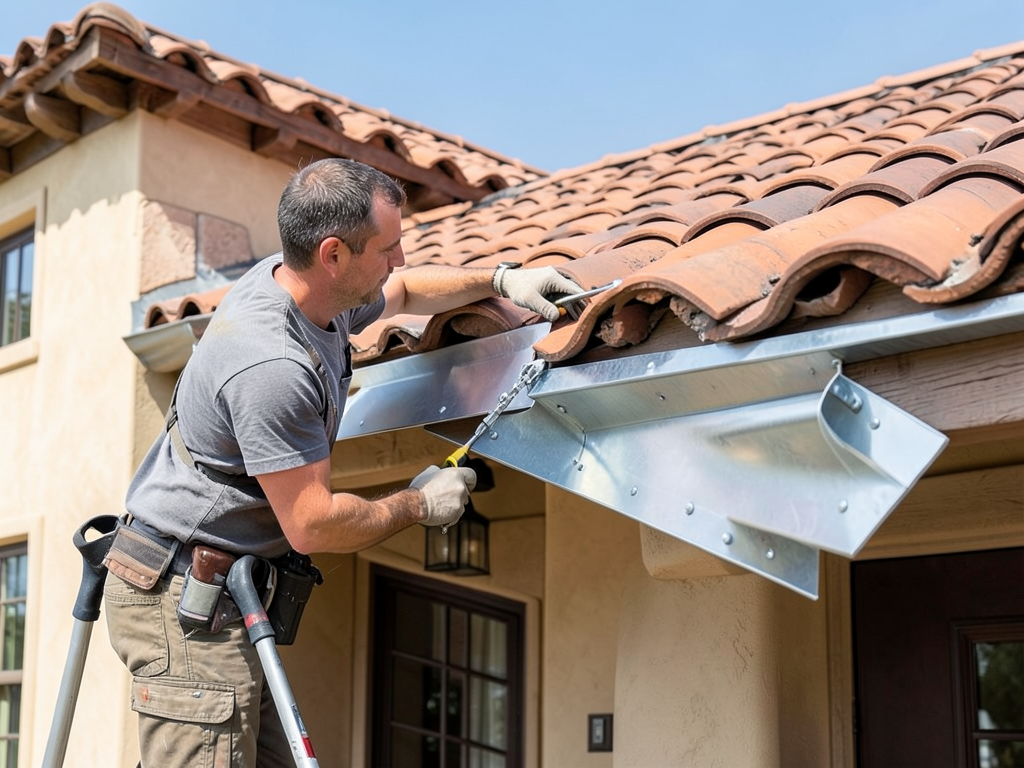
Why Your Ponce Davis Home Needs Heavy Duty Drip Edges to Prevent Wood Rot The…
Your roof protects everything inside your home. Do not wait for small leaks to become major damage. Call Ironwood Roofing Miami at (645) 231-4888 right now for fast assessment and honest solutions. We respond to emergencies throughout Miami Gardens and provide free estimates on all roofing projects.