menu

Metal Roof vs Asphalt Shingles Cost in Miami – Compare Long-Term Value Against Hurricane Wind Ratings

Understand how metal roofing vs asphalt shingles price breaks down for Miami's salt air, wind-driven rain, and hurricane zones so you can invest in the right system for your climate and budget.

Slider Image 1
Slider Image 2
Slider Image 3
Slider Image 4
Slider Image 5
Slider Image 7
Slider Image 8
Slider Image 9
Slider Image 10
Slider Image 11

Why Miami Homeowners Need to Rethink Standard Roofing Math

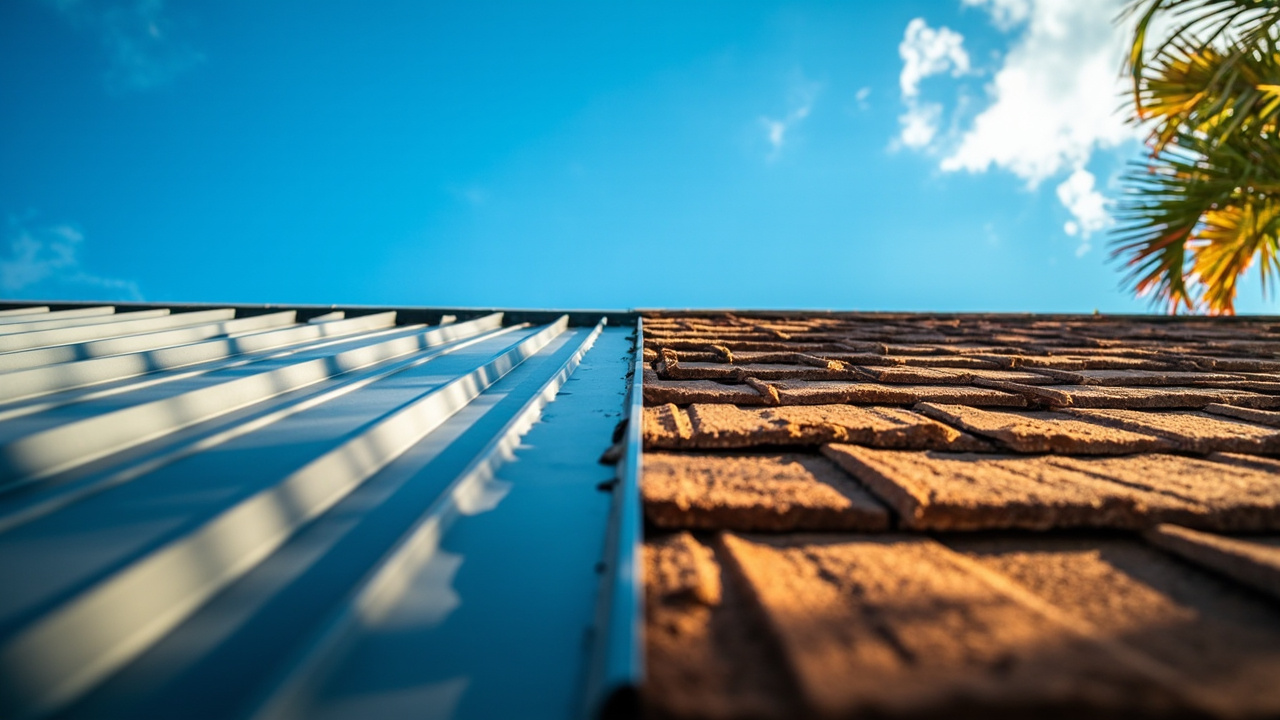
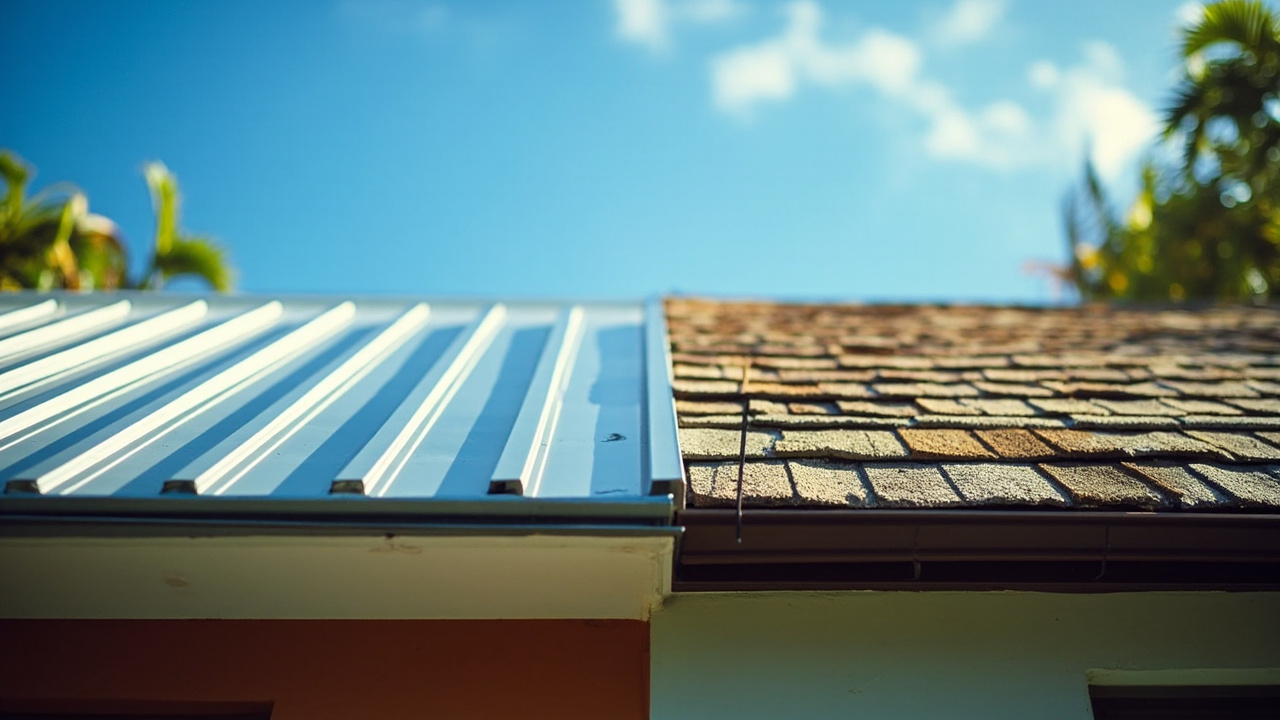
The cost difference between metal and asphalt roof systems is not a simple subtraction problem in Miami. You live in a coastal zone where saltwater spray corrodes fasteners, UV radiation degrades petroleum-based shingles faster than inland climates, and hurricane wind loads dictate whether your roof stays attached to the structure. A standard three-tab asphalt shingle that might last 20 years in Tennessee will fail in 12 to 15 years here because of thermal cycling and moisture intrusion. The metal roof vs shingle roof pricing comparison changes when you calculate replacement frequency, wind rating upgrades, and insurance premium adjustments.

Most online calculators give you national averages that ignore Miami-Dade County's High Velocity Hurricane Zone requirements. If you are comparing a basic architectural shingle at a lower upfront cost to a standing seam metal panel system, you need to factor in the cost of re-roofing every 15 years versus a metal system that can last 40 to 50 years with minimal maintenance. The metal vs asphalt roofing cost comparison also shifts when you account for cooling load reduction. Metal roofing with reflective coatings can drop attic temperatures by 20 to 30 degrees, which translates to lower air conditioning costs in a climate where your HVAC runs nine months a year.

The price comparison metal roof vs asphalt shingles becomes clearer when you look at total lifecycle cost rather than initial installation expense. You are not just buying a product. You are buying performance in a coastal subtropical environment where your roof takes direct hits from UV radiation, salt fog, and 140-mph wind gusts during named storms.

Why Miami Homeowners Need to Rethink Standard Roofing Math
How to Break Down the Real Numbers Behind Each System

How to Break Down the Real Numbers Behind Each System

The metal roofing vs asphalt shingles price discussion starts with material grade and installation complexity. Asphalt shingles come in three-tab, architectural, and impact-resistant variants. A three-tab shingle is the cheapest upfront but offers minimal wind resistance and shorter lifespan. Architectural shingles with a Class 4 impact rating and enhanced wind resistance meet Miami-Dade product approvals, but they still degrade under sustained UV exposure and thermal expansion cycles. The installation labor for asphalt is lower because the material is lighter and the learning curve is shorter.

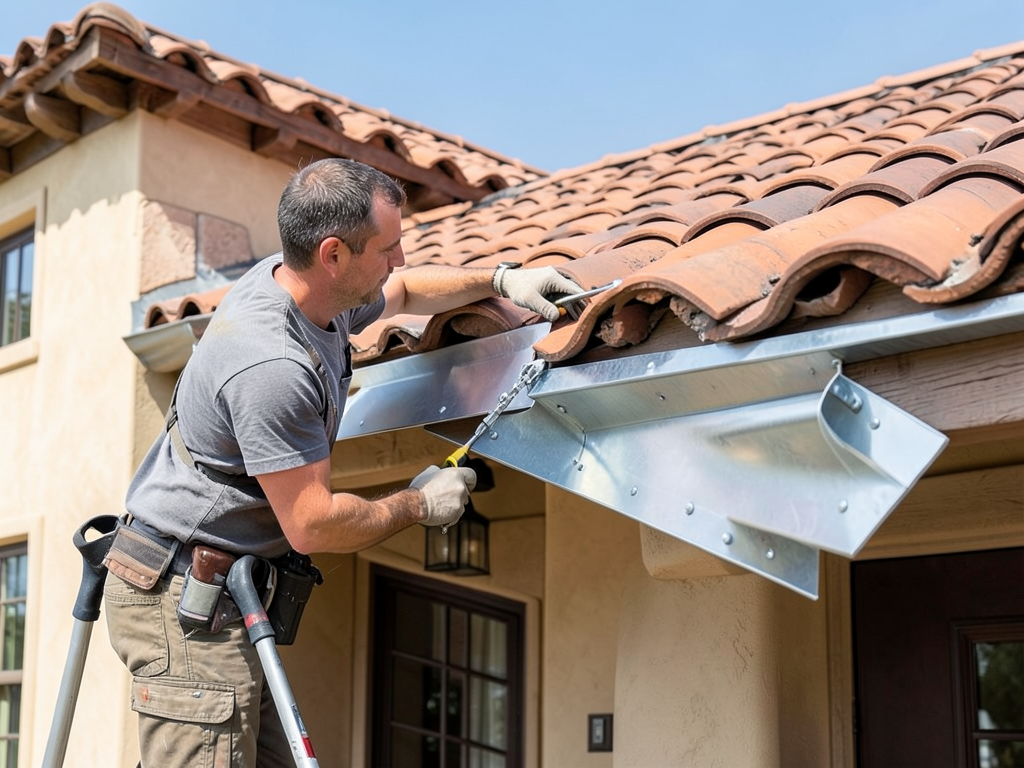
Metal roofing systems include standing seam panels, corrugated metal, and metal shingles designed to mimic slate or tile. Standing seam panels with concealed fasteners and interlocking seams provide the highest wind resistance because there are no exposed penetrations for wind-driven rain to exploit. The cost difference between metal and asphalt roof installations increases with metal because of the specialized fastening systems, underlayment requirements, and flashing details required to meet Florida Building Code. You need mechanically seamed panels or snap-lock systems that can handle thermal movement without opening gaps at the seams.

The metal roof vs shingle roof pricing also reflects the need for proper ventilation and condensation control. Metal roofing conducts heat rapidly, so you need adequate attic ventilation to prevent moisture buildup on the underside of the panels. Asphalt shingles require different ventilation strategies because they absorb and retain heat rather than reflect it. The installation process for metal roofing involves more precise measurements and custom fabrication, which increases labor time but delivers a roof system that can withstand Category 4 wind events without catastrophic failure.

How We Help You Compare Systems Based on Your Roof Geometry and Budget

Metal Roof vs Asphalt Shingles Cost in Miami – Compare Long-Term Value Against Hurricane Wind Ratings
01

Roof Assessment and Load Calculation

We measure your roof pitch, square footage, and existing decking condition to determine whether your structure can support the weight of metal panels or if additional reinforcement is required. We also evaluate your current ventilation system and attic insulation because these factors directly affect the performance and longevity of both asphalt and metal systems in Miami's humidity.
02

Material Selection and Cost Modeling

We provide side-by-side comparisons of impact-rated asphalt shingles and metal roofing options that meet Miami-Dade Notice of Acceptance standards. We break down the metal vs asphalt roofing cost comparison by showing you material grade, wind rating, expected lifespan, and how each system affects your homeowner's insurance premiums. This transparency helps you make an informed decision based on real data.
03

Installation Plan and Timeline

We outline the installation sequence, permitting requirements, and estimated timeline for your chosen system. Metal roofing typically takes longer to install because of the precision required for flashing details and seam alignment, but the result is a roof system that performs at a higher level during hurricane season. We coordinate inspections and ensure all work meets Florida Building Code before final sign-off.

Why Ironwood Roofing Miami Understands the Local Cost Variables

We work exclusively in Miami-Dade and Broward Counties, so we understand how local permitting fees, product approval requirements, and contractor availability affect the price comparison metal roof vs asphalt shingles. Miami-Dade County requires a Notice of Acceptance for every roofing product installed within the High Velocity Hurricane Zone. This means you cannot use generic products from big box stores. The approved product list limits your options and increases material costs compared to inland markets, but it also ensures your roof can withstand the wind loads and uplift forces generated by tropical storms and hurricanes.

We also know how salt air accelerates corrosion on fasteners and flashing. Metal roofing systems installed near the coast require stainless steel or coated fasteners to prevent galvanic corrosion where dissimilar metals contact each other. Asphalt shingles installed near the beach face accelerated granule loss from salt spray and UV degradation, which shortens their effective lifespan. We factor these local conditions into our recommendations so you get a roof system designed for your specific microclimate rather than a generic solution.

Our team understands the insurance implications of your roofing choice. Many carriers offer premium discounts for impact-rated shingles or metal roofing systems with high wind ratings. We provide documentation of the products used and the installation methods so you can submit this information to your insurer and potentially reduce your annual premiums. This cost offset is often overlooked in the metal roofing vs asphalt shingles price comparison, but it can add up to significant savings over the life of the roof.

We also navigate the permitting process efficiently because we work with the same building departments repeatedly. We know which inspectors focus on specific details and how to document our installations to pass inspection without delays. This local knowledge reduces your project timeline and minimizes the risk of failed inspections that can add unexpected costs to your roofing project.

What You Should Expect When Comparing Your Options

Timeline for Installation and Disruption

Asphalt shingle installations typically take two to three days for an average-sized home, while metal roofing projects take four to six days because of the precision required for panel alignment and seam fabrication. Both systems require tear-off of the existing roof unless you have a structural deck that can support a retrofit installation. We schedule work during dry weather windows and coordinate material delivery to minimize disruption to your daily routine. You should expect noise during tear-off and fastening, but we protect your landscaping and clean up debris daily to keep your property safe and accessible.

How We Evaluate Your Roof and Provide Transparent Estimates

We conduct a full roof inspection that includes attic access to check for existing moisture damage, inadequate ventilation, or structural issues that could affect the performance of your new roof. We measure your roof geometry, document the condition of your decking, and photograph any areas of concern. Our estimates break down material costs, labor, permits, and disposal fees so you can see exactly where your money goes. We explain the cost difference between metal and asphalt roof options in terms of material grade, wind rating, and expected lifespan so you can compare systems on an equal basis.

The Performance and Longevity You Can Expect

A properly installed metal roof in Miami should last 40 to 50 years with minimal maintenance beyond periodic inspections and cleaning of debris from valleys. Impact-rated asphalt shingles with enhanced wind resistance will last 15 to 20 years if installed correctly and maintained regularly. Metal roofing resists algae growth, does not require chemical treatments, and maintains its wind rating throughout its lifespan. Asphalt shingles will show granule loss over time, which reduces their UV protection and accelerates thermal degradation. We install both systems to manufacturer specifications and ensure proper ventilation to maximize performance in Miami's coastal climate.

What Happens After Installation

We provide documentation of all materials used, installation methods, and inspection approvals so you have a complete record for insurance purposes and future property sales. We recommend annual inspections after hurricane season to check for wind damage, loose fasteners, or debris accumulation in valleys and gutters. Metal roofing requires minimal maintenance, but you should inspect flashing details around penetrations and ensure sealants remain intact. Asphalt shingles benefit from periodic cleaning to remove algae and debris that can trap moisture and accelerate deterioration. We offer maintenance plans that include annual inspections and minor repairs to extend the life of your roof system.

Frequently Asked Questions

You Have Questions,
We Have Answers

Is it cheaper to get a metal roof or shingles? +

Asphalt shingles cost less upfront. You pay $3.50 to $5.50 per square foot installed in Miami. Metal roofing runs $7 to $12 per square foot. The initial difference is significant. However, metal roofs last 40 to 70 years, while shingles need replacement every 15 to 20 years in Miami's humid, storm-prone climate. Factor in multiple shingle replacements, and metal becomes cost-competitive over time. If you plan to stay in your home long-term, metal delivers better value. If you need the lowest upfront cost, shingles win.

What is the downside to a metal roof? +

Metal roofs cost more upfront. That's the biggest drawback for most Miami homeowners. They also expand and contract with temperature swings, which can loosen fasteners if installed incorrectly. Noise during heavy rain can be an issue without proper insulation and underlayment. Denting from hail or falling branches happens with softer metals like aluminum. Some HOAs in Miami restrict metal roofing due to aesthetic concerns. Finally, color fading occurs over decades, though quality coatings minimize this. Proper installation by experienced contractors eliminates most performance issues.

Does a metal roof lower your insurance? +

Yes, many insurers offer discounts for metal roofs in Miami. Metal roofing resists wind damage better than shingles, which matters during hurricane season. You can see premium reductions of 10% to 30%, depending on your carrier and policy. Metal roofs meet Miami-Dade County's strict wind load requirements, which insurers recognize. The discount varies by panel type and installation method. Standing seam systems with concealed fasteners earn higher discounts than exposed fastener panels. Contact your insurance agent before installation to confirm eligibility and required documentation for the discount.

Are metal roofs better than asphalt shingles? +

Metal roofs outperform asphalt shingles in Miami's climate. They withstand hurricane-force winds, resist algae growth in high humidity, and reflect solar heat to reduce cooling costs. Metal lasts three times longer than shingles. Shingles deteriorate faster under intense UV exposure and salt air near the coast. Metal also sheds water faster during heavy rainstorms, reducing leak risk. However, shingles cost less upfront and come in more color options. For durability, energy efficiency, and storm resistance, metal wins. For budget-conscious projects or short-term ownership, shingles work fine.

How much does a metal roof cost for a 2000 square foot home? +

A metal roof on a 2,000 square-foot Miami home costs $14,000 to $24,000 installed. The price depends on metal type, panel style, roof complexity, and contractor. Standing seam aluminum or steel costs more than corrugated panels. Complex rooflines with multiple valleys or steep pitches increase labor costs. Removal of old shingles adds $1 to $2 per square foot. Miami-Dade approved materials and fasteners meeting hurricane codes also affect pricing. Get three quotes from licensed roofers. Verify they pull permits and follow local wind load requirements for accurate pricing.

Is a metal roof better than shingles for insurance? +

Yes. Metal roofs qualify for better insurance rates in Miami due to superior wind resistance. Insurers care about storm damage risk. Metal roofing systems rated for 140 mph winds or higher reduce claim likelihood during hurricanes. You need documentation showing Miami-Dade NOA approval and proper installation to secure discounts. Shingles rated for high winds also qualify for discounts, but metal consistently earns higher reductions. The impact-resistant rating matters too. Discuss your roofing plans with your insurance agent before installation to maximize premium savings and ensure compliance with policy requirements.

Do metal roofs leak more than shingles? +

No. Properly installed metal roofs leak less than shingles. Metal panels overlap and interlock, creating continuous weather barriers. Standing seam systems use concealed fasteners, eliminating penetration points where leaks start. Shingles have thousands of nail holes and seams where water infiltrates over time. In Miami's heavy rains, worn shingle sealant fails, allowing wind-driven water intrusion. Metal roofs shed water faster due to smooth surfaces. Poor installation causes leaks in any roofing system. Hire experienced contractors who understand flashing details around chimneys, vents, and valleys to prevent leaks.

Does a metal roof affect WiFi? +

Metal roofs can interfere with WiFi signals, but the effect is minimal in most homes. Metal reflects and absorbs radio frequencies. If your router sits in the attic directly under metal panels, you may notice weaker signals in some rooms. The solution is simple. Place your router on the main floor or use a mesh WiFi system with multiple access points. Modern routers operating on 5GHz frequencies penetrate better than older 2.4GHz models. Most Miami homeowners report no noticeable difference after metal roof installation. Test signal strength before and after if connectivity concerns you.

Can a tornado take off a metal roof? +

Tornadoes can remove any roof, but metal roofs resist extreme winds better than shingles. Properly installed standing seam metal roofs rated for 140 to 180 mph winds stay attached during most tornado events. The key is installation quality. Fasteners must penetrate into structural decking at correct spacing. Miami-Dade approved clips and panels designed for high wind zones perform best. Tornadoes generate uplift forces that exploit weak points. Shingles with exposed nails fail faster under these conditions. No roofing system is tornado-proof, but metal offers superior wind resistance when installed to code.

Why do insurance companies dislike metal roofs? +

This is a myth. Insurers actually prefer metal roofs in Miami. Some older insurance agents incorrectly believe metal roofs cost more to repair, but data shows they reduce storm damage claims. A few carriers hesitate because metal roofs last so long that they cannot justify premium increases during the roof's lifespan. Most major insurers now offer premium discounts for metal roofing. Verify your metal roof meets Miami-Dade NOA standards and wind ratings. Provide installation documentation to your insurer. Any company refusing coverage for a code-compliant metal roof likely has outdated underwriting policies.

How Miami's Salt Air and Hurricane Wind Loads Change the Metal vs Asphalt Equation

Miami sits in the High Velocity Hurricane Zone, which means your roof must meet wind load requirements that exceed most of the country. The metal roof vs shingle roof pricing discussion cannot ignore the fact that standing seam metal panels with interlocking seams and concealed fasteners provide superior wind uplift resistance compared to mechanically attached asphalt shingles. When wind speeds exceed 110 mph, asphalt shingles experience tab lifting and granule loss even if they are rated for higher wind speeds. Metal panels distribute wind loads across the entire panel width and transfer forces to the structural deck through engineered clip systems that allow for thermal expansion without creating weak points. The cost difference between metal and asphalt roof systems reflects this performance gap during extreme weather events.

Ironwood Roofing Miami works exclusively in coastal Miami neighborhoods where salt spray, UV radiation, and tropical storm frequency demand roofing systems designed for this specific environment. We understand the Miami-Dade product approval process and only install materials that meet or exceed the Notice of Acceptance standards for High Velocity Hurricane Zones. Our team has installed roofs in Coconut Grove, Coral Gables, and Pinecrest, where Mediterranean Revival and mid-century modern architecture require custom flashing details and color-matched panels that blend with the neighborhood aesthetic. We know which metal finishes resist salt corrosion and which asphalt shingle adhesives remain flexible in high heat without creeping or blistering. This local expertise ensures your roof performs as expected when the next hurricane makes landfall.
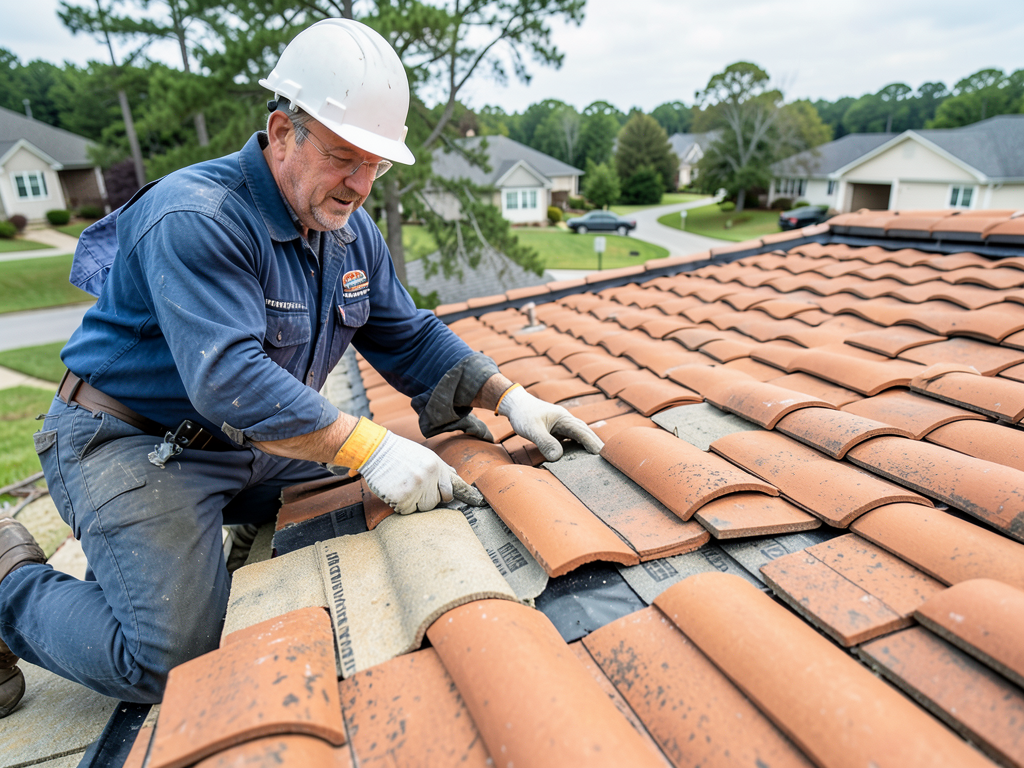
Roofing Services in The Miami Area

Ironwood Roofing Miami is proud to service the entire Miami-Dade County area, including South Beach, Coral Gables, Doral, and beyond. We are a local company deeply familiar with the region, allowing us to respond quickly to your emergency needs and schedule non-urgent services with efficient turnaround. View our location on the map to see where our trusted professionals operate and invite us to your neighborhood for the area's most reliable roofing expertise.

Address:
Ironwood Roofing Miami, 2214 Biscayne Blvd, Miami, FL, 33131

Additional Services We Offer

Our news updates

Latest Articles & News from The Blogs

The Best Roof Styles for Modern Accessory Dwelling Units in West Miami Building an Accessory Dwelling Unit in West Miami…

The Best Roof Styles for Modern Accessory Dwelling Units in West Miami

The Best Roof Styles for Modern Accessory Dwelling Units in West Miami Building an Accessory Dwelling Unit in West Miami…

How to Spot Drywood Termite Damage in Your Little Haiti Roof Structure

How to Spot Drywood Termite Damage in Your Little Haiti Roof Structure Little Haiti’s historic wooden roof structures face unique…

Why Metal Roofing Is Becoming the New Standard for Richmond Heights Homes

Why Metal Roofing Is Becoming the New Standard for Richmond Heights Homes Metal roofing is rapidly replacing traditional asphalt shingles…

Contact Us

Stop guessing about metal roofing vs asphalt shingles price. Call Ironwood Roofing Miami at (645) 231-4888 for a transparent estimate that factors in Miami's climate, wind load requirements, and long-term performance. We will show you the real numbers so you can make the right choice for your home.