menu

Homeowner's Guide to Roofing in Miami – Expert Knowledge for Hurricane Season Readiness and Year-Round Protection

This comprehensive residential roofing guide helps Miami homeowners understand hurricane wind ratings, flat roof drainage needs, saltwater exposure risks, and Miami-Dade County NOA requirements to protect your investment from severe weather and tropical climate damage.

Slider Image 1
Slider Image 2
Slider Image 3
Slider Image 4
Slider Image 5
Slider Image 7
Slider Image 8
Slider Image 9
Slider Image 10
Slider Image 11

Why Miami Homeowners Need Roofing Knowledge Before the Next Hurricane

You need to understand your roof before disaster strikes. Miami's location in the Atlantic hurricane belt means your roof faces wind-driven rain, sustained winds over 100 mph, and the constant threat of tropical storms from June through November. The difference between a roof that survives a Category 3 hurricane and one that fails comes down to installation details most homeowners never see.

This residential roofing guide addresses the unique challenges of coastal South Florida. Saltwater aerosol from Biscayne Bay accelerates corrosion on metal flashings and fasteners. Year-round UV exposure at this latitude degrades shingle granules faster than northern climates. Summer heat pushes roof surface temperatures above 160 degrees, causing thermal expansion that stresses nail penetrations and seals.

Miami-Dade County enforces the strictest building codes in the continental United States for good reason. Your roof must meet specific wind uplift ratings based on your distance from the coast and building height. Notice of Acceptance documents prove your roofing materials passed the county's rigorous impact and wind testing protocols. Without NOA approval, your insurance company can deny claims after storm damage.

The roofing basics for homeowners start with understanding your current system. Most Miami homes use either architectural shingles rated for 130 mph winds, concrete or clay tiles common in Mediterranean Revival neighborhoods like Coral Gables, or low-slope systems on mid-century modern homes. Each system has specific vulnerabilities that require different maintenance approaches and replacement timelines.

Why Miami Homeowners Need Roofing Knowledge Before the Next Hurricane
The Critical Components Every Miami Homeowner Must Understand

The Critical Components Every Miami Homeowner Must Understand

Your home roofing handbook should start with the underlayment. This waterproof barrier between your roof deck and shingles determines whether wind-driven rain penetrates into your attic during a hurricane. Miami-Dade requires self-adhering polymer-modified bitumen underlayment in the High Velocity Hurricane Zone, which extends inland about 10 miles from the coast. Standard felt paper used in northern states fails under tropical conditions.

The roof deck attachment matters more than the shingles. Ring shank nails or screws spaced every six inches along the perimeter and every 12 inches in the field zones create the structural connection that resists uplift forces. Many older Miami homes built before Hurricane Andrew used staples or smooth shank nails that pull out when wind gets under the roof edge. You cannot see these fasteners without removing shingles, which is why professional inspections use specific protocols to verify attachment quality.

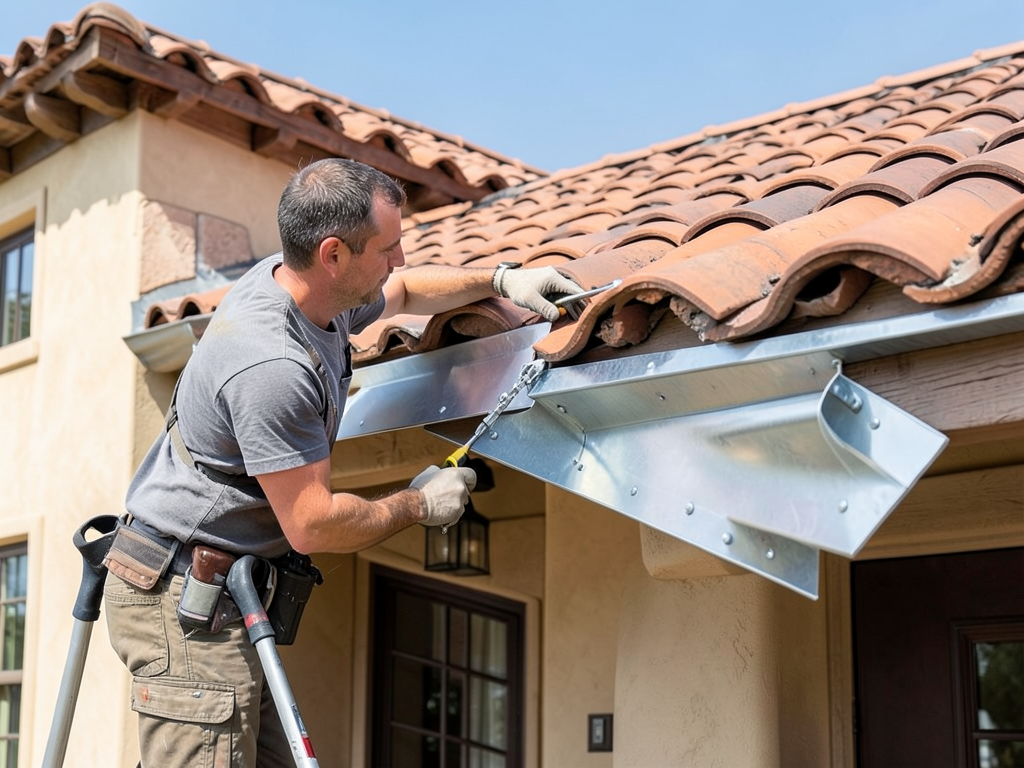
Flashing details around chimneys, plumbing vents, and roof-to-wall transitions cause most leaks in Miami homes. Galvanized steel flashing corrodes within five to seven years due to salt exposure and high humidity. Copper or stainless steel flashings last longer but cost more upfront. The valley flashing where two roof planes meet channels tremendous water volume during the afternoon thunderstorms that dump two inches of rain in 30 minutes.

Edge metal and drip edge protect your fascia boards and direct water into gutters. Miami's code requires continuous edge metal mechanically fastened to resist wind uplift. Homes in historic districts like Coconut Grove often have decorative rake boards that need proper integration with the edge flashing system to prevent water infiltration behind the trim.

How to Evaluate Your Roof's Readiness

Homeowner's Guide to Roofing in Miami – Expert Knowledge for Hurricane Season Readiness and Year-Round Protection
01

Visual Assessment Protocol

Start from the ground using binoculars to inspect your roof planes for missing granules, curled shingle edges, or exposed nail heads. Look for organic growth on north-facing slopes, which indicates moisture retention. Check your soffit vents for wasp nests or blockages that prevent attic ventilation. Document any displaced or cracked tiles, especially after severe weather. Never walk on a tile or slate roof without professional training.
02

Attic Interior Inspection

Enter your attic on a sunny day to spot light penetration through the deck, which reveals holes or gaps in the roofing system. Look for water stains on the underside of the roof deck or along rafter edges. Check insulation for compression or displacement that creates thermal weak points. Verify your ridge vent runs continuously and is not blocked by insulation. Feel for wet insulation near plumbing vents and chimney penetrations.
03

Professional Documentation Review

Request your original roofing permit from Miami-Dade County's online portal to verify the installation date and approved materials. Compare the NOA numbers on your permit to the products actually installed. Review your insurance policy to confirm your roof's age and wind rating meet current underwriting requirements. Schedule an infrared scan to detect trapped moisture invisible to standard inspections, especially important for flat or low-slope sections.

Why Local Roofing Knowledge Protects Your Investment

Residential roofing 101 requires understanding local conditions that generic online guides ignore. The Homestead area faces different wind exposure than homes in Pinecrest or Kendall. Your distance from Biscayne Bay or the Atlantic Ocean determines your corrosion risk and insurance wind rating zone. Roofing companies that work across South Florida understand how microclimates affect material selection and installation techniques.

Miami-Dade County maintains the Product Control Division specifically to test and approve roofing materials for hurricane conditions. This regulatory framework does not exist in most other counties. Your homeowner roofing manual should include verification that every component, from the deck fasteners to the ridge cap shingles, carries current NOA approval. Using non-approved materials voids your wind mitigation credits and can trigger insurance coverage exclusions.

The building inspectors in Miami-Dade enforce details that seem excessive until you experience a direct hurricane hit. They verify shingle nailing patterns, check underlayment lapping sequences, and measure edge metal fastener spacing. These inspections protect you from contractors who cut corners or lack experience with high wind installations. Ironwood Roofing Miami navigates these inspection requirements because we work within this regulatory environment daily.

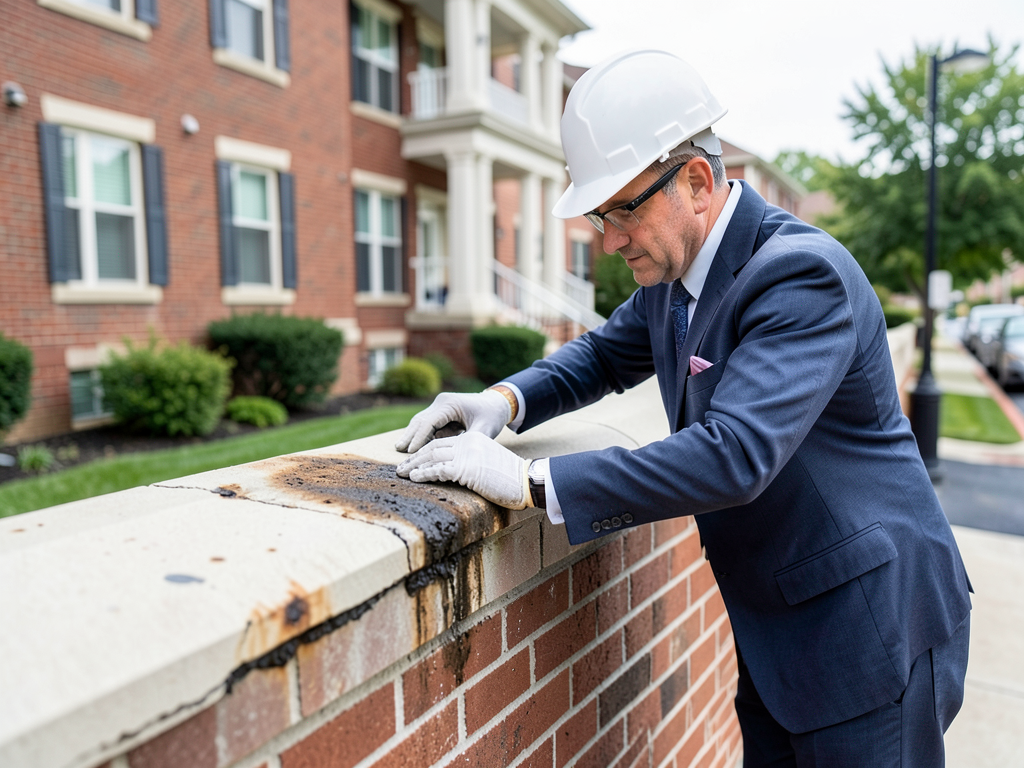
The architectural styles common to Miami neighborhoods require specific roofing knowledge. Art Deco buildings in South Beach often have parapet walls that need proper cap flashing and drainage. Coral Gables' Mediterranean Revival homes feature complex hip and valley roof designs with barrel tile that requires specialized installation techniques. Mid-century modern homes in areas like MiMo District use low-slope or flat roofs that demand different waterproofing approaches than pitched systems.

What You Should Know Before Making Roofing Decisions

Replacement Timeline Factors

Asphalt shingle roofs in Miami typically last 15 to 20 years due to UV exposure and thermal cycling, compared to 25 to 30 years in northern climates. Concrete tile roofs can last 40 to 50 years, but the underlayment beneath the tiles requires replacement every 20 to 25 years. Metal roofing systems offer 30 to 50 year service life with proper coating maintenance. Your insurance company may require replacement or non-renewal notices when your roof exceeds certain age thresholds, typically 15 years for shingles or 20 years for tile. Hurricane season timing affects scheduling, with most reroof projects completed between November and May when weather patterns are more predictable.

Material Selection Criteria

Wind rating determines insurance premiums and claim eligibility after storms. Impact-rated shingles carry Class 4 hail ratings and higher wind warranties, which translate to insurance discounts through the wind mitigation inspection process. Color selection affects attic temperatures, with lighter colors reflecting more solar radiation and reducing cooling loads. Tile weight requires structural verification since older homes may need rafter reinforcement to support the additional load. Homeowners association architectural review boards in communities like Pinecrest or Palmetto Bay often restrict material choices and colors, requiring approval before installation begins. Salt-resistant fasteners and flashings cost more but prevent premature failure in coastal exposure zones.

The Complete Installation Process

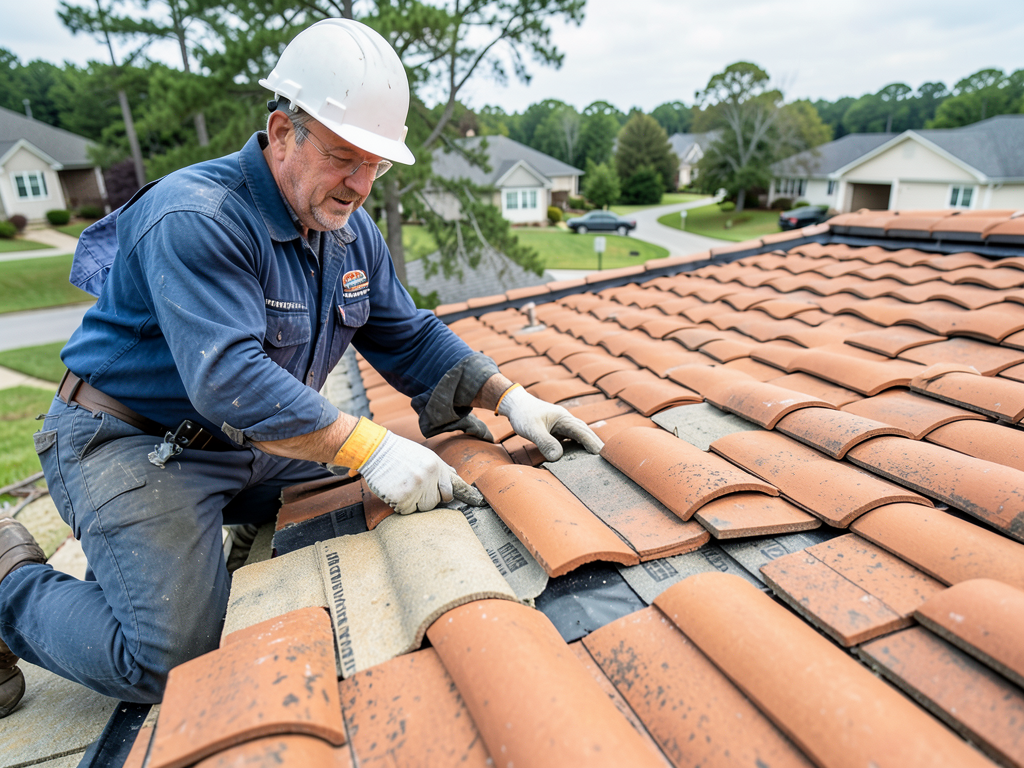
Professional installations begin with complete tear-off to inspect the roof deck for rot, delamination, or fastener withdrawal. Deck repairs use plywood rated for high humidity conditions with proper spacing for expansion. Underlayment application follows specific lapping sequences and fastener patterns required by Miami-Dade building code. Drip edge installation precedes underlayment at the eaves but follows underlayment at the rakes. Valley flashing receives additional underlayment layers before shingle installation begins. Starter strips along eaves and rakes provide the first line of wind resistance. Field shingles require six nails each in the High Velocity Hurricane Zone, compared to four nails in standard applications. Ridge cap installation uses specialized high-wind application methods and longer fasteners.

Ongoing Maintenance Requirements

Annual inspections before hurricane season identify loose fasteners, displaced shingles, or compromised flashing that need repair. Debris removal from valleys and behind rooftop HVAC equipment prevents water dams and organic growth. Pressure washing removes algae and mold but requires low pressure techniques to avoid granule loss on shingles or surface erosion on tiles. Trim overhanging tree branches that scrape roofing materials during wind events or drop leaves that clog drainage systems. Check attic ventilation to ensure proper airflow that prevents heat and moisture buildup. Verify your insurance policy remains current and reflects any roof improvements or upgrades that qualify for premium reductions through the wind mitigation process.

Frequently Asked Questions

You Have Questions,
We Have Answers

How Miami's Hurricane Building Codes Shape Your Roofing Decisions

Miami-Dade County's Product Control Division emerged after Hurricane Andrew destroyed over 25,000 homes in 1992, many due to roof failures that allowed wind and water intrusion. The resulting Notice of Acceptance testing protocols subject roofing materials to simulated wind speeds up to 180 mph and impact testing with two-by-four lumber projectiles. Every component from underlayment to cap shingles requires separate NOA approval. This regulatory framework means your residential roofing guide must account for code requirements that do not exist in other markets. Generic roofing advice from national sources often recommends materials or methods that violate local code and void your wind mitigation credits.

Ironwood Roofing Miami maintains current knowledge of Miami-Dade building code amendments and NOA updates that affect material specifications and installation methods. We document every installation with photographs and material certifications that satisfy insurance company requirements and building inspector review. Our familiarity with local architectural review board standards in Coral Gables, Coconut Grove, and other historic districts streamlines the approval process for reroof projects. This home roofing handbook provides the foundation, but local expertise ensures your specific property receives appropriate recommendations based on your exposure zone, building height, and proximity to the coast.
Roofing Services in The Miami Area

Ironwood Roofing Miami is proud to service the entire Miami-Dade County area, including South Beach, Coral Gables, Doral, and beyond. We are a local company deeply familiar with the region, allowing us to respond quickly to your emergency needs and schedule non-urgent services with efficient turnaround. View our location on the map to see where our trusted professionals operate and invite us to your neighborhood for the area's most reliable roofing expertise.

Address:
Ironwood Roofing Miami, 2214 Biscayne Blvd, Miami, FL, 33131

Additional Services We Offer

Our news updates

Latest Articles & News from The Blogs

The Real Cost Difference Between Concrete and Clay Tiles for Hammock Lakes Homes Choosing between concrete and clay roof tiles…

The Real Cost Difference Between Concrete and Clay Tiles for Hammock Lakes Homes

The Real Cost Difference Between Concrete and Clay Tiles for Hammock Lakes Homes Choosing between concrete and clay roof tiles…

Managing Parapet Wall Leaks and Cap Flashing Issues for Brickell Townhomes

Managing Parapet Wall Leaks and Cap Flashing Issues for Brickell Townhomes Parapet walls create a critical vulnerability in Brickell townhome…

Why Your Ponce Davis Home Needs Heavy Duty Drip Edges to Prevent Wood Rot

Why Your Ponce Davis Home Needs Heavy Duty Drip Edges to Prevent Wood Rot The heavy afternoon thunderstorms that roll…

Contact Us

Call (645) 231-4888 now to schedule your comprehensive roof evaluation. We provide detailed documentation of your current roof condition, NOA verification, and specific recommendations based on your property's location and exposure. Do not wait until the next hurricane watch to discover your roof needs attention.