menu

Mold & Algae Stain Removal in Miami – Stop the Spread Before Your Roof Fails

Expert diagnosis and treatment of roof fungus, black streaks, and organic staining that threatens your shingle integrity in South Florida's relentless humidity.

Slider Image 1
Slider Image 2
Slider Image 3
Slider Image 4
Slider Image 5
Slider Image 7
Slider Image 8
Slider Image 9
Slider Image 10
Slider Image 11

Why Black Streaks and Green Stains Appear on Miami Roofs

You see the dark streaks running down your roof. You notice green patches spreading across the north-facing slope. You wonder if it is dirt or something worse.

It is worse.

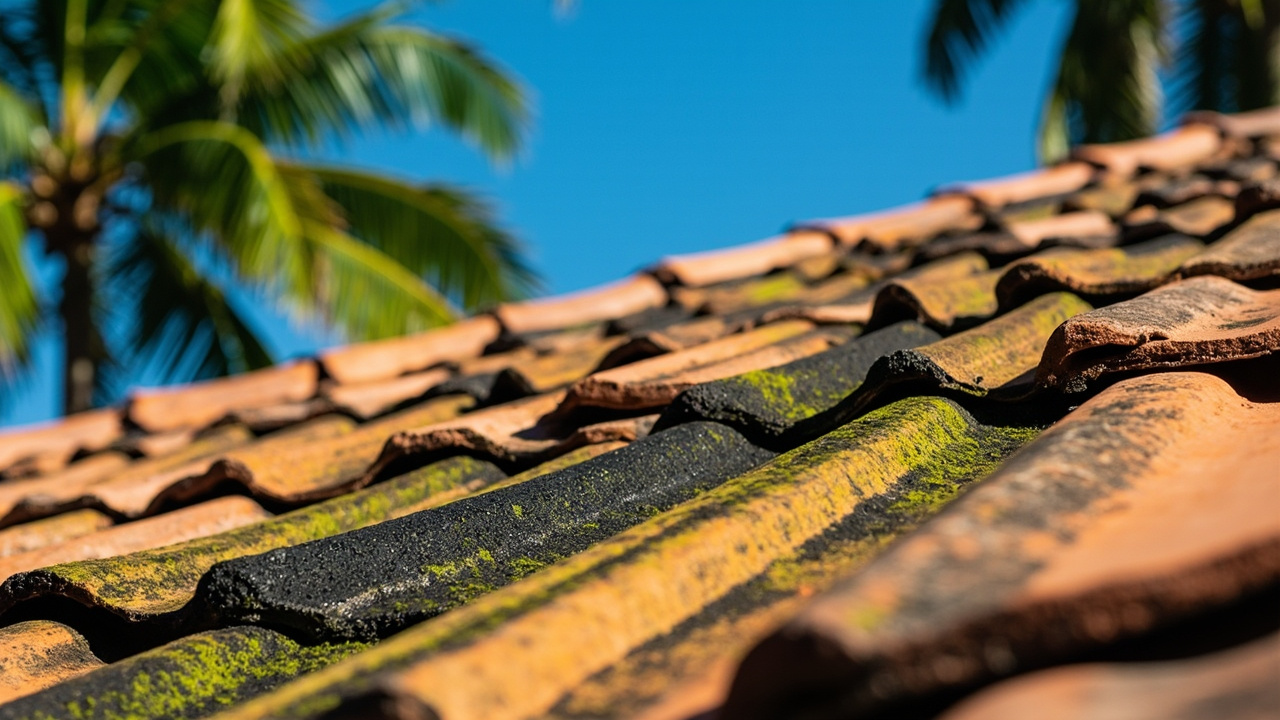
Miami's year-round heat and humidity create the perfect breeding ground for gloeocapsa magma, a roof-eating algae that appears as black streaks on your shingles. The combination of 60-plus inches of annual rainfall and temperatures that rarely drop below 70 degrees means your roof stays damp long enough for fungus, mold, and algae to colonize the asphalt granules.

These organisms are not cosmetic problems. They feed on the limestone filler in your shingles, breaking down the protective granule layer and accelerating deterioration. The dark stains absorb more heat, raising your attic temperature and your cooling costs. Once the granules erode, UV rays penetrate the asphalt mat and your shingles cup, crack, and fail years before they should.

Roof mildew removal and shingle algae treatment are not optional maintenance in South Florida. They are damage control. Every month you wait, the colonies spread. The staining darkens. The granule loss accelerates. What starts as an appearance issue becomes a structural problem that threatens your roof deck, your insulation, and eventually your interior.

The tropical climate that makes Miami beautiful also makes removing organic roof stains a recurring necessity. Your roof is under biological attack, and ignoring the symptoms guarantees a premature replacement.

Why Black Streaks and Green Stains Appear on Miami Roofs
How Professional Roof Fungus Cleaning Works

How Professional Roof Fungus Cleaning Works

Removing black streaks on roof surfaces requires a specific cleaning protocol. You cannot pressure wash algae and mold off shingles without destroying the granule layer. High-pressure water blasts away the protective surface and voids your manufacturer warranty. It also drives spores deeper into the shingle mat, guaranteeing faster regrowth.

Ironwood Roofing Miami uses a low-pressure chemical application method designed for asphalt shingles. We apply a biocide solution that kills the algae, mold, and fungus at the root without damaging the granule adhesion. The treatment breaks down the organic matter, allowing it to rinse away naturally with rain over the following weeks.

For severe infestations, we use a two-stage process. The first application kills the organisms. The second application, performed after the dead matter has weathered away, treats residual spores and prevents recolonization. We adjust the biocide concentration based on the organism type. Algae requires a different chemical profile than lichen or moss.

We protect your landscaping, gutters, and downspouts during treatment. The runoff from roof fungus cleaning can damage certain plants, so we pre-wet vegetation and apply neutralizing agents to the soil. We also inspect and clear your gutter system to prevent biocide-laden debris from clogging the downspouts.

Shingle algae treatment extends your roof life by stopping granule loss and restoring the reflective properties of the surface. A clean roof runs cooler, which reduces thermal cycling stress on the shingles and lowers your attic temperature. The result is better energy efficiency and a roof that reaches its full lifespan instead of failing at year twelve.

What Happens During Your Roof Cleaning Appointment

Mold & Algae Stain Removal in Miami – Stop the Spread Before Your Roof Fails
01

Roof Inspection and Testing

We start with a close examination of your shingles to identify the organism type and assess the extent of granule loss. Different biological growths require different treatment concentrations. We check for underlying damage, such as lifted shingles or compromised flashing, that could complicate the cleaning process. We also test a small area to confirm the biocide concentration is effective without causing discoloration.
02

Chemical Application and Dwell Time

We apply the biocide solution using low-pressure spray equipment that saturates the affected areas without stripping granules. The solution needs time to penetrate the algae colonies and kill the root structure, so we allow a controlled dwell period. We monitor weather conditions to avoid application before heavy rain, which would dilute the treatment before it can work. The solution continues killing organisms for several days after application.
03

Post-Treatment Monitoring and Prevention

After the initial cleaning, we schedule a follow-up inspection to verify complete organism death and check for any missed areas. We provide you with a maintenance schedule to prevent recolonization, which typically involves a preventive treatment every 18 to 24 months in Miami's climate. We also recommend zinc or copper strip installation along the ridge line to create a natural algae barrier as rainwater washes over the metal.

Why Miami Homeowners Choose Ironwood for Organic Stain Removal

Most roofers in South Florida will tell you to replace your roof when you see black streaks. That advice benefits their profit margin, not your budget. A roof with algae staining and moderate granule loss still has years of functional life if you treat the biological growth and stop the deterioration.

Ironwood Roofing Miami specializes in extending roof life through targeted maintenance. We understand the difference between cosmetic staining and structural failure. We also understand Miami-Dade County's wind load requirements and the importance of preserving your roof's wind rating. Aggressive pressure washing compromises shingle adhesion and can reduce your roof's ability to withstand hurricane-force winds.

We work with all shingle types common to the Miami area, including three-tab, architectural, and impact-resistant shingles. Each type has different granule compositions and adhesive properties, which means each requires a slightly different cleaning approach. We adjust our biocide formulation and application pressure based on the manufacturer specifications to avoid warranty violations.

Our team is familiar with the roof pitch and tile-to-shingle transitions common in Coral Gables, Coconut Grove, and Kendall. We know which neighborhoods have clay tile with shingle valleys, and we know how to protect the tile during chemical application. We also understand the algae resistance ratings of newer shingle products and can advise you on replacement options if your roof is near the end of its useful life.

You need a contractor who treats the problem correctly the first time. Improper cleaning accelerates shingle failure and creates bigger problems than the original staining. We use manufacturer-approved methods that protect your investment and maintain your warranty coverage.

What to Expect from Your Roof Cleaning Service

Same-Week Scheduling

We schedule most roof cleaning appointments within three to five business days. The actual treatment takes two to four hours depending on your roof size and the severity of the staining. We work during dry weather windows to ensure the biocide has adequate dwell time before rain. If you need emergency cleaning before a home sale or appraisal, we can accommodate rush service with 24-hour notice in most cases.

Complete Roof Assessment

Every cleaning service includes a full roof inspection. We document any underlying damage, such as missing granules, cracked shingles, or deteriorated flashing, that could worsen during treatment. We provide you with a written assessment and photo documentation of problem areas. If we find damage that requires repair, we explain the issue and provide a separate estimate. You receive a clear picture of your roof's condition before we start the cleaning process.

Visible Results

You will see a noticeable reduction in black streaks and green staining within 48 hours of treatment. Complete organism death takes seven to ten days, and full stain removal occurs over the following month as rain washes away the dead algae. Heavily stained roofs may retain slight shadow marks even after the organisms are dead, but the biological attack stops and the granule loss ends. Your roof will look cleaner and run cooler immediately after treatment.

Preventive Maintenance Plans

We offer scheduled maintenance programs that include biannual inspections and preventive treatments to stop recolonization before visible staining returns. Miami's climate guarantees algae will attempt to re-establish on your roof, so proactive treatment every 18 to 24 months keeps your shingles clean and extends their lifespan. Maintenance plan clients receive priority scheduling and discounted treatment rates. We also provide reminder notifications when your next treatment is due.

Frequently Asked Questions

You Have Questions,
We Have Answers

Can algae stains be removed? +

Yes, algae stains can be removed from roofs and exterior surfaces. In Miami's humid climate, algae growth appears as dark streaks on shingles, often mistaken for dirt. Professional soft washing techniques using low-pressure water and specialized cleaners effectively eliminate these stains without damaging your roof. Avoid pressure washing, which can strip granules and void warranties. The key is treating the root cause, not just surface discoloration. Miami homeowners should address algae quickly, as constant moisture allows rapid regrowth. Regular maintenance prevents permanent staining and extends roof life in our tropical conditions.

Can active mold stains be removed? +

Active mold stains can be removed, but you must address the moisture source first. In Miami's high-humidity environment, mold thrives on roofs, siding, and under eaves. Surface cleaning treats the symptom, not the problem. Professional remediation involves killing active mold colonies, removing stained material if porous, and fixing leaks or ventilation issues. DIY attempts often spread spores or leave roots intact. For roofing, soft washing with antimicrobial solutions stops growth and removes discoloration. However, structural damage from prolonged mold requires replacement. Miami's year-round dampness demands proper attic ventilation to prevent recurrence.

What is the best algae mold remover? +

The best algae and mold remover for Miami roofs combines sodium hypochlorite with surfactants, applied through soft washing. Big-box bleach products lack controlled concentration and can harm plants or shingles. Professional-grade solutions kill Gloeocapsa magma bacteria, the algae causing black streaks common here. Zinc or copper treatments offer long-term prevention by creating hostile surfaces for regrowth. Avoid ammonia-based cleaners or straight bleach, which damage asphalt shingles. Miami's intense sun and rain require products that penetrate and rinse cleanly. Proper application matters more than brand names. Professional application ensures safe, effective results without roof damage.

What's the best mold and mildew stain remover? +

For exterior surfaces in Miami, oxygen-based cleaners or quaternary ammonium compounds work best on mold and mildew stains. Sodium hypochlorite solutions remain the professional standard for roofs and siding, killing spores and removing discoloration. Store-bought mildew removers often fail in our climate because they lack sufficient strength for outdoor fungal growth. The best remover depends on the surface: soft washing for roofs, appropriate dilutions for stucco or vinyl siding. Miami's constant humidity requires antimicrobial aftertreatment to slow regrowth. Avoid products with harsh acids that etch tile or corrode flashing. Professional assessment ensures the right solution.

Does white vinegar remove algae stains? +

White vinegar removes light algae stains from some surfaces but fails on Miami roofs. Its acidity works on minor growth on concrete or wood, but lacks strength for established roof algae or the biofilm it creates. Vinegar does not kill algae spores effectively in humid climates, leading to rapid return. For asphalt shingles, vinegar can degrade protective granules over time. Miami's aggressive algae strains require stronger solutions. While vinegar is eco-friendly, it is impractical for large-scale exterior cleaning. Use it for small areas like patio furniture, not roofing. Professional treatments provide lasting results where vinegar fails.

What is the hardest stain to remove from clothes? +

Blood, red wine, and ink rank as the hardest stains to remove from clothing due to protein bonds and dye penetration. This question does not relate to exterior mold or algae removal on Miami properties. For roofing and building surfaces, rust and organic tannin stains from leaves prove most stubborn. Miami's iron-rich rainwater runoff creates rust streaks on concrete and light-colored roofs. These require oxalic acid treatments, not standard mold removers. Similarly, tannin stains from oak trees need specific cleaners. Understanding stain chemistry prevents wasted effort and surface damage.

Will magic eraser remove mold stains? +

Magic Eraser removes surface mold stains from non-porous materials like tile or painted walls through abrasive action. It does not kill mold spores or work on porous surfaces like wood or drywall. For Miami roofs, Magic Eraser is completely ineffective and impractical. The melamine foam works by micro-abrasion, which would require scrubbing entire roof surfaces by hand. It cannot address the biological growth causing stains. Miami's exterior mold problems need antimicrobial treatment, not abrasives. Magic Eraser suits small indoor spots but offers no solution for outdoor algae or large-scale mold remediation. Professional methods address root causes.

Will OxiClean remove mold stains? +

OxiClean removes some mold stains from fabrics and sealed surfaces but fails on Miami roofs and exterior structures. Its oxygen bleach formula works through oxidation, which is weaker than sodium hypochlorite needed for outdoor fungal growth. OxiClean lacks the antimicrobial strength to kill established mold colonies in our humid climate. Roof algae creates protective biofilm that resists mild cleaners. While safe for many materials, OxiClean cannot penetrate or eliminate the Gloeocapsa magma bacteria causing black streaks here. Miami's persistent moisture demands professional-grade solutions. Save OxiClean for laundry, not roofing or siding projects.

Can white vinegar remove mold stains? +

White vinegar removes light mold stains from hard surfaces but proves inadequate for Miami's exterior mold problems. Its mild acidity kills some mold species on contact but does not penetrate porous materials where roots grow. Vinegar works temporarily on bathroom tile or smooth painted walls. For roofs, siding, or structural mold, vinegar lacks sufficient strength and leaves spores viable. Miami's year-round humidity allows rapid regrowth after vinegar treatment. Additionally, vinegar can corrode metal flashing and deteriorate certain roofing materials. Professional antimicrobial treatments provide deeper penetration and lasting protection where vinegar falls short.

Which kills mold better, bleach or vinegar? +

Bleach kills mold better than vinegar for exterior applications in Miami. Sodium hypochlorite in bleach destroys mold on contact and penetrates biofilm that vinegar cannot breach. Bleach works on porous and non-porous surfaces, while vinegar only affects surface growth. However, bleach requires proper dilution and safety precautions. It can harm plants and corrode metals if misapplied. Vinegar is safer but weaker, suitable only for minor indoor mold on sealed surfaces. For Miami roofs and siding, professional-grade sodium hypochlorite solutions remain the standard. Proper application technique matters more than the debate itself. Neither prevents mold without addressing moisture sources.

How Miami's Humidity Accelerates Roof Algae Growth

Miami averages 76 percent relative humidity year-round, with summer mornings regularly hitting 90 percent. Your roof never fully dries out. Morning dew, afternoon thunderstorms, and ocean moisture create constant dampness that allows gloeocapsa magma and other roof organisms to thrive. Homes near Biscayne Bay or the Atlantic coast face even worse conditions because salt spray provides additional nutrients for algae. The combination of heat, moisture, and salt makes South Florida one of the most aggressive environments for shingle deterioration in the United States.

Ironwood Roofing Miami has served the greater Miami metro for years, working in neighborhoods from Pinecrest to North Miami Beach. We understand the specific challenges of roof maintenance in a tropical climate. We know which shingle manufacturers offer algae-resistant products that perform well in South Florida, and we know the local building codes that govern roof replacement and major repairs. When you work with a local contractor, you get someone who has seen every type of roof fungus and mold problem that Miami's weather can create.
Roofing Services in The Miami Area

Ironwood Roofing Miami is proud to service the entire Miami-Dade County area, including South Beach, Coral Gables, Doral, and beyond. We are a local company deeply familiar with the region, allowing us to respond quickly to your emergency needs and schedule non-urgent services with efficient turnaround. View our location on the map to see where our trusted professionals operate and invite us to your neighborhood for the area's most reliable roofing expertise.

Address:
Ironwood Roofing Miami, 2214 Biscayne Blvd, Miami, FL, 33131

Additional Services We Offer

Our news updates

Latest Articles & News from The Blogs

The Real Cost Difference Between Concrete and Clay Tiles for Hammock Lakes Homes Choosing between concrete and clay roof tiles…

The Real Cost Difference Between Concrete and Clay Tiles for Hammock Lakes Homes

The Real Cost Difference Between Concrete and Clay Tiles for Hammock Lakes Homes Choosing between concrete and clay roof tiles…

Managing Parapet Wall Leaks and Cap Flashing Issues for Brickell Townhomes

Managing Parapet Wall Leaks and Cap Flashing Issues for Brickell Townhomes Parapet walls create a critical vulnerability in Brickell townhome…

Why Your Ponce Davis Home Needs Heavy Duty Drip Edges to Prevent Wood Rot

Why Your Ponce Davis Home Needs Heavy Duty Drip Edges to Prevent Wood Rot The heavy afternoon thunderstorms that roll…

Contact Us

Black streaks are killing your shingles right now. Call Ironwood Roofing Miami at (645) 231-4888 to schedule your inspection and treatment. We provide same-week service and transparent pricing with no hidden fees.