menu

Flat Roof Repair & Restoration in Miami | Minimize Downtime, Maximize ROI

Fast-tracked commercial flat roof restoration that keeps your operations running while protecting your bottom line from costly water intrusion and structural deterioration.

Slider Image 1
Slider Image 2
Slider Image 3
Slider Image 4
Slider Image 5
Slider Image 7
Slider Image 8
Slider Image 9
Slider Image 10
Slider Image 11

Why Commercial Flat Roofs Fail Faster in South Florida

Miami's subtropical environment accelerates flat roof deterioration at rates facility managers across the continental U.S. rarely encounter. UV radiation runs at intensity levels that break down membrane elasticity in half the time frame seen in northern climates. Standing water becomes a liability after every afternoon thunderstorm, testing drainage systems daily from June through October.

Commercial flat roof restoration becomes necessary when thermal cycling causes seam separation. The temperature differential between a 140-degree membrane surface at midday and a 75-degree night creates expansion and contraction that fatigues even properly installed systems. Add salt-laden wind off Biscayne Bay, and corrosion accelerates on metal components, fasteners, and flashing details.

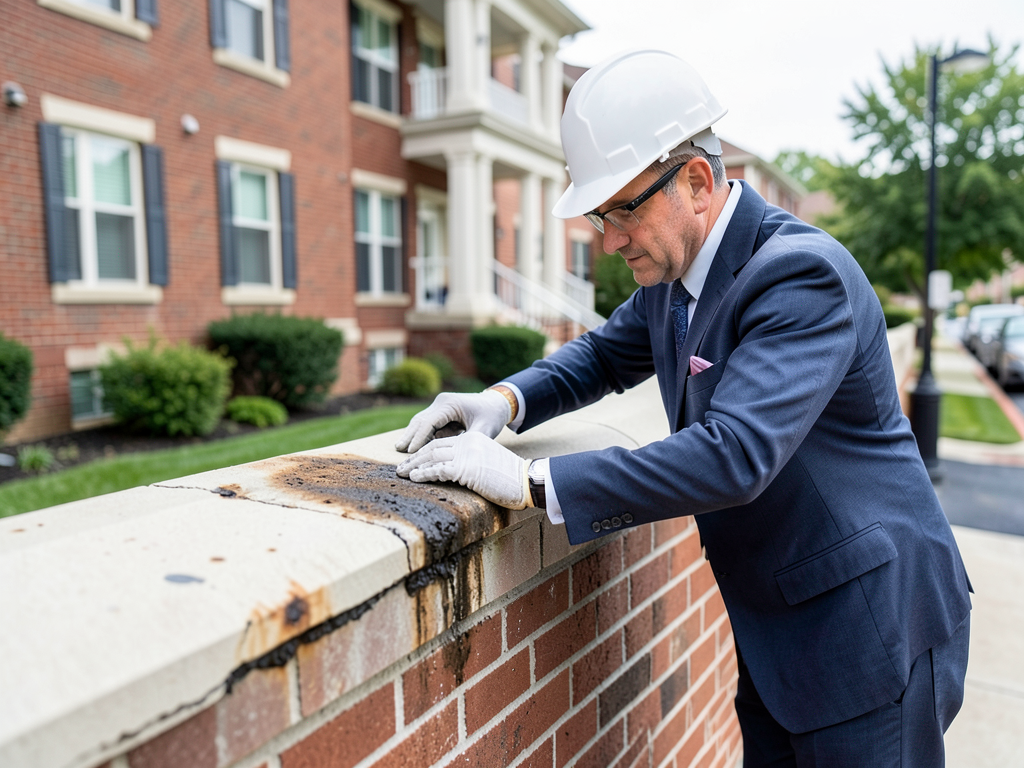
Low slope roof refurbishment addresses the ponding water zones that develop as structural decking sags under HVAC loads. Industrial flat roof repair often reveals substrate damage invisible from ground level. That dark patch near the parapet wall indicates saturated insulation, compromised R-value, and potential mold growth within the roof assembly.

Commercial roof waterproofing must account for wind-driven rain that penetrates conventional lap seams during tropical systems. The Florida Building Code mandates specific fastener patterns and edge details because Miami-Dade County sits in the High Velocity Hurricane Zone. Your roof takes abuse 300 days per year, not just during named storms.

Commercial roof coating services extend membrane life by reflecting solar heat and sealing micro-cracks before they propagate. The question is not whether your flat roof needs intervention. The question is whether you address it during planned maintenance or during an emergency shutdown.

Why Commercial Flat Roofs Fail Faster in South Florida
How Industrial-Grade Restoration Protects Business Continuity

How Industrial-Grade Restoration Protects Business Continuity

Commercial flat roof restoration begins with infrared thermography and core sampling to map moisture infiltration without tearing off functional membrane. We identify wet insulation zones, then calculate whether sectional replacement or full tear-off delivers better lifecycle value. Your building stays operational because we phase the work around your production schedule.

Low slope roof refurbishment requires slope correction through tapered insulation systems. We eliminate ponding by building cricket assemblies at roof drains and adjusting deck elevation to achieve positive drainage. The membrane performs only when water moves off the surface within 48 hours of rainfall.

Industrial flat roof repair addresses structural issues first. Rusted bar joists, deteriorated wood blocking, and failed parapet anchors create liability exposure that no coating system can solve. We coordinate with structural engineers when load-bearing components show distress, then execute repairs that meet Florida Building Code Chapter 15 requirements for re-roofing without permit exemptions.

Commercial roof waterproofing integrates with your existing wall assemblies and mechanical penetrations. We detail every HVAC curb, vent stack, and pipe boot using compatible flashings that move with thermal expansion. The base flashing gets mechanically fastened to the deck, not just adhered to the membrane, because wind uplift in coastal zones exceeds adhesive bond strength during peak events.

Commercial roof coating services use fluid-applied systems rated for 240-month service life when maintained properly. Silicone coatings shed water immediately and resist UV degradation. Acrylic systems cost less but require recoating on shorter intervals. We match the coating chemistry to your maintenance budget and expected hold period for the facility.

What Happens During Your Roof Assessment and Restoration

Flat Roof Repair & Restoration in Miami | Minimize Downtime, Maximize ROI
01

Facility Survey and Diagnostics

We access the roof to perform moisture scanning, core sampling, and fastener pull tests that quantify existing conditions. You receive a CAD-marked roof plan showing wet areas, failed seams, and drainage deficiencies. This diagnostic phase takes two to four hours and identifies whether repair, restoration, or replacement makes financial sense for your operating timeline.
02

Phased Execution and Coordination

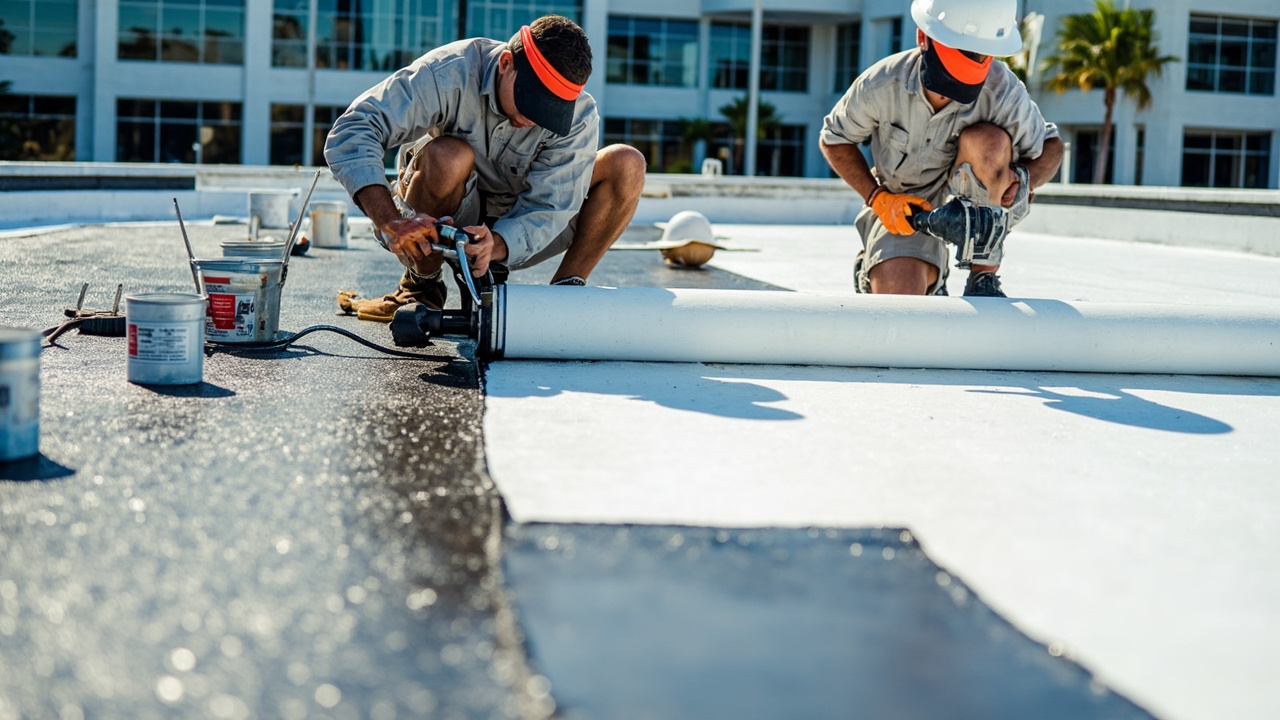
Work gets scheduled around your business hours and production cycles. We section the roof into zones, waterproof each area completely before moving to the next, and maintain weather-tight conditions overnight. Equipment staging happens in designated areas that do not block loading docks or employee access. You get daily progress updates and photo documentation of completed sections.
03

Final Inspection and Documentation

The completed roof undergoes flood testing at all penetrations and seams, followed by third-party inspection if your insurer requires it. You receive as-built drawings, material certifications, and a maintenance protocol that preserves the system warranty. We schedule annual inspections to catch minor issues before they become capital expenses, protecting your investment over the full service life.

Why Miami Facility Managers Choose Ironwood Roofing Miami

Commercial buildings in Miami-Dade County operate under the most stringent wind load requirements in the continental United States. Florida Building Code compliance is not optional, and the permit review process scrutinizes every fastener pattern, edge detail, and flashing connection. Ironwood Roofing Miami holds the manufacturer certifications that allow us to execute warranted installations on behalf of the membrane supplier, not just as a general contractor.

We understand the difference between standard commercial specifications and the enhanced requirements triggered when your building sits within one mile of the coast. That knowledge prevents costly change orders when the building official red-tags non-compliant details during inspection. Our crews are trained on current HVHZ protocols, and our project managers know which submittal documents Miami-Dade requires before issuing a Notice of Commencement.

Local expertise matters when coordinating around your operations. We have restored roofs on cold storage facilities where interior temperatures cannot fluctuate, manufacturing plants where dust contamination stops production, and Class A office buildings where tenant complaints escalate to lease issues. Phasing work to avoid disruption requires crew management skills and equipment staging experience you do not get from a contractor who parachutes in from Orlando for a single project.

The commercial roofing market in South Florida runs on relationships. We work with the same structural engineers, testing labs, and inspection agencies repeatedly. When a complex detail needs engineering approval, we know who to call and how to get drawings stamped within your schedule. That network cuts weeks off project timelines and keeps your restoration on budget. You get the benefit of those relationships without paying the learning curve.

What to Expect from Your Commercial Roof Restoration Project

Project Timeline and Scheduling

Most commercial flat roof restoration projects run four to eight weeks depending on roof area and weather delays. We provide a critical path schedule before mobilization, identifying long-lead materials and permit approval milestones. Work gets phased to keep your building weather-tight every night. Emergency tarping and leak response stay available throughout the project if unexpected weather moves through. You receive weekly progress updates and can adjust the schedule if your business needs change mid-project.

Initial Assessment Process

The diagnostic phase includes infrared scanning, core samples to the deck, and fastener pull testing to measure withdrawal resistance. We map drainage patterns and identify low spots where water ponds beyond the 48-hour code threshold. You get a conditions report with photos, CAD drawings marking problem areas, and a scope of work that separates must-fix items from optional upgrades. This assessment takes one to two site visits and forms the basis for an accurate proposal, not a placeholder estimate.

Quality Control and Final Deliverable

Every membrane seam gets tested, either through flood testing or electronic leak detection depending on system type. Metal flashings receive QA inspection for proper fastening and sealant application. You receive as-built drawings showing all changes from original plans, material certifications for insurance files, and photos documenting completed conditions. The roof meets manufacturer specifications for warranty activation, and we handle all closeout paperwork with the building department to secure your final inspection approval.

Maintenance Programs and Long-Term Support

Manufacturer warranties require annual inspections to remain valid. We offer scheduled maintenance agreements that include debris removal from drains, sealant touch-up at penetrations, and minor repairs before they void coverage. You get a written inspection report after each visit documenting roof conditions for your asset management files. This proactive approach extends service life and prevents the emergency leak calls that disrupt operations and trigger insurance claims. Scheduled maintenance costs a fraction of reactive repairs.

Frequently Asked Questions

You Have Questions,
We Have Answers

What is the average cost to repair a flat roof? +

Flat roof repair costs depend on damage scope, material type, and accessibility. Minor patch jobs range lower, while extensive membrane replacement or structural repairs cost more. In Miami, factor in storm damage assessments, humidity-related deterioration, and Miami-Dade County building code requirements. Commercial properties often require specialized coatings resistant to UV exposure and tropical weather. Material choices like TPO, EPDM, or modified bitumen impact pricing. Request itemized estimates covering labor, materials, disposal, and permits. Focus on cost per square foot and warranty terms rather than total price alone. Quality repairs minimize downtime and prevent secondary water damage to inventory or equipment.

Is it expensive to repair a flat roof? +

Flat roof repair costs reflect complexity and business risk. While expense varies, delayed repairs always cost more through water intrusion, inventory loss, and operational disruption. Miami's intense sun, hurricane exposure, and daily thunderstorms accelerate deterioration, making proactive maintenance cheaper than emergency fixes. Commercial-grade materials and skilled labor command fair pricing but protect your investment. Compare quotes based on membrane quality, warranty coverage, and contractor response times. Budget for proper drainage improvements and flashing upgrades to meet wind load requirements. The cheapest bid often leads to callbacks and liability issues. Focus on value, code compliance, and minimizing business interruption rather than initial price.

How often should a flat roof be redone? +

Replace flat roofs every 15 to 25 years depending on material quality, maintenance frequency, and Miami's harsh climate conditions. TPO membranes last 15 to 20 years, while modified bitumen systems reach 20 years with proper care. EPDM rubber roofing extends to 25 years under ideal conditions. Miami's UV intensity, hurricane winds, and ponding water from heavy rains shorten lifespans without routine inspections. Commercial buildings require biannual professional assessments to catch membrane splits, fastener failures, and drainage blockages early. Budget for restoration coatings at the 10-year mark to extend service life. Track installation dates and warranty periods to plan capital expenditures strategically.

What is the best way to repair a flat roof? +

The best flat roof repair method matches your membrane type and damage extent. For commercial properties in Miami, professional assessment identifies whether patching, resurfacing, or full replacement serves your building. TPO and PVC membranes require heat welding for watertight seams. EPDM uses adhesive or tape systems. Modified bitumen needs torch application or cold adhesives. Address drainage issues and flashing failures simultaneously to prevent recurring problems. Miami-Dade County requires specific wind uplift ratings and installation methods. Experienced contractors follow manufacturer specifications to maintain warranty coverage. Avoid temporary fixes that defer liability and create larger failures. Proper repairs meet building codes and withstand tropical storm conditions.

Is flat roof repair covered by insurance? +

Commercial flat roof repairs may be covered if damage results from sudden, accidental events like hurricane winds or hail. Miami property policies typically exclude wear and tear, poor maintenance, or gradual deterioration. Document damage immediately with photos and professional assessments. Insurance adjusters evaluate age, maintenance records, and cause of failure. Policies often prorate coverage based on roof age, reducing payouts for older systems. File claims promptly and obtain multiple contractor estimates. Some policies cover only replacement cost, others actual cash value minus depreciation. Review your policy's exclusions regarding wind-driven rain and flood damage. Maintain inspection records to demonstrate proper care and support claims.

What time of year is the cheapest to replace a roof? +

Schedule flat roof replacement during Miami's dry season from November through April when humidity drops and rain decreases. Contractors offer better availability and competitive pricing during slower periods outside hurricane preparedness season. Avoid summer months when daily thunderstorms halt work and extend timelines. Winter installations allow proper membrane curing without moisture interference. Commercial properties benefit from scheduling around business cycles to minimize operational impact. Book projects early as quality contractors fill schedules months ahead. Weather delays still occur, so build buffer time into your timeline. Pricing fluctuates with material costs and labor availability rather than season alone. Focus on contractor quality and scheduling certainty over marginal cost savings.

What is the lifespan of a flat roof? +

Flat roof lifespan ranges from 15 to 30 years based on material type, installation quality, and maintenance frequency. In Miami, expect TPO membranes to last 15 to 20 years, EPDM rubber roofing 20 to 25 years, and modified bitumen 15 to 20 years. Built-up roofing systems reach 25 years with proper care. Miami's intense UV radiation, hurricane exposure, and humidity accelerate aging. Commercial buildings with HVAC equipment traffic see shorter lifespans without protective walkways. Regular inspections, prompt repairs, and reflective coatings extend service life. Poor drainage causes premature failure through ponding water and membrane degradation. Track your roof age to budget capital replacements and avoid emergency situations.

How much does it cost to replace 1000 sq ft of roof? +

Replacing 1000 square feet of commercial flat roof depends on material selection, removal requirements, and building height. Cost includes tear-off, disposal, substrate repairs, new membrane, flashing, and permits. Miami-Dade County requires specific wind uplift approvals and inspection fees. TPO and EPDM fall mid-range, while PVC and modified bitumen vary based on thickness. Factor in tapered insulation for proper drainage and reflective coatings for energy efficiency. Commercial projects need coordination with operations to minimize downtime. Obtain itemized proposals covering labor, materials, warranties, and contingencies for substrate damage. Compare cost per square foot across qualified contractors. Quality installation protects inventory and prevents business interruption from water damage.

What are signs my flat roof needs replacing? +

Watch for ponding water lasting over 48 hours after rain, indicating drainage failures common in Miami's heavy downpours. Visible membrane cracks, blisters, or splits signal UV damage and aging. Interior water stains, mold growth, or ceiling discoloration mean active leaks. Check for loose or damaged flashing around HVAC units and parapet walls. Increased energy costs suggest insulation degradation from moisture intrusion. Membrane shrinkage pulling away from edges exposes vulnerable areas. Storm debris punctures require immediate attention. Commercial buildings need professional inspections twice yearly to catch problems before they disrupt operations. Document findings to support insurance claims and budget planning.

How old may a roof be before insurance claims it's too old? +

Insurance carriers typically reduce coverage or deny claims on commercial flat roofs over 15 to 20 years old. Miami property insurers scrutinize roof age closely due to hurricane exposure. Policies may require inspection certifications for roofs over 10 years. Some carriers mandate replacement at 15 years or offer only actual cash value coverage minus depreciation. Wind mitigation inspections can extend insurability by documenting proper installation and maintenance. Carriers evaluate material type, maintenance records, and remaining useful life. Proactive replacement before the 15-year threshold maintains full coverage and prevents claim denials. Review policy renewal terms annually as underwriting standards tighten in Florida's challenging insurance market.

How Hurricane-Force Wind Loads Dictate Flat Roof Design in Miami

Miami-Dade County sits in Wind Zone 5, requiring commercial flat roof systems to resist 180 mph wind speeds with appropriate safety factors. This mandates specific fastener spacing, enhanced edge securement, and tested membrane attachment methods that differ substantially from standard commercial specifications used elsewhere in Florida. Low slope roof refurbishment must meet these current code requirements even when the original roof predates the enhanced wind provisions. Commercial roof waterproofing details at parapets and edges receive particular scrutiny because wind uplift forces concentrate at building corners and perimeter zones where membrane blow-off initiates.

Ironwood Roofing Miami maintains Product Approval listings through the Florida Building Code Product Approval system, which evaluates complete roof assemblies, not just individual components. This compliance framework protects building owners from using non-approved materials that void insurance coverage or fail inspection. Our familiarity with Miami-Dade Building and Zoning protocols streamlines permit approval and prevents the project delays that occur when submittal packages lack required testing documentation. Local expertise means your industrial flat roof repair meets code the first time, without resubmittals or change orders that inflate costs and extend timelines.
Roofing Services in The Miami Area

Ironwood Roofing Miami is proud to service the entire Miami-Dade County area, including South Beach, Coral Gables, Doral, and beyond. We are a local company deeply familiar with the region, allowing us to respond quickly to your emergency needs and schedule non-urgent services with efficient turnaround. View our location on the map to see where our trusted professionals operate and invite us to your neighborhood for the area's most reliable roofing expertise.

Address:
Ironwood Roofing Miami, 2214 Biscayne Blvd, Miami, FL, 33131

Additional Services We Offer

Our news updates

Latest Articles & News from The Blogs

The Real Cost Difference Between Concrete and Clay Tiles for Hammock Lakes Homes Choosing between concrete and clay roof tiles…

The Real Cost Difference Between Concrete and Clay Tiles for Hammock Lakes Homes

The Real Cost Difference Between Concrete and Clay Tiles for Hammock Lakes Homes Choosing between concrete and clay roof tiles…

Managing Parapet Wall Leaks and Cap Flashing Issues for Brickell Townhomes

Managing Parapet Wall Leaks and Cap Flashing Issues for Brickell Townhomes Parapet walls create a critical vulnerability in Brickell townhome…

Why Your Ponce Davis Home Needs Heavy Duty Drip Edges to Prevent Wood Rot

Why Your Ponce Davis Home Needs Heavy Duty Drip Edges to Prevent Wood Rot The heavy afternoon thunderstorms that roll…

Contact Us

Every day you delay increases the risk of operational disruption from water intrusion. Contact Ironwood Roofing Miami at (645) 231-4888 for a diagnostic roof assessment. We deliver actionable data and transparent pricing so you can make informed capital planning decisions.