menu

Sagging Roof Deck in Miami – Expert Diagnosis and Structural Repair Before Catastrophic Failure

When you notice dipping roof decking or bowing roof sheathing, you're seeing the warning signs of structural failure. Ironwood Roofing Miami identifies the root cause and rebuilds the integrity of your roof system before collapse occurs.

Slider Image 1
Slider Image 2
Slider Image 3
Slider Image 4
Slider Image 5
Slider Image 7
Slider Image 8
Slider Image 9
Slider Image 10
Slider Image 11

Why Miami Roofs Suffer from Sagging Roof Decks

A sagging roof deck is not just an aesthetic problem. It signals structural failure happening underneath your shingles. In Miami, the combination of extreme heat, torrential summer rains, and high humidity creates a perfect storm for roof deck deterioration.

When you see visible dipping roof decking from the ground or notice interior ceiling stains that align with warped areas above, the plywood or OSB sheathing has already begun to fail. The saturated wood loses rigidity. It bows between rafters. Over time, deflected roof sheathing can no longer support the weight of your roofing materials.

Miami's frequent afternoon thunderstorms dump water onto roofs already compromised by failed flashing, worn shingles, or clogged gutters. Once water penetrates the underlayment, it saturates the plywood. The wood swells, warps, and loses its structural rating. Sunken roof boards are often the result of prolonged moisture exposure combined with inadequate ventilation in the attic space.

You might also notice bowing roof sheathing around chimneys, skylights, or valleys where water naturally channels. These are the first areas to fail because they handle the highest volume of runoff. In older Miami homes, particularly those built before modern building codes tightened in the 1990s, the original roof decking may have been under-spec to begin with.

The danger is not just cosmetic. A compromised roof deck cannot hold fasteners. Shingles blow off during storms. The entire roof system becomes vulnerable to wind uplift and catastrophic failure during hurricane season.

Why Miami Roofs Suffer from Sagging Roof Decks
How We Rebuild Structural Integrity in Your Roof Deck

How We Rebuild Structural Integrity in Your Roof Deck

Fixing a sagging roof deck requires surgical precision, not patchwork. We do not overlay new shingles on top of compromised plywood and hope for the best. That approach guarantees failure within months.

Our process starts with a complete tear-off of the affected roofing area. We strip away shingles, underlayment, and any damaged flashing to expose the full extent of the warped roof plywood. This allows us to assess whether the damage is isolated or systemic across multiple rafter bays.

We measure deflection with a straightedge across the sheathing plane. Any panel that exceeds allowable deflection limits gets replaced. We do not sister or reinforce rotted plywood. We remove it entirely and install new CDX or OSB sheathing rated for high-wind zones, which is critical in Miami-Dade County.

Each new panel is fastened per Florida Building Code specifications. That means 8d ring shank nails spaced six inches on center along the edges and 12 inches in the field. We stagger the seams and leave the required expansion gaps to prevent buckling during thermal cycling.

Before we install new underlayment, we inspect the rafter framing. If we find rot or insect damage in the structural members, we address it immediately. A new roof deck is worthless if the rafters underneath are compromised.

We then install a high-temp synthetic underlayment designed for Miami's radiant heat exposure. This layer sheds water and provides a secondary barrier against wind-driven rain. Finally, we install impact-resistant shingles or metal roofing, depending on your system, with proper flashing details at all penetrations and transitions.

What Happens During Your Roof Deck Restoration

Sagging Roof Deck in Miami – Expert Diagnosis and Structural Repair Before Catastrophic Failure
01

Detailed Structural Assessment

We access your attic space and roof surface to map the extent of deflection and moisture damage. Using moisture meters and visual inspection, we identify every compromised panel and document the underlying cause. You receive a detailed scope of work with photos showing exactly what failed and why it needs replacement.
02

Selective Sheathing Replacement

We remove only the damaged sections of roof decking, preserving sound material wherever possible to control cost. New plywood or OSB panels are cut to fit the rafter layout and fastened according to wind load requirements for your specific roof geometry. All seams are staggered and properly gapped to prevent future buckling from thermal expansion.
03

Weatherproofing and Final Inspection

Once the new decking is installed, we apply underlayment and complete the roofing assembly with proper ventilation to prevent future moisture accumulation. We walk the roof to verify fastener patterns and flashing integrity. You get a flat, structurally sound roof deck that will hold fasteners and resist wind uplift for decades.

Why Miami Homeowners Trust Ironwood Roofing for Structural Repairs

A sagging roof deck is a structural problem, not a roofing cosmetic issue. It requires a contractor who understands framing, load paths, and the specific wind and moisture challenges Miami roofs face. Ironwood Roofing Miami has rebuilt roof decks on everything from 1950s ranch homes in Coral Gables to modern builds in Brickell.

We know the difference between a localized failure around a poorly flashed chimney and a systemic problem caused by undersized rafters or missing hurricane straps. That knowledge saves you money because we do not replace more material than necessary.

Miami-Dade County has some of the strictest building codes in the country due to hurricane risk. Any structural work on your roof deck must comply with the Florida Building Code and pass inspection. We pull permits, coordinate inspections, and ensure every fastener meets the wind load requirements for your exposure category.

We also understand the insurance side of roof repairs. If your sagging roof deck was caused by a recent storm, we document the damage properly and work with your adjuster to ensure you receive fair compensation. We know what insurance companies look for and how to present the claim correctly.

You are not hiring a crew that shows up with a nail gun and some plywood. You are hiring a team that understands structural engineering, building science, and the local climate factors that caused the failure in the first place. We fix the root cause, not just the symptom.

Our crews are experienced with working on occupied homes. We protect your landscaping, contain debris, and ensure your attic space is clean and safe when we finish. You get a roof deck that is flat, dry, and built to survive the next hurricane.

What to Expect When You Choose Ironwood Roofing Miami

Rapid Response and Scheduling

We understand that a sagging roof deck often indicates active leaks and water damage. We prioritize structural repairs and can typically schedule an inspection within 48 hours of your call. Once we assess the damage, we provide a detailed timeline and coordinate our work around your schedule. Most roof deck replacements are completed in two to four days, depending on the size of the affected area and weather conditions.

Thorough Inspection and Transparent Pricing

Our initial assessment includes attic access, moisture readings, and photo documentation of every compromised panel. We measure deflection, check rafter integrity, and identify the source of water intrusion. You receive a written estimate that breaks down material costs, labor, and permit fees. We explain what needs replacement and what can be preserved. There are no surprise charges once the project starts.

Code-Compliant Structural Repair

When we complete your roof deck replacement, you have a structure that meets or exceeds Florida Building Code requirements for wind resistance and water shedding. Every panel is properly fastened, all seams are staggered, and the underlayment is installed with the correct overlap and sealing. The final result is a flat, solid deck that will hold your roofing materials securely and resist deflection under load.

Warranty on Workmanship and Materials

Our workmanship warranty covers the installation of the new roof decking and all associated flashing and underlayment. If a fastener pulls out or a seam opens due to improper installation, we return and correct it at no charge. The materials we install, including plywood, underlayment, and fasteners, are backed by manufacturer warranties. We also provide guidance on proper attic ventilation and maintenance to prevent future moisture problems.

Frequently Asked Questions

You Have Questions,
We Have Answers

What is a sagging roof deck? +

A sagging roof deck is the structural layer beneath your shingles that shows visible dips or low spots. The deck, made from plywood or OSB sheathing, loses its flat profile when rafters weaken, moisture causes rot, or improper installation creates structural failure. In Miami, high humidity and tropical storms accelerate wood deterioration. You can spot sagging from the ground by looking for wavy rooflines or uneven surfaces. Inside your attic, you may see bowed or cracked decking between the trusses. This problem compromises your roof's ability to shed water and resist wind loads during hurricane season.

How much roof sagging is acceptable? +

No amount of roof sagging is acceptable from a structural standpoint. Any visible dip indicates compromised decking or framing that needs professional evaluation. Minor deflection under 1/4 inch over eight feet might seem small, but it signals underlying damage. Miami building codes require roof systems to withstand specific wind loads, and sagging reduces that capacity. Water pools in low spots, creating leak pathways and further rot. Insurance adjusters often flag sagging as evidence of deferred maintenance. If you notice any unevenness in your roofline, get an inspection before the next storm season arrives.

Can a sagging deck be fixed? +

Yes, a sagging deck can be fixed through structural reinforcement or replacement. The repair method depends on the damage extent. Minor sagging might need sistering new rafters alongside weakened ones or adding support blocking. Severe cases require tearing off shingles and replacing damaged decking sections. In Miami, roofers often find moisture damage from trapped humidity in attics without proper ventilation. The fix must address both the symptom and the root cause. Proper repairs restore your roof's wind resistance and prevent future water intrusion. Delaying repairs only increases costs as damage spreads to adjacent structures.

Is it expensive to fix a sagging roof? +

Repair costs vary based on accessibility, damage extent, and structural complexity. Minor repairs addressing isolated soft spots might be manageable, while full deck replacement over living space runs significantly higher. Miami's strict building codes add engineering requirements for hurricane-rated repairs. Labor costs reflect the technical skill needed to shore up rafters while maintaining structural integrity. The most expensive scenario involves discovering hidden truss damage or rot extending into wall plates. Waiting increases costs as water damage spreads. Getting multiple detailed estimates helps you understand the scope, but prioritize structural safety over price alone.

Does homeowners insurance cover a sagging roof? +

Coverage depends on what caused the sagging. Homeowners insurance covers sudden damage from named storms or falling trees. It does not cover gradual deterioration from age, maintenance neglect, or poor ventilation. In Miami, post-hurricane claims require proving the storm caused new damage rather than revealing existing problems. Insurance adjusters look for maintenance records and prior inspection reports. If your roof sags from wood rot due to years of moisture exposure, expect denial. Document everything with photos and hire a licensed contractor to write a detailed damage assessment linking the sagging to a specific covered event.

How much does it cost to fix a sagging porch? +

Porch deck repair costs depend on structural damage, accessibility, and materials. A small sagging section might need joist reinforcement and decking replacement. Larger failures require posts, beams, and ledger board repairs. Miami's moisture and termite activity often create hidden damage beyond the visible sag. Elevated porches on concrete block homes require different techniques than ground-level wooden decks. Costs increase if repairs need engineer stamping for code compliance. The repair must address drainage issues causing the sag. Fixing symptoms without correcting water flow or ventilation problems leads to repeat failures within months.

How to tell if a roofer is lying? +

Watch for roofers who diagnose problems from the ground without attic inspection. Honest contractors show you the damage with photos, explain the structural cause, and provide written scopes detailing repair methods. Be suspicious of pressure tactics claiming your roof will collapse imminently or insurance deadlines require immediate signing. In Miami, legitimate roofers understand hurricane code requirements and can reference specific FBC sections. Ask for references from recent projects and verify licensing through Miami-Dade County. Question anyone who skips permit requirements or offers cash discounts. Trust contractors who educate you about the repair process rather than using fear.

What is the most expensive part of replacing a roof? +

The decking and structural framing represent the most expensive replacement components. Shingles are visible, but the underlying deck and trusses carry the cost weight. In Miami, meeting High Velocity Hurricane Zone requirements adds engineering, upgraded fasteners, and reinforced connections. Labor for tear-off, disposal, and rebuild exceeds material costs on complex roof geometries. Replacing rotted trusses or rafters requires temporary shoring and structural carpentry skills. If your sagging roof damaged interior ceilings or insulation, those repairs compound costs. The deck itself is not optional. You cannot overlay new roofing on compromised sheathing and expect wind resistance.

How to tell if a roof is about to collapse? +

Warning signs include rapidly progressing sags, interior ceiling cracks appearing suddenly, doors or windows sticking from frame distortion, and popping sounds from overstressed framing. Look for multiple sag points forming across the roof rather than isolated dips. In Miami homes, sudden leaks during rain combined with sagging indicate critical failure. Check your attic for cracked or split rafters, separated truss connections, or decking pulling away from framing. Visible daylight through roof gaps is an emergency. If you see bowing exterior walls or interior support posts compressing, evacuate and call a structural engineer immediately.

What is the life expectancy of a roof deck? +

Roof decking lasts 25 to 50 years depending on material quality, ventilation, and moisture exposure. OSB sheathing degrades faster than exterior-grade plywood in Miami's humid climate. Proper attic ventilation extending deck life by preventing moisture accumulation and heat buildup. Decks under tile roofs often outlast those under shingles due to better airflow and reduced thermal stress. Hurricane damage, roof leaks, and poor flashing installation shorten life expectancy dramatically. Regular attic inspections catch early signs of deterioration before sagging develops. Once your deck reaches 30 years in South Florida conditions, plan for replacement during your next re-roof project.

How Miami's Humidity and Storm Cycles Accelerate Roof Deck Failure

Miami's climate is uniquely destructive to wood roof sheathing. The combination of 70 to 90 percent humidity, intense solar radiation, and frequent thunderstorms creates a cycle of saturation and drying that warps plywood faster than in drier climates. When underlayment fails or flashing leaks, water penetrates the decking and has no chance to dry out before the next rain. This is why bowing roof sheathing and deflected roof sheathing are so common in older Miami homes.

Miami-Dade and Broward counties enforce some of the most rigorous roofing standards in the nation. Any structural repair to your roof deck must meet High Velocity Hurricane Zone standards and pass inspection. Ironwood Roofing Miami is familiar with these codes and works directly with local building departments to ensure compliance. When you hire us, you are working with a team that understands the specific wind load calculations and fastening schedules required in this region.
Roofing Services in The Miami Area

Ironwood Roofing Miami is proud to service the entire Miami-Dade County area, including South Beach, Coral Gables, Doral, and beyond. We are a local company deeply familiar with the region, allowing us to respond quickly to your emergency needs and schedule non-urgent services with efficient turnaround. View our location on the map to see where our trusted professionals operate and invite us to your neighborhood for the area's most reliable roofing expertise.

Address:
Ironwood Roofing Miami, 2214 Biscayne Blvd, Miami, FL, 33131

Additional Services We Offer

Our news updates

Latest Articles & News from The Blogs

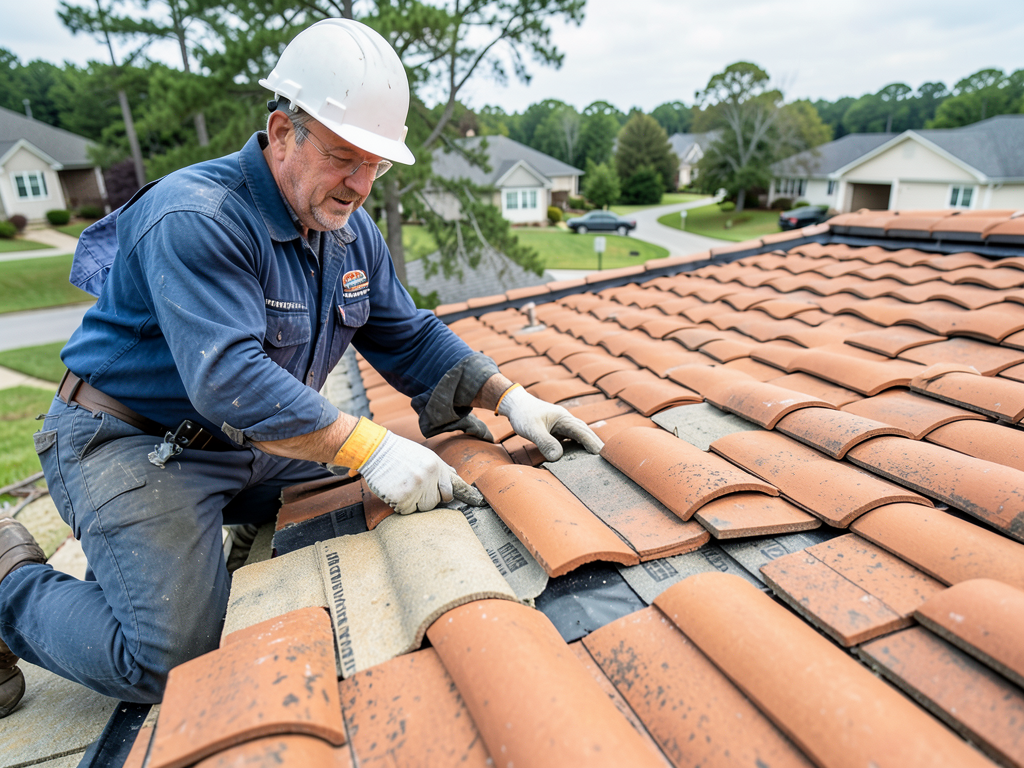
The Real Cost Difference Between Concrete and Clay Tiles for Hammock Lakes Homes Choosing between concrete and clay roof tiles…

The Real Cost Difference Between Concrete and Clay Tiles for Hammock Lakes Homes

The Real Cost Difference Between Concrete and Clay Tiles for Hammock Lakes Homes Choosing between concrete and clay roof tiles…

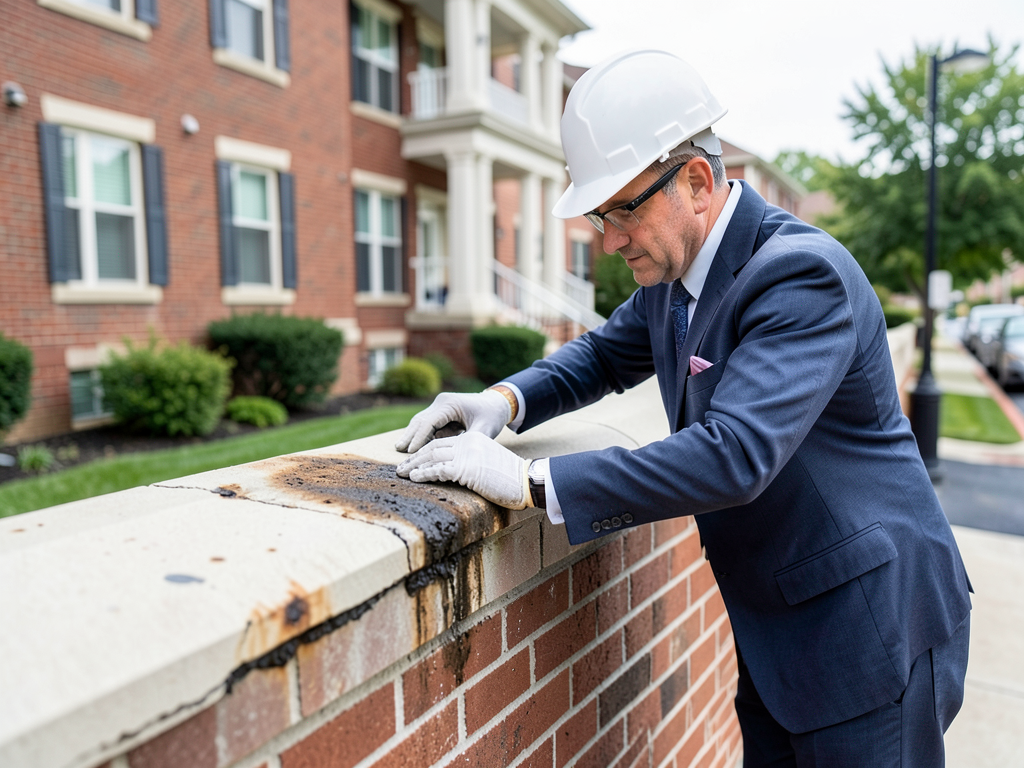
Managing Parapet Wall Leaks and Cap Flashing Issues for Brickell Townhomes

Managing Parapet Wall Leaks and Cap Flashing Issues for Brickell Townhomes Parapet walls create a critical vulnerability in Brickell townhome…

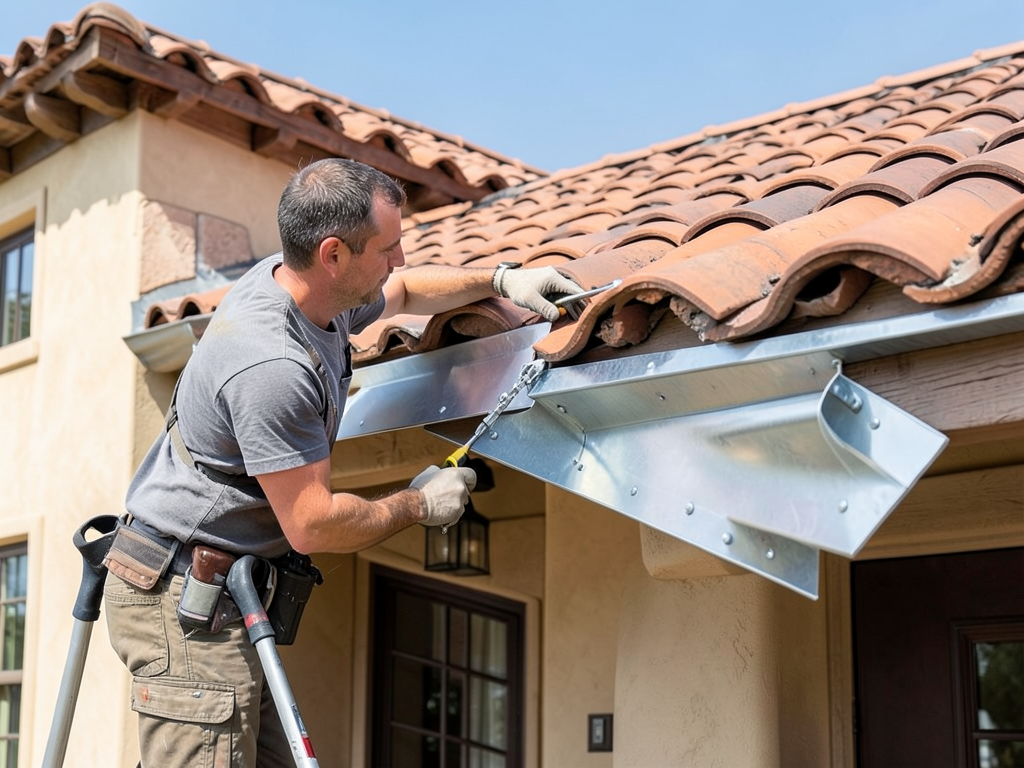
Why Your Ponce Davis Home Needs Heavy Duty Drip Edges to Prevent Wood Rot

Why Your Ponce Davis Home Needs Heavy Duty Drip Edges to Prevent Wood Rot The heavy afternoon thunderstorms that roll…

Contact Us

A sagging roof deck will not fix itself. It will fail completely during the next major storm. Call Ironwood Roofing Miami at (645) 231-4888 to schedule a structural assessment and protect your home before the damage spreads.