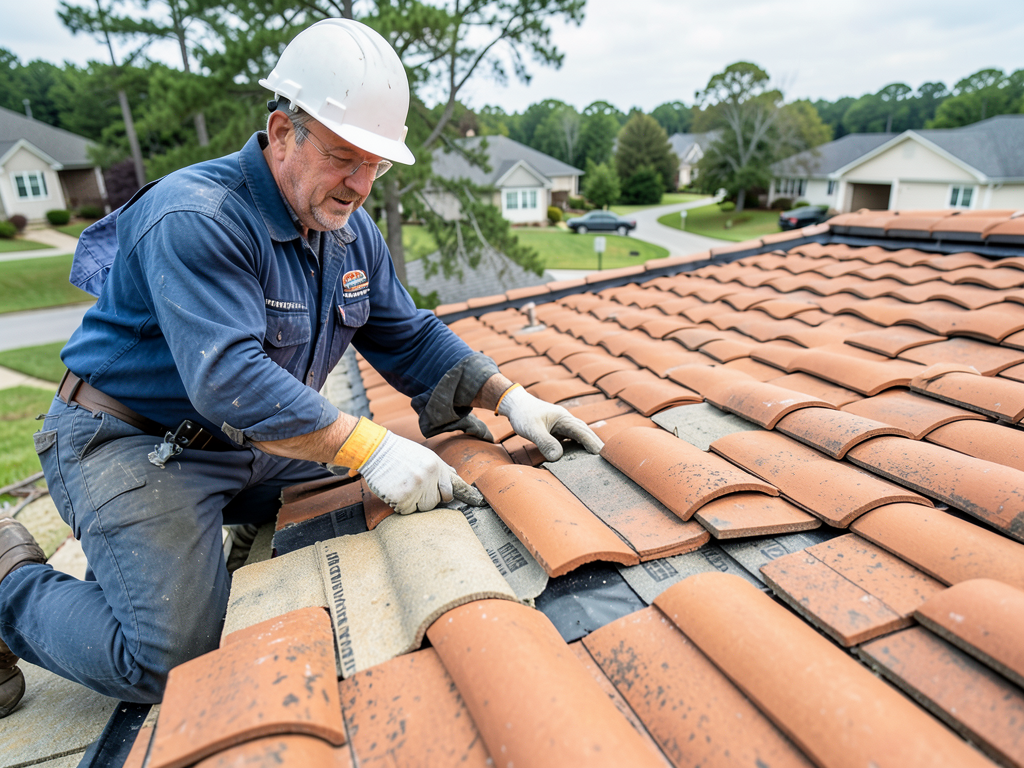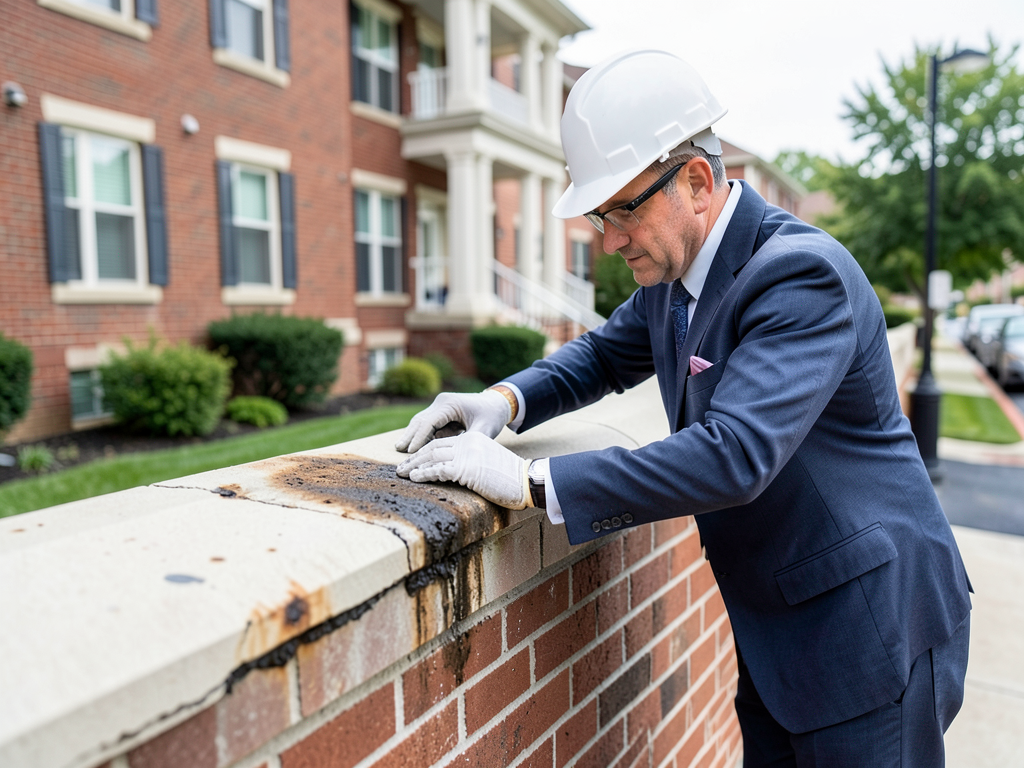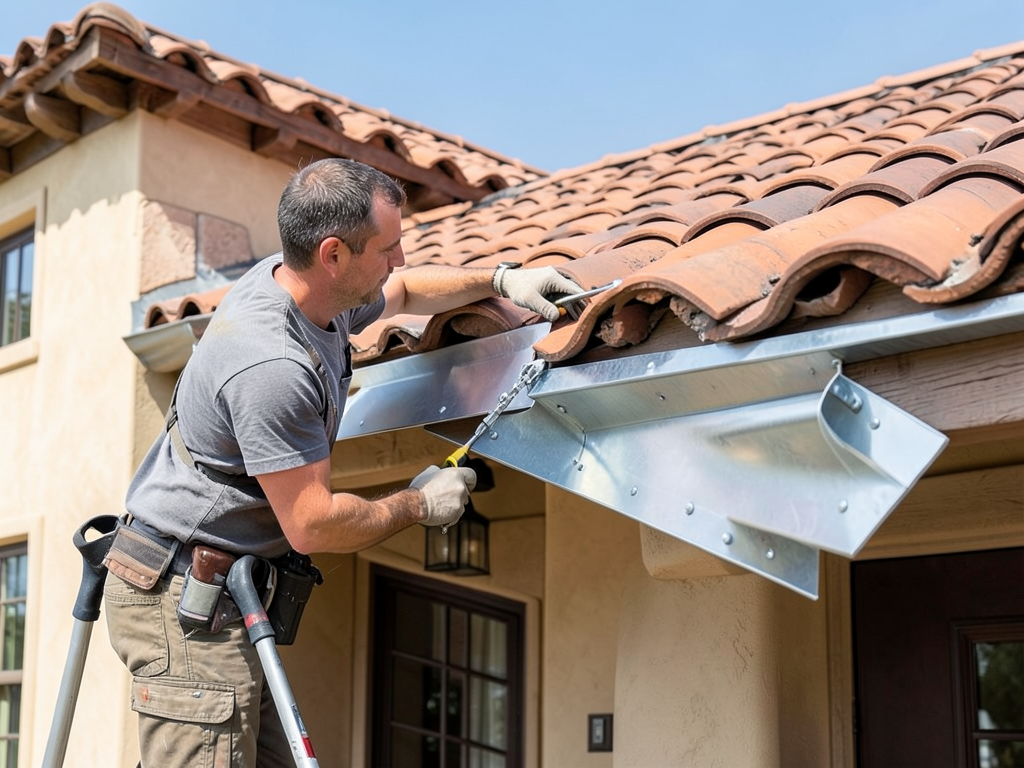


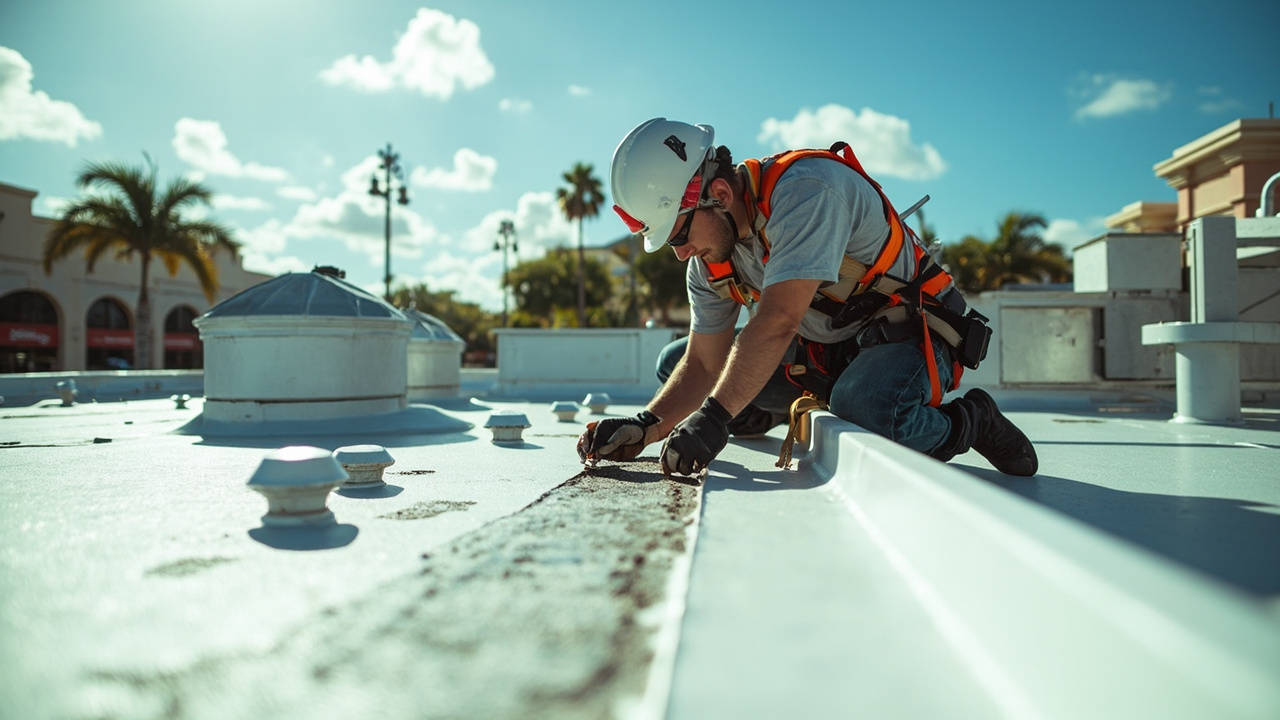

Miami's combination of salt air, intense UV exposure, and extreme rainfall creates a hostile environment for commercial roofing systems. Shopping centers located within five miles of the Atlantic Ocean or Biscayne Bay experience accelerated corrosion on metal components, including fasteners, termination bars, and roof drains. The salt aerosol deposits on membrane surfaces and attracts moisture, which promotes algae growth and surface degradation. Afternoon thunderstorms generate wind-driven rain that tests every penetration and seam. Unlike northern climates where freeze-thaw cycles cause damage, Miami roofs fail from constant thermal cycling, UV breakdown, and biological growth in persistently humid conditions.
Miami-Dade County enforces the most stringent roofing codes in the continental United States due to hurricane risk. Any commercial roof repair exceeding 25% of the roof area triggers a re-permitting requirement under Florida Building Code Section 1511. Contractors must demonstrate that repairs meet current High Velocity Hurricane Zone standards, including specific fastener spacing, adhesive coverage rates, and edge detail requirements. Ironwood Roofing Miami maintains Product Control approval documentation for all materials we install and works directly with county inspectors to ensure compliance. This local expertise prevents costly re-work and keeps your property in good standing with code enforcement.