menu

Slate & Synthetic Slate Roofing in Miami – Hurricane-Rated Systems Built for Coastal Weather

Ironwood Roofing Miami installs authentic slate roof tiles and composite slate roofing engineered to withstand Miami's high winds, salt air corrosion, and torrential rain while delivering the timeless look you want.

Slider Image 1
Slider Image 2
Slider Image 3
Slider Image 4
Slider Image 5
Slider Image 7
Slider Image 8
Slider Image 9
Slider Image 10
Slider Image 11

Why Miami Homeowners Choose Slate and Synthetic Slate Over Traditional Shingles

Miami's subtropical climate punishes roofing materials. Asphalt shingles degrade fast under relentless UV radiation, salt spray from Biscayne Bay, and humidity that breeds algae and mold. You need a roofing system that can handle Category 3 wind loads, resist thermal cycling from daily temperature swings, and still look elegant after decades of exposure.

Natural slate roof tiles have protected European homes for centuries because the material is virtually indestructible. Quarried stone does not warp, crack, or fade the way petroleum-based products do. For Miami properties in Coral Gables, Coconut Grove, or along the waterfront, authentic slate roofing delivers unmatched durability and a premium aesthetic that complements Mediterranean Revival and historic architecture.

Composite slate roofing offers a practical alternative. Modern faux slate shingles use recycled rubber, plastic polymers, and advanced fiber technology to replicate the look of natural stone at a fraction of the weight. These imitation slate tiles meet Miami-Dade County's stringent wind resistance standards and do not require the structural reinforcement that authentic slate demands. You get the same visual appeal without overloading your roof deck.

Both options outlast asphalt by decades. Authentic slate roofing can last 75 to 100 years with minimal maintenance. Composite slate roofing typically provides 50 years of reliable performance. In a market where hurricane season is not a possibility but a certainty, investing in a roofing system that survives multiple storm cycles saves you money and stress over the long term.

Why Miami Homeowners Choose Slate and Synthetic Slate Over Traditional Shingles
How We Install Slate and Synthetic Slate Roofing Systems in Miami

How We Install Slate and Synthetic Slate Roofing Systems in Miami

Installation starts with a structural assessment. Natural slate roof tiles weigh 800 to 1,500 pounds per square, depending on thickness. We inspect your roof framing, trusses, and decking to confirm they can support the load. If you have a standard 2x6 rafter system, we recommend composite slate roofing instead. Faux slate shingles weigh 400 to 600 pounds per square, which most residential structures handle without modification.

We remove the existing roofing material down to the deck. Any damaged sheathing gets replaced with 5/8-inch plywood or OSB rated for high wind zones. We install a self-adhering ice and water shield along all valleys, eaves, and penetrations to create a waterproof barrier. This step is critical in Miami, where wind-driven rain can infiltrate even small gaps during tropical storms.

Underlayment matters. We use synthetic felt rated for high-temperature applications because Miami's summer roof surface temps exceed 160 degrees. Cheap felt paper degrades in months. Quality underlayment extends the life of the entire system.

For authentic slate roofing, we hand-nail each tile with copper or stainless steel fasteners. Galvanized nails corrode in coastal environments. Copper flashing is non-negotiable at valleys, chimneys, and skylights. We install each natural slate roof tile with a minimum 3-inch headlap to ensure wind uplift resistance and prevent water intrusion.

Composite slate roofing uses a similar fastening pattern but allows for pneumatic nailing. Imitation slate tiles have pre-molded nail zones that align with the underlying deck structure. We stagger the seams and use manufacturer-approved flashing details to maintain warranty compliance. The result is a roof that looks identical to quarried stone but installs faster and costs less.

What Happens During Your Slate Roofing Installation

Slate & Synthetic Slate Roofing in Miami – Hurricane-Rated Systems Built for Coastal Weather
01

Structural Engineering Assessment

We start by calculating the dead load capacity of your existing roof framing. Our team inspects the truss span, rafter size, and decking condition to determine if your structure can support natural slate or if composite slate is the safer option. You receive a written report with load calculations and upgrade recommendations if reinforcement is needed before installation begins.
02

Material Selection and Sourcing

You choose between authentic slate roofing sourced from Vermont, Pennsylvania, or international quarries and high-grade composite slate roofing from manufacturers certified for Miami-Dade County's product approval system. We show you samples, discuss color variation in natural stone, and explain the wind rating and impact resistance of each option. You get a detailed material breakdown before any work starts.
03

Final Inspection and Cleanup

After installation, we conduct a tile-by-tile inspection to confirm proper fastening, alignment, and flashing integration. We test for water intrusion at critical penetrations and verify compliance with local building codes. All debris is removed, and your property is left cleaner than we found it. You receive documentation for permitting and a maintenance guide specific to your roofing material.

Why Ironwood Roofing Miami Is the Right Choice for Slate Installation

Most Miami roofers stick to asphalt shingles because slate installation requires specialized training. Natural slate roof tiles are brittle and crack if mishandled or nailed incorrectly. A single error can compromise the entire roof system. Ironwood Roofing Miami has the experience and tools to install both authentic slate roofing and composite slate roofing without damaging the material or your property.

We know Miami's building codes. The Florida Building Code mandates specific wind ratings for roofing products based on your location's wind speed zone. Miami Beach, downtown Miami, and the barrier islands fall into the High Velocity Hurricane Zone, which requires products tested to withstand sustained winds of 150 mph or more. We only source materials that meet or exceed these standards.

Our team understands the architectural context. Miami has some of the most beautiful historic homes in the Southeast. If you own a property in the Buena Vista Historic District or a Mediterranean Revival estate in Coconut Grove, you need a roofing contractor who respects the original design intent. We match the profile, color, and texture of your existing roof to preserve historical accuracy while upgrading performance.

We handle permits and inspections. Miami-Dade County requires a building permit for any roof replacement. We submit the application, schedule inspections, and coordinate with your homeowners association if design approval is needed. You do not deal with bureaucracy.

Local suppliers give us an edge. We maintain relationships with stone importers and composite manufacturers who stock inventory in South Florida. This means faster lead times and lower freight costs. You get your roof installed on schedule without paying a premium for cross-country shipping.

What You Can Expect from Your Slate Roofing Project

Project Timeline and Scheduling

A typical slate or synthetic slate installation takes 5 to 10 days depending on roof size, pitch, and complexity. Steep roofs with multiple valleys or custom flashing details require more labor. We schedule work around weather forecasts to avoid rain delays and protect your home during the tear-off phase. You receive a start date and daily progress updates so you know what to expect. We do not leave projects half-finished for weeks at a time.

Pre-Installation Consultation and Material Review

Before any work begins, we conduct an on-site consultation to assess your roof structure, review material options, and discuss your design preferences. You see physical samples of natural slate roof tiles and composite slate roofing side by side. We explain the weight difference, maintenance requirements, and lifespan of each option. You make an informed decision based on your budget, your home's structural capacity, and your long-term goals. No pressure tactics.

Final Roof Performance and Appearance

When the installation is complete, you have a roof that looks stunning and performs flawlessly. Authentic slate roofing delivers the texture and color variation of natural stone. No two tiles are identical, which creates visual depth. Composite slate roofing offers a more uniform appearance but still captures the dimensional profile of quarried material. Both systems resist algae growth, reflect heat better than asphalt, and maintain curb appeal for decades without fading or cracking.

Maintenance Plans and Long-Term Support

Slate roofs require minimal maintenance, but periodic inspections extend their lifespan. We offer annual maintenance plans that include gutter cleaning, flashing checks, and tile replacement for any storm damage. Natural slate roof tiles can crack if a tree branch falls during a hurricane. Composite slate roofing is more impact-resistant but still benefits from routine care. We keep detailed records of your installation and provide priority service for maintenance requests.

Frequently Asked Questions

You Have Questions,
We Have Answers

What is a synthetic slate roof? +

A synthetic slate roof mimics the appearance of quarried stone slate but uses engineered composite materials like rubber, plastic, or polymer blends. These products replicate the texture, color variation, and dimensional look of natural slate at a fraction of the weight. Miami homeowners choose synthetic slate for its storm resistance and ability to handle high heat without cracking. The material installs faster than quarried slate and performs well in hurricane-prone areas when properly fastened. You get the classic European aesthetic without the structural concerns of supporting heavy stone on your roof deck.

How much does a synthetic slate roof cost? +

Synthetic slate roofing in Miami typically costs less than natural slate but more than asphalt shingles. Pricing depends on the specific product grade, roof complexity, pitch, and removal of existing materials. Miami-area factors like hurricane-rated fastening systems and ventilation requirements affect installation labor. The material itself ranges by manufacturer quality and warranty coverage. Budget for higher costs if your home has steep pitches, multiple valleys, or architectural details common in Coral Gables or Coconut Grove. Request itemized quotes that separate material, labor, and disposal fees for accurate comparison.

How long does a synthetic slate roof last? +

Quality synthetic slate roofs last 40 to 50 years in Miami's climate when properly installed and maintained. This lifespan exceeds asphalt shingles by decades but falls short of natural slate's century-plus durability. Miami's intense UV exposure, salt air, and hurricane winds impact longevity. Premium products with UV inhibitors and impact resistance ratings perform better than budget options. Regular inspections after tropical storms help catch fastener pull-through or wind damage early. The warranty length often reflects expected performance, with top-tier manufacturers offering 50-year coverage on both material and fade resistance.

What are the advantages and disadvantages of synthetic slate and natural slate? +

Synthetic slate advantages include lighter weight, lower cost, easier installation, and consistent color throughout each tile. It handles Miami's heat expansion better than stone and resists algae growth when treated. Natural slate offers unmatched longevity, authentic texture variation, and superior fire resistance. The disadvantages flip accordingly. Synthetic slate degrades under UV exposure over decades and lacks the resale prestige of quarried stone. Natural slate requires specialized installation expertise, costs significantly more, and demands structural reinforcement for most Miami homes built after 1970. Your choice depends on budget, architectural goals, and how long you plan to own the property.

What is the biggest problem with slate roofs? +

Weight creates the biggest problem with slate roofs in Miami. Quarried stone slate weighs 800 to 1,500 pounds per square, requiring structural upgrades most homes cannot support without expensive reinforcement. Miami's concrete block construction helps, but roof trusses and decking still need engineering evaluation. Improper fastening causes the second major issue when installers unfamiliar with slate technique crack tiles during installation or use incorrect nail placement. Flashing failures around chimneys and valleys lead to leaks that damage the decking below. These problems amplify in hurricane conditions when inadequate attachment allows wind uplift.

What are the disadvantages of synthetic roof underlayment? +

Synthetic roof underlayment can become slippery when wet, creating fall hazards during Miami's afternoon rain showers. The material also costs more upfront than traditional felt paper. Some products degrade under prolonged UV exposure if left uncovered during construction delays, common during hurricane season when contractors get backlogged. Synthetic underlayment requires specific fastening patterns, and shortcuts cause wrinkles that telegraph through thin roofing materials. In Miami's heat, certain synthetics can wrinkle or bubble if installed over hot decking. These disadvantages matter less than the benefits of superior water resistance and tear strength during storm events.

How Miami's Salt Air and Hurricane Season Impact Slate Roofing Decisions

Coastal proximity accelerates corrosion. Homes within two miles of Biscayne Bay or the Atlantic Ocean face constant exposure to salt-laden air. This corrodes metal fasteners and flashing unless you use marine-grade materials. Standard galvanized nails rust within five years. Copper and stainless steel fasteners are mandatory for any slate installation in Miami. We factor this into every project because cutting corners on hardware ruins even the best roofing material.

Choosing a local contractor who understands Miami-Dade County's unique permitting and wind rating requirements protects your investment. Out-of-town roofers often use materials approved for inland Florida that do not meet coastal wind load standards. Ironwood Roofing Miami sources only products tested and certified for High Velocity Hurricane Zones. We pull the right permits, pass inspections on the first attempt, and deliver a roof that complies with local building codes.
Roofing Services in The Miami Area

Ironwood Roofing Miami is proud to service the entire Miami-Dade County area, including South Beach, Coral Gables, Doral, and beyond. We are a local company deeply familiar with the region, allowing us to respond quickly to your emergency needs and schedule non-urgent services with efficient turnaround. View our location on the map to see where our trusted professionals operate and invite us to your neighborhood for the area's most reliable roofing expertise.

Address:
Ironwood Roofing Miami, 2214 Biscayne Blvd, Miami, FL, 33131

Additional Services We Offer

Our news updates

Latest Articles & News from The Blogs

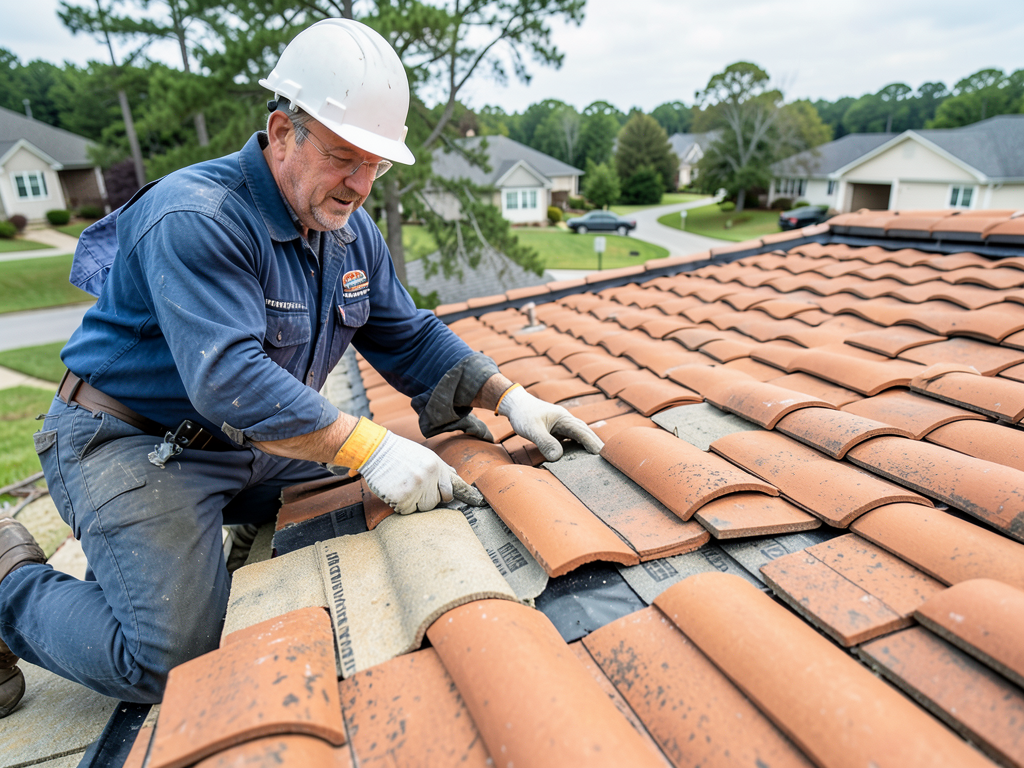
The Real Cost Difference Between Concrete and Clay Tiles for Hammock Lakes Homes Choosing between concrete and clay roof tiles…

The Real Cost Difference Between Concrete and Clay Tiles for Hammock Lakes Homes

The Real Cost Difference Between Concrete and Clay Tiles for Hammock Lakes Homes Choosing between concrete and clay roof tiles…

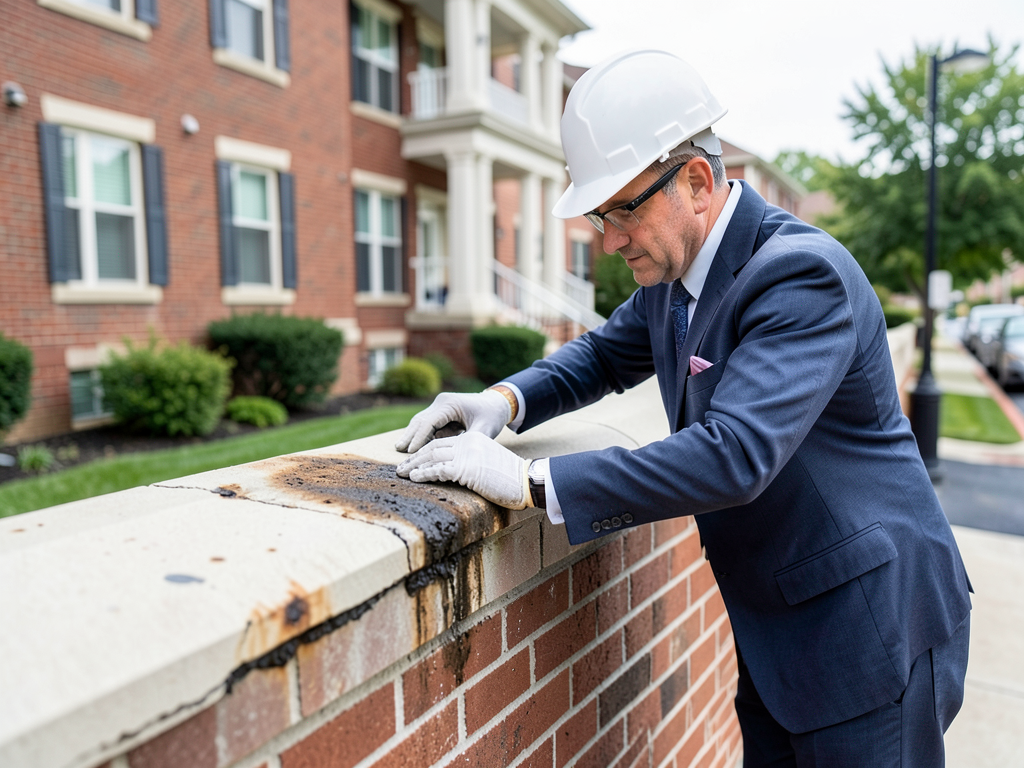
Managing Parapet Wall Leaks and Cap Flashing Issues for Brickell Townhomes

Managing Parapet Wall Leaks and Cap Flashing Issues for Brickell Townhomes Parapet walls create a critical vulnerability in Brickell townhome…

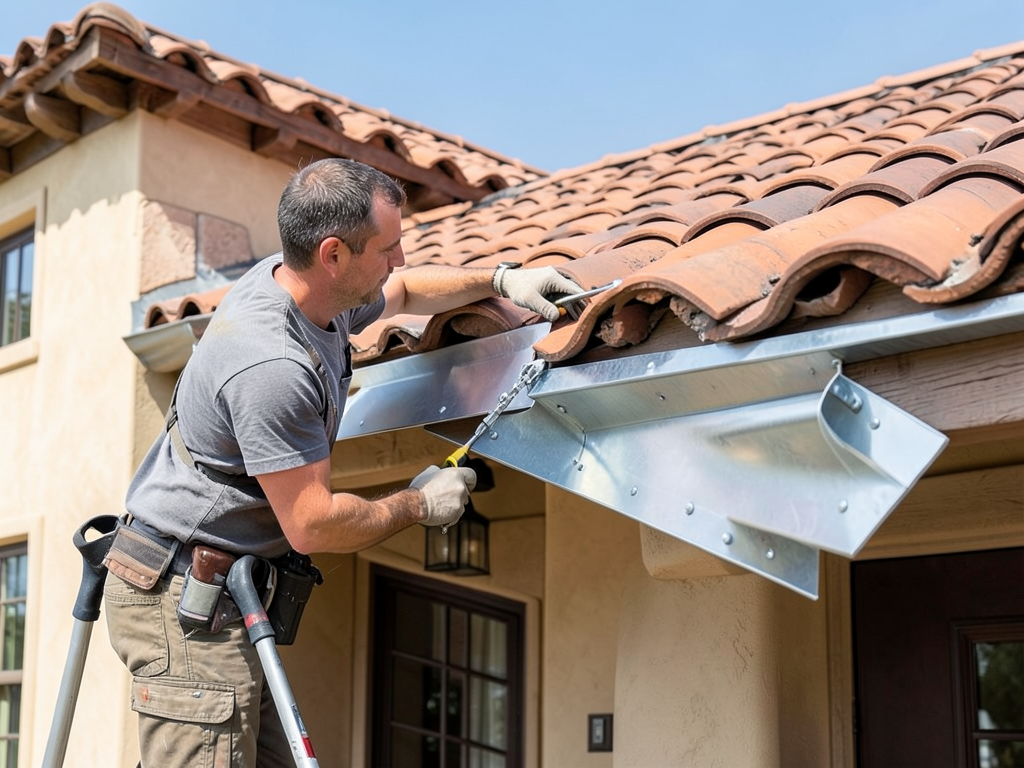
Why Your Ponce Davis Home Needs Heavy Duty Drip Edges to Prevent Wood Rot

Why Your Ponce Davis Home Needs Heavy Duty Drip Edges to Prevent Wood Rot The heavy afternoon thunderstorms that roll…

Contact Us

Call Ironwood Roofing Miami at (645) 231-4888 to discuss your slate or synthetic slate roofing project. We provide free on-site consultations, structural assessments, and material samples so you can make the right choice for your home and budget.