menu

24/7 Emergency Roof Repair in Miami – Crews Dispatched in Under 60 Minutes

When your roof fails at 2 AM or during a sudden storm, you need urgent roof repair fast. Our 24 hour roof repair teams are standing by with trucks pre-loaded and ready to stop leaks, prevent interior damage, and secure your property before the situation worsens.

Slider Image 1
Slider Image 2
Slider Image 3
Slider Image 4
Slider Image 5
Slider Image 7
Slider Image 8
Slider Image 9
Slider Image 10
Slider Image 11

Why Miami Roofs Fail Without Warning

Miami's subtropical climate creates a perfect storm for sudden roof failure. High humidity accelerates corrosion on metal flashings and fasteners. Salt air from Biscayne Bay and the Atlantic eats through protective coatings faster than inland areas. Afternoon thunderstorms with wind gusts exceeding 60 mph can rip off shingles, lift membrane edges, or tear flashings loose in minutes.

You do not get a warning. One moment your roof is intact. The next, water is pouring through your ceiling onto furniture, electronics, and drywall. Mold begins forming in South Florida's heat within 24 to 48 hours. Every minute counts.

Emergency roofing services exist for this exact scenario. A small leak becomes a collapsed ceiling. A lifted shingle becomes a gaping hole. Water intrusion ruins insulation, shorts electrical systems, and destroys belongings. The longer you wait, the more expensive the repair becomes.

You need emergency roof leak repair that stops the damage now. Not tomorrow morning. Not when the storm passes. Right now. Our after hours roofing contractors understand that Miami roofs demand immediate response because the climate does not wait for business hours. We keep crews on standby specifically for urgent roof repair situations because we know how fast damage escalates in this environment.

When your roof fails, the clock starts ticking. The question is not whether you need help. The question is how fast that help arrives.

Why Miami Roofs Fail Without Warning
How We Stop the Damage in Its Tracks

How We Stop the Damage in Its Tracks

Our 24/7 emergency roof repair protocol is built for speed and effectiveness. When you call, we dispatch the nearest crew immediately. No waiting for morning. No callbacks. Our trucks carry emergency tarping materials, roofing cement, replacement shingles, membrane patches, and temporary flashing kits at all times.

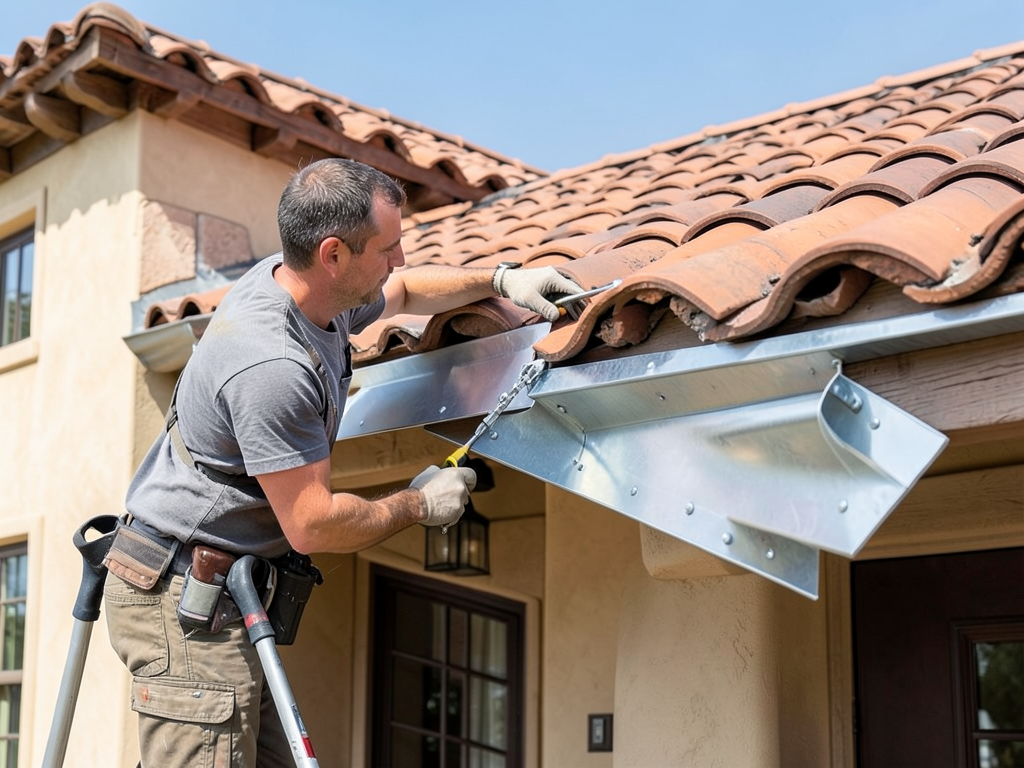
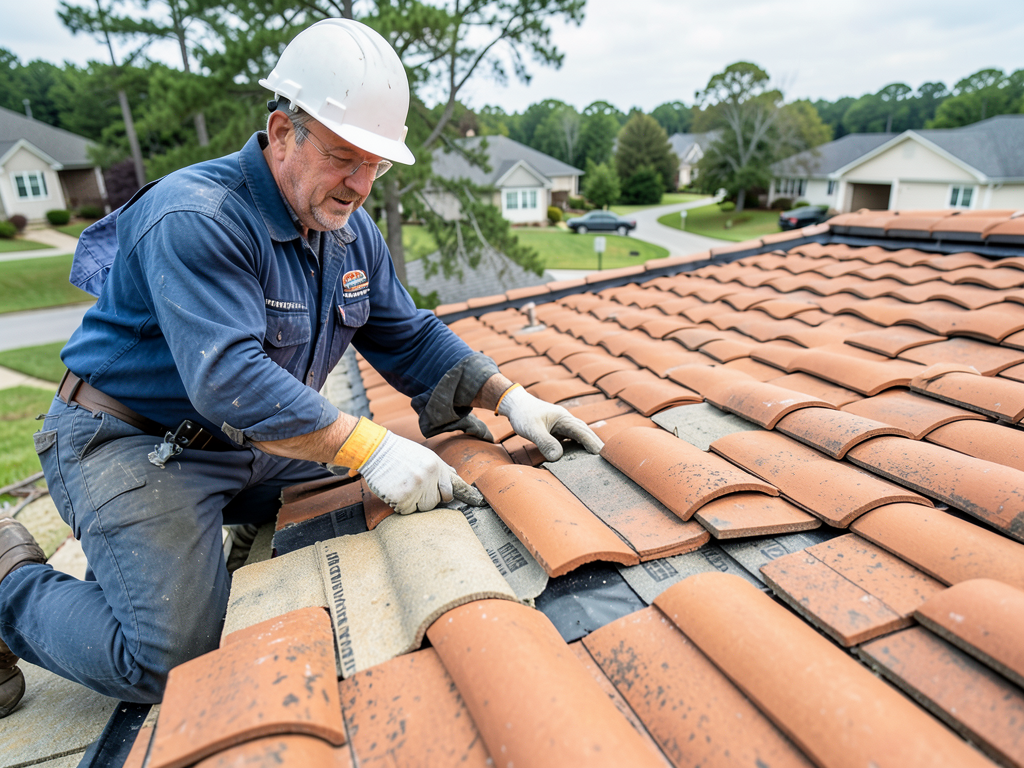
First, we stop the water. Our crews deploy reinforced tarps secured with battens and sandbags, not just thrown over the hole. For flat roofs common in Miami commercial buildings and modern homes, we use heat-weldable membrane patches that create watertight seals even in active rain. For tile roofs prevalent in Coral Gables and Coconut Grove, we secure loose tiles and seal underlayment breaches.

Second, we assess structural integrity. A leak is often a symptom of a bigger problem. We check decking for rot, inspect trusses for water damage, and evaluate whether the roof system can hold until permanent repairs happen. Miami's Building Code requires specific wind uplift ratings in High Velocity Hurricane Zones. We verify that emergency repairs maintain code compliance.

Third, we document everything. Photos, measurements, and detailed notes go directly to you and your insurance carrier. Most homeowner policies cover emergency mitigation. We know exactly what adjusters need to see.

Our crews are not general handymen with ladders. They are licensed roofers with thermal imaging cameras to find hidden moisture, moisture meters to test decking, and the technical knowledge to differentiate between a simple shingle replacement and a compromised roof system. You get diagnostic precision when minutes matter most.

What Happens When You Call for Emergency Service

24/7 Emergency Roof Repair in Miami – Crews Dispatched in Under 60 Minutes
01

Immediate Dispatch

You call our emergency line, and we deploy the closest available crew within minutes. No intake forms. No scheduling delays. We collect your address, confirm the roof emergency type, and send GPS coordinates to our truck. You receive an ETA immediately, and our driver contacts you directly when approaching your property. We arrive prepared with ladder systems, safety equipment, and tarping materials already loaded.
02

Damage Containment

Our crew secures the affected area first. We stop active leaks using reinforced tarps, apply roofing cement to seal breaches, and stabilize loose materials. For punctures or missing sections, we install temporary waterproof barriers that withstand Miami's heavy rain and wind. If the interior is already wet, we identify compromised areas and recommend immediate steps to prevent mold growth. Speed here determines total repair cost later.
03

Inspection and Documentation

Once the emergency is stabilized, we perform a full roof assessment. We photograph all damage, measure affected areas, and check surrounding sections for hidden problems. You receive a written report detailing what failed, why it failed, and what permanent repairs are needed. We coordinate directly with your insurance carrier if requested, providing documentation adjusters require. You know exactly what comes next before our crew leaves your property.

Why Miami Residents Choose Ironwood Roofing Miami for Emergencies

When your roof is leaking at midnight, you need a contractor who answers the phone and shows up fast. Ironwood Roofing Miami maintains dedicated emergency crews specifically for urgent situations. We do not outsource after hours calls to answering services or promise callbacks in the morning. Our teams live in Miami-Dade and Broward Counties. They know the quickest routes to your neighborhood, even during rush hour or storm evacuations.

We understand Miami's specific roofing challenges because we work here every day. Flat roofs with modified bitumen or TPO membranes require different emergency protocols than barrel tile roofs common in older Coral Gables estates. High-rise condos in Brickell need different access equipment than single-family homes in Kendall. We have repaired roofs in every Miami zip code, from Aventura to Homestead.

Our familiarity with Miami-Dade Building Code requirements means emergency repairs meet structural standards from the start. Florida's High Velocity Hurricane Zone regulations dictate specific fastening patterns, uplift ratings, and material specifications. A temporary repair that violates code creates liability issues and complicates permanent repairs later. We do it right the first time, even under emergency conditions.

You also get honest assessments. Some contractors use emergencies to upsell unnecessary work. We separate immediate mitigation from long-term repairs. If a tarp and some roofing cement solve the problem until morning, we tell you that. If the damage requires immediate structural intervention, we explain why. You make informed decisions, not panic decisions.

Trust matters when water is pouring into your home. We have built our reputation on showing up when we say we will and doing what we say we will do.

What to Expect During an Emergency Roof Repair Call

Response Time and Availability

Our emergency line operates 24 hours a day, 365 days a year. When you call, you speak to a dispatcher who immediately assigns the nearest crew. Typical response times range from 45 to 90 minutes depending on your location and current weather conditions. During active hurricanes or major storm events, we prioritize life-safety situations first, then work through the queue. You receive real-time updates via text as our crew travels to your property. We do not make you wait until morning or the next business day.

On-Site Assessment Process

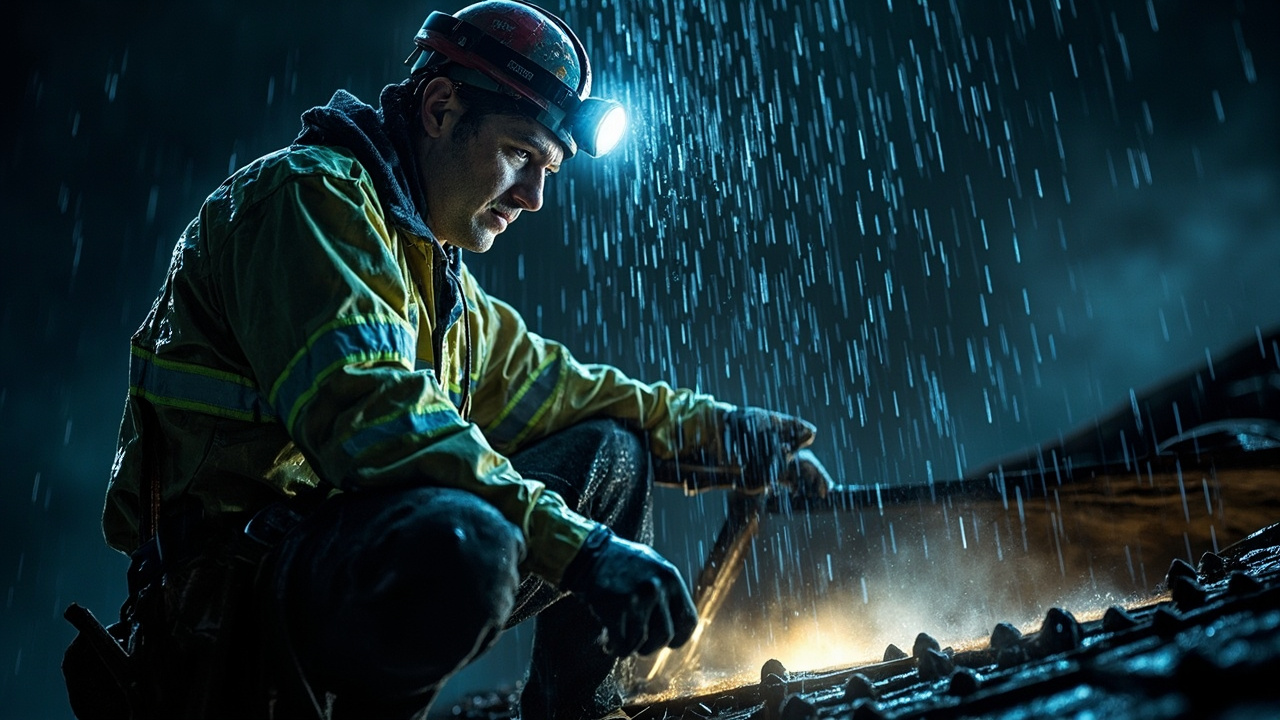
Our crew arrives with ladders, safety harnesses, flashlights, and inspection tools. They access your roof safely, even in rain or darkness, using OSHA-compliant fall protection. The assessment includes identifying the failure point, checking surrounding areas for secondary damage, and using moisture meters to detect hidden water intrusion in decking or insulation. You receive a verbal explanation of what happened and what needs to happen next. If conditions are too dangerous for roof access, we stabilize from the interior or deploy aerial equipment.

Quality of Temporary Repairs

Emergency repairs are temporary, but that does not mean low quality. We use commercial-grade tarps rated for high winds, not blue tarps from hardware stores. Fastening systems include battens screwed into solid decking, not just bricks or sandbags. Sealants are professional-grade roofing cement that adheres in wet conditions. For flat roofs, we apply torch-down patches or peel-and-stick membrane that bonds immediately. These repairs hold for weeks or months if needed, giving you time to schedule permanent work without ongoing leaks.

Insurance Documentation and Follow-Up

We photograph all damage before and after emergency mitigation. You receive a written report with measurements, material descriptions, and our professional assessment of what caused the failure. This documentation is exactly what insurance adjusters require. If you need help filing a claim, we walk you through the process and provide direct communication with your carrier. Once the emergency is stabilized, we provide a detailed estimate for permanent repairs. You decide when and how to proceed, with no pressure.

Frequently Asked Questions

You Have Questions,
We Have Answers

Can a roof be replaced in one day? +

Yes, most residential roofs can be replaced in one day if weather cooperates and the crew is experienced. Small to medium roofs typically take 8 to 12 hours. In Miami, sudden afternoon thunderstorms can delay work, so expect crews to start early. Complex roofs with multiple valleys, steep pitches, or tile material may require two days. Emergency tarping happens immediately, but full replacement depends on material availability and permit approval. If you need fast turnaround after storm damage, communicate your timeline upfront so the contractor can mobilize the right crew size.

What constitutes a roofing emergency? +

A roofing emergency is any situation causing active water intrusion or immediate structural risk. This includes missing shingles after a hurricane, punctures from fallen tree limbs, or torn flashing allowing rain inside. In Miami, wind-driven rain during tropical storms escalates minor issues fast. Sagging sections signal structural failure and demand immediate attention. If you see water stains spreading on your ceiling, daylight through the decking, or loose debris hanging off the roof, call for emergency service now. Waiting turns a quick repair into full interior damage and mold growth in Miami's humid climate.

How to get a roof replaced for free? +

Free roof replacement is rare but possible through insurance claims after covered events like hurricane damage or manufacturer defects under warranty. File a claim immediately after storm damage and document everything with photos. Some nonprofits assist low-income homeowners or veterans with roof repairs, but waiting lists are long. In Miami, FEMA may offer grants after declared disasters. Avoid contractors promising free roofs through insurance manipulation. That's fraud. If your roof qualifies under a legitimate insurance claim and you meet your deductible, your out-of-pocket cost may be minimal, but never truly free.

How much does it cost to emergency tarp a roof? +

Emergency roof tarping in Miami typically costs $300 to $1,500 depending on roof size, pitch, and damage extent. A small section on a single-story home runs cheaper than a steep two-story roof requiring safety rigging. Most 24/7 services charge premium rates for after-hours or weekend calls. The tarp itself is inexpensive but labor, equipment, and urgency drive the price. Some contractors waive tarping fees if you hire them for the full repair. Get the quote in writing before work starts. Tarping is temporary. It buys you time but must be followed by permanent repair within weeks.

How to pay for a roof when you can't afford it? +

If you cannot afford a roof replacement upfront, explore financing options through roofing contractors offering payment plans with approved credit. Many Miami roofers partner with lenders for zero-interest periods. Home equity loans or lines of credit offer lower rates than credit cards. Check if your homeowners insurance covers the damage after your deductible. Some local programs assist seniors or disabled homeowners with emergency repairs. Avoid unlicensed contractors offering too-good-to-be-true deals. Prioritize emergency repairs first, then save for full replacement. Delaying critical fixes leads to costlier structural damage and mold in Miami's wet climate.

How old may a roof be before insurance claims it's too old? +

Most Florida insurance carriers consider roofs over 15 to 20 years old high-risk and may deny claims or require inspections before renewing policies. Miami insurers are strict due to hurricane exposure. Some policies only cover actual cash value on older roofs, meaning depreciation reduces your payout significantly. If your roof is over 10 years old, expect scrutiny during claims. Regular maintenance records and recent inspections help. Replacing an aging roof before it fails improves insurability and claim outcomes. Check your policy's specific age limits and consider proactive replacement to avoid claim denial when you need coverage most.

Will insurance pay for a new roof if it's leaking? +

Insurance may pay for a new roof if the leak results from a covered peril like wind, hail, or fallen debris. Normal wear and tear or deferred maintenance are excluded. In Miami, hurricane damage often qualifies, but you must prove the storm caused the failure. Document the leak with photos and timestamps immediately. An adjuster will inspect to determine cause. If only a section is damaged, expect partial coverage, not full replacement unless the entire roof fails code or matching materials are unavailable. File your claim fast and avoid repairs before the adjuster visits unless stopping active damage.

Can you repair just a section of a roof? +

Yes, you can repair just a section of a roof if damage is localized and materials match existing shingles or tiles. Spot repairs work for small areas damaged by tree limbs or isolated wind tears. In Miami, matching older tile or discontinued shingles can be difficult, so contractors may need to source reclaimed materials. Code compliance matters. If repairs exceed 25 percent of the roof area, some jurisdictions require full replacement to meet current wind ratings. Partial repairs are faster and cheaper but may create visible patches. Discuss longevity and appearance with your contractor before choosing section repair over full replacement.

What not to say to a roof insurance adjuster? +

Never exaggerate damage, admit to deferred maintenance, or speculate about the cause when speaking to an insurance adjuster. Avoid saying your roof was already old or leaking before the storm. Do not sign anything without reading it fully or agree to a lowball settlement on the spot. In Miami, adjusters scrutinize hurricane claims closely for fraud. Stick to facts and timeline. Provide photos and documentation but let the adjuster assess. Do not let them pressure you into immediate decisions. You have the right to request a re-inspection or hire a public adjuster if the offer seems unfair.

Will homeowners insurance pay for a new roof? +

Homeowners insurance will pay for a new roof if damage results from a covered peril like wind, fire, or hail. Policies do not cover wear, age, or neglect. In Miami, hurricane wind damage is the most common covered event, but you must meet your deductible first. Older roofs may receive only depreciated actual cash value instead of full replacement cost. Review your policy to understand coverage limits and exclusions. After a storm, file your claim immediately with photos and a professional inspection report. Insurance pays for necessary repairs, not upgrades, so expect coverage only for the damaged scope.

How Miami's Hurricane Season Makes 24/7 Roof Coverage Essential

Miami sits directly in the Atlantic hurricane corridor, with storm season running June through November. Wind speeds exceeding 100 mph can strip shingles, lift membrane seams, and hurl debris into roof surfaces. The 2022 season saw multiple named storms impact South Florida, each creating emergency roof repair surges. Between hurricanes, afternoon thunderstorms with microbursts generate localized damage year-round. Our subtropical climate means roofs never get a break. Salt corrosion weakens fasteners continuously. UV radiation degrades sealants faster than northern climates. When failure happens, it happens fast and often outside business hours. Having after hours roofing contractors available is not a luxury in Miami. It is a necessity.

Miami-Dade County enforces some of the strictest building codes in the nation due to Hurricane Andrew's legacy. Emergency repairs must still comply with these standards, even under urgent conditions. Local contractors who understand Florida Building Code Chapter 15 and the High Velocity Hurricane Zone provisions can perform temporary work that does not create compliance issues later. Ironwood Roofing Miami operates under these regulations daily. We know which fastening patterns meet uplift requirements, which materials pass Florida Product Approval, and how to document emergency work for permit purposes if needed. Choosing a local provider means getting someone who knows the rules and works within them, even at 3 AM during a storm.
Roofing Services in The Miami Area

Ironwood Roofing Miami is proud to service the entire Miami-Dade County area, including South Beach, Coral Gables, Doral, and beyond. We are a local company deeply familiar with the region, allowing us to respond quickly to your emergency needs and schedule non-urgent services with efficient turnaround. View our location on the map to see where our trusted professionals operate and invite us to your neighborhood for the area's most reliable roofing expertise.

Address:
Ironwood Roofing Miami, 2214 Biscayne Blvd, Miami, FL, 33131

Additional Services We Offer

Our news updates

Latest Articles & News from The Blogs

The Real Cost Difference Between Concrete and Clay Tiles for Hammock Lakes Homes Choosing between concrete and clay roof tiles…

The Real Cost Difference Between Concrete and Clay Tiles for Hammock Lakes Homes

The Real Cost Difference Between Concrete and Clay Tiles for Hammock Lakes Homes Choosing between concrete and clay roof tiles…

Managing Parapet Wall Leaks and Cap Flashing Issues for Brickell Townhomes

Managing Parapet Wall Leaks and Cap Flashing Issues for Brickell Townhomes Parapet walls create a critical vulnerability in Brickell townhome…

Why Your Ponce Davis Home Needs Heavy Duty Drip Edges to Prevent Wood Rot

Why Your Ponce Davis Home Needs Heavy Duty Drip Edges to Prevent Wood Rot The heavy afternoon thunderstorms that roll…

Contact Us

Your roof will not fix itself, and water damage worsens by the hour. Call Ironwood Roofing Miami at (645) 231-4888 right now. Our emergency crews are standing by 24/7 to stop leaks, secure your property, and prevent further damage. Do not wait until morning.