menu

Benefits of Cool Roofs in Miami | Cut Energy Bills by 40% in Year-Round Heat

Reflective roofing systems slash cooling costs, extend roof lifespan, and protect your home from Miami's relentless UV exposure and humidity. Learn how cool roofs deliver measurable savings and comfort.

Slider Image 1
Slider Image 2
Slider Image 3
Slider Image 4
Slider Image 5
Slider Image 7
Slider Image 8
Slider Image 9
Slider Image 10
Slider Image 11

Why Miami's Tropical Climate Makes Cool Roofing a Smart Investment

Miami's subtropical location means your roof absorbs intense solar radiation 300-plus days each year. Traditional dark shingles can reach surface temperatures of 170 degrees on a July afternoon, driving up attic temperatures and forcing your AC unit to work harder. This creates a cycle of high energy bills and accelerated roof deterioration.

The advantages of cool roofing become clear when you understand thermal physics. Reflective roofing materials bounce back 65 to 90 percent of solar energy instead of absorbing it. This keeps your roof deck cooler, reduces heat transfer into living spaces, and can lower interior temperatures by 10 to 15 degrees. For homeowners in Coral Gables or Little Havana, where older homes lack adequate attic ventilation, this temperature reduction is measurable in monthly utility costs.

Cool roof energy savings extend beyond electricity bills. Lower surface temperatures mean less thermal stress on roofing materials. Asphalt shingles expand and contract with temperature swings, which causes granule loss and cracking. Reflective coatings or light-colored materials reduce these cycles, extending roof lifespan by five to ten years in Miami's harsh conditions.

The benefits of reflective roofing also include improved indoor comfort. Many Miami residents know the frustration of air conditioning that runs constantly but never quite cools the second floor. Heat radiating from a dark roof creates hot spots in upstairs bedrooms. Cool roofing systems address this problem at the source, making your HVAC system more effective and your home more livable during summer months.

Why Miami's Tropical Climate Makes Cool Roofing a Smart Investment
How Cool Roofing Systems Deliver Performance in South Florida

How Cool Roofing Systems Deliver Performance in South Florida

Cool roofing works through two mechanisms: solar reflectance and thermal emittance. Solar reflectance measures how much sunlight a surface bounces back. Thermal emittance measures how efficiently a material releases absorbed heat. The best cool roof systems score high in both categories, creating a double layer of protection against Miami's heat.

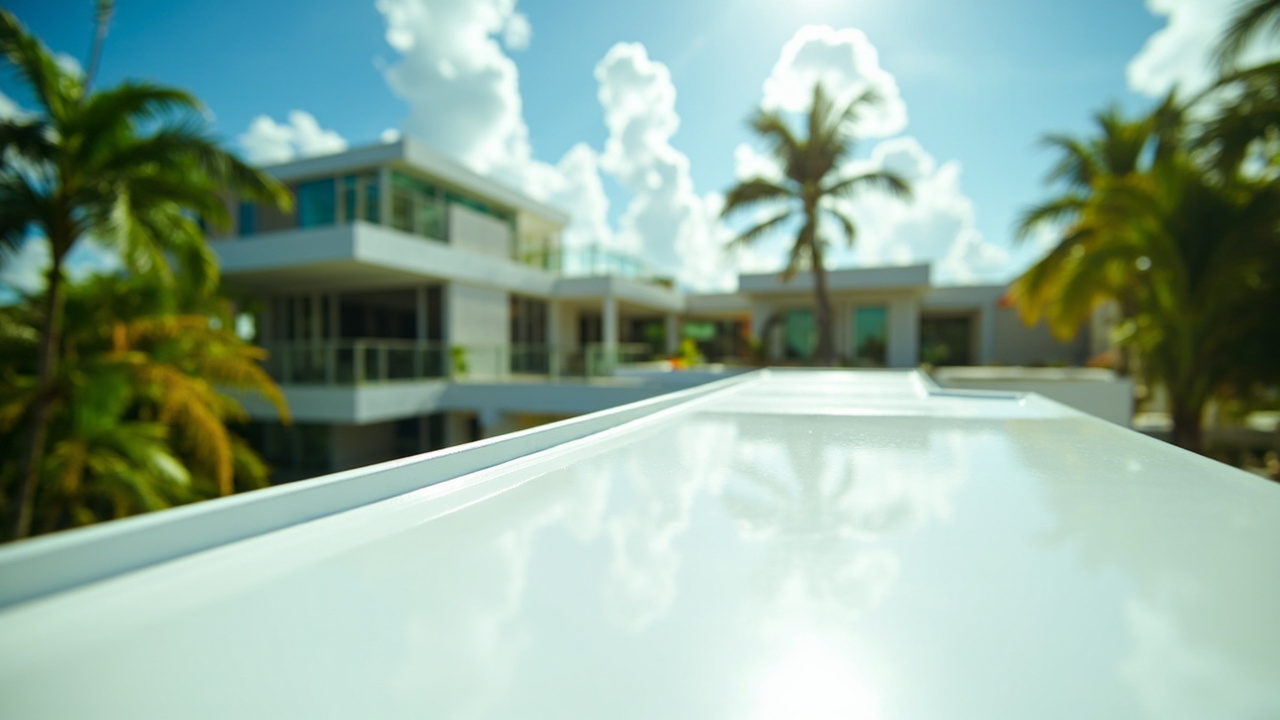
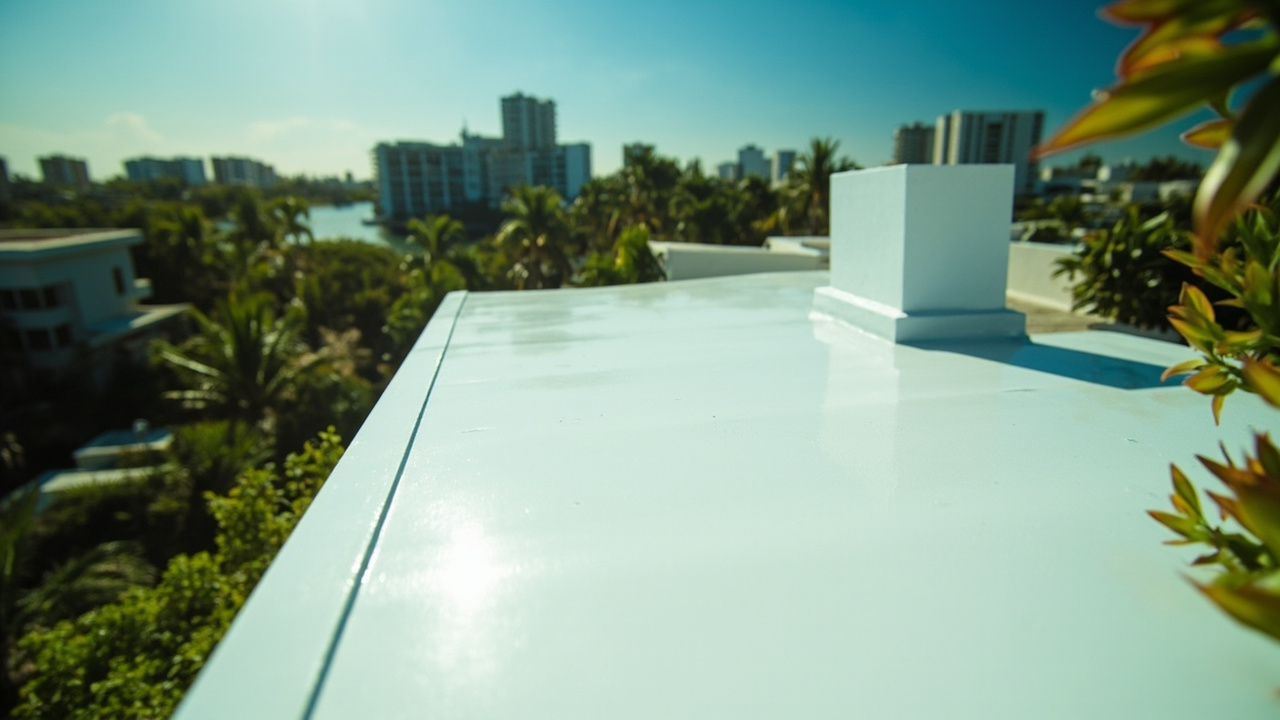
You have several material options depending on your building type and budget. White or light-colored modified bitumen membranes work well on low-slope commercial buildings common in Doral and Hialeah. These single-ply membranes combine durability with high reflectance values, often exceeding 85 percent solar reflectance when new.

For pitched residential roofs, you can choose reflective asphalt shingles, metal roofing, or tile. Modern reflective shingles use specially coated granules that reflect infrared radiation while maintaining traditional color options. You are not limited to white roofs. Cool roof technology now includes darker earth tones that still achieve 40 to 50 percent reflectance, which provides substantial energy savings compared to standard shingles.

Metal roofing delivers exceptional cool roof pros in Miami's climate. A standing seam metal roof with reflective coating can last 50 years while maintaining high solar reflectance. Metal also sheds water quickly, reducing the risk of algae growth that darkens surfaces and lowers reflectance over time.

Ironwood Roofing Miami evaluates your existing roof structure, attic ventilation, and insulation levels before recommending a cool roofing solution. We measure attic temperatures and calculate potential energy savings based on your specific home characteristics. This data-driven approach ensures you select materials that deliver maximum return on investment for your property.

What Happens During Your Cool Roof Evaluation

Benefits of Cool Roofs in Miami | Cut Energy Bills by 40% in Year-Round Heat
01

Thermal Assessment and Measurement

We use infrared thermography to map your current roof surface temperatures and identify hot spots. You receive digital thermal images showing temperature differentials across your roof plane. We also measure attic temperatures at multiple points to establish baseline heat transfer rates. This data quantifies the problem and projects potential cool roofing system advantages specific to your building envelope and orientation.
02

Material Selection and Energy Modeling

Based on your roof slope, structural capacity, and aesthetic preferences, we present cool roofing options with comparative reflectance ratings. You see side-by-side energy modeling that estimates monthly savings for each material type. We factor in Miami-Dade County's hurricane wind load requirements and building code compliance. This ensures your cool roof meets both energy efficiency goals and structural performance standards for coastal exposure.
03

Installation and Performance Verification

After installation, we conduct a final thermal scan to verify temperature reduction. You receive documentation showing before and after surface temperatures, along with projected annual energy savings. We provide maintenance guidelines for preserving reflectance over time, including recommended cleaning schedules to prevent algae buildup. This verification process confirms you are receiving the full benefits of reflective roofing technology for your investment.

Why Miami Properties Need Local Cool Roofing Expertise

Cool roofing in Miami requires understanding the intersection of energy efficiency and hurricane resilience. Not every reflective material can withstand 140-mph wind uplift. Miami-Dade County's Notice of Acceptance system requires specific product approvals for roofing materials. We work exclusively with cool roofing products that carry both Energy Star certification and Miami-Dade NOA approval, ensuring your roof delivers energy savings without compromising storm protection.

Coastal moisture creates unique challenges for reflective surfaces. Algae and mold growth can darken light-colored roofs within two years if you select the wrong material. We recommend cool roofing products with built-in algae resistance, particularly for homes near Biscayne Bay or in heavily shaded neighborhoods like Coconut Grove. This maintains reflectance values and preserves energy performance throughout the roof's lifespan.

Ironwood Roofing Miami has installed cool roofing systems across every Miami neighborhood, from high-rise condos in Brickell to single-family homes in Kendall. We understand how roof orientation affects solar gain in this latitude. South and west-facing roof planes absorb the most intense afternoon sun, making them priorities for cool roofing upgrades. We calculate shading patterns from adjacent buildings or trees to predict actual energy savings, not theoretical maximums.

Our familiarity with local building inspectors and permitting requirements streamlines your project. Miami's building department requires energy code compliance calculations for roof replacements on buildings over a certain size. We handle these submissions and coordinate inspections, reducing project delays. You get a cool roof that performs as promised and passes all required inspections on the first attempt.

What to Expect from Your Cool Roofing Project

Project Timeline and Scheduling

Most residential cool roof installations take three to five days depending on roof size and material type. We schedule work during Miami's dry season when possible, avoiding the June through November rainy period. Commercial projects require phased installation to minimize business disruption. You receive a detailed schedule showing daily progress milestones. We coordinate material deliveries to avoid job site congestion and protect your landscaping. Weather delays are communicated immediately with revised completion dates. Our crews arrive at 7:30 AM to maximize daylight hours and minimize heat exposure for workers and materials.

Initial Roof Inspection Process

Your cool roofing evaluation begins with a comprehensive roof deck inspection. We check for soft decking, water damage, and structural issues that must be addressed before installing new materials. You receive a written report documenting current roof conditions with photographs. We test attic ventilation adequacy because proper airflow enhances cool roof performance. Inadequate ridge venting or soffit intake reduces the benefits of reflective roofing. We identify these deficiencies and provide upgrade options. The inspection also includes a measurement of your current roof pitch and calculation of total square footage for accurate material estimates.

Performance and Comfort Results

You will notice temperature changes within days of installation. Most homeowners report upstairs bedrooms feel noticeably cooler, even with thermostats set higher. Your AC compressor will run less frequently, particularly during afternoon peak heat hours. This reduced cycling extends HVAC equipment life and lowers maintenance costs. Energy bill reductions typically appear in the first full month after installation, with savings ranging from 20 to 40 percent depending on your previous roof color and insulation levels. We provide energy monitoring guidance so you can track actual savings and compare them to our projections.

Maintenance and Long-Term Care

Cool roofing systems require periodic cleaning to maintain optimal reflectance. We recommend professional roof cleaning every two to three years in Miami's humid climate. This removes algae, dirt, and organic debris that reduce solar reflectance. You receive a maintenance schedule customized to your specific roofing material. Metal roofs need minimal maintenance beyond annual inspections. Reflective shingles benefit from gentle pressure washing to restore original color and reflectance values. We offer maintenance plans that include annual inspections and cleaning at discounted rates. These plans preserve your energy savings and extend roof lifespan.

Frequently Asked Questions

You Have Questions,
We Have Answers

What are the benefits of a cool roof? +

Cool roofs reflect more sunlight and absorb less heat than standard roofs. In Miami's intense subtropical climate, this means lower attic temperatures, reduced air conditioning demand, and smaller energy bills. You can save 10-15% on cooling costs annually. Cool roofs also extend roof lifespan by minimizing thermal expansion and contraction. They reduce urban heat island effects, keeping neighborhoods cooler. Materials include reflective coatings, tiles, or shingles with high solar reflectance. Miami residents benefit year-round because cooling dominates energy use. Cool roofs qualify for energy rebates and can increase property value. They are a practical upgrade for Miami's hot, humid environment.

What are the cons of a cool roof? +

Cool roofs cost more upfront than standard materials. Installation may require specialized contractors familiar with reflective coatings or tiles. In Miami's humid climate, lighter-colored surfaces can show algae or mildew staining faster, requiring periodic cleaning. Cool roofs reflect heat away, which is ideal in summer but offers no warming benefit during Miami's brief mild winters. However, cooling needs far outweigh heating in South Florida, so this trade-off is minimal. Some reflective coatings need reapplication every 10-15 years. If you install a cool roof incorrectly, moisture can trap under membranes, causing damage. Proper ventilation and professional installation mitigate these risks.

What are the benefits of a cold roof? +

A cold roof is a ventilated roof system where airflow between the insulation and roof deck keeps the surface cool. In Miami, this design reduces heat transfer into living spaces, lowering air conditioning loads. Cold roofs prevent ice dams in northern climates, but in Miami, they primarily combat extreme heat and humidity. Proper ventilation reduces moisture buildup, preventing mold and wood rot, which are common in South Florida's wet season. Cold roofs extend shingle life by minimizing thermal stress. They pair well with reflective materials for maximum efficiency. Miami builders often use ridge vents, soffit vents, or gable vents to maintain airflow and protect attic insulation.

Are cool roof tiles good or bad? +

Cool roof tiles are effective in Miami when installed correctly. Concrete or clay tiles with reflective coatings reduce heat absorption, cutting cooling costs. They withstand high winds, salt air, and UV exposure common in coastal South Florida. Clay tiles offer natural thermal mass, keeping interiors cooler. Concrete tiles with white or light pigments reflect more sunlight than dark asphalt. The downside is weight. Your roof structure must support 800-1000 pounds per square. Cool tiles cost more than shingles, but they last 50-plus years, outlasting cheaper materials. They resist algae better than asphalt and require less maintenance in Miami's humid climate.

How Miami's Solar Radiation Levels Amplify Cool Roofing Benefits

Miami receives an average of 3,154 hours of sunshine annually, placing it among the top 10 sunniest cities in the United States. Your roof absorbs this solar energy at a rate of 900 to 1,000 watts per square meter during peak midday hours. This translates to massive heat gain that conventional dark roofing materials transfer directly into your living space. Cool roofing technology becomes exponentially more valuable in high-radiation climates like South Florida. The advantages of cool roofing are not just theoretical in Miami, they are measurable on your electric meter every single month.

Local Miami contractors understand how to balance energy efficiency with the structural demands of living in Hurricane Alley. Ironwood Roofing Miami has navigated hundreds of Miami-Dade County building inspections and knows which cool roofing products meet both energy code requirements and high-velocity hurricane zone standards. We source materials from suppliers who stock Miami-Dade approved products, eliminating shipping delays and ensuring code compliance. Our installation crews are trained in proper fastening patterns that maintain reflective surface integrity while providing wind uplift resistance. This local expertise protects your investment and maximizes performance.
Roofing Services in The Miami Area

Ironwood Roofing Miami is proud to service the entire Miami-Dade County area, including South Beach, Coral Gables, Doral, and beyond. We are a local company deeply familiar with the region, allowing us to respond quickly to your emergency needs and schedule non-urgent services with efficient turnaround. View our location on the map to see where our trusted professionals operate and invite us to your neighborhood for the area's most reliable roofing expertise.

Address:
Ironwood Roofing Miami, 2214 Biscayne Blvd, Miami, FL, 33131

Additional Services We Offer

Our news updates

Latest Articles & News from The Blogs

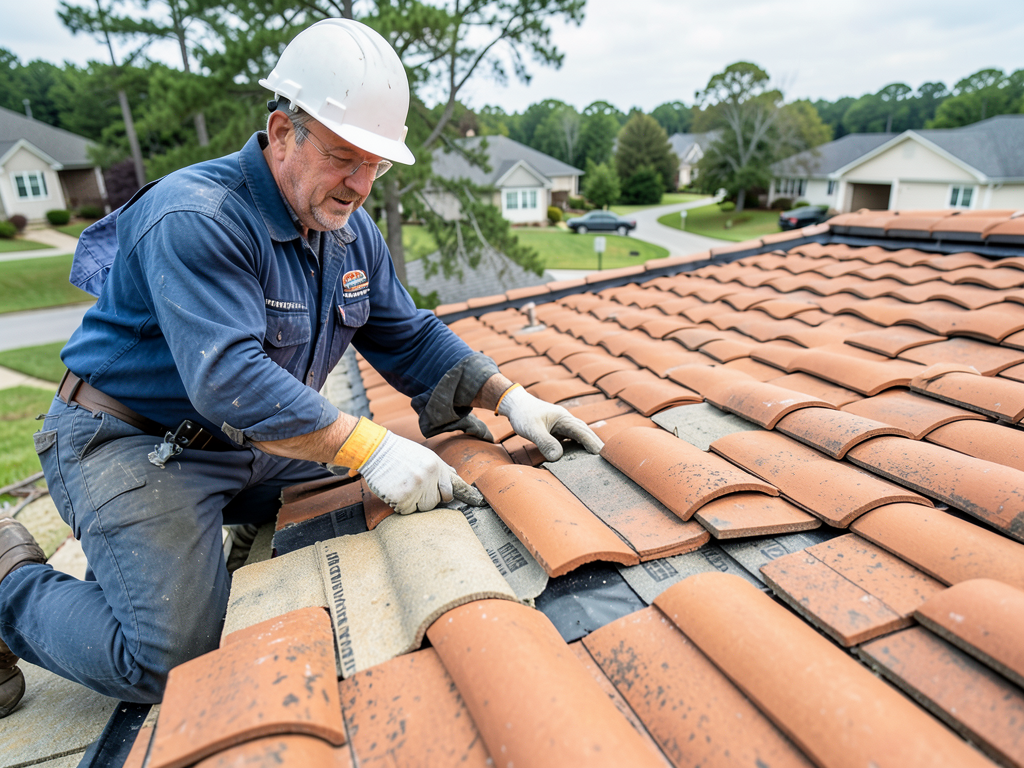
The Real Cost Difference Between Concrete and Clay Tiles for Hammock Lakes Homes Choosing between concrete and clay roof tiles…

The Real Cost Difference Between Concrete and Clay Tiles for Hammock Lakes Homes

The Real Cost Difference Between Concrete and Clay Tiles for Hammock Lakes Homes Choosing between concrete and clay roof tiles…

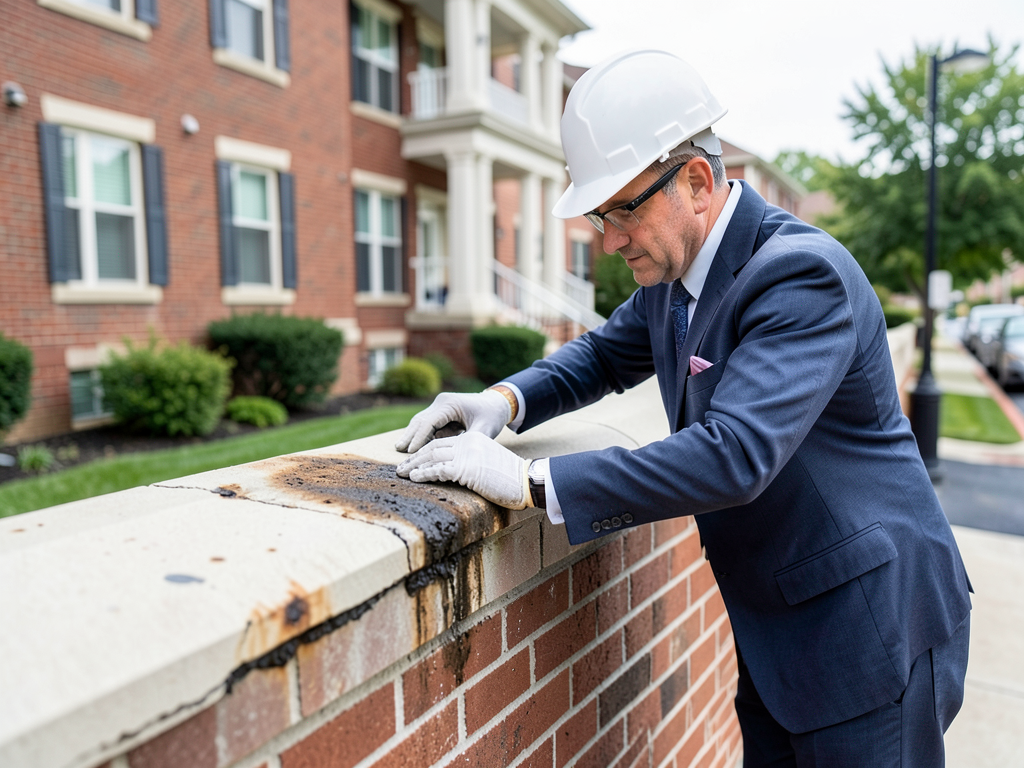
Managing Parapet Wall Leaks and Cap Flashing Issues for Brickell Townhomes

Managing Parapet Wall Leaks and Cap Flashing Issues for Brickell Townhomes Parapet walls create a critical vulnerability in Brickell townhome…

Why Your Ponce Davis Home Needs Heavy Duty Drip Edges to Prevent Wood Rot

Why Your Ponce Davis Home Needs Heavy Duty Drip Edges to Prevent Wood Rot The heavy afternoon thunderstorms that roll…

Contact Us

Call (645) 231-4888 today for a free thermal assessment and energy savings projection. Discover how much you can save with a cool roof designed for Miami's climate. Our next available consultation slot fills quickly during peak season.