

Miami Beach sits in one of the harshest roofing environments in the United States. Salt spray from the Atlantic Ocean accelerates metal corrosion and degrades asphalt shingles in half the time compared to inland areas. The city falls under Miami-Dade County's High Velocity Hurricane Zone, requiring roofs to withstand sustained winds of 140 mph and uplift pressures that tear standard roofs apart.
Neighborhoods like South Beach and Mid-Beach face constant exposure to tropical humidity that breeds algae, mold, and premature granule loss on shingles. The intense UV radiation at this latitude breaks down roofing materials faster than northern climates. Flat roofs on Art Deco buildings in the historic district require specialized waterproofing because standard systems fail under pooling water and thermal expansion.
Miami Beach building codes mandate specific attachment patterns, underlayment ratings, and flashing details that most roofing contractors across Florida never encounter. Properties near Indian Creek and Biscayne Bay face additional moisture challenges from tidal humidity. Your roof needs more than basic installation. It needs engineering for coastal warfare.
We have built our reputation in Miami Beach by installing roofs that survive what other contractors cannot handle. While other companies chase volume, we focus on engineering roofs for the specific building codes and environmental conditions of coastal Miami Beach. Every installation follows Miami-Dade County's Notice of Acceptance protocols, which most roofers outside this zone have never even read.
Our crews train specifically on High Velocity Hurricane Zone requirements. We understand the difference between standard installation and what keeps a roof attached during 140 mph winds. That knowledge matters when you are protecting a South Beach property worth millions or a Mid-Beach family home that represents everything you own.
We do not subcontract our work to whoever shows up that morning. Our installation teams have worked together for years. They know the building stock in Miami Beach, from historic Art Deco structures requiring careful preservation to modern high-rises with complex waterproofing needs. When we inspect a roof near Collins Avenue or Alton Road, we see problems other contractors miss because we understand how salt air attacks specific materials and how Miami Beach microclimates accelerate degradation.
Most roofing companies operate the same way in every market. We operate one way for Miami Beach because this environment demands specialized knowledge. Your roof is not a commodity. It is an engineered system that must perform when hurricane warnings light up your phone.

Every roof we install meets Miami-Dade County's High Velocity Hurricane Zone standards. We follow Notice of Acceptance protocols that specify exact nail patterns, underlayment ratings, and attachment methods. When building inspectors review our work, they find zero deficiencies because we know the code better than most inspectors do.

Salt air destroys standard roofing materials in years instead of decades. We specify marine-grade fasteners, corrosion-resistant flashing, and impact-rated shingles engineered for coastal exposure. Our material selections account for UV degradation rates specific to Miami Beach's latitude. Your roof uses materials designed for this exact environment.
We calculate wind uplift pressures for your specific building height and exposure category. Roof geometry, nearby structures, and distance from the ocean all affect how wind attacks your roof. We do not guess. We engineer every installation using the same load calculations required for commercial buildings. Your residential roof gets commercial-grade analysis.
We work exclusively in Miami Beach and understand the building stock like no other contractor. Art Deco buildings require different techniques than modern condos. Properties on the bay side face different moisture challenges than Atlantic-facing homes. We have solved roofing problems across every Miami Beach neighborhood and know what works where.
Roofing in Miami Beach requires different services than standard residential markets. Hurricane damage repair demands immediate response and insurance coordination. Historic preservation projects need specialized techniques that protect architectural integrity while meeting modern code. New construction and re-roofing projects must engineer systems for extreme wind loads and salt exposure.
We structure our services around what Miami Beach properties actually need. Emergency roof leak repair gets dispatched immediately because water damage accelerates in this humidity. Roof damage repair after storms requires documentation for insurance and temporary protection while materials arrive. Complete roofing repair specialists handle everything from minor patching services to full system reconstruction.
Our approach separates emergency response from planned projects and specialized work from routine maintenance. You get the right team with the right expertise for your specific situation, whether you are facing active water intrusion or planning a comprehensive roof replacement.
When your roof fails during a storm or develops active leaks, we dispatch immediately. Our emergency teams provide temporary waterproofing, damage assessment, and insurance documentation. We coordinate with adjusters and expedite material delivery to minimize your exposure time. Emergency roof leak repair in Miami Beach cannot wait because humidity accelerates mold growth and structural damage. We stop water intrusion fast, then engineer permanent repairs that exceed the original roof's performance.
Aging roofs in Miami Beach require complete replacement before the next hurricane season. We engineer new roofing systems that meet current High Velocity Hurricane Zone codes, which are stricter than when your original roof was installed. Our roofing repair specialists design uplift-resistant systems with impact-rated materials and enhanced waterproofing. Complete tear-offs include deck inspection, structural reinforcement if needed, and installation of modern underlayment systems that create secondary water barriers your old roof never had.
Art Deco and historic buildings in Miami Beach require specialized roofing techniques that preserve architectural character while meeting modern codes. We install custom metal work, replicate original roof profiles, and integrate hurricane protection without destroying historic details. Our roof patching services on preservation projects use reversible techniques approved by historic boards. We understand how to retrofit modern waterproofing and wind resistance into structures never designed for current requirements while maintaining their protected status.
Miami Beach roofs fail in predictable patterns driven by coastal exposure and hurricane risk. Salt crystallization breaks down asphalt granules and corrodes metal components faster than any other environmental factor. Wind-driven rain penetrates through defects that would never leak in normal weather. Thermal cycling between air-conditioned interiors and superheated roof surfaces creates expansion stress that tears flashing loose.
These problems compound each other. A small leak allows water into the deck, which accelerates rot and reduces structural capacity. When the next storm hits, wind uplift tears away weakened sections. Properties near the ocean face accelerated degradation timelines. What takes twenty years inland happens in eight years on Miami Beach. Recognizing these problems early prevents catastrophic failure.
Salt spray attacks metal flashing, fasteners, and roof penetrations relentlessly. Standard galvanized components corrode through in five years near the beach. Asphalt shingles lose granules at accelerated rates as salt crystals abrade the surface. This degradation happens invisibly until sudden failure occurs. Marine-grade materials cost more but survive where standard materials cannot.
Wind does not push roofs off. It sucks them upward through negative pressure. Roofs installed before current High Velocity Hurricane Zone codes lack proper attachment density and edge detailing. During hurricanes, these roofs peel back from edges and corners where uplift forces concentrate. Once a section lifts, progressive failure tears away the entire roof in minutes.
Many Miami Beach buildings use flat or low-slope roofs that pond water after storms. Standing water degrades membranes and finds any weakness in seams or penetrations. Thermal expansion in intense heat causes membranes to shift and pull away from edges. Modified bitumen and TPO systems fail differently, but both require proper slope, drainage design, and installation techniques most contractors skip.
Black streaks on roofs signal algae colonies that trap moisture and accelerate shingle degradation. Miami Beach's humidity creates ideal conditions for biological growth year-round. Algae holds water against the roof surface, preventing proper drying and causing granule loss. Left untreated, algae colonies reduce roof lifespan by years and indicate underlying moisture problems in the attic space.
Roofing projects create disruption and stress. We minimize both through clear communication and careful project management. You will know exactly what happens each day, when crews arrive, how we protect your property, and what completion looks like. We do not disappear for days or surprise you with change orders.
Our process prioritizes transparency about timelines, weather delays, and inspection requirements. Miami Beach building permits and inspections follow specific schedules. We coordinate those steps and keep you informed about progress. You get direct contact with your project supervisor, not a call center. When you have questions, you get answers from someone who knows your specific project.
Most importantly, we set realistic expectations about how long quality work takes. Rushing roof installation creates the failures we repair on other contractors' work. We schedule properly and staff adequately so your project moves efficiently without cutting corners.
Before any work begins, we protect your landscaping, windows, and exterior surfaces with drop cloths and barriers. Our crews use roof-mounted trash chutes to control debris instead of throwing materials off the edge. Magnetic sweepers collect metal fasteners from driveways and lawn areas multiple times daily. We understand Miami Beach properties represent significant investment, and we treat them accordingly. Your home looks the same when we leave, just with a new roof.
You receive schedule updates before crews arrive and immediate notification of any weather delays or inspection changes. Your project supervisor provides daily progress reports with photos showing completed work. We explain what happens next and when to expect the next phase. If problems emerge during tear-off, you learn about them immediately with photos and solutions, not after the fact. No surprises, no gaps in communication.
We conduct a complete final walkthrough with you, explaining what was done and answering any questions about your new roof system. You receive full documentation including warranties, permits, inspection approvals, and maintenance guidelines specific to your roof type. We photograph the completed installation for your records and insurance files. Your project is not finished until you understand your roof completely and have everything needed for future reference.
We have refined our process to eliminate uncertainty and keep projects moving efficiently. You know what happens at each stage and when to expect completion.
We inspect your existing roof and building structure to identify all damage, code deficiencies, and upgrade requirements. This includes measuring for wind uplift calculations, checking deck condition, and evaluating ventilation adequacy. You receive a detailed report with photos explaining exactly what your roof needs and why. We provide material options with honest assessments of performance differences. Our proposal includes engineering specifications, not just a price per square.
We handle all permit applications and schedule required inspections with Miami Beach building department. Our crews arrive on schedule with all materials staged and ready. Tear-off happens quickly to minimize your home's exposure, then we install new underlayment, flashing, and roofing materials following exact specifications from our engineering plan. Building inspectors verify our work meets all High Velocity Hurricane Zone requirements before we proceed to final phases.
After installation completes, we conduct a thorough quality check of all flashing details, seal integrity, and proper attachment. Final building inspection confirms code compliance. We clean your property completely, removing all debris and checking for any missed fasteners or material scraps. You receive complete documentation including warranties, inspection certificates, and maintenance guidelines. We explain what to watch for and when to schedule future inspections.
Miami Beach operates under some of the strictest roofing codes in the United States because the city falls entirely within Miami-Dade County's High Velocity Hurricane Zone. This designation requires compliance with Florida Building Code's most stringent provisions, including specific wind speed ratings, impact resistance standards, and attachment methods that differ substantially from standard residential roofing.
The Notice of Acceptance system requires all roofing products to undergo testing and approval specifically for high-velocity hurricane zones. This is not the same as general Florida approval. Products must demonstrate they can withstand wind speeds of 140 mph and resist uplift pressures that would tear standard roofs apart. The NOA number on your roofing materials tells inspectors the product has passed Miami-Dade County's enhanced testing protocols.
Installation requirements mandate specific fastener patterns based on roof geometry, building height, and exposure category. Edge zones and corners require enhanced attachment density because wind forces concentrate at these locations. Underlayment must meet secondary water barrier standards, creating protection even if shingles blow off during storms. These are not suggestions. They are engineered requirements based on decades of hurricane performance data.
Permits and inspections verify compliance at multiple stages. Deck inspection happens before new materials go down. Mid-roof inspection checks underlayment and flashing installation. Final inspection verifies proper attachment patterns and edge details. Contractors who skip inspections or rush through them create roofs that fail code and void insurance coverage. When hurricane damage occurs, insurance adjusters check for code-compliant installation before approving claims.
Wind does not push roofs horizontally. It creates negative pressure that lifts them vertically. Engineers calculate uplift pressures based on building height, roof slope, and distance from the coast. These calculations determine fastener spacing and type. Field areas require different attachment than perimeter zones. Corner zones face the highest uplift forces and need maximum attachment density. Proper engineering prevents progressive failure during hurricanes.
Material costs in Miami Beach run higher than inland areas because everything must meet enhanced hurricane standards. Impact-rated shingles cost more than standard products. Marine-grade fasteners and flashing resist corrosion but increase material expense. Labor costs reflect the specialized knowledge required for proper High Velocity Hurricane Zone installation. Permits and engineering add to project costs but ensure code compliance and insurance coverage.
Quality roof installation takes time. Permit approval requires one to two weeks depending on building department workload. Weather delays are common during summer months when afternoon thunderstorms halt work for hours. Inspection schedules add days between project phases. A complete re-roof typically requires two to four weeks from permit application to final approval. Contractors promising faster completion cut corners or lack proper permits.
Roofs installed to code with proper permits qualify for insurance discounts and maintain full coverage during hurricane claims. Non-permitted work or code violations void insurance protection exactly when you need it most. Material warranties require professional installation following manufacturer specifications. Our installations include both material warranties from manufacturers and workmanship warranties covering our labor. Proper documentation protects your investment.
This video explains Miami-Dade County High Velocity Hurricane Zone roofing requirements for Miami Beach properties. Topics include wind uplift engineering, Notice of Acceptance standards, proper installation techniques for hurricane protection, and how coastal salt exposure affects roofing materials. Ironwood Roofing Miami demonstrates the difference between code-compliant roofing and standard installations that fail during storms. Viewers learn about roof leak repair, roof damage assessment, and complete roofing system replacement for barrier island properties.
Ironwood Roofing Miami serves every neighborhood across Miami Beach, from the historic Art Deco district of South Beach to the residential communities of North Beach. We understand how roofing challenges vary across different areas of the barrier island and tailor our approach to each location's specific exposure and building characteristics.
South Beach properties face maximum salt exposure and require the most corrosion-resistant materials and flashing details. The historic architecture demands specialized techniques that preserve building character while meeting modern hurricane codes. Mid-Beach neighborhoods like Nautilus and La Gorce feature a mix of historic homes and newer construction, each requiring different approaches to roof replacement and repair. Properties along Indian Creek need enhanced waterproofing because of tidal humidity and proximity to standing water.
North Beach and Normandy Isle present their own challenges with aging building stock that often needs structural upgrades before new roofing can be installed safely. Sunset Harbour and the western shore along Biscayne Bay experience different wind patterns than Atlantic-facing properties, affecting how we engineer wind resistance. Buildings near Flamingo Park or along Collins Avenue face varied exposure depending on surrounding structures that block or channel wind.
We have completed projects across every section of Miami Beach and understand the permitting requirements, historic preservation restrictions, and condo association protocols that affect different neighborhoods. Whether you own a single-family home near North Shore Open Space Park, a condo in one of the towers along Ocean Drive, or a historic property in the Flamingo Park neighborhood, we know how to protect it with roofing engineered for your exact location and building type.
A 2000 square foot roof in Miami Beach typically depends on material choice and complexity. Asphalt shingles are the most budget-friendly option, while tile and metal cost more but handle hurricane winds and salt air better. Factors like roof pitch, number of penetrations, and flashing replacement affect the total. Miami Beach's strict wind load requirements under the Florida Building Code often increase material and labor costs. Always get three written estimates that include ventilation upgrades and underlayment suitable for our coastal humidity. Prices fluctuate based on storm season demand and material availability.
Florida's 25% reroofing rule states that if repairs exceed 25% of your roof's total area, you must bring the entire roof up to current building code standards. This applies to Miami Beach properties and was enacted after Hurricane Andrew. If you patch more than a quarter of your roof, you trigger a full code compliance requirement, including updated wind resistance, underlayment, and proper nailing patterns. This rule protects homeowners from piecemeal fixes that leave structures vulnerable during hurricanes. Always verify with Miami-Dade County permits before starting work to avoid expensive compliance issues.
Roofing a 2000 square foot house in Florida varies by material and local code requirements. Miami Beach's coastal location demands hurricane-rated materials and corrosion-resistant fasteners due to salt exposure. Asphalt shingles cost less upfront but may need replacement sooner. Concrete tile and metal roofing withstand our wind and UV exposure better. Expect higher costs in Miami Beach compared to inland Florida due to strict wind mitigation standards, permitting fees, and labor rates. Roof complexity, including skylights, chimneys, and multiple valleys, increases costs. Always request itemized estimates that include tear-off and disposal.
A 2000 square foot roof in Miami Beach typically depends on material choice and complexity. Asphalt shingles are the most budget-friendly option, while tile and metal cost more but handle hurricane winds and salt air better. Factors like roof pitch, number of penetrations, and flashing replacement affect the total. Miami Beach's strict wind load requirements under the Florida Building Code often increase material and labor costs. Always get three written estimates that include ventilation upgrades and underlayment suitable for our coastal humidity. Prices fluctuate based on storm season demand and material availability.
Florida's 25% reroofing rule states that if repairs exceed 25% of your roof's total area, you must bring the entire roof up to current building code standards. This applies to Miami Beach properties and was enacted after Hurricane Andrew. If you patch more than a quarter of your roof, you trigger a full code compliance requirement, including updated wind resistance, underlayment, and proper nailing patterns. This rule protects homeowners from piecemeal fixes that leave structures vulnerable during hurricanes. Always verify with Miami-Dade County permits before starting work to avoid expensive compliance issues.
Roofing a 2000 square foot house in Florida varies by material and local code requirements. Miami Beach's coastal location demands hurricane-rated materials and corrosion-resistant fasteners due to salt exposure. Asphalt shingles cost less upfront but may need replacement sooner. Concrete tile and metal roofing withstand our wind and UV exposure better. Expect higher costs in Miami Beach compared to inland Florida due to strict wind mitigation standards, permitting fees, and labor rates. Roof complexity, including skylights, chimneys, and multiple valleys, increases costs. Always request itemized estimates that include tear-off and disposal.
Replacing a roof in Miami costs more than inland areas because of stringent hurricane codes and coastal conditions. Miami Beach properties require high-velocity hurricane zone rated materials, upgraded underlayment, and specific fastener spacing. Material choice drives cost. Asphalt shingles are the entry point, while tile and standing seam metal offer better wind resistance and longevity in our salt air. Disposal fees, Miami-Dade County permits, and labor rates also factor in. Roof pitch, access difficulty, and property location in historic districts can increase costs. Get multiple local estimates to compare value.
Late fall through early spring offers the best window for roof replacement in Miami Beach. Hurricane season runs June through November, creating high demand and higher prices. Scheduling between December and April means better contractor availability, shorter wait times, and more flexible pricing. Weather is also more predictable, with less rain and humidity, allowing proper material curing. Avoid scheduling right before or after major storms when contractors are swamped with emergency repairs. Plan ahead and book early to secure better rates. Off-season scheduling also means crews can focus more attention on your project.
Tear-off and disposal represent the most labor-intensive and expensive part of roof replacement in Miami Beach. Removing old materials, especially multiple layers of shingles or heavy tile, requires significant manpower and dumpster fees. The decking inspection and repair that follows often reveals hidden damage from humidity and past leaks, adding unexpected costs. In Miami Beach, strict waste disposal regulations increase fees. Upgraded underlayment and hurricane-rated materials also add expense but are non-negotiable under Florida Building Code. Flashing replacement around chimneys, skylights, and valleys requires skilled labor and quality materials to prevent future leaks.
Free roof replacement in Florida is rare and usually involves specific grant programs for low-income seniors or disaster relief after declared emergencies. Some nonprofits assist elderly or disabled homeowners in Miami Beach, but eligibility is strict. Insurance may cover storm damage if you file a claim promptly and your policy is current. Beware of contractors offering free roofs in exchange for insurance claim assistance. These are often scams. Legitimate programs require income verification and waiting lists. Check with Miami-Dade County housing assistance or HUD-approved counselors for verified programs. No reputable contractor offers truly free work.
Insurance coverage for a 20-year-old roof in Florida depends on your policy type and roof condition. Many insurers now require roof inspections and may deny coverage or increase premiums for roofs over 15 years old, especially in Miami Beach's high-risk hurricane zone. Some policies cover only actual cash value for older roofs, meaning depreciation reduces your payout. If your roof shows wear, insurers may require replacement before renewing coverage. Florida law allows insurers to non-renew policies if roofs fail inspection. Review your policy annually and document roof maintenance to protect your coverage.
A new roof is generally not tax deductible for primary residences in Florida. The IRS considers roof replacement a capital improvement that adds to your home's cost basis, which may reduce capital gains tax when you sell. If you use part of your Miami Beach home for business, you might deduct the proportional cost. Rental properties allow full depreciation of roof replacement over 27.5 years. Energy-efficient upgrades like cool roofs or solar integration may qualify for federal tax credits. Consult a tax professional familiar with Florida property rules to understand your specific situation.
Federal tax credits for roof replacement are limited to energy-efficient upgrades. Installing solar panels includes roof work in the federal solar investment tax credit. Cool roof coatings or reflective materials that meet Energy Star standards may qualify for energy efficiency credits, though availability changes yearly. Miami Beach's intense sun makes reflective roofing a smart investment that reduces cooling costs. Standard roof replacement without energy upgrades does not qualify for federal credits. Florida offers no state-level roof replacement credits. Check the Database of State Incentives for Renewables and Efficiency for current programs. Consult a tax advisor before claiming credits.
Replacing a roof in Miami costs more than inland areas because of stringent hurricane codes and coastal conditions. Miami Beach properties require high-velocity hurricane zone rated materials, upgraded underlayment, and specific fastener spacing. Material choice drives cost. Asphalt shingles are the entry point, while tile and standing seam metal offer better wind resistance and longevity in our salt air. Disposal fees, Miami-Dade County permits, and labor rates also factor in. Roof pitch, access difficulty, and property location in historic districts can increase costs. Get multiple local estimates to compare value.
Late fall through early spring offers the best window for roof replacement in Miami Beach. Hurricane season runs June through November, creating high demand and higher prices. Scheduling between December and April means better contractor availability, shorter wait times, and more flexible pricing. Weather is also more predictable, with less rain and humidity, allowing proper material curing. Avoid scheduling right before or after major storms when contractors are swamped with emergency repairs. Plan ahead and book early to secure better rates. Off-season scheduling also means crews can focus more attention on your project.
Tear-off and disposal represent the most labor-intensive and expensive part of roof replacement in Miami Beach. Removing old materials, especially multiple layers of shingles or heavy tile, requires significant manpower and dumpster fees. The decking inspection and repair that follows often reveals hidden damage from humidity and past leaks, adding unexpected costs. In Miami Beach, strict waste disposal regulations increase fees. Upgraded underlayment and hurricane-rated materials also add expense but are non-negotiable under Florida Building Code. Flashing replacement around chimneys, skylights, and valleys requires skilled labor and quality materials to prevent future leaks.
Free roof replacement in Florida is rare and usually involves specific grant programs for low-income seniors or disaster relief after declared emergencies. Some nonprofits assist elderly or disabled homeowners in Miami Beach, but eligibility is strict. Insurance may cover storm damage if you file a claim promptly and your policy is current. Beware of contractors offering free roofs in exchange for insurance claim assistance. These are often scams. Legitimate programs require income verification and waiting lists. Check with Miami-Dade County housing assistance or HUD-approved counselors for verified programs. No reputable contractor offers truly free work.
Insurance coverage for a 20-year-old roof in Florida depends on your policy type and roof condition. Many insurers now require roof inspections and may deny coverage or increase premiums for roofs over 15 years old, especially in Miami Beach's high-risk hurricane zone. Some policies cover only actual cash value for older roofs, meaning depreciation reduces your payout. If your roof shows wear, insurers may require replacement before renewing coverage. Florida law allows insurers to non-renew policies if roofs fail inspection. Review your policy annually and document roof maintenance to protect your coverage.
A new roof is generally not tax deductible for primary residences in Florida. The IRS considers roof replacement a capital improvement that adds to your home's cost basis, which may reduce capital gains tax when you sell. If you use part of your Miami Beach home for business, you might deduct the proportional cost. Rental properties allow full depreciation of roof replacement over 27.5 years. Energy-efficient upgrades like cool roofs or solar integration may qualify for federal tax credits. Consult a tax professional familiar with Florida property rules to understand your specific situation.
Federal tax credits for roof replacement are limited to energy-efficient upgrades. Installing solar panels includes roof work in the federal solar investment tax credit. Cool roof coatings or reflective materials that meet Energy Star standards may qualify for energy efficiency credits, though availability changes yearly. Miami Beach's intense sun makes reflective roofing a smart investment that reduces cooling costs. Standard roof replacement without energy upgrades does not qualify for federal credits. Florida offers no state-level roof replacement credits. Check the Database of State Incentives for Renewables and Efficiency for current programs. Consult a tax advisor before claiming credits.
Ironwood Roofing Miami is proud to service the entire Miami-Dade County area, including South Beach, Coral Gables, Doral, and beyond. We are a local company deeply familiar with the region, allowing us to respond quickly to your emergency needs and schedule non-urgent services with efficient turnaround. View our location on the map to see where our trusted professionals operate and invite us to your neighborhood for the area's most reliable roofing expertise.
Address:
Miami Beach, FL, 33139
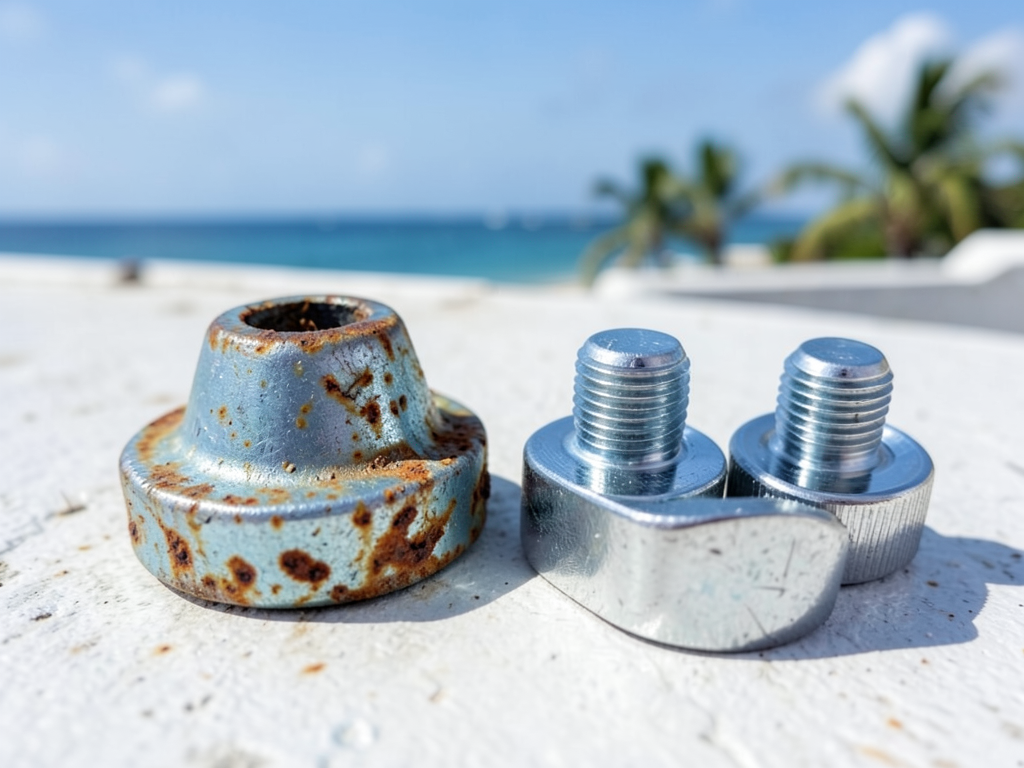
Living in Gables by the Sea means your roof faces relentless salt spray from Biscayne Bay every single day. Standard galvanized fasteners start corroding within three years and fail completely by year five. That's when…
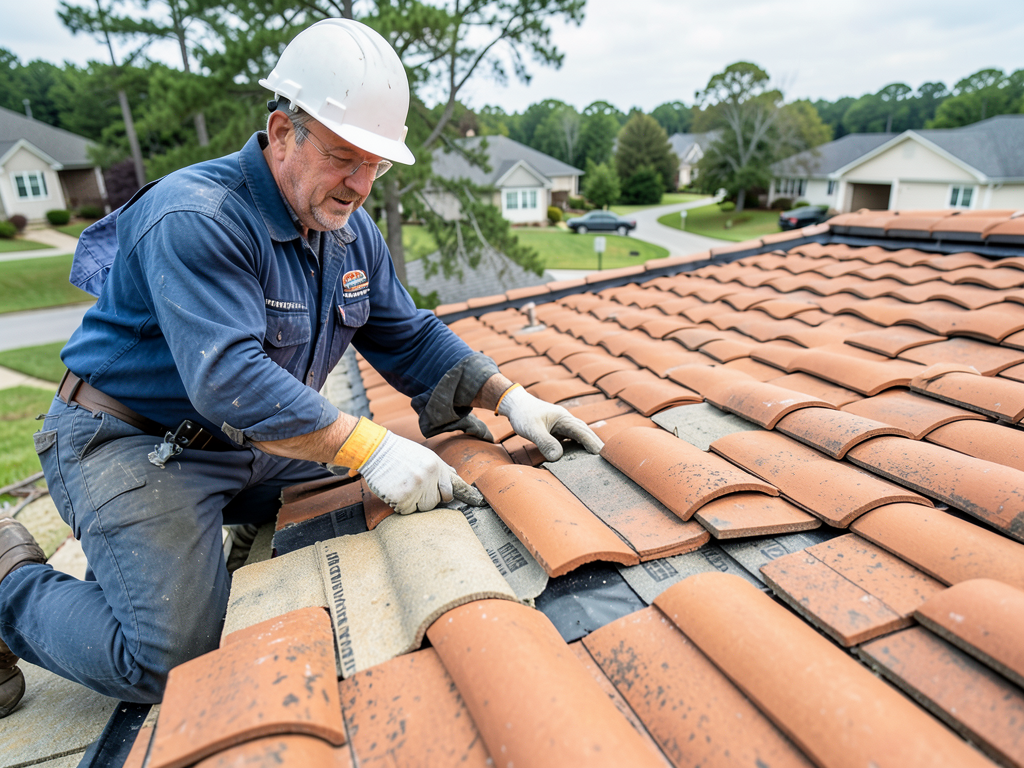
The Real Cost Difference Between Concrete and Clay Tiles for Hammock Lakes Homes Choosing between…
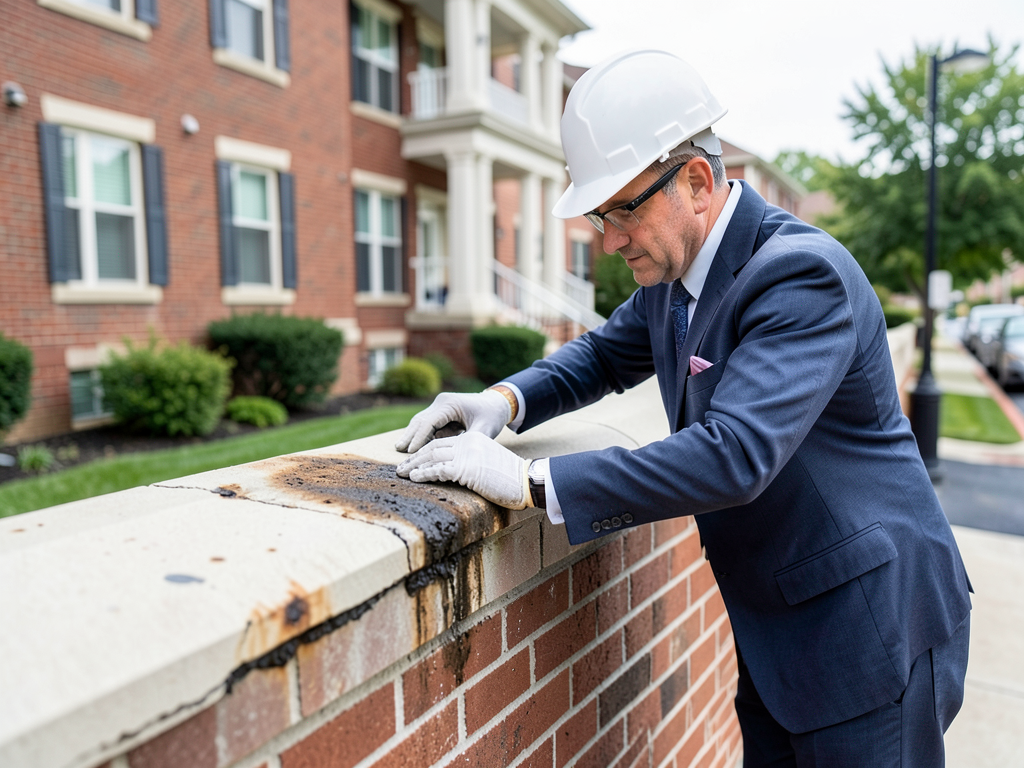
Managing Parapet Wall Leaks and Cap Flashing Issues for Brickell Townhomes Parapet walls create a…
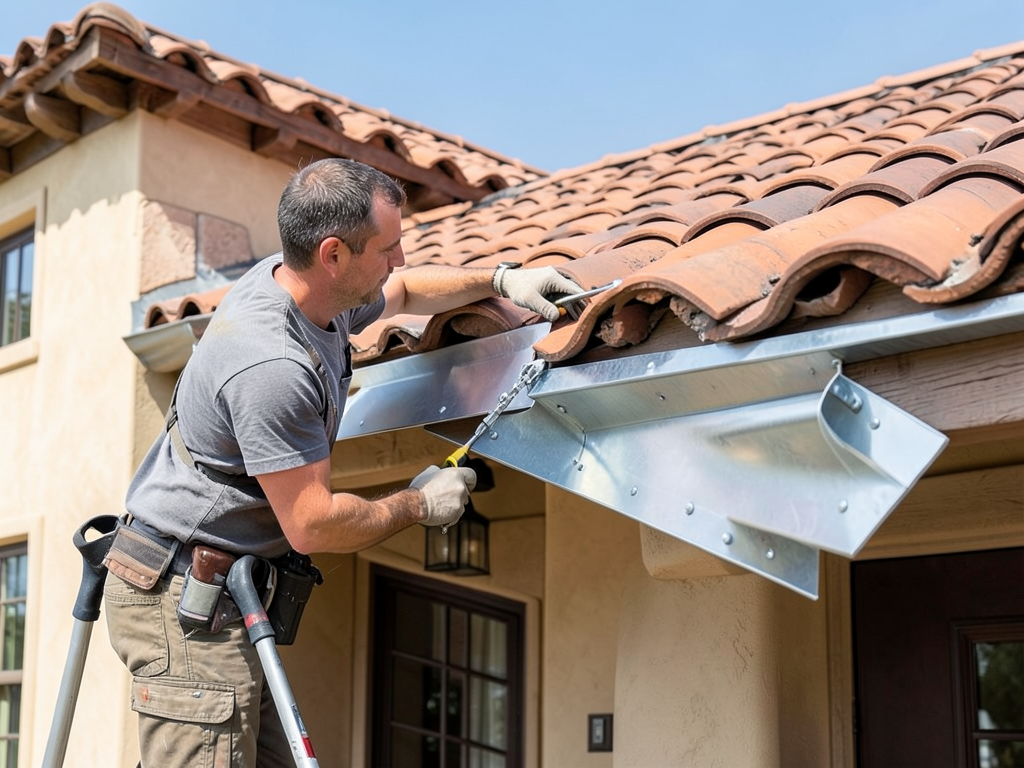
Why Your Ponce Davis Home Needs Heavy Duty Drip Edges to Prevent Wood Rot The…
Hurricane season does not wait for convenient timing. Get your roof inspected and upgraded now while materials are available and crews can schedule properly. Call Ironwood Roofing Miami at (645) 231-4888 for a detailed assessment of your roof's hurricane readiness and code compliance.