

Coral Gables sits in Miami-Dade County's Hurricane Vulnerability Zone, where roofing systems must meet High Velocity Hurricane Zone requirements. The Mediterranean Revival architecture throughout neighborhoods like Coral Gables Section and Ponce Davis features clay tile roofs that demand specialized installation and repair techniques. Salt air from Biscayne Bay accelerates metal corrosion on flashing and fasteners. Summer heat reaches triple digits on roof surfaces, breaking down inferior shingles in just a few years.
The city's strict historic preservation ordinances in areas near the Biltmore Hotel require specific materials and installation methods that maintain architectural integrity while meeting modern wind load requirements. Coral Gables averages 60 inches of rain annually, with afternoon thunderstorms testing every vulnerable point in your roof system from June through October. Poor drainage on flat roofs common in commercial buildings along Miracle Mile leads to ponding water that penetrates membranes and causes interior damage. Trees throughout Old Cutler Road and Granada Golf Course drop debris that clogs valleys and damages shingles. Your roof protects your largest investment, and it faces conditions that destroy generic installations within years.
Ironwood Roofing Miami has built a reputation in Coral Gables by doing what most roofing contractors avoid: proper diagnosis before repair recommendations. We climb on your roof with moisture meters and infrared cameras to find exactly where water enters, not just patch obvious damage. Our crews understand how clay tile systems installed in the 1920s differ from modern concrete tiles, and we source matching materials that preserve the character of historic homes while upgrading underlayment to current code.
We maintain relationships with manufacturers who supply materials rated for Miami-Dade County's Notice of Acceptance requirements. That means every shingle, tile, and membrane we install has been tested for 180 mph wind resistance. Our installation crews follow fastener patterns and edge detail specifications that most contractors skip, because those details determine whether your roof survives the next major hurricane.
When you call Ironwood Roofing Miami, you get a project manager who responds within hours, not days. We provide written assessments with thermal images showing exactly where problems exist. Our estimates break down material costs, labor, and permit fees without hidden charges that appear later. We schedule work around your life and complete projects on the timeline we promise. After installation, we document everything for your insurance records and warranty files.
We operate from our Miami location year-round, not as storm chasers who disappear after hurricane season. Our warranty service comes from the same crews who installed your roof, and we return for annual inspections that catch small problems before they become emergency leaks. Coral Gables homeowners choose us because we treat their roofs like we treat our own.

Every roofing system we install meets Miami-Dade County High Velocity Hurricane Zone requirements. We use materials with current NOA ratings and follow fastener patterns tested for 180 mph winds. Your roof gets the same specifications required for coastal construction, because Coral Gables faces the same storm threats.

Mediterranean clay tile roofs dominate Coral Gables architecture, and we maintain the skills to repair and replace them correctly. We source authentic materials that match historic installations and upgrade underlayment systems without changing your home's appearance. Our crews understand tile weight distribution and proper flashing details that prevent leaks.
We use infrared cameras to find moisture intrusion invisible to standard inspections. This technology shows exactly where water penetrates your roof deck, eliminating guesswork and preventing unnecessary tear-offs. You see the same thermal images we use to diagnose problems and plan repairs.
Our crews operate from Miami and respond to Coral Gables service calls within hours. We know the neighborhoods, understand the architecture, and maintain relationships with local building inspectors. You work with the same project manager from estimate through final inspection, and we remain available for warranty service years after installation.
Ironwood Roofing Miami handles every type of roofing system found in Coral Gables, from historic tile installations to modern flat membrane roofs on commercial buildings. We divide our services into three categories based on project type and timeline. Emergency roof repairs address active leaks and storm damage that threaten your interior. Roof replacement projects involve complete tear-offs and new system installation when repair costs exceed replacement value. Maintenance and inspection services catch problems early and extend roof life through preventive care.
Each service category requires different expertise and materials. Emergency repairs demand rapid response and temporary protection while we source materials for permanent fixes. Roof replacements involve permit coordination, material selection, and multi-day installations that require planning and precision. Maintenance work focuses on minor repairs and proactive measures that prevent major failures. Understanding which service your roof needs starts with proper inspection and honest assessment of your system's condition.
When water enters your home, you need immediate protection. Our emergency repair service provides same-day response throughout Coral Gables. We install temporary tarps to stop water intrusion, then assess damage and plan permanent repairs. Storm damage from hurricanes and severe thunderstorms often affects multiple roof components. We document everything for insurance claims while securing your property. Emergency roof patching addresses punctures, missing shingles, and failed flashing that cause active leaks. Our trucks carry common repair materials for immediate fixes when possible.
Roof replacement becomes necessary when repair costs approach 50 percent of new installation cost or when your roof reaches the end of its service life. We handle complete tear-offs, deck inspection and repair, and new system installation using Miami-Dade approved materials. Tile roof replacement involves careful removal to salvage reusable tiles and installation of upgraded underlayment systems. Shingle replacement projects use architectural grade products with enhanced wind ratings. We coordinate permits, inspections, and manufacturer warranties. Complete replacement typically takes three to five days depending on size and complexity.
Annual roof maintenance catches small problems before they become expensive emergencies. Our maintenance service includes complete roof inspection, valley and gutter cleaning, minor repairs to flashing and fasteners, and documentation of roof condition for your records. We check tile positioning, seal penetrations around vents and chimneys, and verify drainage systems work properly. Maintenance visits identify areas needing attention within the next year. Regular inspections extend roof life by addressing minor issues promptly. Commercial properties benefit from quarterly inspections that meet insurance requirements and prevent business interruption.
South Florida's climate creates specific roofing challenges that differ from other regions. Hurricane-force winds lift shingles and tiles even when the roof appears intact from the ground. Thermal cycling from intense daytime heat and cooler nights causes fasteners to work loose and sealants to fail. High humidity promotes mold growth on north-facing roof sections that stay shaded and damp. Salt air from Biscaybe Bay corrodes metal components faster than inland locations experience.
Coral Gables homeowners face these recurring issues because of our location and climate. Understanding what damages roofs here helps you identify problems early and prevent interior damage. These common issues affect homes throughout Gables Estates, Cocoplum, and neighborhoods near the University of Miami campus. Each problem has specific causes and solutions that require professional assessment.
Hurricane-force winds and severe thunderstorms lift shingles and displace tiles even when roofs meet code requirements. Missing shingles expose underlayment to UV damage and create entry points for water. Lifted tile edges allow wind-driven rain underneath. Wind damage often appears minor from ground level but creates vulnerabilities that worsen with each storm. Proper repair involves replacing missing components and securing loose materials with enhanced fastening.
Valleys channel heavy water flow during South Florida's intense rainstorms. Flashing in these areas deteriorates from constant water exposure and thermal expansion. Corroded or separated valley flashing allows water to penetrate the roof deck. Many tile roofs use mortar in valleys instead of proper metal flashing, and this mortar cracks over time. Valley leaks cause ceiling stains in predictable locations below the valley line. Repair requires removing tiles and installing new flashing.
Roof penetrations for plumbing vents, electrical conduits, and HVAC systems create potential leak points. UV radiation degrades rubber boots and sealants around these penetrations within five to seven years. Thermal expansion causes metal flashing to separate from vent pipes. Penetration leaks often appear as small ceiling stains directly below the vent location. Repair involves replacing boots, resealing flashing, and verifying proper overlap with surrounding roofing materials. These repairs prevent minor leaks from becoming major problems.
Excessive granule loss indicates shingle deterioration from UV exposure and age. Coral Gables receives intense solar radiation year-round that accelerates shingle aging. Granules protect the asphalt layer from UV damage and provide fire resistance. When granules wash away, shingles become brittle and crack. You notice granules accumulating in gutters and downspouts. Shingles showing significant granule loss need replacement before they fail completely and allow water intrusion into the home.
Roofing projects involve significant investment and disruption to your daily routine. Understanding what happens from initial contact through project completion reduces stress and helps you plan accordingly. Ironwood Roofing Miami follows a consistent process that keeps you informed and ensures quality results.
We start every relationship with thorough property inspection and honest assessment of your roof's condition. You receive written documentation with photos showing exactly what we found. Our estimates itemize materials, labor, and permit costs without surprise charges. We schedule work around your availability and weather windows, because South Florida afternoon thunderstorms affect installation schedules from June through September. During installation, we protect your property with tarps and magnetic sweeps that collect metal debris. After completion, you get warranty documentation and maintenance recommendations.
You work with the same project manager from estimate through final inspection. We respond to calls and texts within hours, not days. Before we start work, you know exactly what we will do, how long it takes, and what it costs. We explain options for materials and methods in plain language without technical jargon. During installation, we update you daily on progress and any unexpected conditions we discover. If we find additional damage during tear-off, we show you the problem and explain repair options before proceeding.
Roof replacement creates debris and requires equipment access around your home. We protect air conditioning units, pool equipment, and landscaping with plywood shields. Tarps catch falling materials during tear-off. We use magnetic rollers across your property after each work day to collect nails and metal debris. Dumpsters get positioned to minimize lawn damage and allow vehicle access. Our crews respect your property and clean work areas thoroughly. We remove all debris and haul it away when the project completes.
Every installation gets photographed at critical stages showing underlayment, flashing details, and completed work. These photos document proper installation for warranty claims and insurance records. We schedule required building inspections and address any concerns inspectors raise. After installation, you receive manufacturer warranty information and our workmanship warranty documentation. We return for final inspection 30 days after completion to verify everything performs as expected. Our warranty support comes from the same crews who installed your roof.
Ironwood Roofing Miami completes projects efficiently through a structured process developed over years of South Florida installations. This approach eliminates delays and ensures consistent quality from estimate through completion.
We start with complete roof inspection using thermal imaging and moisture detection equipment. Our assessment identifies all problem areas, not just obvious damage. You receive written documentation with photos showing roof condition and specific issues requiring attention. We explain repair versus replacement recommendations and provide itemized estimates. This inspection takes one to two hours depending on roof size and complexity. You get honest assessment of your roof's remaining service life and repair options.
Installation begins with material delivery and property protection setup. Our crews complete tear-off and deck inspection on day one for most residential projects. We photograph deck condition and any repairs needed before proceeding. New underlayment and roofing materials get installed following manufacturer specifications and Miami-Dade County requirements. Our project manager verifies installation quality at each phase. We schedule building inspections at required stages and address any concerns immediately.
After installation completes, we conduct thorough cleanup and final quality inspection. You walk the property with our project manager to verify satisfaction. We provide warranty documentation, maintenance recommendations, and installation photos for your records. Building department final inspection gets scheduled and completed. We follow up 30 days after installation to verify roof performance and address any concerns. Your project file remains active for warranty support throughout the coverage period.
South Florida operates under the most stringent building codes in the United States because of hurricane exposure. Miami-Dade County and Broward County maintain separate product approval processes through the Notice of Acceptance program. Only materials and installation methods that pass impact testing and wind tunnel evaluation at 180 mph qualify for use in High Velocity Hurricane Zone applications.
The Florida Building Code establishes minimum requirements, but Miami-Dade County standards exceed these minimums. Roofing systems must resist both wind uplift and impact from wind-borne debris. The distinction matters because standard architectural shingles approved for use in central Florida do not meet Miami-Dade requirements. Every component from underlayment to fasteners requires specific approval.
Installation specifications include precise fastener patterns, edge metal details, and valley construction methods. Inspectors verify compliance during rough inspection before roofing materials get installed and again at final inspection. Contractors must pull permits for roof replacement and most repair work. Permit requirements exist to protect homeowners by ensuring proper installation and maintaining insurance qualification.
Material selection affects both performance and cost. Concrete tiles approved for Miami-Dade use weigh approximately 1000 pounds per square and require adequate roof framing. Clay tiles weigh slightly less but cost more. Impact-resistant shingles carry Class 4 ratings and qualify for insurance discounts while meeting code requirements. Underlayment must be self-adhering peel-and-stick products in critical areas like eaves and valleys. Standard felt paper does not meet current code.
Understanding these requirements helps homeowners evaluate contractor proposals and verify proper installation. Contractors who skip permits or use unapproved materials create liability for homeowners and void insurance coverage. Proper installation following Miami-Dade standards protects your investment and maintains your home's insurability.
Coral Gables falls within the High Velocity Hurricane Zone requiring enhanced wind resistance standards. All roofing materials must carry Miami-Dade NOA approval proving they withstand 180 mph wind speeds and impact from wind-borne debris. This includes shingles, tiles, underlayment, fasteners, and adhesives. Installation methods must follow approved specifications for fastener patterns and spacing. Using non-approved materials voids insurance coverage and violates building codes.
Roofing costs depend on material selection, roof size and complexity, permit and inspection fees, and existing roof condition. Tile roofs cost more than shingle installations due to material expense and structural requirements. Complex roof designs with multiple valleys and penetrations require more labor than simple gable roofs. Permit fees run several hundred dollars in Coral Gables. Additional costs arise when deck repairs become necessary during tear-off. Quality installations use premium materials that outlast budget options.
Most residential roof replacements take three to five days from tear-off through completion. Tile installations require additional time for careful tile placement. Weather delays extend schedules during summer rainy season. Permit approval takes one to two weeks in Coral Gables. Material ordering adds several days for specialty tiles or custom colors. Emergency repairs happen same day or next day depending on material availability. Complex commercial projects may span several weeks with multiple inspection phases.
Coral Gables requires building permits for roof replacement and structural repairs. Permit applications include engineering specifications and product approval documents. Inspectors verify proper installation at rough inspection before final roofing materials get applied. Final inspection confirms code compliance and proper completion. Working without permits risks fines and complications with insurance claims. Licensed contractors handle permit coordination and ensure inspections pass. Permits protect homeowners by verifying qualified installation.
Professional roofing contractor explains hurricane protection requirements for Coral Gables homes. Video covers Miami-Dade County High Velocity Hurricane Zone standards, common roof failures in South Florida climate, and proper installation methods for tile and shingle systems. Demonstrates thermal leak detection and discusses emergency repair procedures, roof replacement timelines, and material selection. Provides specific information about roofing repair specialists, roof damage repair, and roof patching services in Coral Gables neighborhoods.
Ironwood Roofing Miami serves the entire Coral Gables area from our Miami location. We respond quickly to service calls throughout the city's distinct neighborhoods, each with unique architectural characteristics and roofing needs. Historic homes in Coral Gables Section feature the Mediterranean Revival clay tile roofs that define the city's character. These 1920s installations require specialized repair techniques and authentic replacement materials.
The Ponce Davis neighborhood south of Bird Road contains a mix of architectural styles including ranch homes with low-slope roofs and two-story colonials with complex hip and valley designs. Properties near the Granada Golf Course and Biltmore Hotel face strict historic preservation requirements that affect material selection and installation methods. We maintain relationships with the city's historic preservation office and understand approved materials and procedures.
North of Miracle Mile, commercial buildings require flat roof membrane systems and regular maintenance to prevent business interruption. Our commercial roofing division handles everything from small retail buildings to multi-story office complexes. Gables Estates and Cocoplum contain luxury waterfront properties where salt air accelerates corrosion and high property values demand flawless installations.
The South Gables neighborhood near Old Cutler Road features mature tree canopy that drops debris and creates moss growth on north-facing roof sections. Properties near the University of Miami campus include student housing and academic buildings requiring coordination with facility managers and strict scheduling around academic calendars. We understand how roofing needs vary across different parts of Coral Gables and adjust our approach accordingly.
Our service area extends throughout Miami-Dade County including Coconut Grove, Pinecrest, and South Miami. We maintain the same response times and quality standards regardless of location. Whether you own a historic Mediterranean estate in the city center or a modern home near Matheson Hammock Park, Ironwood Roofing Miami provides expert roofing service with local knowledge and proven performance.
New roof pricing in Coral Gables depends on several factors. Your home's square footage affects the total investment. The roofing material you select plays a significant role. Tile roofs typically require a larger budget than asphalt shingles. Metal roofing falls somewhere in between. Your roof's complexity matters too. Multiple stories, steep pitches, and intricate designs increase labor requirements. The condition of your existing roof structure impacts pricing. You might need additional work if decking requires replacement. Miami-Dade County's strict building codes add to the investment. Most homeowners find the expense worthwhile for storm protection and property value.
Most roof replacements in Coral Gables take three to seven days. Your project timeline depends on roof size and complexity. A simple asphalt shingle roof on a single-story home takes three to four days. Tile roof installations require five to seven days because of the material's weight and installation process. Metal roofing typically takes four to six days. Weather delays are common during rainy season. Your contractor must work around afternoon thunderstorms from May through October. Larger homes or properties with multiple stories need more time. Permit approval adds time before work begins.
Concrete and clay tile roofs perform best during hurricanes in Coral Gables. These materials resist wind speeds up to 150 mph when properly installed. Metal roofing also withstands hurricane-force winds well. Look for products rated for Miami-Dade County's High Velocity Hurricane Zone. Interlocking panels provide superior wind resistance. Your installation matters as much as material choice. Proper underlayment protects against wind-driven rain. Enhanced fastening systems keep your roof secure during storms. Asphalt shingles work if you choose impact-resistant options rated for high winds. Confirm your roofing system meets Florida Building Code requirements.
New roof pricing in Coral Gables depends on several factors. Your home's square footage affects the total investment. The roofing material you select plays a significant role. Tile roofs typically require a larger budget than asphalt shingles. Metal roofing falls somewhere in between. Your roof's complexity matters too. Multiple stories, steep pitches, and intricate designs increase labor requirements. The condition of your existing roof structure impacts pricing. You might need additional work if decking requires replacement. Miami-Dade County's strict building codes add to the investment. Most homeowners find the expense worthwhile for storm protection and property value.
Most roof replacements in Coral Gables take three to seven days. Your project timeline depends on roof size and complexity. A simple asphalt shingle roof on a single-story home takes three to four days. Tile roof installations require five to seven days because of the material's weight and installation process. Metal roofing typically takes four to six days. Weather delays are common during rainy season. Your contractor must work around afternoon thunderstorms from May through October. Larger homes or properties with multiple stories need more time. Permit approval adds time before work begins.
Concrete and clay tile roofs perform best during hurricanes in Coral Gables. These materials resist wind speeds up to 150 mph when properly installed. Metal roofing also withstands hurricane-force winds well. Look for products rated for Miami-Dade County's High Velocity Hurricane Zone. Interlocking panels provide superior wind resistance. Your installation matters as much as material choice. Proper underlayment protects against wind-driven rain. Enhanced fastening systems keep your roof secure during storms. Asphalt shingles work if you choose impact-resistant options rated for high winds. Confirm your roofing system meets Florida Building Code requirements.
Yes, you need a permit to replace your roof in Coral Gables. The city requires building permits for all roof replacements and major repairs. Your roofing contractor should handle the permit application process. The city reviews plans to ensure compliance with Florida Building Code and Miami-Dade County requirements. Inspections occur at various stages during installation. Working without a permit leads to fines and complications. You might face issues when selling your home. Insurance claims become problematic without proper permits. The permit process protects you by ensuring quality work and code compliance.
Tile roofs in Coral Gables last 50 to 100 years with proper maintenance. You rarely need complete replacement if you address problems promptly. Individual tiles break from falling branches or foot traffic. Replace damaged tiles immediately to prevent water intrusion. The underlayment beneath your tiles degrades faster than the tiles themselves. Most underlayment needs replacement every 20 to 30 years. Schedule annual inspections to catch small issues early. Heavy storms sometimes dislodge tiles. Regular maintenance extends your roof's lifespan significantly. Quality installation and premium materials increase longevity.
Watch for these warning signs of roof failure in Coral Gables. Missing or damaged shingles or tiles indicate immediate attention needed. Water stains on your ceiling or walls mean active leaks. Granules from asphalt shingles collecting in gutters show advanced wear. Sagging areas suggest structural problems. Daylight visible through your attic points to gaps in coverage. Increased energy bills mean your roof fails to insulate properly. Mold or algae growth indicates moisture problems. Cracked or curling shingles need replacement soon. Age matters too. Roofs over 20 years old require close monitoring.
Homeowners insurance in Coral Gables covers roof replacement for sudden, accidental damage. Hurricane damage, fallen trees, and fire typically qualify for coverage. Your policy excludes normal wear and tear or neglect. Age matters significantly for insurance claims. Roofs over 15 years old face depreciation or replacement value limitations. Some insurers require roof inspections before providing coverage on older homes. Document your roof's condition with photos. Maintain records of all repairs and maintenance. File claims promptly after storm damage. Review your policy details to understand your specific coverage and deductible amounts.
Metal and tile roofing excel in Coral Gables heat and humidity. Metal roofs reflect solar heat, reducing cooling demands. They resist moisture, mold, and algae growth. Clay and concrete tiles provide natural ventilation and thermal mass. Both materials last decades in Florida's climate. Light-colored roofing reflects more heat than dark colors. Choose white, tan, or terracotta for maximum energy efficiency. Proper attic ventilation matters regardless of material choice. Ridge vents and soffit vents keep air moving. Quality underlayment prevents moisture problems. Impact-resistant materials protect against hail and storm debris.
Choose a Coral Gables roofing contractor with local experience and proper credentials. Verify they hold required state and local licenses. Check their track record with completed projects in your neighborhood. Read online reviews from multiple sources. Ask for recent references and contact them. Confirm they understand Miami-Dade County building codes. Request detailed written estimates from three contractors. Compare materials, warranties, and project timelines. Ensure they pull proper permits and arrange inspections. Ask about their experience with your specific roofing material. Verify they carry adequate liability coverage.
Installing metal roofing over existing shingles is possible in Coral Gables but requires careful evaluation. Your local building code allows this practice under specific conditions. Your roof deck must be in good condition. The existing roof should have only one layer of shingles. You need proper ventilation between layers to prevent moisture problems. This approach saves on tear-off and disposal expenses. You skip the mess and time of complete removal. Some contractors recommend full removal for better results. Removing old shingles lets you inspect and repair the deck. Consult with experienced local contractors about your specific situation.
Yes, you need a permit to replace your roof in Coral Gables. The city requires building permits for all roof replacements and major repairs. Your roofing contractor should handle the permit application process. The city reviews plans to ensure compliance with Florida Building Code and Miami-Dade County requirements. Inspections occur at various stages during installation. Working without a permit leads to fines and complications. You might face issues when selling your home. Insurance claims become problematic without proper permits. The permit process protects you by ensuring quality work and code compliance.
Tile roofs in Coral Gables last 50 to 100 years with proper maintenance. You rarely need complete replacement if you address problems promptly. Individual tiles break from falling branches or foot traffic. Replace damaged tiles immediately to prevent water intrusion. The underlayment beneath your tiles degrades faster than the tiles themselves. Most underlayment needs replacement every 20 to 30 years. Schedule annual inspections to catch small issues early. Heavy storms sometimes dislodge tiles. Regular maintenance extends your roof's lifespan significantly. Quality installation and premium materials increase longevity.
Watch for these warning signs of roof failure in Coral Gables. Missing or damaged shingles or tiles indicate immediate attention needed. Water stains on your ceiling or walls mean active leaks. Granules from asphalt shingles collecting in gutters show advanced wear. Sagging areas suggest structural problems. Daylight visible through your attic points to gaps in coverage. Increased energy bills mean your roof fails to insulate properly. Mold or algae growth indicates moisture problems. Cracked or curling shingles need replacement soon. Age matters too. Roofs over 20 years old require close monitoring.
Homeowners insurance in Coral Gables covers roof replacement for sudden, accidental damage. Hurricane damage, fallen trees, and fire typically qualify for coverage. Your policy excludes normal wear and tear or neglect. Age matters significantly for insurance claims. Roofs over 15 years old face depreciation or replacement value limitations. Some insurers require roof inspections before providing coverage on older homes. Document your roof's condition with photos. Maintain records of all repairs and maintenance. File claims promptly after storm damage. Review your policy details to understand your specific coverage and deductible amounts.
Metal and tile roofing excel in Coral Gables heat and humidity. Metal roofs reflect solar heat, reducing cooling demands. They resist moisture, mold, and algae growth. Clay and concrete tiles provide natural ventilation and thermal mass. Both materials last decades in Florida's climate. Light-colored roofing reflects more heat than dark colors. Choose white, tan, or terracotta for maximum energy efficiency. Proper attic ventilation matters regardless of material choice. Ridge vents and soffit vents keep air moving. Quality underlayment prevents moisture problems. Impact-resistant materials protect against hail and storm debris.
Choose a Coral Gables roofing contractor with local experience and proper credentials. Verify they hold required state and local licenses. Check their track record with completed projects in your neighborhood. Read online reviews from multiple sources. Ask for recent references and contact them. Confirm they understand Miami-Dade County building codes. Request detailed written estimates from three contractors. Compare materials, warranties, and project timelines. Ensure they pull proper permits and arrange inspections. Ask about their experience with your specific roofing material. Verify they carry adequate liability coverage.
Installing metal roofing over existing shingles is possible in Coral Gables but requires careful evaluation. Your local building code allows this practice under specific conditions. Your roof deck must be in good condition. The existing roof should have only one layer of shingles. You need proper ventilation between layers to prevent moisture problems. This approach saves on tear-off and disposal expenses. You skip the mess and time of complete removal. Some contractors recommend full removal for better results. Removing old shingles lets you inspect and repair the deck. Consult with experienced local contractors about your specific situation.
Ironwood Roofing Miami is proud to service the entire Miami-Dade County area, including South Beach, Coral Gables, Doral, and beyond. We are a local company deeply familiar with the region, allowing us to respond quickly to your emergency needs and schedule non-urgent services with efficient turnaround. View our location on the map to see where our trusted professionals operate and invite us to your neighborhood for the area's most reliable roofing expertise.
Address:
Coral Gables, FL, 33134
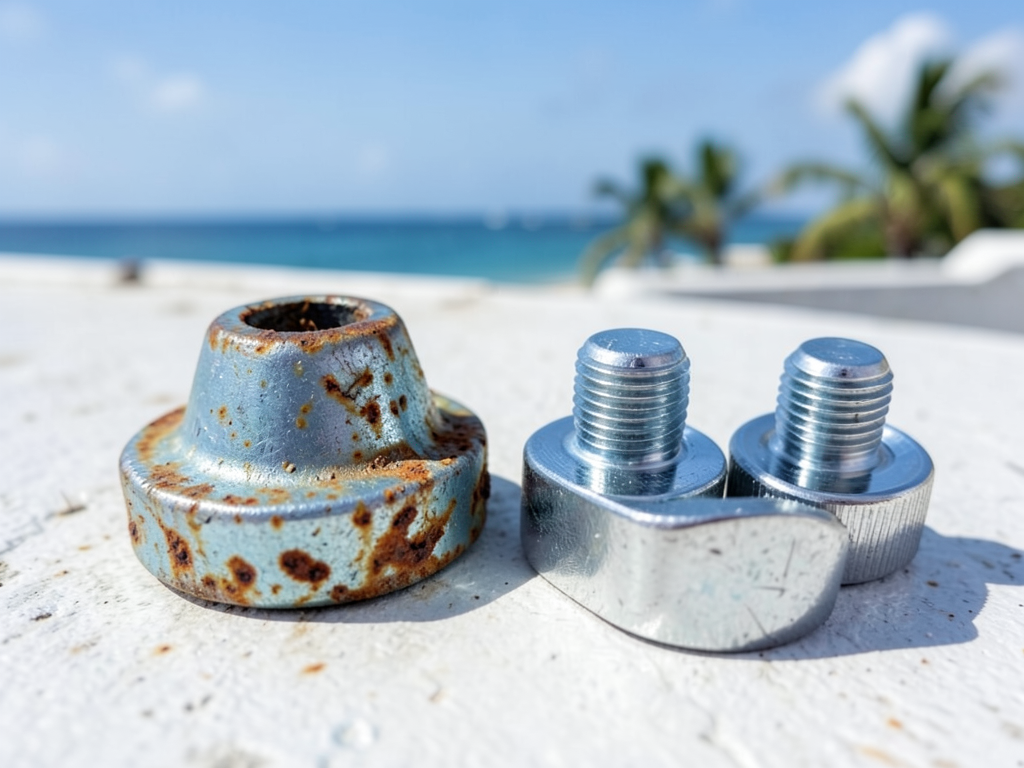
Living in Gables by the Sea means your roof faces relentless salt spray from Biscayne Bay every single day. Standard galvanized fasteners start corroding within three years and fail completely by year five. That's when…
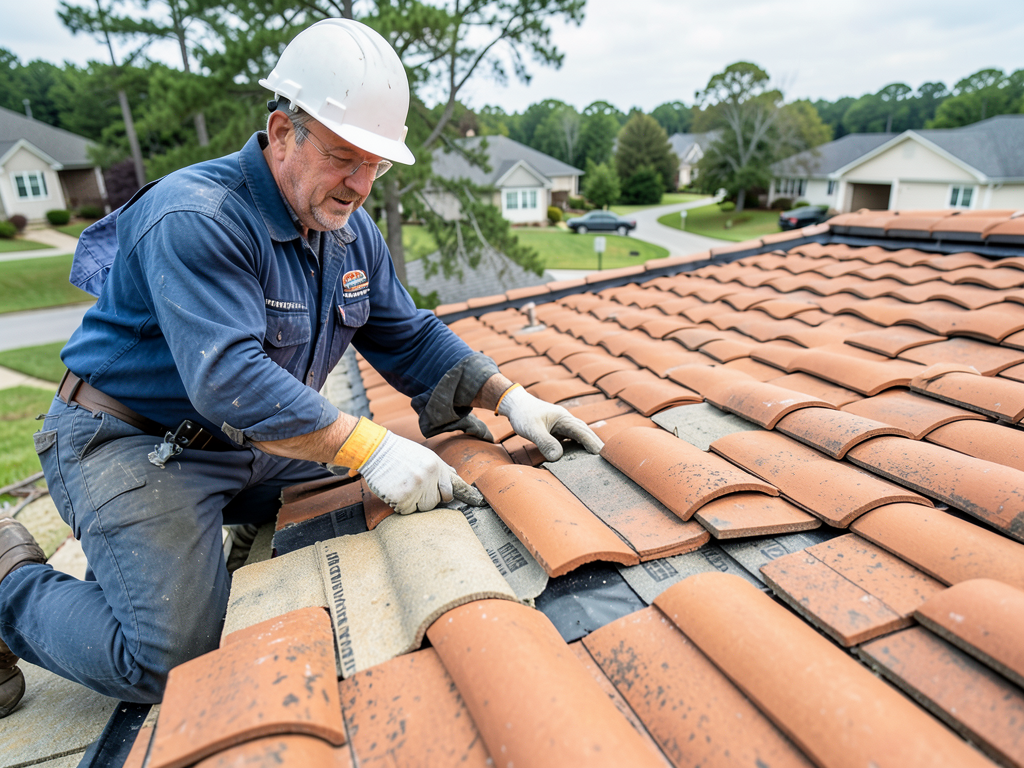
The Real Cost Difference Between Concrete and Clay Tiles for Hammock Lakes Homes Choosing between…
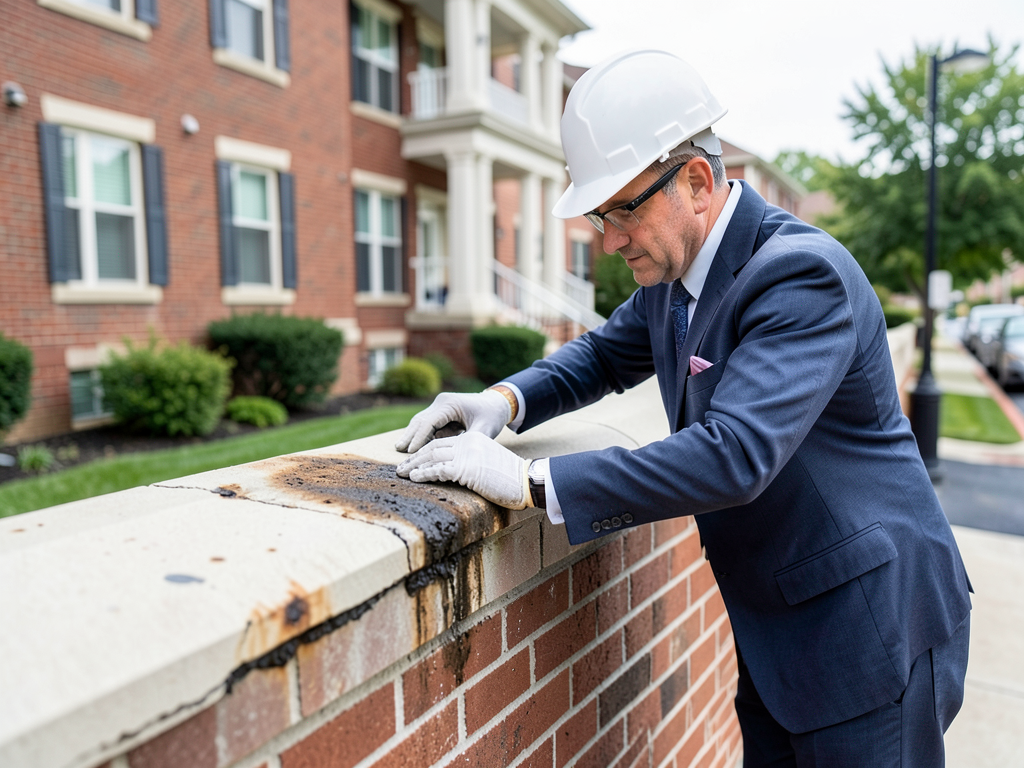
Managing Parapet Wall Leaks and Cap Flashing Issues for Brickell Townhomes Parapet walls create a…
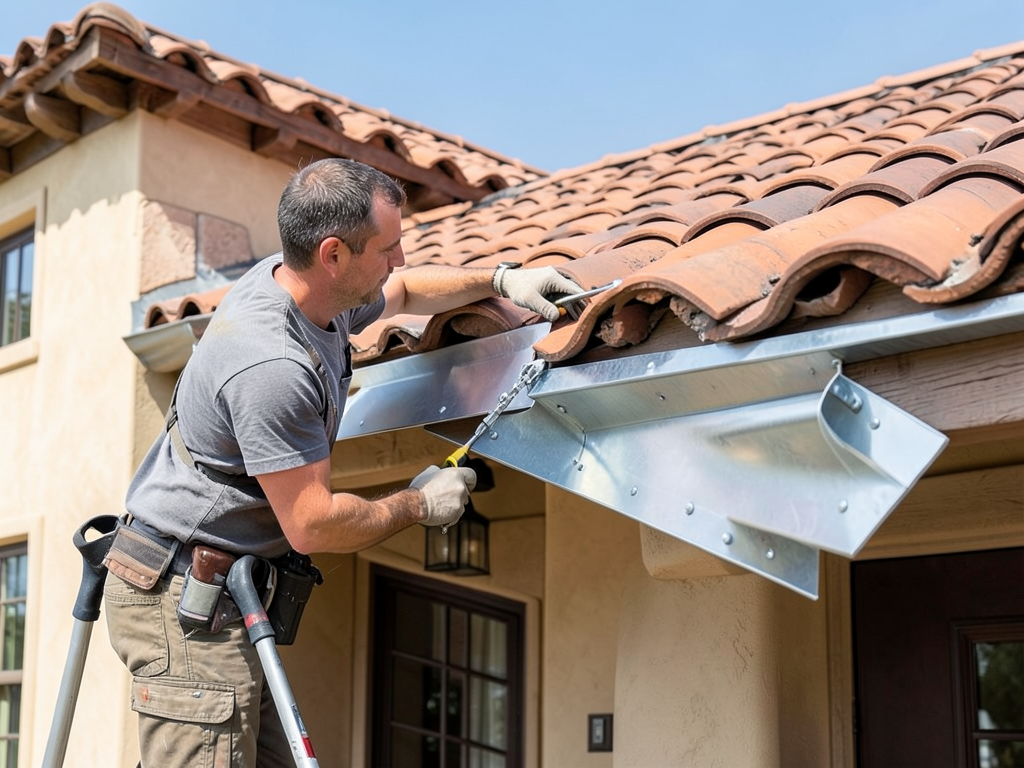
Why Your Ponce Davis Home Needs Heavy Duty Drip Edges to Prevent Wood Rot The…
Your roof protects everything you own from South Florida's harshest weather. Get expert assessment and proven solutions from roofing specialists who understand Coral Gables architecture and climate. Call Ironwood Roofing Miami now at (645) 231-4888 for same-day inspection and written estimates.