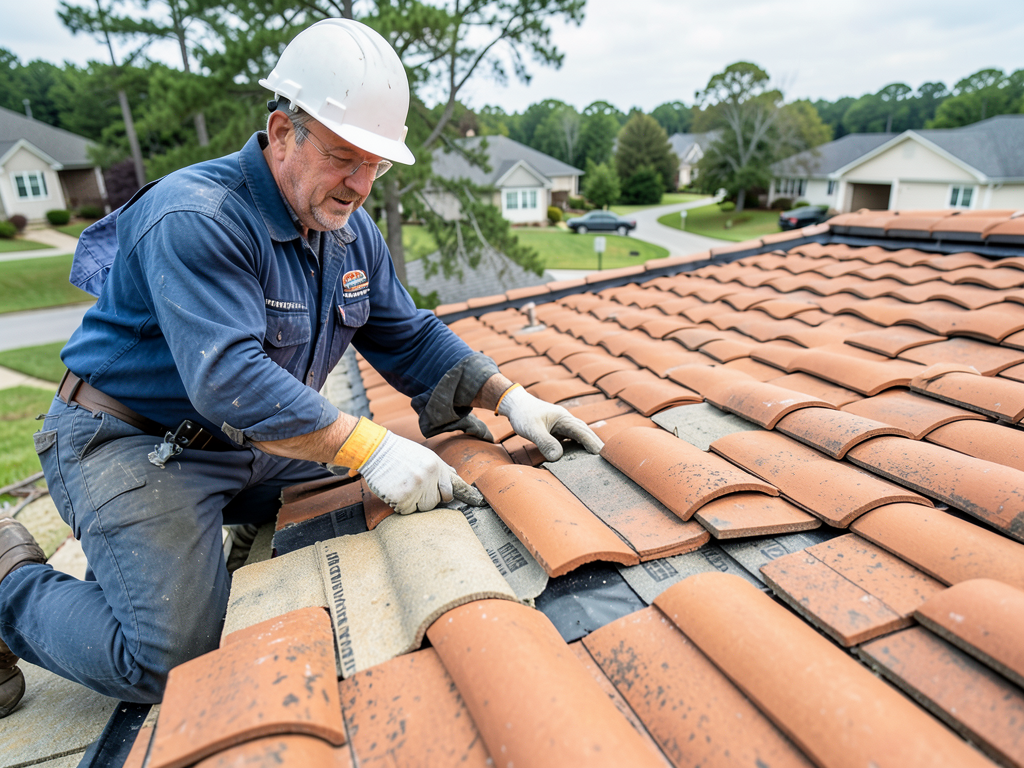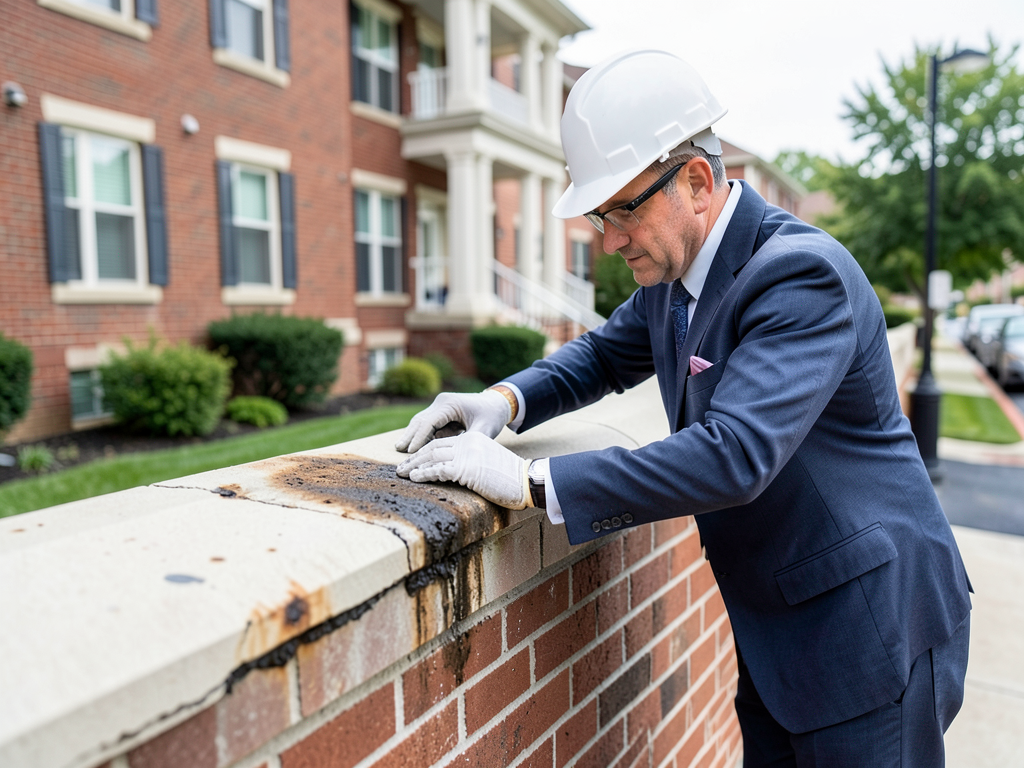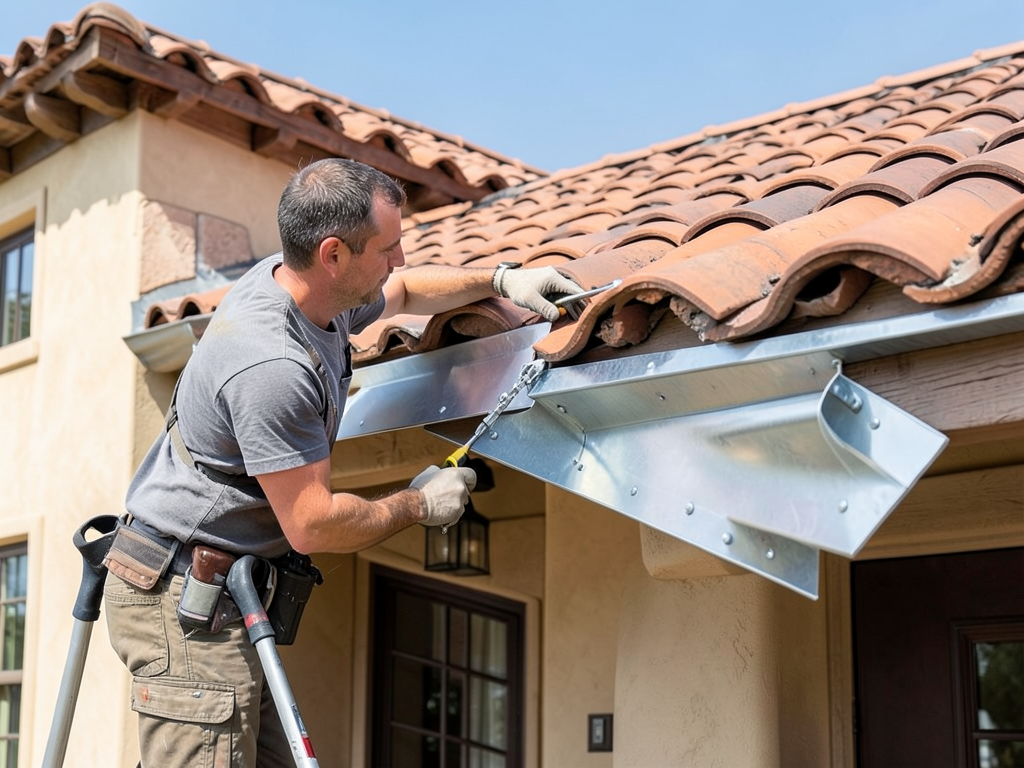


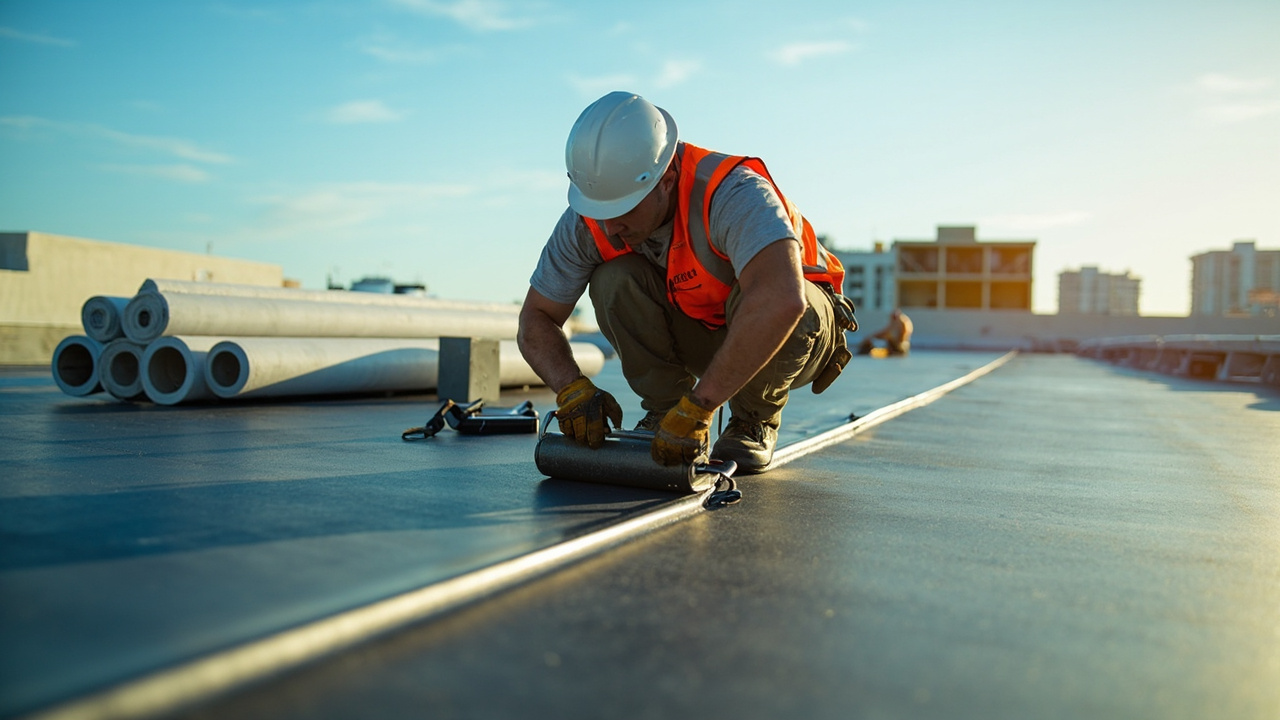

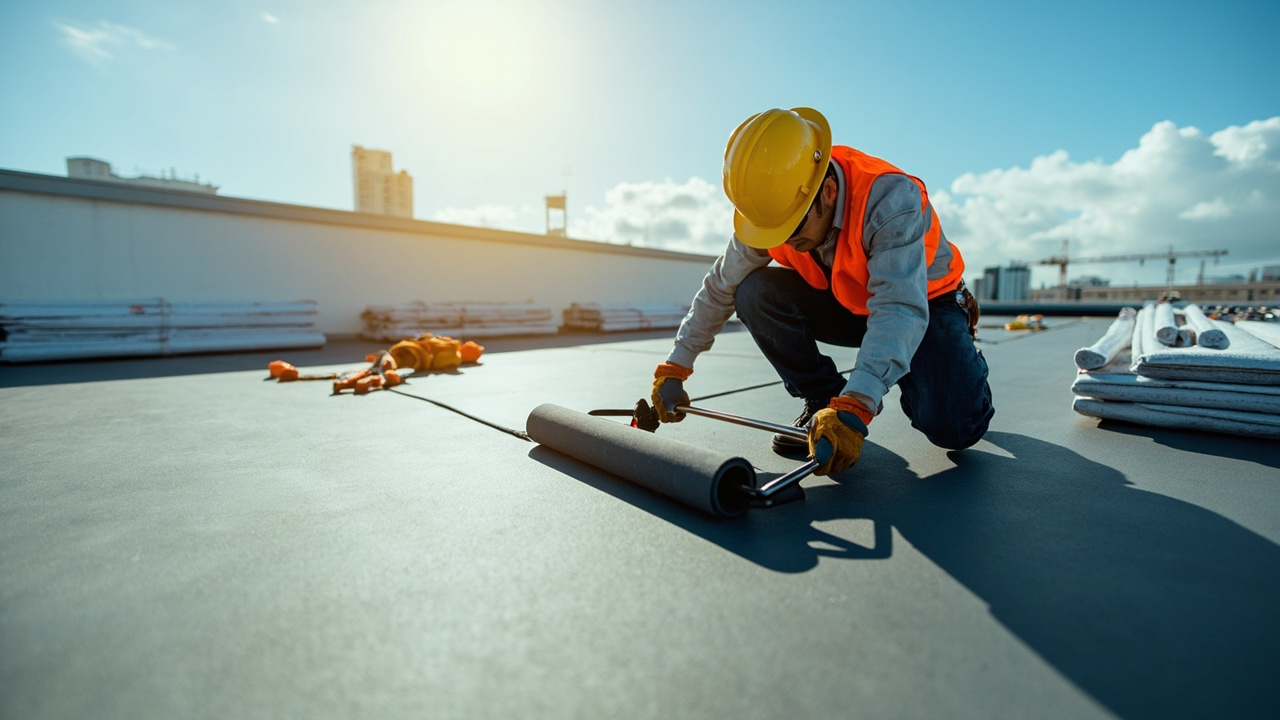
Buildings within three miles of Biscayne Bay or the Atlantic Ocean face accelerated corrosion from airborne salt particles. Metal roofing systems develop rust blooms within five years. Fasteners corrode and lose pull-through strength. Synthetic rubber roofing eliminates this failure mode because the membrane material is chemically inert. Salt exposure cannot degrade ethylene propylene diene monomer. Hurricane wind loads in Miami exceed 140 mph during Category 4 storms. Single-ply rubber membrane systems installed with engineered fastening patterns meet Miami-Dade County's High Velocity Hurricane Zone requirements. The flexible membrane material absorbs wind-driven impacts from debris without tearing, unlike rigid roofing systems that crack under point loads.
Commercial EPDM roof systems in Miami must carry a current Notice of Acceptance from Miami-Dade County Product Control. This approval verifies that the complete assembly including membrane, fasteners, insulation, and adhesives has passed wind uplift testing specific to Florida's hurricane environment. Generic roofing contractors without local permitting experience create code violations that delay occupancy permits and create insurance liability. Ironwood Roofing Miami maintains relationships with Miami-Dade County building departments and understands the documentation requirements for commercial roof replacements. We submit engineered drawings, product approvals, and contractor licensing before permit issuance. Your project passes inspection without callbacks or delays.