menu

Does Insurance Cover Roof Leaks in Miami? – Get Clear Answers on Your Policy and What's Actually Covered

Understanding homeowners insurance roof leak coverage in Miami saves you thousands. We break down exactly when does home insurance cover leaking roofs, what triggers denial, and how to document your claim correctly the first time.

Slider Image 1
Slider Image 2
Slider Image 3
Slider Image 4
Slider Image 5
Slider Image 7
Slider Image 8
Slider Image 9
Slider Image 10
Slider Image 11

Why Miami Homeowners Get Confused About Roof Leak Insurance Coverage

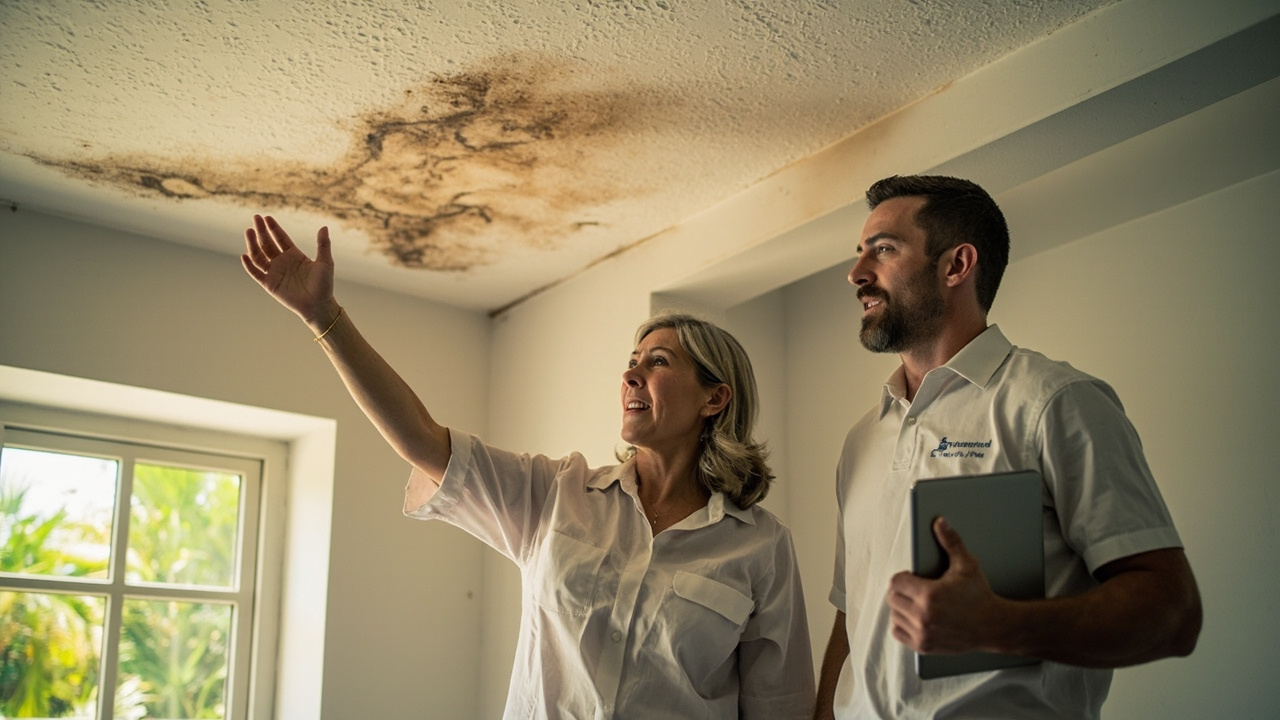
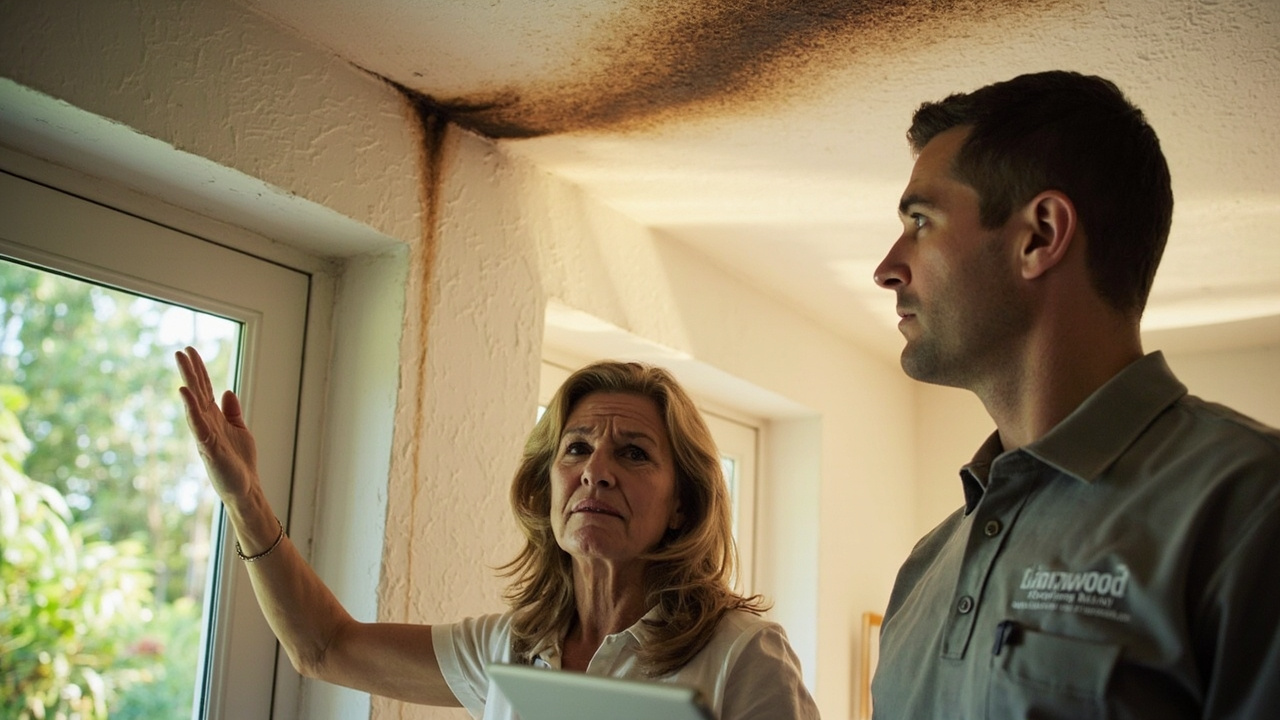
You notice water stains spreading across your ceiling after yesterday's thunderstorm. Your first thought is relief because you have homeowners insurance. Your second thought is panic because you've heard stories about denied claims.

The answer to is a leaking roof covered by homeowners insurance depends entirely on what caused the leak. Miami's unique weather patterns create a gray area that confuses most property owners. Hurricane-force winds, sudden hail damage, and fallen tree branches during tropical storms usually qualify for coverage. Gradual deterioration, missed maintenance, and aging shingles do not.

Insurance companies examine the timeline carefully. A leak that appears after a documented weather event gets different treatment than one that developed slowly over months. Miami's intense UV exposure, salt air from the coast, and daily afternoon rain cycles accelerate roof aging faster than in most regions. What looks like sudden damage to you may appear as deferred maintenance to an adjuster.

The difference matters because roof leak water damage insurance typically covers secondary damage to your home's interior, like ruined drywall, flooring, and personal property, but only if the roof damage itself qualifies. If the leak stems from normal wear, you pay for everything. If a covered peril caused it, your policy handles repairs minus your deductible.

Most denials happen because homeowners cannot prove the cause or waited too long to report visible damage. Miami's building codes require specific documentation, and adjusters know exactly what to look for when evaluating home insurance coverage for roof leaks in coastal zones.

Why Miami Homeowners Get Confused About Roof Leak Insurance Coverage
How Insurance Companies Actually Evaluate Roof Leak Claims

How Insurance Companies Actually Evaluate Roof Leak Claims

Insurance adjusters follow a specific protocol when assessing whether homeowners insurance roof leak coverage applies to your situation. They start with the loss date and compare it against recent weather data. If you report a leak three days after a tropical storm with documented 70 mph gusts, you have a strong case. If you report the same leak two weeks later with no weather event in between, questions arise.

The adjuster examines your roof's age, condition, and maintenance history. They look for missing shingles, lifted flashing, damaged valleys, and compromised penetrations around vents and chimneys. In Miami, they specifically check for wind-driven rain intrusion patterns versus simple water pooling from clogged gutters or inadequate drainage.

Your policy's actual wording determines coverage. Most standard HO-3 policies cover sudden and accidental direct physical loss unless specifically excluded. The key phrase is "sudden and accidental." A 15-year-old roof with granule loss and multiple previous patches does not fail suddenly. It fails predictably.

Documentation determines everything. Adjusters want photos showing the roof's condition before the loss, maintenance records proving regular inspections, and contractor assessments identifying the specific failure point. Without this evidence, they default to denial based on suspected neglect.

Miami-Dade County building codes require roofs to meet strict wind resistance standards. If your roof was not installed to code or lacks proper underlayment, some insurers invoke installation defect exclusions. They argue the leak resulted from faulty workmanship, not a covered peril, shifting liability to the original contractor if you can still pursue that claim.

Understanding these evaluation criteria before you file helps you gather the right evidence and frame your claim correctly.

What Happens When You File a Roof Leak Insurance Claim

Does Insurance Cover Roof Leaks in Miami? – Get Clear Answers on Your Policy and What's Actually Covered
01

Initial Claim Notification

You contact your insurance carrier within 24 to 48 hours of discovering the leak. The insurer assigns a claim number and schedules an adjuster inspection, typically within three to five business days in Miami. You photograph all visible damage to the roof exterior, attic space, and interior water intrusion points. Document the weather conditions that preceded the leak with dated photos or local weather service records.
02

Adjuster Inspection and Assessment

The adjuster inspects your roof, attic, and damaged interior areas. They measure moisture levels in structural members, check flashing integrity, and assess shingle condition. In Miami, they specifically look for signs of wind uplift, impact damage, or storm-related failures versus UV degradation and thermal cycling wear. The adjuster compiles a report with photos, measurements, and a preliminary coverage determination within one week.
03

Coverage Determination and Payment

Your insurer issues a coverage decision based on the adjuster's findings. If approved, they calculate actual cash value or replacement cost depending on your policy type, subtract your deductible, and issue payment. For partial denials, they may cover interior water damage but exclude roof repairs. You receive a detailed explanation of what's covered, what's excluded, and your appeal rights if you disagree with their assessment.

Why Miami Homeowners Need Local Roofing Expertise for Insurance Claims

Insurance adjusters often underestimate damage or misclassify storm damage as wear and tear. Having a knowledgeable roofing contractor document the actual cause makes the difference between approval and denial. Ironwood Roofing Miami has helped hundreds of property owners navigate the claims process by providing detailed assessments that meet insurance company standards.

We understand Miami-Dade's wind mitigation requirements, the distinction between cosmetic and functional damage, and how to document storm-related failures versus age-related deterioration. When an adjuster sees properly documented evidence from a credible local contractor, they take the claim seriously.

Many homeowners accept initial denials without realizing they can challenge the decision with additional evidence. We work directly with adjusters and public adjusters to provide technical documentation that clarifies the cause of failure. Our assessments include photos of specific damage indicators, moisture mapping data, and written explanations of how the failure occurred.

Miami's coastal environment creates unique roofing challenges that out-of-area adjusters often miss. Salt air corrosion affects fasteners differently than inland properties. Wind-driven rain penetrates through seemingly minor gaps that would not cause problems in calmer climates. Thermal expansion and contraction cycles are more extreme here, causing sealant failures and flashing separation that adjusters from other regions might attribute to poor installation.

Local building codes also play a role. Miami requires specific installation methods, underlayment types, and fastening schedules that differ from other Florida regions. If your roof meets these standards and still failed during a covered event, that strengthens your case. If it did not meet code, your claim becomes more complicated but not necessarily denied.

We provide clarity when insurance companies try to confuse the issue.

What You Need to Know About Filing and Winning Your Claim

How Quickly You Must Act

Most policies require notification within a reasonable timeframe, typically interpreted as days, not weeks. Florida law gives you up to three years to file a claim, but delays hurt your case. Insurance companies argue that waiting suggests the damage was not sudden or that you allowed it to worsen through neglect. Report visible leaks within 48 hours of discovery. If a storm causes obvious damage but you have not found the leak yet, report potential damage anyway. You can always withdraw a claim if inspection reveals nothing, but you cannot backdate a late report. Document everything with timestamped photos and written records of when you first noticed the problem.

What Your Adjuster Will Look For

Adjusters examine four key factors when evaluating is a leaking roof covered by homeowners insurance. First, they verify the loss date matches a documented weather event or sudden occurrence. Second, they assess the roof's overall condition to rule out deferred maintenance. Third, they identify the specific entry point and failure mechanism, like torn shingles, lifted flashing, or penetration seal failure. Fourth, they determine if the damage resulted from a covered peril or an excluded cause. Expect them to take extensive photos, probe soft spots in decking, check attic ventilation, and ask detailed questions about the roof's age and maintenance history. Be honest and provide documentation when requested.

How Much You Will Actually Receive

Your payout depends on your policy type and how it handles depreciation. Actual cash value policies pay replacement cost minus depreciation, which can reduce your payout by 30 to 50 percent on an older roof. Replacement cost policies pay full repair value but often hold back depreciation until you complete repairs and submit invoices. You always pay your deductible first. If your roof repair costs $8,000 and you have a $2,500 deductible, you receive $5,500. Some policies have separate windstorm deductibles, typically 2 to 5 percent of your dwelling coverage, which can mean a $5,000 to $10,000 out-of-pocket expense before insurance pays anything.

What Happens After Your Claim Closes

Insurance companies track claims history. Filing a claim, even a denied one, goes on your record and may affect future insurability or premiums. In Miami's challenging insurance market, multiple claims can lead to non-renewal. If your claim is approved and repairs are completed, your insurer may require a final inspection to verify the work meets code and closes the water intrusion pathway. Keep all receipts, warranties, and contractor documentation for at least five years. Some policies require you to maintain the roof properly going forward or risk denial of future leak claims. Schedule annual inspections and address minor issues immediately to protect your coverage.

Frequently Asked Questions

You Have Questions,
We Have Answers

How do I make a successful roof leak insurance claim? +

Document everything immediately. Take clear photos and videos of the leak, interior damage, and exterior roof damage. Call your insurance company within 24 hours to report the claim. In Miami, tropical storms and high humidity can worsen damage fast, so speed matters. Prevent further damage by placing buckets or tarps, but keep receipts for temporary fixes. Get a written estimate from a licensed roofer who understands Florida wind mitigation standards. Provide your adjuster with detailed documentation, including dates, weather events, and prior maintenance records. Never exaggerate damage, but do not downplay it either.

Is it worth claiming roof damage on insurance? +

It depends on the damage cost and your deductible. If repair costs exceed your deductible by a significant margin, filing makes sense. However, multiple small claims can raise your premiums or risk policy cancellation in Miami's high-risk hurricane zone. If the leak stems from sudden storm damage or covered perils, claim it. If it results from deferred maintenance or gradual wear, insurance will not cover it anyway. Calculate the net benefit after deductible and potential rate increases. For major storm damage, always file. For minor leaks under $2,000, paying out of pocket often saves money long-term.

What type of roof damage is covered by insurance? +

Insurance covers sudden, accidental damage from covered perils. In Miami, this includes hurricane wind damage, hail impact, falling tree limbs, and fire. Torn shingles, missing tiles, or punctured membranes from tropical storms qualify. Wind-driven rain that enters through storm-damaged openings is typically covered. However, insurance excludes gradual deterioration, normal wear and tear, poor installation, deferred maintenance, and pre-existing conditions. Mold or rot from long-term neglect will be denied. Your policy type matters. Actual Cash Value policies depreciate your roof age, while Replacement Cost policies pay full repair value minus your deductible.

What should I do if my roof is leaking? +

Stop the water immediately. Move furniture and valuables away from the leak. Place buckets under drips and use towels to soak up standing water. If safe, go to your attic to locate the source and place a tarp or container directly under the leak. Contact a licensed Miami roofer for emergency repairs. Do not wait, humidity accelerates mold growth within 48 hours. Take photos and videos of all damage before and after temporary fixes. Call your insurance company to report the claim. Document all expenses. Delaying action can worsen damage and complicate your claim.

Can an insurance company pay if you have a leaky roof? +

Yes, but only if the leak results from a covered peril. Insurance pays for sudden, accidental damage like hurricane winds tearing shingles or a tree branch puncturing your roof. Miami carriers scrutinize claims heavily due to fraud concerns. If your leak stems from storm damage, you have a valid claim. If the adjuster finds aged shingles, cracked flashing from sun exposure, or deferred maintenance, they will deny coverage. The key is proving the leak originated from a specific, covered event, not gradual neglect. Your roof's age and maintenance history influence approval significantly.

What not to say to a roof insurance adjuster? +

Never admit fault or neglect. Do not say the roof was old and you knew it needed replacement. Avoid statements like "I have not maintained it" or "the leak has been there a while." Do not speculate about causes. Stick to facts. Describe what happened and when you discovered damage. Do not accept a lowball settlement on the spot. Miami adjusters often push quick closures. Do not sign anything without reviewing it carefully. Do not let them pressure you into using their preferred contractor. You have the right to obtain independent estimates and challenge their assessment.

Will insurance pay for a new roof if it's leaking? +

Only if the damage is severe and widespread from a covered peril. If a hurricane severely damages your roof structure or destroys a large section, insurance may pay for full replacement. However, most policies depreciate based on roof age. A 15-year-old roof in Miami's harsh sun may only receive partial coverage. If the leak is isolated to one area, insurance pays for repairs, not full replacement. Adjusters will assess whether repair is feasible or if code upgrades require full replacement. Total loss situations are rare unless catastrophic storm damage occurs.

When not to file a homeowners insurance claim? +

Skip filing when repair costs barely exceed your deductible. Avoid claims for maintenance issues like cracked caulking or worn flashing that result from aging. Do not file multiple small claims within a few years, Miami insurers drop high-frequency claimants quickly. If you can afford the repair out of pocket and it is under $3,000, pay directly. Avoid claims when you suspect the damage predates your policy effective date. Skip filing if the damage clearly stems from neglect. Excessive claims history follows you through industry databases, making future coverage expensive or impossible.

What happens if you don't fix your roof with insurance money? +

You risk policy cancellation or claim denial on future damage. Insurance companies can require proof of completed repairs before renewing your policy. If you pocket the money and leave the roof damaged, subsequent leaks will be denied as pre-existing conditions. In Miami, unrepaired roof damage worsens rapidly due to tropical weather and intense UV exposure. Your home value drops. You also risk liability if someone gets injured due to structural failure. Additionally, mortgage lenders require homes to remain insurable. Failing to repair can trigger loan default provisions and affect resale ability.

How often will insurance replace a roof? +

Insurance replaces roofs only when covered damage makes replacement necessary, not on a schedule. There is no automatic replacement timeline. If your roof suffers total loss from a hurricane or fire, insurance pays based on your policy terms. However, carriers will not replace a roof simply because it reached 20 years old. Preventive replacement due to age is your financial responsibility. In Miami, insurers often require roof inspections for policies on homes with roofs older than 15 years. Repeated partial damage claims do not guarantee eventual full replacement, adjusters repair what is damaged only.

How Miami's Hurricane Season Complicates Roof Leak Insurance Coverage

Miami sits in one of the most active hurricane zones in the United States, with tropical storm season running from June through November. This creates a unique insurance situation where the same leak can receive different coverage depending on when it occurs and how the weather is classified. A leak during a named tropical storm may trigger your windstorm deductible, which runs significantly higher than your standard deductible. The same roof damage from a non-named severe thunderstorm may fall under standard coverage with a lower out-of-pocket cost. Miami-Dade County's strict building codes require roofs to withstand 175 mph winds in the High Velocity Hurricane Zone, and insurers expect this level of durability when evaluating claims.

Ironwood Roofing Miami understands how local weather patterns, insurance policy language, and Miami-Dade building codes intersect to determine home insurance coverage for roof leaks. We have worked with every major insurer operating in South Florida and know exactly what documentation they require for approval. Our inspection reports include detailed photos, moisture readings, and technical explanations that meet adjuster standards for sudden wind damage versus gradual deterioration. We help homeowners understand the difference between cosmetic damage that does not affect function and actual water intrusion pathways that demand immediate repair. This local expertise protects your claim and your wallet.
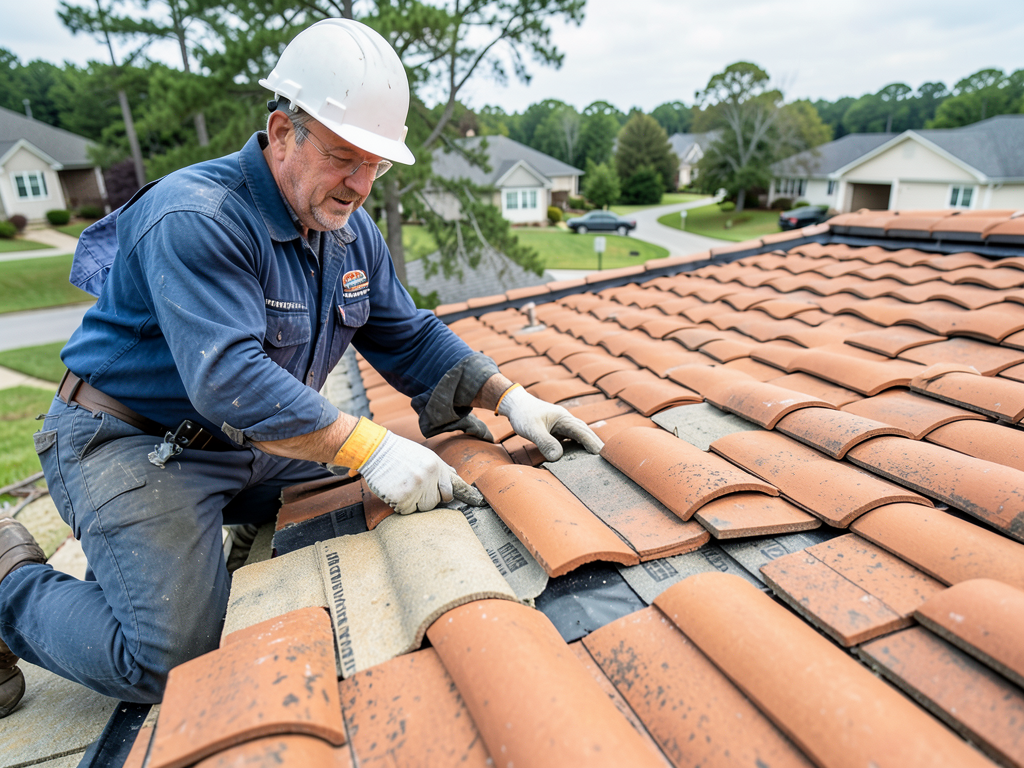
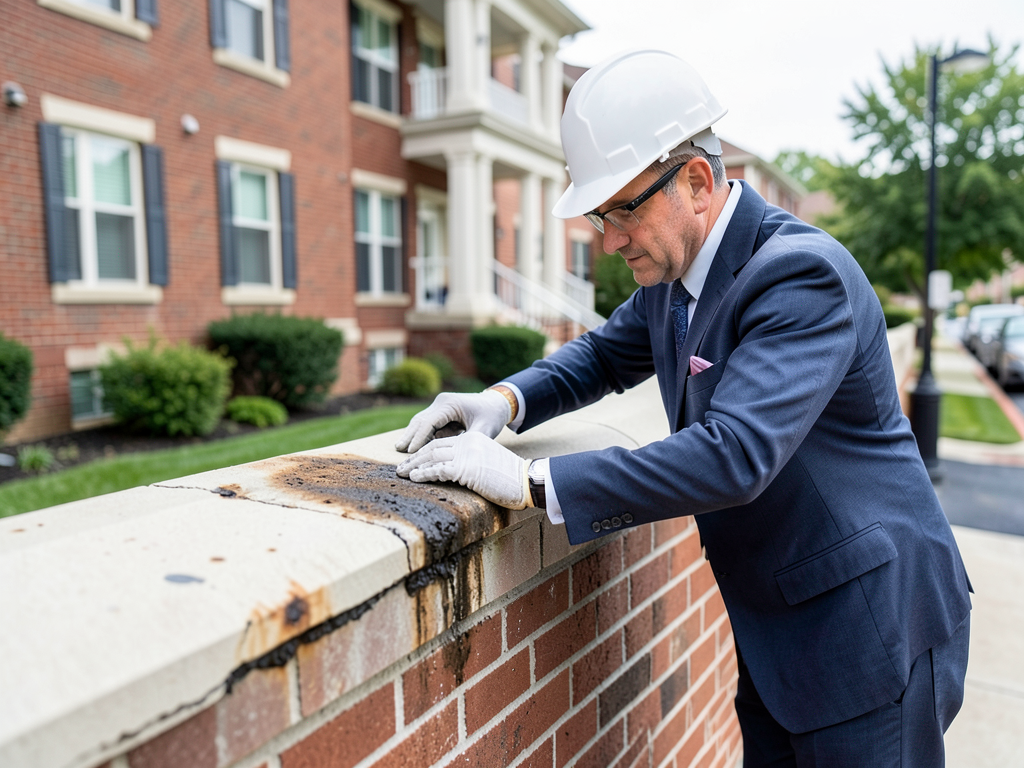
Roofing Services in The Miami Area

Ironwood Roofing Miami is proud to service the entire Miami-Dade County area, including South Beach, Coral Gables, Doral, and beyond. We are a local company deeply familiar with the region, allowing us to respond quickly to your emergency needs and schedule non-urgent services with efficient turnaround. View our location on the map to see where our trusted professionals operate and invite us to your neighborhood for the area's most reliable roofing expertise.

Address:
Ironwood Roofing Miami, 2214 Biscayne Blvd, Miami, FL, 33131

Additional Services We Offer

Our news updates

Latest Articles & News from The Blogs

The Best Roof Styles for Modern Accessory Dwelling Units in West Miami Building an Accessory Dwelling Unit in West Miami…

The Best Roof Styles for Modern Accessory Dwelling Units in West Miami

The Best Roof Styles for Modern Accessory Dwelling Units in West Miami Building an Accessory Dwelling Unit in West Miami…

How to Spot Drywood Termite Damage in Your Little Haiti Roof Structure

How to Spot Drywood Termite Damage in Your Little Haiti Roof Structure Little Haiti’s historic wooden roof structures face unique…

Why Metal Roofing Is Becoming the New Standard for Richmond Heights Homes

Why Metal Roofing Is Becoming the New Standard for Richmond Heights Homes Metal roofing is rapidly replacing traditional asphalt shingles…

Contact Us

Do not let confusion about does home insurance cover leaking roofs cost you thousands in denied claims. Call Ironwood Roofing Miami at (645) 231-4888 for a professional assessment that documents your damage correctly and protects your insurance rights.