Why Metal Roofing Is Becoming the New Standard for Richmond Heights Homes
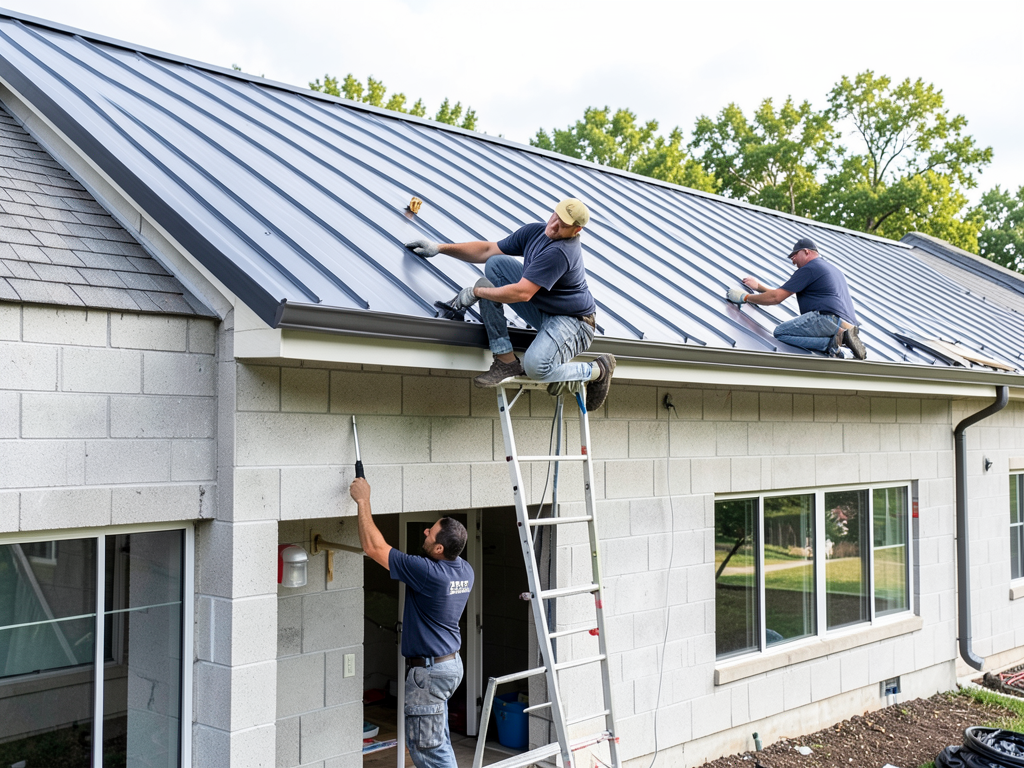
Metal roofing is rapidly replacing traditional asphalt shingles in Richmond Heights as homeowners discover its unmatched durability in Miami’s harsh climate. With the ability to withstand 175+ mph winds and reflect intense Florida heat metal roofs offer a smart long-term investment for local residents. The shift is driven by rising insurance costs stricter building codes and the desire for homes that can handle everything from scorching summers to Category 5 hurricanes. Florida Building Code.
The Richmond Heights Climate Challenge
Richmond Heights sits in Miami-Dade County’s High Velocity Hurricane Zone where annual wind speeds can exceed 180 mph during storm season. The neighborhood’s flat terrain near the Everglades means homes face unobstructed wind paths during tropical storms. Add Miami’s brutal UV index salt air from nearby Biscayne Bay and afternoon thunderstorms that dump inches of rain in minutes and you have a perfect storm for roof deterioration. Miami-Dade Notice of Acceptance.
Homeowners here deal with rapid shingle granule loss thermal expansion that warps materials and corrosion that eats through standard roofing within 15-20 years. The combination of heat humidity and wind creates a unique failure pattern that only metal roofing systems specifically engineered for South Florida can withstand. Why Homeowners in Coral Gables Choose Professional Tile Roof Installation.
Miami-Dade NOA Compliance and HVHZ Standards
All roofing materials installed in Richmond Heights must carry Miami-Dade Notice of Acceptance (NOA) certification. This means each product undergoes rigorous testing including TAS 114 missile impact resistance and TAS 105 uplift pressure simulation. Metal roofing systems from certified manufacturers like Petersen Aluminum or ATAS International meet these standards through interlocking panel designs and concealed fastener systems. Roofing Cutler Bay.
The Florida Building Code Chapter 15 requires secondary water barriers for homes built after 2007. Metal roofing naturally provides this through its continuous substrate creating redundant protection if primary panels fail. This compliance matters because insurance companies now demand documented HVHZ-rated materials before issuing wind mitigation credits. Metal Roofing Systems.
Energy Efficiency That Lowers FPL Bills
Metal roofs with cool roof pigments can reflect up to 70% of solar radiation compared to 10-15% for asphalt shingles. In Richmond Heights where summer temperatures regularly hit 92°F this translates to 20-30% lower cooling costs according to Florida Power & Light studies. The thermal emissivity of painted metal allows heat to dissipate quickly preventing the heat soak that makes attics unbearable.. Read more about Why Choosing White Shingles Could Drastically Reduce Your Cooling Costs in Homestead.
Standing seam metal roofs create an airspace between panels and decking that acts as additional insulation. This design combined with proper attic ventilation can reduce attic temperatures by 30-40 degrees Fahrenheit. For a typical 2,000-square-foot Richmond Heights home this means annual energy savings of $400-$600 depending on AC usage patterns.
Corrosion Resistance for Coastal Proximity
Richmond Heights sits just 8 miles from Biscayne Bay placing homes in a high-salt environment. Standard galvanized steel corrodes at 0.5-1.0 mils per year in this setting while aluminum corrodes at 0.05-0.1 mils per year. This is why aluminum standing seam systems have become popular for homes within 10 miles of the coast.
Galvalume steel with its aluminum-zinc coating offers a middle ground lasting 40-50 years versus 60-70 years for solid aluminum. The coating provides sacrificial protection where scratches occur preventing the crevice corrosion that destroys painted steel in salt air. For Richmond Heights properties near the canal systems this resistance means fewer replacements and less maintenance.
Insurance Premium Reductions and Wind Mitigation
Florida insurance companies offer wind mitigation credits of 15-30% for homes with HVHZ-rated metal roofing. The credits apply because metal roofs achieve Class 4 impact ratings and can withstand uplift forces exceeding 200 pounds per square foot. For a Richmond Heights home with a $3,000 annual premium this could mean $450-$900 in annual savings. Roofing Miami Gardens.
The wind mitigation inspection process requires documentation of material ratings fastener spacing and installation methods. Metal roofing systems with Miami-Dade NOA numbers streamline this process because inspectors recognize the certification. Some insurers now mandate metal roofing for homes in high-risk coastal zones as a condition of coverage.
Lifespan Comparison: Metal vs. Asphalt in Miami Conditions
Asphalt shingles in Richmond Heights typically fail after 12-15 years due to UV degradation humidity and wind damage. The granules wear off exposing the mat to sun which causes curling and cracking. Metal roofing under the same conditions maintains structural integrity for 50+ years with only surface oxidation that doesn’t affect performance.. Read more about How High Wind Pressures Can Lift the Shingles on Your Virginia Key Beach House.
The table below shows typical lifespan expectations for common roofing materials in Richmond Heights’ climate:
| Material | Expected Lifespan | Key Failure Mode |
|---|---|---|
| Asphalt Shingles | 12-15 years | UV degradation granule loss |
| Concrete Tile | 20-25 years | Freeze-thaw cracking |
| Galvalume Steel | 40-50 years | Surface oxidation |
| Aluminum | 60-70 years | Minimal degradation |
Installation Considerations for Richmond Heights Homes
Richmond Heights homes typically feature concrete block construction with 4:12 to 6:12 roof pitches. Metal roofing installation requires evaluating deck condition since damaged plywood cannot support new panels. The process starts with removing existing roofing down to the deck then installing underlayment that meets Miami-Dade vapor barrier requirements.
Fastener spacing becomes critical in HVHZ zones. Metal roofing for Richmond Heights homes uses 12-inch on-center spacing in the field and 6-inch spacing at perimeters and penetrations. This pattern prevents panel pull-through during high winds. The installation also includes hurricane clips that tie rafters to top plates creating a continuous load path.
Cost Factors and ROI Analysis
Metal roofing costs $8-$14 per square foot installed in Richmond Heights compared to $3-$5 for asphalt. The higher upfront cost reflects specialized labor Miami-Dade permitting fees and premium materials. However the total cost of ownership over 30 years favors metal when factoring energy savings insurance credits and zero replacement costs.
A typical Richmond Heights home (2,000 sq ft roof area) would spend approximately $40,000 on metal roofing versus $10,000 on asphalt replaced twice over 30 years. The metal option saves $10,000 in energy costs and $9,000 in insurance credits while avoiding $20,000 in replacement costs. The net savings approach $29,000 over three decades.
Maintenance Requirements and Best Practices
Metal roofs require minimal maintenance but annual inspections catch issues before they escalate. Check for loose fasteners especially after tropical storms inspect sealant around penetrations and clear debris from valleys. The aluminum oxide layer that forms on bare metal actually protects the substrate so don’t power wash or use abrasive cleaners.
For Richmond Heights homes near the canal systems rinse metal panels quarterly with fresh water to remove salt deposits. Pay special attention to areas where wind-driven spray accumulates like north-facing eaves. Replace any damaged sealant immediately since metal roofing relies on watertight flashing details at transitions.
Environmental Benefits and Sustainability
Metal roofing contains 25-95% recycled content depending on the product and is 100% recyclable at end of life. This contrasts with asphalt shingles that contribute 11 million tons of waste to landfills annually. The cool roof pigments also reduce the urban heat island effect in Richmond Heights by reflecting heat that would otherwise warm the neighborhood.
The long lifespan means fewer manufacturing impacts over time. Producing one metal roof generates the same emissions as producing three asphalt roofs but spreads those emissions over 50+ years. For environmentally conscious Richmond Heights homeowners this lifecycle analysis supports the metal roofing choice.
Common Misconceptions About Metal Roofing
Many Richmond Heights residents worry that metal roofs attract lightning but metal conducts electricity without igniting so it’s no more likely to be struck than other materials. The panels also disperse electrical charges safely if struck. Another concern involves noise during rain but modern installations with solid decking and underlayment create sound levels similar to asphalt roofs.
Some believe metal roofs interfere with cell phone reception but the panels are too thin and widely spaced to block signals. The real issue involves satellite dishes which may require repositioning. Weight is another misconception since metal roofing weighs 50-75% less than concrete tile making it suitable for most Richmond Heights home structures.
Choosing the Right Metal Roofing System
Richmond Heights homeowners should consider standing seam systems for their superior wind ratings and clean appearance. The concealed fastener design eliminates leak points at panel overlaps. For those preferring a tile look metal tiles that mimic clay or slate offer the same durability with traditional aesthetics.
Aluminum works best for homes within 5 miles of the coast while Galvalume steel suits inland properties. The gauge selection matters too: 24-gauge steel provides adequate strength for most residential applications while 26-gauge offers cost savings with slightly reduced durability. Always verify the manufacturer’s Miami-Dade NOA number before purchasing.
Local Installation Expertise Matters
Richmond Heights metal roofing requires installers familiar with HVHZ requirements and local building inspections. The permitting process involves submitting engineering calculations wind load analysis and product approval documents. Local contractors understand the specific challenges like working around overhead power lines common in older Richmond Heights neighborhoods.
Experience with Miami-Dade inspections prevents costly rework. Local installers know inspectors check fastener patterns underlayment overlaps and flashing details that out-of-area crews might miss. This expertise ensures the roof passes inspection the first time and qualifies for insurance credits.
The Future of Roofing in Richmond Heights
Building codes continue tightening with proposed changes requiring even higher wind ratings for new construction. Solar-integrated metal roofing systems are emerging allowing homeowners to generate power without penetrating the roof membrane. These systems use the same standing seam profiles with photovoltaic laminates factory-applied.
Smart metal roofing with embedded sensors could soon monitor moisture levels detect impacts and alert homeowners to damage via smartphone apps. As climate change increases storm intensity Richmond Heights residents investing in metal roofing today position themselves ahead of future requirements while enjoying immediate benefits.
Frequently Asked Questions
How long does metal roof installation take in Richmond Heights?
Most residential metal roof installations in Richmond Heights take 3-5 days for a typical home. This includes removal of existing roofing installation of underlayment and the metal panel placement. Weather delays during hurricane season can extend timelines.
Will a metal roof increase my home’s value in Richmond Heights?
Yes metal roofing typically increases home value by $10,000-$15,000 in Richmond Heights. Buyers value the hurricane resistance energy efficiency and elimination of future replacement costs. The improvement also enhances curb appeal with modern clean lines.
Can I install solar panels on a metal roof?
Absolutely solar panel mounting systems for metal roofing use clamps that attach to the standing seams without penetrating the panels. This preserves the roof warranty while providing a secure mounting platform. The cool surface of metal roofing can actually improve solar panel efficiency by keeping them cooler.
Making the Right Choice for Your Richmond Heights Home
Metal roofing represents the convergence of safety efficiency and long-term value for Richmond Heights homeowners. The investment pays dividends through lower energy bills reduced insurance premiums and peace of mind during hurricane season. With Miami-Dade’s strict building codes and the neighborhood’s exposure to coastal storms metal roofing isn’t just an upgrade it’s becoming essential.
The decision ultimately comes down to protecting your family your investment and your quality of life. Richmond Heights homes deserve roofing systems engineered for the specific challenges of South Florida’s climate. Metal roofing delivers that engineering with proven performance that asphalt simply cannot match.
Ready to Upgrade Your Richmond Heights Roof?
Call (645) 231-4888 today to schedule your free metal roofing consultation. Our Miami-Dade certified team will assess your home’s specific needs explain your options and provide a detailed quote with NO pressure. Don’t wait until the next storm threatens your home’s safety. Pick up the phone and call (645) 231-4888 before the next storm hits.
Learn more about hurricane-rated roofing systems or explore metal roofing options for your specific needs.
You may also find this helpful. The Best Way to Handle Industrial Roof Rust for Commercial Buildings in Opa locka.
You may also find this helpful. The Best Gutter Sizes and Styles to Handle Torrential Downpours in Miami Shores.
{
“@context”: “https://schema.org”,
“@type”: “BlogPosting”,
“headline”: “Why Metal Roofing Is Becoming the New Standard for Richmond Heights Homes”,
“description”: “Discover why metal roofing is taking over Richmond Heights homes. Learn about hurricane resistance, energy savings, and Miami-Dade NOA compliance in this comprehensive guide.”,
“wordCount”: 1943,
“datePublished”: “2026-04-12T07:15:00.000Z”,
“dateModified”: “2026-04-12T07:15:00.000Z”,
“inLanguage”: “en-US”,
“mainEntityOfPage”: {
“@type”: “WebPage”,
“@id”: “https://ironwoodroofingmiami.com”
},
“publisher”: {
“@type”: “LocalBusiness”,
“name”: “Ironwood Roofing Miami”,
“url”: “https://ironwoodroofingmiami.com”
},
“author”: {
“@type”: “Organization”,
“name”: “Ironwood Roofing Miami”,
“url”: “https://ironwoodroofingmiami.com”
},
“image”: {
“@type”: “ImageObject”,
“url”: “https://ironwoodroofingmiami.com/wp-content/uploads/2026/03/why-metal-roofing-is-becoming-the-new-standard-for-1.png”
}
}
{
“@context”: “https://schema.org”,
“@type”: “RoofingContractor”,
“name”: “Ironwood Roofing Miami”,
“url”: “https://ironwoodroofingmiami.com”,
“address”: {
“@type”: “PostalAddress”,
“addressLocality”: “Miami”
},
“areaServed”: {
“@type”: “City”,
“name”: “Miami”
}
}
{
“@context”: “https://schema.org”,
“@type”: “FAQPage”,
“mainEntity”: [
{
“@type”: “Question”,
“name”: “How long does metal roof installation take in Richmond Heights?”,
“acceptedAnswer”: {
“@type”: “Answer”,
“text”: “Most residential metal roof installations in Richmond Heights take 3-5 days for a typical home. This includes removal of existing roofing installation of underlayment and the metal panel placement. Weather delays during hurricane season can extend timelines.”
}
},
{
“@type”: “Question”,
“name”: “Will a metal roof increase my home’s value in Richmond Heights?”,
“acceptedAnswer”: {
“@type”: “Answer”,
“text”: “Yes metal roofing typically increases home value by $10,000-$15,000 in Richmond Heights. Buyers value the hurricane resistance energy efficiency and elimination of future replacement costs. The improvement also enhances curb appeal with modern clean lines.”
}
},
{
“@type”: “Question”,
“name”: “Can I install solar panels on a metal roof?”,
“acceptedAnswer”: {
“@type”: “Answer”,
“text”: “Absolutely solar panel mounting systems for metal roofing use clamps that attach to the standing seams without penetrating the panels. This preserves the roof warranty while providing a secure mounting platform. The cool surface of metal roofing can actually improve solar panel efficiency by keeping them cooler.”
}
},
{
“@type”: “Question”,
“name”: “Ready to Upgrade Your Richmond Heights Roof?”,
“acceptedAnswer”: {
“@type”: “Answer”,
“text”: “Call (645) 231-4888 today to schedule your free metal roofing consultation. Our Miami-Dade certified team will assess your home’s specific needs explain your options and provide a detailed quote with NO pressure. Don’t wait until the next storm threatens your home’s safety. Pick up the phone and call (645) 231-4888 before the next storm hits.”
}
}
]
}
{
“@context”: “https://schema.org”,
“@type”: “BreadcrumbList”,
“itemListElement”: [
{
“@type”: “ListItem”,
“position”: 1,
“name”: “Home”,
“item”: “https://ironwoodroofingmiami.com”
},
{
“@type”: “ListItem”,
“position”: 2,
“name”: “Blog”,
“item”: “https://ironwoodroofingmiami.com/blog”
},
{
“@type”: “ListItem”,
“position”: 3,
“name”: “Why Metal Roofing Is Becoming the New Standard for Richmond Heights Homes”
}
]
}
{
“@context”: “https://schema.org”,
“@type”: “Service”,
“serviceType”: “Roofing”,
“provider”: {
“@type”: “LocalBusiness”,
“name”: “Ironwood Roofing Miami”,
“url”: “https://ironwoodroofingmiami.com”
},
“areaServed”: {
“@type”: “City”,
“name”: “Miami”
},
“description”: “Discover why metal roofing is taking over Richmond Heights homes. Learn about hurricane resistance, energy savings, and Miami-Dade NOA compliance in this comprehensive guide.”
}