menu

New Roof Construction in Miami – Expert Installation Built to Withstand Hurricane-Force Winds

When you need new roof construction in Miami, you need materials and installation techniques designed for Category 5 wind loads, salt air corrosion, and torrential rainfall that inferior roofing systems simply cannot handle.

Slider Image 1
Slider Image 2
Slider Image 3
Slider Image 4
Slider Image 5
Slider Image 7
Slider Image 8
Slider Image 9
Slider Image 10
Slider Image 11

Why New Roof Construction in Miami Demands Hurricane-Grade Engineering

Miami sits in the bullseye of Atlantic hurricane season. The difference between a roof that protects your property and one that becomes shrapnel in a Category 4 storm comes down to one thing: engineering for extreme wind uplift.

Your new roof installation faces challenges most other regions never see. Wind speeds exceeding 150 mph create uplift forces that literally try to peel roofing materials off the deck. Salt air from Biscayne Bay accelerates fastener corrosion. UV intensity degrades inferior asphalt compounds in under a decade. Summer rainfall totals that exceed 60 inches annually test every flashing detail, valley seal, and penetration boot.

Building a new roof in Miami requires adherence to the Florida Building Code High Velocity Hurricane Zone provisions. This means specific fastener schedules, enhanced underlayment requirements, and impact-rated materials in coastal zones. You cannot use the same new construction roofing approach you would in Atlanta or Charlotte and expect the same performance.

Coral Gables historic districts add another layer of complexity. Clay tile and slate roofing systems must meet both hurricane resistance standards and architectural review board requirements. The deck structure itself needs reinforcement. Standard 8d ring shank nails get replaced with #10 structural screws at tighter spacing. Ice and water shield becomes a full-deck application, not just valleys and eaves.

Installing a new roof means understanding these local demands before the first material arrives. Roof installation services that ignore Miami's unique climate and code requirements leave you with a liability, not an asset.

Why New Roof Construction in Miami Demands Hurricane-Grade Engineering
How Proper New Roof Construction Protects Your Investment

How Proper New Roof Construction Protects Your Investment

New roof construction starts below the visible surface. We evaluate your existing deck structure for rot, inadequate fastening, and insufficient bracing. Older Miami homes often have 1x6 skip sheathing under tile roofs. That gets replaced with 5/8-inch CDX plywood or OSB rated for high wind zones, fastened with structural screws at 6 inches on center along the perimeter and 12 inches in the field.

The underlayment system matters more than most homeowners realize. We install self-adhering modified bitumen membranes across the entire deck, not just the code-required areas. This creates a secondary water barrier when wind-driven rain bypasses the primary roofing material. Seams get lapped a full 6 inches and rolled for complete adhesion.

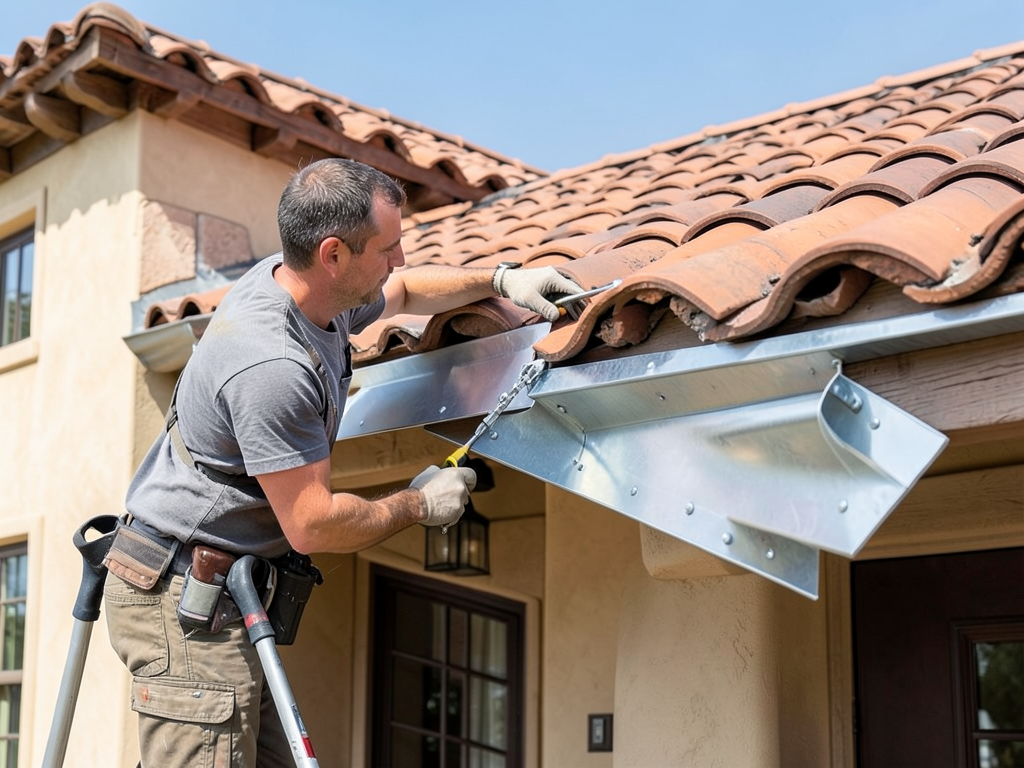
Metal drip edge and rake edge components get fastened every 8 inches with corrosion-resistant fasteners. Valleys receive additional underlayment treatment and metal valley liners where appropriate. Every penetration, from plumbing vents to HVAC curbs, gets individual attention with proper flashing and sealant details.

The primary roofing material selection depends on your structure, budget, and aesthetic requirements. Architectural shingles rated for 130 mph winds provide the most economical option for wood-frame structures. Concrete tile systems offer superior longevity and impact resistance but require engineered structural support. Metal roofing eliminates organic material degradation and provides the longest service life in salt air environments.

Ironwood Roofing Miami does not take shortcuts on fastener schedules. Every shingle receives six fasteners instead of the minimum four. Every tile gets two fasteners and foam adhesive. Metal panels get screws at every rib, every 12 inches. This approach costs more in labor but delivers the wind resistance you need when the National Hurricane Center issues the next warning.

What Happens During Your New Roof Construction Project

New Roof Construction in Miami – Expert Installation Built to Withstand Hurricane-Force Winds
01

Structural Assessment and Permitting

We start with a complete structural evaluation of your existing roof deck, framing, and load-bearing capacity. This determines whether your building can support the weight of concrete tile or requires the lighter profile of architectural shingles. We pull all required permits from Miami-Dade County and coordinate inspections. The permit process takes 7 to 10 business days. We handle the paperwork, engineering stamps, and inspector scheduling so you do not have to navigate the Building Department.
02

Complete Tear-Off and Installation

Old roofing material comes off down to the deck. We inspect every square foot of sheathing and replace compromised sections. The new underlayment goes down first, followed by drip edge, valley treatments, and flashing details. Primary roofing material gets installed according to manufacturer specifications and Florida Building Code requirements. Every component receives individual attention. Roof installation services that rush this phase create the weak points that fail during storms. We do not rush.
03

Final Inspection and Cleanup

After installation completes, we schedule the final building inspection. The inspector verifies proper fastener patterns, flashing details, and material compliance. We walk the property with a magnetic roller to collect metal debris. Tarps catch most tear-off material, but small fasteners and metal fragments require multiple passes. You receive all permit documentation, inspection certificates, and manufacturer warranty information. Your new roof construction project closes with a final walkthrough where we address any questions about maintenance or performance.

Why Local Knowledge Matters for Miami Roof Installation Services

Building codes exist for a reason. Miami-Dade County maintains the most stringent roofing requirements in the continental United States because this region experiences the most severe wind events. Products that perform adequately in Orlando fail catastrophically in Miami Beach. The difference comes down to proximity to the coast and exposure to salt-laden wind.

Ironwood Roofing Miami operates exclusively in South Florida. We know which inspectors work which districts. We understand the nuances between Miami-Dade and Broward County permitting processes. We stock materials that carry Miami-Dade Product Control approval numbers, not generic nationwide ratings.

Your new construction roofing project requires coordination with HOA architectural committees in communities like Pinecrest, Palmetto Bay, and Coral Gables. We submit material samples, color selections, and installation plans that meet covenant requirements on the first submission. This eliminates the delays that occur when out-of-town contractors submit non-compliant proposals.

We also understand how to schedule around South Florida weather patterns. June through November presents daily afternoon thunderstorms. Morning installations allow us to complete critical waterproofing steps before the 3 PM rain arrives. We tarp aggressively and never leave a stripped deck exposed overnight during hurricane season.

Supplier relationships matter when you need materials fast. We maintain accounts with local distributors who stock hurricane-rated products year-round. When a manufacturer backorder delays your project elsewhere, we source equivalent approved materials and keep your timeline on track.

The difference between adequate and exceptional roof installation services comes down to local expertise. You need a team that knows Miami's climate, codes, and construction culture. That knowledge cannot be replicated by national chains or fly-by-night operations working from temporary addresses.

What You Can Expect From Your New Roof Construction Experience

Project Timeline and Scheduling

Most residential new roof installations take 3 to 5 days from tear-off to final cleanup. Complex tile systems or large square footage may extend to 7 days. Permitting adds 7 to 10 business days before work begins. We provide specific start dates once permits clear. Weather delays happen during summer months. We communicate daily and never leave your property vulnerable. Commercial projects follow phased schedules that minimize business disruption. You receive a detailed timeline during the estimate phase with milestone dates for permits, material delivery, installation start, and final inspection.

Initial Consultation and Material Selection

We start with an on-site evaluation of your existing roof structure, attic ventilation, and specific performance concerns. You receive a detailed proposal outlining material options, structural requirements, and cost factors. We explain the performance differences between asphalt shingles, concrete tile, and metal roofing in Miami's climate. Color selection happens through physical samples, not digital images. We discuss upgrade options like enhanced underlayment, additional ventilation, or impact-resistant materials. The consultation typically takes 60 to 90 minutes. You get answers to technical questions about wind ratings, thermal performance, and long-term maintenance requirements.

Quality of Installation and Materials

Every component of your new roof construction meets or exceeds Florida Building Code High Velocity Hurricane Zone requirements. We use Miami-Dade approved products exclusively. Fasteners are stainless steel or hot-dipped galvanized to resist salt air corrosion. Underlayment systems provide secondary water barriers across the entire deck. Flashing details receive individual attention with properly lapped seams and adequate sealant coverage. The finished installation passes third-party inspection without callbacks or corrections. You receive a roof system engineered for the specific wind loads and weather conditions your property will face over the next 20 to 30 years.

Manufacturer Warranties and Maintenance

Material manufacturers provide product warranties ranging from 25 years to lifetime depending on the roofing system selected. These warranties cover manufacturing defects, not installation errors or storm damage. We provide detailed warranty documentation and registration information at project completion. Annual maintenance inspections help identify minor issues before they become major problems. We recommend inspection after any named storm event. Simple maintenance includes clearing debris from valleys, checking flashing seals around penetrations, and verifying proper attic ventilation. These small steps extend roof life and preserve warranty coverage.

Frequently Asked Questions

You Have Questions,
We Have Answers

What is the average cost of a full roof replacement? +

Full roof replacement costs vary widely based on materials, square footage, pitch, and complexity. In Miami, expect costs to reflect the need for high wind-rated materials due to hurricane exposure. Asphalt shingles are typically the most budget-friendly option, while metal, tile, and flat roofing systems command higher price points. Your home's size, the number of penetrations like chimneys and skylights, and the condition of the underlying decking all impact the final number. Always get multiple written estimates from licensed contractors who understand Miami-Dade County's strict building codes and wind load requirements.

What is the newest type of roofing? +

The newest roofing technology includes cool roof coatings, solar-integrated shingles, and advanced synthetic materials that mimic traditional looks while offering superior performance. In Miami, cool roofing systems gain traction because they reflect more sunlight and reduce heat absorption, cutting cooling costs in our tropical climate. Solar shingles blend energy generation with roof protection, and synthetic slate or shake products resist moisture, UV damage, and high winds better than natural materials. These innovations address Miami's harsh sun exposure, humidity, and hurricane threats while improving energy efficiency and longevity.

What is the average cost of a new roof in Virginia? +

Virginia roof replacement costs differ from Miami due to regional material preferences, labor rates, and climate factors. Virginia experiences freeze-thaw cycles and snow loads, which require different underlayment and flashing techniques compared to Miami's hurricane-driven needs. While national averages provide a baseline, you cannot directly compare Virginia pricing to Miami. Coastal Florida demands wind-rated materials, specific fastening patterns, and adherence to the Florida Building Code, which often increases material and labor costs. For accurate Miami pricing, consult local contractors familiar with our unique climate and regulatory environment.

What are the red flags for roofing contractors? +

Red flags include contractors who demand full payment upfront, lack proper licensing or insurance, provide verbal-only estimates, or pressure you to sign immediately. In Miami, verify contractors hold a valid state or county roofing license and carry adequate liability and workers' compensation insurance. Avoid anyone who offers to waive your insurance deductible or uses high-pressure sales tactics. Check online reviews, ask for local references, and confirm they pull permits for the work. A legitimate contractor provides detailed written estimates, timelines, and warranty information before starting any roof construction project.

Is $30,000 too much for a roof? +

Whether $30,000 is excessive depends on your home's size, roof complexity, and material choice. For a large Miami home with a tile or metal roof, steep pitch, multiple valleys, or extensive decking repairs, this figure may be reasonable. Smaller homes with basic asphalt shingles should cost less. Get at least three written estimates from licensed Miami contractors to compare. Ensure each bid breaks down materials, labor, permit fees, and disposal costs. High-quality, hurricane-rated materials and experienced labor cost more upfront but protect your investment in Miami's demanding climate.

Is roof replacement tax deductible? +

Roof replacement is generally not tax deductible for your primary residence unless it qualifies as a medical necessity or you operate a home-based business. However, installing energy-efficient roofing materials or solar systems may qualify for federal tax credits or local rebates. In Miami, cool roof coatings or solar shingles could reduce your tax burden. For rental or commercial properties, roof replacement is typically a depreciable capital improvement. Consult a tax professional to determine your eligibility based on current IRS rules and Florida-specific incentives for energy-efficient upgrades.

Does insurance cover roof replacement? +

Insurance coverage for roof replacement depends on the cause of damage. Policies typically cover sudden, accidental events like hurricane wind damage, fallen trees, or fire. In Miami, windstorm and hurricane damage are common claims. Insurance rarely covers wear and tear, gradual deterioration, or roofs beyond their useful lifespan. After a storm, document damage with photos and contact your insurer immediately. Many Miami homeowners face disputes over wind versus water damage or whether deterioration predated the storm. Review your policy's exclusions and deductibles, and consider hiring a public adjuster if needed.

What type of roof will last the longest? +

Metal roofing and concrete or clay tile roofs offer the longest lifespans, often exceeding 50 years with proper maintenance. In Miami, metal roofs excel because they resist high winds, reflect heat, and shed water quickly during heavy rains. Concrete tile performs well in our tropical climate, resisting UV damage and wind uplift when installed correctly. Slate roofs also last decades but are less common here due to weight and cost. Asphalt shingles, while affordable, typically last 15 to 25 years in Miami's intense sun and humidity before requiring replacement.

What is the new roof technology 2025? +

Emerging 2025 roofing technologies focus on sustainability, energy efficiency, and resilience. Photovoltaic shingles integrate solar power generation seamlessly into roof surfaces. Advanced cool roof coatings reflect infrared radiation, reducing cooling loads in hot climates like Miami. Synthetic underlayments and self-adhering membranes improve waterproofing and wind resistance. Some manufacturers develop recycled composite materials that mimic traditional aesthetics while reducing environmental impact. In Miami, innovations targeting hurricane resistance, such as enhanced fastening systems and impact-rated materials, continue to evolve. These technologies address both climate change concerns and the demand for durable, storm-resistant roofing systems.

Should a 20 year old roof replace? +

A 20-year-old roof nearing the end of its expected lifespan warrants replacement, especially in Miami's harsh climate. Asphalt shingles typically last 15 to 25 years here due to intense UV exposure, humidity, and storm activity. Inspect for curling, missing granules, leaks, or visible decking damage. If you plan to sell soon, a new roof improves resale value and prevents deal-breaking inspection issues. Waiting too long risks interior water damage, mold growth, and costlier repairs. Consider upgrading to more durable materials like metal or tile for better hurricane protection and longevity.

How Miami's Hurricane Zone Status Changes New Roof Construction Requirements

Miami sits inside the Florida Building Code High Velocity Hurricane Zone, which extends from the coast inland approximately one mile. This designation triggers enhanced fastening requirements, specific underlayment standards, and impact-resistance testing that does not apply in Central Florida. Building a new roof means using materials tested to ASTM D3161 Class F wind resistance and ASTM D7158 Class 4 impact resistance. The Miami-Dade Product Control Division maintains an approved product list. Any material not on that list cannot be legally installed in the HVHZ, regardless of performance in other markets. This restriction exists because wind tunnel testing and cyclic pressure testing prove which products survive sustained winds above 140 mph.

Choosing local roof installation services means working with contractors who maintain active relationships with Miami-Dade Building Department inspectors and permitting staff. We understand the documentation requirements for Notice of Commencement filings, engineering certifications for tile installations, and final inspection checklists. Out-of-area contractors frequently fail inspections due to unfamiliarity with local code interpretations. These failures delay your project and increase costs. Ironwood Roofing Miami operates exclusively in South Florida because regional expertise matters. We know which products perform in salt air. We understand how to detail valleys for the 8-inch rainfall events that occur during summer thunderstorms. That knowledge protects your investment.
Roofing Services in The Miami Area

Ironwood Roofing Miami is proud to service the entire Miami-Dade County area, including South Beach, Coral Gables, Doral, and beyond. We are a local company deeply familiar with the region, allowing us to respond quickly to your emergency needs and schedule non-urgent services with efficient turnaround. View our location on the map to see where our trusted professionals operate and invite us to your neighborhood for the area's most reliable roofing expertise.

Address:
Ironwood Roofing Miami, 2214 Biscayne Blvd, Miami, FL, 33131

Additional Services We Offer

Our news updates

Latest Articles & News from The Blogs

The Best Roof Styles for Modern Accessory Dwelling Units in West Miami Building an Accessory Dwelling Unit in West Miami…

The Best Roof Styles for Modern Accessory Dwelling Units in West Miami

The Best Roof Styles for Modern Accessory Dwelling Units in West Miami Building an Accessory Dwelling Unit in West Miami…

How to Spot Drywood Termite Damage in Your Little Haiti Roof Structure

How to Spot Drywood Termite Damage in Your Little Haiti Roof Structure Little Haiti’s historic wooden roof structures face unique…

Why Metal Roofing Is Becoming the New Standard for Richmond Heights Homes

Why Metal Roofing Is Becoming the New Standard for Richmond Heights Homes Metal roofing is rapidly replacing traditional asphalt shingles…

Contact Us

Do not wait for the next hurricane warning to discover your roof cannot handle Miami weather. Call Ironwood Roofing Miami at (645) 231-4888 for a detailed consultation and material recommendations specific to your property.