

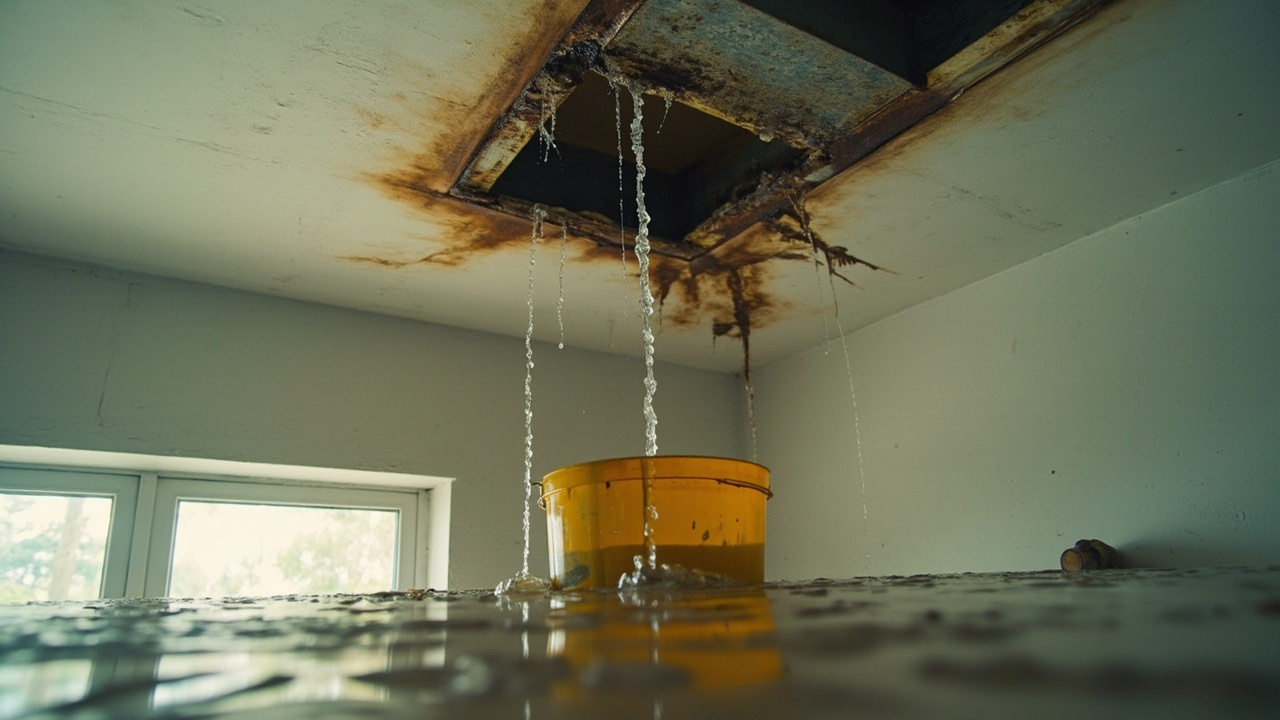
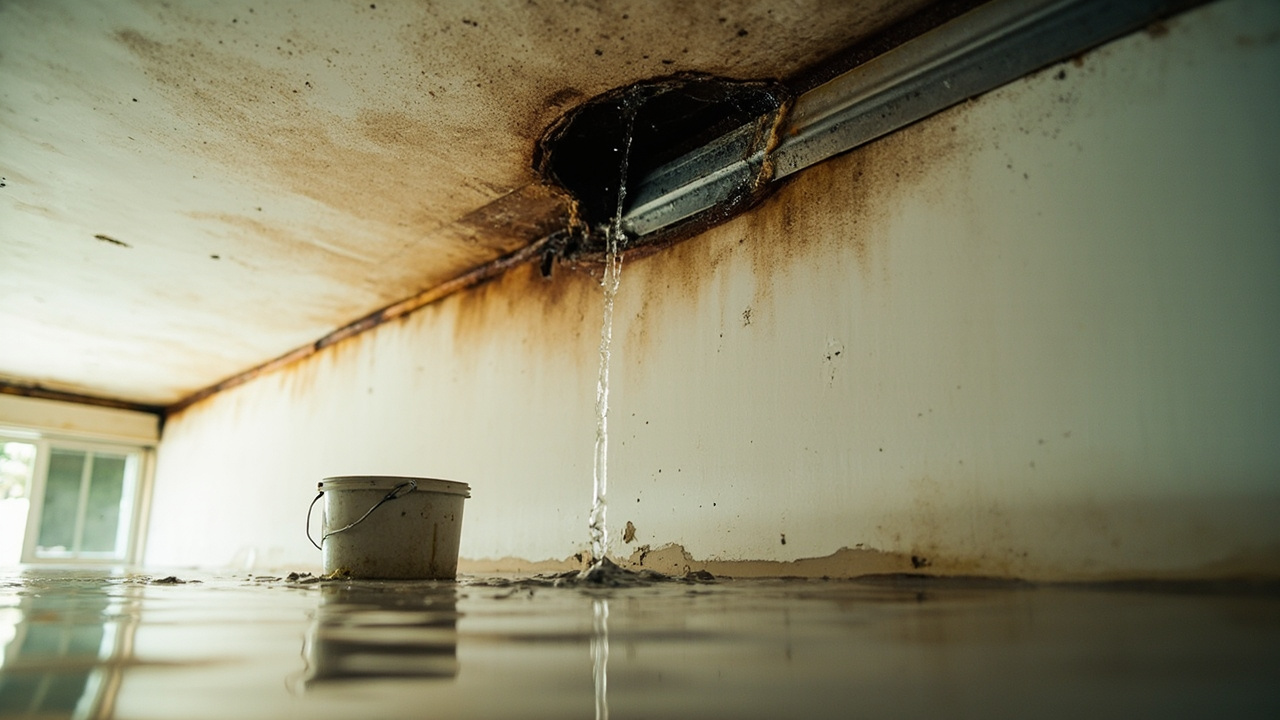
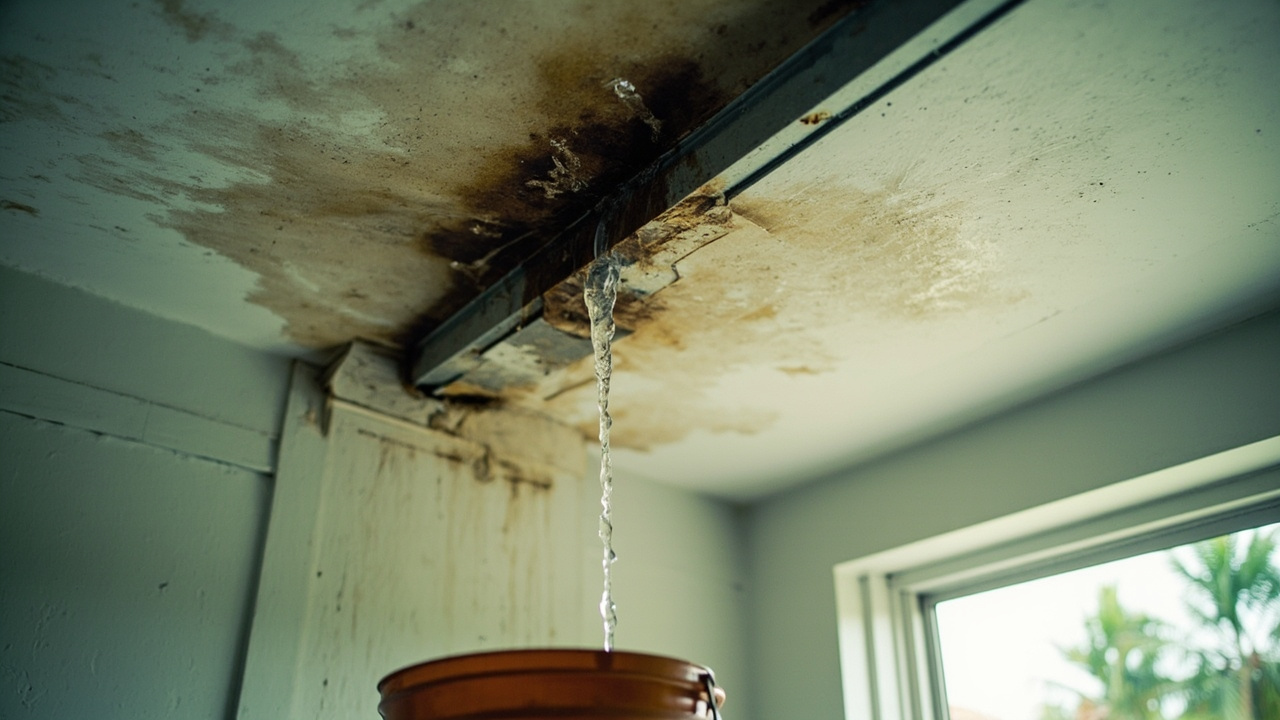
Miami's proximity to the Atlantic Ocean means every roof battles constant salt spray and humidity. Salt accelerates corrosion on metal flashing, particularly galvanized steel that was not designed for coastal applications. Hurricane-force winds create uplift pressures that pull flashing away from the roof deck. Wind-driven rain forces water under flashing edges that would stay dry in normal conditions. Thermal cycling between 90-degree days and 70-degree nights causes expansion and contraction that loosens fasteners and cracks sealants. These factors combine to reduce flashing lifespan by 30 to 40 percent compared to inland locations.
Miami-Dade County enforces some of the strictest building codes in the nation due to hurricane risk. Any flashing repair on a permitted roof requires proper installation methods and approved materials. Ironwood Roofing Miami stays current with Florida Building Code requirements and product approvals for High Velocity Hurricane Zones. We use installation techniques that pass inspection and protect your home during the next major storm. Our technicians understand local architectural styles, from historic Coral Gables homes to modern Brickell high-rises, and adapt repair methods to each structure.