

Palmetto Bay sits two miles from Biscayne Bay, putting every roof in the salt air corrosion zone where metal fasteners oxidize three times faster than properties 10 miles inland. The village receives 62 inches of rain annually, with most falling during violent afternoon thunderstorms that test flashing integrity and valley sealing every single day from June through October. Properties near Old Cutler Road and along SW 136th Street face additional challenges from mature tree canopies that drop debris and retain moisture on roof surfaces.
Miami-Dade County requires the strictest wind rating standards in the continental United States. Your roof must withstand 175 mph sustained winds, which means every shingle, tile, or metal panel needs approved fastening patterns that most contractors skip to save time. Homes in the Palmetto Bay neighborhoods of The Hammocks and Cutler Cay face direct eastern exposure to hurricane wind fields coming off the Atlantic. Properties near Deering Bay see salt spray carried inland during tropical systems, accelerating underlayment breakdown and causing granule loss on asphalt shingles years before expected failure.
The limestone substrate under Palmetto Bay creates unique drainage challenges. Poor attic ventilation in South Florida's humidity turns roof decks into condensation traps, rotting sheathing from below while UV damage attacks from above.
We have installed and repaired over 2,400 roofing systems in Miami-Dade County since opening, with 40% of our projects in Palmetto Bay and the surrounding Cutler Bay corridor. Our crews understand how salt air destroys standard galvanized nails within 18 months and why cheap synthetic underlayment delaminates in direct sun exposure. We only install roofing materials that carry Miami-Dade County NOA (Notice of Acceptance) approvals, which eliminates 60% of products that big box stores sell to homeowners who don't know better.
Every roof inspection we perform includes thermal imaging to detect hidden water intrusion that visual checks miss. We find leaks in valley linings, around pipe boots, and under ridge caps that other contractors patch without fixing the root cause. Our estimators carry moisture meters and check attic ventilation before quoting any repair, because sealing a roof over trapped humidity just moves your problem from the surface to the deck.
We maintain a two-hour emergency response time for active leaks in Palmetto Bay. Our trucks carry tarping materials, emergency sealants, and temporary patching supplies because waiting three days for an estimate while water pours into your home is unacceptable. When Hurricane season arrives, we pre-stage materials and crews to handle the surge of wind damage repairs that overwhelm every other roofing company in South Florida.
Ironwood Roofing Miami holds a Florida certified roofing contractor license, not a general contractor license with roofing as a side service. We carry wind mitigation certification and work directly with insurance adjusters to document storm damage using their language and documentation requirements. This gets your claim approved faster and reduces out-of-pocket costs that homeowners face when using contractors who don't understand insurance procedures.

Every roofing system we install meets Florida Building Code High Velocity Hurricane Zone requirements with approved fastening patterns, enhanced underlayment, and wind-rated materials. We document installation with photos for insurance wind mitigation credits that reduce your annual premiums by up to 45%. Your roof gets engineered for survival, not just curb appeal.

We use infrared cameras to find water intrusion invisible to the naked eye. Trapped moisture shows as temperature variations that reveal failed flashing, saturated insulation, and compromised decking before structural damage spreads. This technology finds problems other contractors miss completely, saving you thousands in avoided repairs down the road.
Our estimators work directly with adjusters using Xactimate software and proper damage documentation protocols. We photograph wind damage, measure affected areas, and provide supplemental claims when initial estimates fall short. This gets your roof repaired with maximum insurance coverage instead of leaving you with surprise out-of-pocket costs after work begins.
We maintain inventory and crew schedules dedicated to Palmetto Bay properties, giving you two-hour emergency response for active leaks and same-week scheduling for inspections. Our trucks know every neighborhood from Deering Bay to The Hammocks, and we understand the specific roofing challenges each area faces from tree coverage, wind exposure, and architectural styles common to your street.
Ironwood Roofing Miami handles every roofing need from emergency leak repair to complete tear-offs and new construction installations. We work on asphalt shingle roofs, concrete and clay tile systems, standing seam metal roofing, and modified bitumen flat roofs common on Palmetto Bay commercial properties. Our service range covers immediate damage mitigation when storms hit, planned replacement when your roof reaches end of life, and preventive maintenance that extends system longevity in harsh coastal conditions.
South Florida roofing demands different expertise than standard residential work. We understand how to flash against stucco walls without creating water intrusion points, how to seal penetrations in high-wind zones, and which underlayment products survive UV exposure when tiles break and expose the deck. Every project gets matched to the right materials for your specific exposure, whether you face direct salt air near the bay or tree debris in heavily canopied neighborhoods. We separate our services into emergency response, complete replacement, and ongoing maintenance because each serves a different need in your roof's lifecycle.
When water pours through your ceiling during a thunderstorm or hurricane winds tear shingles off your roof, you need crews dispatched now, not next week. We provide two-hour emergency response in Palmetto Bay with trucks carrying tarps, sealants, and temporary patching materials. Our teams stop active water intrusion immediately, then assess full damage extent for permanent repairs. We handle wind-lifted tiles, blown-off ridge caps, punctured flashing, and compromised valley sealing that create interior damage if left exposed. Emergency service includes photo documentation for insurance claims and temporary weatherproofing that protects your home until permanent repairs begin.
When your roof reaches the end of its rated lifespan or suffers damage too extensive for repair, complete replacement with hurricane-rated materials protects your home for the next 25 to 50 years. We remove old roofing down to the deck, inspect and replace damaged sheathing, install high-performance underlayment, and apply new shingles or tiles using Miami-Dade County approved fastening patterns. Every replacement includes upgraded flashing, proper ventilation installation, and wind mitigation features that qualify for insurance discounts. We handle permit acquisition, final inspections, and cleanup, leaving you with a documented, code-compliant roofing system built to survive South Florida weather.
Annual roof maintenance catches small problems before they become expensive failures. Our inspection service includes debris removal from valleys and gutters, sealant replacement around penetrations, loose shingle reattachment, and thermal imaging to detect hidden leaks. We check flashing integrity, test attic ventilation, and verify that fasteners remain secure in high-wind zones. Maintenance visits include photo documentation showing roof condition over time, which proves valuable for insurance claims and helps you budget for eventual replacement. Regular service extends roof lifespan by five to seven years in coastal environments where salt air and UV exposure accelerate deterioration.
Palmetto Bay's location between Biscayne Bay and the Everglades creates a perfect storm of roofing challenges that inland properties never face. Salt-laden air corrodes metal components at triple the normal rate, while extreme UV exposure breaks down shingle granules and oxidizes sealants in half the time manufacturers predict. Add violent thunderstorms with microbursts, hurricane threats every season, and suffocating humidity that grows algae on roof surfaces, and you understand why South Florida roofs fail faster than anywhere else in the country.
Properties in tree-covered neighborhoods face additional problems from constant debris accumulation, moisture retention, and shade that prevents proper drying after rain events. Homes built before 2002 often lack adequate hurricane protection, leaving them vulnerable to wind damage during even moderate tropical storms. We see the same recurring problems across Palmetto Bay every season, and each one compounds if ignored for more than a few months.
Standard galvanized nails oxidize within 18 months in Palmetto Bay's coastal environment, losing holding power and allowing shingles to lift during windstorms. Corroded fasteners break during removal attempts, making repairs more extensive than expected. We find this on 70% of roofs installed by contractors who use inland-rated materials near the coast. Stainless steel fasteners cost more upfront but survive decades without deterioration.
South Florida receives more direct UV exposure than any region outside the tropics, breaking down asphalt shingle granules that protect the underlying mat. Once granules wash away, shingles crack and curl within months. We see roofs lose half their granule coating in seven years when manufacturers rate them for 20-year lifespans. Premium algae-resistant shingles with enhanced granule adhesion survive longer but cost 30% more than builder-grade products.
Thermal expansion and contraction breaks sealant bonds around chimneys, vent pipes, and wall intersections, creating water entry points that cause interior damage before you notice exterior problems. Failed flashing accounts for 40% of leak calls we receive in Palmetto Bay. Cheap tar-based sealants harden and crack in direct sun within two years. We use elastomeric sealants rated for extreme temperature cycling and UV resistance.
Homes built before Florida's 2002 building code revision lack proper hurricane fastening, leaving roofs vulnerable to uplift during tropical storms. We find hand-nailed shingles with four fasteners instead of the required six, missing starter strips, and inadequate edge sealing on hundreds of Palmetto Bay properties. Upgrading wind protection during routine replacement qualifies you for substantial insurance discounts that offset installation costs within three years.
Roofing work disrupts your home and exposes it to weather during installation, making contractor reliability and communication critical to a successful project. We run every job with the same process from initial contact through final cleanup, so you know exactly what happens at each stage. Our estimators arrive on time for scheduled inspections, project managers keep you updated during work, and crews clean job sites daily instead of leaving debris scattered across your property.
You receive written estimates that break down material costs, labor charges, and timeline expectations with no hidden fees that appear later. We explain which underlayment products we recommend and why, which fastening patterns meet code requirements, and what wind mitigation credits your installation qualifies for. Our goal is to make roofing decisions less confusing by translating technical requirements into plain explanations about how choices affect performance, cost, and long-term durability.
Every project starts with a comprehensive roof inspection using thermal imaging to detect hidden water damage. We measure affected areas, photograph damage from multiple angles, and check attic ventilation and decking condition. You receive a written estimate within 48 hours that itemizes materials, labor, permit costs, and timeline. We explain what needs immediate attention versus what can wait, giving you options instead of pressure. Our estimates include material specifications by manufacturer and model number, so you can verify we're quoting premium products, not generic substitutes.
Work begins on the scheduled date with crews arriving between 7:30 and 8:00 AM. We tarp landscaping, protect air conditioning units, and set up debris containment before tear-off starts. Project managers text you progress updates and photos throughout each day, and you can call our direct line anytime with questions. We complete most residential replacements in two to three days depending on roof complexity and weather. Your property gets cleaned daily, with magnetic sweeps to collect stray fasteners that puncture tires and injure pets.
After installation completes, we schedule Miami-Dade County final inspection and provide you with stamped permits showing code compliance. You receive a photo packet documenting your new roof from every angle, plus detailed specifications needed for wind mitigation inspection. We explain how to file for insurance discounts and provide contractor certification forms that inspectors require. Our warranty covers workmanship for five years, and we register manufacturer material warranties directly so you're protected if defects emerge years later.
We streamline roofing projects into three clear phases that eliminate confusion and keep work moving efficiently from first contact through final cleanup.
Call us at (645) 231-4888 to schedule your free roof inspection. We arrive within 24 hours for routine assessments or within two hours for emergency leaks. Our estimator uses thermal imaging to detect hidden water intrusion, measures all roof planes, and photographs damage from multiple angles. You receive a detailed written estimate within 48 hours that breaks down material costs, labor charges, timeline, and permit fees. We explain which repairs or replacements are critical versus optional, giving you control over project scope and budget.
Once you approve the estimate, we pull permits and schedule work to begin within one week for most projects. Crews arrive on the scheduled morning, tarp your property, and begin tear-off if replacement is needed. We install hurricane-rated underlayment, apply shingles or tiles using Miami-Dade approved fastening patterns, and seal all penetrations with elastomeric compounds. Your project manager texts daily updates and photos showing work progress. Most residential roofs get completed in two to three days with daily cleanup.
After installation completes, we schedule county final inspection and address any punch list items. You receive stamped permits, photo documentation of your completed roof, and warranty paperwork covering both workmanship and materials. We provide the detailed specifications needed for wind mitigation inspection, which qualifies you for insurance premium reductions. Our team remains available for questions and conducts courtesy follow-up inspections after the first major rain event to verify performance.
Miami-Dade County enforces the most stringent roofing standards in the United States because Hurricane Andrew's devastation in 1992 proved that standard construction methods fail catastrophically in high-wind events. The Florida Building Code High Velocity Hurricane Zone designation requires every roofing material, fastener, and installation method to pass rigorous testing before approval for use. Products must earn a Notice of Acceptance from the Miami-Dade Building Code Compliance Office, which tests materials to withstand 175 mph sustained winds and impact from wind-borne debris.
The code mandates specific fastening patterns based on roof slope, building height, and distance from the coast. A typical installation in Palmetto Bay requires six fasteners per shingle instead of the four used in inland states, with closer spacing along roof edges where uplift forces concentrate. Underlayment must meet ASTM D226 Type II standards at minimum, though most professionals install self-adhering modified bitumen products that seal around fastener penetrations. Valley linings require metal flashing or woven shingles, never the cut valley method that inland contractors use because water channeling during tropical downpours overwhelms inferior installations.
Tile roofs carry additional requirements. Each tile must attach with two fasteners instead of relying on weight and mortar, and foam closure strips must seal gaps at ridges and hips to prevent water intrusion and wind uplift. Standing seam metal roofing needs concealed clip attachment with specific clip spacing that varies based on panel width and roof slope. Flat or low-slope roofs require fully adhered modified bitumen or TPO membrane, as mechanically attached systems fail wind uplift testing in HVHZ applications.
Permit requirements force contractor accountability that protects homeowners from substandard work. Every roofing project in Palmetto Bay requires a building permit before work begins, and final inspection verifies code compliance before permit closure. Contractors must hold an active Florida certified roofing license, not a general contractor license, to pull roofing permits. This licensing distinction matters because roofing certification requires passing specialized exams covering waterproofing, structural loading, and wind mitigation that general contractors never take. Working with unlicensed contractors or skipping permits to save money voids your insurance coverage if hurricane damage occurs, and you face fines when selling your home if unpermitted work gets discovered during title searches.
Every roofing product used in Miami-Dade County must carry an active NOA number proving it passed structural testing for high-velocity hurricane zones. Shingles, underlayment, fasteners, adhesives, and even ventilation products need individual NOA approvals. We verify NOA status on every material before installation because using non-approved products voids permits and insurance coverage. Generic substitutes that look identical often lack proper testing certification.
Proper installation using approved methods qualifies your home for significant insurance premium reductions through wind mitigation inspection. Enhanced roof deck attachment, secondary water resistance, and opening protection can reduce annual premiums by 35% to 45%, saving thousands over your roof's lifespan. These discounts require documentation that only permitted installations provide, making code-compliant work financially advantageous beyond just storm protection.
Asphalt shingle roofs survive 12 to 18 years in Palmetto Bay's coastal environment despite 25-year manufacturer ratings, because UV exposure and salt air accelerate deterioration. Concrete tiles last 30 to 40 years but underlayment beneath them requires replacement after 20 years. Standing seam metal roofing survives 40-plus years with proper maintenance. Understanding realistic lifespans helps you budget for eventual replacement and recognize when contractors promise unrealistic durability claims.
Roofing permits in Palmetto Bay require engineered drawings for some applications, contractor license verification, and product specifications showing NOA approval. Processing takes three to five business days, and final inspection must occur within seven days of work completion. We handle all permit acquisition and scheduling, but you should understand that legitimate contractors build permit costs and timelines into project schedules. Contractors offering to skip permits are exposing you to code violations and insurance coverage loss.
Educational video explaining common roofing problems specific to Palmetto Bay, Florida homes. Covers salt air corrosion, UV damage, hurricane code requirements, and Miami-Dade County building standards. Demonstrates thermal leak detection technology and proper installation methods for coastal environments. Discusses wind mitigation credits, insurance claim processes, and realistic material lifespans in South Florida's harsh climate. Provides actionable guidance for homeowners evaluating roofing contractors and planning repair or replacement projects.
Ironwood Roofing Miami maintains dedicated service coverage throughout Palmetto Bay and the surrounding South Miami-Dade corridor, with crews familiar with every neighborhood from Coral Reef Drive south to SW 184th Street. We work extensively in the Palmetto Bay Village Center area along US Highway 1, where commercial properties face unique flat roof challenges, and throughout the residential neighborhoods west toward Old Cutler Road, where mature tree canopies create constant debris management needs.
Properties in the exclusive Deering Bay estates near the waterfront face the most aggressive salt air exposure in the village, requiring stainless steel fasteners and premium underlayment that inland contractors often don't stock. We've replaced dozens of tile roofs in this area, where Mediterranean and contemporary architecture demands expertise in hip and valley construction that prevents the leaks common to complex roof geometries. Moving west into The Hammocks and Palmetto Estates neighborhoods between SW 136th Street and SW 152nd Street, homes feature a mix of architectural styles from 1970s ranch homes with aging asphalt shingles to newer construction with concrete tile systems that need periodic tile replacement when wind damage occurs.
The Cutler Cay neighborhood along Old Cutler Road presents specific challenges from overhanging oaks and gumbo limbo trees that drop leaves year-round, clogging valleys and retaining moisture on roof surfaces. We recommend more frequent maintenance visits for properties in heavily canopied areas because debris accumulation leads to algae growth and accelerated shingle deterioration. Further south approaching Cutler Bay, neighborhoods near Caribbean Boulevard and along the canal systems face different wind exposure patterns during hurricanes, with open eastern approaches that take direct hits from tropical systems moving west off the Atlantic.
Our service area extends north into Pinecrest and south through Cutler Bay to the Saga Bay and Lakes by the Bay communities, covering the entire South Miami-Dade region where roofing needs vary based on proximity to water, tree coverage, and architectural era. We understand how 1980s construction differs from modern hurricane-code builds, and we know which streets flooded during Hurricane Irma, creating hidden water damage that only thermal imaging reveals. This local knowledge prevents the surprises that contractors from Fort Lauderdale or Naples encounter when they bid Palmetto Bay projects without understanding coastal exposure intensity or county inspection standards.
Palmetto Bay roofing faces unique challenges from South Florida's climate. Your roof must withstand intense UV exposure, heavy rainfall, high humidity, and hurricane-force winds. The area requires impact-resistant materials rated for Miami-Dade County building codes. Asphalt shingles, metal roofing, and tile are popular choices. Most residential roofs last 15-25 years depending on material quality and maintenance. Schedule annual inspections to catch small issues before they become expensive repairs. Local contractors understand regional weather patterns and code requirements specific to Palmetto Bay. Proper ventilation and underlayment are essential for preventing moisture damage in this subtropical environment.
Palmetto Bay requires roofs meet strict Miami-Dade County building codes due to hurricane risk. You need a building permit for roof replacement and major repairs. Your contractor must pull permits before work begins. Inspections occur at multiple stages to verify proper installation. All roofing materials must have Miami-Dade Product Control approval numbers. Impact-resistant shingles rated for high-velocity hurricane zones are often required. Your roof must withstand winds up to 175 mph in some areas. Working with a local contractor familiar with these regulations prevents costly delays and ensures your roof meets all safety standards.
South Florida's weather severely impacts roof lifespan in Palmetto Bay. Constant sun exposure breaks down roofing materials faster than in northern climates. Afternoon thunderstorms bring heavy rain and potential water intrusion. High humidity promotes algae growth and moisture damage. Hurricane season from June through November threatens your roof with wind damage and flying debris. Salt air from nearby Biscayne Bay accelerates corrosion on metal components. You need regular maintenance to combat these conditions. Clean gutters, remove debris, and address minor damage immediately. Choose materials designed for tropical climates to maximize your roof's performance.
Palmetto Bay roofing faces unique challenges from South Florida's climate. Your roof must withstand intense UV exposure, heavy rainfall, high humidity, and hurricane-force winds. The area requires impact-resistant materials rated for Miami-Dade County building codes. Asphalt shingles, metal roofing, and tile are popular choices. Most residential roofs last 15-25 years depending on material quality and maintenance. Schedule annual inspections to catch small issues before they become expensive repairs. Local contractors understand regional weather patterns and code requirements specific to Palmetto Bay. Proper ventilation and underlayment are essential for preventing moisture damage in this subtropical environment.
Palmetto Bay requires roofs meet strict Miami-Dade County building codes due to hurricane risk. You need a building permit for roof replacement and major repairs. Your contractor must pull permits before work begins. Inspections occur at multiple stages to verify proper installation. All roofing materials must have Miami-Dade Product Control approval numbers. Impact-resistant shingles rated for high-velocity hurricane zones are often required. Your roof must withstand winds up to 175 mph in some areas. Working with a local contractor familiar with these regulations prevents costly delays and ensures your roof meets all safety standards.
South Florida's weather severely impacts roof lifespan in Palmetto Bay. Constant sun exposure breaks down roofing materials faster than in northern climates. Afternoon thunderstorms bring heavy rain and potential water intrusion. High humidity promotes algae growth and moisture damage. Hurricane season from June through November threatens your roof with wind damage and flying debris. Salt air from nearby Biscayne Bay accelerates corrosion on metal components. You need regular maintenance to combat these conditions. Clean gutters, remove debris, and address minor damage immediately. Choose materials designed for tropical climates to maximize your roof's performance.
Metal roofing performs exceptionally well in Palmetto Bay's climate. Standing seam metal roofs resist hurricane winds better than most alternatives. They reflect heat, reducing cooling costs in South Florida's hot climate. Metal roofs last 40-70 years with minimal maintenance. They resist algae growth, fire, and impact damage from falling branches. Metal roofing comes in various colors and styles to match your home's aesthetic. The material is lightweight, putting less stress on your home's structure. Installation requires specialized skills, so hire experienced metal roofing contractors. While the initial investment is higher, long-term durability makes metal roofing economical.
Schedule roof inspections twice yearly in Palmetto Bay. Spring inspections prepare your roof for hurricane season. Fall inspections assess any storm damage before winter. Also inspect after major weather events like hurricanes or severe thunderstorms. Look for missing or damaged shingles, cracked flashing, and clogged gutters. Check your attic for water stains, mold, or daylight coming through the roof deck. Professional inspections identify problems you might miss. Contractors use specialized equipment to detect hidden damage. Early detection prevents small issues from becoming major structural problems. Keep inspection reports for insurance claims and home sale documentation.
Asphalt shingles, concrete tile, and metal roofing are most common in Palmetto Bay. Asphalt shingles offer affordability and easy installation. Choose architectural shingles rated for high winds and impact resistance. Concrete tile provides excellent durability and hurricane resistance. Tile roofs last 50 years or more in South Florida. Metal roofing delivers superior wind resistance and energy efficiency. Clay tile offers traditional aesthetic appeal but costs more than concrete. Each material has different maintenance requirements and lifespan expectations. Your choice depends on budget, home style, and performance priorities. Local contractors will recommend materials proven in Palmetto Bay's climate.
Complete roof replacement in Palmetto Bay takes 3-7 days for most homes. Timeframe depends on roof size, material choice, and weather conditions. Metal and tile installations take longer than asphalt shingles. Unexpected damage to roof decking extends the timeline. Permit processing adds several days before work begins. Rain delays are common during summer months. Your contractor should provide a detailed schedule before starting. Plan for noise and limited access to certain areas during installation. Remove vehicles from the driveway to give crews workspace. Most homeowners stay in their homes during roof replacement without major disruption.
Palmetto Bay roofs commonly experience wind damage from tropical storms and hurricanes. Missing or lifted shingles expose underlayment to water intrusion. Algae growth creates dark streaks on asphalt shingles due to high humidity. Cracked or damaged flashing around chimneys and vents allows leaks. Ponding water from clogged gutters causes rot and deterioration. UV damage degrades roofing materials faster in intense Florida sun. Impact damage from falling palm fronds and branches occurs regularly. Improper ventilation leads to premature aging and moisture problems. Address these issues promptly to prevent structural damage and expensive repairs.
Look for local contractors with proven experience in Palmetto Bay. Verify they hold proper state and local credentials for roofing work. Check online reviews and ask for recent customer references. Request proof of Miami-Dade Product Control approval for all materials. Get detailed written estimates from at least three contractors. Ensure they pull permits and arrange required inspections. Ask about their hurricane damage experience and emergency services. Verify they employ trained crews rather than subcontracting all work. Check how long they have operated in South Florida. A quality contractor explains the process clearly and answers your questions thoroughly.
Clean gutters and downspouts quarterly to prevent water backup. Trim overhanging tree branches to reduce debris and impact damage. Remove leaves, branches, and other debris from your roof surface monthly. Inspect and clean roof valleys where water accumulates. Check flashing around penetrations for cracks or gaps. Schedule professional inspections twice yearly. Address minor repairs immediately before they worsen. Apply zinc or copper strips to prevent algae growth on asphalt shingles. Ensure attic ventilation systems work properly to reduce heat and moisture. Keep documentation of all maintenance and repairs for insurance purposes and home value.
Metal roofing performs exceptionally well in Palmetto Bay's climate. Standing seam metal roofs resist hurricane winds better than most alternatives. They reflect heat, reducing cooling costs in South Florida's hot climate. Metal roofs last 40-70 years with minimal maintenance. They resist algae growth, fire, and impact damage from falling branches. Metal roofing comes in various colors and styles to match your home's aesthetic. The material is lightweight, putting less stress on your home's structure. Installation requires specialized skills, so hire experienced metal roofing contractors. While the initial investment is higher, long-term durability makes metal roofing economical.
Schedule roof inspections twice yearly in Palmetto Bay. Spring inspections prepare your roof for hurricane season. Fall inspections assess any storm damage before winter. Also inspect after major weather events like hurricanes or severe thunderstorms. Look for missing or damaged shingles, cracked flashing, and clogged gutters. Check your attic for water stains, mold, or daylight coming through the roof deck. Professional inspections identify problems you might miss. Contractors use specialized equipment to detect hidden damage. Early detection prevents small issues from becoming major structural problems. Keep inspection reports for insurance claims and home sale documentation.
Asphalt shingles, concrete tile, and metal roofing are most common in Palmetto Bay. Asphalt shingles offer affordability and easy installation. Choose architectural shingles rated for high winds and impact resistance. Concrete tile provides excellent durability and hurricane resistance. Tile roofs last 50 years or more in South Florida. Metal roofing delivers superior wind resistance and energy efficiency. Clay tile offers traditional aesthetic appeal but costs more than concrete. Each material has different maintenance requirements and lifespan expectations. Your choice depends on budget, home style, and performance priorities. Local contractors will recommend materials proven in Palmetto Bay's climate.
Complete roof replacement in Palmetto Bay takes 3-7 days for most homes. Timeframe depends on roof size, material choice, and weather conditions. Metal and tile installations take longer than asphalt shingles. Unexpected damage to roof decking extends the timeline. Permit processing adds several days before work begins. Rain delays are common during summer months. Your contractor should provide a detailed schedule before starting. Plan for noise and limited access to certain areas during installation. Remove vehicles from the driveway to give crews workspace. Most homeowners stay in their homes during roof replacement without major disruption.
Palmetto Bay roofs commonly experience wind damage from tropical storms and hurricanes. Missing or lifted shingles expose underlayment to water intrusion. Algae growth creates dark streaks on asphalt shingles due to high humidity. Cracked or damaged flashing around chimneys and vents allows leaks. Ponding water from clogged gutters causes rot and deterioration. UV damage degrades roofing materials faster in intense Florida sun. Impact damage from falling palm fronds and branches occurs regularly. Improper ventilation leads to premature aging and moisture problems. Address these issues promptly to prevent structural damage and expensive repairs.
Look for local contractors with proven experience in Palmetto Bay. Verify they hold proper state and local credentials for roofing work. Check online reviews and ask for recent customer references. Request proof of Miami-Dade Product Control approval for all materials. Get detailed written estimates from at least three contractors. Ensure they pull permits and arrange required inspections. Ask about their hurricane damage experience and emergency services. Verify they employ trained crews rather than subcontracting all work. Check how long they have operated in South Florida. A quality contractor explains the process clearly and answers your questions thoroughly.
Clean gutters and downspouts quarterly to prevent water backup. Trim overhanging tree branches to reduce debris and impact damage. Remove leaves, branches, and other debris from your roof surface monthly. Inspect and clean roof valleys where water accumulates. Check flashing around penetrations for cracks or gaps. Schedule professional inspections twice yearly. Address minor repairs immediately before they worsen. Apply zinc or copper strips to prevent algae growth on asphalt shingles. Ensure attic ventilation systems work properly to reduce heat and moisture. Keep documentation of all maintenance and repairs for insurance purposes and home value.
Ironwood Roofing Miami is proud to service the entire Miami-Dade County area, including South Beach, Coral Gables, Doral, and beyond. We are a local company deeply familiar with the region, allowing us to respond quickly to your emergency needs and schedule non-urgent services with efficient turnaround. View our location on the map to see where our trusted professionals operate and invite us to your neighborhood for the area's most reliable roofing expertise.
Address:
Palmetto Bay, FL, 33157
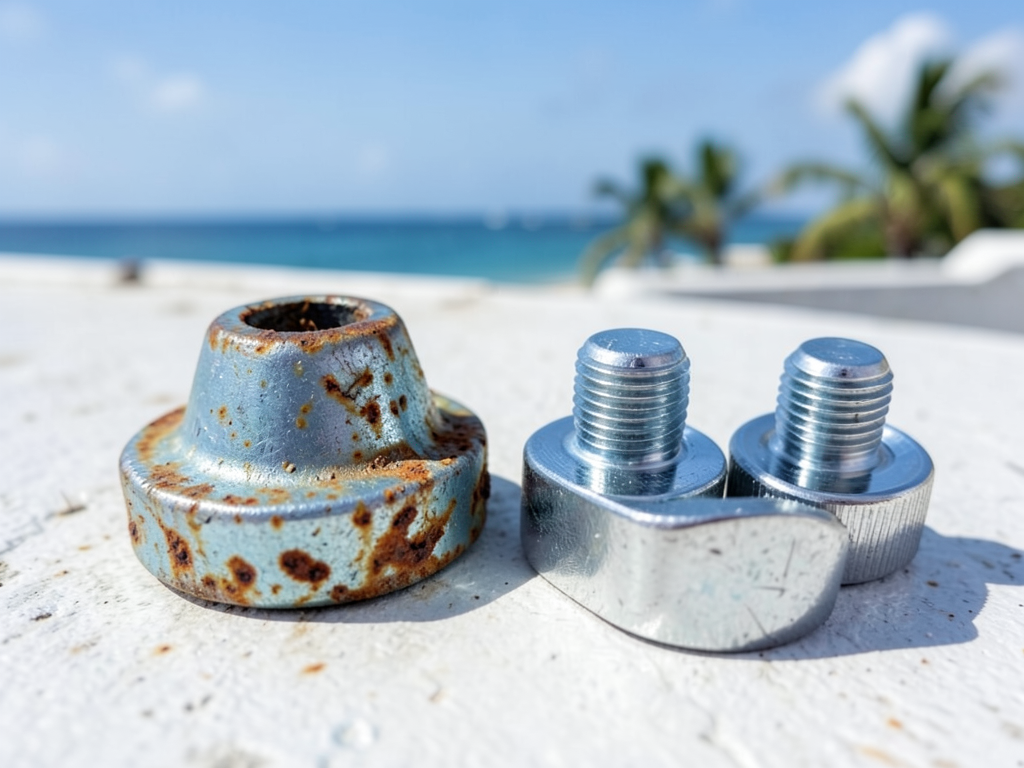
Living in Gables by the Sea means your roof faces relentless salt spray from Biscayne Bay every single day. Standard galvanized fasteners start corroding within three years and fail completely by year five. That's when…
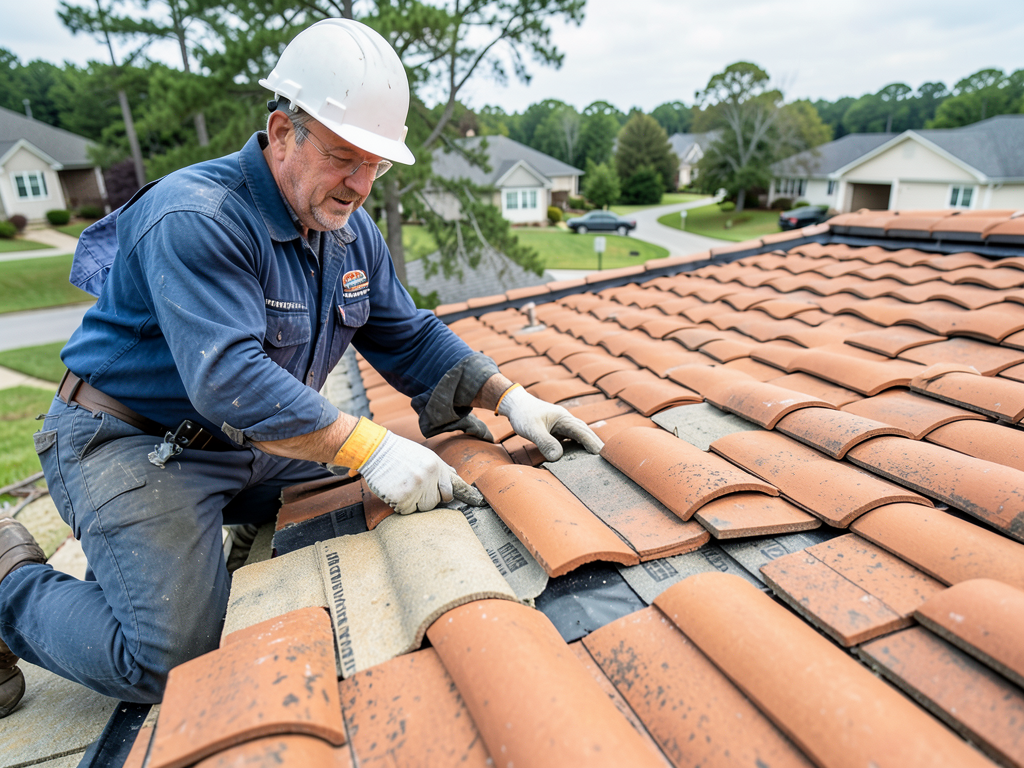
The Real Cost Difference Between Concrete and Clay Tiles for Hammock Lakes Homes Choosing between…
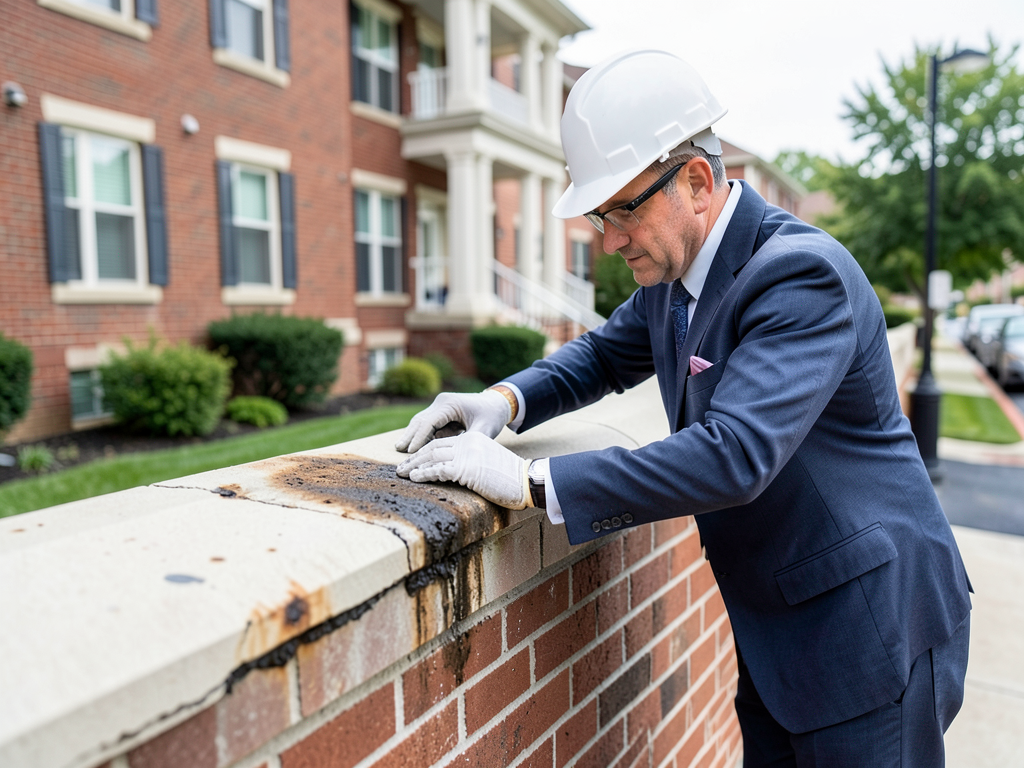
Managing Parapet Wall Leaks and Cap Flashing Issues for Brickell Townhomes Parapet walls create a…
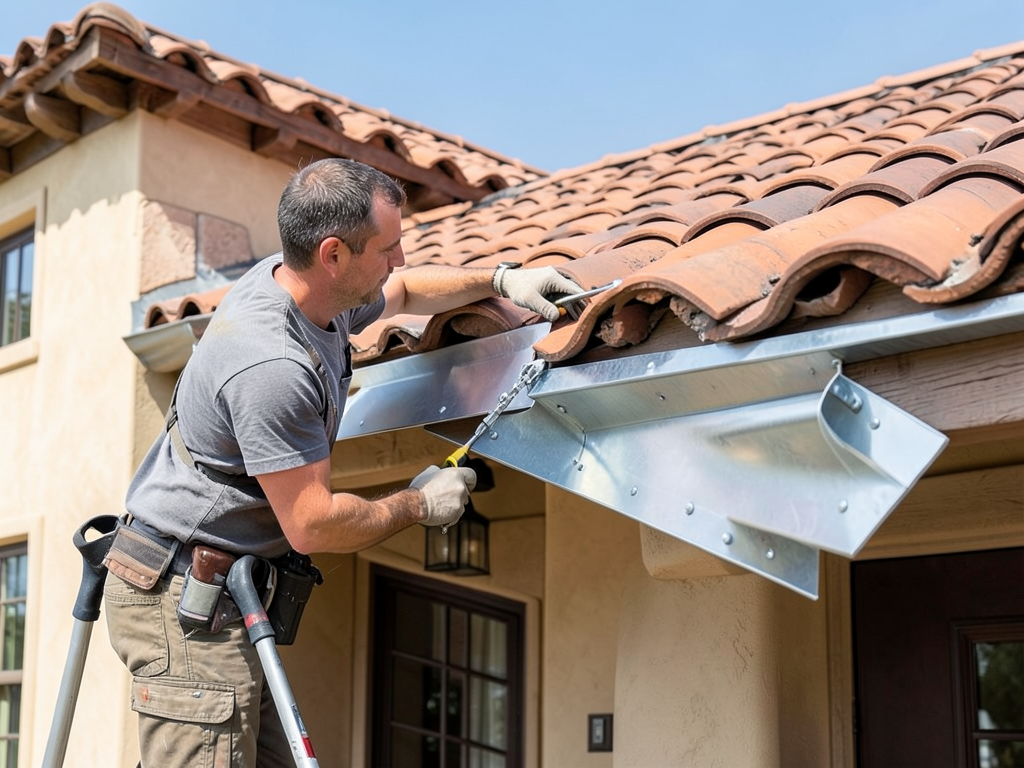
Why Your Ponce Davis Home Needs Heavy Duty Drip Edges to Prevent Wood Rot The…
Call Ironwood Roofing Miami at (645) 231-4888 right now for same-week inspection scheduling or emergency leak response within two hours. We provide free thermal imaging, detailed estimates, and honest assessments about what your roof needs today versus what can wait. Stop wondering if that stain means hidden damage and get answers from licensed professionals who understand South Florida roofing.