menu

Rotting Fascia Boards in Miami – Expert Diagnosis and Permanent Repair

We identify hidden water damage behind rotting fascia boards and repair the underlying moisture intrusion that caused the decay in the first place.

Slider Image 1
Slider Image 2
Slider Image 3
Slider Image 4
Slider Image 5
Slider Image 7
Slider Image 8
Slider Image 9
Slider Image 10
Slider Image 11

Why Fascia Boards Rot Faster in Miami

You notice soft, discolored wood along your roofline. The trim board beneath your gutters feels spongy when you press on it. Paint bubbles and peels in sheets. You have fascia board rot.

Miami's year-round humidity and daily afternoon thunderstorms create ideal conditions for wood rot on fascia. Most homes in Coral Gables, Coconut Grove, and South Miami were built with pine or cedar fascia boards that absorb moisture like a sponge. When gutters clog or drip lines separate, water streams down the fascia instead of away from the house. The wood stays wet for days. Fungal decay starts within 72 hours.

Hurricane season accelerates the problem. Wind-driven rain penetrates the gap between your shingles and fascia, soaking the wood from behind. You cannot see it happening. By the time you notice decaying fascia wood from the ground, the rot has often spread to the rafter tails and roof sheathing.

The danger is not cosmetic. Rotted roof trim loses its structural grip. Gutter brackets pull loose. The soffit sags. In severe cases, the fascia detaches completely during a tropical storm, leaving your roof edge exposed to water intrusion.

Water damaged fascia also invites carpenter ants and termites. These insects tunnel through softened wood faster than through healthy lumber. Once they establish colonies in your fascia, they migrate to the structural framing inside your walls.

Most contractors only replace the visible rot. They do not fix the drainage issue that caused it. The new fascia board rots again within two years. You waste money on a temporary patch instead of a permanent repair.

Why Fascia Boards Rot Faster in Miami
How We Repair Rotted Fascia the Right Way

How We Repair Rotted Fascia the Right Way

We treat fascia board rot as a roofing system failure, not a carpentry project. The rot is a symptom. The real problem is water management.

Our technicians start by removing the rotted section and inspecting the rafter tails. We check for concealed decay using a moisture meter and a probe. If the rafter tail shows softness or discoloration, we sister a pressure-treated 2x6 alongside it and through-bolt the connection. This restores structural support before we install new fascia.

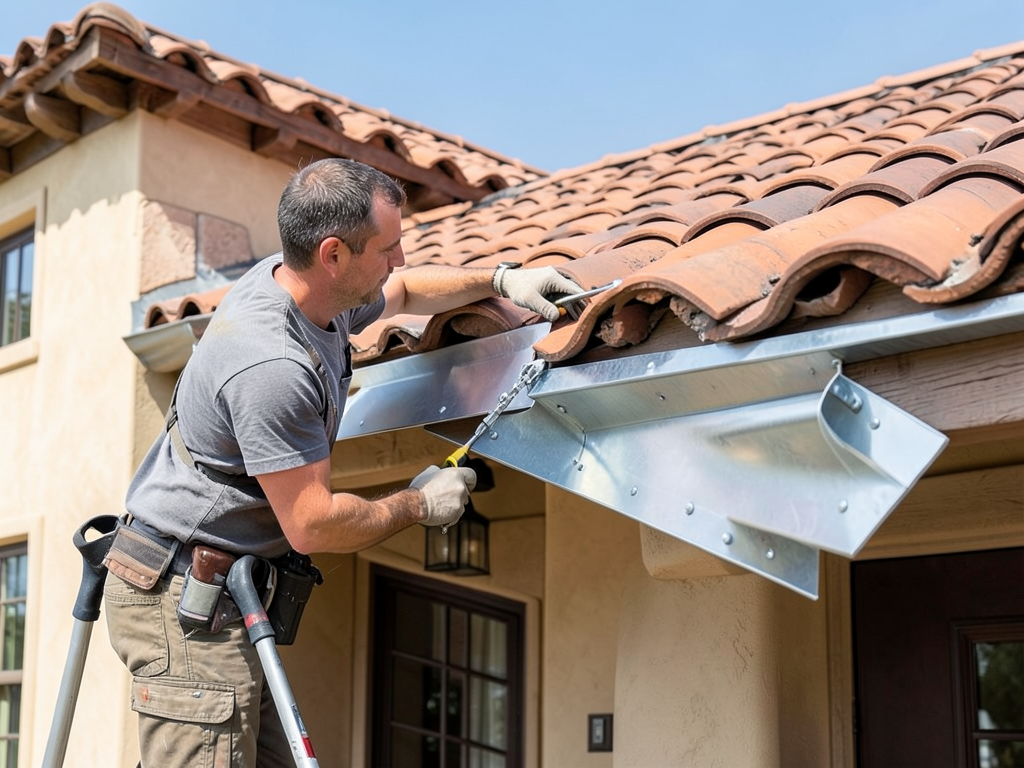
We then trace the water source. In most cases, the drip edge is missing, improperly installed, or corroded. We install continuous aluminum drip edge with a 1-inch overhang to direct water into the gutter instead of behind the fascia. If the gutter slope is incorrect or the downspouts are undersized for Miami's rain intensity, we correct those issues before closing up the fascia.

For fascia replacement, we use pressure-treated or composite lumber rated for ground contact exposure. Standard pine fascia has no defense against Miami humidity. Composite fascia boards made from PVC or fiber-cement will not rot, warp, or attract insects. They cost more upfront but eliminate the replacement cycle.

We prime all six sides of wood fascia before installation. This seals the end grain and prevents moisture wicking. Most roofers only prime the face and edges. Water enters through the unprimed ends and causes failure within months.

After securing the new fascia to the rafter tails with corrosion-resistant screws, we seal the seam between the fascia and the drip edge with polyurethane caulk. This creates a secondary moisture barrier. We then reinstall the gutter with new hidden hangers that distribute weight evenly and prevent sagging.

What Happens During a Fascia Repair

Rotting Fascia Boards in Miami – Expert Diagnosis and Permanent Repair
01

Roof Edge Inspection

We remove your gutter and visually inspect the fascia, drip edge, and rafter tails from a ladder. Our technician uses a moisture meter to scan for hidden water damage that is not visible from the ground. We photograph the decay and map the extent of the rot before removing any material. You see exactly what failed and why.
02

Structural Assessment

After removing the rotted fascia wood, we probe the rafter tails and roof decking with an awl to check for concealed rot. If we find soft spots, we cut back to solid wood and reinforce the framing with pressure-treated sistered joists. This step is critical. Installing new fascia over rotted rafters leads to sagging and attachment failure within one storm season.
03

Permanent Fascia Replacement

We install composite or fully primed pressure-treated fascia boards, then add or replace the drip edge to redirect water away from the wood. We reseal all joints, reinstall the gutter with proper slope, and confirm water flows to the downspouts without overflowing or dripping. Your fascia is now protected from the moisture source that caused the original rot.

Why Miami Homeowners Choose Ironwood Roofing Miami for Fascia Repairs

Most roofers treat decaying fascia wood as a side project. They replace the board but ignore the drainage flaw that caused the rot. You pay for a repair that fails again in two years.

We approach fascia rot as a roofing system defect. Our crews are trained to identify the upstream cause, whether it is missing drip edge, undersized gutters, or wind-driven rain penetration at the roof edge. We fix the source of the moisture intrusion, not just the damaged board.

Miami's building codes require specific fastening schedules and wind uplift resistance for fascia boards in high-velocity hurricane zones. Most handymen and general contractors do not know these requirements. We follow the Florida Building Code for roof edge details and use corrosion-resistant fasteners rated for coastal exposure. Your fascia stays attached during tropical storms.

Our familiarity with Miami's architectural styles also matters. Homes in Coral Gables often feature decorative crown molding integrated into the fascia. Mediterranean Revival homes in South Miami have wide, overhanging eaves with complex fascia profiles. We match the existing trim design instead of installing generic flat boards that ruin your home's curb appeal.

We also understand the insurance claim process for wind and water damage. If your fascia rot resulted from a recent storm, we document the damage with photos and moisture readings that support your claim. We work directly with adjusters to ensure the scope includes proper repairs, not temporary patches.

Ironwood Roofing Miami has repaired fascia boards on hundreds of homes across Miami-Dade County. We know which materials hold up in this climate and which ones fail. You get a repair that lasts decades, not months.

What to Expect When You Call Us for Fascia Repair

Inspection Within 48 Hours

We schedule your fascia inspection within two business days of your call. Our technician arrives with a ladder, moisture meter, and camera to assess the extent of the rot. The inspection takes 30 to 45 minutes. We identify all damaged sections, photograph the decay, and explain the repair scope before you commit to anything. If you need an emergency tarp or temporary gutter support to prevent further damage, we handle that on the same visit.

Detailed Rot Assessment

We do not guess about hidden damage. After removing the rotted fascia, our crew inspects the rafter tails and roof decking with a probe and moisture meter. We measure the depth of decay and check for structural compromise. If the rot has spread to the framing, we show you the damage and explain the reinforcement required. You receive a written scope that breaks down materials, labor, and the drainage corrections needed to prevent recurrence.

Rot-Resistant Materials

We install fascia boards that resist Miami's humidity and rain. Composite fascia made from PVC or fiber-cement will not rot, warp, or attract insects. If you prefer wood, we use pressure-treated lumber rated for ground contact and prime all six sides before installation. We also replace or install continuous drip edge to keep water off the fascia. Your new boards stay dry and structurally sound for decades.

Follow-Up Gutter Check

Fascia rot often signals a gutter problem. After completing your fascia repair, we return 30 days later to check gutter performance during a rain event. We confirm water flows properly and the fascia stays dry. If we spot any dripping or overflow, we adjust the gutter slope or add downspouts at no charge. This follow-up visit ensures your repair holds up through Miami's wet season.

Frequently Asked Questions

You Have Questions,
We Have Answers

What causes fascia board to rot? +

Fascia boards rot when water gets trapped behind or inside the wood. In Miami, common causes include clogged gutters that overflow during heavy rain, damaged or missing drip edge flashing, and improperly sealed roof edges. The constant humidity and afternoon thunderstorms accelerate the breakdown of wood fibers. Wind-driven rain from tropical storms can force moisture into gaps between the fascia and soffit. Poor attic ventilation also creates condensation that wets the wood from behind. Once water penetrates, Miami's warm temperatures create perfect conditions for fungal growth and decay.

How to fix wood rot on fascia? +

Fixing wood rot on fascia starts with cutting out all damaged sections until you reach solid wood. You cannot patch over rot because it spreads underneath paint and fills. Use a pry bar to remove the rotted fascia, then check the rafter tails behind it for water damage. Replace the section with pressure-treated or PVC trim board that resists Miami's humidity. Install new drip edge flashing before attaching the fascia. Prime all cut edges, then caulk joints and paint within 48 hours. Fix the water source first or the new board will rot too.

Does homeowners insurance cover rotted fascia? +

Homeowners insurance typically does not cover rotted fascia because insurers classify it as maintenance neglect. Most policies exclude gradual deterioration from lack of upkeep. If a sudden covered event like hurricane damage caused the water intrusion that led to rot, you may have partial coverage. Document the timeline carefully. In Miami, wind-driven rain damage during a named storm sometimes qualifies, but you need proof the rot happened quickly after the event. Review your policy declarations page or call your adjuster. Maintenance-related rot remains your responsibility.

How much does it cost to replace a rotten fascia board? +

Replacement costs vary based on fascia length, height, and accessibility. Expect material differences between standard pine boards and rot-resistant alternatives like cellular PVC or composite. Miami homes with two-story rooflines or tile roofs require scaffolding, which increases labor costs. Corner homes or properties with complex rooflines take longer to complete. Additional costs come from replacing damaged soffit, drip edge, or gutter sections discovered during tearoff. The scope changes when rafter tails need sistering or structural repairs. Get three written estimates that include material specifications and warranty terms before committing.

What is the life expectancy of a fascia board? +

Fascia board life expectancy depends on material choice and maintenance. Standard pine fascia in Miami lasts 15 to 20 years with proper sealing and paint maintenance. The combination of intense UV exposure, salt air near the coast, and year-round humidity shortens wood lifespan compared to drier climates. PVC and composite fascia can last 25 to 50 years because they resist moisture penetration and fungal decay. Homes with functioning gutters, adequate roof overhangs, and annual inspections extend fascia life significantly. Neglected fascia fails in under 10 years when water sits against the wood.

Is dry rot covered by house insurance? +

House insurance does not cover dry rot because it results from long-term moisture exposure and lack of maintenance. Policies exclude damage that occurs gradually over time. Dry rot fungi need persistent dampness to establish, which signals a preventable maintenance failure. Insurers expect you to maintain gutters, fix leaks, and repaint exterior trim on schedule. If a covered peril like a pipe burst or storm damage created the wet conditions that led to dry rot, you might recover costs for that initial damage only. The dry rot itself remains excluded as consequential damage from neglect.

Does home insurance cover rotted wood? +

Home insurance does not cover rotted wood caused by maintenance neglect or gradual deterioration. Policies exclude damage from wear and tear, insect infestation, or lack of upkeep. You are responsible for routine maintenance like cleaning gutters, repainting trim, and fixing minor leaks before they cause rot. Coverage applies only when a sudden, accidental event causes the rot. For example, if a tree falls on your Miami home during a storm and the roof damage leads to immediate water intrusion and rot, that may qualify. Read your policy exclusions carefully or consult your agent.

How much does it cost to replace one fascia board? +

Replacing one fascia board costs less than whole-house replacement but requires matching existing materials and paint. Single-board repairs involve setup time, scaffolding for second-story access, and blending new wood into the old roofline. Miami contractors often recommend replacing full sections rather than piecing in short segments because mismatched expansion rates cause gaps. Labor costs remain similar whether replacing 8 feet or 16 feet of fascia due to mobilization and safety requirements. You may pay premium rates for small repairs compared to per-foot pricing on larger projects. Matching discontinued materials adds expense.

Does wood rot always mean termites? +

Wood rot does not always mean termites. Rot comes from fungal decay when moisture stays trapped in wood fibers. Termites eat wood for food and leave different damage patterns. You can tell the difference by probing the wood. Rotted wood feels spongy and breaks into chunks or stringy pieces. Termite damage shows hollow galleries and mud tubes on the surface. Miami has both subterranean termites and drywood termites, so inspect carefully. Sometimes you find both rot and termites in the same fascia board because both problems start with water intrusion and poor ventilation.

Is wood rot considered structural damage? +

Wood rot becomes structural damage when it compromises load-bearing members. Fascia boards are not structural because they do not support roof weight. They protect rafter tails and provide a gutter attachment surface. If rot extends into the rafter tails behind the fascia, you have a structural problem. Miami building inspectors flag exposed or damaged rafter ends as safety issues. Rot that spreads to roof sheathing, trusses, or wall framing requires immediate repair to prevent collapse. Surface rot on fascia alone is a maintenance issue. Always inspect behind rotted fascia to check structural members for damage.

How Miami's Rainfall Intensity Accelerates Fascia Board Rot

Miami receives over 60 inches of rain annually, with most of it falling during intense afternoon thunderstorms between May and October. These storms dump two to three inches of water in under an hour. Standard five-inch gutters cannot handle this volume. Water overflows the gutter and cascades down the fascia. The wood absorbs moisture faster than it can dry. Fascia board rot develops within weeks when gutters overflow repeatedly. Homes near Biscayne Bay also deal with salt spray, which corrodes metal drip edges and accelerates wood decay.

Miami-Dade County enforces strict wind uplift standards for roof edges due to hurricane exposure. Fascia boards must be fastened to rafter tails with corrosion-resistant screws at specific intervals. Rotted fascia cannot hold these fasteners. During a tropical storm, loose fascia boards peel away and expose your roof deck to wind-driven rain. Ironwood Roofing Miami knows the local code requirements and installs fascia that meets high-velocity hurricane zone standards. We use the correct fastening schedule and materials rated for coastal exposure.
Roofing Services in The Miami Area

Ironwood Roofing Miami is proud to service the entire Miami-Dade County area, including South Beach, Coral Gables, Doral, and beyond. We are a local company deeply familiar with the region, allowing us to respond quickly to your emergency needs and schedule non-urgent services with efficient turnaround. View our location on the map to see where our trusted professionals operate and invite us to your neighborhood for the area's most reliable roofing expertise.

Address:
Ironwood Roofing Miami, 2214 Biscayne Blvd, Miami, FL, 33131

Additional Services We Offer

Our news updates

Latest Articles & News from The Blogs

The Real Cost Difference Between Concrete and Clay Tiles for Hammock Lakes Homes Choosing between concrete and clay roof tiles…

The Real Cost Difference Between Concrete and Clay Tiles for Hammock Lakes Homes

The Real Cost Difference Between Concrete and Clay Tiles for Hammock Lakes Homes Choosing between concrete and clay roof tiles…

Managing Parapet Wall Leaks and Cap Flashing Issues for Brickell Townhomes

Managing Parapet Wall Leaks and Cap Flashing Issues for Brickell Townhomes Parapet walls create a critical vulnerability in Brickell townhome…

Why Your Ponce Davis Home Needs Heavy Duty Drip Edges to Prevent Wood Rot

Why Your Ponce Davis Home Needs Heavy Duty Drip Edges to Prevent Wood Rot The heavy afternoon thunderstorms that roll…

Contact Us

Rotted fascia boards will not heal themselves. The decay spreads to your rafter tails and roof sheathing. Call Ironwood Roofing Miami at (645) 231-4888 now for an inspection. We identify the moisture source and fix it permanently.