menu

Commercial Roof Coatings in Miami – Minimize Downtime and Extend Asset Lifespan with Industrial-Grade Systems

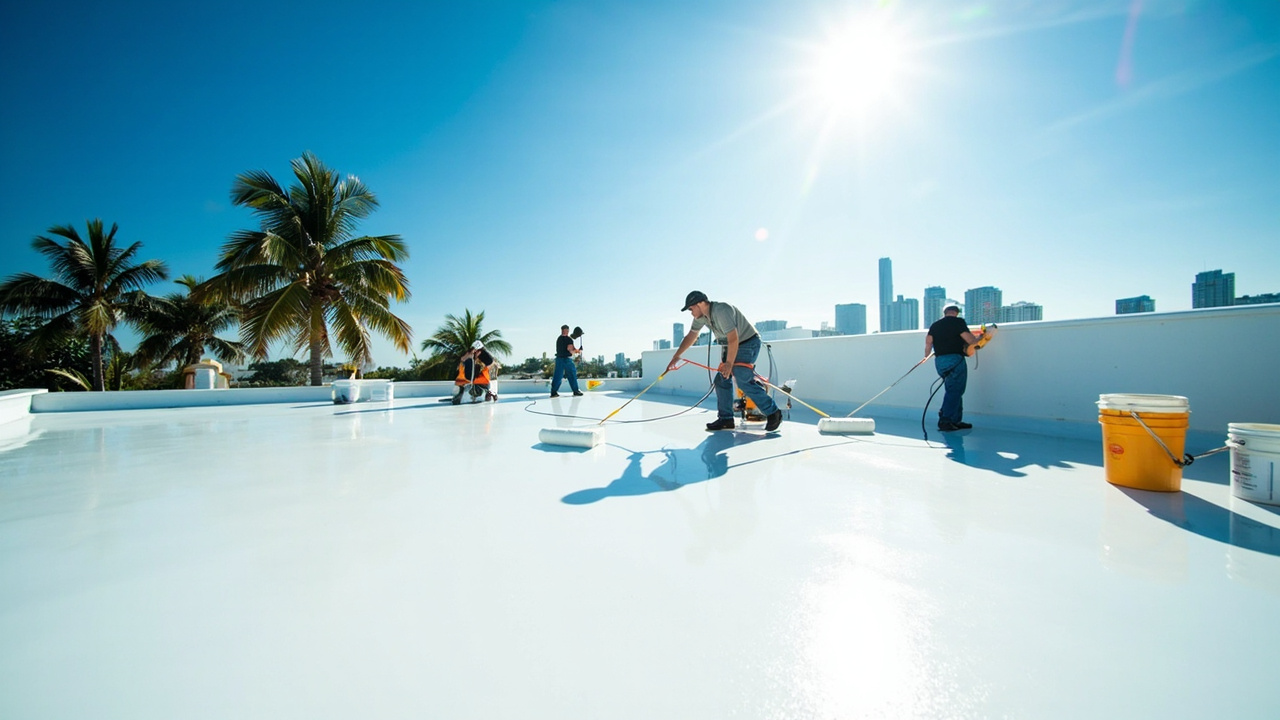
Elastomeric and liquid applied roofing systems engineered for Miami's subtropical climate deliver immediate waterproofing, UV reflectivity, and 10-15 year service extensions without full tear-offs or prolonged business interruptions.

Slider Image 1
Slider Image 2
Slider Image 3
Slider Image 4
Slider Image 5
Slider Image 7
Slider Image 8
Slider Image 9
Slider Image 10
Slider Image 11

Why Miami's Climate Destroys Unprotected Commercial Roofing Assets

Miami's subtropical environment subjects commercial flat roofs to conditions that accelerate membrane degradation. You face 60+ inches of annual rainfall, sustained UV radiation at 28° latitude, and salt-laden winds from the Atlantic. These factors cause substrate cracking, seam separation, and ponding water issues on modified bitumen, TPO, and EPDM systems.

The economic impact compounds quickly. Water intrusion halts warehouse operations, damages inventory, and triggers mold growth that violates Florida Building Code Section 1504. A full roof replacement on a 20,000-square-foot warehouse forces two to four weeks of operational disruption and requires relocation of equipment, inventory, and personnel.

Commercial roof coatings offer a restoration alternative. Elastomeric roof coatings create monolithic, seamless barriers that eliminate leak points while reflecting 85% of solar radiation. Liquid applied roofing systems bond directly to existing substrates, eliminating the disposal costs and permitting delays associated with tear-offs. Industrial roof coatings extend service life by 10-15 years at 30-40% of replacement costs.

The application window matters. Miami's dry season from November through April provides optimal curing conditions. Applying commercial roof restoration systems during peak heat and humidity compromises adhesion and cure times. You need contractors who schedule around weather patterns and coordinate with your operational calendar to minimize tenant impact and maintain business continuity.

Why Miami's Climate Destroys Unprotected Commercial Roofing Assets
How Industrial-Grade Coating Systems Stop Leaks and Reduce Operating Costs

How Industrial-Grade Coating Systems Stop Leaks and Reduce Operating Costs

Effective commercial flat roof coatings require substrate-specific preparation and multi-layer application protocols. We begin with infrared scanning to identify trapped moisture within the existing membrane assembly. Wet insulation reduces R-value by 70% and causes coating delamination. We remove compromised sections and install tapered insulation to eliminate standing water.

Surface preparation determines coating longevity. We power wash to remove contaminants, mechanically abrade smooth surfaces to improve adhesion, and prime porous substrates. Metal roofs receive rust inhibitors and corrosion-resistant base coats. Concrete decks get elastomeric base coats that bridge hairline cracks up to 1/8 inch.

The coating system itself consists of three components. Base coats penetrate substrate pores and create chemical bonds. Reinforcement fabric embeds into wet base coats at seams, penetrations, and transitions to prevent differential movement failures. Finish coats provide UV stability, reflectivity, and weather resistance. We apply liquid applied roofing at 1.5 to 2.0 gallons per 100 square feet to achieve minimum 20-mil dry film thickness.

Quality control happens in real time. We measure wet film thickness with calibrated gauges at 10-foot intervals to ensure uniform coverage. Ambient temperature and humidity readings verify manufacturer specifications. We document application rates, cure times, and weather conditions to maintain manufacturer warranties. This systematic approach eliminates callbacks and ensures your coating performs for its intended service life.

The Commercial Coating Application Timeline

Commercial Roof Coatings in Miami – Minimize Downtime and Extend Asset Lifespan with Industrial-Grade Systems
01

Roof Analysis and Specification

We conduct infrared thermography and core sampling to assess substrate condition and moisture content. This diagnostic phase identifies structural deficiencies, determines coating compatibility, and establishes realistic performance expectations. You receive a specification document detailing prep requirements, material selections, square footage calculations, and project phasing that aligns with your operational schedule. The assessment typically requires four to six hours for facilities under 50,000 square feet.
02

Surface Preparation and Application

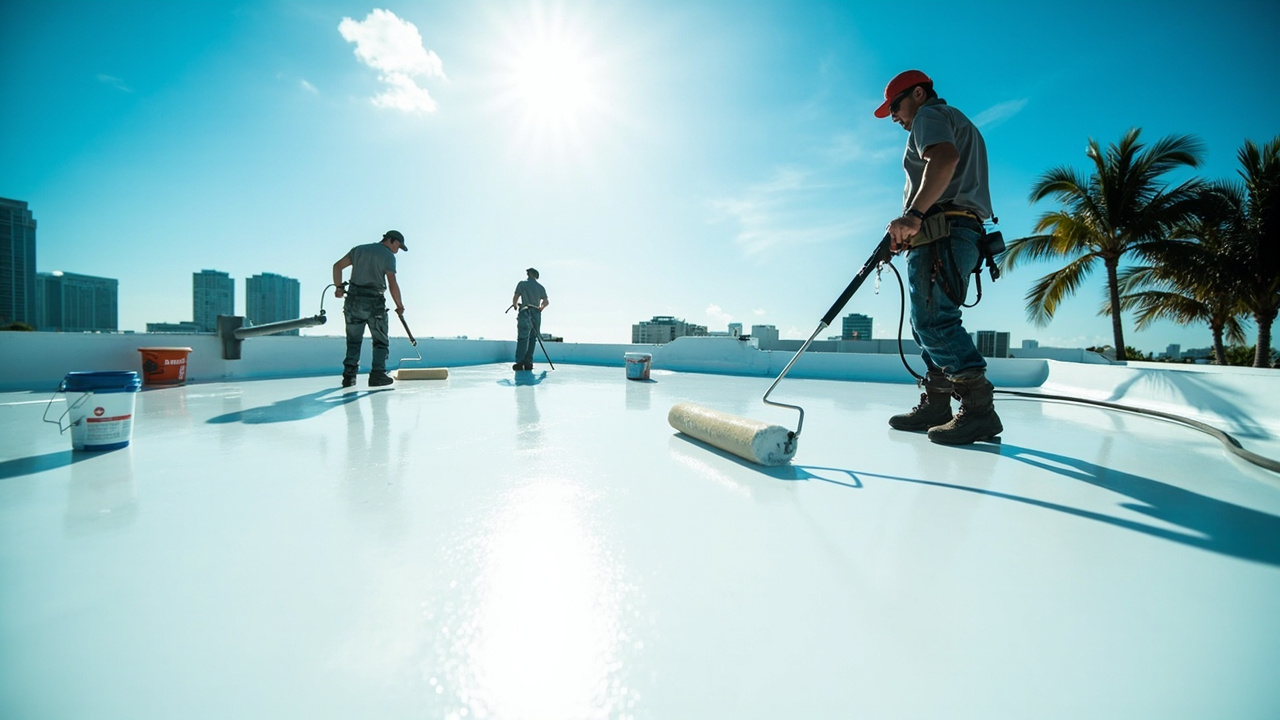
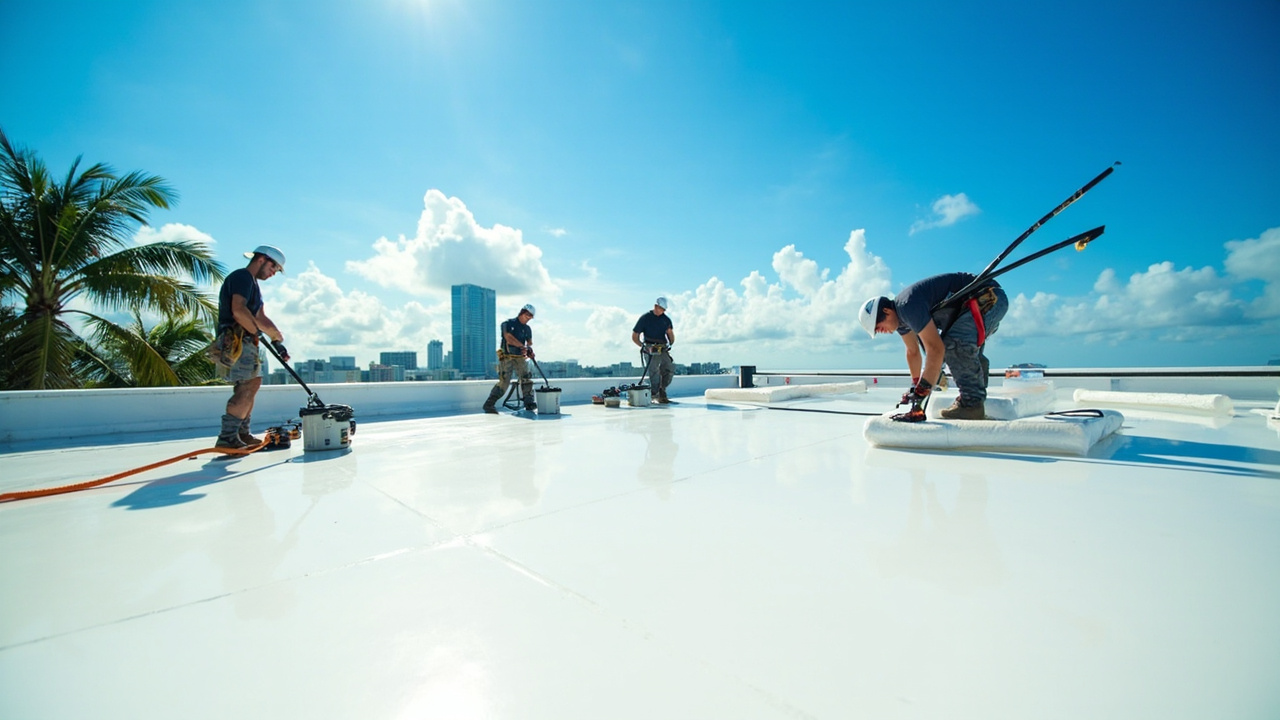
Preparation consumes 40% of project time but determines coating success. We pressure wash, remove loose material, repair structural defects, and install tapered insulation at low spots. Coating application follows in sequential layers with manufacturer-specified cure intervals between coats. We work in sections to maintain building access and minimize operational disruption. A typical 20,000-square-foot roof requires five to seven working days from prep through final coat, weather dependent.
03

Inspection and Documentation

Final inspection includes mil thickness verification, seam integrity testing, and photographic documentation of completed work. You receive as-built drawings showing coating types, thickness measurements, and detail locations. We provide material data sheets, warranty certificates, and maintenance protocols specific to your coating system. This documentation satisfies insurance requirements, supports asset depreciation schedules, and establishes baseline conditions for future roof audits. The facility is fully operational within 24 hours of final coat application.

Why Miami Facility Managers Choose Local Coating Specialists

Commercial roof restoration in Miami requires knowledge of Florida Building Code Chapter 15 and Miami-Dade County Notice of Acceptance protocols. Products must meet High Velocity Hurricane Zone requirements and carry NOA numbers for wind uplift resistance. Contractors unfamiliar with these mandates specify non-compliant systems that void insurance coverage and fail permit inspection.

We maintain relationships with Miami-Dade Building Department plan reviewers and understand expedited permitting procedures for coating applications. Most elastomeric roof coatings qualify as maintenance rather than re-roofing under Section 706.2, eliminating the need for full permit sets and structural engineering stamps. This distinction reduces approval timelines from eight weeks to five business days.

Our material selection reflects local performance requirements. We specify coatings with mildew resistance for the humid season and thermal shock resistance for afternoon thunderstorms that drop roof surface temperatures 40 degrees in 15 minutes. Products must maintain adhesion during sustained 95-degree heat and resist degradation from salt spray in coastal applications within three miles of Biscayne Bay.

Ironwood Roofing Miami has applied commercial roof restoration systems on warehouse facilities in Doral, cold storage buildings in Hialeah, and retail centers along Biscayne Boulevard. We understand the logistics of working around tenant operating hours, coordinate with property management companies familiar to Miami commercial real estate, and maintain supplier relationships that ensure material availability without project delays. Your facility cannot afford extended downtime with inexperienced contractors learning Miami's requirements on your roof.

What Your Commercial Coating Project Includes

Project Scheduling and Phasing

We schedule application during Miami's dry season when overnight temperatures exceed 50 degrees and humidity stays below 85%. Projects phase by building section to maintain operational access. A 40,000-square-foot facility typically divides into four phases completed over 12-16 working days. We provide 72-hour weather forecasts before each phase and reschedule if conditions fall outside specification windows. Rush scheduling accommodates lease renewals, sale transactions, or insurance compliance deadlines. You receive weekly progress updates with photographic documentation and revised completion estimates if weather causes delays.

Substrate Evaluation and Repair

Initial assessment includes roof core samples sent to independent labs for moisture content analysis and material identification. We map drainage patterns, document ponding areas exceeding 48-hour retention, and identify failed fasteners in mechanically attached membranes. Repair scope includes deck patching, fastener replacement, insulation upgrades, and flashing reconstruction at parapet walls and penetrations. You receive a pre-application report showing existing conditions, required repairs, and their impact on coating performance. This transparency prevents change orders and establishes realistic longevity expectations based on actual substrate conditions rather than visual estimates.

Performance and Longevity Outcomes

Properly applied industrial roof coatings deliver 10-15 years of watertight service when maintained per manufacturer protocols. Reflective finishes reduce membrane surface temperatures by 50-70 degrees, lowering HVAC loads by 15-25% in Miami's cooling-dominated climate. Energy savings often offset coating costs within five to seven years. The monolithic membrane eliminates seam failures common in sheet goods and creates a Class A fire rating over combustible substrates. You gain immediate leak protection, extended asset life, and reduced operating expenses without the capital outlay and business disruption of complete roof replacement.

Maintenance Programs and Recoating

Annual inspections identify minor defects before they compromise the coating system. We check for punctures, coating erosion at high-traffic areas, and caulk failure at terminations. Most issues resolve with localized recoating that costs 5-10% of the original application. Recoating the entire surface at year 12-15 adds another decade of service at minimal expense. We provide digital inspection reports with annotated photographs and prioritized repair recommendations. Scheduled maintenance protects your investment and prevents small defects from escalating into emergency leaks that disrupt operations and damage inventory.

Frequently Asked Questions

You Have Questions,
We Have Answers

How much does commercial roof coating cost? +

Commercial roof coating costs vary based on substrate condition, building square footage, and coating system selected. Silicone systems range mid-tier, while elastomeric or polyurethane options differ in price per square foot. Miami properties require UV-resistant formulations due to intense solar exposure and high humidity, which impacts material selection. Existing membrane condition drives labor costs. Facilities with drainage issues or penetrations require additional prep work. Flat roofs common in Miami commercial districts demand precise application to prevent ponding water. Request a detailed scope of work that accounts for surface repairs, primer needs, and mil thickness to compare proposals accurately.

What type of roof coating is best? +

Silicone roof coatings perform well in Miami's climate due to superior UV resistance and ponding water tolerance. Acrylic systems offer breathability but degrade faster under constant moisture exposure. Polyurethane coatings provide impact resistance for high-traffic rooftop equipment areas. The best choice depends on your substrate type, budget cycle, and operational downtime tolerance. Modified bitumen roofs respond well to asphalt emulsion coatings, while TPO and EPDM membranes need compatible chemistries. Miami's salt air and afternoon thunderstorms require coatings with high elongation properties to handle thermal cycling without cracking or delaminating.

What are the disadvantages of roof coatings? +

Roof coatings fail when applied over deteriorated substrates or incompatible membranes. Poor surface preparation causes adhesion loss. Coatings cannot fix structural issues, saturated insulation, or failing fasteners. Miami humidity requires complete substrate drying before application, or trapped moisture blisters the coating. Ponding water exceeding 48 hours degrades most systems. Coatings add minimal insulation value compared to re-roofing with polyiso boards. Application requires dry weather windows, complicating scheduling during rainy season. Warranty coverage often excludes pre-existing conditions, limiting liability protection. Coatings extend life but do not match the longevity of full tear-off replacement.

What is seal best roof coating? +

Seal Best is a brand offering elastomeric acrylic roof coatings marketed for reflectivity and waterproofing. The term does not represent a coating category. Elastomeric acrylics provide moderate performance in Miami but require recoating intervals shorter than silicone alternatives. Water-based formulas simplify cleanup but offer less resistance to ponding conditions common on flat commercial roofs. Evaluate independent test data for tensile strength, elongation, and weathering resistance rather than brand marketing. Miami roofs endure UV degradation and thermal stress that demand coatings meeting ASTM D6083 standards. Consult manufacturers' technical data sheets to verify compatibility with your existing membrane.

How many years does roof coating last? +

Silicone roof coatings last 10 to 15 years in Miami with proper maintenance. Acrylic systems require recoating every 5 to 7 years due to UV breakdown and moisture exposure. Lifespan depends on application thickness, substrate condition, and rooftop maintenance practices. Miami's intense sunlight accelerates chalking on lower-grade products. Facilities near the coast face salt spray that degrades coatings faster. Ponding water reduces longevity on poorly draining roofs. Regular inspections to clear debris and repair punctures extend coating life. Reflective coatings maintain performance longer when kept clean. Budget for midpoint touch-ups to maximize return on investment.

Can roofers make 100k a year? +

Commercial roofing professionals exceed six figures annually through project management roles, specialized certifications, and operating their own businesses. Field technicians installing coatings or membranes earn less unless they carry manufacturer certifications for warranty-eligible installations. Miami's commercial construction activity supports demand for skilled applicators. Earnings depend on workload consistency, safety record, and ability to handle complex substrates. Business owners managing crews on large-scale projects generate higher revenue. The question is not relevant to roof coating performance or selection criteria for your facility. Focus procurement decisions on contractor qualifications, insurance limits, and project references.

Which roof coating lasts the longest? +

Silicone roof coatings provide the longest service life in Miami, often reaching 15 years before requiring recoating. Polyurea systems offer durability but come at higher cost. Acrylic coatings last shorter intervals due to UV and moisture sensitivity. Longevity correlates with mil thickness at application. Miami roofs benefit from coatings that resist ponding water and thermal cycling. Substrate preparation quality impacts lifespan more than coating chemistry. Properly cleaned and primed surfaces allow maximum adhesion. Coatings over saturated insulation or failing fasteners underperform regardless of product type. Maintenance intervals and rooftop traffic also affect coating degradation rates.

Which is better, EPDM or TPO? +

EPDM and TPO serve different commercial applications. EPDM offers proven durability and ease of repair but absorbs more heat. TPO provides heat-reflective properties that reduce cooling loads in Miami's climate, lowering operational costs. TPO seams require heat welding, while EPDM uses adhesive or tape. Both membranes accept compatible coatings to extend service life. Facilities prioritizing energy efficiency favor TPO. Properties with rooftop equipment benefiting from impact resistance may choose EPDM. Miami building codes do not mandate one over the other. Selection depends on existing substrate, budget, and long-term facility plans. Consult engineering specifications for your building type.

How much does Rhino RV roof coating cost? +

Rhino RV roof coatings are consumer-grade products for recreational vehicles, not commercial building applications. Pricing and performance data for RV coatings do not apply to flat commercial roofs in Miami. Commercial facilities require coatings meeting ASTM standards for elongation, tensile strength, and UV resistance far exceeding RV product specifications. Building codes mandate fire-rated systems and wind uplift resistance that RV coatings cannot provide. This question suggests confusion between residential and commercial roofing products. Focus procurement on commercial-grade silicone or acrylic systems from manufacturers offering NDL warranties and factory-certified applicators for your Miami property.

How to tell if a roofer is lying? +

Verify contractor claims through independent channels. Check licensing status with the Florida Department of Business and Professional Regulation. Confirm active general liability and workers compensation coverage through certificate holders. Request project references for similar commercial buildings in Miami and contact them directly. Demand manufacturer certifications for warranty-eligible installations. Review written proposals for vague language around substrate preparation or exclusions. Ask specific questions about mil thickness, primer requirements, and drying times. Contractors avoiding site inspections or pressure tactics indicate red flags. Compare multiple bids line-by-line. Protect your business with contracts specifying performance standards and payment tied to milestones.

How Miami's Hurricane Season Demands Impact-Resistant Coating Systems

Miami sits in the Atlantic hurricane corridor with 11% probability of direct impact annually. Commercial flat roof coatings must resist wind-driven rain, flying debris impacts, and sudden pressure differentials that occur during rapid intensification events. Miami-Dade County requires products to pass Large Missile Impact testing per TAS 201 and maintain adhesion after cyclic pressure loading. These standards exceed national building codes and eliminate coating products common in non-coastal markets. Elastomeric roof coatings meeting Florida Product Approval criteria include impact modifiers and enhanced adhesion promoters that prevent delamination during sustained wind events exceeding 140 mph.

South Florida's commercial roofing market demands contractors who understand the relationship between coating specifications and property insurance requirements. Insurers offering coverage in Miami-Dade and Broward Counties require proof of code-compliant roofing systems with valid NOA documentation. Non-compliant liquid applied roofing installations void coverage and expose property owners to claim denials after storm damage. We maintain current knowledge of Insurance Institute for Business and Home Safety fortified commercial standards and specify systems that satisfy both building code and insurance engineering requirements. This dual compliance protects your property value and ensures claim payment when hurricane damage occurs.
Roofing Services in The Miami Area

Ironwood Roofing Miami is proud to service the entire Miami-Dade County area, including South Beach, Coral Gables, Doral, and beyond. We are a local company deeply familiar with the region, allowing us to respond quickly to your emergency needs and schedule non-urgent services with efficient turnaround. View our location on the map to see where our trusted professionals operate and invite us to your neighborhood for the area's most reliable roofing expertise.

Address:
Ironwood Roofing Miami, 2214 Biscayne Blvd, Miami, FL, 33131

Additional Services We Offer

Our news updates

Latest Articles & News from The Blogs

The Real Cost Difference Between Concrete and Clay Tiles for Hammock Lakes Homes Choosing between concrete and clay roof tiles…

The Real Cost Difference Between Concrete and Clay Tiles for Hammock Lakes Homes

The Real Cost Difference Between Concrete and Clay Tiles for Hammock Lakes Homes Choosing between concrete and clay roof tiles…

Managing Parapet Wall Leaks and Cap Flashing Issues for Brickell Townhomes

Managing Parapet Wall Leaks and Cap Flashing Issues for Brickell Townhomes Parapet walls create a critical vulnerability in Brickell townhome…

Why Your Ponce Davis Home Needs Heavy Duty Drip Edges to Prevent Wood Rot

Why Your Ponce Davis Home Needs Heavy Duty Drip Edges to Prevent Wood Rot The heavy afternoon thunderstorms that roll…

Contact Us

Stop reacting to leaks and start preventing them. Call (645) 231-4888 now for infrared roof scanning and coating feasibility analysis. We provide specification documents within 48 hours and project scheduling that minimizes operational impact. Your roof is losing value every day you wait.