menu

Signs You Need a New Roof in Miami – Expert Diagnosis Before Catastrophic Failure

Learn the critical warning signs of roof failure specific to South Florida's climate and know when repair is no longer an option before water damage costs you thousands.

Slider Image 1
Slider Image 2
Slider Image 3
Slider Image 4
Slider Image 5
Slider Image 7
Slider Image 8
Slider Image 9
Slider Image 10
Slider Image 11

Why Miami Roofs Fail Faster Than the National Average

Your roof takes a beating in Miami. The combination of intense UV radiation, salt-laden air from the Atlantic, and sudden thunderstorms creates a perfect storm for accelerated roof degradation. What lasts 25 years in Ohio might give you 15 here.

You need to know the indicators for roof replacement before minor problems become structural nightmares. A small leak during dry season turns into a waterfall when hurricane season hits. The warning signs of roof failure are often visible from the ground, but most homeowners miss them until ceiling stains appear.

Miami's tropical climate creates unique symptoms of a failing roof. The constant humidity breaks down organic materials in composite shingles faster. The thermal cycling from morning cool to afternoon heat causes expansion and contraction that loosens fasteners. Salt air corrodes metal flashing around chimneys and vents. These are not theoretical problems. They are happening to your roof right now.

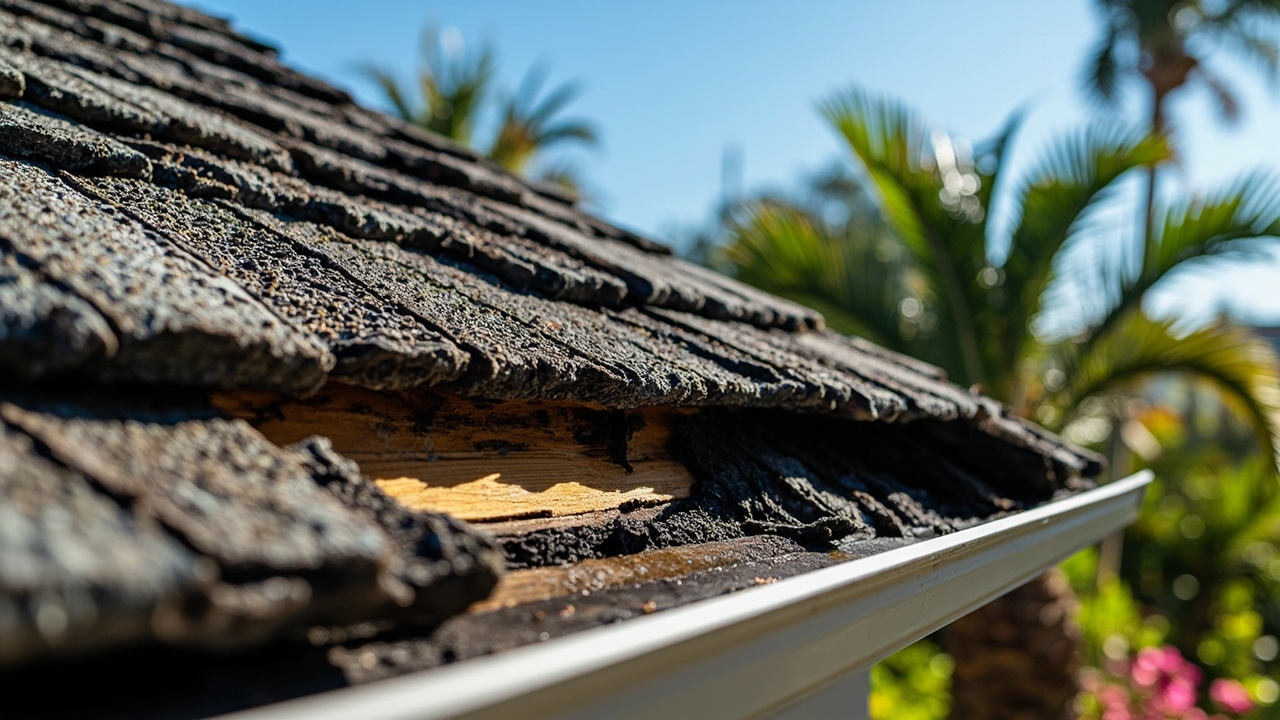
Understanding how to tell if you need a new roof starts with knowing what normal aging looks like versus catastrophic failure. Granule loss on asphalt shingles is expected after 10 years. Complete bald spots are evidence for roof replacement. Curling edges might mean another year or two. Shingles lifting off the deck mean you are on borrowed time.

The difference between a $15,000 roof replacement and a $35,000 roof replacement plus interior reconstruction is usually about six months of denial. You see the signs. You rationalize them. Then the ceiling caves in.

Why Miami Roofs Fail Faster Than the National Average
The Diagnostic Process That Separates Repair from Replacement

The Diagnostic Process That Separates Repair from Replacement

Most roofers walk your property for five minutes and quote a full replacement because it is easier to sell. That is not how we operate. A legitimate roof evaluation requires attic access, moisture meter readings, and an understanding of your roof's original installation quality.

We start in the attic. Daylight through the roof deck is an obvious red flag, but the real evidence is in the sheathing. Water stains on the underside of plywood tell us where leaks originated and how long they have been active. We use thermal imaging during certain inspections to identify temperature differentials that indicate saturated insulation or compromised decking.

On the surface, we examine fastener patterns. Many South Florida roofs installed during the building boom used pneumatic nailers set too deep, compromising the shingle's holding power. We check the starter strip along eaves. We inspect valley metal for rust-through. We test the seal strength on architectural shingles by lifting corners to see if the adhesive strip still bonds.

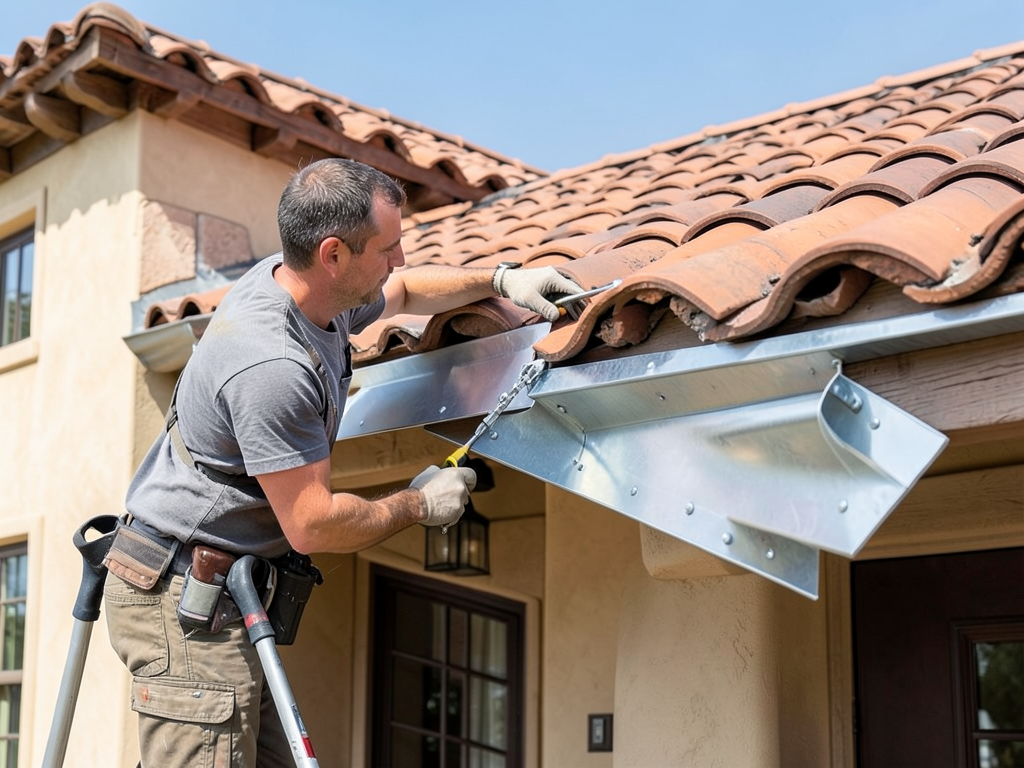
The flashing inspection is critical. Most leaks in Miami originate at penetrations, not field shingles. We check every pipe boot for cracking rubber. We examine step flashing along sidewalls for separation. We test chimney counter-flashing for movement. A failed $30 pipe boot does not justify a $20,000 roof, but it might in two years when the leak rots your decking.

We measure remaining shingle life by granule density. Factory-fresh shingles have complete granule coverage. Shingles at end-of-life show black asphalt substrate. The transition happens gradually, but once 30 percent of your roof shows substrate exposure, you are in the replacement window.

How a Professional Roof Assessment Works

Signs You Need a New Roof in Miami – Expert Diagnosis Before Catastrophic Failure
01

Visual Surface Inspection

We document every elevation with high-resolution photos, flagging cracked shingles, exposed fasteners, and damaged flashing. You receive a annotated report showing exactly what we found and where. This is not a sales pitch. It is a forensic evaluation of your roof's current condition with clear categorization of immediate hazards versus normal aging.
02

Subsurface and Structural Analysis

We enter your attic to examine decking integrity, check for moisture intrusion patterns, and assess ventilation adequacy. Poor ventilation accelerates shingle failure in Miami's heat. We measure your attic temperature and compare it to acceptable ranges. We probe suspect areas of decking with an awl to test for rot. We map every leak trail to its source.
03

Replacement Recommendation Report

You receive a written assessment with remaining service life estimate, immediate repair priorities, and replacement timeline recommendation. We separate what needs action this month from what you can monitor for another year. If you need a full replacement, we explain why and provide material options appropriate for Miami's wind zone requirements and your home's architectural style.

Why Local Expertise Matters for Roof Replacement Decisions

National chains follow corporate scripts. They do not know that Miami-Dade County requires specific fastener schedules in the High Velocity Hurricane Zone. They do not understand that concrete tile roofs common in Coral Gables need different underlayment than asphalt shingle roofs in Kendall. They certainly do not know which products hold up to salt air in coastal zones versus inland properties.

Ironwood Roofing Miami has evaluated thousands of roofs in this specific climate. We know the difference between weather-related failure and installation defects. We know which shingle manufacturers have had problems with their South Florida batches. We know when your insurance company is lowballing a claim and what documentation forces them to pay correctly.

We understand local architecture. Mediterranean revival homes need clay tile or concrete tile to maintain historical accuracy and property value. Mid-century modern homes in certain neighborhoods can support standing seam metal that improves energy efficiency. Cookie-cutter solutions do not work when your home is in a historic district with design review requirements.

Building codes matter. Miami's wind load requirements are among the strictest in the nation. Your roof needs to survive 175 mph wind events. That means proper nailing patterns, code-compliant underlayment, and edge metal installed to specific standards. A roofer from Atlanta does not know our codes and does not care because they will be gone when the next hurricane tests their work.

We also understand the insurance process. Miami property insurance is complicated. Knowing how to document pre-existing damage versus storm damage affects your claim outcome. We have worked with every major carrier operating in South Florida. We know what they pay for and what they fight.

What Happens After You Call for an Assessment

Fast Scheduling and Transparency

We schedule most inspections within 48 hours. Our evaluations take 45 to 90 minutes depending on roof complexity and attic access. You receive the full report within 24 hours via email with photos and findings clearly marked. If we recommend replacement, you get a detailed quote breaking down materials, labor, disposal, and permit costs. No hidden fees. No pressure. If we recommend waiting, we tell you what to monitor and when to call us back.

Comprehensive Property Evaluation

The inspection covers all roof penetrations, flashing systems, drainage components, and structural decking visible from the attic. We test your gutters and downspouts because improper drainage accelerates roof failure. We examine soffit vents and ridge vents to ensure your attic breathes correctly. We check for amateur repairs that might void manufacturer warranties. You get the complete picture, not just a shingle count and a price.

Clear Replacement vs. Repair Guidance

We tell you the truth. If your roof has five good years left and a $400 repair solves your leak, we say so. If your decking is rotted and shingles are at end-of-life, we explain why patching is throwing money away. We provide material options with honest pros and cons. Architectural shingles versus three-tab. Synthetic underlayment versus standard felt. We explain how each choice affects performance, longevity, and cost so you make an informed decision.

Post-Installation Support and Documentation

Every replacement comes with manufacturer warranty documentation, permit closure records, and a detailed material invoice for your records. We photograph the completed installation and provide you with a digital file. We explain your maintenance responsibilities to preserve warranty coverage. We offer annual inspection services to catch small problems before they become big ones. You have a direct line to our office if questions arise or if storm damage occurs and you need documentation for insurance.

Frequently Asked Questions

You Have Questions,
We Have Answers

How do you know when it's time to replace your roof? +

You know it's time to replace your roof when you see multiple warning signs together. Look for curling or missing shingles, granules collecting in gutters, and daylight visible through roof boards. In Miami, salt air and intense UV exposure accelerate aging. Check for sagging areas, water stains on ceilings, or widespread algae growth. If your roof is approaching 20 years old and shows several of these issues, replacement makes more financial sense than repeated repairs. A professional inspection can confirm whether patching will suffice or if a full replacement prevents expensive interior damage.

What are the signs of a failing roof? +

A failing roof shows clear distress signals. Shingles crack, curl, or go missing after storms. You notice dark streaks from algae or missing granules that expose the asphalt layer. Flashing around chimneys and vents pulls away, creating entry points for water. In Miami's tropical climate, watch for bubbling or blistering shingles caused by trapped moisture and heat. Interior signs include water stains, peeling paint, or mold growth in attics. Sagging sections indicate structural damage. If repairs become frequent or your energy bills spike from poor insulation, your roof is failing.

What is the average age of a roof before replacement? +

Most asphalt shingle roofs last 15 to 25 years before needing replacement. Miami's harsh conditions reduce this span. Constant sun exposure, high humidity, and hurricane-force winds stress roofing materials faster than moderate climates. Metal roofs can reach 40 to 50 years, while tile roofs often last 50 years or more if properly maintained. Your roof's actual lifespan depends on material quality, installation skill, ventilation, and maintenance. Regular inspections help you track wear patterns. If your roof approaches 20 years with visible damage, plan for replacement rather than waiting for failure.

What is the average cost of a full roof replacement? +

Roof replacement costs vary widely based on size, material, pitch, and complexity. You should expect project costs to reflect your specific property conditions. In Miami, hurricane-rated materials and reinforced installation methods affect pricing. A basic asphalt shingle replacement differs significantly from impact-resistant shingles, metal panels, or concrete tile. Your home's square footage, roof accessibility, and required permits influence the final number. Rather than focus on averages, request detailed estimates from licensed contractors who inspect your property. Material choice and labor quality determine long-term value more than initial price alone.

How old may a roof be before insurance claims it's too old? +

Most insurance companies in Florida scrutinize roofs older than 15 years. Policies often require full replacement rather than repairs for roofs aged 20 years or more. Some insurers will not cover homes with roofs exceeding 25 years, regardless of condition. Miami homeowners face stricter requirements due to hurricane risk. Insurance companies may mandate a detailed roof inspection before renewing policies. If your roof passes inspection, you might qualify for coverage despite its age. However, depreciated value claims become standard for older roofs, meaning you receive less reimbursement than replacement cost coverage.

How much does it cost to replace 1000 sq ft of roof? +

The cost to replace 1,000 square feet of roof depends on material selection and job complexity. Pricing reflects material type, tear-off requirements, structural repairs, and labor rates in Miami. Flat roofs cost differently than pitched roofs. Single-story access is cheaper than multi-story work. You also pay for waste disposal, permits, and underlayment. Hurricane-rated materials and reinforced attachment methods add expense but provide critical storm protection. Rather than estimate by square footage alone, get written quotes that detail all components. Quality installation matters more than price per square foot when protecting your investment.

What is the most expensive part of replacing a roof? +

Labor represents the most expensive part of roof replacement. Skilled crews handle tear-off, disposal, deck repairs, and precise installation. In Miami, workers must follow strict wind mitigation codes that require specific nailing patterns and attachment methods. Quality installation takes time and expertise. Material costs rank second, especially for upgraded options like architectural shingles, metal panels, or tile. Structural repairs discovered during tear-off can add unexpected expense. Flashing, underlayment, and ventilation components also contribute. Cutting corners on labor to save money leads to premature failure and voided warranties.

Does homeowners insurance pay for a leaky roof? +

Homeowners insurance typically covers roof leaks caused by sudden, accidental events like storm damage or falling trees. Policies usually exclude leaks from wear, age, or poor maintenance. In Miami, hurricane damage often qualifies for coverage if you file claims promptly and document conditions. Your policy type matters. Replacement cost coverage pays for new materials, while actual cash value deducts depreciation. Insurance adjusters inspect damage to determine cause. If your roof was already compromised by age or neglect, expect claim denial. Regular maintenance and prompt repairs strengthen your position when filing legitimate claims.

What is the average lifespan of a roof? +

Roof lifespan depends entirely on material type and environmental conditions. Asphalt shingles last 15 to 25 years in Miami's demanding climate. Metal roofs reach 40 to 50 years with minimal maintenance. Clay and concrete tiles can exceed 50 years when properly installed. Flat roofs using modified bitumen or TPO membranes typically last 15 to 30 years. Miami's salt air, UV intensity, and storm exposure reduce these averages. Poor ventilation, inadequate maintenance, and substandard installation shorten any roof's life. Quality materials and professional installation maximize longevity and protect your investment.

How much does it cost to change a whole roof? +

Complete roof replacement costs reflect multiple variables that make simple estimates misleading. Your specific project cost depends on total square footage, material selection, roof complexity, and structural condition. In Miami, hurricane code compliance requires enhanced attachment methods and impact-resistant materials that affect pricing. Steep pitches, multiple valleys, chimneys, and skylights increase labor time. Permit fees, waste removal, and underlying deck repairs add expense. Rather than focus on generic averages, obtain detailed written estimates from licensed contractors. Quality installation and appropriate materials provide better long-term value than choosing the lowest bid.

How Hurricane Season and Salt Air Create Unique Roof Failure Patterns in Miami

Miami sits in a wind zone that requires roofs to withstand sustained winds most of the country never experiences. The warning signs of roof failure here include lifted shingle tabs after even moderate storms, which indicate improper fastening or adhesive failure. Salt-laden air from Biscayne Bay and the Atlantic corrodes galvanized flashing and nails faster than inland properties. You will see rust stains on white fascia before you see the actual flashing failure. These symptoms of a failing roof are uniquely accelerated in our coastal environment and demand earlier replacement than national averages suggest.

Choosing a roofer who understands Miami-Dade County's building codes and permitting process is not optional. Every roof replacement requires a permit and must pass inspection for wind uplift resistance and proper installation. Roofers unfamiliar with local requirements fail inspections, delaying your project and potentially voiding your insurance coverage. Ironwood Roofing Miami handles permitting, knows the inspectors, and installs to code the first time. We understand the evidence for roof replacement that satisfies both your insurance adjuster and the county inspector.
Roofing Services in The Miami Area

Ironwood Roofing Miami is proud to service the entire Miami-Dade County area, including South Beach, Coral Gables, Doral, and beyond. We are a local company deeply familiar with the region, allowing us to respond quickly to your emergency needs and schedule non-urgent services with efficient turnaround. View our location on the map to see where our trusted professionals operate and invite us to your neighborhood for the area's most reliable roofing expertise.

Address:
Ironwood Roofing Miami, 2214 Biscayne Blvd, Miami, FL, 33131

Additional Services We Offer

Our news updates

Latest Articles & News from The Blogs

The Real Cost Difference Between Concrete and Clay Tiles for Hammock Lakes Homes Choosing between concrete and clay roof tiles…

The Real Cost Difference Between Concrete and Clay Tiles for Hammock Lakes Homes

The Real Cost Difference Between Concrete and Clay Tiles for Hammock Lakes Homes Choosing between concrete and clay roof tiles…

Managing Parapet Wall Leaks and Cap Flashing Issues for Brickell Townhomes

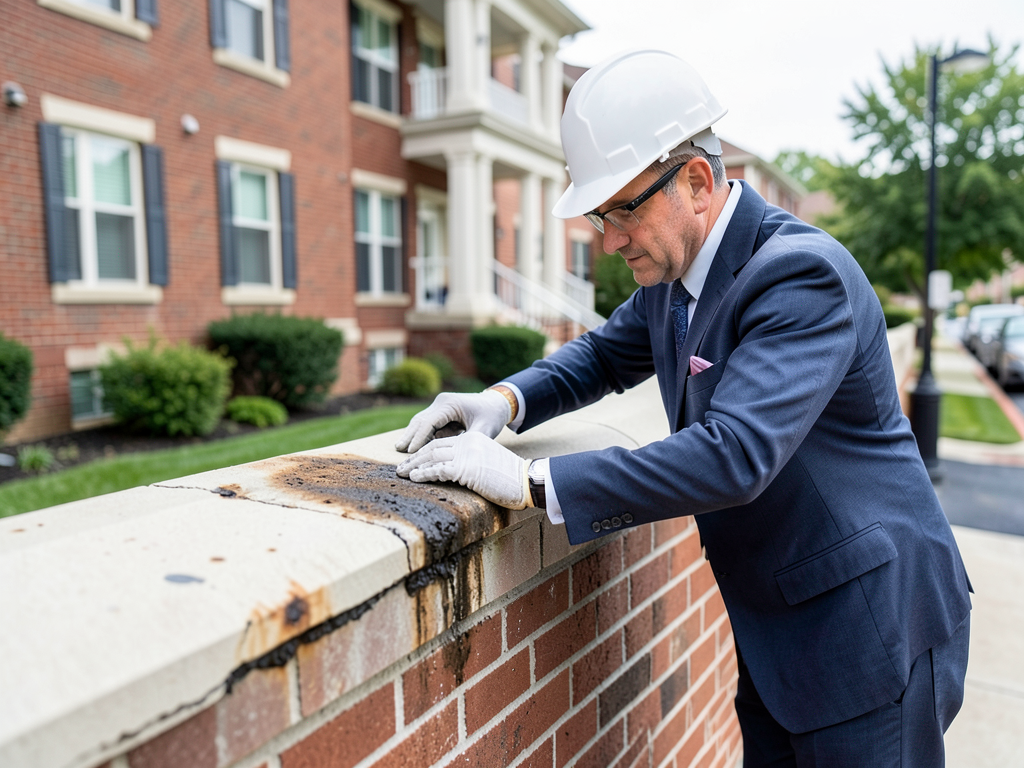
Managing Parapet Wall Leaks and Cap Flashing Issues for Brickell Townhomes Parapet walls create a critical vulnerability in Brickell townhome…

Why Your Ponce Davis Home Needs Heavy Duty Drip Edges to Prevent Wood Rot

Why Your Ponce Davis Home Needs Heavy Duty Drip Edges to Prevent Wood Rot The heavy afternoon thunderstorms that roll…

Contact Us

You need to know if your roof will survive the next hurricane or if you are one thunderstorm away from interior damage. Call Ironwood Roofing Miami at (645) 231-4888 for a transparent evaluation with no sales pressure. We tell you what you need to know, not what we want to sell.