The Real Cost Difference Between Concrete and Clay Tiles for Hammock Lakes Homes
Choosing between concrete and clay roof tiles in Hammock Lakes means weighing upfront costs against decades of performance in Miami’s hurricane zone. Concrete tiles cost $8 to $12 per square foot installed while clay runs $12 to $18. Both meet Miami-Dade Notice of Acceptance (NOA) standards for High-Velocity Hurricane Zone (HVHZ) winds, but clay lasts 75+ years versus concrete’s 30 to 50 years. This guide breaks down the real price differences, structural needs, and energy performance so you can make the right choice for your home. Miami-Dade County Building Code Compliance Office.
Quick Cost Comparison for Miami Homeowners
| Material | Cost per Sq Ft (2026) | Weight per Sq Ft | Expected Lifespan | Miami-Dade NOA |
|---|---|---|---|---|
| Concrete Tile | $8 – $12 | 950 – 1,200 lbs | 30 – 50 years | Yes |
| Clay Tile | $12 – $18 | 1,100 – 1,400 lbs | 75+ years | Yes |
Why Miami-Dade NOA Compliance Matters
Miami-Dade County requires all roofing materials to carry Notice of Acceptance approval for hurricane resistance. Both concrete and clay tiles from major manufacturers like Eagle Roofing Products and Boral Roofing carry NOA ratings that meet Florida Building Code Chapter 15 HVHZ standards. These tests include wind uplift resistance up to 150 mph and impact testing with steel balls dropped from 20 feet. Clay tiles often score higher in color retention under UV exposure, while concrete provides better impact resistance against flying debris during storms. Florida Building Code Online.
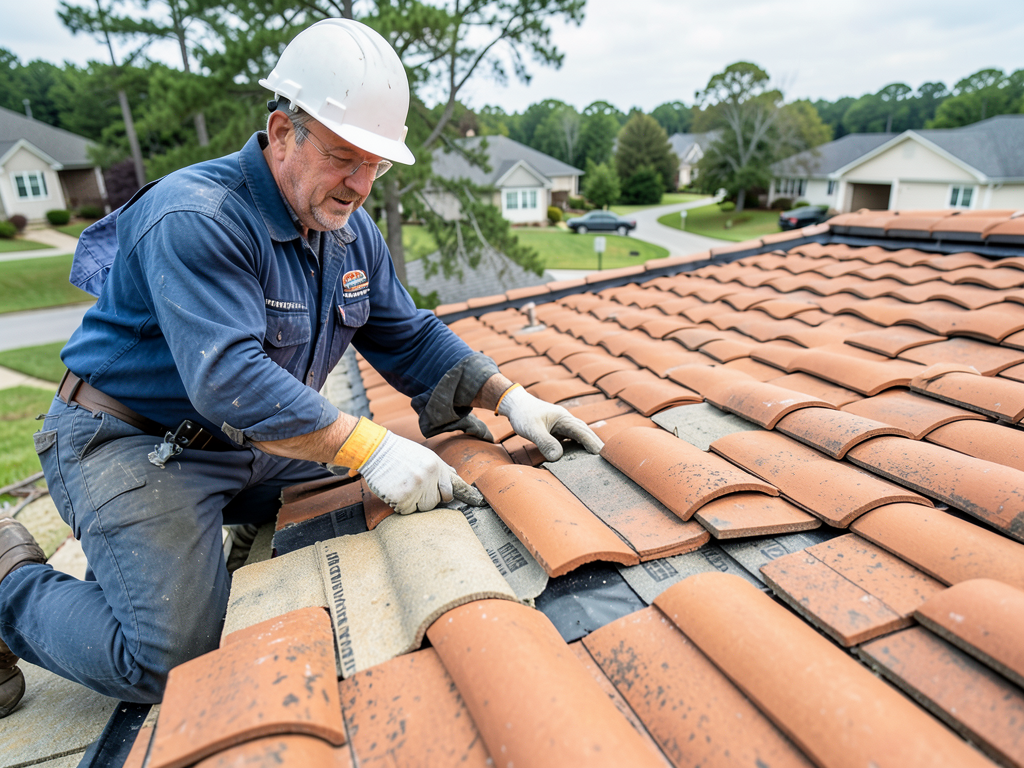
Image Description: Close-up of clay and concrete roof tiles side by side showing texture differences and color variations under Miami sunlight.
Structural Requirements for Hammock Lakes Homes
Concrete tiles weigh 950 to 1,200 pounds per square, while clay tiles can reach 1,100 to 1,400 pounds. Most Hammock Lakes homes built after 1992 have roof decks designed for these loads, but older structures may need reinforcement. A structural engineer must inspect the attic framing before installation. The Florida Building Code requires minimum 24-inch on-center rafter spacing for tile roofs, and many 1960s-1970s homes need sister joists added to meet current standards.
Energy Efficiency in South Florida Heat
Clay tiles naturally reflect more solar heat due to their lighter colors and unglazed surface, achieving Solar Reflectance Index (SRI) values of 35 to 45. Concrete tiles typically score 25 to 35 SRI, especially in darker earth tones popular in Hammock Lakes. Both materials create an air gap under the tile that provides thermal mass benefits, keeping attic temperatures 10 to 15 degrees cooler than asphalt shingles. This translates to 15-20% lower cooling costs during Miami’s six-month summer season.
Maintenance Differences in Miami’s Climate
Miami’s humidity creates different challenges for each material. Concrete tiles absorb 13% moisture versus clay’s 6%, making concrete more susceptible to algae and mold growth. Annual pressure washing with EPA-approved biocides prevents black streaking. Clay tiles resist biological growth but can develop efflorescence white staining from mineral deposits. Both materials require inspection after tropical storms for cracked or displaced tiles, especially along roof edges where wind uplift is strongest.. Read more about How to Repair Cracked Mortar and Loose Ridge Tiles on Your Cocoplum Estate.
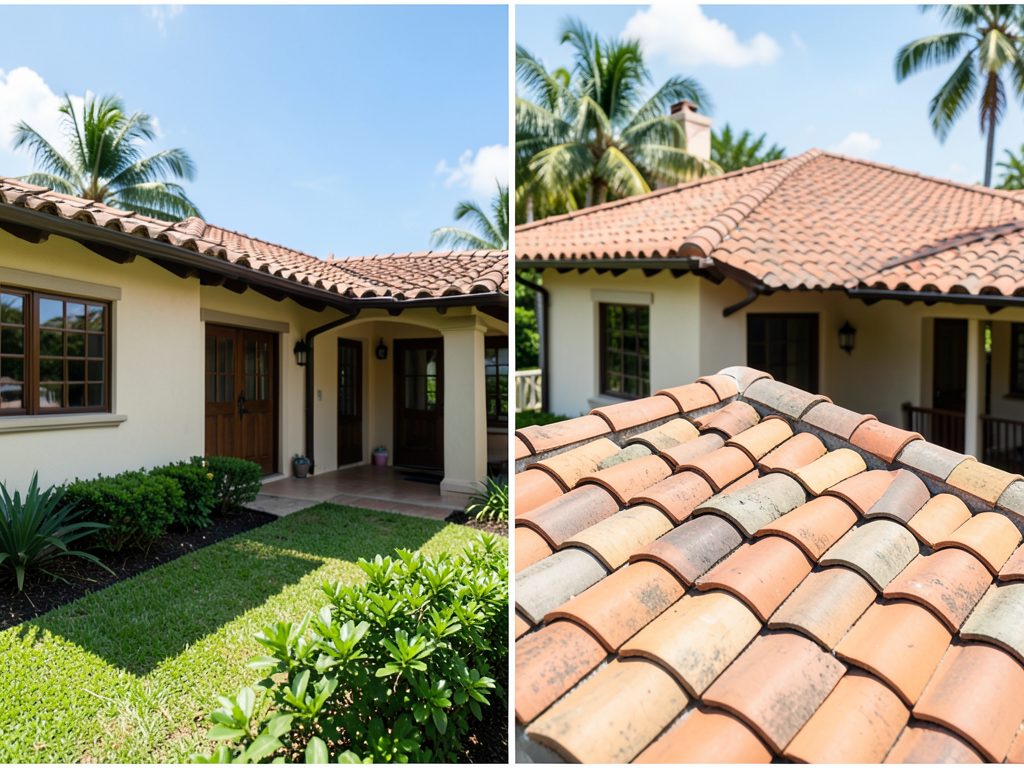
Image Description: Technician using moisture meter on roof deck to check for water intrusion under damaged tiles after a hurricane.
Insurance and Resale Value Considerations
Florida insurers offer wind mitigation credits for roofs meeting HVHZ standards, typically reducing premiums by 15-25%. Clay tiles may qualify for slightly higher credits due to their longer lifespan and better impact ratings. Homes with tile roofs in Hammock Lakes neighborhoods like Lakes of the Meadow and East Ridge Retirement Community show 5-7% higher resale values compared to asphalt shingle homes. Insurance companies view tile as a premium material that resists hurricane damage better than standard options. Protecting Your Home with Hurricane Rated Roofing Systems in Miami.
Installation Timeline and Labor Requirements
Tile installation takes 3-5 days versus 1-2 days for asphalt shingles. The process requires specialized underlayment like self-adhered modified bitumen meeting Miami-Dade TAS 107 standards. Installers must use copper or stainless-steel fasteners rated for salt-air environments since Hammock Lakes sits just 15 miles from Biscayne Bay. The Florida Roofing and Sheet Metal Contractors Association (FRSA) recommends only certified contractors for tile work, as improper installation voids NOA approvals and insurance credits. The Best Metal Roofing Options for Homes in Key Biscayne.
Environmental Impact and Sustainability
Clay tiles contain natural earth materials and can be recycled at end of life, while concrete tiles include Portland cement production that generates significant CO2 emissions. Both materials reduce landfill waste compared to asphalt shingles replaced every 15-20 years. The Cool Roof Rating Council certifies both materials for solar reflectance, with lighter clay colors often qualifying for additional LEED points in green building projects. Clay’s 75+ year lifespan means fewer replacement cycles and less construction waste over time.
Image Description: Aerial view of Mediterranean-style home in Hammock Lakes with clay tile roof showing traditional barrel tile profile.
Cost Breakdown: What You’re Actually Paying For
The price difference between concrete and clay includes more than material costs. Concrete tile installation averages $400-600 per square (100 sq ft) including labor and materials. Clay installation runs $600-900 per square due to heavier weight requiring more crew members and specialized equipment. Both require removal and disposal of existing roofing at $50-75 per square. The higher clay cost includes better color-through technology that prevents fading and more precise manufacturing tolerances that reduce installation time despite the weight. Roofing Cutler Bay.
Making the Right Choice for Your Home
Concrete tiles work well for homeowners wanting Mediterranean aesthetics at a lower price point, especially for homes under 2,500 square feet where the weight difference is manageable. Clay tiles suit larger homes, historic properties, or those planning to stay 20+ years where the longevity justifies the 50-60% higher upfront cost. Both materials perform excellently in Miami’s climate when properly installed to NOA standards. Your choice depends on budget, home size, and how long you plan to own the property. Why Homeowners in Coral Gables Choose Professional Tile Roof Installation.
Call (645) 231-4888 today to schedule your inspection. Our team will assess your roof structure, provide exact pricing for your home, and explain which material best fits your needs and budget. Don’t wait until the next storm season to make this important decision.
Frequently Asked Questions
How much does it cost to replace a tile roof in Hammock Lakes?
Tile roof replacement costs $12,000 to $25,000 for a typical 2,000 square foot home, depending on whether you choose concrete ($8-12/sq ft) or clay ($12-18/sq ft). This includes removal of old roofing, new underlayment, and installation to Miami-Dade NOA standards. Metal Roofing Systems.
Which lasts longer, concrete or clay roof tiles?
Clay roof tiles last 75+ years while concrete tiles typically last 30-50 years. Clay maintains color better under Miami’s intense UV exposure and resists weathering more effectively, though both materials meet hurricane zone requirements when properly installed.
Do I need a structural engineer to install tile roofing?
Hammock Lakes homes built before 1992 often need structural evaluation before tile installation. The engineer checks if existing roof framing can support 950-1,400 pounds per square. Most newer homes meet requirements, but older structures may need reinforcement adding $2,000-5,000 to the project cost.
Will tile roofing lower my insurance premiums?
Yes, tile roofing meeting Miami-Dade NOA standards typically reduces wind insurance premiums by 15-25%. Clay tiles may qualify for slightly higher credits due to better impact ratings and longer lifespan. Your insurance company will require documentation of NOA compliance for the premium reduction.
How do I maintain a tile roof in Miami’s climate?
Tile roofs need annual inspections and cleaning in Miami. Concrete tiles require pressure washing every 2-3 years to prevent algae growth, while clay tiles need inspection for cracked pieces after storms. Both benefit from debris removal from valleys and gutters to prevent water backup during heavy rains.
Ready to upgrade your roof? Call (645) 231-4888 now for a free consultation and exact pricing for your Hammock Lakes home. Our experts will help you choose the right material for your budget and ensure your new roof meets all Miami-Dade hurricane standards.
{
“@context”: “https://schema.org”,
“@type”: “BlogPosting”,
“headline”: “The Real Cost Difference Between Concrete and Clay Tiles for Hammock Lakes Homes”,
“description”: “Compare concrete vs clay roof tiles in Hammock Lakes. See real 2026 costs, Miami-Dade NOA compliance, hurricane ratings, and energy savings for your home.”,
“wordCount”: 1343,
“datePublished”: “2026-06-12T13:42:00.000Z”,
“dateModified”: “2026-06-12T13:42:00.000Z”,
“inLanguage”: “en-US”,
“mainEntityOfPage”: {
“@type”: “WebPage”,
“@id”: “https://ironwoodroofingmiami.com”
},
“publisher”: {
“@type”: “LocalBusiness”,
“name”: “Ironwood Roofing Miami”,
“url”: “https://ironwoodroofingmiami.com”
},
“author”: {
“@type”: “Organization”,
“name”: “Ironwood Roofing Miami”,
“url”: “https://ironwoodroofingmiami.com”
},
“image”: {
“@type”: “ImageObject”,
“url”: “https://ironwoodroofingmiami.com/wp-content/uploads/2026/03/the-real-cost-difference-between-concrete-and-clay-1.png”
}
}
{
“@context”: “https://schema.org”,
“@type”: “RoofingContractor”,
“name”: “Ironwood Roofing Miami”,
“url”: “https://ironwoodroofingmiami.com”,
“address”: {
“@type”: “PostalAddress”,
“addressLocality”: “Miami”
},
“areaServed”: {
“@type”: “City”,
“name”: “Miami”
}
}
{
“@context”: “https://schema.org”,
“@type”: “FAQPage”,
“mainEntity”: [
{
“@type”: “Question”,
“name”: “How much does it cost to replace a tile roof in Hammock Lakes?”,
“acceptedAnswer”: {
“@type”: “Answer”,
“text”: “Tile roof replacement costs $12,000 to $25,000 for a typical 2,000 square foot home, depending on whether you choose concrete ($8-12/sq ft) or clay ($12-18/sq ft). This includes removal of old roofing, new underlayment, and installation to Miami-Dade NOA standards. Metal Roofing Systems.”
}
},
{
“@type”: “Question”,
“name”: “Which lasts longer, concrete or clay roof tiles?”,
“acceptedAnswer”: {
“@type”: “Answer”,
“text”: “Clay roof tiles last 75+ years while concrete tiles typically last 30-50 years. Clay maintains color better under Miami’s intense UV exposure and resists weathering more effectively, though both materials meet hurricane zone requirements when properly installed.”
}
},
{
“@type”: “Question”,
“name”: “Do I need a structural engineer to install tile roofing?”,
“acceptedAnswer”: {
“@type”: “Answer”,
“text”: “Hammock Lakes homes built before 1992 often need structural evaluation before tile installation. The engineer checks if existing roof framing can support 950-1,400 pounds per square. Most newer homes meet requirements, but older structures may need reinforcement adding $2,000-5,000 to the project cost.”
}
},
{
“@type”: “Question”,
“name”: “Will tile roofing lower my insurance premiums?”,
“acceptedAnswer”: {
“@type”: “Answer”,
“text”: “Yes, tile roofing meeting Miami-Dade NOA standards typically reduces wind insurance premiums by 15-25%. Clay tiles may qualify for slightly higher credits due to better impact ratings and longer lifespan. Your insurance company will require documentation of NOA compliance for the premium reduction.”
}
},
{
“@type”: “Question”,
“name”: “How do I maintain a tile roof in Miami’s climate?”,
“acceptedAnswer”: {
“@type”: “Answer”,
“text”: “Tile roofs need annual inspections and cleaning in Miami. Concrete tiles require pressure washing every 2-3 years to prevent algae growth, while clay tiles need inspection for cracked pieces after storms. Both benefit from debris removal from valleys and gutters to prevent water backup during heavy rains.”
}
}
]
}
{
“@context”: “https://schema.org”,
“@type”: “BreadcrumbList”,
“itemListElement”: [
{
“@type”: “ListItem”,
“position”: 1,
“name”: “Home”,
“item”: “https://ironwoodroofingmiami.com”
},
{
“@type”: “ListItem”,
“position”: 2,
“name”: “Blog”,
“item”: “https://ironwoodroofingmiami.com/blog”
},
{
“@type”: “ListItem”,
“position”: 3,
“name”: “The Real Cost Difference Between Concrete and Clay Tiles for Hammock Lakes Homes”
}
]
}
{
“@context”: “https://schema.org”,
“@type”: “Service”,
“serviceType”: “Roofing”,
“provider”: {
“@type”: “LocalBusiness”,
“name”: “Ironwood Roofing Miami”,
“url”: “https://ironwoodroofingmiami.com”
},
“areaServed”: {
“@type”: “City”,
“name”: “Miami”
},
“description”: “Compare concrete vs clay roof tiles in Hammock Lakes. See real 2026 costs, Miami-Dade NOA compliance, hurricane ratings, and energy savings for your home.”
}