menu

Roof Cricket Drainage Issues in Miami – Expert Diagnosis and Permanent Fixes for Chimney Ponding

We identify the root cause of chimney saddle water pooling and improper cricket pitch, then engineer lasting solutions to prevent roof cricket ponding and structural damage unique to Miami's severe weather patterns.

Slider Image 1
Slider Image 2
Slider Image 3
Slider Image 4
Slider Image 5
Slider Image 7
Slider Image 8
Slider Image 9
Slider Image 10
Slider Image 11

Why Water Pools Around Your Chimney During Miami's Heavy Rains

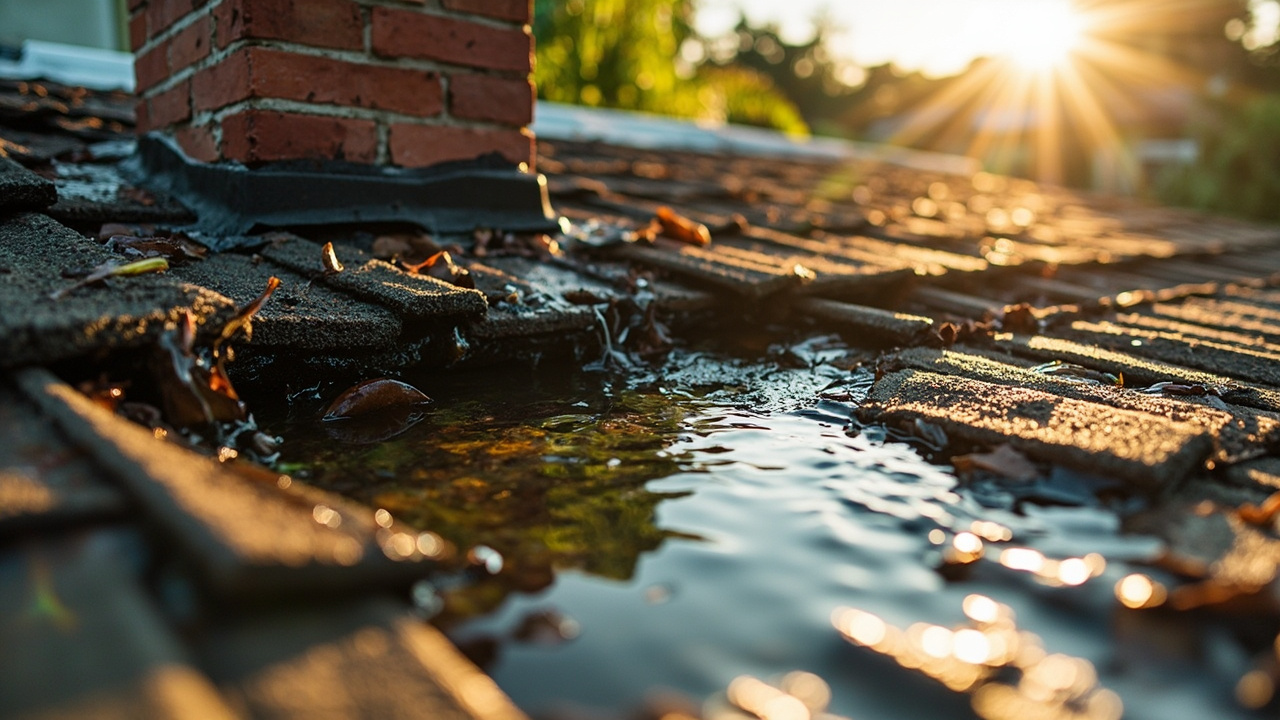
You notice standing water behind your chimney after every thunderstorm. The puddle sits there for hours, sometimes days, and you know it is damaging the roof deck below. You are not imagining it.

This is roof cricket ponding, and it happens when the chimney diverter fails to redirect water away from the upslope side of your chimney. In Miami, where we receive 60 inches of rain annually and experience intense downpours during hurricane season, chimney saddle water pooling accelerates faster than in drier climates. The saturated roof deck beneath the cricket warps, the flashing separates, and water migrates into your attic.

The problem starts with improper cricket pitch. Most crickets are framed at a 4/12 slope or less, which is inadequate for Miami's rain volume. Water does not shed quickly enough. It sits. It soaks. It finds every microscopic gap in the flashing system.

We also see chimney diverter leaks caused by undersized crickets. Contractors frame them too small to divert the watershed, or they skip the cricket entirely on smaller chimneys. This creates a dam effect. Water backs up against the chimney, overwhelms the counter flashing, and infiltrates the roof assembly.

Roof saddle drainage failure is not a cosmetic issue. It is a structural threat. The longer water pools, the more likely you are to develop concealed rot, mold growth in the sheathing, and eventual ceiling stains inside your home. Miami's humidity means that wood does not dry out between rain events. The decay compounds.

Why Water Pools Around Your Chimney During Miami's Heavy Rains
How We Diagnose and Correct Cricket Drainage Failures

How We Diagnose and Correct Cricket Drainage Failures

We do not guess. We measure the existing cricket geometry, calculate the watershed area, and determine whether the pitch is adequate for the volume of runoff your chimney generates during a Miami cloudburst.

First, we inspect the cricket framing. We look for undersized rafters, missing blocking, or sagging plywood that creates low spots where water collects. We check the cricket ridge alignment. If the ridge does not run perpendicular to the roof slope, water diverts asymmetrically and overloads one valley.

Next, we assess the flashing integration. The base flashing must extend at least 8 inches up the chimney face and tie into the counter flashing with a weathertight overlap. We see failures where the step flashing stops short, or the cricket valley flashing is pieced together with inadequate solder joints. Water exploits these seams.

We also evaluate the roofing material tie-in. Shingles must be woven or cut flush against the cricket valleys without creating voids. Improper shingling leaves channels where water bypasses the cricket entirely and flows directly into the chimney-roof junction.

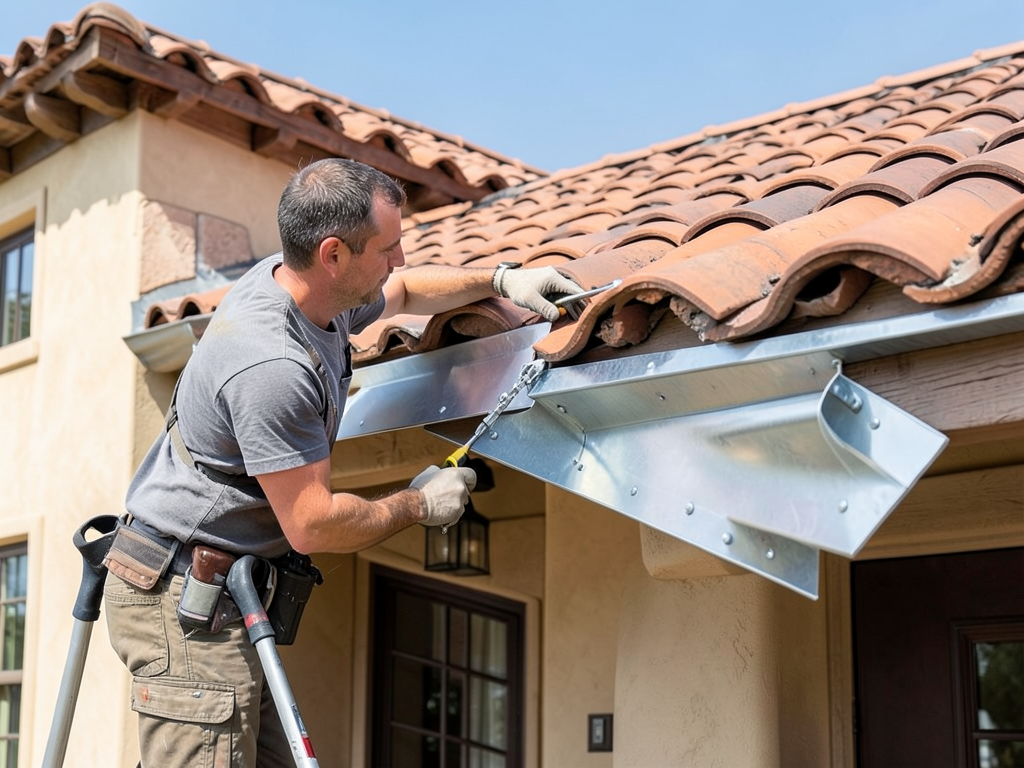
Once we identify the failure points, we re-engineer the cricket. We increase the pitch to a minimum 6/12 slope for steep roofs or build a taller saddle to elevate the ridge above the ponding threshold. We sister new framing to the existing structure, install rigid sheathing, and integrate continuous ice and water shield across the entire cricket surface.

We rebuild the flashing system with soldered copper or lead-coated copper, depending on your roof type. We do not rely on sealant. We rely on proper lapping, mechanical fastening, and gravity to move water downslope and away from the chimney mass.

What Happens When You Call About Cricket Drainage Problems

Roof Cricket Drainage Issues in Miami – Expert Diagnosis and Permanent Fixes for Chimney Ponding
01

Roof and Attic Inspection

We climb onto your roof and into your attic. We measure the existing cricket dimensions, photograph the ponding areas, and probe the roof deck for soft spots. We document stains on the chimney masonry and check the attic framing for water trails. You receive photos and measurements before we propose a solution.
02

Cricket Redesign and Framing

We remove the failed cricket structure and rebuild it with steeper geometry. We use pressure-treated lumber for the framing, install rigid sheathing, and apply a fully adhered waterproofing membrane. The new cricket is sized to handle Miami's peak rainfall intensity, not just average conditions. We integrate the cricket into the roof plane so water sheds without hesitation.
03

Flashing Installation and Testing

We install soldered base flashing and counter flashing, tie the cricket valleys into the main roof drainage plane, and shingle the assembly to match your existing roof. Before we leave, we flood-test the chimney perimeter with a hose to confirm zero leakage. You see the water sheet off the cricket and into the gutters, exactly as designed.

Why Miami Homeowners Trust Ironwood Roofing for Cricket Repairs

We have rebuilt hundreds of crickets across Miami-Dade County. We understand the specific failure modes that occur in our climate, from the Coral Gables historic district where masonry chimneys are oversized, to Pinecrest neighborhoods where shallow roof pitches compound drainage problems.

Miami's building codes require compliance with the Florida Building Code and the High Velocity Hurricane Zone standards. We design crickets that meet these requirements and withstand wind-driven rain events that would overwhelm a standard cricket geometry. Our flashing details are engineered for 150 mph sustained winds, not just normal weather.

We also know the local roofing materials. Clay tile roofs require different cricket integration than asphalt shingles. We have experience with both and adjust our flashing profiles accordingly. We do not use one-size-fits-all solutions.

You will not deal with subcontractors. Our crews are Ironwood Roofing Miami employees who have completed manufacturer training in flashing systems and waterproofing membranes. They understand the difference between a cricket that looks right and a cricket that performs right during a tropical storm.

We also provide documentation for your insurance claim if the drainage failure caused interior damage. We photograph the concealed rot, measure the affected square footage, and write a scope that separates the cricket repair from the cosmetic repairs. This clarity helps you recover the maximum claim payout without disputes over causation.

Most contractors patch crickets. We re-engineer them. The difference shows up during the next hurricane season when your neighbors are dealing with attic leaks and you are not.

What to Expect When We Fix Your Cricket Drainage Problem

Repair Timeline and Scheduling

Most cricket rebuilds take two to three days, depending on chimney size and roof complexity. We schedule the work during Miami's dry season when possible, but we can execute emergency repairs between storm fronts if you have active leaking. We tarp the work area each evening to protect the exposed roof deck. You will know the start date and the completion date before we begin. We do not leave jobs half-finished.

Initial Assessment Process

The inspection takes 45 minutes to an hour. We examine the roof surface, attic cavity, and interior ceilings for evidence of water intrusion. We measure the cricket slope with a digital level, calculate the drainage area, and determine whether the existing structure can be modified or must be replaced. You receive a written assessment with photos and a recommended scope of work. No guessing, no upselling.

Completed Cricket Performance

When we finish, the cricket will shed water in all weather conditions. You will see runoff flow cleanly into the roof valleys and away from the chimney. There will be no ponding, no hesitation, no water sitting behind the chimney after a storm. The flashing system will be watertight under hose testing and wind-driven rain simulation. We do not consider the job complete until we verify zero leakage.

Post-Repair Monitoring

We recommend an attic inspection after the first major rain event to confirm the repair is performing as designed. If you notice any staining or moisture, we return and investigate at no charge. We also provide maintenance guidance for keeping debris out of the cricket valleys, which is critical during Miami's fall leaf drop and after hurricanes when organic material accumulates on roofs.

Frequently Asked Questions

You Have Questions,
We Have Answers

What problems do roof crickets solve? +

Roof crickets prevent water from pooling behind chimneys, HVAC units, or other rooftop obstacles. Without a cricket, rain collects in these low spots, leading to leaks, rot, and structural damage. In Miami's heavy summer storms, water accumulation accelerates deterioration of underlayment and decking. A properly built cricket diverts water around the obstruction and toward gutters or scuppers. This protects flashing seals and extends roof lifespan. Crickets are especially critical on low-slope commercial roofs where drainage is already compromised. If you see standing water after storms, you likely need cricket installation or repair.

What are the signs of a failing roof drain? +

Standing water that lingers 48 hours after rain signals drain failure. You may notice rust stains around drain openings, slow drainage during storms, or visible debris clogging the strainer. Inside, look for water stains on ceilings near drain locations or musty odors. In Miami's humid climate, blocked drains promote mold growth fast. Sagging roof sections near drains indicate trapped water weight stressing the structure. Gurgling sounds during heavy rain mean partial blockage. Inspect drains quarterly. Clear leaves, palm fronds, and sediment before they cause backup. Failed drains demand immediate attention to prevent deck rot and interior damage.

How to get rid of crickets in the roof? +

This question confuses drainage crickets with insect crickets. If you hear chirping in your attic, you have a pest problem, not a drainage issue. Crickets enter through roof gaps, soffit vents, or damaged flashing. Seal entry points with caulk or hardware cloth. Remove debris and food sources from the attic. Use sticky traps or diatomaceous earth along beams. In Miami's heat, crickets thrive year-round. A pest control professional can identify entry routes and treat infestations. For drainage crickets (roof structures), you need a roofing contractor, not an exterminator. Know which problem you face before calling for help.

What is a drainage cricket? +

A drainage cricket is a peaked structure built on a roof to divert water around obstacles like chimneys or HVAC units. It looks like a small gabled roof sitting behind the obstruction. The cricket slopes water away from vulnerable areas where it would otherwise pool and leak. Built from the same materials as your main roof, it integrates with existing flashing systems. Miami building codes often require crickets on chimneys wider than 30 inches to prevent water intrusion. Proper cricket design includes matching roof pitch and waterproofing at all seams. Without crickets, water trapped behind obstacles causes premature roof failure.

Does rooftop cricket damage roofs? +

Drainage crickets protect roofs when built correctly. They prevent water pooling that causes leaks and rot. However, poorly constructed crickets create problems. Improper flashing integration allows water to seep beneath shingles or membrane. Inadequate slope fails to move water effectively. In Miami's hurricane winds, loose cricket framing can tear away, damaging surrounding roofing. Crickets must match the main roof pitch and use compatible materials. Cheap construction with mismatched shingles or improper fastening causes more harm than benefit. A professional roofing contractor ensures crickets enhance drainage without compromising roof integrity. Inspect crickets annually for loose flashing or deteriorated seals.

How to permanently get rid of crickets? +

This question mixes pest control with roofing terminology. If you mean insect crickets, eliminate moisture sources, seal entry points, and remove organic debris from your attic and crawl spaces. Use weatherstripping on doors and repair torn screens. In Miami's humidity, dehumidifiers reduce the damp conditions crickets prefer. For drainage crickets (roof structures), there is no need to remove them. They are permanent roof components that prevent water damage. Removing a drainage cricket invites leaks behind chimneys or rooftop equipment. If you are unsure which type of cricket you are dealing with, contact a roofing professional for an inspection.

How Miami's Hurricane-Driven Rain Accelerates Cricket Failures

Miami experiences horizontal rain during tropical storms and hurricanes. Wind speeds exceed 100 mph, and rain does not fall vertically. It hits roof surfaces at acute angles, overwhelming standard flashing details and exploiting every weakness in cricket geometry. A chimney saddle that works fine in calm weather fails catastrophically when wind pressurizes the upslope side and forces water under the shingles. Improper cricket pitch turns into a collection basin during these events, and the roof deck saturates in minutes. This is why we design crickets for worst-case wind-driven rain, not average conditions.

Miami-Dade County enforces some of the strictest roofing standards in the country due to our hurricane exposure. Crickets must be anchored to resist uplift, and flashing systems must meet Product Approval testing for High Velocity Hurricane Zones. Ironwood Roofing Miami is familiar with these requirements and builds every cricket to exceed them. We also understand the permitting process for structural roof modifications, which applies when we sister new framing into the existing roof assembly. Choosing a contractor who knows these local codes prevents failed inspections and ensures your repair is legal and insurable.
Roofing Services in The Miami Area

Ironwood Roofing Miami is proud to service the entire Miami-Dade County area, including South Beach, Coral Gables, Doral, and beyond. We are a local company deeply familiar with the region, allowing us to respond quickly to your emergency needs and schedule non-urgent services with efficient turnaround. View our location on the map to see where our trusted professionals operate and invite us to your neighborhood for the area's most reliable roofing expertise.

Address:
Ironwood Roofing Miami, 2214 Biscayne Blvd, Miami, FL, 33131

Additional Services We Offer

Our news updates

Latest Articles & News from The Blogs

The Best Roof Styles for Modern Accessory Dwelling Units in West Miami Building an Accessory Dwelling Unit in West Miami…

The Best Roof Styles for Modern Accessory Dwelling Units in West Miami

The Best Roof Styles for Modern Accessory Dwelling Units in West Miami Building an Accessory Dwelling Unit in West Miami…

How to Spot Drywood Termite Damage in Your Little Haiti Roof Structure

How to Spot Drywood Termite Damage in Your Little Haiti Roof Structure Little Haiti’s historic wooden roof structures face unique…

Why Metal Roofing Is Becoming the New Standard for Richmond Heights Homes

Why Metal Roofing Is Becoming the New Standard for Richmond Heights Homes Metal roofing is rapidly replacing traditional asphalt shingles…

Contact Us

Call Ironwood Roofing Miami at (645) 231-4888 today. We will inspect your cricket, identify the drainage failure, and provide a written repair plan within 48 hours. No ponding, no guessing, no delays.