menu

Roof Replacement & Installation in Miami – Expert Reroofing Services Built to Survive Hurricane Season

From full roof replacement to new roof installation, Ironwood Roofing Miami delivers tear off roof replacement designed to meet Miami-Dade's High Velocity Hurricane Zone codes and protect your property when tropical systems threaten.

Slider Image 1
Slider Image 2
Slider Image 3
Slider Image 4
Slider Image 5
Slider Image 7
Slider Image 8
Slider Image 9
Slider Image 10
Slider Image 11

Why Miami Homes Need More Than Standard Roof Replacement

Miami's location in the High Velocity Hurricane Zone changes everything about installing a new roof. The constant assault of salt air, UV radiation that bakes asphalt shingles year-round, and wind uplift pressures during tropical storms create failure points that roofs in other climates never face. Add the seasonal afternoon thunderstorms that dump inches of rain in minutes, and your roof system works harder here than almost anywhere in the continental United States.

A full roof replacement in Miami is not just about swapping old shingles for new ones. It requires engineered wind resistance, sealed deck systems, enhanced underlayment that can handle sideways rain, and flashing details that prevent water intrusion when 100 mph gusts drive moisture under standard installations. The clay and limestone substrate throughout Miami-Dade County also shifts slightly with wet and dry seasons, which means your roof deck fastening pattern matters more than most contractors realize.

Generic reroofing services imported from northern climates fail here. Contractors who skip secondary water barriers or use standard three-tab shingles designed for Georgia create liabilities during the next named storm. When you invest in new roof installation, you need a system that accounts for Florida Building Code's stringent uplift tables, the corrosive marine environment near Biscayne Bay, and the reality that your roof will face multiple tropical weather events during its service life. Tear off roof replacement done correctly means engineering each layer for survival, not just aesthetics.

Why Miami Homes Need More Than Standard Roof Replacement
How Professional Roof Replacement Protects Your Investment

How Professional Roof Replacement Protects Your Investment

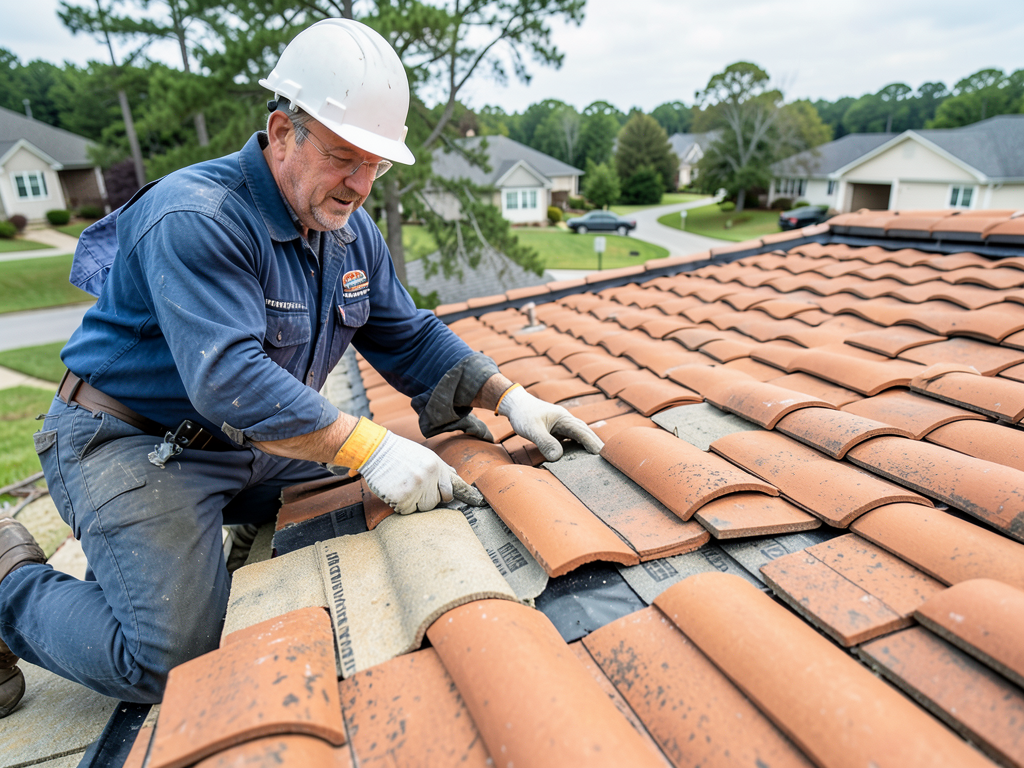
Full roof replacement starts with removing every compromised layer down to the deck. We inspect the plywood or OSB sheathing for soft spots, delamination, or fastener pullout caused by previous wind events. In older Miami homes built before current hurricane codes, we often find inadequate nailing patterns or deck panels that no longer meet span requirements. These get addressed before any new materials go down.

The underlayment phase separates amateur work from engineered installations. We install self-adhering modified bitumen or synthetic underlayment rated for high-temperature applications. Miami's summer roof surface temperatures exceed 160 degrees, which destroys budget underlayments within years. Our materials bond to the deck and seal around every fastener penetration, creating a secondary drainage plane when shingles eventually fail.

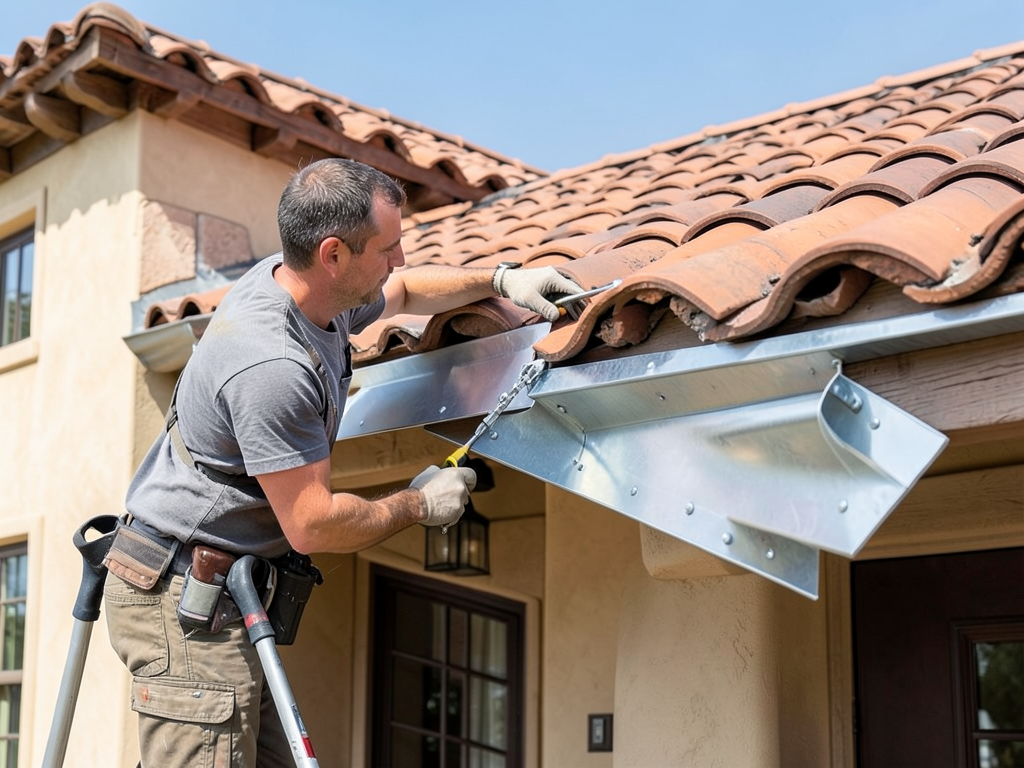
Flashing installation determines whether your new roof installation survives intact or develops leaks within the first storm season. We use corrosion-resistant metals compatible with Miami's salt air and seal every transition with polyurethane or butyl-based sealants that remain flexible through thermal cycling. Valleys, sidewalls, and penetrations get detailed with overlapping layers that shed water even under wind-driven rain conditions.

The shingle installation follows Miami-Dade's Notice of Acceptance requirements. We use six-nail patterns on field shingles and enhanced starter courses with sealant strips that activate in Miami's heat. Hip and ridge caps get upgraded fastening. Every bundle carries a product approval number for High Velocity Hurricane Zone applications. Reroofing services that skip these details leave you exposed when the National Hurricane Center issues the next advisory.

What Happens During Your Roof Replacement Project

Roof Replacement & Installation in Miami – Expert Reroofing Services Built to Survive Hurricane Season
01

Inspection and Code Review

We start every tear off roof replacement with a structural assessment of your existing deck and framing. Our team measures truss spacing, evaluates sheathing thickness, and checks fastener schedules against current Florida Building Code amendments. You receive a written scope detailing any deck repairs, ventilation upgrades, or structural reinforcements needed before new materials get installed. This prevents mid-project surprises and ensures permit compliance.
02

Material Selection and Engineering

Your roof system gets engineered for your specific wind zone and building geometry. We calculate edge metal requirements, select impact-rated shingles if needed, and specify underlayment based on your roof pitch and exposure. Every product carries Miami-Dade County product approval documentation. You see exactly what materials will protect your home and why they meet or exceed code minimums for hurricane resistance and longevity.
03

Installation and Final Inspection

The installation follows a sequenced approach that keeps your home weather-tight during the project. We work in sections, complete flashing and underlayment before shingles go down, and coordinate building department inspections at required stages. Final cleanup removes every nail and debris piece. You receive documentation for insurance purposes and a detailed maintenance guide that explains your new roof system and how to protect your investment.

Why Miami Properties Require Local Roofing Expertise

Ironwood Roofing Miami operates exclusively within Miami-Dade and Broward counties because roof replacement here demands location-specific knowledge that transient contractors lack. We maintain relationships with local building departments, understand the permitting nuances between Coral Gables' strict historical guidelines and unincorporated county requirements, and know which inspectors prioritize which details during final review.

Our material suppliers stock products engineered for South Florida's climate. We do not source generic shingles designed for temperate zones. Every bundle meets ASTM D3161 Class F wind resistance or higher, carries algae-resistant granules that prevent the black streaking common in Miami's humid environment, and includes thermal stability ratings that prevent premature aging under constant UV exposure. When you choose installing a new roof with materials selected for this climate, you avoid the premature failures that plague discount installations.

We also understand Miami's architectural diversity. The barrel tile roofs common in Coconut Grove require different flashing approaches than the flat concrete tile systems in Kendall. Metal roofing installations near the coast need specific fastener types to resist galvanic corrosion. Full roof replacement on mid-century modern homes with low slopes requires different waterproofing strategies than steep-pitch Mediterranean revivals. Local expertise means we have solved these challenges hundreds of times across every Miami neighborhood.

The insurance claim process after storm damage also benefits from local knowledge. We document pre-loss conditions, communicate directly with adjusters familiar with Miami-Dade wind mitigation requirements, and understand how to supplement initial estimates when hidden damage appears during tear off. Your reroofing services should not just repair damage but also upgrade your wind rating to potentially lower future premiums.

What You Can Expect from Your Roof Replacement

Project Timeline and Scheduling

Most residential tear off roof replacement projects in Miami complete within three to five working days, depending on size, complexity, and weather. We schedule around forecasted rain events and coordinate material deliveries to avoid exposing your home to the elements. Commercial reroofing services often require phased approaches to maintain business operations, which we plan in detail before starting work. You receive a project schedule that accounts for inspection hold points, material lead times for specialty products, and realistic completion dates based on current permit processing times at your local building department.

Pre-Installation Assessment Process

Before any materials arrive, we conduct a detailed inspection that goes beyond surface evaluation. Our assessment includes attic ventilation review, deck fastening verification, chimney and penetration condition checks, and gutter system evaluation. You receive a written report with photos documenting current conditions and explaining recommended scope items. This transparency prevents change orders and ensures you understand exactly what work your new roof installation requires. We also coordinate with your insurance carrier if storm damage triggered the replacement, providing documentation that supports your claim.

Installation Quality and Standards

Every full roof replacement follows manufacturer specifications and exceeds minimum code requirements. We use pneumatic nailers calibrated to prevent overdrive that compromises shingle integrity and underdrive that allows blow-offs. Flashing gets installed with proper overlap sequences and sealed with compatible sealants. Ridge vents get baffled to prevent rain intrusion while maintaining airflow. Our crews install drip edge before underlayment at eaves and over underlayment at rakes, following best practices that many contractors ignore. The result is a roof system engineered as an integrated assembly, not just individual components thrown together.

Post-Installation Support and Documentation

After installing a new roof, you receive a comprehensive documentation package including material warranties, workmanship details, maintenance recommendations, and building department approval certificates. We provide guidance on optimal maintenance intervals, what to inspect after storm events, and how to identify minor issues before they become major problems. Our relationship continues beyond project completion. If questions arise about flashing details, ventilation performance, or general roof care, we remain available to support the investment you made in protecting your property.

Frequently Asked Questions

You Have Questions,
We Have Answers

What is the average cost of a full roof replacement? +

Roof replacement costs in Miami vary based on size, material, and complexity. A typical single-family home ranges from moderate to high investment depending on whether you choose asphalt shingles, metal, or tile. Miami's hurricane codes require enhanced wind ratings and proper flashing, which adds to material and labor costs. Roof pitch, number of penetrations, and underlying deck condition also impact price. Get three local estimates that include Miami-Dade County NOA approvals for hurricane resistance. Avoid the lowest bid. Quality installation matters more in a high-wind zone where shortcuts lead to insurance claims and premature failure.

What is the average cost of a new roof in Virginia? +

This question targets Virginia, but you are researching Miami roof replacement. Virginia costs differ due to climate, building codes, and material availability. Miami requires hurricane-rated materials with high wind uplift resistance, which impacts pricing differently than Virginia's freeze-thaw and snow load requirements. If you own property in both locations, understand that Miami roofs face salt air corrosion, intense UV exposure, and tropical storm threats. Virginia roofs combat ice damming and temperature swings. Always hire local contractors familiar with regional building codes and climate-specific installation methods for accurate pricing and performance.

Is $30,000 too much for a roof? +

Whether $30,000 is reasonable depends on your Miami home's size, roof complexity, and material choice. For a 2,500-square-foot home with concrete tile or standing seam metal, this figure falls within normal range when you factor in Miami-Dade County's strict hurricane codes. Tile roofs require reinforced decking and proper battening for wind uplift. Metal roofs need corrosion-resistant fasteners for salt air exposure. If the bid includes tear-off, deck repairs, upgraded underlayment, and proper permitting with Miami-Dade NOA-approved materials, the investment protects your home for 30-plus years in extreme weather conditions.

How much does it cost to roof a 20x20 garage? +

Roofing a 20x20 garage (400 square feet) in Miami costs less than a full home replacement but still requires hurricane-rated materials and proper permitting. Expect pricing based on material choice. Asphalt shingles cost less than metal or tile. Your garage needs the same wind uplift resistance as your main structure since Miami building codes apply to all structures. Factor in tear-off, deck inspection, drip edge, underlayment, and flashing. Detached garages often have simpler roof lines, which reduces labor time. Get written estimates that specify Miami-Dade County NOA product approvals for wind resistance.

What is the most expensive part of replacing a roof? +

Labor is the most expensive component of roof replacement in Miami. Skilled crews must follow strict installation protocols for hurricane resistance, including proper fastener patterns, flashing details, and underlayment lapping. Miami's heat and humidity make roof work physically demanding, which impacts crew productivity and pricing. Material costs follow closely, especially when using concrete tile or metal panels rated for 150-plus mph winds. Tear-off and deck repairs add significant expense if your existing substrate shows water damage or rot from years of summer thunderstorms. Quality labor prevents future leaks and insurance claim denials.

How much roofing do I need for a 2000 sq ft house? +

A 2,000-square-foot home typically requires 20 to 22 squares of roofing material (one square equals 100 square feet). This accounts for roof pitch, waste factor, and starter courses. Miami homes with tile or metal roofs need precise measurements since these materials have different coverage rates than shingles. Steep pitches and complex roof lines with multiple valleys, dormers, or hips increase material needs. Your contractor should measure actual roof surface area, not just living space. Include extra material for ridge caps, hip and ridge tiles, and waste from cuts around vents and chimneys.

Should a 20 year old roof replace? +

A 20-year-old roof in Miami deserves close inspection. Asphalt shingles typically last 15 to 25 years in Florida's harsh UV and tropical storm environment. Look for granule loss, curling edges, cracked shingles, or exposed fasteners. Check your attic for water stains or daylight through the deck. Miami's summer heat accelerates shingle deterioration. If your roof survived multiple hurricane seasons, hidden damage may exist in flashing or underlayment. Schedule a professional inspection before leaks cause interior damage. Replacing proactively costs less than emergency repairs after water penetrates drywall and insulation.

Are there tax credits for new roofs? +

Federal tax credits for residential roofs focus on energy efficiency, not standard replacements. You may qualify if installing qualified solar panels or cool roof products that meet Energy Star requirements. Miami homeowners benefit from reflective metal or tile roofs that reduce cooling costs, but standard replacement does not qualify for federal credits. Check Florida state programs and Miami-Dade County incentives for storm-resistant upgrades or solar integration. Some insurance companies offer premium discounts for impact-resistant materials or fortified roof designations. Consult a tax professional to determine eligibility based on your specific installation and materials.

Will homeowners insurance pay for a new roof? +

Homeowners insurance covers roof replacement only if damage results from a covered peril like hurricanes, fallen trees, or fire. Normal wear and age-related deterioration do not qualify. In Miami, insurance adjusters scrutinize wind damage claims closely due to fraud concerns. Document storm damage immediately with photos and timestamps. Your policy may use actual cash value (depreciated) or replacement cost coverage. Deductibles for hurricane claims often differ from standard perils. Maintain records of roof maintenance and inspections to prove proper care. Denied claims can be appealed with contractor documentation showing sudden, storm-related damage versus pre-existing wear.

How do people afford to pay for a new roof? +

Miami homeowners finance roof replacement through several methods. Home equity loans or lines of credit offer lower interest rates if you have sufficient equity. Personal loans provide quick funding without home collateral. Many roofing contractors offer payment plans or financing through third-party lenders. Check terms carefully for interest rates and fees. Insurance proceeds cover storm damage after deductible. Emergency funds or savings remain the least expensive option. For seniors, reverse mortgages or property tax deferrals may help. Prioritize roofing over discretionary spending since Miami's climate makes a sound roof critical for protecting your entire investment.

Why Miami-Dade's Hurricane Code Makes Professional Roof Replacement Critical

Miami sits in the most stringent wind zone in Florida's building code. The High Velocity Hurricane Zone designation means every new roof installation must withstand design wind speeds of 175 mph or higher, depending on your specific location and building exposure category. This is not optional or subject to contractor interpretation. Product approvals, fastener schedules, deck attachment requirements, and edge metal specifications all get dictated by Miami-Dade County's Notice of Acceptance system. Reroofing services that cut corners on these requirements leave you with code violations that insurance companies can use to deny claims and building departments can force you to tear off and reinstall correctly.

Ironwood Roofing Miami maintains active relationships with local building officials and stays current on code amendments that affect tear off roof replacement standards. We attend Miami-Dade product approval updates and understand which legacy installations can be grandfathered versus which require full upgrades during reroofing. Our familiarity with local inspection processes means your project passes review the first time, avoiding costly delays and re-inspection fees. When you choose a contractor who lives and works exclusively in this market, you gain an advocate who understands that full roof replacement in Miami carries stakes higher than most homeowners realize.
Roofing Services in The Miami Area

Ironwood Roofing Miami is proud to service the entire Miami-Dade County area, including South Beach, Coral Gables, Doral, and beyond. We are a local company deeply familiar with the region, allowing us to respond quickly to your emergency needs and schedule non-urgent services with efficient turnaround. View our location on the map to see where our trusted professionals operate and invite us to your neighborhood for the area's most reliable roofing expertise.

Address:
Ironwood Roofing Miami, 2214 Biscayne Blvd, Miami, FL, 33131

Additional Services We Offer

Our news updates

Latest Articles & News from The Blogs

The Real Cost Difference Between Concrete and Clay Tiles for Hammock Lakes Homes Choosing between concrete and clay roof tiles…

The Real Cost Difference Between Concrete and Clay Tiles for Hammock Lakes Homes

The Real Cost Difference Between Concrete and Clay Tiles for Hammock Lakes Homes Choosing between concrete and clay roof tiles…

Managing Parapet Wall Leaks and Cap Flashing Issues for Brickell Townhomes

Managing Parapet Wall Leaks and Cap Flashing Issues for Brickell Townhomes Parapet walls create a critical vulnerability in Brickell townhome…

Why Your Ponce Davis Home Needs Heavy Duty Drip Edges to Prevent Wood Rot

Why Your Ponce Davis Home Needs Heavy Duty Drip Edges to Prevent Wood Rot The heavy afternoon thunderstorms that roll…

Contact Us

Do not wait until the next tropical system forms to address your failing roof. Call Ironwood Roofing Miami at (645) 231-4888 for a detailed assessment and engineered replacement plan that protects your property and meets Miami-Dade's hurricane standards.