

Miami Lakes sits in one of the most aggressive roofing climates in America. The combination of hurricane-season wind loads, year-round UV degradation, and constant moisture exposure creates a perfect storm for roof deterioration. Homes near the Miami Lakes Main Street corridor and throughout neighborhoods like Royal Oaks and Lake Patricia face afternoon thunderstorms that dump inches of rain in minutes, testing every weak point in your roof system.
The Florida Building Code requires specific wind ratings and installation methods that many roofers ignore or misunderstand. High Velocity Hurricane Zone requirements mean your roof must meet Miami-Dade County's NOA standards, the strictest in the nation. The porous limestone beneath Miami Lakes compounds problems when water penetrates roof decking, as humidity from below meets moisture from above.
Flat roofs common in commercial properties along Northwest 138th Street deteriorate faster here than anywhere else due to standing water and UV exposure. Tile roofs popular in residential areas crack under thermal cycling as surface temperatures swing from 160 degrees during the day to 75 at night. Even modern shingle installations fail prematurely when installers skip proper underlayment or use fasteners that corrode in salt air pushed inland from the coast. Your roof needs more than basic installation. It needs engineering for Miami Lakes conditions.
Ironwood Roofing Miami operates differently than the storm chasers and low-bid contractors that flood Miami Lakes after every hurricane. We focus on permanent solutions that address the root causes of roof failure in South Florida's climate. Our crews understand that proper roof installation in Miami-Dade County means following product-of-approval documents to the letter, not cutting corners to save time.
We start every project with a thorough decking inspection because water damage often extends beyond what you can see from the surface. Many contractors slap new shingles over compromised plywood, creating a ticking time bomb. We identify structural issues before they become emergency situations. Our material selections account for Miami Lakes' specific challenges. We use corrosion-resistant fasteners that won't fail in humid conditions, underlayments rated for high-temperature applications, and flashings designed to handle wind-driven rain.
Our commitment to Miami Lakes goes beyond individual projects. We understand how afternoon storms move across the area, which neighborhoods face the worst wind exposure, and how the urban heat island effect around commercial districts accelerates roof aging. This local knowledge shapes every recommendation we make. We don't push the cheapest option or the highest-margin sale. We propose roof systems engineered for your specific location, building type, and exposure conditions.
When you call Ironwood Roofing Miami, you get a team that views roofing as a weatherproofing system, not just cosmetic coverage. We coordinate with structural engineers when needed, work directly with insurance adjusters on storm damage claims, and pull proper permits for every installation. Our reputation in Miami Lakes rests on roofs that still perform flawlessly years after installation, through multiple hurricane seasons and countless thunderstorms.

Every roof we install meets or exceeds Miami-Dade County's High Velocity Hurricane Zone requirements. We follow manufacturer NOA documents exactly, ensuring your roof can handle 150+ mph wind events. Our installations include proper edge metal, reinforced field attachments, and tested underlayment systems that prevent water intrusion during wind-driven rain events that define Miami Lakes storm seasons.

We inspect beyond surface damage to identify compromised decking, failed underlayment, and structural issues that other contractors miss. Our assessments include moisture mapping to find hidden water damage and thermal imaging to detect insulation problems. You get a complete picture of your roof's condition, not just a quote for visible repairs that won't solve underlying problems.
We work directly with insurance adjusters to document storm damage and ensure claims cover all necessary repairs. Our detailed documentation includes wind damage patterns, hail impact assessment, and moisture intrusion mapping that supports your claim. We understand Florida insurance requirements and fight for the coverage your policy provides, handling the paperwork while you focus on protecting your property.
We know which neighborhoods face the worst wind exposure, where drainage problems cause premature roof failure, and how local building characteristics affect roofing decisions. This knowledge shapes every recommendation we make. Your roof solution accounts for Miami Lakes' specific weather patterns, building codes, and architectural styles. We've protected hundreds of homes and businesses throughout the area through multiple hurricane seasons.
Ironwood Roofing Miami handles everything from emergency leak repair to complete roof replacement across residential and commercial properties. Our service range covers the full spectrum of roofing needs in Miami Lakes, from storm damage restoration to planned upgrades that improve energy efficiency and weather resistance.
We approach each project by first understanding what your roof needs to accomplish. Emergency repairs require immediate water intrusion stopping and temporary weatherproofing until permanent solutions can be installed. Full replacements demand proper material selection, structural assessment, and installation techniques that meet Miami-Dade County's strict requirements. Maintenance programs prevent small problems from becoming major failures.
Our teams work on single-family homes in neighborhoods like Shenandoah and Timber Run, commercial buildings along the Northwest 138th Street corridor, and multi-family properties throughout Miami Lakes. Each property type presents different challenges. Residential roofs often need better ventilation to combat attic heat buildup. Commercial flat roofs require proper drainage design and membrane selection. We match our approach to your specific building and situation, using roofing repair specialists who understand the difference between patch jobs and permanent solutions. Whether you need roof leak repair after a storm or complete roof damage repair from years of weather exposure, our roof patching services address immediate problems while planning for long-term protection.
When storms rip shingles off or wind-driven rain finds every weak point in your roof, water damage accelerates by the hour. Our emergency roof leak repair teams respond immediately to stop water intrusion, tarp exposed areas, and perform temporary repairs that protect your property until permanent solutions can be installed. We document damage for insurance claims while preventing further destruction. Emergency roof patching services include interior water mitigation, damaged decking replacement, and weatherproofing that holds through the next storm system.
When roof damage repair becomes more expensive than replacement, or your roof reaches the end of its service life, complete replacement offers the opportunity to upgrade to modern materials and installation techniques. We remove old roofing down to the decking, replace compromised structural components, install high-performance underlayment, and apply new roof covering using Miami-Dade County approved methods. Our roofing repair contractors handle permitting, inspections, and final certification. You get a roof system designed to last 20-30 years through Florida's toughest weather.
Regular maintenance extends roof life and prevents emergency situations. Our roofing repair specialists perform detailed inspections twice yearly, identifying and repairing minor issues before they become major problems. We clean debris from valleys and gutters, reseal penetrations, replace damaged shingles, and check flashing integrity. Maintenance programs include thermal imaging to detect hidden moisture, documentation of roof condition for insurance and resale purposes, and priority emergency response when storms hit. Preventive roof patching services cost a fraction of emergency repairs.
Miami Lakes roofs fail in predictable patterns driven by climate and installation shortcuts. Understanding these common problems helps you identify issues before they cause serious damage. The combination of intense UV exposure, thermal cycling, wind events, and moisture creates unique failure modes not seen in other parts of the country.
Properties near lakes and canals face additional humidity that accelerates organic growth and underlayment deterioration. Homes in newer developments sometimes have installation defects from rapid construction schedules. Older neighborhoods deal with aging roof systems installed before current wind-rating requirements. Commercial properties face ponding water issues on flat roofs that residential pitched roofs avoid. Each problem requires specific solutions, not generic patches that fail within months. These issues affect homes from the Main Street area to properties along the Palmetto Expressway corridor, with specific challenges varying by building age, roof type, and exposure.
Miami Lakes thunderstorms generate straight-line winds that rip poorly attached shingles off in strips. Edge metal failures allow wind to get under roof covering and peel back large sections. Missing shingles expose underlayment to UV damage and create entry points for water. The problem compounds quickly as each missing shingle puts more stress on adjacent ones. Proper repairs require replacing missing material plus reinforcing attachment methods to prevent recurrence during the next storm.
Plumbing vents, exhaust fans, satellite dishes, and solar equipment create dozens of roof penetrations. Each one requires proper flashing and sealing to prevent water intrusion. Thermal cycling causes sealants to crack and metal flashings to separate from roof surfaces. Wind-driven rain finds these gaps and funnels water into your attic and wall cavities. Many leaks blamed on damaged shingles actually originate at poorly sealed penetrations that need complete reflashing, not just new caulk.
Shingles rated for 25-year service life often fail in 12-15 years in Miami Lakes due to UV exposure and heat. Granule loss exposes asphalt to direct sunlight, accelerating breakdown. Shingles become brittle and crack along high-stress areas. Poor attic ventilation increases surface temperatures and speeds deterioration. Cheap shingles installed by low-bid contractors fail even faster. When granule loss exceeds 30 percent, replacement becomes necessary before complete system failure occurs.
Water often penetrates roof systems months before visible ceiling stains appear. It travels along rafters, soaks into insulation, and creates perfect conditions for mold growth. Plywood decking delaminates and loses structural strength. By the time you notice interior damage, the roof often needs extensive decking replacement beyond simple leak repair. Thermal imaging during inspections reveals hidden moisture before it causes major structural problems requiring expensive remediation and reconstruction work.
Working with Ironwood Roofing Miami means dealing with a team that respects your time, property, and investment. From initial contact through project completion and beyond, we maintain clear communication and professional conduct. You never wonder what happens next or when work will be completed.
Our process begins with understanding your situation. Are you dealing with active leaks that need immediate attention? Planning ahead for roof replacement before problems start? Responding to insurance requirements after storm damage? Each situation requires a different approach. We adjust our process to match your needs, not force you into a one-size-fits-all system.
You receive detailed documentation at every stage. Initial assessments include photos, measurements, and written explanations of conditions found. Proposals break down scope of work, materials specified, and timeline expected. During installation, you get daily updates on progress and any issues discovered. Final documentation includes warranty information, maintenance recommendations, and certification of permit compliance. We answer questions throughout the process and remain available long after installation for any concerns that arise. Your experience with us should reinforce your decision to choose Ironwood Roofing Miami for protecting your most valuable asset.
You receive a detailed assessment within 24 hours of initial contact, with photos and written explanation of what we found. Our proposals specify exact materials, installation methods, and timeline. No vague estimates or surprise charges later. During work, you get daily progress updates and immediate notification of any additional issues discovered. We explain problems in plain language and provide options with honest pros and cons of each approach. Questions get answered the same day, not three days later after multiple follow-up calls.
Our installation teams arrive on time, work efficiently, and treat your property like their own. Job sites stay organized with materials staged properly and debris removed daily. We protect landscaping, driveways, and adjacent structures from falling material and equipment damage. Crew members answer your questions politely and address concerns immediately. No blaring music, no excessive noise before 8 AM, no shortcuts taken when you are not watching. At day's end, the site looks orderly and safe, not like a construction war zone.
Your completed roof includes manufacturer material warranties plus our workmanship guarantee covering installation defects. We provide written warranty documentation explaining exactly what is covered and for how long. Six months after installation, we perform a complimentary follow-up inspection to ensure everything performs as expected. If issues arise during the warranty period, we respond quickly to assess and resolve them. Our warranty commitment means you have a partner protecting your investment, not just a contractor who disappears after the final payment clears.
We simplified the roofing process into three clear phases that keep you informed and in control. No confusion about what happens next or when work gets completed.
Your project begins with a thorough roof inspection covering surface conditions, structural integrity, ventilation adequacy, and potential problem areas. We use moisture meters to detect hidden water damage and document everything with photos and measurements. You receive a written assessment explaining what we found, what needs immediate attention, and what can wait. Our proposal specifies materials, methods, timeline, and total investment required. We answer all questions and adjust the plan based on your priorities and budget before moving forward.
Installation begins with proper preparation including material delivery, site protection, and safety setup. Our crews remove old roofing, inspect and repair decking, install underlayment and flashing, then apply your new roof system following manufacturer specifications exactly. We pull required permits and coordinate inspections. Work proceeds efficiently with minimal disruption to your daily routine. You get daily progress updates and immediate notification of any issues discovered during tear-off. Quality checks happen at each phase before moving to the next step.
Project completion includes thorough site cleanup with magnetic sweeps for fallen fasteners and removal of all debris. We perform a detailed final inspection with you, walking through the completed work and explaining maintenance recommendations. You receive warranty documentation, permit certifications, material specifications, and care instructions. We schedule a six-month follow-up inspection to ensure everything performs as expected through multiple weather cycles. Your investment is protected with comprehensive warranty coverage and our ongoing commitment to your satisfaction.
Proper roofing in Miami Lakes requires following technical standards most contractors ignore or misunderstand. The Florida Building Code Chapter 15 governs roof system requirements, but Miami-Dade County adds another layer of stringent requirements through the High Velocity Hurricane Zone provisions. These rules exist because South Florida faces wind loads and weather exposure that destroy roof systems considered adequate elsewhere in the country.
Every roofing product used in Miami-Dade County must have a valid Notice of Acceptance from the county's product control division. These NOA documents specify exact installation methods, fastener schedules, and material combinations tested to withstand 150+ mph winds. Deviating from NOA requirements voids warranties and creates code violations that show up during insurance inspections. Many contractors install products correctly rated for the area but use installation methods that fail to meet NOA specifications, particularly around edge metal attachment and field fastener spacing.
The Building Code requires roof deck attachment capable of resisting 150 mph winds based on exposure category and mean roof height. This translates to 8d ring shank nails every 6 inches along edges and 12 inches in the field for plywood decking over trusses spaced 24 inches on center. Underlayment must meet ASTM D226 Type II or D4869 standards minimum, with self-adhering modified bitumen required in vulnerable areas. Shingle attachment requires six fasteners per shingle in high wind zones, placed in the manufacturer's specified nailing zone.
Valley construction generates constant debate. Open valleys with metal flashing perform better long-term than woven or closed-cut valleys in Miami Lakes conditions. Wind-driven rain and debris accumulation make proper valley design critical. Crickets behind chimney and roof-wall intersections prevent water damming. Ice and water shield seems unnecessary in Florida until you understand that driving rain behaves similarly to ice dam conditions, requiring the same waterproofing protection at vulnerable transitions.
Ventilation requirements often get ignored despite their critical importance in Miami Lakes climate. Attic temperatures regularly exceed 150 degrees during summer months, dramatically accelerating shingle deterioration and increasing cooling costs. Proper ventilation requires balanced intake at soffits and exhaust at ridge, with minimum 1 square foot of net free ventilation area per 150 square feet of attic space. Many homes have ridge vents installed with no soffit intake, creating zero airflow despite appearing properly vented.
Notice of Acceptance documents specify tested installation methods for every roofing product used in Miami-Dade County. These include exact fastener types, spacing requirements, edge metal attachment methods, and material compatibility. Installing products outside NOA specifications creates code violations and voids manufacturer warranties. We follow NOA requirements exactly, maintaining certification documentation and using only approved fastener schedules. Your roof meets the highest wind resistance standards in the nation through proper product selection and installation technique.
Roof replacement costs vary based on roof size, pitch, complexity, material selection, and current condition. Steep roofs require more safety equipment and time. Multiple valleys, dormers, and penetrations increase labor requirements. Damaged decking adds material and structural costs. High-end materials like architectural shingles or tile cost more than basic three-tab shingles but last longer and perform better. Your investment reflects these variables plus permit fees, dump charges, and warranty protection. We provide detailed breakdowns so you understand exactly where money goes.
Most residential roof replacements take 2-4 days from start to completion depending on size and complexity. Tear-off and decking repair happen first, followed by underlayment and flashing installation, then final roof covering application. Weather delays extend timelines when rain prevents work. Permit inspections add scheduling dependencies. Emergency repairs happen same-day or next-day. Complete replacements require coordination with material delivery and inspection scheduling. We provide realistic timelines upfront and keep you updated on any changes caused by weather or inspection delays.
Miami-Dade County requires building permits for most roof work beyond simple repairs. Permit applications include engineering drawings for homes in high wind zones, product approval numbers for materials used, and contractor licensing information. Inspections verify proper installation before final approval. Working without permits creates insurance problems and complicates future property sales. We handle all permit applications, coordinate required inspections, and ensure your project meets county requirements. Final permit closure provides documentation that work was completed properly and legally.
Expert explanation of roofing challenges specific to Miami Lakes, Florida, covering hurricane-rated installation requirements, common roof failure patterns in South Florida climate, and technical standards for Miami-Dade County compliance. Video demonstrates proper roof leak repair techniques, discusses underlayment and ventilation requirements, and explains what quality roof damage repair requires in high-wind zones. Ironwood Roofing Miami provides detailed information on storm protection, permit requirements, and engineering standards that separate permanent roofing solutions from temporary patches in Miami Lakes properties.
Ironwood Roofing Miami serves the entire Miami Lakes area and surrounding communities throughout northwest Miami-Dade County. Our service territory extends from the Main Street corridor through established neighborhoods like Royal Oaks, where mature trees and lakefront properties create unique roofing challenges, to newer developments in the Shenandoah and Timber Run areas where modern construction standards meet Florida's evolving building codes.
Properties along Northwest 154th Street face different exposure than homes near Miami Lakes Drive, with wind patterns and storm water drainage varying significantly across the area. We understand these microclimates and site-specific factors that affect roof performance. Commercial buildings along the Northwest 138th Street business corridor require different approaches than residential properties in subdivisions like Loch Lomond or Lake Patricia, where architectural styles range from Mediterranean tile roofs to modern architectural shingle installations.
Our teams regularly work in neighborhoods surrounding Miami Lakeway South and throughout the communities near the Palmetto Expressway, where proximity to major roadways creates additional debris and pollution exposure that accelerates roof deterioration. Properties near Don Shula's Golf Club and the extensive canal system running through Miami Lakes face elevated humidity levels that affect underlayment longevity and create perfect conditions for organic growth on roof surfaces.
We serve residential customers from single-family homes in Amelia Earhart Park area to townhomes and condominiums throughout the region. Commercial clients include retail centers, office buildings, medical facilities, and light industrial properties across northwest Miami-Dade County. Multi-family property managers rely on us for complex reroofing projects that require coordination with residents and strict timeline management.
Each area of Miami Lakes presents specific roofing challenges shaped by building age, architectural trends, and environmental exposure. Older homes near the original Miami Lakes development core often need complete tear-offs due to multiple roof layers installed over decades. Newer construction in expanding areas sometimes reveals installation shortcuts taken during rapid development periods. We approach each project with knowledge of local building patterns, common defects by area and construction era, and solutions proven effective for Miami Lakes conditions specifically.
New roof pricing in Miami Lakes depends on several factors. Your roof size, material choice, pitch, and complexity all affect the final price. Asphalt shingle roofs typically run less than metal or tile options. Additional factors include tear-off requirements, decking repairs, and ventilation upgrades. Most residential projects range from budget-friendly asphalt installations to premium metal and tile systems. Get at least three written estimates from local contractors. Each estimate should detail materials, labor, timeline, and warranty coverage. Prices fluctuate based on season and material availability.
Metal roofing stands out as the top hurricane-resistant choice for Miami Lakes homes. Metal panels withstand winds up to 160 mph when properly installed. Concrete and clay tiles also perform well, offering wind ratings up to 150 mph. These materials resist impact from flying debris and last 40-50 years. Architectural shingles rated for high winds serve as a more affordable option. Look for products with Miami-Dade County approval and Class 4 impact ratings. Your contractor should install proper underlayment and use enhanced fastening patterns to maximize storm protection.
Most Miami Lakes roof replacements take 1-3 days for standard single-family homes. A simple asphalt shingle replacement on a 2,000 square foot home typically finishes in one day. Tile and metal roofs require 2-4 days due to installation complexity. Larger homes, multiple stories, or steep pitches extend the timeline. Weather delays during rainy season add extra time. Extensive decking repairs or structural issues increase project duration. Your contractor should provide a specific timeline based on your roof size, material choice, and home configuration.
New roof pricing in Miami Lakes depends on several factors. Your roof size, material choice, pitch, and complexity all affect the final price. Asphalt shingle roofs typically run less than metal or tile options. Additional factors include tear-off requirements, decking repairs, and ventilation upgrades. Most residential projects range from budget-friendly asphalt installations to premium metal and tile systems. Get at least three written estimates from local contractors. Each estimate should detail materials, labor, timeline, and warranty coverage. Prices fluctuate based on season and material availability.
Metal roofing stands out as the top hurricane-resistant choice for Miami Lakes homes. Metal panels withstand winds up to 160 mph when properly installed. Concrete and clay tiles also perform well, offering wind ratings up to 150 mph. These materials resist impact from flying debris and last 40-50 years. Architectural shingles rated for high winds serve as a more affordable option. Look for products with Miami-Dade County approval and Class 4 impact ratings. Your contractor should install proper underlayment and use enhanced fastening patterns to maximize storm protection.
Most Miami Lakes roof replacements take 1-3 days for standard single-family homes. A simple asphalt shingle replacement on a 2,000 square foot home typically finishes in one day. Tile and metal roofs require 2-4 days due to installation complexity. Larger homes, multiple stories, or steep pitches extend the timeline. Weather delays during rainy season add extra time. Extensive decking repairs or structural issues increase project duration. Your contractor should provide a specific timeline based on your roof size, material choice, and home configuration.
Yes, you need a building permit for roof replacement in Miami Lakes. The Town of Miami Lakes Building Department requires permits for all re-roofing projects. Your contractor typically handles permit applications, inspections, and approval processes. Permits ensure work meets Florida Building Code and local wind load requirements. The process includes plan review, approval, and multiple inspections during installation. Expect inspections for tear-off, decking, installation, and final completion. Working without permits risks fines, failed home inspections during sales, and insurance claim denials.
Start by verifying state licensing through the Florida Department of Business and Professional Regulation website. Search for certified roofing contractors with active licenses. Check online reviews on Google, Yelp, and the Better Business Bureau. Ask neighbors and friends for referrals based on their experiences. Request references from contractors and contact past clients. Verify the contractor maintains current workers' compensation and liability coverage. Meet with at least three contractors for estimates. Compare their experience, communication style, and detailed proposals before making your decision.
Missing, cracked, or curling shingles indicate your roof needs replacement. Look for granule loss in gutters, exposing the underlying asphalt. Water stains on interior ceilings or walls signal active leaks. Sagging roof sections point to structural damage requiring immediate attention. Age matters too. Asphalt shingle roofs older than 20 years typically need replacement. Daylight visible through roof boards from your attic means serious deterioration. Mold or algae growth suggests moisture problems. Schedule a professional inspection if you notice any of these warning signs.
Coverage depends on your policy and damage cause. Most policies cover sudden damage from hurricanes, storms, or falling trees. Normal wear and tear, age-related deterioration, and poor maintenance get denied. Your policy deductible applies to approved claims, often 2-5% of your home value for hurricane damage. Document all damage with photos and contact your insurer immediately after storms. Insurance adjusters inspect damage before approving claims. Some policies exclude or limit roof coverage based on age. Review your policy details and understand coverage limits before filing claims.
Asphalt shingle roofs in Miami Lakes last 15-20 years before needing replacement. Metal roofs endure 40-50 years with minimal maintenance. Tile roofs often last 50 years or longer when properly maintained. Florida's intense sun, humidity, and hurricane exposure shorten roof lifespans compared to other regions. Annual inspections help identify problems early and extend roof life. Replace your roof when repairs become frequent or exceed 30% of replacement value. Don't wait for complete failure. Proactive replacement prevents interior water damage and maintains home value.
Roof repair addresses specific damaged areas without full replacement. Repairs fix localized issues like missing shingles, small leaks, or flashing problems. Replacement removes your entire existing roof and installs new materials. Choose repairs when damage affects less than 30% of your roof and the system remains structurally sound. Opt for replacement when your roof exceeds its expected lifespan, shows widespread damage, or requires frequent repairs. Replacement provides better long-term value for aging roofs. Your contractor should assess damage extent and recommend the most appropriate solution.
Yes, experienced Miami Lakes roofers work during rainy season with proper planning. Contractors monitor weather forecasts closely and schedule work during dry periods. They protect your home with tarps and quick installation techniques. Most roofers start early morning when conditions stay drier. They keep materials covered and ready for rapid deployment. Unexpected rain means immediate work stoppage and temporary protection installation. Metal and tile installations handle brief exposure better than asphalt shingles. Expect potential delays during June through September. Communicate with your contractor about weather contingency plans before starting your project.
Yes, you need a building permit for roof replacement in Miami Lakes. The Town of Miami Lakes Building Department requires permits for all re-roofing projects. Your contractor typically handles permit applications, inspections, and approval processes. Permits ensure work meets Florida Building Code and local wind load requirements. The process includes plan review, approval, and multiple inspections during installation. Expect inspections for tear-off, decking, installation, and final completion. Working without permits risks fines, failed home inspections during sales, and insurance claim denials.
Start by verifying state licensing through the Florida Department of Business and Professional Regulation website. Search for certified roofing contractors with active licenses. Check online reviews on Google, Yelp, and the Better Business Bureau. Ask neighbors and friends for referrals based on their experiences. Request references from contractors and contact past clients. Verify the contractor maintains current workers' compensation and liability coverage. Meet with at least three contractors for estimates. Compare their experience, communication style, and detailed proposals before making your decision.
Missing, cracked, or curling shingles indicate your roof needs replacement. Look for granule loss in gutters, exposing the underlying asphalt. Water stains on interior ceilings or walls signal active leaks. Sagging roof sections point to structural damage requiring immediate attention. Age matters too. Asphalt shingle roofs older than 20 years typically need replacement. Daylight visible through roof boards from your attic means serious deterioration. Mold or algae growth suggests moisture problems. Schedule a professional inspection if you notice any of these warning signs.
Coverage depends on your policy and damage cause. Most policies cover sudden damage from hurricanes, storms, or falling trees. Normal wear and tear, age-related deterioration, and poor maintenance get denied. Your policy deductible applies to approved claims, often 2-5% of your home value for hurricane damage. Document all damage with photos and contact your insurer immediately after storms. Insurance adjusters inspect damage before approving claims. Some policies exclude or limit roof coverage based on age. Review your policy details and understand coverage limits before filing claims.
Asphalt shingle roofs in Miami Lakes last 15-20 years before needing replacement. Metal roofs endure 40-50 years with minimal maintenance. Tile roofs often last 50 years or longer when properly maintained. Florida's intense sun, humidity, and hurricane exposure shorten roof lifespans compared to other regions. Annual inspections help identify problems early and extend roof life. Replace your roof when repairs become frequent or exceed 30% of replacement value. Don't wait for complete failure. Proactive replacement prevents interior water damage and maintains home value.
Roof repair addresses specific damaged areas without full replacement. Repairs fix localized issues like missing shingles, small leaks, or flashing problems. Replacement removes your entire existing roof and installs new materials. Choose repairs when damage affects less than 30% of your roof and the system remains structurally sound. Opt for replacement when your roof exceeds its expected lifespan, shows widespread damage, or requires frequent repairs. Replacement provides better long-term value for aging roofs. Your contractor should assess damage extent and recommend the most appropriate solution.
Yes, experienced Miami Lakes roofers work during rainy season with proper planning. Contractors monitor weather forecasts closely and schedule work during dry periods. They protect your home with tarps and quick installation techniques. Most roofers start early morning when conditions stay drier. They keep materials covered and ready for rapid deployment. Unexpected rain means immediate work stoppage and temporary protection installation. Metal and tile installations handle brief exposure better than asphalt shingles. Expect potential delays during June through September. Communicate with your contractor about weather contingency plans before starting your project.
Ironwood Roofing Miami is proud to service the entire Miami-Dade County area, including South Beach, Coral Gables, Doral, and beyond. We are a local company deeply familiar with the region, allowing us to respond quickly to your emergency needs and schedule non-urgent services with efficient turnaround. View our location on the map to see where our trusted professionals operate and invite us to your neighborhood for the area's most reliable roofing expertise.
Address:
Miami Lakes, FL, 33014
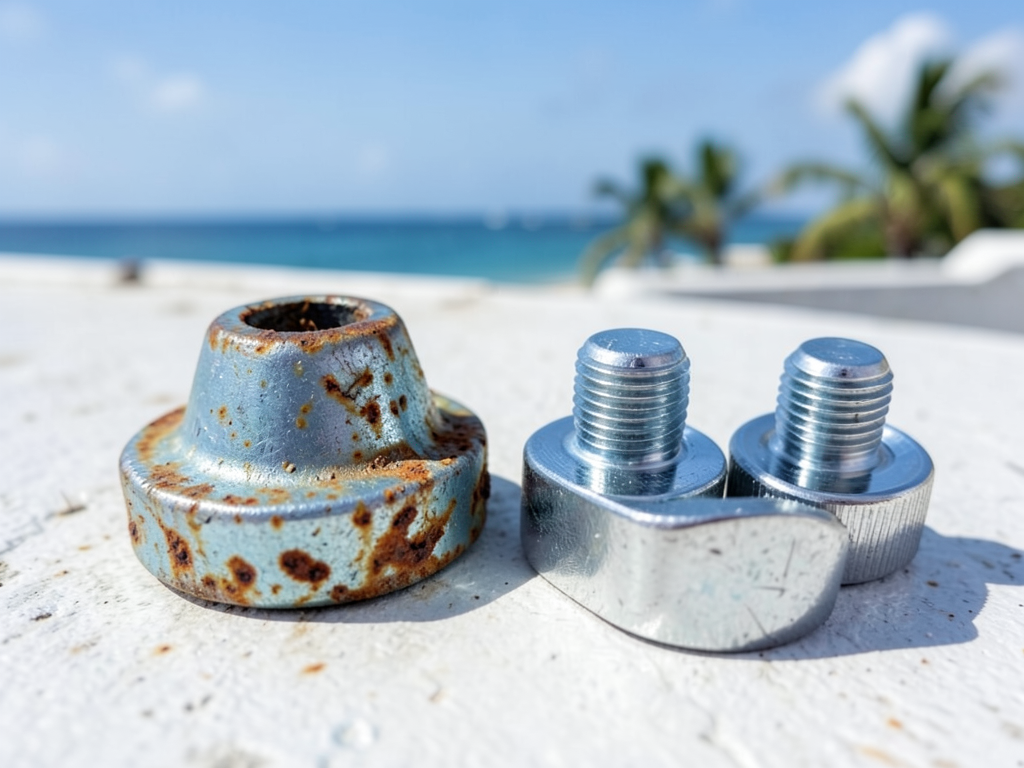
Living in Gables by the Sea means your roof faces relentless salt spray from Biscayne Bay every single day. Standard galvanized fasteners start corroding within three years and fail completely by year five. That's when…
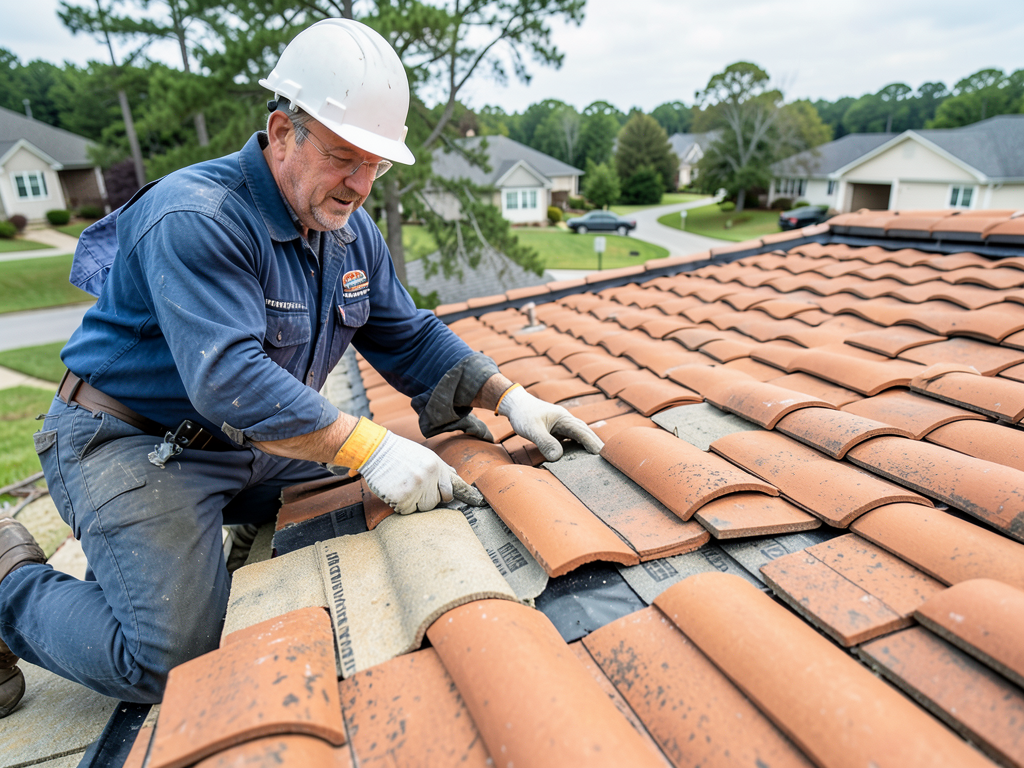
The Real Cost Difference Between Concrete and Clay Tiles for Hammock Lakes Homes Choosing between…
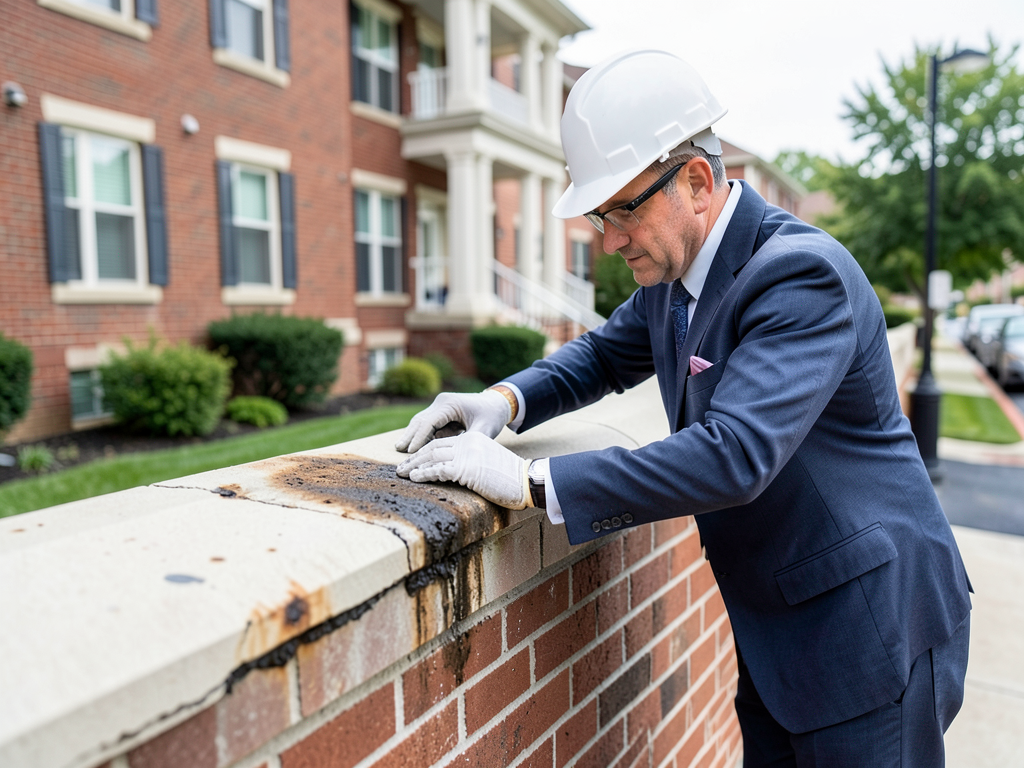
Managing Parapet Wall Leaks and Cap Flashing Issues for Brickell Townhomes Parapet walls create a…
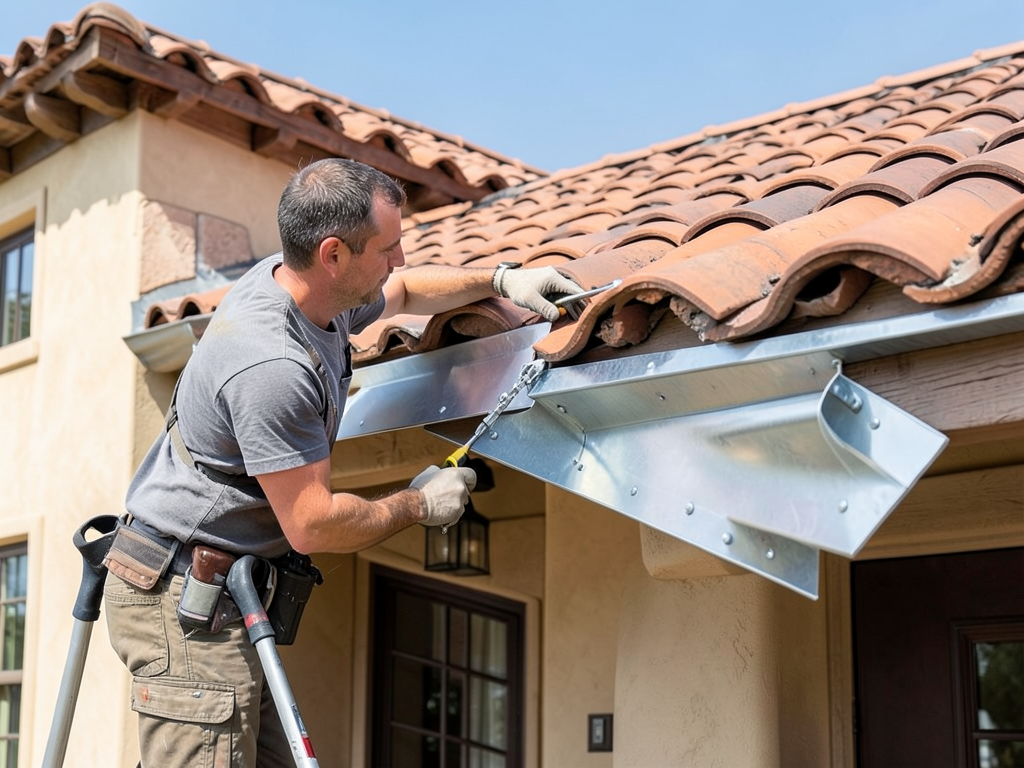
Why Your Ponce Davis Home Needs Heavy Duty Drip Edges to Prevent Wood Rot The…
Your roof is too important to trust to the cheapest bid or fastest talker. Contact Ironwood Roofing Miami at (645) 231-4888 for a thorough assessment and honest recommendation. We provide detailed proposals, professional installation, and warranty protection that keeps your property secure through Florida's toughest weather.