menu

Metal Roofing Systems in Miami | Hurricane-Rated Protection Engineered for South Florida's Coastal Climate

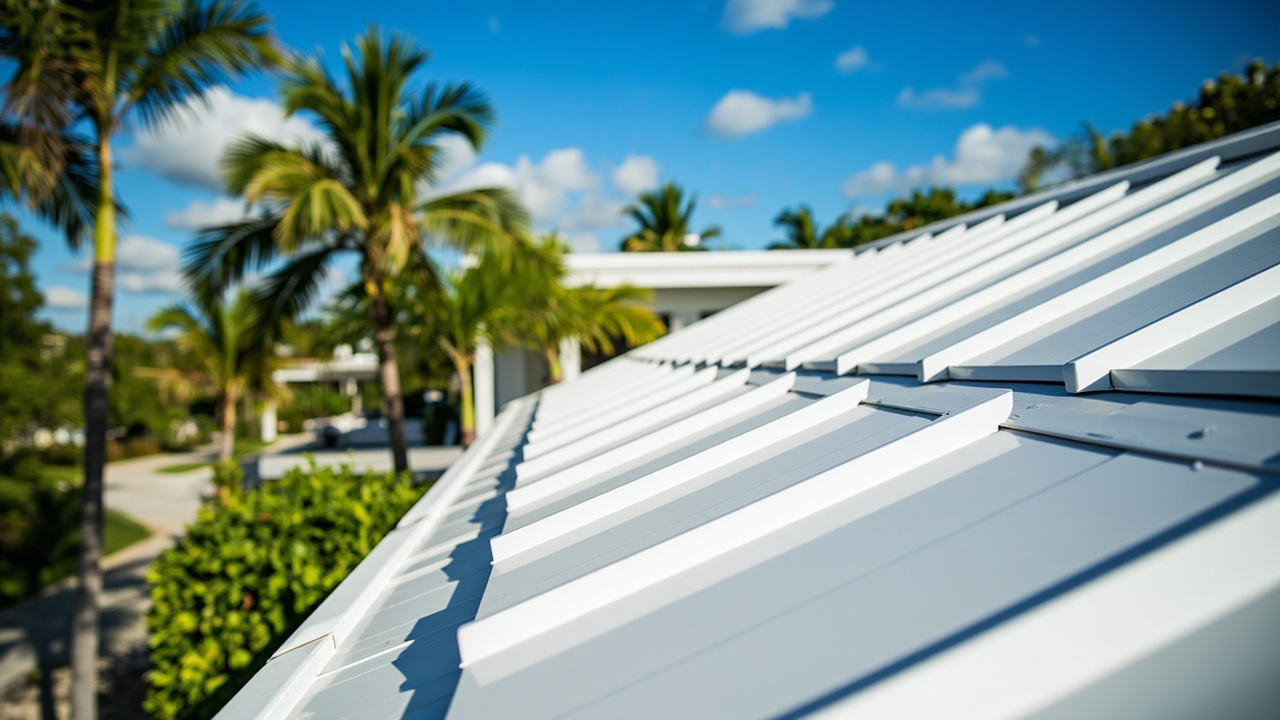
Metal roofing systems deliver superior wind resistance and corrosion protection against Miami's salt air, tropical storms, and intense UV exposure. Our installations meet Miami-Dade County's strictest building codes for High-Velocity Hurricane Zones.

Slider Image 1
Slider Image 2
Slider Image 3
Slider Image 4
Slider Image 5
Slider Image 7
Slider Image 8
Slider Image 9
Slider Image 10
Slider Image 11

Why Miami's Coastal Environment Demands Specialized Metal Roofing Solutions

Miami sits in one of the most demanding roofing environments in the United States. Salt-laden air from the Atlantic corrodes traditional roofing materials within years. Hurricane-force winds exceed 150 mph during major storm events. Summer temperatures push surface readings above 160 degrees, degrading inferior metal roofing materials through thermal cycling.

Standard asphalt shingles fail in this environment. The granules wash away in tropical downpours. The adhesive strips soften in extreme heat. Wind uplift tears tabs loose during even moderate storms. You replace these roofs every 12 to 15 years.

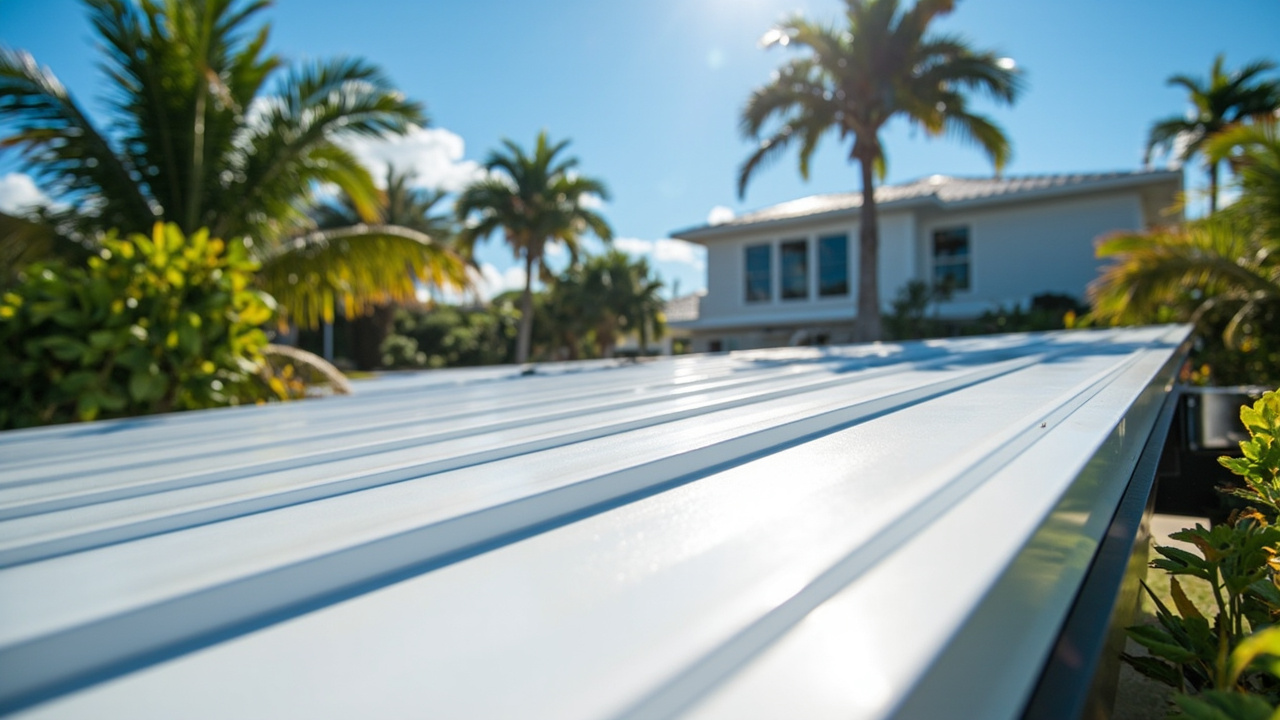
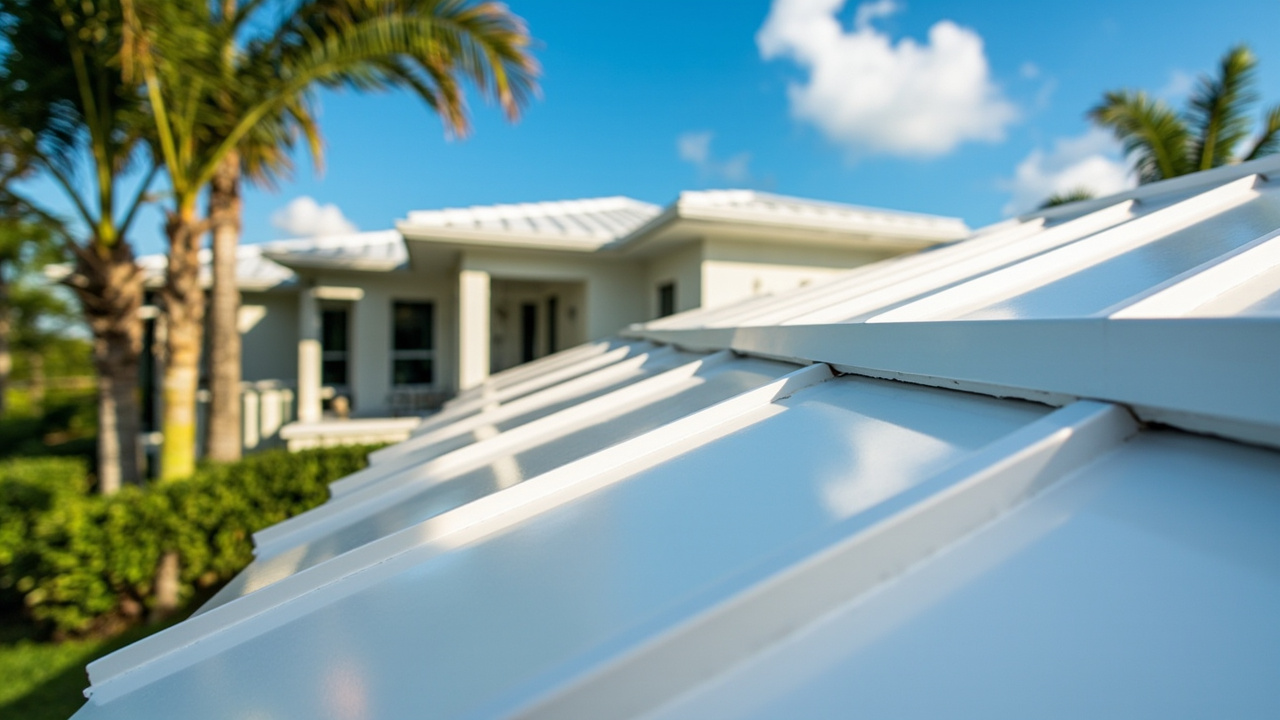
Metal roofs perform differently in South Florida's climate. Standing seam metal roofing panels interlock mechanically, eliminating the weak adhesive bonds that fail on composite shingles. Metal roof sheets resist algae growth that blackens tile and asphalt in Miami's humidity. Aluminum and galvanized steel metal roofing products handle salt exposure without the rust damage that destroys untreated metals.

The Miami-Dade County Building Code requires Product Control approval for all roofing materials in the High-Velocity Hurricane Zone. This certification tests metal roofing systems against simulated 175 mph winds and wind-driven rain. Metal roofing materials that pass these tests protect your property when Category 4 and 5 hurricanes make landfall.

Neighborhoods from Coral Gables to Aventura face identical environmental threats. The salt air reaches five miles inland. The sun angle intensifies UV degradation year-round. The building codes apply throughout Miami-Dade County. You need a roofing system engineered specifically for these conditions.

Why Miami's Coastal Environment Demands Specialized Metal Roofing Solutions
How Professional Metal Roofing Installation Protects Against Storm Damage and Corrosion

How Professional Metal Roofing Installation Protects Against Storm Damage and Corrosion

Installing metal roofing systems requires understanding how these materials perform under Miami's specific stress factors. The installation methodology determines whether your roof survives the next major hurricane or fails catastrophically.

We begin with structural assessment. Miami's older homes often have 2x4 rafters spaced 24 inches on center. These frames cannot support heavy concrete tile. Metal roofing panels weigh 1.5 pounds per square foot compared to 9 pounds for tile. This weight advantage lets us install superior wind-resistant systems on frames that cannot handle traditional materials.

Underlayment selection matters in South Florida's climate. We install high-temperature synthetic underlayment rated to 250 degrees. Standard felt paper degrades in attic temperatures that exceed 150 degrees during summer months. The synthetic material maintains waterproofing integrity when metal roof sheets expand and contract through daily thermal cycles.

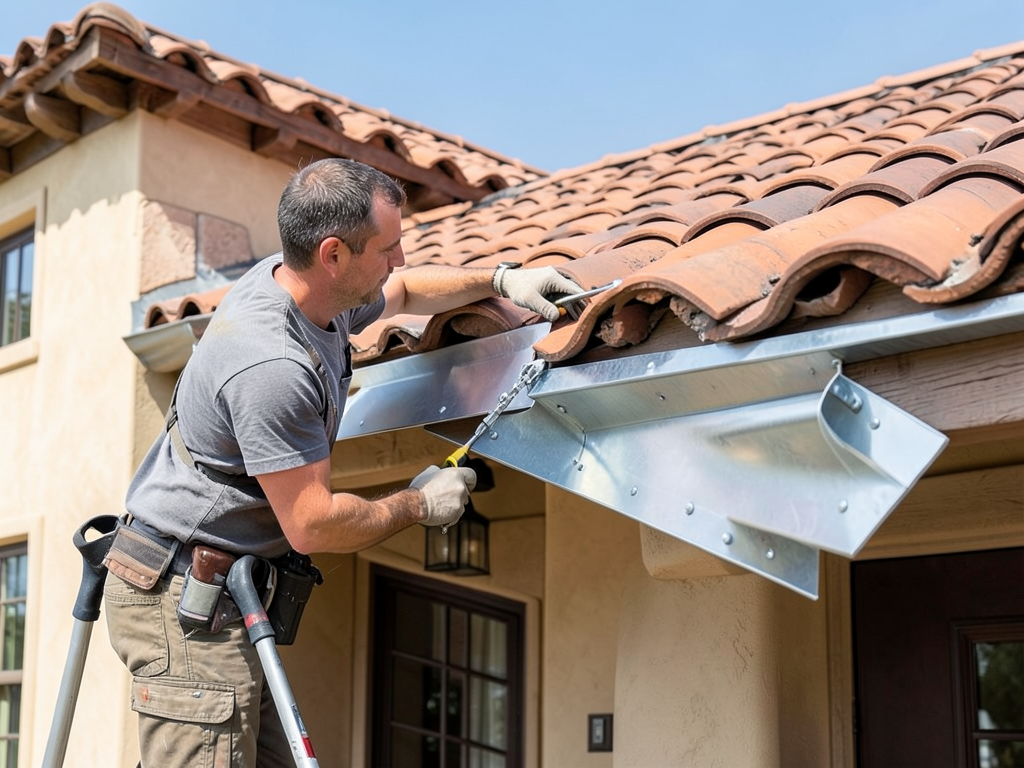
Panel attachment follows Miami-Dade Product Control specifications. Standing seam systems use concealed fasteners with engineered clip spacing. Exposed fastener panels require specific screw patterns with neoprene washers. We install fasteners into solid decking, never into spaces between rafters. Each penetration point becomes a potential leak path if you miss the structural member underneath.

Ridge ventilation integrates into the metal roofing system design. Miami's attic temperatures reach 160 degrees without proper ventilation. This heat radiates into living spaces and accelerates shingle degradation on homes with combination roof materials. Continuous ridge vents combined with soffit intake create thermal stack effect that exhausts superheated air.

Ironwood Roofing Miami maintains Product Control approval documentation for every metal roofing material we install. This certification proves the system passed wind tunnel testing and cyclic pressure loading specific to South Florida's hurricane environment.

The Metal Roof Installation Process for Miami Properties

Metal Roofing Systems in Miami | Hurricane-Rated Protection Engineered for South Florida's Coastal Climate
01

Structural Assessment and Permitting

We inspect your existing roof structure for load capacity and decking condition. Miami-Dade County requires engineered drawings and Product Control approval numbers for all metal roofing systems. We handle the permit application and provide structural calculations that show your frame can support the new metal roofing panels. This process typically takes seven to ten business days for permit approval.
02

Tear-Off and Deck Preparation

We remove existing roofing materials down to the structural decking. All damaged plywood or OSB gets replaced with properly fastened sheathing. We install synthetic underlayment and drip edge flashing before any metal roof sheets go down. The deck must be completely flat and properly fastened. Any waves or loose sections will telegraph through the metal roofing materials and create noise during wind events.
03

Panel Installation and Final Inspection

Metal roofing panels install in sequence from eave to ridge. Standing seam systems snap together with concealed clips. Exposed fastener panels require specific screw patterns. We install ridge caps, valley flashing, and pipe boots using matching metal roofing products. Miami-Dade County inspectors verify installation matches approved plans and Product Control specifications. You receive certification documents showing code compliance for insurance and resale purposes.

Why Miami Property Owners Choose Ironwood Roofing for Metal Roofing Systems

Metal roofing installation in Miami requires specific knowledge that general contractors lack. The difference between compliant installation and code violation often comes down to fastener spacing, clip selection, and flashing details that only appear in Product Control approval documents.

We maintain current certification for every metal roofing system we install. Miami-Dade County publishes a Notice of Acceptance database listing approved products. This database includes load tables, wind ratings, and installation specifications. Generic metal roofing materials without NOA approval will not pass inspection. Your contractor pulls permits using specific NOA numbers that match the materials going on your roof.

Hurricane preparation in Miami means understanding wind uplift forces. A typical hip roof experiences negative pressure across 90 percent of its surface during hurricane conditions. This suction tries to peel metal roof sheets away from the deck. Standing seam systems resist these forces through continuous mechanical attachment. The panels interlock along concealed seams that run from eave to ridge. Wind cannot get underneath to create uplift.

Coastal properties face accelerated corrosion from salt spray. Aluminum metal roofing panels resist this corrosion naturally. Galvanized steel requires proper coating systems. We install Kynar 500 or similar fluoropolymer finishes rated for coastal exposure. These coatings maintain color and prevent rust for decades in salt air. Standard polyester paint finishes fade and chalk within five years in Miami's UV intensity.

The Pinecrest and Coconut Grove historic districts have specific architectural requirements. Metal roofs can replicate Spanish tile profiles while providing superior wind resistance. These metal roofing products weigh less than clay tile and meet hurricane code requirements without structural reinforcement. You get the aesthetic the neighborhood requires with the performance your insurance company demands.

Ironwood Roofing Miami specializes exclusively in metal roofing systems for South Florida's climate. We understand how these materials perform in hurricane conditions because we have installed them through multiple major storm events.

What to Expect from Your Metal Roofing System Installation

Installation Timeline and Weather Considerations

Most residential metal roof installations take three to five days depending on roof complexity and square footage. We monitor weather forecasts and will not start tear-off if rain is predicted within 48 hours. Miami's afternoon thunderstorms require morning work schedules during summer months. Commercial projects take longer based on building size and access requirements. We provide detailed timelines during initial consultation. Hurricane season from June through November sometimes requires schedule adjustments. Your roof will be watertight at the end of each work day.

Pre-Installation Assessment and Material Selection

We conduct detailed measurements and structural assessment before providing quotes. This includes attic inspection to evaluate ventilation and decking condition. You receive material samples showing available colors and profiles. We explain the differences between standing seam and exposed fastener systems. The assessment includes reviewing your property's specific wind zone designation and discussing Miami-Dade Product Control requirements. We identify any structural concerns that need addressing before installation. You get a written proposal detailing materials, labor, permits, and timeline. This consultation takes approximately 45 minutes.

Performance and Longevity of Metal Roofing Materials

Properly installed metal roofing systems last 40 to 60 years in Miami's climate. The materials do not crack, curl, or lose granules like asphalt shingles. Paint finishes on quality metal roofing products maintain color for decades without significant fading. Standing seam systems rarely develop leaks because fasteners sit protected under panel seams. Metal roof sheets reflect solar radiation, reducing cooling costs by 20 to 25 percent compared to dark asphalt shingles. The roof remains quiet during rain when installed over proper underlayment with adequate insulation.

Post-Installation Inspection and Documentation

Miami-Dade County requires final inspection for all metal roofing installations. We schedule this inspection and remain on site to address any inspector questions. You receive a Notice of Acceptance certificate showing your metal roofing system meets hurricane code requirements. We provide detailed installation photos for your records. Manufacturer warranties on metal roofing materials range from 25 to 40 years depending on coating system. We recommend annual inspections to check fasteners and sealants. These inspections take 30 minutes and identify minor issues before they become leaks.

Frequently Asked Questions

You Have Questions,
We Have Answers

What is the biggest problem with metal roofs? +

The biggest problem with metal roofs is improper installation. In Miami's high-wind hurricane zone, poor fastening or flashing work can lead to water intrusion during heavy storms. Expansion and contraction from extreme heat also stress poorly installed seams and fasteners. Denting from hail or debris is another concern, though standing seam panels resist this better than corrugated options. Noise during rainstorms bothers some homeowners, but proper underlayment fixes this. Choose an experienced installer who understands Florida Building Code requirements and coastal wind ratings to avoid these issues.

How much would it cost to put a metal roof on a 1000 square foot house? +

Metal roof costs vary widely based on material type and installation complexity. For a 1000 square foot home in Miami, expect professional installation to reflect material choice, roof pitch, and required permits. Standing seam aluminum or steel costs more than corrugated panels. Miami's hurricane code requirements add expense through mandatory underlayment and enhanced fastening systems. Your existing roof condition, removal needs, and decking repairs also affect pricing. Request multiple quotes from licensed Florida contractors who specify material gauge, finish warranty, and wind rating compliance.

Is it cheaper to put a metal roof or shingles? +

Metal roofs cost more upfront than asphalt shingles in Miami, but the math changes over time. Shingles may need replacement every 15-20 years in South Florida's brutal sun and humidity, while metal lasts 40-70 years. Metal reflects heat, cutting cooling costs in Miami's climate. Hurricane resistance means fewer insurance claims and potential premium discounts. Factor in shingle replacement costs, disposal fees, and energy savings over 30 years. Metal becomes the value play for homeowners planning to stay long-term in their property.

What is the most cost effective metal roof? +

Corrugated steel panels offer the most budget-friendly metal roofing option in Miami. They provide solid wind resistance and durability at lower material costs than standing seam systems. Galvalume coating protects against salt air corrosion near the coast. R-panel and PBR panel profiles install quickly, reducing labor expenses. You sacrifice some aesthetic appeal and noise reduction compared to premium options. For utility buildings, workshops, or cost-conscious homeowners, corrugated steel delivers metal roof benefits without premium pricing. Ensure proper gauge thickness for Miami-Dade County wind load requirements.

Why do insurance companies dislike metal roofs? +

Insurance companies do not dislike metal roofs. The confusion stems from older policies. Modern insurers in Florida often favor metal roofing because it resists hurricane damage, fire, and impact better than shingles. Some carriers offer premium discounts for metal roofs with proper wind ratings. Issues arise when homeowners install metal over deteriorated decking without disclosure or choose non-approved fastening systems. Always notify your insurer before installation and request documentation showing Miami-Dade NOA approval for hurricane zones. Updated policies typically reward metal roof investments.

Does a metal roof affect WiFi? +

Metal roofs can interfere with WiFi and cellular signals, but modern solutions prevent this. The metal panels act as a barrier to radio frequencies. In Miami homes, proper installation of WiFi extenders, mesh network systems, or external antennas solves connectivity issues. Many homeowners notice no difference because routers placed centrally in the home transmit signals before hitting the roof barrier. If you experience weak signals, a simple booster system restores full connectivity. This minor consideration should not outweigh metal roofing's hurricane protection and energy efficiency benefits.

Does insurance cover metal roofs? +

Yes, insurance covers metal roofs in Miami when properly installed and disclosed. Homeowners policies treat metal roofing like any other approved roofing material for wind, hail, and fire damage claims. Metal roofs often qualify for premium discounts due to superior hurricane resistance and Florida Building Code compliance. Ensure your contractor provides NOA documentation proving Miami-Dade County approval for high-velocity hurricane zones. Document installation with photos and keep all permits. Some insurers require specific wind ratings or impact resistance certifications, so verify requirements before installation.

Do metal roofs increase home value? +

Metal roofs increase home value in Miami's real estate market. Buyers recognize the hurricane protection, energy efficiency, and longevity that metal provides in South Florida's climate. A quality metal roof adds curb appeal and eliminates the buyer's concern about near-term replacement costs. Appraisers factor in remaining roof life when valuing properties. In coastal areas, metal roofing's salt air resistance and wind rating premium appeal to informed buyers. Expect stronger resale positioning and faster sales compared to homes needing shingle replacement within five years.

How much does it cost to put a metal roof on a 16x80 mobile home? +

Metal roofing costs for a 16x80 mobile home depend on material choice and existing roof condition. Miami's mobile home regulations require specific wind ratings and installation methods for hurricane zones. Standing seam panels cost more but offer better weather protection than corrugated options. Your contractor must address mobile home-specific challenges like frame movement and proper ventilation in Florida's heat. Removal of existing materials, decking repairs, and permit fees add to total investment. Consult licensed contractors experienced with mobile home installations in Miami-Dade or Broward counties.

Are there tax credits for metal roofs? +

Federal tax credits for metal roofs exist when the system meets Energy Star reflective coating requirements. Miami homeowners can claim credits for qualified cool roof installations that reduce cooling costs. The Inflation Reduction Act extended residential energy efficiency credits through 2032. Your metal roof must have proper pigmented coatings that reflect solar heat. Save manufacturer certifications and installation receipts for IRS documentation. Consult a tax professional about current credit percentages and eligibility requirements. State-level Florida incentives vary, so research local utility rebate programs for additional savings.

How Miami-Dade's High-Velocity Hurricane Zone Requirements Affect Metal Roofing Selection

Miami sits in the most restrictive building code zone in the continental United States. The High-Velocity Hurricane Zone designation requires all metal roofing systems to pass wind tunnel testing at simulated 175 mph winds. This testing evaluates how metal roofing panels resist uplift forces and wind-driven rain penetration. Products without Miami-Dade Product Control approval cannot legally be installed in the county. The testing protocol subjects metal roof sheets to millions of pressure cycles that simulate repeated hurricane exposure. Only metal roofing materials that survive this testing earn NOA certification.

Ironwood Roofing Miami works exclusively with NOA-approved metal roofing products from manufacturers who maintain Florida testing facilities. We understand the specific clip spacing, fastener patterns, and edge details required for code compliance. Our installations pass inspection on the first visit because we follow Product Control specifications exactly. When you choose metal roofing systems for Miami properties, you need contractors who understand these local requirements. Generic installation methods used in other states will fail inspection and leave you without proper hurricane protection.
Roofing Services in The Miami Area

Ironwood Roofing Miami is proud to service the entire Miami-Dade County area, including South Beach, Coral Gables, Doral, and beyond. We are a local company deeply familiar with the region, allowing us to respond quickly to your emergency needs and schedule non-urgent services with efficient turnaround. View our location on the map to see where our trusted professionals operate and invite us to your neighborhood for the area's most reliable roofing expertise.

Address:
Ironwood Roofing Miami, 2214 Biscayne Blvd, Miami, FL, 33131

Additional Services We Offer

Our news updates

Latest Articles & News from The Blogs

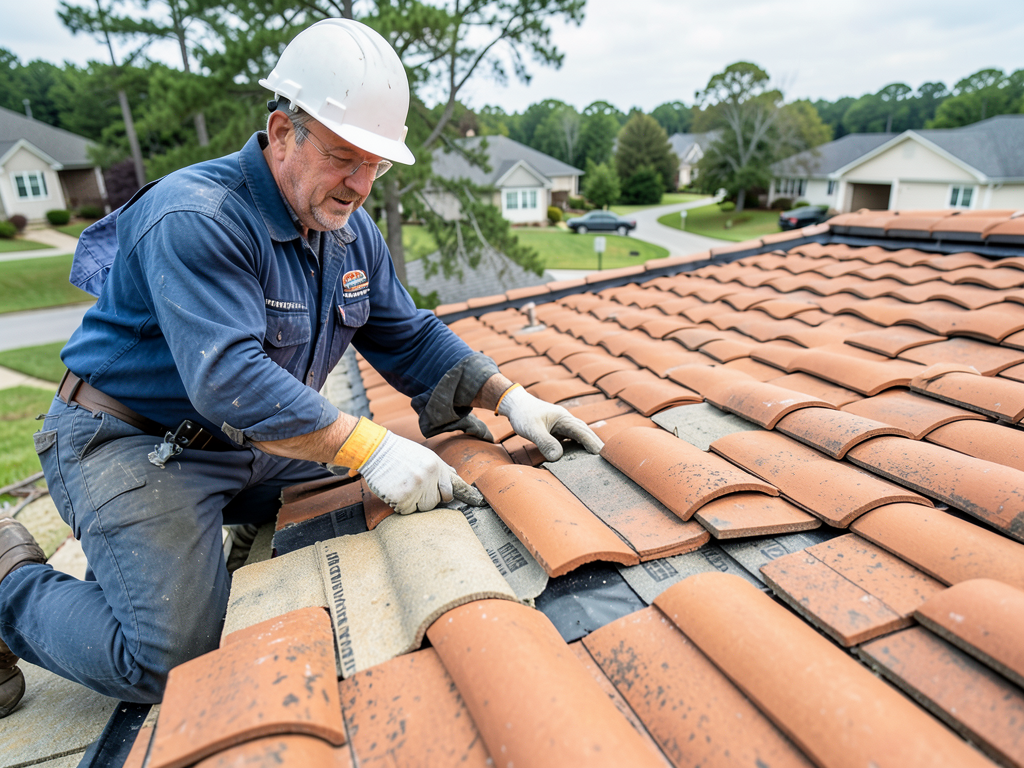
The Real Cost Difference Between Concrete and Clay Tiles for Hammock Lakes Homes Choosing between concrete and clay roof tiles…

The Real Cost Difference Between Concrete and Clay Tiles for Hammock Lakes Homes

The Real Cost Difference Between Concrete and Clay Tiles for Hammock Lakes Homes Choosing between concrete and clay roof tiles…

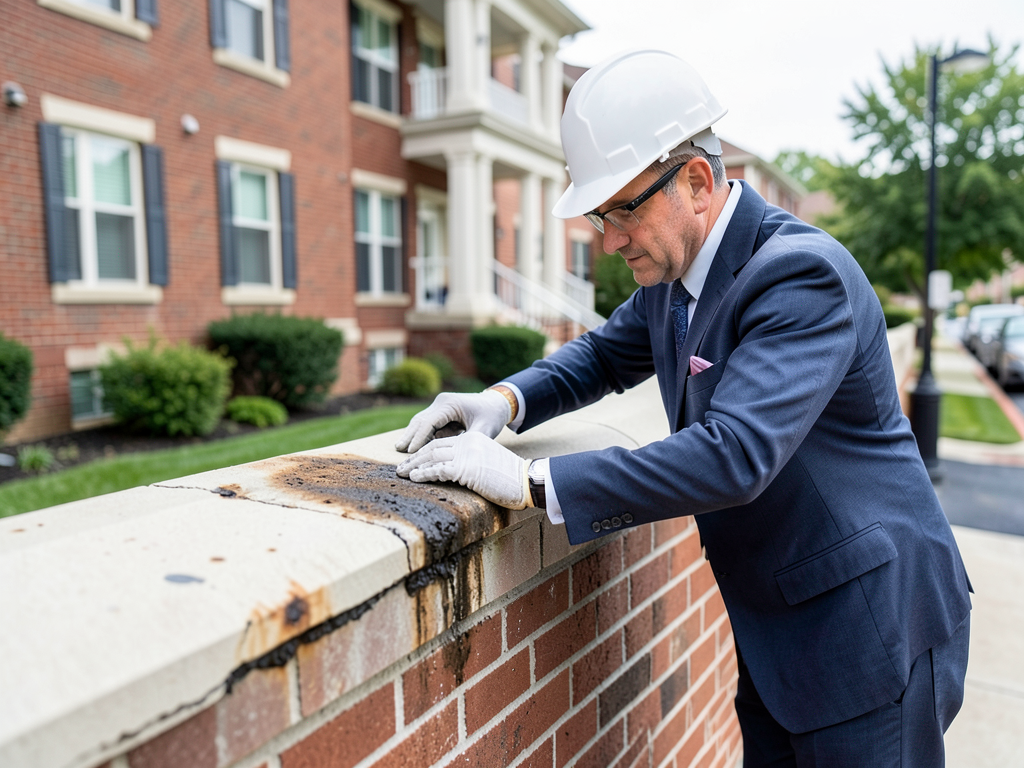
Managing Parapet Wall Leaks and Cap Flashing Issues for Brickell Townhomes

Managing Parapet Wall Leaks and Cap Flashing Issues for Brickell Townhomes Parapet walls create a critical vulnerability in Brickell townhome…

Why Your Ponce Davis Home Needs Heavy Duty Drip Edges to Prevent Wood Rot

Why Your Ponce Davis Home Needs Heavy Duty Drip Edges to Prevent Wood Rot The heavy afternoon thunderstorms that roll…

Contact Us

Protect your property with metal roofing systems engineered for South Florida's hurricane environment. Call Ironwood Roofing Miami at (645) 231-4888 for detailed assessment and Product Control compliance documentation. We respond within 24 hours.