

North Miami Beach sits in a unique coastal microclimate that destroys roofing systems from multiple angles. Salt spray from Biscayne Bay corrodes metal flashings and fasteners within years, not decades. Properties in Sans Souci Estates and Eastern Shores face constant moisture from ocean breezes that penetrate beneath shingles and breed mold in decking. The combination of UV intensity and thermal cycling cracks sealants and warps materials faster than anywhere inland.
Hurricane season brings wind-driven rain that finds every penetration point. Flat roofs common in Skylake and West Dixie Highway commercial buildings pond water during afternoon thunderstorms, testing membrane integrity daily. Building codes here require enhanced wind ratings, but many older roofs in Keystone Point were installed before stricter standards took effect. The water table sits high throughout North Miami Beach, making attic ventilation critical to prevent condensation damage from below while tropical humidity attacks from above.
Your roof faces marine-grade deterioration on an accelerated timeline. Standard warranties mean nothing when salt air corrodes nail heads and UV radiation breaks down asphalt compounds in half the expected lifespan. This environment demands materials and installation techniques specifically engineered for coastal Florida, not generic solutions shipped from manufacturers who have never seen a category three hurricane.
We built our reputation one leak repair at a time during hurricane seasons when other contractors disappeared. Every technician on our crew has worked through multiple named storms, performing emergency tarping in Ives Estates while wind gusts hit 60 miles per hour and conducting damage assessments in Arch Creek East before insurance adjusters could schedule site visits. That real-world experience informs every installation decision we make.
Our material specifications exceed Florida Building Code minimums because we have seen what fails. We do not install the same asphalt shingles in North Miami Beach that work fine in Georgia. Every fastener gets corrosion-resistant coating. Every penetration receives redundant flashing. Every valley gets ice and water shield even though snow never falls here, because we know tropical downpours test these transition points harder than winter freeze cycles up north.
We maintain relationships with three major suppliers, which means we source materials during shortage periods when hurricanes create regional demand spikes. When Home Depot runs out of OSB sheathing and big chains tell customers to wait six weeks, we have decking materials on the truck because we plan for disaster seasons, not ideal conditions.
Insurance work gets handled correctly the first time. We document damage with the same detail adjusters use, photograph every compromised area, and provide estimates that match Xactimate pricing databases. Property owners in Uleta and Sans Souci do not get lowball settlements because we missed hail impact damage or failed to note fascia deterioration. We know what insurance companies cover and how to document claims that get approved without endless negotiation rounds.
Our warranty covers labor and materials for installations, but more importantly, we answer the phone when you call five years later. Fly-by-night crews that flooded North Miami Beach after Hurricane Irma vanished when callback requests started coming in. We will still be here when your roof needs maintenance in 2030 because we live and work in this community year-round, not just during storm recovery booms.

When tropical systems approach, we stock emergency materials and maintain crew availability for immediate storm response. While other contractors evacuate or shut down operations, we provide emergency tarping, leak mitigation, and rapid damage assessment for North Miami Beach properties. Our trucks roll within hours of the all-clear, not days later when secondary water damage has already destroyed ceilings and insulation.

We install roofing systems engineered for marine environments, using impact-rated shingles, corrosion-resistant fasteners, and enhanced underlayment designed for salt air exposure. Our material selections account for North Miami Beach's specific climate stressors including UV intensity, humidity levels, and wind load requirements. Generic builder-grade materials do not survive here, which is why we source components rated for coastal installation zones.
Our damage assessments include detailed photography, measurements, and material specifications that match insurance industry standards. We provide supplement documentation when initial claim estimates miss secondary damage, ensuring North Miami Beach property owners receive full replacement value. Our estimates align with Xactimate pricing, eliminating the back-and-forth negotiation that delays repairs and leaves buildings exposed to additional weather damage.
We operate from North Miami Beach twelve months a year, not just during hurricane recovery seasons. When you need warranty service, maintenance inspections, or emergency leak repair, we respond from local facilities with trucks already stocked for Florida climate conditions. Storm-chasing contractors vanish after disaster booms end, but we maintain consistent service availability because this community is our permanent business base, not a temporary opportunity.
Ironwood Roofing Miami handles every roofing challenge North Miami Beach properties face, from emergency storm repairs to complete tear-off replacements. Our service range covers residential, commercial, and multi-family buildings throughout the area. We work on everything from single-family homes in Keystone Point to low-slope commercial buildings along West Dixie Highway.
Roof leak repair starts with proper diagnostics. We trace water infiltration to its source, which often sits far from where stains appear on ceilings. Storm damage repair requires understanding how wind-driven rain penetrates barrier systems and where impact damage compromises structural integrity. Our roofing repair specialists assess every layer of the system, from surface materials down to decking and structural supports.
We categorize our services around the distinct needs North Miami Beach property types present. Emergency response differs completely from planned replacement projects. Commercial flat roofs require different expertise than residential shingle installations. Our approach addresses these variations with specialized teams trained for specific building types and project urgencies.
When storms damage your North Miami Beach roof, water infiltration starts immediately. We provide emergency tarping, temporary repairs, and rapid damage containment to prevent secondary destruction of interior spaces. Our storm response includes debris removal, structural assessment, and temporary weatherproofing that holds until permanent repairs can be scheduled. We document all damage for insurance claims while securing your property against additional weather exposure. Emergency roof patching services stop active leaks before water destroys ceilings, insulation, and electrical systems.
Full roof replacements address systemic failure that repair cannot fix. We remove existing materials down to decking, inspect structural components, replace damaged sheathing, and install complete new barrier systems. Our replacement process includes proper ventilation design, enhanced underlayment installation, and material selection appropriate for North Miami Beach coastal conditions. We coordinate with building inspectors, handle permit requirements, and ensure installations meet current Florida Building Code standards. Replacement projects get scheduled during optimal weather windows to minimize building exposure during construction phases.
Commercial buildings throughout North Miami Beach use flat or low-slope roofing systems that require specialized expertise. We install and repair TPO, EPDM, and modified bitumen membranes designed for Florida's climate. Our commercial services include ponding water correction, drain system maintenance, HVAC equipment curb installation, and penetration flashing for roof-mounted equipment. We work on retail centers, office buildings, and multi-family properties where leak damage affects business operations and multiple tenants. Commercial roof damage repair often requires after-hours scheduling to minimize business disruption.
North Miami Beach's coastal location creates specific roofing challenges that inland properties never face. Salt air corrodes metal components at accelerated rates. High humidity promotes algae growth that degrades shingle surfaces. Afternoon thunderstorms test flashing details daily with wind-driven rain. Properties near Biscayne Bay face even more aggressive deterioration than locations a mile inland.
Hurricane damage gets the attention, but chronic moisture exposure causes more cumulative harm. Trapped humidity in attic spaces condenses on roof decking, rotting sheathing from below while surface materials appear intact. Poor ventilation turns attics into steam chambers during summer months. These problems develop slowly but create expensive damage that becomes obvious only when leaks start appearing or structural components fail during routine inspections.
Tropical storms and hurricane-force winds lift shingles, damage flashing, and tear away edge metal throughout North Miami Beach. Even minor wind events expose underlayment and create entry points for water infiltration. Missing shingles allow UV radiation to degrade barrier layers rapidly. Properties in exposed areas near the coast experience more frequent wind damage than sheltered inland locations. Immediate repairs prevent minor wind damage from becoming major leak problems during the next rain event.
Water stains on ceilings rarely appear directly below roof leak locations. Water travels along rafters, through insulation, and across attic spaces before dripping onto drywall. North Miami Beach's frequent afternoon storms make leak tracking difficult because intermittent problems disappear between rain events. Flashing failures around chimneys, valleys, and wall intersections cause most persistent leaks. Proper diagnosis requires understanding how water moves through roof assemblies, not just patching obvious holes.
Commercial buildings and homes with flat sections develop standing water problems after storms. Poor drainage design, settled roof decks, and clogged scuppers create ponds that stress membrane systems. Standing water accelerates material breakdown and finds every seam weakness. North Miami Beach's heavy rainfall overwhelms undersized drainage systems during tropical downpours. Ponding issues require drainage correction, not just surface repairs. Failed slope design needs structural modification to achieve proper water flow toward drains and edges.
Asphalt shingles lose protective granules faster in North Miami Beach than manufacturer warranties predict. Intense UV exposure, salt air, and thermal cycling break down asphalt compounds and adhesive bonds. Granule loss exposes base materials to direct sunlight, accelerating failure. Shingles rated for 25-year lifespans often need replacement after 15 years in coastal environments. Algae growth creates dark streaks that absorb more heat, further degrading materials. Regular inspections identify deterioration before complete failure occurs.
We run roofing projects with clear communication and realistic timelines. You get detailed explanations of what we found, what needs repair, and why specific solutions address your North Miami Beach property's problems. Our estimates break down labor and material costs without hidden charges that appear later.
Roofing work disrupts daily routines, but we minimize impact through organized job site management. Materials get staged efficiently. Debris gets contained and removed daily. Crews arrive when scheduled and work full days until completion. We coordinate with your schedule for property access and answer questions as they arise during projects.
Quality control happens throughout installation, not just at final inspection. Supervisors check flashing details, fastener patterns, and material alignment as work progresses. We catch and correct problems immediately rather than discovering them during final walkthroughs. Our goal is delivering roofing systems that perform correctly for decades, which requires attention to installation details that never show in finished appearance.
Every project starts with complete roof inspection, including attic space examination and structural component assessment. We document existing damage with photographs and detailed notes. You receive written reports explaining what failed, why problems developed, and what repairs will address root causes rather than symptoms. Our assessments identify hidden damage that becomes obvious only after removing surface materials. We provide accurate scopes of work upfront, minimizing surprise discoveries that inflate costs mid-project. Insurance claims get proper documentation that supports full coverage.
Roofing projects create debris, but we maintain organized work areas throughout installation. Magnetic sweeps collect metal fasteners daily. Dumpsters contain torn-off materials as they come down. Tarps protect landscaping and building perimeters from falling debris. You receive end-of-day updates on progress, including any discoveries that affect timelines or budgets. Our crews respect your property and leave sites clean when projects complete. We handle final inspections, permit closures, and warranty documentation so you have complete records of work performed.
Our installations include labor warranties that cover workmanship defects. Material warranties transfer directly to you with full manufacturer backing. We provide written warranty documentation and maintain service records for future reference. If problems develop during warranty periods, we respond promptly to assess and correct issues. Our reputation depends on roofs that perform as promised, which means we stand behind every installation. You get our direct contact information, not an answering service or automated system that delays response when problems occur.
Roofing projects follow logical sequences from initial contact through final completion. We simplified our process to eliminate confusion and keep projects moving efficiently toward completion.
You call our North Miami Beach office and describe your roofing problem or project need. We schedule an on-site inspection at your convenience. Our estimator examines your roof, attic space, and any visible damage. You receive a detailed written estimate explaining required work, material specifications, project timeline, and total cost. We answer questions about repair options, material choices, and insurance claim procedures. Estimates include no-obligation pricing with clear explanations of what each line item covers.
Once you approve the estimate, we schedule your project around weather windows and material delivery. Our crews arrive with all necessary equipment and materials. Work proceeds systematically from tear-off through final installation. Supervisors inspect work at critical stages to ensure proper technique and material application. We handle building permit requirements and coordinate required inspections. Daily cleanup maintains organized job sites. You receive progress updates and immediate notification of any unexpected conditions that affect scope or timeline.
Project completion includes thorough site cleanup and final inspection walkthrough with you. We review all work performed and ensure you understand maintenance requirements and warranty coverage. You receive complete documentation including material warranties, installation certifications, permit closure records, and our workmanship guarantee. Final payment processes after you confirm satisfaction with completed work. We provide direct contact information for future service needs or warranty claims. Your roof is now protected with materials and installation techniques designed for North Miami Beach's demanding coastal climate.
North Miami Beach falls under the Florida Building Code High Velocity Hurricane Zone, which imposes stricter requirements than standard residential building codes. These regulations exist because hurricane-force winds create uplift pressures that standard attachment patterns cannot resist. Every roofing installation must meet specific wind load ratings based on building height, roof geometry, and distance from the coast.
The FBC requires enhanced attachment schedules for roof decking, underlayment, and finish materials. Sheathing panels get installed with specific nail patterns and spacing. Underlayment must meet ASTM D226 Type II standards minimum, though most coastal installations benefit from synthetic products that exceed these minimums. Shingle attachment patterns vary by roof slope and exposure category, with edge zones and corners requiring closer fastener spacing than field areas.
Miami-Dade County Product Control maintains an approved products list that governs what materials can be installed in North Miami Beach. Roofing systems must pass specific testing protocols including large missile impact tests that simulate debris impacts during hurricanes. These requirements mean builder-grade materials sold throughout the country often fail to meet local code requirements for coastal installation.
Permit requirements apply to most roofing work beyond simple repairs. Re-roofing projects require building permits, structural inspections, and final approval before projects can close. The permitting process ensures installations meet current code standards even when replacing older roofs installed under less stringent requirements. Property insurance companies increasingly require permit documentation and code-compliant installations to maintain coverage, making unpermitted work a liability that affects both immediate safety and long-term insurability.
Ventilation requirements balance moisture control with wind resistance. The FBC specifies minimum attic ventilation ratios based on ceiling area, but also requires ventilation openings to resist water infiltration during storms. This creates design challenges specific to hurricane zones where simple ridge vents can allow wind-driven rain penetration. Proper ventilation design prevents condensation damage while maintaining barrier integrity during tropical weather events.
Flashing details follow specific installation standards around penetrations, valleys, and wall intersections. Step flashing at wall junctions must integrate with weather-resistant barriers. Valley flashing requires specific overlap dimensions and fastener patterns. Drip edge installation became mandatory under recent code updates to prevent water infiltration at roof edges. These details matter more in North Miami Beach where wind-driven rain tests every penetration point and material transition.
Roofing materials installed in North Miami Beach must meet specific wind speed ratings, typically 130-150 mph depending on building exposure and height. Impact resistance ratings protect against debris damage during storms. Materials carry classification ratings from Class 1 through Class 4, with Class 4 providing maximum impact protection. Both wind and impact ratings require third-party testing and certification. Insurance companies offer premium discounts for higher-rated systems, offsetting some installation cost differences between standard and enhanced materials.
Roofing costs in North Miami Beach reflect material grades, project complexity, and code compliance requirements. Coastal-rated materials cost more than standard products but survive longer in salt air environments. Steep slopes increase labor costs due to safety equipment and installation difficulty. Structural repairs discovered during tear-off add expense but cannot be deferred without compromising system integrity. Insurance deductibles affect out-of-pocket costs, though proper damage documentation maximizes coverage. Financing options spread payment over time while protecting property immediately.
Most residential roof replacements complete within three to five days depending on size and complexity. Weather delays extend timelines since roofing cannot proceed during rain. Permit approval adds days before work starts. Material delivery schedules affect start dates, especially for specialty products or during high-demand periods after storms. Commercial projects take longer due to building size and coordination requirements. Emergency repairs happen within hours of contact, though permanent solutions may require scheduling once temporary protection is in place.
Florida requires roofing contractors to hold state certification and maintain specific insurance coverage. Licensed contractors carry workers compensation insurance and general liability protection. Unlicensed operators offer lower prices but leave property owners liable for injuries and defective work. Verify contractor licenses through the Florida Department of Business and Professional Regulation website. Check insurance certificates directly with carriers to confirm active coverage. Proper licensing ensures contractors understand code requirements and installation standards specific to North Miami Beach's hurricane zone designation.
This video examines roofing challenges specific to North Miami Beach's coastal environment. Learn why salt air exposure, hurricane-force winds, and tropical humidity cause premature roof failure. Discover proper material specifications and installation techniques for coastal Florida properties. Ironwood Roofing Miami explains wind load requirements, impact ratings, and Florida Building Code standards that protect homes during storm season. Topics include roof leak diagnosis, emergency storm repairs, and complete replacement systems designed for Biscayne Bay area properties.
Ironwood Roofing Miami maintains active service throughout North Miami Beach and adjacent areas. We work regularly in Sans Souci Estates, where waterfront properties face aggressive salt air exposure and wind loads from open water proximity. Homes in Eastern Shores near Biscayne Bay require enhanced corrosion protection for metal components and fastener systems. The Keystone Point neighborhood presents unique challenges with canal-front properties and mature tree coverage that creates debris impact risks during storms.
We serve commercial properties along West Dixie Highway, handling flat roof systems on retail centers and office buildings where leak damage affects multiple tenants and business operations. Skylake area residential projects often involve older homes with original roofing systems that predate current wind load requirements. Arch Creek East properties near the county line face similar exposure to storm systems tracking up the coast. Ives Estates farther inland experiences less salt air corrosion but faces the same wind loads and rainfall intensity during hurricane season.
Our service range extends into adjacent Aventura for high-rise condominium projects and into Sunny Isles Beach where luxury properties demand premium materials and installation quality. We work south into Miami Shores and north into Hollywood depending on project requirements. Emergency storm response covers the entire North Miami Beach metro area since hurricane damage does not respect municipal boundaries.
Properties near major corridors like Biscayne Boulevard and NE 163rd Street get regular attention for commercial roof maintenance and repair. The geographic variations across North Miami Beach affect roofing performance. Coastal properties within a half-mile of Biscayne Bay face more aggressive deterioration than inland locations. Areas with mature oak canopies deal with constant debris accumulation and branch impact damage. Low-lying neighborhoods near Oleta River experience higher groundwater tables that increase attic humidity levels.
We understand these neighborhood-specific challenges because our crews work across North Miami Beach daily. Material specifications change based on property location and exposure factors. Installation techniques adapt to building ages and construction types common to different areas. A 1960s concrete block home in Keystone Point requires different approach than a 2010 frame construction in Skylake. Commercial low-slope roofs downtown differ completely from residential shingle installations in Sans Souci.
Our local presence means rapid response when storms approach or damage occurs. We maintain material inventory for North Miami Beach's common building types and roof configurations. Service calls get dispatched from nearby facilities, not distant headquarters. You work with technicians familiar with your neighborhood's specific roofing challenges and building characteristics. This geographic knowledge improves diagnostic accuracy and ensures repairs address root causes rather than symptoms.
Roof replacement expenses in North Miami Beach depend on several factors. Your home's size, roof pitch, and material choice affect the total investment. Asphalt shingles typically represent the most economical option, while metal and tile roofing command higher prices. The square footage of your roof matters most when estimating expenses. Additional factors include removal of old materials, decking repairs, and hurricane-rated installation requirements. Wind mitigation features add to the investment but reduce insurance premiums long-term. Get three written estimates from local contractors to compare pricing and scope of work for your specific project.
Metal roofing provides superior hurricane protection in North Miami Beach. Concrete and clay tiles also withstand high winds when properly installed with hurricane straps and adhesive. Look for materials rated for 150 mph winds or higher. Asphalt shingles work when reinforced with proper underlayment and sealed edges. Impact-resistant shingles earn insurance discounts and resist flying debris damage. Metal roofs interlock and attach directly to the roof deck, making them extremely wind-resistant. Standing seam metal roofing performs best during severe weather. Choose materials approved by Miami-Dade County's building code for maximum protection and compliance.
Roof lifespan in North Miami Beach varies by material and maintenance. Asphalt shingles typically last 15-20 years in the coastal climate. Metal roofs endure 40-50 years with proper care. Concrete and clay tiles survive 30-50 years when maintained. The intense sun, salt air, and humidity accelerate wear compared to other regions. Regular inspections and maintenance extend your roof's life. Clean debris quarterly and check for damage after storms. Replace missing shingles promptly to prevent water intrusion. UV exposure breaks down materials faster here than in northern climates, so expect shorter lifespans than manufacturer estimates.
Roof replacement expenses in North Miami Beach depend on several factors. Your home's size, roof pitch, and material choice affect the total investment. Asphalt shingles typically represent the most economical option, while metal and tile roofing command higher prices. The square footage of your roof matters most when estimating expenses. Additional factors include removal of old materials, decking repairs, and hurricane-rated installation requirements. Wind mitigation features add to the investment but reduce insurance premiums long-term. Get three written estimates from local contractors to compare pricing and scope of work for your specific project.
Metal roofing provides superior hurricane protection in North Miami Beach. Concrete and clay tiles also withstand high winds when properly installed with hurricane straps and adhesive. Look for materials rated for 150 mph winds or higher. Asphalt shingles work when reinforced with proper underlayment and sealed edges. Impact-resistant shingles earn insurance discounts and resist flying debris damage. Metal roofs interlock and attach directly to the roof deck, making them extremely wind-resistant. Standing seam metal roofing performs best during severe weather. Choose materials approved by Miami-Dade County's building code for maximum protection and compliance.
Roof lifespan in North Miami Beach varies by material and maintenance. Asphalt shingles typically last 15-20 years in the coastal climate. Metal roofs endure 40-50 years with proper care. Concrete and clay tiles survive 30-50 years when maintained. The intense sun, salt air, and humidity accelerate wear compared to other regions. Regular inspections and maintenance extend your roof's life. Clean debris quarterly and check for damage after storms. Replace missing shingles promptly to prevent water intrusion. UV exposure breaks down materials faster here than in northern climates, so expect shorter lifespans than manufacturer estimates.
Yes, you need a building permit for roof replacement in North Miami Beach. The city requires permits for any roofing work beyond minor repairs. Your contractor typically handles the permit application process. The city reviews plans to ensure compliance with Florida Building Code and Miami-Dade County requirements. Inspections occur during and after installation to verify proper installation methods. Permit fees vary based on project size and scope. Working without permits risks fines and complications when selling your home. Permits protect you by ensuring work meets hurricane resistance standards and local building codes.
Look for missing, cracked, or curled shingles after a storm. Check your attic for water stains or light coming through the roof deck. Examine flashing around chimneys and vents for damage. Dented gutters and downspouts often indicate impact damage. Walk your property to find granules from shingles in gutters or on the ground. Interior ceiling stains suggest water penetration. Sagging areas indicate structural damage requiring immediate attention. Document damage with photos before filing insurance claims. Schedule a professional inspection after major storms, as some damage hides beneath the surface and worsens over time.
Winter months from November through April offer the best conditions for roof replacement in North Miami Beach. Lower humidity and less rainfall create ideal installation conditions. Temperatures stay moderate, making work easier for crews. Avoid summer's daily thunderstorms and hurricane season from June through November. Spring provides good weather but occasional rain delays projects. Fall brings hurricane risk through November. Contractors often have more availability during winter months and complete work faster in dry conditions. Adhesives and sealants cure properly in cooler weather. Schedule your project during the dry season for fewer weather-related delays.
Verify the contractor holds a state roofing license through the Florida Department of Business and Professional Regulation website. Check their track record with the Better Business Bureau and read online reviews. Ask for local references from recent North Miami Beach projects. Confirm they follow Miami-Dade County building codes and use approved materials. Get detailed written estimates from at least three contractors. Review their experience with your specific roofing material. Ask about their storm damage experience and wind mitigation certification. Choose contractors who communicate clearly and answer your questions thoroughly. Avoid those who pressure you to decide immediately.
Insurance coverage depends on your policy and the damage cause. Most homeowners policies cover sudden storm damage from hurricanes and severe weather. Gradual wear and poor maintenance typically fall outside coverage. Document damage immediately with photos and contact your insurance company. Your policy's age and deductible affect coverage amounts. Some insurers require regular roof inspections for older roofs. Wind mitigation features often reduce premiums. Review your policy details before filing claims. Insurance adjusters evaluate damage to determine coverage. Hire a public adjuster if you disagree with the insurance company's assessment.
Most roof replacements in North Miami Beach take 2-5 days for average-sized homes. Your roof's size, pitch, and complexity affect the timeline. Simple ranch homes complete faster than multi-level homes with steep pitches. Weather delays extend projects during summer months. Tile and metal roofs require more installation time than asphalt shingles. Extensive wood decking repairs add days to the schedule. Contractors remove old materials and install new roofing in stages. Larger crews complete work faster. Your contractor provides a timeline estimate before starting. Plan for potential delays and secure your belongings during the project.
Metal roofing resists salt air and humidity better than other materials in North Miami Beach. Aluminum and galvanized steel roofs withstand coastal corrosion when properly coated. Concrete and clay tiles resist moisture and salt damage effectively. These materials don't rot or deteriorate from constant humidity. Standing seam metal roofs shed water quickly and resist algae growth. Architectural shingles with algae-resistant granules perform better than standard asphalt. Choose materials with protective coatings designed for coastal environments. Regular maintenance and cleaning extend any roof's lifespan. Metal and tile outperform asphalt in humid, salty conditions by significant margins.
Yes, you need a building permit for roof replacement in North Miami Beach. The city requires permits for any roofing work beyond minor repairs. Your contractor typically handles the permit application process. The city reviews plans to ensure compliance with Florida Building Code and Miami-Dade County requirements. Inspections occur during and after installation to verify proper installation methods. Permit fees vary based on project size and scope. Working without permits risks fines and complications when selling your home. Permits protect you by ensuring work meets hurricane resistance standards and local building codes.
Look for missing, cracked, or curled shingles after a storm. Check your attic for water stains or light coming through the roof deck. Examine flashing around chimneys and vents for damage. Dented gutters and downspouts often indicate impact damage. Walk your property to find granules from shingles in gutters or on the ground. Interior ceiling stains suggest water penetration. Sagging areas indicate structural damage requiring immediate attention. Document damage with photos before filing insurance claims. Schedule a professional inspection after major storms, as some damage hides beneath the surface and worsens over time.
Winter months from November through April offer the best conditions for roof replacement in North Miami Beach. Lower humidity and less rainfall create ideal installation conditions. Temperatures stay moderate, making work easier for crews. Avoid summer's daily thunderstorms and hurricane season from June through November. Spring provides good weather but occasional rain delays projects. Fall brings hurricane risk through November. Contractors often have more availability during winter months and complete work faster in dry conditions. Adhesives and sealants cure properly in cooler weather. Schedule your project during the dry season for fewer weather-related delays.
Verify the contractor holds a state roofing license through the Florida Department of Business and Professional Regulation website. Check their track record with the Better Business Bureau and read online reviews. Ask for local references from recent North Miami Beach projects. Confirm they follow Miami-Dade County building codes and use approved materials. Get detailed written estimates from at least three contractors. Review their experience with your specific roofing material. Ask about their storm damage experience and wind mitigation certification. Choose contractors who communicate clearly and answer your questions thoroughly. Avoid those who pressure you to decide immediately.
Insurance coverage depends on your policy and the damage cause. Most homeowners policies cover sudden storm damage from hurricanes and severe weather. Gradual wear and poor maintenance typically fall outside coverage. Document damage immediately with photos and contact your insurance company. Your policy's age and deductible affect coverage amounts. Some insurers require regular roof inspections for older roofs. Wind mitigation features often reduce premiums. Review your policy details before filing claims. Insurance adjusters evaluate damage to determine coverage. Hire a public adjuster if you disagree with the insurance company's assessment.
Most roof replacements in North Miami Beach take 2-5 days for average-sized homes. Your roof's size, pitch, and complexity affect the timeline. Simple ranch homes complete faster than multi-level homes with steep pitches. Weather delays extend projects during summer months. Tile and metal roofs require more installation time than asphalt shingles. Extensive wood decking repairs add days to the schedule. Contractors remove old materials and install new roofing in stages. Larger crews complete work faster. Your contractor provides a timeline estimate before starting. Plan for potential delays and secure your belongings during the project.
Metal roofing resists salt air and humidity better than other materials in North Miami Beach. Aluminum and galvanized steel roofs withstand coastal corrosion when properly coated. Concrete and clay tiles resist moisture and salt damage effectively. These materials don't rot or deteriorate from constant humidity. Standing seam metal roofs shed water quickly and resist algae growth. Architectural shingles with algae-resistant granules perform better than standard asphalt. Choose materials with protective coatings designed for coastal environments. Regular maintenance and cleaning extend any roof's lifespan. Metal and tile outperform asphalt in humid, salty conditions by significant margins.
Ironwood Roofing Miami is proud to service the entire Miami-Dade County area, including South Beach, Coral Gables, Doral, and beyond. We are a local company deeply familiar with the region, allowing us to respond quickly to your emergency needs and schedule non-urgent services with efficient turnaround. View our location on the map to see where our trusted professionals operate and invite us to your neighborhood for the area's most reliable roofing expertise.
Address:
North Miami Beach, FL, 33181
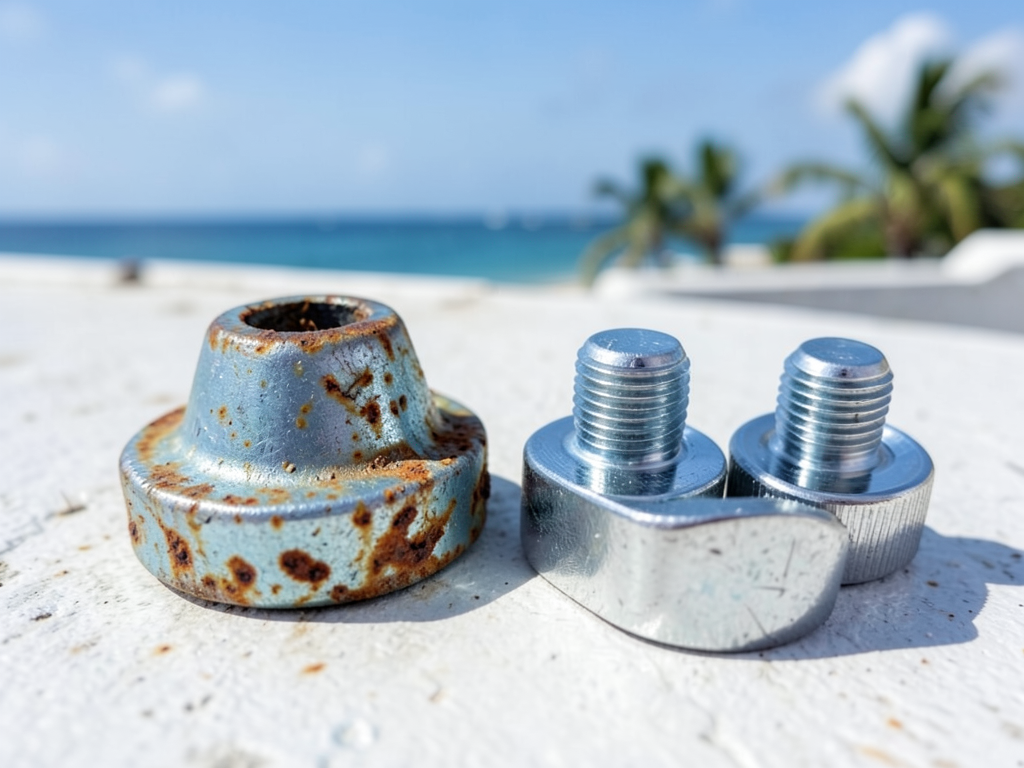
Living in Gables by the Sea means your roof faces relentless salt spray from Biscayne Bay every single day. Standard galvanized fasteners start corroding within three years and fail completely by year five. That's when…
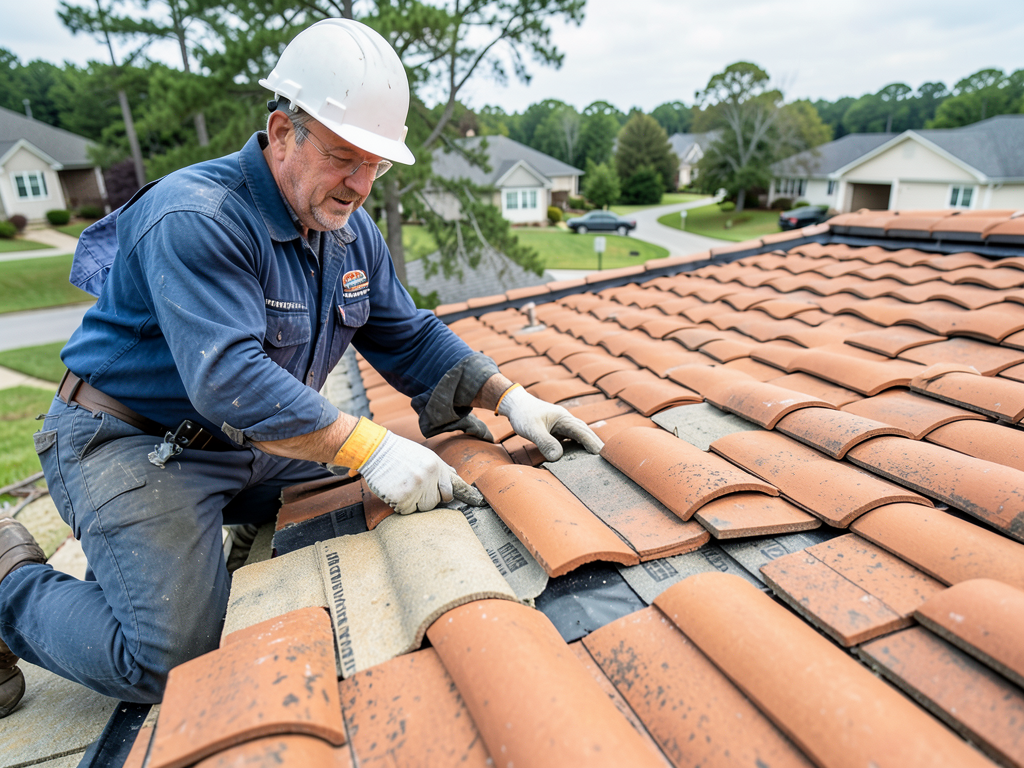
The Real Cost Difference Between Concrete and Clay Tiles for Hammock Lakes Homes Choosing between…
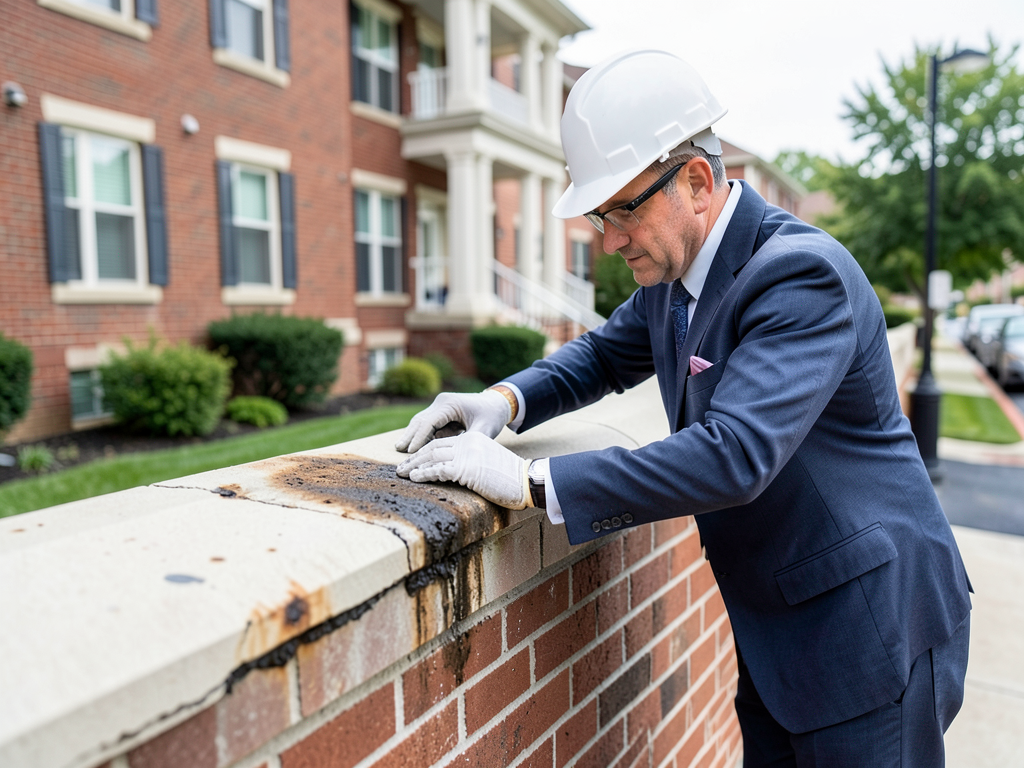
Managing Parapet Wall Leaks and Cap Flashing Issues for Brickell Townhomes Parapet walls create a…
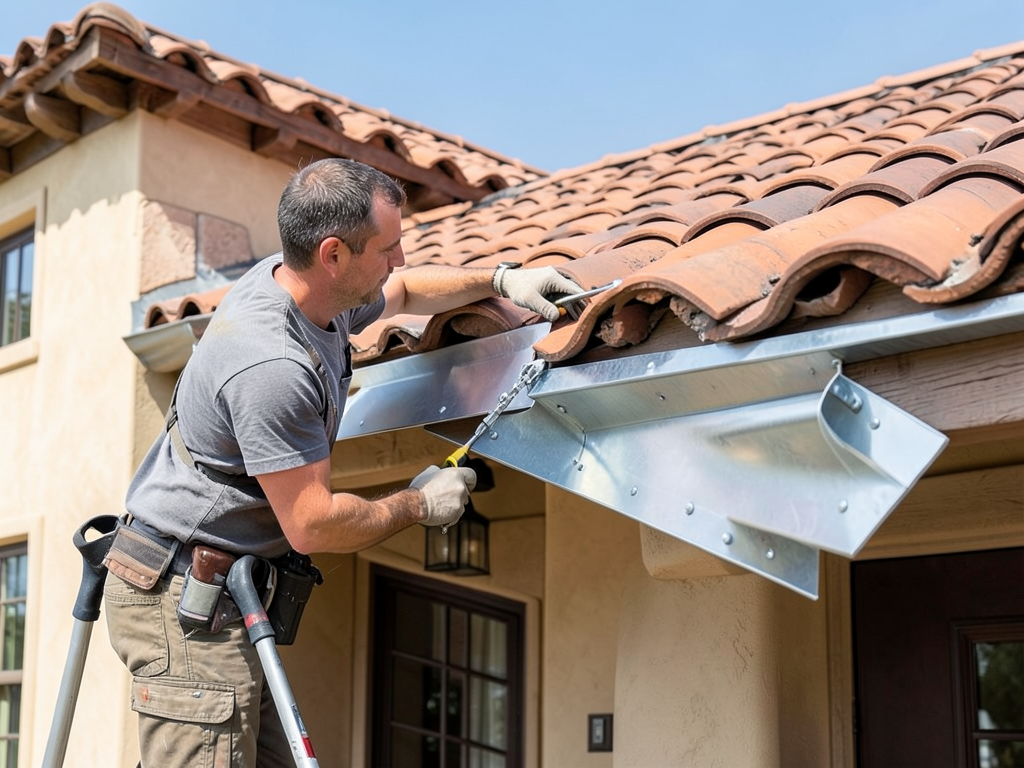
Why Your Ponce Davis Home Needs Heavy Duty Drip Edges to Prevent Wood Rot The…
Hurricane season tests every roof weakness. Contact Ironwood Roofing Miami at (645) 231-4888 for thorough inspection and honest assessment of your roof's condition. We identify problems before they become emergency leaks and provide solutions that protect your North Miami Beach property through the next storm season.