

Cutler Bay sits in a coastal zone where roofing systems face attack from every direction. Salt spray from Biscayne Bay corrodes metal flashing and granules. Hurricane season brings sustained winds that peel back shingles and tear off ridge caps. Summer thunderstorms dump six inches of rain in an hour, overwhelming valleys and exposing weak spots in underlayment. The Florida Building Code requires enhanced wind resistance in Cutler Bay, classified as Wind Zone III with 140 mph design standards. Older roofs installed before the 2002 code updates lack proper fastening and often fail during storms.
The waterfront neighborhoods near Saga Bay see accelerated deterioration from constant moisture exposure. Homes in Lakes by the Bay and Saga Bay Landings experience granule loss within five years on standard three-tab shingles. The flat roofs common in Cutler Ridge and Whispering Pines develop ponding issues that lead to membrane failure. Without proper drainage and impact-rated materials, roofs in this climate zone need replacement every 12 to 15 years instead of the 20-year lifespan seen inland. This is not optional maintenance. This is structural preservation in a harsh marine environment.
Ironwood Roofing Miami specializes in coastal roofing systems that survive South Florida weather. We install only impact-rated shingles with Miami-Dade NOA approvals, the strictest certification in the country. Our crews know the difference between proper hurricane strapping and shortcuts that fail inspection. We pull permits for every job and coordinate with Miami-Dade Building Department inspectors who verify fastening patterns and underlayment overlap.
When your roof starts leaking at 2 AM during a thunderstorm, response time determines how much damage you suffer. We dispatch emergency crews within two hours to tarp and seal active leaks. Our trucks carry industrial tarps, roofing cement, and temporary fasteners to stop water intrusion immediately. We document damage with photos for insurance claims and provide detailed estimates that break down material costs, labor, and code compliance upgrades.
Cutler Bay homeowners need roofing contractors who understand insurance requirements. We work directly with claims adjusters, providing wind damage assessments and scope documentation that supports full replacement coverage. Our estimates match insurance supplement formats, eliminating the back-and-forth that delays repairs. We coordinate with HOA architectural committees in gated communities like Whispering Pines and Cutler Cay, ensuring color and material selections meet covenant restrictions.
Our installation crews follow manufacturer specifications exactly. Shingle alignment, starter strip placement, valley flashing techniques, and fastener spacing all follow the engineered drawings required for wind warranties. We install drip edge and ice-and-water barrier at every penetration point. Ridge vents get sealed with roofing cement before cap shingles go down. This is how roofs survive decades in Cutler Bay instead of failing after the first hurricane.

Every roof we install meets Miami-Dade County Product Control standards for 140 mph wind zones. We use only impact-rated materials with current NOA certifications, installed with enhanced fastening patterns that resist blow-off during sustained hurricane winds. Your roof will pass inspection and qualify for insurance wind mitigation credits.

When storms damage your roof, water intrusion starts within minutes. Our crews respond within two hours with tarps and sealing materials to stop active leaks. We arrive prepared to climb wet roofs safely and secure temporary protection until permanent repairs begin. Fast response prevents ceiling collapse and mold growth.
We document roof damage with detailed photographs and measurements that support full insurance claims. Our estimates match adjuster formats and include code upgrade costs that carriers must cover. We attend adjuster meetings and provide technical explanations of wind damage patterns that non-roofing adjusters often miss or underestimate.
We know the architectural requirements in every Cutler Bay community. Our material selections meet HOA covenants while providing maximum wind and impact protection. We understand the permitting process at Miami-Dade Building Department and coordinate inspections to keep projects moving without delays or violations.
Ironwood Roofing Miami handles every type of roofing work required in coastal South Florida. We install new roofs on custom homes, replace damaged systems after hurricanes, and repair leaks before they cause interior damage. Our service range covers steep-slope shingle roofs, low-slope membrane systems, and tile installations common in Mediterranean-style homes. We work on single-family residences, townhomes, and commercial properties throughout Cutler Bay.
Our crews understand the different failure modes in each roofing system. Shingle roofs lose granules and develop exposed substrate. Tile roofs crack from impact and allow water under the field. Flat roofs develop ponding and membrane splits. Each system requires specific repair techniques and materials rated for coastal exposure. We stock impact-rated architectural shingles, self-adhering underlayment, copper flashing, and quick-setting roofing cement that bonds in humid conditions. Every repair meets Florida Building Code requirements for wind resistance and waterproofing.
When wind tears off shingles or impacts puncture your roof, water enters immediately. Our emergency crews respond within hours, not days. We arrive with industrial tarps, roofing cement, and temporary fasteners to stop water intrusion. We seal valleys, secure loose flashing, and cover exposed decking before rain soaks through insulation. Every emergency call gets documented with photos for insurance claims. We provide temporary protection, then schedule permanent repairs once adjusters inspect damage.
Full roof replacement involves removing old materials down to decking, inspecting for rot, and installing new underlayment and shingles. We pull permits and coordinate inspections at every phase. Our installations include enhanced fastening with ring-shank nails, sealed valleys with ice-and-water barrier, and metal drip edge at all eaves and rakes. We install only impact-rated shingles with current Miami-Dade approvals. Every replacement comes with manufacturer warranties and wind mitigation documentation for insurance discounts.
Regular inspections catch small problems before they become expensive failures. We check flashing integrity, seal exposed nail heads, replace cracked shingles, and clear debris from valleys. Our maintenance programs include twice-yearly inspections scheduled before and after hurricane season. We document roof condition with photos and provide written reports that satisfy insurance requirements. Minor repairs completed during inspections prevent leak damage and extend roof lifespan by years.
Coastal exposure creates specific failure patterns in Cutler Bay roofs. Salt air accelerates corrosion in metal components. High winds exploit any weakness in fastening or edge details. Intense UV exposure breaks down asphalt shingles faster than inland areas experience. Hurricane-force winds create uplift pressure that tears at ridge caps and hip shingles. These problems compound over time, starting with minor granule loss and progressing to substrate exposure and leak development.
Properties near Biscayne Bay see the worst deterioration. The combination of salt spray, moisture, and wind creates a harsh environment that attacks roofing materials from multiple angles. Homes in Saga Bay and Cutler Ridge face constant salt exposure that corrodes flashing and fasteners. Inland properties in Lakes by the Bay avoid salt but still face extreme wind loads during storms. Understanding these location-specific challenges determines which materials survive and which fail prematurely.
Sustained winds above 100 mph peel back shingles and tear off ridge caps. Uplift forces created during hurricanes rip inadequately fastened materials from decking. Older roofs installed before enhanced code requirements fail first. Missing shingles expose underlayment to rain, leading to immediate interior water damage and ceiling staining.
Metal flashing around chimneys, vents, and valleys corrodes quickly in salt air. Rusted flashing loses waterproofing ability and allows water to seep under shingles. Valley flashing develops pinholes that drip water onto decking. Improperly sealed pipe boots crack and separate, creating direct water entry points during rain.
Asphalt shingles lose protective granules under intense South Florida sun. Exposed asphalt substrate deteriorates rapidly, leading to curling and cracking. Shingles without adequate UV protection fail within eight years in coastal zones. Dark streaks indicate algae growth that accelerates deterioration. Once granule loss exposes substrate, shingles lose waterproofing capacity.
Many older Cutler Bay roofs lack proper fastening patterns required by current code. Shingles installed with staples instead of nails fail during high winds. Missing starter strips at eaves allow wind to lift shingle edges. Inadequate underlayment provides no secondary water barrier. These installation shortcuts create premature failures and void manufacturer warranties.
Professional roofing service means clear communication, realistic timelines, and work that passes inspection on the first attempt. When you call Ironwood Roofing Miami, you talk to someone who understands roofing systems and can explain your options without pressure or confusion. We schedule inspections at times that work for you. Our estimates break down every cost so you understand exactly what you're paying for and why.
During installation, our crews arrive when promised and work efficiently. We protect landscaping with tarps and clean up debris daily. You get updates on permit approvals and inspection scheduling. If problems appear during tear-off, like rotted decking or damaged trusses, we explain the issue and provide options before proceeding. No surprises, no hidden costs, no delays caused by poor planning. This is how roofing projects should work.
We inspect every roof section, checking shingle condition, flashing integrity, and underlayment exposure. Our assessments identify problems that need immediate repair and issues you can monitor. We take photographs documenting damage and provide written reports explaining what we found. You receive realistic lifespan estimates and repair options ranked by priority. We never recommend unnecessary work or exaggerate damage to inflate estimates.
Every roof replacement requires permits from Miami-Dade Building Department. We handle all permit applications and schedule required inspections at tear-off, underlayment, and final completion. Our installations follow approved plans exactly, ensuring inspections pass without corrections. We coordinate timing so inspectors arrive when work reaches the proper phase. You receive all signed-off permits and certificates of completion for your property records.
Completed roofs come with manufacturer material warranties and our workmanship guarantee. We provide all documentation needed for insurance wind mitigation inspections, including product NOA numbers, fastening pattern certifications, and installation photos. These documents support premium discounts that offset roofing costs over time. We explain exactly what each warranty covers and how to file claims if problems develop.
Roofing projects move through clear phases. First comes inspection and planning. Then we handle permits and material delivery. Finally comes installation and inspection approval. This sequence ensures quality work completed on schedule.
We climb your roof and inspect every section, checking shingle condition, flashing integrity, and decking visibility. We photograph damage and measure roof area. You receive a detailed written estimate that breaks down materials, labor, permits, and disposal costs. We explain which repairs address immediate problems and which prevent future issues. The estimate includes material specifications with manufacturer names and product numbers.
Once you approve the estimate, we file permit applications with Miami-Dade Building Department. Materials arrive before the scheduled start date. Our crews tear off old roofing, inspect decking for damage, and install underlayment. We call for underlayment inspection before proceeding to shingle installation. Ridge vents go in last, followed by final cleanup and debris removal. The entire process takes three to five days for typical single-family homes.
We schedule final inspection with the county building department. Inspectors verify fastening patterns, flashing installation, and code compliance. After approval, you receive signed permits, manufacturer warranties, and wind mitigation documentation. We provide installation photos showing proper techniques that support insurance wind mitigation credits. Your roof is now fully compliant, properly warranted, and ready for the next hurricane season.
Miami-Dade County enforces the strictest roofing requirements in the United States. The Florida Building Code designates Cutler Bay as Wind Zone III, requiring roof systems to withstand 140 mph sustained winds. This translates to specific fastening patterns, edge details, and material certifications that go far beyond standard residential roofing practices. Every component must carry a current Notice of Acceptance from Miami-Dade Product Control, proving it survived wind tunnel testing at the required speeds.
The High Velocity Hurricane Zone provisions mandate enhanced attachment for every shingle. Standard four-nail patterns become six-nail patterns. Starter strips require additional fasteners. Hip and ridge shingles need mechanical fastening instead of adhesive strips. Underlayment must be self-adhering or mechanically fastened with cap nails and plastic caps every 12 inches. Metal drip edge goes under underlayment at rakes and over underlayment at eaves. These details seem minor but determine whether your roof survives Category 3 winds.
Permit requirements ensure compliance verification. Miami-Dade Building Department requires inspections at tear-off, underlayment installation, and final completion. Inspectors check fastener spacing with measuring tapes and verify NOA numbers on material packaging. Failed inspections halt work until corrections happen. Contractors unfamiliar with local requirements cause expensive delays when inspectors reject improper installations.
Wind mitigation forms document specific installation features that reduce insurance premiums. Roof-to-wall connections, roof deck attachment, roof covering, and secondary water resistance all get rated. Enhanced fastening patterns, sealed roof deck, and impact-rated shingles each provide premium credits. Proper documentation requires photographs showing fastening methods and material certifications. Insurance companies verify these forms before applying discounts, rejecting incomplete or inaccurate submissions.
High Velocity Hurricane Zone rules require six fasteners per shingle instead of the standard four. Hip and ridge shingles need two fasteners per shingle. Starter strips get fastened every six inches. Underlayment requires cap nails with plastic caps every 12 inches in both directions. Inspectors measure fastener spacing and reject installations that deviate from approved patterns.
Insurance wind mitigation forms require photographs showing roof-to-wall connections and fastening methods. We document every installation phase with photos that inspectors can verify. Proper documentation supports premium discounts averaging 20 to 40 percent. Incomplete forms get rejected, eliminating potential savings. We provide all required photos and certifications at project completion.
Miami-Dade requires inspections at multiple project phases. We schedule inspectors when work reaches tear-off, underlayment installation, and final completion. Each inspection must pass before proceeding. We understand what inspectors look for and install materials to meet every requirement. This eliminates delays from failed inspections and correction notices.
This video explains Miami-Dade roofing code requirements for Cutler Bay properties, covering NOA certifications, enhanced fastening patterns required in High Velocity Hurricane Zones, and wind mitigation documentation that reduces insurance premiums. Viewers learn how hurricane-rated roofing systems differ from standard installations, what inspectors verify during permit approval, and which materials resist coastal salt corrosion and wind damage.
Ironwood Roofing Miami serves every neighborhood in Cutler Bay, from waterfront properties along Biscayne Bay to inland communities near Old Cutler Road. We work extensively in Saga Bay, where salt exposure accelerates roof deterioration and requires impact-rated materials with superior corrosion resistance. Properties in Saga Bay Landings face constant moisture that attacks underlayment and flashing. Our installations in this area emphasize sealed valleys and enhanced waterproofing details that prevent premature failure.
The Lakes by the Bay community presents different challenges. These homes feature tile roofs and low-slope sections that require specialized repair techniques. We replace cracked tiles, seal underlayment penetrations, and address ponding issues on nearly flat sections. The architectural review process in Lakes by the Bay requires material selections that match existing colors and profiles. We maintain relationships with suppliers who stock matching tiles for homes built 15 to 20 years ago.
Cutler Ridge and Whispering Pines contain a mix of older homes with original roofs and newer construction with modern systems. Older properties often need complete replacement due to outdated materials and installation techniques that predate current wind requirements. We help homeowners navigate insurance claims for wind damage, providing documentation that supports full replacement coverage. Newer homes typically need only maintenance and minor repairs, which we handle through annual inspection programs.
Properties near Southland Mall and along Caribbean Boulevard see heavy wind exposure during storms. These locations lack the tree protection found in older neighborhoods, meaning roofs take direct hits from wind-driven debris. We recommend impact-rated shingles in these areas, which resist punctures from airborne objects. The proximity to US Route 1 makes our shop easily accessible for customers throughout South Miami-Dade County, from Palmetto Bay down to Florida City.
Cutler Bay roofing faces unique challenges from hurricane-force winds, salt air, and intense UV exposure. Your roof needs impact-resistant materials rated for high-wind zones. Asphalt shingles, metal roofing, and concrete tiles work best here. Regular inspections help catch damage early, especially after storms. Look for missing shingles, cracked tiles, or water stains inside your home. The salt air accelerates wear, so expect replacement every 15-25 years depending on materials. Choose contractors familiar with Miami-Dade building codes and permit requirements. Your roof protects your biggest investment, so quality installation matters more than speed.
Hurricane season runs June through November, making timing critical for roof work. Schedule installations during dry months from December through April when weather is stable. Storm damage often creates contractor backlogs, so book early. Most residential roofs take 2-5 days to complete, weather permitting. You need permits from Miami-Dade County before starting work. Your contractor should handle this process. Wind mitigation inspections after installation lower insurance premiums. Plan for noise, debris, and limited access during work. Move vehicles and cover pool areas. Quality work needs proper weather windows, so avoid rushing through hurricane season.
Your roof shows warning signs before failing completely. Check for curled, cracked, or missing shingles. Look inside your attic for water stains, mold, or daylight showing through boards. Granules collecting in gutters mean shingle deterioration. Sagging areas indicate structural problems needing immediate attention. Dark streaks suggest algae growth common in humid climates. After storms, inspect for wind damage or debris impact. Age matters too. Roofs older than 20 years need professional assessment. Small leaks worsen fast in Cutler Bay's heavy rains. Address problems early to avoid interior damage and mold growth.
Cutler Bay roofing faces unique challenges from hurricane-force winds, salt air, and intense UV exposure. Your roof needs impact-resistant materials rated for high-wind zones. Asphalt shingles, metal roofing, and concrete tiles work best here. Regular inspections help catch damage early, especially after storms. Look for missing shingles, cracked tiles, or water stains inside your home. The salt air accelerates wear, so expect replacement every 15-25 years depending on materials. Choose contractors familiar with Miami-Dade building codes and permit requirements. Your roof protects your biggest investment, so quality installation matters more than speed.
Hurricane season runs June through November, making timing critical for roof work. Schedule installations during dry months from December through April when weather is stable. Storm damage often creates contractor backlogs, so book early. Most residential roofs take 2-5 days to complete, weather permitting. You need permits from Miami-Dade County before starting work. Your contractor should handle this process. Wind mitigation inspections after installation lower insurance premiums. Plan for noise, debris, and limited access during work. Move vehicles and cover pool areas. Quality work needs proper weather windows, so avoid rushing through hurricane season.
Your roof shows warning signs before failing completely. Check for curled, cracked, or missing shingles. Look inside your attic for water stains, mold, or daylight showing through boards. Granules collecting in gutters mean shingle deterioration. Sagging areas indicate structural problems needing immediate attention. Dark streaks suggest algae growth common in humid climates. After storms, inspect for wind damage or debris impact. Age matters too. Roofs older than 20 years need professional assessment. Small leaks worsen fast in Cutler Bay's heavy rains. Address problems early to avoid interior damage and mold growth.
Metal roofing performs exceptionally well in Cutler Bay's climate. It resists hurricane winds up to 160 mph when properly installed. The material reflects heat, reducing cooling expenses by 10-25%. Metal roofs last 40-70 years, outlasting asphalt shingles. They resist salt air corrosion, fire, and mildew. Standing seam systems provide superior water shedding during tropical storms. The initial investment runs higher, but longevity offsets this difference. Metal roofs qualify for insurance discounts through wind mitigation. They make noise during heavy rain unless you add insulation. Choose aluminum or coated steel for best coastal performance.
Insurance claims require proper documentation and quick action. Photograph damage immediately after storms from multiple angles. Contact your insurance company within 24-48 hours to start claims. Get written estimates from licensed contractors. Your insurer sends an adjuster to assess damage. Keep all receipts and communication records. Public adjusters help negotiate larger settlements but take a percentage. Many policies cover wind and hail damage but exclude wear and tear. Review your policy before problems occur. Some carriers require specific roofing materials for coverage. Wind mitigation inspections reduce premiums and prove your roof meets code standards.
Preventive maintenance extends roof life and prevents expensive repairs. Schedule professional inspections twice yearly, especially before and after hurricane season. Clean gutters and downspouts to prevent water backup. Trim overhanging branches that drop debris or damage during storms. Remove algae and mold growth with appropriate cleaning solutions. Check and reseal flashing around chimneys, vents, and skylights. Replace damaged or missing shingles immediately. Inspect attic ventilation to prevent moisture buildup and heat damage. After storms, walk your property to spot issues early. Keep records of all maintenance for insurance purposes and resale value.
Florida Building Code requires impact-resistant roofing in high-wind zones like Cutler Bay. Products need FBC approval stamps showing compliance. Wind ratings must meet or exceed local requirements based on your distance from coast. Miami-Dade County has the strictest standards nationwide. All work requires permits and inspections. Contractors need state licensing and local registrations. Your roof must include proper underlayment, drip edges, and sealed deck fastening. Insurance companies mandate specific standards for coverage. Building officials inspect completed work before final approval. Non-compliant roofs face fines and insurance claim denials.
Choose roofing contractors with proper Florida state licensing and Miami-Dade County registration. Verify credentials through state databases before signing contracts. Ask for local references from jobs completed within the past year. Review completed projects in person when possible. Check complaint records with the Better Business Bureau. Experienced contractors know local building codes and permit processes. They carry proper insurance protecting you from liability. Get detailed written estimates comparing materials, labor, and timelines. Avoid contractors requiring large upfront deposits or offering suspiciously low bids. Local companies provide better accountability than storm chasers who disappear after work.
Tile roofs offer durability and wind resistance perfect for South Florida. Concrete and clay tiles withstand hurricane-force winds and last 50-plus years. They provide excellent insulation, reducing energy consumption. Tiles resist fire, rot, and insect damage. The heavy weight requires proper structural support. Professional installation prevents future problems with underlayment and fastening. Tiles come in various colors and styles maintaining appearance longer than other materials. Individual tiles break from impact but are replaceable without full roof replacement. The weight and fragility during installation require experienced crews. Tiles cost more upfront but deliver long-term value.
Roof ventilation prevents moisture buildup, mold growth, and premature material failure. Proper airflow reduces attic temperatures by 30-40 degrees during summer. Ridge vents, soffit vents, and gable vents work together for optimal circulation. Poor ventilation voids many manufacturer warranties. Trapped heat damages shingles from underneath, shortening roof life. Moisture accumulation rots decking and framing. Ventilation helps prevent ice dams in rare cold snaps. Your attic needs one square foot of ventilation per 150 square feet of space. Balanced intake and exhaust create effective airflow. Professional assessment determines your home's specific ventilation needs.
Metal roofing performs exceptionally well in Cutler Bay's climate. It resists hurricane winds up to 160 mph when properly installed. The material reflects heat, reducing cooling expenses by 10-25%. Metal roofs last 40-70 years, outlasting asphalt shingles. They resist salt air corrosion, fire, and mildew. Standing seam systems provide superior water shedding during tropical storms. The initial investment runs higher, but longevity offsets this difference. Metal roofs qualify for insurance discounts through wind mitigation. They make noise during heavy rain unless you add insulation. Choose aluminum or coated steel for best coastal performance.
Insurance claims require proper documentation and quick action. Photograph damage immediately after storms from multiple angles. Contact your insurance company within 24-48 hours to start claims. Get written estimates from licensed contractors. Your insurer sends an adjuster to assess damage. Keep all receipts and communication records. Public adjusters help negotiate larger settlements but take a percentage. Many policies cover wind and hail damage but exclude wear and tear. Review your policy before problems occur. Some carriers require specific roofing materials for coverage. Wind mitigation inspections reduce premiums and prove your roof meets code standards.
Preventive maintenance extends roof life and prevents expensive repairs. Schedule professional inspections twice yearly, especially before and after hurricane season. Clean gutters and downspouts to prevent water backup. Trim overhanging branches that drop debris or damage during storms. Remove algae and mold growth with appropriate cleaning solutions. Check and reseal flashing around chimneys, vents, and skylights. Replace damaged or missing shingles immediately. Inspect attic ventilation to prevent moisture buildup and heat damage. After storms, walk your property to spot issues early. Keep records of all maintenance for insurance purposes and resale value.
Florida Building Code requires impact-resistant roofing in high-wind zones like Cutler Bay. Products need FBC approval stamps showing compliance. Wind ratings must meet or exceed local requirements based on your distance from coast. Miami-Dade County has the strictest standards nationwide. All work requires permits and inspections. Contractors need state licensing and local registrations. Your roof must include proper underlayment, drip edges, and sealed deck fastening. Insurance companies mandate specific standards for coverage. Building officials inspect completed work before final approval. Non-compliant roofs face fines and insurance claim denials.
Choose roofing contractors with proper Florida state licensing and Miami-Dade County registration. Verify credentials through state databases before signing contracts. Ask for local references from jobs completed within the past year. Review completed projects in person when possible. Check complaint records with the Better Business Bureau. Experienced contractors know local building codes and permit processes. They carry proper insurance protecting you from liability. Get detailed written estimates comparing materials, labor, and timelines. Avoid contractors requiring large upfront deposits or offering suspiciously low bids. Local companies provide better accountability than storm chasers who disappear after work.
Tile roofs offer durability and wind resistance perfect for South Florida. Concrete and clay tiles withstand hurricane-force winds and last 50-plus years. They provide excellent insulation, reducing energy consumption. Tiles resist fire, rot, and insect damage. The heavy weight requires proper structural support. Professional installation prevents future problems with underlayment and fastening. Tiles come in various colors and styles maintaining appearance longer than other materials. Individual tiles break from impact but are replaceable without full roof replacement. The weight and fragility during installation require experienced crews. Tiles cost more upfront but deliver long-term value.
Roof ventilation prevents moisture buildup, mold growth, and premature material failure. Proper airflow reduces attic temperatures by 30-40 degrees during summer. Ridge vents, soffit vents, and gable vents work together for optimal circulation. Poor ventilation voids many manufacturer warranties. Trapped heat damages shingles from underneath, shortening roof life. Moisture accumulation rots decking and framing. Ventilation helps prevent ice dams in rare cold snaps. Your attic needs one square foot of ventilation per 150 square feet of space. Balanced intake and exhaust create effective airflow. Professional assessment determines your home's specific ventilation needs.
Ironwood Roofing Miami is proud to service the entire Miami-Dade County area, including South Beach, Coral Gables, Doral, and beyond. We are a local company deeply familiar with the region, allowing us to respond quickly to your emergency needs and schedule non-urgent services with efficient turnaround. View our location on the map to see where our trusted professionals operate and invite us to your neighborhood for the area's most reliable roofing expertise.
Address:
Cutler Bay, FL, 33157
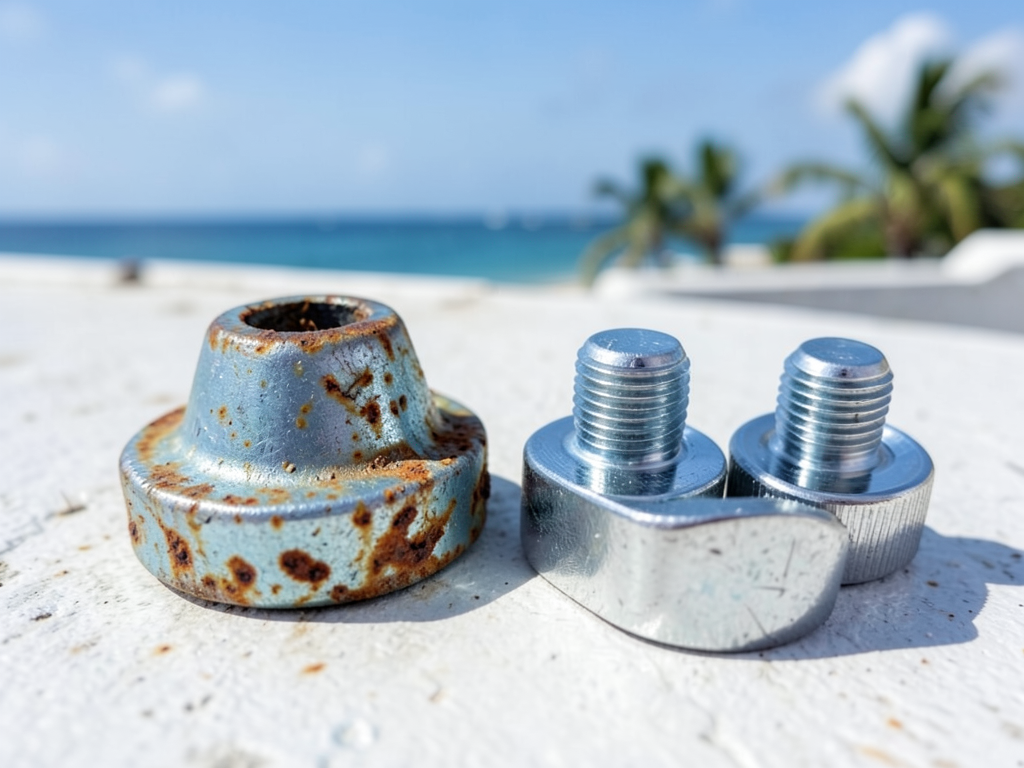
Living in Gables by the Sea means your roof faces relentless salt spray from Biscayne Bay every single day. Standard galvanized fasteners start corroding within three years and fail completely by year five. That's when…
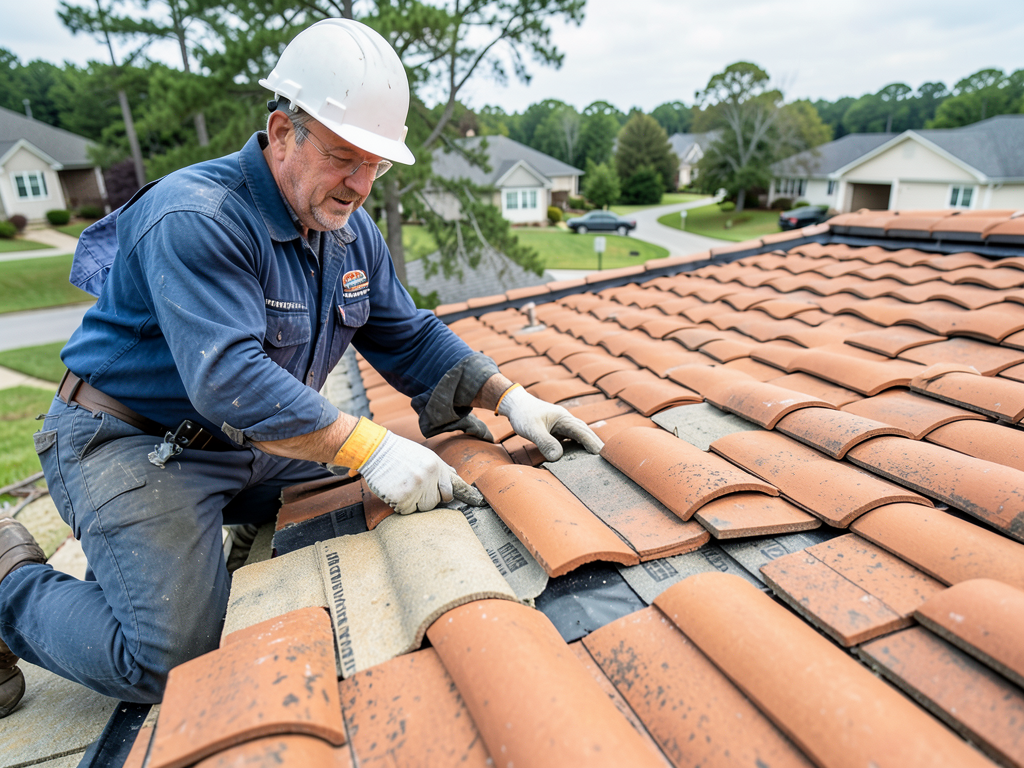
The Real Cost Difference Between Concrete and Clay Tiles for Hammock Lakes Homes Choosing between…
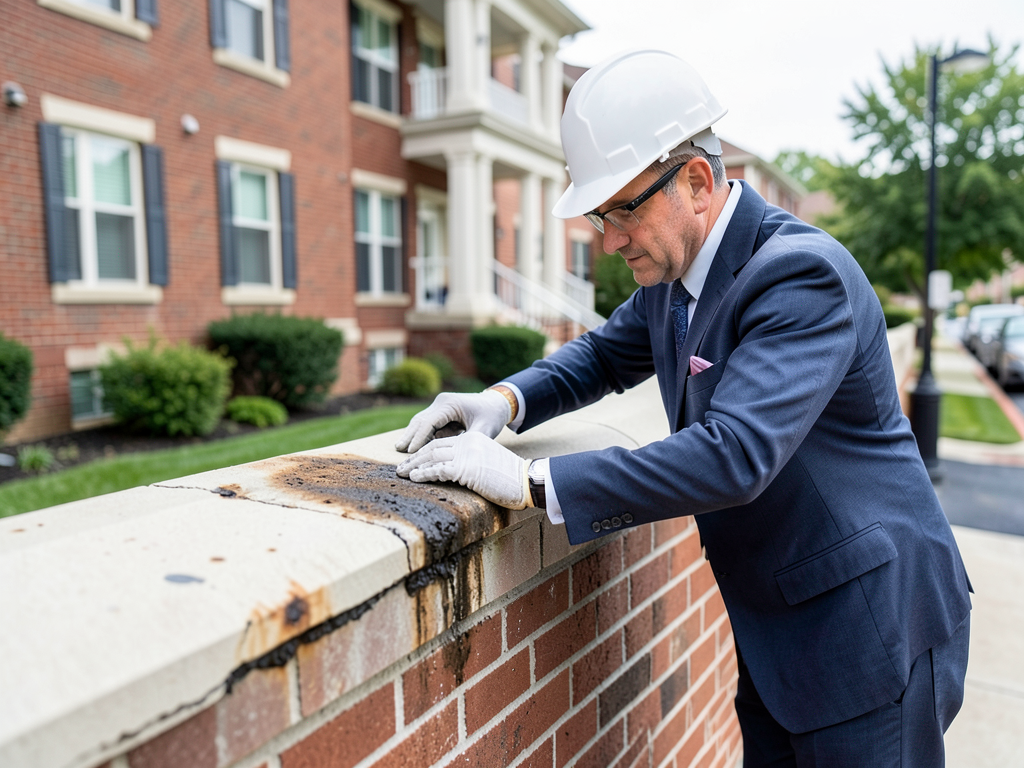
Managing Parapet Wall Leaks and Cap Flashing Issues for Brickell Townhomes Parapet walls create a…
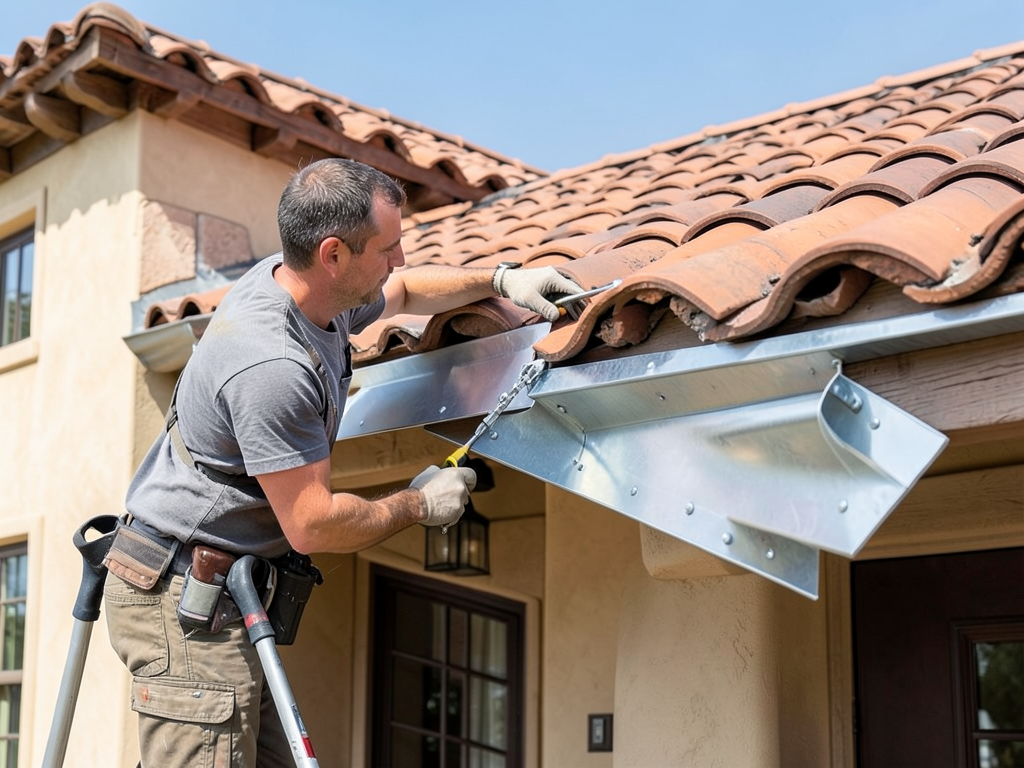
Why Your Ponce Davis Home Needs Heavy Duty Drip Edges to Prevent Wood Rot The…
Hurricane season starts June 1st. Do not wait until warnings are issued to discover your roof cannot handle high winds. Call Ironwood Roofing Miami at (645) 231-4888 for a detailed inspection and honest assessment. We identify problems while you have time to fix them, preventing expensive emergency repairs during the worst weather.