

Sunny Isles Beach sits on a narrow barrier island between the Atlantic Ocean and Biscayne Bay, creating one of the most demanding roofing environments in Florida. Constant salt spray accelerates corrosion of metal components, degrading flashing and fasteners years before inland roofs show wear. Hurricane season brings sustained winds exceeding 120 mph, generating uplift forces that tear improperly secured roofing materials from decking. The combination of intense UV radiation and afternoon thunderstorms creates rapid thermal cycling that breaks down asphalt shingles and tile adhesives.
Properties along Collins Avenue and Ocean Drive face the harshest conditions, with direct ocean exposure requiring specialized hurricane-rated systems and corrosion-resistant materials. Buildings near Haulover Inlet deal with additional moisture from bay breezes that penetrate underlayment and encourage mold growth in attic spaces. The high-rise construction prevalent throughout Sunny Isles Beach demands expertise in commercial flat roofing systems, where even minor ponding water leads to catastrophic leaks in occupied units below.
Miami-Dade County enforces the strictest building codes in the nation through the Florida Building Code High Velocity Hurricane Zone provisions. Every roof replacement requires engineered drawings, specific fastener schedules, and multiple inspections. Properties built before 2002 often lack proper secondary water barriers and require complete tearoffs rather than overlay installations to meet current wind uplift requirements.
Ironwood Roofing Miami specializes exclusively in coastal roofing systems engineered for barrier island environments. While general contractors treat roofs as an afterthought, we focus solely on the building envelope that protects everything beneath it. Our crews train specifically on Miami-Dade County Notice of Acceptance products, understanding which manufacturers' systems actually perform when sustained winds hit triple digits.
We maintain relationships with structural engineers who stamp drawings for complex installations, expediting permit approval through the notoriously slow Sunny Isles Beach building department. Most roofing companies wait weeks for engineer callbacks. We get same-day turnaround because we provide detailed measurements and photos that engineers trust. This matters when you're racing against the next storm system moving across the Caribbean.
Our material suppliers stock hurricane-rated products year-round, not just during the pre-season rush when everyone scrambles for inventory. When other companies tell you tiles are backordered for three months, we're installing them next week because we planned ahead. We purchase underlayment and fasteners in bulk, locking in pricing that we pass to customers rather than adding panic premiums during peak season.
Every Ironwood crew leader holds OSHA-30 certification and manufacturer-specific installation credentials from GAF, CertainTeed, and Owens Corning. We don't send day laborers onto your roof with nail guns. You get trained professionals who understand fastener placement patterns, proper valley installation, and drip edge integration with building envelope. Our quality control process includes drone documentation of every installation phase, creating a permanent record that proves proper installation if insurance questions arise after storm damage.

Every Ironwood installation meets Miami-Dade County Product Control Division approvals, with engineer-stamped drawings and tested fastener schedules. We design roof systems for sustained winds above 150 mph, using uplift calculations specific to your building height, roof pitch, and distance from ocean exposure. Your roof gets engineered protection, not guesswork.

Ironwood maintains emergency tarping crews and materials stockpiles throughout hurricane season. When storms damage your roof, we secure the breach within hours to prevent interior water damage. While other companies field hundreds of calls with week-long waits, our established customers get priority scheduling because we planned capacity for exactly this scenario.
Coastal roofing requires different materials than inland installations. We specify stainless steel fasteners and hot-dipped galvanized flashing that resist salt air corrosion. Our underlayment selections account for humidity and UV exposure specific to barrier island conditions. You get material specifications proven in oceanfront environments, not generic products that fail prematurely.
Ironwood navigates Sunny Isles Beach building department requirements daily, understanding inspector expectations and approval processes. We schedule inspections at proper intervals, provide required documentation, and communicate directly with plan reviewers to resolve issues before they delay your project. Our permit expertise keeps your installation on schedule.
Ironwood Roofing Miami provides comprehensive roofing services for every property type in Sunny Isles Beach, from single-family homes to high-rise condominiums. Our service range covers emergency repairs after storm damage, complete roof replacements on aging systems, and preventive maintenance programs that extend roof life in harsh coastal conditions. We work with all major roofing material types, including asphalt shingles, concrete and clay tile, modified bitumen, TPO, and metal roofing systems.
Each service category requires specialized knowledge of installation techniques, material compatibility, and building code requirements. Roofing repair specialists on our team diagnose leak sources using thermal imaging and moisture meters, identifying problems that visual inspections miss. Our replacement crews understand proper tearoff procedures that protect landscaping and vehicles while maintaining job site safety. Maintenance programs include roof cleaning services that remove algae and debris without damaging protective granules or surface coatings.
We separate our services into emergency response for active leaks and storm damage, planned replacement for aging or failing systems, and preventive care that maximizes your investment. This structure ensures you get the right response at the right time, whether you're calling about water dripping into your living room or planning ahead for roof replacement before the next hurricane season.
When hurricanes tear shingles away or tropical storms drive water through compromised flashing, Ironwood deploys emergency crews to stop active damage. We provide temporary weather protection through professional tarping, then execute permanent roof patching services once conditions allow safe work. Our teams respond to collapsed sections, blown-off tiles, punctures from falling debris, and wind-damaged ridge caps. Emergency repairs include documentation and photos required for insurance claims, helping you navigate the restoration process while protecting your property from additional water intrusion.
Aging roofs in Sunny Isles Beach eventually require complete replacement to maintain weather protection and insurance compliance. Ironwood manages full tearoff and installation of new roofing systems engineered for coastal wind loads and salt exposure. We handle all permitting, engineering, and inspection requirements through Miami-Dade County building department. Our replacement process includes decking inspection and repair, updated underlayment with self-adhering membranes, proper ventilation integration, and hurricane-rated fastener patterns. You get a roof system designed to protect your home through decades of coastal weather, with manufacturer warranties and installation guarantees.
Coastal roofs need regular maintenance to combat salt, algae, and debris accumulation that accelerates deterioration. Ironwood offers scheduled inspection and maintenance programs that identify minor issues before they become major problems. We clean gutters and valleys, reseal penetrations, replace damaged shingles or tiles, and inspect flashing for corrosion. Our thermal imaging identifies hidden moisture problems while repairs remain minor. Regular maintenance extends roof life, maintains insurance eligibility, and prevents emergency situations. Programs include documentation of roof condition for property sales and insurance renewals.
Barrier island properties face accelerated roofing deterioration compared to inland locations. The combination of salt air, extreme UV exposure, and violent weather creates specific failure patterns that property owners must address. Understanding these issues helps you recognize problems early, before minor damage becomes catastrophic failure requiring emergency intervention.
Properties closest to the ocean experience the most severe conditions, but even buildings several blocks inland show advanced wear patterns. High-rise construction adds complexity, with rooftop mechanical equipment and parapet walls creating additional leak points. The hot, humid climate encourages biological growth that damages roofing materials and blocks drainage paths. Miami-Dade County's strict building codes mean improper repairs can void insurance coverage and create liability during the next hurricane.
These problems don't improve with time. Salt continues corroding metal components, UV radiation keeps breaking down asphalt, and wind gradually lifts inadequately secured materials. Early intervention through professional roof damage repair prevents minor issues from destroying interior finishes and creating dangerous mold conditions.
Atlantic salt spray corrodes galvanized nails and aluminum flashing within years, creating rust stains and compromised waterproofing. Metal valleys develop pinholes, step flashing separates from masonry, and exposed fastener heads lose their seal. This corrosion happens invisibly beneath shingles until leaks appear inside your home. Oceanfront properties need stainless steel components to survive long-term.
Sustained winds above 100 mph generate uplift forces that tear improperly fastened roofing materials from decking. Missing shingles after storms indicate inadequate fastener patterns or degraded sealant strips. Tile roofs lose individual pieces, creating entry points for wind-driven rain. High-rise buildings experience worse uplift at corners and edges. Proper installation with Miami-Dade approved fastener schedules prevents this catastrophic damage.
Florida's intense sun bakes roofs to 160 degrees, then afternoon thunderstorms cool them 60 degrees in minutes. This constant expansion and contraction cracks sealants, curls shingles, and breaks tile adhesives. UV radiation destroys asphalt binders, causing granule loss and brittleness. Light-colored roofs and reflective coatings reduce thermal stress, but all materials eventually degrade under Sunny Isles Beach's relentless solar exposure.
Humid coastal air encourages black algae streaks that retain moisture and accelerate shingle deterioration. Palm fronds and organic debris accumulate in valleys and gutters, blocking water drainage and creating standing puddles. This trapped moisture leads to wood rot in decking and fascia boards. Regular cleaning and algae-resistant shingles reduce this biological attack, but complete prevention requires ongoing maintenance in tropical climates.
Working with Ironwood Roofing Miami means partnering with a company that values transparency, communication, and quality execution. We understand that roof work disrupts your daily life and represents a significant investment in your property. Our process eliminates surprises through detailed documentation, clear timelines, and proactive updates as work progresses.
From initial contact through final inspection, you'll know exactly what's happening with your roof. We provide written estimates that detail material specifications, labor scope, and project timeline. Our contracts include payment schedules tied to completion milestones, never demanding full payment upfront. You receive photos documenting work quality at each phase, creating a permanent record of proper installation.
Coastal roofing requires attention to details that inland contractors often miss. We protect your property during tearoff, coordinate with building inspectors, and ensure manufacturer warranties get properly registered. When we tell you a project takes five days, we complete it in five days unless weather forces delays. You deserve professional roofing repair specialists who respect your time and property.
You receive daily updates on project progress, weather delays, and inspector schedules. Our project managers answer calls directly rather than routing you through voicemail systems. We explain technical issues in plain language, helping you understand why specific repairs or materials are necessary. Before work begins, you'll see material samples, review installation methods, and approve the detailed scope. No work happens without your informed consent and understanding.
Ironwood protects your landscaping, vehicles, and exterior finishes during tearoff and installation. We use tarps to catch debris, magnetic sweepers to collect nails, and plywood pathways to prevent lawn damage. Dumpsters get positioned to minimize driveway obstruction. Our crews maintain organized work areas, removing debris daily rather than letting it accumulate. Safety barriers protect pedestrians from falling materials. You get professional job site management that respects your property.
Every installation includes multi-point quality inspections by our crew leaders and project managers before we request final building inspection. We document fastener patterns, flashing details, and valley installation with photos that prove code compliance. You receive complete warranty documentation from material manufacturers and our installation guarantee. We register warranties on your behalf and provide contact information for future service needs. Your roof gets verified quality, not just promises.
Ironwood designed our process to minimize disruption while maximizing quality. Each step builds on the previous one, creating a logical progression from initial assessment through final completion.
We start with a comprehensive roof inspection, examining decking condition, ventilation adequacy, and existing damage patterns. Our specialists use drones and moisture meters to identify problems invisible from the ground. You receive a detailed report with photos documenting current conditions and recommended repairs. We provide multiple options when choices exist, explaining the cost-benefit tradeoffs of different materials and approaches. This assessment forms the foundation for accurate estimates.
Once you approve the scope, we handle all permit applications and engineering requirements. Our crews arrive on scheduled dates with proper materials and equipment. Tearoff happens quickly to minimize weather exposure, followed by decking repairs and underlayment installation. We coordinate required inspections at proper intervals, ensuring work meets code before covering it with finish materials. Daily cleanup maintains safe conditions. You get professional execution that stays on schedule.
After installation completion, we conduct a final walkthrough to verify quality and address any concerns. Building inspectors review our work and issue approval. We provide complete documentation including permits, inspection certificates, warranty registrations, and installation photos. Your property is left cleaner than we found it, with all debris removed and landscaping restored. You receive contact information for future service needs and warranty claims.
Miami-Dade County enforces roofing standards through the Florida Building Code High Velocity Hurricane Zone provisions, the strictest wind requirements in the United States. These regulations exist because sustained hurricane winds generate uplift forces exceeding 50 pounds per square foot on roof surfaces. Improperly secured roofing materials become projectiles that damage neighboring properties and leave buildings exposed to catastrophic water intrusion.
The Miami-Dade County Product Control Division maintains a Notice of Acceptance database listing approved roofing materials tested for wind resistance. Only products in this database can be legally installed in Sunny Isles Beach. Each NOA specifies required fastener types, spacing patterns, and installation methods. Shingle installations require a minimum of six nails per shingle in specific locations, not the four-nail pattern common in lower wind zones. Tile roofs need foam adhesive or mechanical clips, not just mortar attachment.
Building inspectors verify compliance through mandatory inspections at multiple stages. The first inspection occurs after decking repairs but before underlayment installation, checking structural integrity and fastener patterns. The second happens after underlayment but before final covering, ensuring proper overlap and sealing. Final inspection confirms that installed materials match approved plans and NOA specifications. Failing these inspections means tearing out work and starting over.
Underlayment requirements changed significantly after Hurricane Andrew demonstrated that standard felt paper provides inadequate protection. Current code mandates self-adhering polymer-modified bitumen underlayment on roof perimeters and penetrations, with mechanically fastened synthetic underlayment in field areas. This dual-layer approach creates redundant waterproofing that protects even if wind damages outer roofing materials.
Wind uplift calculations account for building height, roof pitch, and distance from ocean exposure. A three-story oceanfront building requires stronger fastener schedules than a single-story home ten blocks inland. Corner and perimeter zones experience higher uplift than central roof areas, requiring additional fasteners in these critical locations. Professional engineering calculations ensure your roof system matches the specific wind loads your building will face.
Every roofing material installed in Sunny Isles Beach must appear in the Miami-Dade Notice of Acceptance database with current test results proving wind resistance above 150 mph. NOA documents specify exact fastener types, spacing patterns, and installation methods that must be followed precisely. Using approved materials with improper installation voids both manufacturer warranties and insurance coverage.
Hurricane-rated installations cost more than standard roofing due to engineered fastener schedules, premium underlayment, and additional labor for code compliance. Stainless steel fasteners prevent saltwater corrosion but cost three times more than galvanized nails. Self-adhering underlayment runs twice the price of synthetic alternatives. Engineering fees, multiple inspections, and permit costs add thousands to project budgets. This investment protects your property and maintains insurance eligibility.
Complete roof replacements typically require five to ten working days depending on size and complexity. Permit approval takes two to four weeks through Sunny Isles Beach building department. Weather delays are common during summer months when afternoon thunderstorms interrupt work. Required inspections add coordination time. Rush scheduling during hurricane season may be impossible due to material shortages and contractor capacity. Plan replacements during dry season for predictable timelines.
Material warranties range from 25 years for basic shingles to lifetime coverage for premium products, but wind damage coverage varies significantly. Many warranties exclude wind damage entirely or limit coverage to specific wind speeds. Enhanced warranties require certified installer status and specific underlayment products. Read warranty terms carefully rather than assuming "50-year shingle" means 50 years of complete protection against all damage.
Educational video explaining roofing challenges specific to Sunny Isles Beach, Florida barrier island properties. Covers hurricane wind resistance requirements, saltwater corrosion prevention, Miami-Dade County building code compliance, and proper installation methods for coastal environments. Discusses roof leak repair, storm damage response, and maintenance programs that extend roof life in tropical climates. Features expert guidance on choosing roofing materials, understanding warranty coverage, and navigating permit processes for roof replacement projects.
Ironwood Roofing Miami serves the entire Sunny Isles Beach community, from oceanfront condominiums along Collins Avenue to single-family homes in the Winston Towers neighborhood. Our crews know the architectural styles and construction methods common throughout this barrier island city, understanding how building age and location affect roofing requirements.
Properties in the Golden Shores area face intense ocean exposure, requiring the most robust hurricane-rated systems and corrosion-resistant materials. These oceanfront buildings take direct hits from tropical systems moving across the Atlantic, demanding engineered fastener schedules that account for extreme wind uplift. We've replaced countless roofs on high-rise buildings where even minor leaks cause damage to multiple occupied units below.
The residential neighborhoods west of Collins Avenue, including areas near Highland Lakes and Samson Oceanfront Park, contain mostly single-family homes and low-rise buildings with different roofing challenges. These properties deal with less direct wind exposure but still require Miami-Dade approved installations. Many homes in these areas were built in the 1960s and 70s with roofing systems now decades past their design life.
North of the Intracoastal Mall area, properties closer to Aventura and the Broward County line experience similar coastal conditions but may fall under different inspection jurisdictions depending on exact location. We navigate these boundary issues regularly, understanding which building department has authority over specific addresses. Our permit expertise prevents delays caused by filing in the wrong jurisdiction.
Moving south toward Haulover Park and the Bal Harbour border, properties face additional moisture from Biscayne Bay breezes that create unique attic ventilation requirements. The microclimate in this area encourages faster algae growth and requires more aggressive maintenance schedules to prevent biological damage. We've developed maintenance programs specifically for properties in this southern section of Sunny Isles Beach.
Buildings along the Intracoastal Waterway on the western edge of the city deal with somewhat reduced wind loads compared to oceanfront structures but still need hurricane-rated systems. These properties often have complex roof geometries with multiple planes and penetrations that require careful flashing details. We understand how water moves across these complex structures and design valley systems that handle Sunny Isles Beach's intense rainfall events.
A new roof in Sunny Isles Beach depends on several factors including your home's size, material choice, and roof complexity. Asphalt shingle roofs typically represent the most budget-friendly option. Metal roofing and tile systems require higher investment. Flat roofs common on many coastal properties use different materials like modified bitumen or TPO. Get three written estimates from local contractors. Review each proposal for material specifications and labor details. Remember that cheaper quotes sometimes mean lower-quality materials or rushed work. Your roof protects your biggest investment, so focus on value over the lowest price.
Roofs in Sunny Isles Beach face harsh conditions. Salt air corrodes metal components and accelerates material breakdown. High humidity promotes algae growth and moisture damage. Asphalt shingles typically last 15 to 20 years in this environment. Metal roofs perform better, lasting 25 to 40 years with proper maintenance. Concrete and clay tiles endure 30 to 50 years. Regular inspections every six months help you catch problems early. Clean your roof annually to remove salt buildup and debris. Replace corroded flashing promptly. Coastal conditions demand more attention than inland properties receive.
Metal roofing offers superior hurricane protection for Sunny Isles Beach homes. Standing seam metal systems resist wind uplift and attach securely to your roof deck. Concrete tiles rated for high winds provide excellent durability when properly installed. Impact-resistant asphalt shingles with wind ratings of 130 mph or higher work for budget-conscious homeowners. Look for products that meet Miami-Dade County approval standards. Your roof needs proper installation with enhanced fastening patterns. Reinforce your roof deck with additional bracing. Seal all penetrations and edges. The installation quality matters as much as the material you choose.
A new roof in Sunny Isles Beach depends on several factors including your home's size, material choice, and roof complexity. Asphalt shingle roofs typically represent the most budget-friendly option. Metal roofing and tile systems require higher investment. Flat roofs common on many coastal properties use different materials like modified bitumen or TPO. Get three written estimates from local contractors. Review each proposal for material specifications and labor details. Remember that cheaper quotes sometimes mean lower-quality materials or rushed work. Your roof protects your biggest investment, so focus on value over the lowest price.
Roofs in Sunny Isles Beach face harsh conditions. Salt air corrodes metal components and accelerates material breakdown. High humidity promotes algae growth and moisture damage. Asphalt shingles typically last 15 to 20 years in this environment. Metal roofs perform better, lasting 25 to 40 years with proper maintenance. Concrete and clay tiles endure 30 to 50 years. Regular inspections every six months help you catch problems early. Clean your roof annually to remove salt buildup and debris. Replace corroded flashing promptly. Coastal conditions demand more attention than inland properties receive.
Metal roofing offers superior hurricane protection for Sunny Isles Beach homes. Standing seam metal systems resist wind uplift and attach securely to your roof deck. Concrete tiles rated for high winds provide excellent durability when properly installed. Impact-resistant asphalt shingles with wind ratings of 130 mph or higher work for budget-conscious homeowners. Look for products that meet Miami-Dade County approval standards. Your roof needs proper installation with enhanced fastening patterns. Reinforce your roof deck with additional bracing. Seal all penetrations and edges. The installation quality matters as much as the material you choose.
Walk around your property after storms to spot visible damage. Look for missing or lifted shingles on your roof surface. Check your yard for granules or shingle pieces. Examine your gutters for dents or separation from the roofline. Inside your home, inspect ceilings for water stains or discoloration. Check your attic for daylight coming through the roof deck. Document everything with photos. Contact a local roofing contractor for a professional inspection. They identify hidden damage you might miss. Act quickly because small leaks become major problems when left unaddressed.
Yes, you need a permit to replace your roof in Sunny Isles Beach. The city requires permits for all roofing work to ensure compliance with Florida Building Code and local requirements. Your roofing contractor typically handles the permit application process. The city reviews your project plans and conducts inspections during installation. Permits protect you by ensuring proper installation methods and materials. Work done without permits creates problems when you sell your home. Expect inspections at various stages including final approval. Allow extra time in your project schedule for the permit approval process.
Condo building roof replacement in Sunny Isles Beach takes four to eight weeks on average. The timeline depends on your building's size, height, and roof complexity. Weather delays are common during summer rainy season. High-rise buildings require additional safety measures and equipment setup. Your contractor must coordinate with building management and residents. Material delivery schedules affect the timeline. Some associations require work during specific hours to minimize disruption. Complex buildings with multiple roof levels need more time. Get a detailed schedule from your contractor before work begins. Plan for potential weather-related extensions.
Your homeowners policy typically covers roof replacement when damage results from covered events like hurricanes or severe storms. Age and wear usually fall outside coverage limits. Insurance companies inspect your roof before approving claims. They evaluate damage extent and determine covered amounts. Many policies include depreciation clauses that reduce payouts for older roofs. Some carriers require roof inspections at policy renewal for homes over 15 years old. Document all storm damage immediately with photos. File claims promptly after storms. Review your policy details to understand your coverage limits and deductibles.
Missing or curled shingles signal your roof needs replacement. Granule loss creates bare spots on shingles. Water stains on ceilings or walls indicate leaks. Sagging roof sections mean structural problems. Daylight visible through your attic points to holes or gaps. Moss or algae growth shows moisture retention. Cracked or damaged flashing around vents and chimneys allows water entry. Age matters too. Roofs approaching 20 years need careful evaluation. Schedule annual inspections to catch problems early. Address small issues before they become expensive emergencies requiring full replacement.
Florida Building Code prohibits installing new roofing over existing layers in most situations. Sunny Isles Beach follows these strict requirements. Multiple roof layers trap heat and moisture, accelerating deterioration. They add excessive weight to your roof structure. Inspectors need to see your roof deck condition before approving new installation. Complete tear-offs let contractors inspect and repair deck damage. They ensure proper installation of underlayment and water barriers. Some older homes have multiple layers that all need removal. Budget for complete removal in your project planning. This approach protects your investment long-term.
Check the Florida Department of Business and Professional Regulation database online to verify contractor credentials. Search for contractors with established local addresses and phone numbers. Read online reviews on multiple platforms. Ask neighbors and friends for referrals. Request three written estimates for comparison. Check how long each company has operated in Sunny Isles Beach. Ask for references from recent projects. Verify they carry proper coverage for workers and property. Review their proposed materials and installation methods. Meet contractors in person before making your decision. Trust your instincts about their professionalism and communication style.
Walk around your property after storms to spot visible damage. Look for missing or lifted shingles on your roof surface. Check your yard for granules or shingle pieces. Examine your gutters for dents or separation from the roofline. Inside your home, inspect ceilings for water stains or discoloration. Check your attic for daylight coming through the roof deck. Document everything with photos. Contact a local roofing contractor for a professional inspection. They identify hidden damage you might miss. Act quickly because small leaks become major problems when left unaddressed.
Yes, you need a permit to replace your roof in Sunny Isles Beach. The city requires permits for all roofing work to ensure compliance with Florida Building Code and local requirements. Your roofing contractor typically handles the permit application process. The city reviews your project plans and conducts inspections during installation. Permits protect you by ensuring proper installation methods and materials. Work done without permits creates problems when you sell your home. Expect inspections at various stages including final approval. Allow extra time in your project schedule for the permit approval process.
Condo building roof replacement in Sunny Isles Beach takes four to eight weeks on average. The timeline depends on your building's size, height, and roof complexity. Weather delays are common during summer rainy season. High-rise buildings require additional safety measures and equipment setup. Your contractor must coordinate with building management and residents. Material delivery schedules affect the timeline. Some associations require work during specific hours to minimize disruption. Complex buildings with multiple roof levels need more time. Get a detailed schedule from your contractor before work begins. Plan for potential weather-related extensions.
Your homeowners policy typically covers roof replacement when damage results from covered events like hurricanes or severe storms. Age and wear usually fall outside coverage limits. Insurance companies inspect your roof before approving claims. They evaluate damage extent and determine covered amounts. Many policies include depreciation clauses that reduce payouts for older roofs. Some carriers require roof inspections at policy renewal for homes over 15 years old. Document all storm damage immediately with photos. File claims promptly after storms. Review your policy details to understand your coverage limits and deductibles.
Missing or curled shingles signal your roof needs replacement. Granule loss creates bare spots on shingles. Water stains on ceilings or walls indicate leaks. Sagging roof sections mean structural problems. Daylight visible through your attic points to holes or gaps. Moss or algae growth shows moisture retention. Cracked or damaged flashing around vents and chimneys allows water entry. Age matters too. Roofs approaching 20 years need careful evaluation. Schedule annual inspections to catch problems early. Address small issues before they become expensive emergencies requiring full replacement.
Florida Building Code prohibits installing new roofing over existing layers in most situations. Sunny Isles Beach follows these strict requirements. Multiple roof layers trap heat and moisture, accelerating deterioration. They add excessive weight to your roof structure. Inspectors need to see your roof deck condition before approving new installation. Complete tear-offs let contractors inspect and repair deck damage. They ensure proper installation of underlayment and water barriers. Some older homes have multiple layers that all need removal. Budget for complete removal in your project planning. This approach protects your investment long-term.
Check the Florida Department of Business and Professional Regulation database online to verify contractor credentials. Search for contractors with established local addresses and phone numbers. Read online reviews on multiple platforms. Ask neighbors and friends for referrals. Request three written estimates for comparison. Check how long each company has operated in Sunny Isles Beach. Ask for references from recent projects. Verify they carry proper coverage for workers and property. Review their proposed materials and installation methods. Meet contractors in person before making your decision. Trust your instincts about their professionalism and communication style.
Ironwood Roofing Miami is proud to service the entire Miami-Dade County area, including South Beach, Coral Gables, Doral, and beyond. We are a local company deeply familiar with the region, allowing us to respond quickly to your emergency needs and schedule non-urgent services with efficient turnaround. View our location on the map to see where our trusted professionals operate and invite us to your neighborhood for the area's most reliable roofing expertise.
Address:
Sunny Isles Beach, FL, 33160
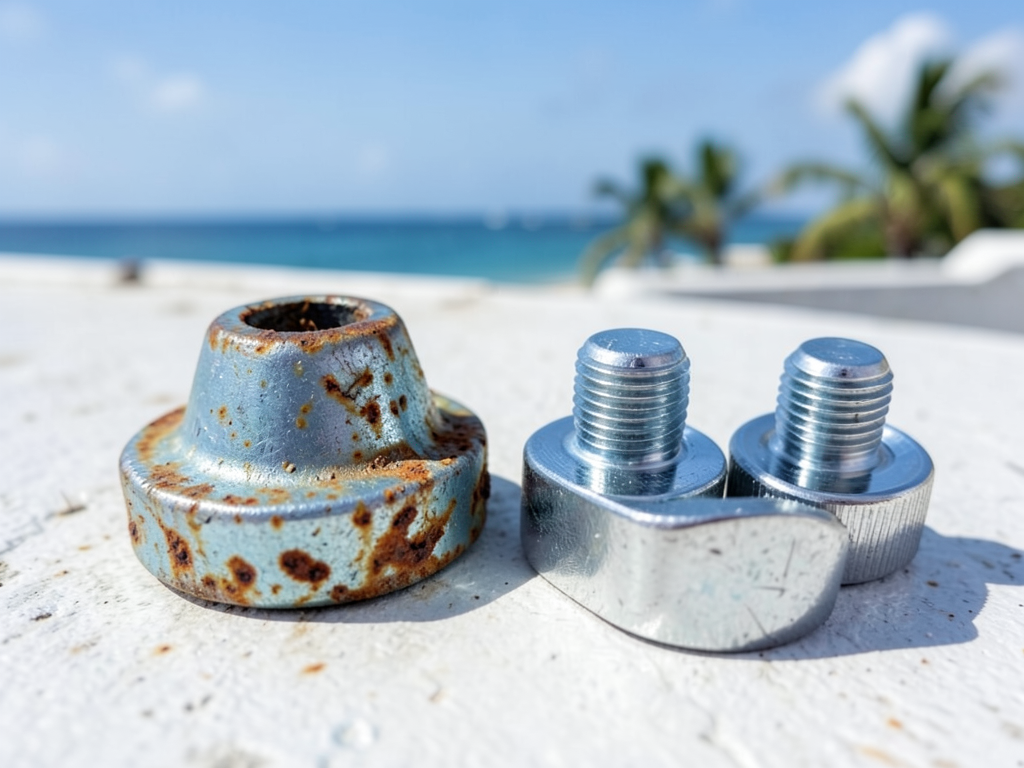
Living in Gables by the Sea means your roof faces relentless salt spray from Biscayne Bay every single day. Standard galvanized fasteners start corroding within three years and fail completely by year five. That's when…
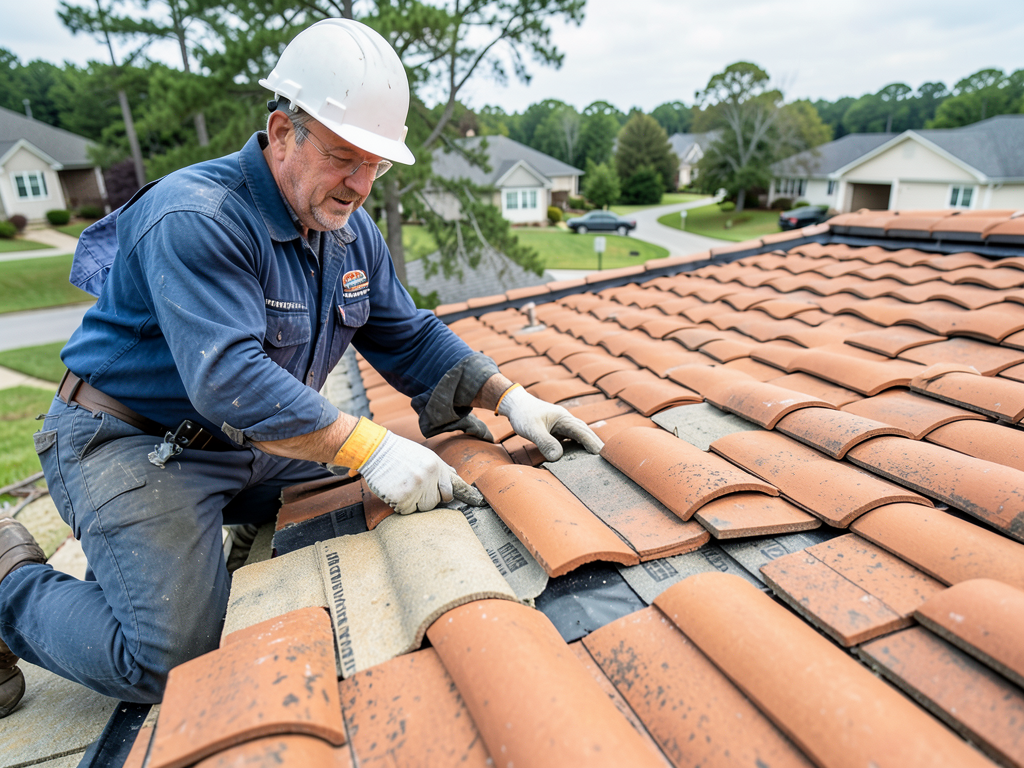
The Real Cost Difference Between Concrete and Clay Tiles for Hammock Lakes Homes Choosing between…
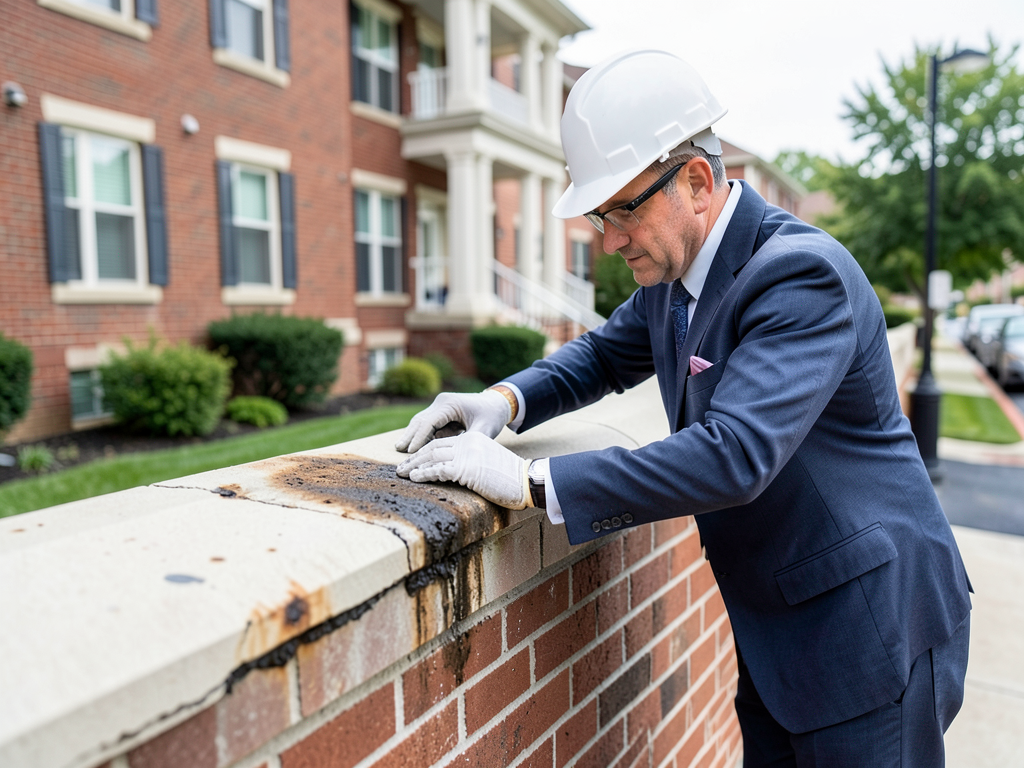
Managing Parapet Wall Leaks and Cap Flashing Issues for Brickell Townhomes Parapet walls create a…
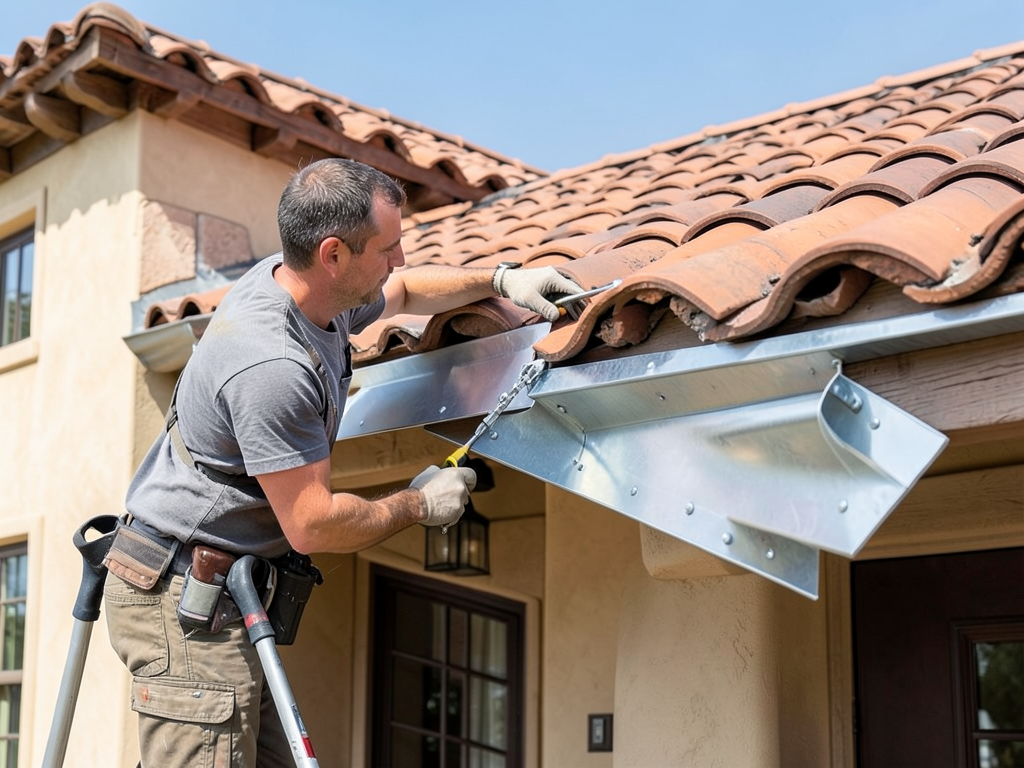
Why Your Ponce Davis Home Needs Heavy Duty Drip Edges to Prevent Wood Rot The…
Don't wait for the next storm to expose roofing vulnerabilities. Call Ironwood Roofing Miami at (645) 231-4888 for a comprehensive roof inspection and honest assessment. We'll identify problems before they become emergencies and provide solutions engineered for coastal conditions.