How to Repair Cracked Mortar and Loose Ridge Tiles on Your Cocoplum Estate
Living in Cocoplum means dealing with Miami’s intense sun, salt air, and hurricane-force winds. Your tile roof ridge is the first line of defense against these elements. When mortar cracks or ridge tiles loosen, water seeps in and compromises your home’s structure. This guide shows you how to identify damage, follow Miami-Dade code, and execute repairs that last. Professional Flat Roof Repair Services for Brickell Business Owners.
Why Ridge Tiles Matter in Cocoplum’s Climate
Your roof’s ridge is where two slopes meet at the peak. In Miami’s High Velocity Hurricane Zone, this area faces extreme wind uplift pressure. The mortar cap and ridge tiles form a continuous barrier that prevents pressurized air from entering your attic during storms. When this system fails, you risk interior water damage, mold growth, and costly structural repairs. Protecting Your Home with Hurricane Rated Roofing Systems in Miami.
Cocoplum homes typically feature barrel clay tiles or flat concrete tiles. Both materials expand and contract with Miami’s temperature swings. Over time, this movement causes mortar joints to crack. Salt air accelerates deterioration, especially for homes near Biscayne Bay. The combination creates perfect conditions for ridge tile failure.
Common Ridge Tile Problems in South Florida
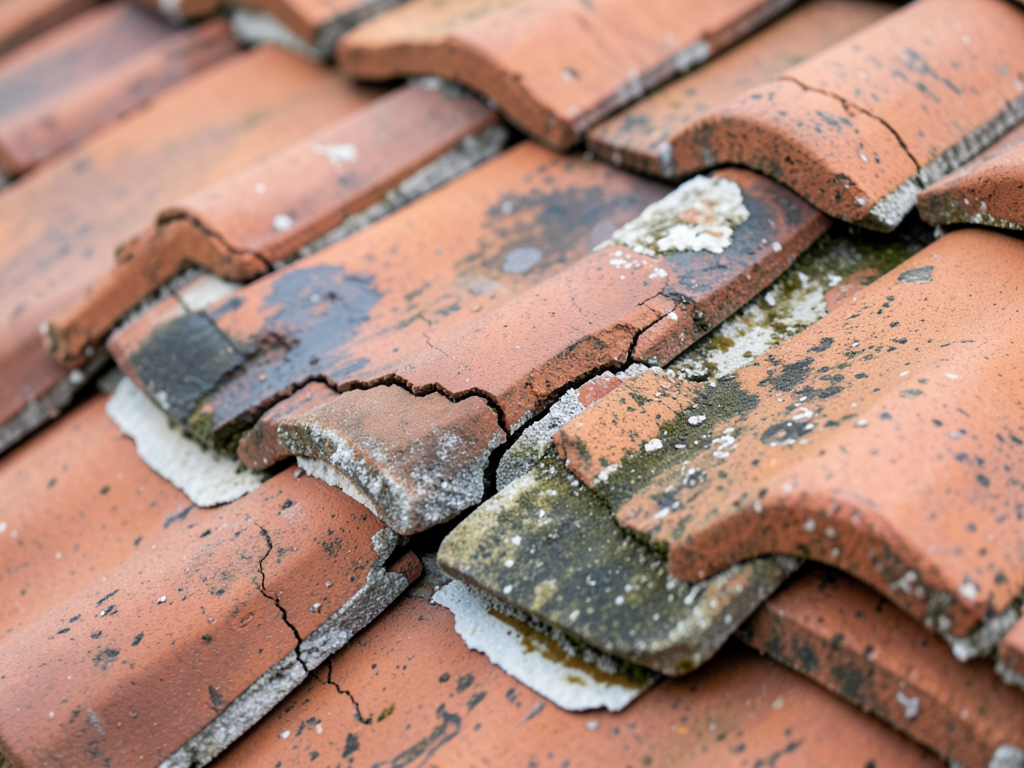
Cracked mortar is the most obvious sign of trouble. You’ll see vertical lines or gaps along the ridge where tiles meet. Sometimes mortar completely falls out, leaving exposed edges. Loose tiles create hollow sounds when tapped. In severe cases, entire ridge sections slide down the roof slope.
Water damage often shows up as dark stains on interior ceilings near exterior walls. This happens when rain penetrates through cracked mortar during tropical storms. The moisture wicks into wood decking, causing rot that spreads quickly in Miami’s humidity.
Another issue unique to Cocoplum is thermal shock. Afternoon thunderstorms drop temperatures rapidly after scorching heat. This sudden change causes tiles to contract unevenly, stressing mortar joints. Homes built before 2010 may lack modern expansion joints that accommodate this movement.
Miami-Dade Code Requirements for Ridge Repairs
Florida Building Code Section 15 governs roofing in Miami-Dade County. For ridge tile repairs, you must follow High Velocity Hurricane Zone standards. This means using approved mortar mixes with specific Portland cement ratios and incorporating mechanical fasteners where required. The Best Metal Roofing Options for Homes in Key Biscayne.
Notice of Acceptance (NOA) approved materials are mandatory. These products have passed Miami-Dade’s rigorous testing for wind uplift resistance. Using non-approved materials voids your roof’s warranty and may violate local codes.
The code requires a secondary water barrier under ridge tiles. This typically involves self-adhering modified bitumen membrane that extends at least 12 inches down each slope. This barrier prevents water intrusion if the primary mortar system fails during a hurricane.
Tools and Materials You’ll Need
Before starting repairs, gather proper equipment. You’ll need a flat bar for tile removal, mortar hawk, pointing trowel, and mixing drill with paddle attachment. Safety gear includes non-slip boots, safety glasses, and fall protection equipment.
For materials, use Type S mortar mix approved for HVHZ applications. This contains specific cement-to-sand ratios that resist cracking in Miami’s climate. You’ll also need polyurethane foam adhesive for mechanical fastening, galvanized roofing nails, and matching ridge tiles if replacements are needed. Roofing Cutler Bay.
Don’t forget the secondary barrier material. Modified bitumen membrane with selvedge edges creates a watertight seal when properly installed. This membrane should match the underlayment used on your main roof slopes.
Step-by-Step Ridge Tile Repair Process
Start by inspecting the entire ridge from ground level using binoculars. Look for obvious cracks, missing mortar, or displaced tiles. Mark damaged areas with chalk for reference during the repair.
Remove loose or damaged tiles carefully using a flat bar. Work from bottom to top, prying gently to avoid breaking adjacent tiles. Clean the exposed substrate thoroughly, removing all old mortar and debris.
Install the secondary water barrier next. Cut membrane pieces to fit between tiles, overlapping edges by at least 6 inches. Use a roofing roller to ensure proper adhesion and eliminate air bubbles. Metal Roofing Systems.
Mix mortar according to manufacturer specifications. Type S mortar for Miami typically uses a 1:3 cement-to-sand ratio with latex additive for flexibility. The mix should hold its shape when formed into a ball but remain workable.
Apply mortar to the back of each tile and along the ridge line. Use enough to create a 1-inch bed when compressed. Press tiles firmly into place, maintaining consistent spacing. For added security, apply polyurethane foam adhesive to the underside of each tile before setting.
Point mortar joints after tiles set for 24 hours. Use a pointing trowel to create concave joints that shed water effectively. Tool joints to a depth of at least 1/2 inch for proper weather resistance.
Clay vs. Concrete Tile Repair Considerations
Clay tiles dominate older Cocoplum homes built in the 1980s and 1990s. These tiles are more brittle than concrete but offer better color retention. When repairing clay tile ridges, work slowly to avoid breakage. Use a rubber mallet instead of metal tools to seat tiles.
Concrete tiles became popular after 2000 due to lower cost and greater durability. These tiles can withstand more aggressive handling during repairs. However, concrete absorbs more moisture, so ensure mortar joints are completely filled to prevent water infiltration.
Both materials require expansion joints every 15-20 feet to accommodate thermal movement. These joints should be mortared with flexible sealant rather than rigid mortar. Skipping expansion joints leads to inevitable cracking as tiles expand in Miami’s heat.
Cost Factors for Cocoplum Homeowners
Repair costs vary based on several factors. Roof pitch affects labor time significantly. Steep slopes require additional safety equipment and slow down the work. A 12:12 pitch might double repair time compared to a 4:12 pitch.
Tile availability impacts costs substantially. Matching discontinued barrel tiles from the 1980s can cost $15-25 per piece versus $8-12 for standard concrete tiles. If exact matches aren’t available, you may need to replace entire ridge sections.
Extent of underlying damage determines total project scope. Rotted wood decking under ridge tiles requires complete removal and replacement. This can add $500-1,500 to a typical repair job, depending on the area affected.
Permit fees in Miami-Dade range from $150-300 for roofing repairs over $1,000. While not always required for minor mortar repairs, permits ensure code compliance and may be necessary for insurance claims.
Preventative Maintenance for Long-Term Protection
Annual inspections catch problems before they become emergencies. Check your ridge tiles after every tropical storm season. Look for new cracks, loose tiles, or mortar deterioration. Early intervention prevents water damage and extends your roof’s life.
Keep trees trimmed back from your roof. Miami’s rapid vegetation growth means branches can quickly overhang your ridge. During storms, these branches damage tiles and deposit debris that traps moisture against mortar joints.
Clean your roof gently once per year. Use a low-pressure washer or soft brush to remove algae and debris. Avoid high-pressure washing that can erode mortar joints and damage tile surfaces. Pay special attention to north-facing slopes where organic growth is heaviest.
Consider applying a breathable roof coating every 5-7 years. These coatings protect against UV damage and help mortar retain flexibility. Choose products specifically formulated for tile roofs in hurricane zones.
Warning Signs That Require Immediate Attention
Water stains on interior walls near exterior corners indicate ridge failure. This happens when water penetrates through cracked mortar and travels down roof trusses. The damage often appears far from the actual leak source.
Hollow sounds when walking on your roof signal loose tiles. Press gently on ridge tiles with a broom handle. If they move or sound empty, they need immediate repair before the next storm.
Visible daylight through ridge joints from the attic means complete system failure. This requires emergency tarping and professional repair. Water intrusion at this point likely caused significant interior damage.
Cracked tiles adjacent to the ridge often indicate underlying structural movement. This could mean foundation issues or inadequate roof framing. These situations require professional assessment beyond simple mortar repair.
Professional vs. DIY Repair Considerations
DIY repairs make sense for small mortar cracks under 1/4 inch wide. These can be filled with elastomeric caulk as temporary fixes. However, loose or missing tiles require professional expertise to ensure proper code compliance.
Professional roofers understand Miami-Dade’s specific requirements for HVHZ applications. They know which NOA approved materials work best in our climate and how to install secondary barriers correctly. This knowledge prevents costly callbacks and ensures your repairs withstand hurricane-force winds.
Safety represents the biggest DIY concern. Working on pitched roofs in Miami’s heat poses serious fall risks. Professional roofers use proper fall protection equipment and understand how to navigate steep slopes safely.
Warranty considerations also matter. Many tile manufacturers void warranties if repairs aren’t performed by licensed contractors. Professional repairs often include workmanship guarantees that protect your investment.
Frequently Asked Questions
How long should ridge mortar last in Miami’s climate?
Properly installed ridge mortar typically lasts 15-20 years in South Florida. However, salt air exposure, thermal cycling, and hurricane damage often reduce this to 10-15 years. Annual inspections help identify deterioration before complete failure occurs.
Can I use regular mortar for ridge tile repairs?
No. Standard mortar lacks the flexibility and strength required for HVHZ applications. Use Type S mortar with latex additive or pre-mixed mortar specifically approved for Miami-Dade roofing applications. These products resist cracking and maintain adhesion in extreme conditions.
How much does professional ridge repair cost in Cocoplum?
Professional ridge repair costs typically range from $1,500-4,000 depending on damage extent, tile type, and roof accessibility. Simple mortar pointing might cost $500-800, while complete ridge replacement with secondary barriers can exceed $6,000.
Will my insurance cover ridge tile repairs?
Insurance typically covers sudden damage from storms but not gradual deterioration from normal wear. If your ridge failed during a named storm, you likely have coverage. Document damage with photos and obtain professional estimates for insurance claims.
How can I match discontinued barrel tiles?
Matching discontinued tiles requires checking salvage yards, specialty suppliers, or tile reclamation companies. Sometimes you must replace entire ridge sections with current production tiles that closely match. Professional roofers often maintain relationships with suppliers who stock vintage materials.
Protecting Your Cocoplum Investment
Your Cocoplum home represents a significant investment that deserves proper protection. Ridge tile repairs aren’t just cosmetic improvements—they’re essential maintenance that prevents water damage and maintains your roof’s structural integrity during hurricane season.
Don’t wait for the next tropical storm to discover ridge problems. Small cracks today become major leaks tomorrow. Miami’s climate accelerates deterioration, making proactive maintenance crucial for protecting your home and family.
Call (645) 231-4888 today to schedule your professional ridge inspection. Our team understands Miami-Dade’s unique roofing challenges and provides code-compliant repairs that last. Don’t risk water damage or hurricane failure—protect your Cocoplum home with expert ridge tile repair.
Summary
Repairing cracked mortar and loose ridge tiles on your Cocoplum Estate requires understanding Miami’s unique climate challenges and building code requirements. The process involves proper material selection, secondary water barriers, and mechanical fastening to withstand hurricane-force winds. Whether you choose DIY repairs for minor issues or professional service for complete restoration, addressing ridge problems promptly prevents costly water damage and ensures your home remains protected during South Florida’s storm season.
Remember that Miami-Dade’s High Velocity Hurricane Zone standards aren’t optional—they’re essential for your family’s safety and your home’s structural integrity. Regular inspections, preventative maintenance, and timely repairs keep your tile roof performing at its best for decades to come.
Ready to protect your Cocoplum home? Pick up the phone and call (645) 231-4888 before the next storm hits. Our licensed professionals provide code-compliant ridge repairs that give you peace of mind during hurricane season.
Additional Resources
For more information about Miami-Dade roofing requirements, visit the Miami-Dade Building Department website. The Florida Building Commission also provides detailed information about High Velocity Hurricane Zone standards and approved roofing materials.
{
“@context”: “https://schema.org”,
“@type”: “BlogPosting”,
“headline”: “How to Repair Cracked Mortar and Loose Ridge Tiles on Your Cocoplum Estate”,
“description”: “Learn how to fix cracked mortar and loose ridge tiles on your Cocoplum Estate tile roof. Follow Miami-Dade code, prevent leaks, and protect your home from hurricane damage.”,
“wordCount”: 1994,
“datePublished”: “2026-06-09T15:03:00.000Z”,
“dateModified”: “2026-06-09T15:03:00.000Z”,
“inLanguage”: “en-US”,
“mainEntityOfPage”: {
“@type”: “WebPage”,
“@id”: “https://ironwoodroofingmiami.com”
},
“publisher”: {
“@type”: “LocalBusiness”,
“name”: “Ironwood Roofing Miami”,
“url”: “https://ironwoodroofingmiami.com”
},
“author”: {
“@type”: “Organization”,
“name”: “Ironwood Roofing Miami”,
“url”: “https://ironwoodroofingmiami.com”
},
“image”: {
“@type”: “ImageObject”,
“url”: “https://ironwoodroofingmiami.com/wp-content/uploads/2026/03/how-to-repair-cracked-mortar-and-loose-ridge-tiles-1.png”
}
}
{
“@context”: “https://schema.org”,
“@type”: “RoofingContractor”,
“name”: “Ironwood Roofing Miami”,
“url”: “https://ironwoodroofingmiami.com”,
“address”: {
“@type”: “PostalAddress”,
“addressLocality”: “Miami”
},
“areaServed”: {
“@type”: “City”,
“name”: “Miami”
}
}
{
“@context”: “https://schema.org”,
“@type”: “FAQPage”,
“mainEntity”: [
{
“@type”: “Question”,
“name”: “How long should ridge mortar last in Miami’s climate?”,
“acceptedAnswer”: {
“@type”: “Answer”,
“text”: “Properly installed ridge mortar typically lasts 15-20 years in South Florida. However, salt air exposure, thermal cycling, and hurricane damage often reduce this to 10-15 years. Annual inspections help identify deterioration before complete failure occurs.”
}
},
{
“@type”: “Question”,
“name”: “Can I use regular mortar for ridge tile repairs?”,
“acceptedAnswer”: {
“@type”: “Answer”,
“text”: “No. Standard mortar lacks the flexibility and strength required for HVHZ applications. Use Type S mortar with latex additive or pre-mixed mortar specifically approved for Miami-Dade roofing applications. These products resist cracking and maintain adhesion in extreme conditions.”
}
},
{
“@type”: “Question”,
“name”: “How much does professional ridge repair cost in Cocoplum?”,
“acceptedAnswer”: {
“@type”: “Answer”,
“text”: “Professional ridge repair costs typically range from $1,500-4,000 depending on damage extent, tile type, and roof accessibility. Simple mortar pointing might cost $500-800, while complete ridge replacement with secondary barriers can exceed $6,000.”
}
},
{
“@type”: “Question”,
“name”: “Will my insurance cover ridge tile repairs?”,
“acceptedAnswer”: {
“@type”: “Answer”,
“text”: “Insurance typically covers sudden damage from storms but not gradual deterioration from normal wear. If your ridge failed during a named storm, you likely have coverage. Document damage with photos and obtain professional estimates for insurance claims.”
}
}
]
}
{
“@context”: “https://schema.org”,
“@type”: “BreadcrumbList”,
“itemListElement”: [
{
“@type”: “ListItem”,
“position”: 1,
“name”: “Home”,
“item”: “https://ironwoodroofingmiami.com”
},
{
“@type”: “ListItem”,
“position”: 2,
“name”: “Blog”,
“item”: “https://ironwoodroofingmiami.com/blog”
},
{
“@type”: “ListItem”,
“position”: 3,
“name”: “How to Repair Cracked Mortar and Loose Ridge Tiles on Your Cocoplum Estate”
}
]
}
{
“@context”: “https://schema.org”,
“@type”: “Service”,
“serviceType”: “Roofing”,
“provider”: {
“@type”: “LocalBusiness”,
“name”: “Ironwood Roofing Miami”,
“url”: “https://ironwoodroofingmiami.com”
},
“areaServed”: {
“@type”: “City”,
“name”: “Miami”
},
“description”: “Learn how to fix cracked mortar and loose ridge tiles on your Cocoplum Estate tile roof. Follow Miami-Dade code, prevent leaks, and protect your home from hurricane damage.”
}