Getting the Most Out of a Wind Mitigation Inspection for Your Miami Gardens Home
Miami Gardens homeowners face hurricane season every year. Your roof protects your home from winds that often exceed 140 mph. A wind mitigation inspection shows how well your home resists these forces and can lower your insurance premiums by up to 50%. Why Homeowners in Coral Gables Choose Professional Tile Roof Installation.
Wind mitigation inspections check specific structural features that reduce wind damage risk. In Miami-Dade County strict building codes mean these inspections can save you hundreds on annual insurance premiums. The process takes about an hour but preparation helps you get the most benefit. Miami-Dade County Notice of Acceptance (NOA) program.
Understanding Wind Mitigation in Miami Gardens
Miami Gardens sits in Miami-Dade County’s High-Velocity Hurricane Zone where building standards exceed most other Florida counties. The area faces Category 3 and 4 hurricane conditions every 10 to 15 years. Wind-resistant construction protects your home and family. Florida Office of Insurance Regulation wind mitigation requirements.
The Florida Office of Insurance Regulation requires all insurance companies to offer premium discounts for homes with wind mitigation features. In Miami Gardens where the average annual homeowner’s insurance premium exceeds $4,500 these discounts can save you $1,500 to $2,250 per year. Florida Building Code Chapter 16 wind speed requirements.
The inspection checks seven critical areas that insurance companies use to calculate your premium reduction. Each feature must meet specific Florida Building Code requirements. The inspector documents everything on the Uniform Mitigation Verification Inspection Form OIR-B1-1802.
The Seven Key Inspection Points
Knowing what the inspector examines helps you prepare and potentially increase your savings. Here are the seven areas evaluated during a wind mitigation inspection:
1. Roof Covering
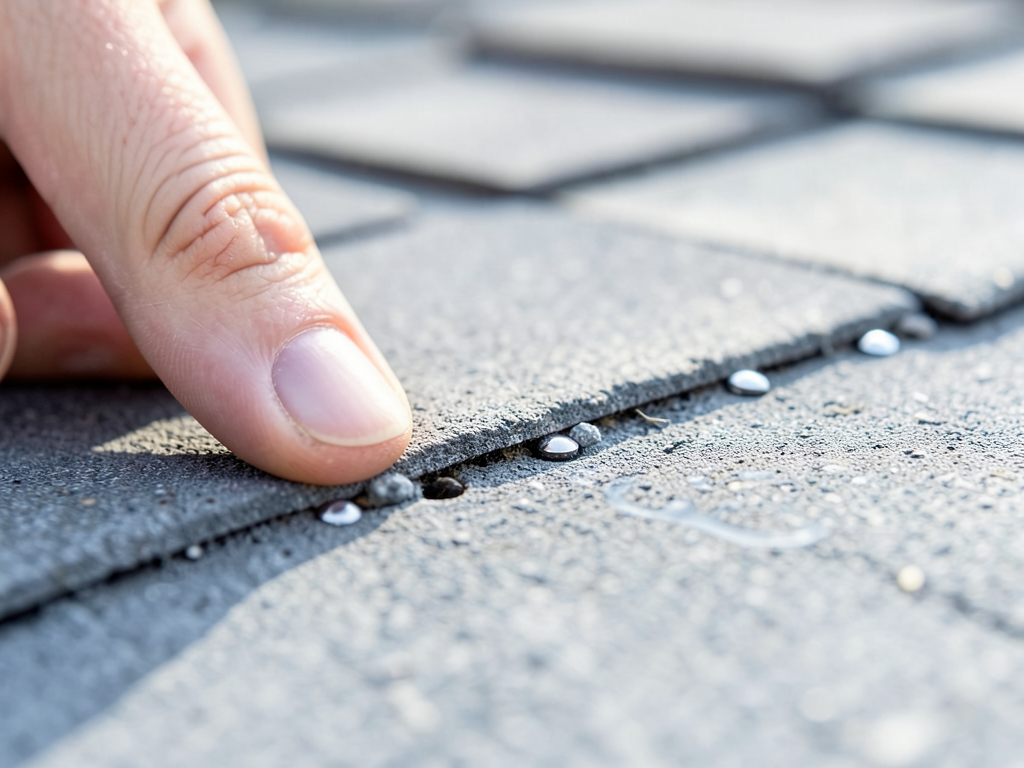
Your roof covering material and age significantly impact wind resistance. In Miami Gardens roofs older than 15 years often show deterioration from UV exposure and salt air corrosion. The inspector verifies the installation date and material type checking for compliance with Miami-Dade Notice of Acceptance standards.
Metal roofing systems and architectural shingles installed after 2010 typically qualify for the highest discounts. The inspector documents the manufacturer installation date and whether materials meet current Florida Building Code requirements. The Best Metal Roofing Options for Homes in Key Biscayne.
2. Roof Deck Attachment
This checks how your roof deck connects to the trusses or rafters. The inspector looks for specific nail spacing and size. Eight penny nails placed six inches on center provide the strongest attachment. Many homes built before 2000 in Miami Gardens use six penny nails with twelve-inch spacing which offers less wind resistance.
During the inspection the technician may remove a small section of fascia to verify nail patterns and spacing. This nail pull test is standard practice and helps determine if your roof meets current wind mitigation standards.
3. Roof-to-Wall Attachment
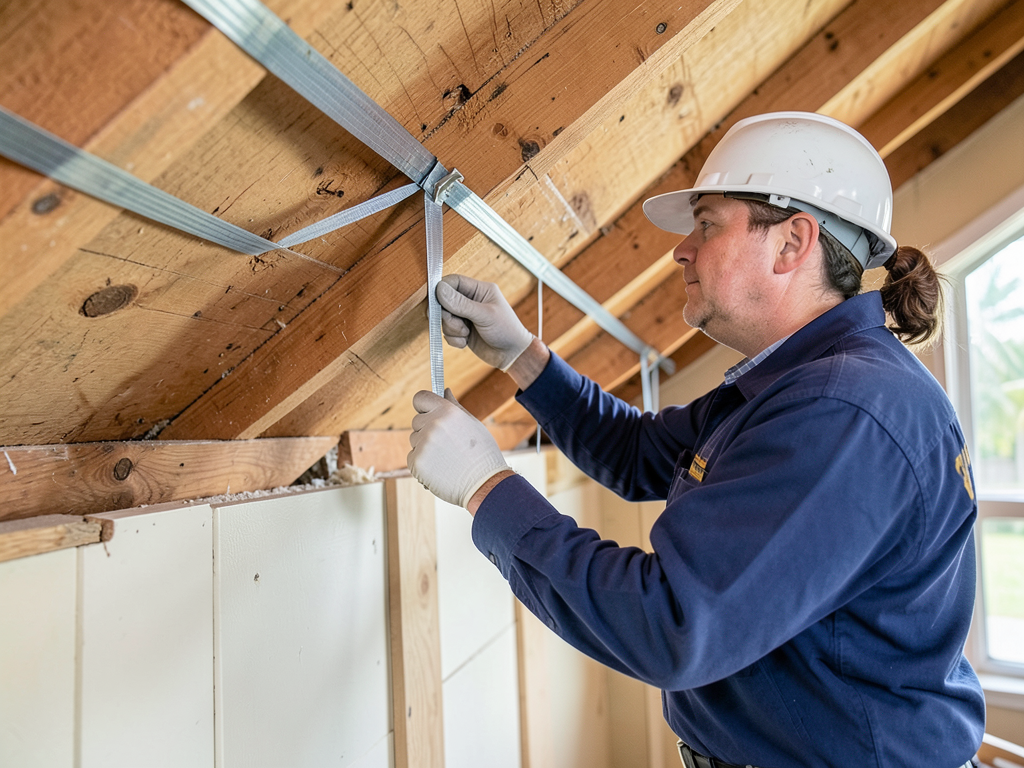
This critical connection determines how well your roof stays attached during extreme winds. The inspector evaluates whether you have clips single wraps double wraps or direct-to-concrete connections. Each provides increasing levels of wind resistance.
Many Miami Gardens homes built before the 2000s have toe-nailed connections or clips without straps which provide the least wind resistance. Upgrading to double-wrap hurricane straps can significantly improve your inspection results and insurance discounts. Protecting Your Home with Hurricane Rated Roofing Systems in Miami.
4. Roof Geometry
Hip roofs with slopes on all four sides perform better in high winds than gable roofs with flat ends. The inspector measures your roof’s geometry to determine the percentage of hip versus non-hip areas.
A roof with at least ten percent hip construction qualifies for discounts while roofs with ninety percent or more hip construction receive the highest ratings. Many Mediterranean-style homes in Miami Gardens naturally feature hip roofs which can work to your advantage.
5. Secondary Water Resistance
Secondary water barriers prevent water intrusion if the primary roof covering fails. The inspector checks for self-adhering polymer-modified bitumen strips applied to the roof deck. This requirement became mandatory for new construction in Miami-Dade County in 2008.
Homes built before 2008 may lack this feature but retrofitting is possible. The inspector documents whether you have secondary water resistance and notes the installation method and materials used.
6. Opening Protection
This evaluates your windows doors and garage doors’ ability to withstand windborne debris. The inspector verifies whether you have impact-rated windows hurricane shutters or plywood coverings.
Many Miami Gardens homes have impact windows installed after Hurricane Andrew in 1992. The inspector will check for Miami-Dade NOA approval labels on windows and verify that all openings have adequate protection.. Read more about How to Protect Your High Point Roof from Frequent Florida Lightning Strikes.
7. Roof Age and Permits
The final inspection point verifies when your roof was installed and whether it has proper permits. Roofs installed after 2002 typically meet current building standards while older roofs may have deficiencies.
The inspector will check permit records through Miami-Dade County and verify the installation date. A roof with proper permits and recent installation typically qualifies for better discounts than an unpermitted or aging roof.
Understanding the OIR-B1-1802 Form
The Uniform Mitigation Verification Inspection Form OIR-B1-1802 is the standardized document used throughout Florida for wind mitigation inspections. This form provides a consistent way for insurance companies to evaluate wind mitigation features and calculate premium discounts.
The form documents seven specific areas with yes or no answers and numerical ratings. Each yes answer potentially increases your discount while missing features may reduce your savings. The inspector completes the form during the inspection and provides you with a copy for your insurance provider.
In Miami Gardens where many homes were built during rapid development in the 1970s and 1980s the form often reveals opportunities for improvement. Common findings include missing secondary water barriers inadequate roof-to-wall connections and non-impact-rated openings. Finding a Reliable Roof Repair Company in Coconut Grove.
Maximizing Your Inspection Results
Preparation can significantly impact your inspection results. Here are steps to maximize your wind mitigation inspection benefits:
- Gather Documentation
Collect roof installation permits repair records and any wind mitigation improvements you’ve made. This documentation helps the inspector verify features and may increase your discount. Professional Flat Roof Repair Services for Brickell Business Owners.
- Clear Access Areas
Ensure the inspector can access your attic roof edges and all exterior walls. Remove stored items from attic access points and clear vegetation from roof edges.
- Identify Recent Improvements
Make note of any wind mitigation upgrades like impact windows hurricane straps or secondary water barriers installed since your last inspection.
During the inspection which typically takes 30 to 60 minutes the inspector will examine your roof from both inside and outside. They’ll check attic spaces for proper connections measure roof geometry and verify opening protection features.
Many Miami Gardens homeowners are surprised to learn that simple improvements can significantly increase their inspection scores. For example adding hurricane straps to roof-to-wall connections or installing impact-rated garage doors can move you from a basic discount to premium savings.
Local Building Codes and Compliance
Miami-Dade County enforces some of the nation’s strictest building codes for wind mitigation. The county’s Notice of Acceptance program requires all roofing materials to undergo rigorous testing for wind resistance impact resistance and water penetration.
Materials must meet specific design pressure ratings based on your home’s location and height. Homes within one mile of the coast face additional requirements due to salt spray and higher wind velocities.
The Florida Building Code Chapter 16 mandates specific wind speed requirements for different regions. Miami Gardens falls within the 170 mph wind zone requiring enhanced construction standards compared to other Florida areas.
Recent changes to the Florida Building Code have introduced stricter requirements for roof deck attachment and secondary water barriers. Homes built after 2020 must meet these enhanced standards which can impact your inspection results if your home predates these changes.
Cost vs. Savings Analysis
The average wind mitigation inspection in Miami Gardens costs between $150 and $300 depending on your home’s size and complexity. This one-time fee is typically offset by insurance premium reductions within the first year.
Here’s a typical cost-benefit analysis for a Miami Gardens homeowner:
| Inspection Feature | Potential Discount | Typical Cost to Upgrade |
|---|---|---|
| Impact Windows | 15 to 25% | $500 to $1,500 per window |
| Secondary Water Barrier | 5 to 10% | $500 to $1,000 |
| Roof-to-Wall Straps | 10 to 20% | $1,500 to $3,000 |
| Hip Roof Geometry | 5 to 15% | NA (existing feature) |
Most homeowners recoup their inspection costs within the first premium cycle. The inspection certificate remains valid for five years providing long-term savings opportunities.
For homes with multiple upgrade opportunities the cumulative effect can be substantial. A home that upgrades impact windows adds secondary water barriers and improves roof-to-wall connections might see premium reductions of 40% or more.
Common Issues in Miami Gardens Homes
Through years of inspecting Miami Gardens properties certain patterns emerge. Many homes in the area share similar construction characteristics that can impact wind mitigation results.
Neighborhoods like Carol City and Norland developed primarily in the 1960s and 1970s often feature roof-to-wall connections that don’t meet current standards. The inspector typically finds toe-nailed connections or basic clips rather than the required straps.
Another common issue involves roof deck attachment. Many homes use 6d nails with 12-inch spacing while current standards require 8d nails at 6-inch spacing. This single difference can reduce your potential discount by 10 to 15%.
Opening protection presents another frequent challenge. While many homes have some form of window protection it may not meet current impact standards. Plywood coverings common in older homes no longer qualify for insurance discounts under current codes.
Working with Insurance Providers
After your inspection you’ll receive a completed OIR-B1-1802 form. Submit this to your insurance provider to claim your wind mitigation discounts. Most companies process these requests within 30 days.
Keep a copy of your inspection report for your records. If you switch insurance providers you can provide the same report rather than paying for a new inspection.
Some insurance companies offer additional discounts for homes that exceed minimum wind mitigation standards. For example a home with impact windows hip roof geometry and secondary water barriers might qualify for premium credits beyond the standard wind mitigation discount.
Frequently Asked Questions
How long does a wind mitigation inspection take?
Most inspections take 30 to 60 minutes depending on your home’s size and complexity. The inspector needs access to your attic roof edges and all exterior walls.
How much can I save on my insurance premiums?
Savings typically range from 5% to 45% with an average reduction of 20 to 30% for homes that meet several wind mitigation criteria. Homes with comprehensive upgrades can see savings exceeding 50%.
How long is the inspection certificate valid?
The wind mitigation inspection certificate remains valid for five years from the inspection date provided no significant changes are made to your home’s wind-resistant features.
Can I perform the inspection myself?
No. Florida law requires licensed professionals to complete wind mitigation inspections. The inspector must be a certified home inspector building contractor architect engineer or roofer.
Taking Action for Your Miami Gardens Home
Wind mitigation inspections represent one of the few opportunities to permanently reduce your homeowner’s insurance premiums while improving your home’s storm resistance. In Miami Gardens where hurricane threats are annual events this dual benefit makes inspections particularly valuable.
Start by scheduling your inspection with a qualified professional who understands Miami-Dade County’s specific requirements. The inspector can identify opportunities for improvement and provide recommendations for upgrades that maximize your insurance savings.
Remember that wind mitigation is not just about insurance discounts—it’s about protecting your family and your investment. The same features that reduce your premiums also increase your home’s ability to withstand hurricane-force winds.
Call (645) 231-4888 today to schedule your wind mitigation inspection and start saving on your insurance premiums. Our experienced team understands the unique challenges of Miami Gardens homes and can help you maximize your wind mitigation benefits.
Don’t wait until hurricane season is upon us. A wind mitigation inspection now could save you hundreds of dollars annually while providing peace of mind during storm season. Contact us today to learn more about protecting your Miami Gardens home.
You may also find this helpful. Understanding High Rise Roof Wind Uplift and Safety for Buildings in Bal Harbour.
{
“@context”: “https://schema.org”,
“@type”: “BlogPosting”,
“headline”: “Getting the Most Out of a Wind Mitigation Inspection for Your Miami Gardens Home”,
“description”: “Learn how wind mitigation inspections in Miami Gardens can save you up to 50% on insurance premiums while protecting your home from hurricane-force winds.”,
“wordCount”: 2013,
“datePublished”: “2026-05-12T11:12:00.000Z”,
“dateModified”: “2026-05-12T11:12:00.000Z”,
“inLanguage”: “en-US”,
“mainEntityOfPage”: {
“@type”: “WebPage”,
“@id”: “https://ironwoodroofingmiami.com”
},
“publisher”: {
“@type”: “LocalBusiness”,
“name”: “Ironwood Roofing Miami”,
“url”: “https://ironwoodroofingmiami.com”
},
“author”: {
“@type”: “Organization”,
“name”: “Ironwood Roofing Miami”,
“url”: “https://ironwoodroofingmiami.com”
},
“image”: {
“@type”: “ImageObject”,
“url”: “https://ironwoodroofingmiami.com/wp-content/uploads/2026/03/getting-the-most-out-of-a-wind-mitigation-inspecti-1.png”
}
}
{
“@context”: “https://schema.org”,
“@type”: “RoofingContractor”,
“name”: “Ironwood Roofing Miami”,
“url”: “https://ironwoodroofingmiami.com”,
“address”: {
“@type”: “PostalAddress”,
“addressLocality”: “Miami”
},
“areaServed”: {
“@type”: “City”,
“name”: “Miami”
}
}
{
“@context”: “https://schema.org”,
“@type”: “FAQPage”,
“mainEntity”: [
{
“@type”: “Question”,
“name”: “How long does a wind mitigation inspection take?”,
“acceptedAnswer”: {
“@type”: “Answer”,
“text”: “Most inspections take 30 to 60 minutes depending on your home’s size and complexity. The inspector needs access to your attic roof edges and all exterior walls.”
}
},
{
“@type”: “Question”,
“name”: “How much can I save on my insurance premiums?”,
“acceptedAnswer”: {
“@type”: “Answer”,
“text”: “Savings typically range from 5% to 45% with an average reduction of 20 to 30% for homes that meet several wind mitigation criteria. Homes with comprehensive upgrades can see savings exceeding 50%.”
}
},
{
“@type”: “Question”,
“name”: “How long is the inspection certificate valid?”,
“acceptedAnswer”: {
“@type”: “Answer”,
“text”: “The wind mitigation inspection certificate remains valid for five years from the inspection date provided no significant changes are made to your home’s wind-resistant features.”
}
},
{
“@type”: “Question”,
“name”: “Can I perform the inspection myself?”,
“acceptedAnswer”: {
“@type”: “Answer”,
“text”: “No. Florida law requires licensed professionals to complete wind mitigation inspections. The inspector must be a certified home inspector building contractor architect engineer or roofer.”
}
}
]
}
{
“@context”: “https://schema.org”,
“@type”: “HowTo”,
“name”: “How to Prepare for Wind Mitigation Inspection”,
“step”: [
{
“@type”: “HowToStep”,
“position”: 1,
“name”: “Gather Documentation”,
“text”: “Collect roof installation permits repair records and any wind mitigation improvements you’ve made. This documentation helps the inspector verify features and may increase your discount. Professional Flat Roof Repair Services for Brickell Business Owners.”
},
{
“@type”: “HowToStep”,
“position”: 2,
“name”: “Clear Access Areas”,
“text”: “Ensure the inspector can access your attic roof edges and all exterior walls. Remove stored items from attic access points and clear vegetation from roof edges.”
},
{
“@type”: “HowToStep”,
“position”: 3,
“name”: “Identify Recent Improvements”,
“text”: “Make note of any wind mitigation upgrades like impact windows hurricane straps or secondary water barriers installed since your last inspection.”
}
],
“image”: “https://ironwoodroofingmiami.com/wp-content/uploads/2026/03/getting-the-most-out-of-a-wind-mitigation-inspecti-1.png”
}
{
“@context”: “https://schema.org”,
“@type”: “BreadcrumbList”,
“itemListElement”: [
{
“@type”: “ListItem”,
“position”: 1,
“name”: “Home”,
“item”: “https://ironwoodroofingmiami.com”
},
{
“@type”: “ListItem”,
“position”: 2,
“name”: “Blog”,
“item”: “https://ironwoodroofingmiami.com/blog”
},
{
“@type”: “ListItem”,
“position”: 3,
“name”: “Getting the Most Out of a Wind Mitigation Inspection for Your Miami Gardens Home”
}
]
}
{
“@context”: “https://schema.org”,
“@type”: “Service”,
“serviceType”: “Roofing”,
“provider”: {
“@type”: “LocalBusiness”,
“name”: “Ironwood Roofing Miami”,
“url”: “https://ironwoodroofingmiami.com”
},
“areaServed”: {
“@type”: “City”,
“name”: “Miami”
},
“description”: “Learn how wind mitigation inspections in Miami Gardens can save you up to 50% on insurance premiums while protecting your home from hurricane-force winds.”
}