How to Protect Your High Point Roof from Frequent Florida Lightning Strikes
Florida leads the nation in lightning strikes, with Miami-Dade County experiencing an average of 25 lightning flashes per square mile annually. If your home sits on elevated ground or features a metal roof, you face a significantly higher risk of lightning damage. Understanding how to protect your roof from these electrical storms isn’t just about safety—it’s about preventing catastrophic fire damage and protecting your home’s structural integrity. The Best Metal Roofing Options for Homes in Key Biscayne.
Lightning protection systems work by creating a continuous path for electrical discharge, safely channeling millions of volts into the ground before they can cause damage. In Miami’s unique limestone geology, proper grounding becomes even more critical than in other regions. The combination of high-rise construction in areas like Coral Gables and the natural elevation changes across Miami Lakes creates perfect conditions for lightning strikes. Why Homeowners in Coral Gables Choose Professional Tile Roof Installation.
Most homeowners don’t realize that standard roofing warranties don’t cover lightning damage. When a strike hits your roof, the electrical surge can travel through your home’s wiring, destroy appliances, and even ignite fires in your attic space. The cost of installing a professional lightning protection system typically runs between $2,500 and $5,000, while the average lightning-related claim exceeds $10,000 in repairs. Professional Flat Roof Repair Services for Brickell Business Owners.
Let’s examine how lightning protection works specifically for Miami homes and what makes our region’s requirements different from other parts of the country.
Why Miami Homes are at High Risk for Lightning Strikes
Miami’s geographic position creates perfect lightning conditions. The warm Gulf Stream waters combine with afternoon sea breezes to produce towering cumulonimbus clouds that generate intense electrical activity. During the summer months, Miami experiences thunderstorms on approximately 80 days per year. UL 96A lightning protection certification.
Elevation plays a crucial role in lightning risk. Homes in areas like Miami Lakes sit on slightly higher ground compared to surrounding neighborhoods, making them natural lightning targets. The Florida Building Code specifically addresses this in Section 15.2, requiring additional protection for structures in high-risk zones.
Metal roofing, increasingly popular in South Florida for its hurricane resistance, actually increases your lightning risk. While metal roofs don’t attract lightning more than other materials, they provide excellent electrical conductivity. When lightning does strike, a metal roof can channel the electrical charge throughout your home’s structure. Protecting Your Home with Hurricane Rated Roofing Systems in Miami.
The Miami-Dade Notice of Acceptance (NOA) requires all lightning protection systems to meet specific standards for our region’s soil conditions. Our limestone bedrock, known locally as Miami Oolite, affects how grounding rods must be installed. Standard systems designed for sandy soils won’t provide adequate protection here.
Older neighborhoods like Cutler Bay present unique challenges. Many homes built before 2000 lack modern electrical grounding systems, making them more vulnerable to lightning-induced power surges. The combination of aging infrastructure and increased storm intensity creates a perfect storm for electrical damage.
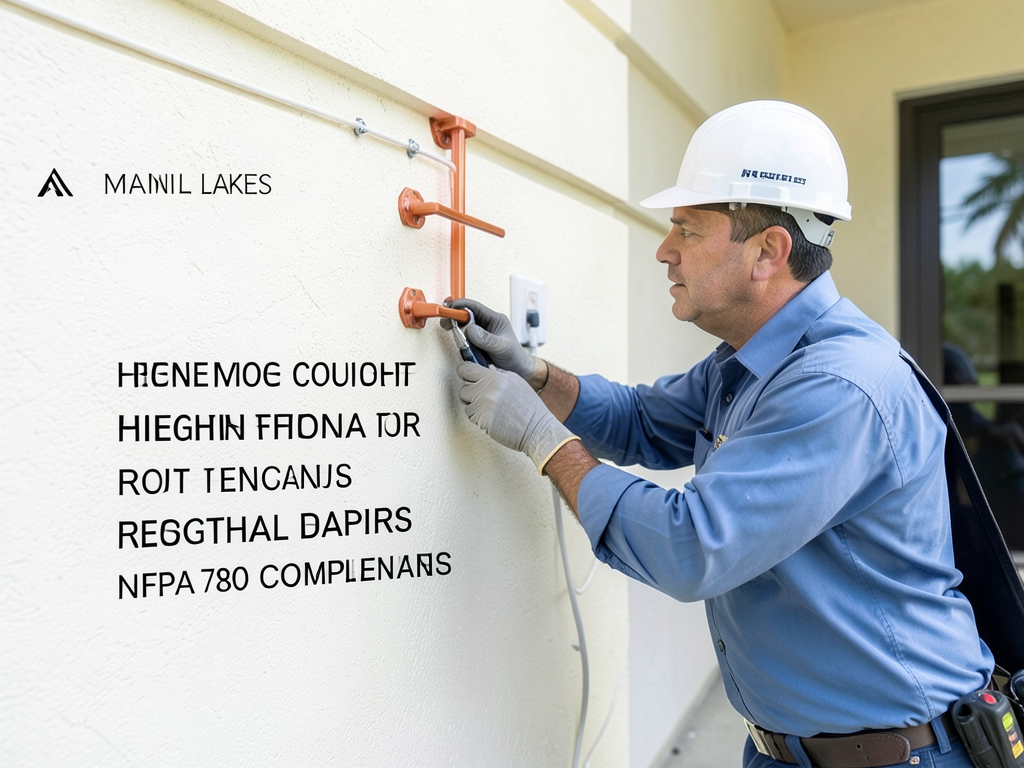
A technician installs copper air terminals on a Miami Lakes home, demonstrating proper spacing and height requirements for NFPA 780 compliance.
Our Comprehensive Lightning Protection System (LPS) Process
Professional lightning protection installation follows strict protocols established by the National Fire Protection Association. NFPA 780, the Standard for the Installation of Lightning Protection Systems, provides detailed requirements for system design, materials, and testing procedures. NFPA 780 lightning protection standards.
The process begins with a comprehensive site assessment. Our technicians evaluate your roof’s height, materials, surrounding structures, and soil conditions. In Miami’s limestone areas, we often need to drill deeper grounding rods—sometimes 20 feet or more—to reach adequate moisture levels for proper conductivity.
System design varies based on your specific roof configuration. A simple gable roof requires different protection than a complex hip roof with multiple valleys. The key principle is creating a continuous conductive path that intercepts lightning strikes before they can damage your home.
Material selection matters significantly in South Florida’s corrosive environment. We use copper components for most installations because aluminum corrodes rapidly in our salt-air conditions. However, aluminum remains an option for certain applications where weight is a concern.
Testing and certification complete the installation process. Every system we install undergoes rigorous testing to ensure it meets UL 96A standards. We provide documentation showing your system’s compliance with both NFPA 780 and local building codes.
Air Terminals (Lightning Rods) and Placement Strategy
Air terminals, commonly called lightning rods, serve as the first line of defense in your lightning protection system. These pointed metal rods intercept lightning strikes and provide a safe path to ground. The National Fire Protection Association specifies exact placement requirements based on your roof’s dimensions and features.
For Miami homes, air terminals must extend at least 10 inches above the highest point of your roof. In areas prone to high winds, we often recommend 12-inch or taller terminals to prevent wind-induced damage. The spacing between terminals follows a specific formula: for every 150 feet of roof perimeter, you need one terminal.
Critical areas require additional protection. Chimneys, vents, and roof-mounted equipment need dedicated air terminals. In Miami’s hurricane-prone environment, we secure these terminals with multiple mounting points to prevent detachment during storms.
The copper or aluminum rods connect to the main conductor system through specialized fittings. These connections must maintain electrical continuity even during extreme temperature changes. Miami’s heat causes significant thermal expansion, so we use expansion joints at strategic locations.
Roof pitch affects terminal placement. Steeper roofs require more terminals because lightning has a higher probability of striking the elevated portions. A 12:12 pitch roof needs terminals spaced 20 feet apart, while a 4:12 pitch can use 25-foot spacing.
Main Conductors and Grounding Systems
Main conductors form the backbone of your lightning protection system. These heavy-gauge copper or aluminum cables carry electrical current from the air terminals to the grounding system. In Miami’s environment, we exclusively use copper conductors because aluminum corrodes too quickly in our salt-air conditions.
Conductor routing follows specific paths to minimize interference with your home’s structure. We typically run conductors down the exterior walls, keeping them at least 6 feet away from doors and windows. This spacing prevents electrical arcing into occupied spaces during a lightning strike.
Grounding systems in Miami face unique challenges due to our limestone geology. Standard 8-foot grounding rods often fail to reach adequate moisture levels in our rocky soil. We frequently use 10-foot or 20-foot rods, sometimes installing multiple rods connected by a grounding ring.
The grounding resistance must measure below 25 ohms for system effectiveness. We use specialized earth resistance testers to verify this specification. In areas with high limestone content, achieving this resistance often requires chemical grounding enhancements or additional rod installations.
Connections between conductors and grounding rods use exothermic welding, creating permanent molecular bonds that won’t loosen over time. Mechanical connections, while cheaper, can corrode and fail in Miami’s humid environment.
Surge Protective Devices (SPD) for Miami Roofing
Surge protective devices work alongside your lightning protection system to safeguard your home’s electrical infrastructure. While lightning rods protect your roof structure, SPDs protect your wiring, appliances, and electronics from electrical surges that enter through power lines.
Miami’s electrical grid experiences frequent transient voltage spikes during summer thunderstorms. Even if lightning doesn’t strike your home directly, a nearby strike can induce dangerous voltages in your electrical system. SPDs installed at your main electrical panel can prevent this damage.
Whole-house surge protectors rated for 20,000 amps or higher provide the best protection for Miami homes. These devices must be installed by licensed electricians and typically include status indicators showing when they need replacement.
Point-of-use surge protectors add another layer of defense for sensitive electronics. While whole-house protection handles major surges, individual device protectors shield computers, televisions, and smart home systems from residual voltage spikes.
Insurance companies increasingly recognize the value of comprehensive surge protection. Many providers offer premium discounts for homes with both lightning protection systems and whole-house surge devices installed by certified professionals.
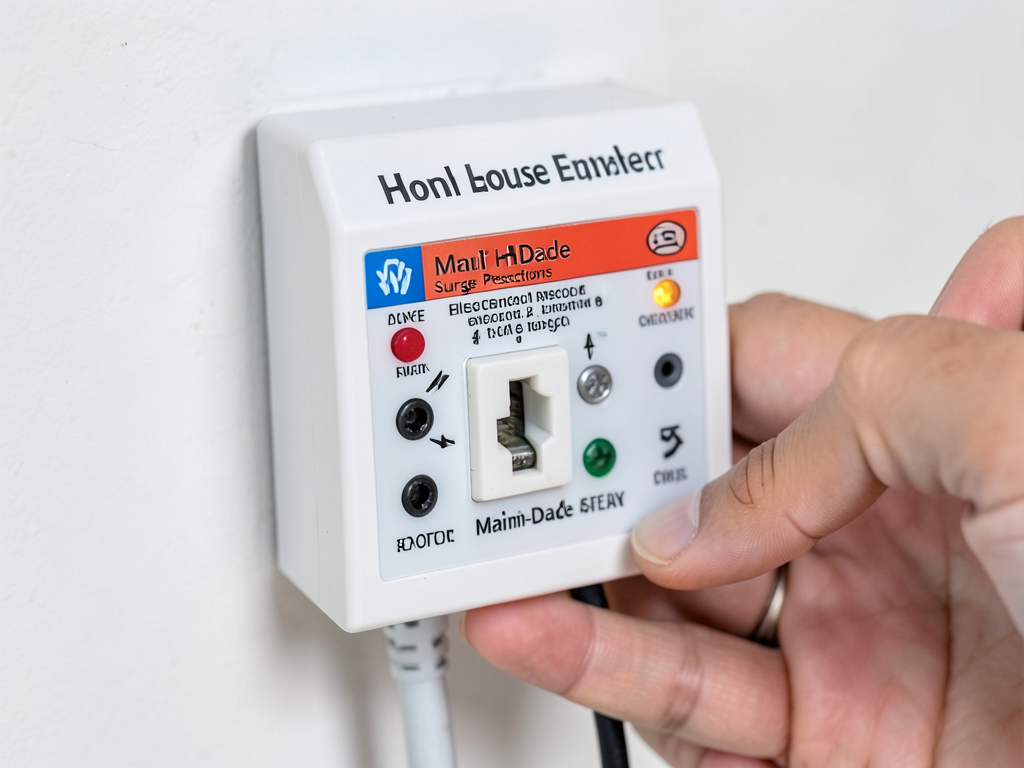
A whole-house surge protector installation showing the main disconnect and status indicators required for Miami-Dade electrical inspections.
Compliance with NFPA 780 and UL 96A Standards in Florida
Lightning protection systems must comply with multiple standards to ensure effectiveness and safety. NFPA 780 establishes the design and installation requirements, while UL 96A provides specific material and testing standards. Both apply to all installations in Miami-Dade County.
The Florida Building Code adopts NFPA 780 by reference, making compliance mandatory for all new construction and major renovations. Miami-Dade County adds additional requirements through its NOA process, particularly for grounding systems in limestone soils.
UL 96A certification requires rigorous testing of all system components. Materials must withstand salt spray corrosion tests, UV exposure, and thermal cycling. Components that pass these tests receive UL labels indicating their suitability for coastal environments.
Installation certification requires documentation showing compliance with all applicable standards. This includes material certifications, test reports, and as-built drawings. Many insurance companies require this documentation before providing coverage for lightning-related damages.
Maintenance requirements ensure long-term system effectiveness. NFPA 780 recommends annual inspections to check for corrosion, loose connections, and physical damage. In Miami’s harsh environment, we often recommend bi-annual inspections to catch problems early.
Local permitting adds another layer of compliance. Miami-Dade County requires permits for all lightning protection installations, with inspections verifying both code compliance and proper grounding resistance measurements.
Impact of Lightning Protection on Different Miami Roof Types (Tile, Shingle, Metal)
Each roofing material presents unique challenges for lightning protection installation. Understanding these differences helps homeowners make informed decisions about their protection needs.
Concrete and clay tile roofs, common in Coral Gables and Pinecrest, require special mounting techniques. Traditional mounting methods can crack tiles or create water infiltration points. We use specialized brackets that distribute weight across multiple tiles while maintaining waterproof seals.
Asphalt shingle roofs offer the easiest installation but provide the least natural protection. Shingles don’t conduct electricity, so lightning strikes can cause more direct damage to the roof structure. Protection systems for shingle roofs require more extensive conductor networks to ensure complete coverage.
Metal roofing systems present a paradox. While they increase your home’s overall lightning risk, they also provide natural conductivity that can enhance protection system effectiveness. When properly integrated with a lightning protection system, metal roofs create excellent Faraday cage effects.
Flat roofs, common in commercial buildings throughout Doral and Hialeah, require different protection strategies. Instead of elevated air terminals, flat roof systems use perimeter protection and often incorporate the building’s steel structure into the grounding system.
Roof-mounted equipment like solar panels creates additional protection challenges. These installations require dedicated air terminals and careful conductor routing to prevent lightning-induced damage to expensive equipment.
The age of your roof also affects protection system design. Older roofs may have structural limitations that affect where we can mount terminals and run conductors. We assess each roof’s condition before recommending specific protection strategies.
A comparison of lightning protection installations on different Miami roof types showing mounting variations and conductor routing differences.
Frequently Asked Questions About Miami Roof Lightning Protection
How much does lightning protection cost in Miami?
Professional lightning protection systems for Miami homes typically cost between $2,500 and $5,000, depending on roof size, complexity, and local soil conditions. Larger homes or those with complex roof designs may cost more. This investment often pays for itself through insurance premium reductions and damage prevention.
Will lightning protection affect my home insurance rates?
Many insurance companies offer premium discounts of 5-15% for homes with professionally installed lightning protection systems. Some providers require documentation showing UL 96A certification and compliance with NFPA 780 standards. Contact your insurance agent to learn about specific discounts available in Miami-Dade County.
How long does installation take?
Most residential lightning protection installations in Miami take 1-2 days to complete. The process includes site assessment, system design, installation, testing, and final inspection. Weather delays are common during summer months, so we recommend scheduling during the spring or fall when possible.
Do I need permits for lightning protection in Miami?
Yes, Miami-Dade County requires permits for all lightning protection installations. The permitting process includes plan review, inspection scheduling, and final approval. We handle all permitting requirements as part of our installation services, ensuring your system meets all local code requirements.
How often should lightning protection systems be inspected?
NFPA 780 recommends annual inspections, but Miami’s harsh environment often requires bi-annual checks. Inspections should verify conductor continuity, check for corrosion, test grounding resistance, and ensure all connections remain secure. Many homeowners schedule inspections during spring and fall when weather conditions are milder.
Can I install lightning protection myself?
DIY lightning protection installation is strongly discouraged and may violate local building codes. Professional installation ensures compliance with NFPA 780, UL 96A, and Miami-Dade NOA requirements. Improper installation can create safety hazards and may void your homeowner’s insurance coverage.
What happens if lightning strikes a protected roof?
When lightning strikes a properly installed protection system, the electrical current follows the designated path through air terminals, conductors, and grounding rods into the earth. This process happens in microseconds, preventing damage to your roof structure, electrical systems, and personal property. Most homeowners never know a strike occurred.
Does lightning protection work during hurricanes?
Yes, lightning protection systems are designed to withstand hurricane-force winds and continue functioning during tropical storms. The copper or aluminum components resist corrosion, and mounting hardware is rated for Miami’s wind zone requirements. Many systems survive direct hurricane hits without damage.
Are there tax benefits for lightning protection?
While there are no direct federal tax credits for lightning protection, some homeowners may qualify for insurance premium reductions that effectively offset installation costs. Additionally, businesses may be able to depreciate lightning protection systems as capital improvements on their tax returns.
How does limestone soil affect grounding?
Miami’s limestone bedrock creates unique grounding challenges because it doesn’t conduct electricity as well as sandy or clay soils. We often need to install longer grounding rods, use multiple rods, or apply chemical enhancements to achieve the required 25-ohm resistance specification. This additional work is why Miami installations sometimes cost more than in other regions.
- Schedule Professional Assessment
Contact a certified lightning protection specialist to evaluate your roof’s risk factors, including elevation, materials, and surrounding structures. This assessment identifies specific vulnerabilities and determines optimal system design.
- Obtain Necessary Permits
Your contractor should handle Miami-Dade County permitting requirements, including plan submission and inspection scheduling. This ensures your system meets all local code requirements and maintains compliance with NFPA 780 standards.
- Install Comprehensive System
Professional installation includes air terminals, main conductors, grounding systems, and surge protective devices. Each component must meet UL 96A standards and be properly integrated with your home’s existing electrical infrastructure.
- Test and Certify
Complete system testing verifies grounding resistance, conductor continuity, and overall effectiveness. You’ll receive documentation showing compliance with all applicable standards, which may be required by insurance companies.
- Maintain Regular Inspections
Schedule annual or bi-annual inspections to check for corrosion, loose connections, and physical damage. Miami’s harsh environment can affect system performance, so regular maintenance ensures continued protection.
Protecting your Miami home from lightning strikes requires understanding our unique climate challenges and following established safety standards. With proper installation and maintenance, lightning protection systems provide decades of reliable service, potentially saving you thousands in damage repairs and giving you peace of mind during Florida’s intense storm seasons. Finding a Reliable Roof Repair Company in Coconut Grove.
Don’t wait for the next thunderstorm to discover your home’s vulnerabilities. Call (645) 231-4888 today to schedule your lightning protection assessment and take the first step toward comprehensive storm safety.
Pick up the phone and call (645) 231-4888 before the next storm hits. Our certified technicians are ready to protect your home with NFPA 780 compliant systems designed specifically for Miami’s unique environmental conditions.
{
“@context”: “https://schema.org”,
“@type”: “BlogPosting”,
“headline”: “How to Protect Your High Point Roof from Frequent Florida Lightning Strikes”,
“description”: “Learn how Miami’s lightning capital puts your roof at risk and discover NFPA 780 compliant lightning protection systems that safeguard your home from electrical storms.”,
“wordCount”: 2634,
“datePublished”: “2026-05-25T13:55:00.000Z”,
“dateModified”: “2026-05-25T13:55:00.000Z”,
“inLanguage”: “en-US”,
“mainEntityOfPage”: {
“@type”: “WebPage”,
“@id”: “https://ironwoodroofingmiami.com”
},
“publisher”: {
“@type”: “LocalBusiness”,
“name”: “Ironwood Roofing Miami”,
“url”: “https://ironwoodroofingmiami.com”
},
“author”: {
“@type”: “Organization”,
“name”: “Ironwood Roofing Miami”,
“url”: “https://ironwoodroofingmiami.com”
},
“image”: {
“@type”: “ImageObject”,
“url”: “https://ironwoodroofingmiami.com/wp-content/uploads/2026/03/how-to-protect-your-high-point-roof-from-frequent-1.png”
}
}
{
“@context”: “https://schema.org”,
“@type”: “RoofingContractor”,
“name”: “Ironwood Roofing Miami”,
“url”: “https://ironwoodroofingmiami.com”,
“address”: {
“@type”: “PostalAddress”,
“addressLocality”: “Miami”
},
“areaServed”: {
“@type”: “City”,
“name”: “Miami”
}
}
{
“@context”: “https://schema.org”,
“@type”: “FAQPage”,
“mainEntity”: [
{
“@type”: “Question”,
“name”: “How much does lightning protection cost in Miami?”,
“acceptedAnswer”: {
“@type”: “Answer”,
“text”: “Professional lightning protection systems for Miami homes typically cost between $2,500 and $5,000, depending on roof size, complexity, and local soil conditions. Larger homes or those with complex roof designs may cost more. This investment often pays for itself through insurance premium reductions and damage prevention.”
}
},
{
“@type”: “Question”,
“name”: “Will lightning protection affect my home insurance rates?”,
“acceptedAnswer”: {
“@type”: “Answer”,
“text”: “Many insurance companies offer premium discounts of 5-15% for homes with professionally installed lightning protection systems. Some providers require documentation showing UL 96A certification and compliance with NFPA 780 standards. Contact your insurance agent to learn about specific discounts available in Miami-Dade County.”
}
},
{
“@type”: “Question”,
“name”: “How long does installation take?”,
“acceptedAnswer”: {
“@type”: “Answer”,
“text”: “Most residential lightning protection installations in Miami take 1-2 days to complete. The process includes site assessment, system design, installation, testing, and final inspection. Weather delays are common during summer months, so we recommend scheduling during the spring or fall when possible.”
}
},
{
“@type”: “Question”,
“name”: “Do I need permits for lightning protection in Miami?”,
“acceptedAnswer”: {
“@type”: “Answer”,
“text”: “Yes, Miami-Dade County requires permits for all lightning protection installations. The permitting process includes plan review, inspection scheduling, and final approval. We handle all permitting requirements as part of our installation services, ensuring your system meets all local code requirements.”
}
},
{
“@type”: “Question”,
“name”: “How often should lightning protection systems be inspected?”,
“acceptedAnswer”: {
“@type”: “Answer”,
“text”: “NFPA 780 recommends annual inspections, but Miami’s harsh environment often requires bi-annual checks. Inspections should verify conductor continuity, check for corrosion, test grounding resistance, and ensure all connections remain secure. Many homeowners schedule inspections during spring and fall when weather conditions are milder.”
}
},
{
“@type”: “Question”,
“name”: “Can I install lightning protection myself?”,
“acceptedAnswer”: {
“@type”: “Answer”,
“text”: “DIY lightning protection installation is strongly discouraged and may violate local building codes. Professional installation ensures compliance with NFPA 780, UL 96A, and Miami-Dade NOA requirements. Improper installation can create safety hazards and may void your homeowner’s insurance coverage.”
}
},
{
“@type”: “Question”,
“name”: “What happens if lightning strikes a protected roof?”,
“acceptedAnswer”: {
“@type”: “Answer”,
“text”: “When lightning strikes a properly installed protection system, the electrical current follows the designated path through air terminals, conductors, and grounding rods into the earth. This process happens in microseconds, preventing damage to your roof structure, electrical systems, and personal property. Most homeowners never know a strike occurred.”
}
},
{
“@type”: “Question”,
“name”: “Does lightning protection work during hurricanes?”,
“acceptedAnswer”: {
“@type”: “Answer”,
“text”: “Yes, lightning protection systems are designed to withstand hurricane-force winds and continue functioning during tropical storms. The copper or aluminum components resist corrosion, and mounting hardware is rated for Miami’s wind zone requirements. Many systems survive direct hurricane hits without damage.”
}
},
{
“@type”: “Question”,
“name”: “Are there tax benefits for lightning protection?”,
“acceptedAnswer”: {
“@type”: “Answer”,
“text”: “While there are no direct federal tax credits for lightning protection, some homeowners may qualify for insurance premium reductions that effectively offset installation costs. Additionally, businesses may be able to depreciate lightning protection systems as capital improvements on their tax returns.”
}
},
{
“@type”: “Question”,
“name”: “How does limestone soil affect grounding?”,
“acceptedAnswer”: {
“@type”: “Answer”,
“text”: “Miami’s limestone bedrock creates unique grounding challenges because it doesn’t conduct electricity as well as sandy or clay soils. We often need to install longer grounding rods, use multiple rods, or apply chemical enhancements to achieve the required 25-ohm resistance specification. This additional work is why Miami installations sometimes cost more than in other regions.”
}
}
]
}
{
“@context”: “https://schema.org”,
“@type”: “HowTo”,
“name”: “How to Protect Your High Point Roof from Frequent Florida Lightning Strikes”,
“step”: [
{
“@type”: “HowToStep”,
“position”: 1,
“name”: “Schedule Professional Assessment”,
“text”: “Contact a certified lightning protection specialist to evaluate your roof’s risk factors, including elevation, materials, and surrounding structures. This assessment identifies specific vulnerabilities and determines optimal system design.”
},
{
“@type”: “HowToStep”,
“position”: 2,
“name”: “Obtain Necessary Permits”,
“text”: “Your contractor should handle Miami-Dade County permitting requirements, including plan submission and inspection scheduling. This ensures your system meets all local code requirements and maintains compliance with NFPA 780 standards.”
},
{
“@type”: “HowToStep”,
“position”: 3,
“name”: “Install Comprehensive System”,
“text”: “Professional installation includes air terminals, main conductors, grounding systems, and surge protective devices. Each component must meet UL 96A standards and be properly integrated with your home’s existing electrical infrastructure.”
},
{
“@type”: “HowToStep”,
“position”: 4,
“name”: “Test and Certify”,
“text”: “Complete system testing verifies grounding resistance, conductor continuity, and overall effectiveness. You’ll receive documentation showing compliance with all applicable standards, which may be required by insurance companies.”
},
{
“@type”: “HowToStep”,
“position”: 5,
“name”: “Maintain Regular Inspections”,
“text”: “Schedule annual or bi-annual inspections to check for corrosion, loose connections, and physical damage. Miami’s harsh environment can affect system performance, so regular maintenance ensures continued protection.”
}
],
“image”: “https://ironwoodroofingmiami.com/wp-content/uploads/2026/03/how-to-protect-your-high-point-roof-from-frequent-1.png”
}
{
“@context”: “https://schema.org”,
“@type”: “BreadcrumbList”,
“itemListElement”: [
{
“@type”: “ListItem”,
“position”: 1,
“name”: “Home”,
“item”: “https://ironwoodroofingmiami.com”
},
{
“@type”: “ListItem”,
“position”: 2,
“name”: “Blog”,
“item”: “https://ironwoodroofingmiami.com/blog”
},
{
“@type”: “ListItem”,
“position”: 3,
“name”: “How to Protect Your High Point Roof from Frequent Florida Lightning Strikes”
}
]
}
{
“@context”: “https://schema.org”,
“@type”: “Service”,
“serviceType”: “Roofing”,
“provider”: {
“@type”: “LocalBusiness”,
“name”: “Ironwood Roofing Miami”,
“url”: “https://ironwoodroofingmiami.com”
},
“areaServed”: {
“@type”: “City”,
“name”: “Miami”
},
“description”: “Learn how Miami’s lightning capital puts your roof at risk and discover NFPA 780 compliant lightning protection systems that safeguard your home from electrical storms.”
}