Understanding High Rise Roof Wind Uplift and Safety for Buildings in Bal Harbour
Wind uplift on high-rise buildings in Bal Harbour creates unique structural challenges that ground-level structures never face. The combination of Atlantic coastal winds, building height, and the High Velocity Hurricane Zone requirements means every roof system must be engineered specifically for this environment. Understanding how wind creates negative pressure zones and how building codes address these forces is critical for property managers and condo associations in Bal Harbour’s luxury high-rise market. Protecting Your Home with Hurricane Rated Roofing Systems in Miami.
How Wind Creates Uplift Forces on Tall Buildings
Wind behaves differently at 20 stories above ground than it does at street level. As wind flows around a tall building, it creates areas of positive pressure on the windward side and negative pressure on the leeward side and roof edges. This negative pressure literally tries to pull the roof membrane upward, creating uplift forces that increase exponentially with building height.
The physics involves Bernoulli’s principle where faster-moving air creates lower pressure. On a high-rise, the parapet walls and roof edges create turbulence that amplifies these effects. The corners of the building experience the highest uplift pressures because wind accelerates around these points, creating suction forces that can exceed 50 pounds per square foot in extreme conditions.. Read more about How to Protect Your High Point Roof from Frequent Florida Lightning Strikes.
ASCE 7-22 wind load standards classify buildings into different exposure categories based on their surroundings. Bal Harbour high-rises typically fall into Exposure C or D due to their proximity to the Atlantic Ocean, meaning they face the highest design wind speeds and most severe uplift conditions. ASCE 7-22 wind load standards.
Miami-Dade HVHZ Compliance and NOA Requirements
The High Velocity Hurricane Zone in Miami-Dade County imposes the strictest roofing requirements in the continental United States. Every roofing material installed on Bal Harbour high-rises must have a Miami-Dade Notice of Acceptance (NOA) that documents extensive laboratory testing for wind resistance, impact resistance, and water infiltration. Miami-Dade County HVHZ requirements.
NOA testing includes TAS 105 for fastener pull-out resistance and TAS 106 for tile uplift testing. These protocols subject roofing assemblies to simulated hurricane conditions that far exceed normal building code requirements. A NOA number like 21-0/30367.1 indicates the specific test protocol and approval date for that roofing system. The Best Metal Roofing Options for Homes in Key Biscayne.
The Village of Bal Harbour building department maintains additional requirements beyond county standards. All high-rise re-roofing projects must submit engineering calculations demonstrating compliance with the latest ASCE 7 wind load provisions. The building department also requires pre-installation meetings to review fastener patterns and installation methods. Roofing Cutler Bay.
Florida Building Code Section 15 specifically addresses roofing in HVHZ areas. It mandates secondary water barriers, enhanced underlayment requirements, and specific fastening patterns based on building height and exposure category. Buildings over 60 feet tall face additional scrutiny and must use materials rated for the highest wind zones. Metal Roofing Systems.
Advanced Roofing Systems for High-Rise Wind Resistance
Single-ply membrane systems dominate high-rise roofing in Bal Harbour due to their superior wind uplift resistance. Thermoplastic Polyolefin (TPO) and Polyvinyl Chloride (PVC) membranes offer the best combination of durability, energy efficiency, and wind performance for coastal high-rises.
TPO membranes provide excellent UV resistance and heat-welded seams that create monolithic roofing surfaces. The white reflective surface reduces cooling costs by up to 30% while the reinforced scrim layer provides tear resistance. TPO systems in Bal Harbour typically use 60-mil or 80-mil thickness for enhanced durability.
PVC roofing offers superior chemical and fire resistance compared to TPO. The material’s flexibility allows it to withstand thermal expansion and contraction without seam failure. PVC membranes also resist the salt air corrosion common in Bal Harbour’s coastal environment.
Modified bitumen systems remain popular for their proven track record in high-wind environments. These multi-ply systems use reinforced felts with polymer-modified asphalt, creating a redundant waterproofing layer. The aggregate surface provides additional wind resistance and UV protection.
Lightweight Insulated Concrete (LWIC) systems provide the ultimate wind uplift resistance for high-rise applications. The concrete mass creates a ballast effect that resists uplift forces, while the integrated insulation improves energy efficiency. LWIC systems typically achieve wind uplift ratings exceeding 300 pounds per square foot.
On-Site Testing Protocols for Wind Uplift Assurance
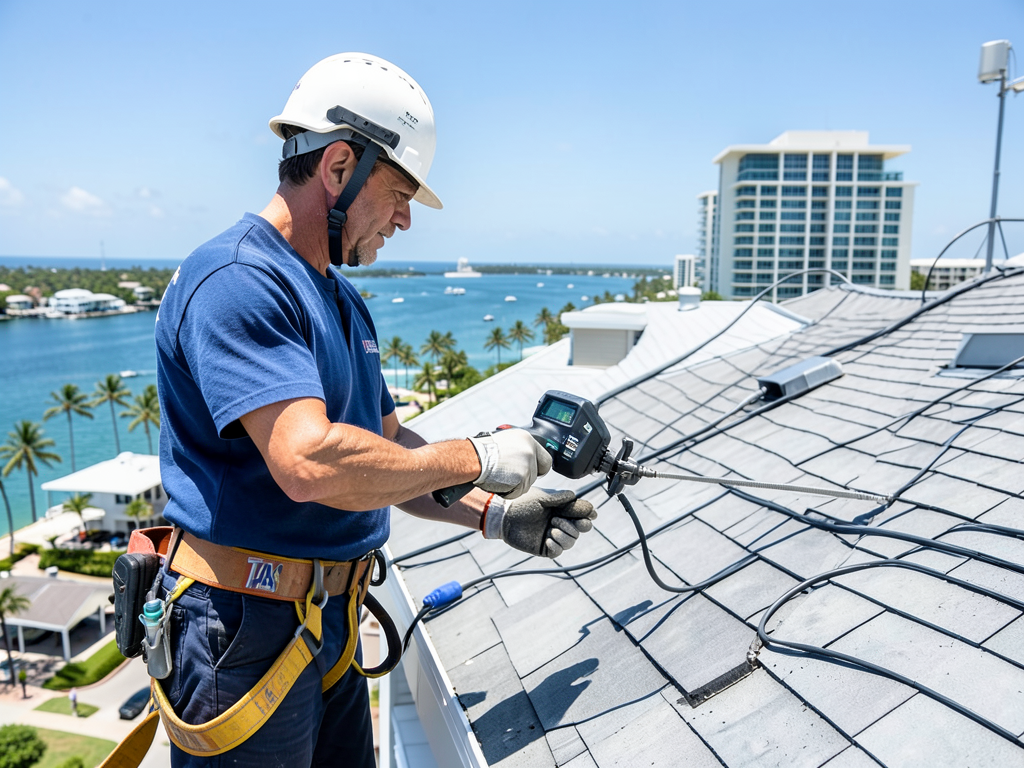
Proper installation verification through on-site testing prevents catastrophic roof failures during hurricanes. TAS 105 fastener pull-out testing involves installing test fasteners in the actual roof assembly and subjecting them to upward pull forces until failure occurs. This test verifies that the specified fastener type, pattern, and embedment depth will achieve the required wind uplift resistance.
The testing process requires installing 10 test assemblies across the roof area, with particular attention to corners and perimeters where uplift forces are highest. Each test assembly must achieve 150% of the design uplift load to provide an adequate safety factor. Test results are documented and submitted to the building department for approval.
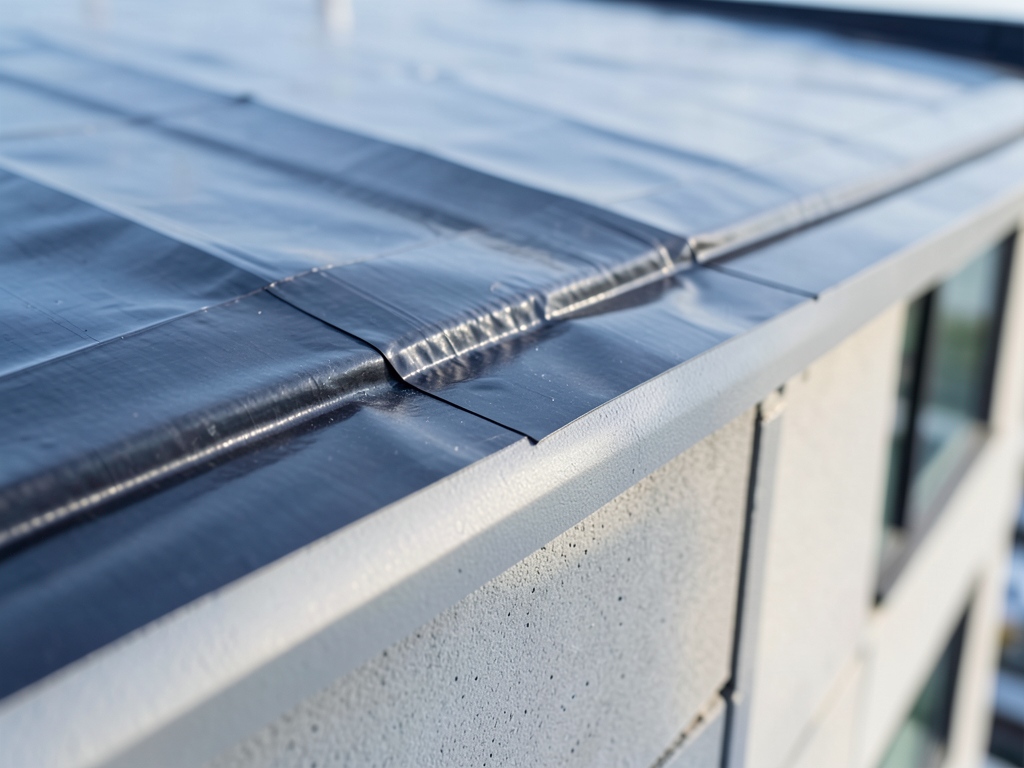
Field uplift testing also includes seam strength verification for single-ply membranes. Heat-welded seams must achieve 100% of the parent material strength to prevent wind-driven rain infiltration. Technicians use destructive seam testing to verify weld quality across the entire roof area.
Infrared scanning helps identify hidden moisture that could compromise the roof assembly’s wind uplift resistance. Wet insulation loses its structural integrity and becomes more susceptible to wind damage. Thermal imaging can detect these problem areas before they lead to failures.
Building movement monitoring during testing ensures the roof assembly can accommodate the differential movement between the building structure and the roofing system. High-rise buildings experience significant sway during high winds, and the roof assembly must flex without compromising the waterproofing integrity.
Material Fastening Patterns for Maximum Wind Resistance
Fastener density requirements increase dramatically in high-wind zones. The perimeter zones of a high-rise roof require 50% more fasteners than the field area, while corners need 100% more fasteners than the interior field. This graduated fastening pattern addresses the exponential increase in uplift forces toward the building edges.
Standard fastener patterns for TPO roofing in Bal Harbour include 12 fasteners per 4×8 foot insulation board in the field, increasing to 18 fasteners in the perimeter zone and 24 fasteners in corner zones. Each fastener must be properly sealed with compatible washers and plates to prevent water infiltration.
Mechanical fastening provides superior wind uplift resistance compared to adhesives in high-rise applications. The combination of plate washers and screw fasteners creates a mechanical interlock that resists uplift forces better than adhesive-only systems. However, proper embedment depth in the concrete deck is critical for achieving rated performance.
Cold adhesive systems offer advantages in certain applications where mechanical fastening is impractical. These systems use multiple layers of adhesive to create a monolithic bond between the membrane and substrate. The adhesive must be applied at the manufacturer’s specified rate and temperature to achieve rated wind uplift resistance.
Hybrid fastening systems combine mechanical fasteners in high-stress areas with adhesive in the field for optimal performance. This approach provides maximum wind uplift resistance while minimizing penetrations through the roof assembly. The transition between fastening methods must be carefully detailed to prevent weak points.
Parapet Wall Height and Wind Uplift Dynamics
Parapet walls play a crucial role in high-rise wind uplift resistance. Walls less than 24 inches tall create turbulence that increases uplift forces on the roof membrane. Walls between 24 and 36 inches provide optimal wind protection, while walls over 36 inches can create negative pressure zones that require additional anchoring.
The parapet wall coping system must be positively attached to resist wind uplift forces. Standard coping attachments use continuous cleats and fasteners spaced at maximum 12-inch intervals. The coping material must be compatible with the roofing system and properly sealed to prevent water infiltration.
Expansion joints at parapet walls accommodate building movement while maintaining wind uplift resistance. These joints use flexible materials that can stretch up to 50% of their original length without compromising the waterproofing assembly. Proper detailing at expansion joints prevents wind-driven rain infiltration.
Parapet wall caps require special attention in high-wind zones. Metal caps must be mechanically fastened with continuous cleats and sealed with compatible sealants. The cap-to-membrane transition detail must prevent wind uplift from getting underneath the cap assembly.
Decorative parapet elements can create wind traps that increase uplift forces. Any projecting elements must be positively anchored and sealed to prevent wind-driven rain infiltration. The added complexity of decorative elements increases the importance of proper detailing and installation.
Maintenance Strategies for High-Rise Wind Uplift Prevention
Regular maintenance prevents small issues from becoming catastrophic failures during hurricanes. Quarterly inspections should check all fastener heads for proper seating, examine seams for signs of separation, and verify that expansion joints remain flexible and properly sealed.
Debris accumulation on high-rise roofs creates wind traps that increase uplift forces. Regular cleaning removes leaves, branches, and other debris that could catch wind and create additional stress on the roofing assembly. Special attention should be paid to roof drains and scuppers to ensure proper water flow.
Sealant deterioration around penetrations and terminations allows wind-driven rain to enter the roof assembly. All sealants should be inspected annually and replaced when they show signs of cracking, shrinkage, or loss of adhesion. Compatible sealants must be used for each roofing system type.
Flashing systems at walls, equipment curbs, and penetrations require special attention in high-wind zones. These details must be positively anchored and sealed to prevent wind uplift from compromising the waterproofing assembly. Any loose or damaged flashing should be repaired immediately. Professional Flat Roof Repair Services for Brickell Business Owners.
Pre-hurricane season preparation includes securing loose items on the roof, verifying all access panels are properly closed, and checking that temporary installations like satellite dishes are properly anchored. A final inspection should be completed within 72 hours of an approaching storm.
Cost Factors and Insurance Considerations
High-rise roofing in Bal Harbour typically costs 30-50% more than ground-level installations due to the specialized engineering, testing requirements, and access challenges. The additional costs include engineering fees, NOA documentation, on-site testing, and specialized equipment for working at height.
Insurance premiums for high-rise buildings reflect the increased risk of catastrophic roof failure. Buildings with properly engineered roofing systems and documented maintenance programs often qualify for premium discounts. Insurance companies may require specific wind uplift ratings and testing documentation before providing coverage.
The cost of a roof failure during a hurricane far exceeds the premium for proper engineering and installation. Water damage to interior finishes, tenant improvements, and building systems can easily exceed $1 million in a high-rise building. The business interruption costs add another layer of financial impact.
Energy efficiency considerations affect long-term operating costs. High-performance roofing systems with reflective surfaces can reduce cooling costs by 20-30% in Bal Harbour’s hot climate. The energy savings often offset the higher initial installation costs over the roof’s service life.
Life-cycle costing analysis should consider the total cost of ownership over 20-30 years rather than just the initial installation cost. Premium roofing systems with better wind uplift resistance typically last 5-10 years longer than economy systems, reducing replacement frequency and long-term costs.
Emergency Response and Damage Assessment
Post-storm damage assessment requires specialized knowledge of high-rise wind uplift failure patterns. Common failure modes include membrane seam separation, fastener pull-out, and parapet wall cap displacement. Understanding these patterns helps prioritize repairs and prevent secondary damage.
Emergency tarping for high-rise buildings requires specialized equipment and techniques. Standard blue tarps are inadequate for high-wind environments. Professional emergency services use reinforced materials and proper anchoring systems designed for sustained high winds.
Insurance claims for wind uplift damage require detailed documentation of the pre-storm condition and the extent of damage. Time-stamped photographs, material samples, and engineering assessments support the claim and help expedite payment. Working with experienced roofing contractors familiar with insurance procedures improves claim outcomes.
Temporary repairs must be designed to resist additional wind events while permanent repairs are being planned. These repairs often use heavier materials and more robust fastening patterns than the original installation to prevent re-failure.
Long-term monitoring after repairs helps identify any lingering issues that could lead to future failures. This may include regular drone inspections, moisture scanning, and fastener pull-out testing to verify the repaired areas maintain their wind uplift resistance.
Future Trends in High-Rise Wind Uplift Technology
Emerging roofing technologies focus on improving wind uplift resistance while reducing installation complexity. Self-adhering membranes with enhanced wind uplift ratings eliminate the need for mechanical fasteners in many applications. These systems use advanced adhesive technologies that create stronger bonds than traditional methods.
Smart roofing systems incorporate sensors that monitor wind uplift forces in real-time. These systems can alert building managers to developing problems before they become critical failures. The data collected also helps improve future roof designs and installation methods.
3D-printed roofing components allow for custom designs that optimize wind uplift resistance for specific building geometries. These components can include integrated fastening systems and aerodynamic features that reduce wind loads on the roof assembly.
Green roofing systems on high-rises must be specially engineered to resist wind uplift while supporting the additional weight of soil and vegetation. These systems use specialized anchoring methods and wind screens to prevent the vegetation from creating additional wind loads.
Building Information Modeling (BIM) integration allows for detailed wind uplift analysis during the design phase. This technology helps optimize the roofing assembly for specific wind conditions and building geometries before installation begins.
Frequently Asked Questions
What is the minimum wind uplift rating required for high-rise roofs in Bal Harbour?
High-rise buildings in Bal Harbour typically require wind uplift ratings of 150-180 pounds per square foot, depending on building height and exposure category. The exact requirement is determined by engineering calculations based on ASCE 7-22 wind load provisions.
How often should high-rise roofs be inspected for wind uplift resistance?
Quarterly inspections are recommended for high-rise roofs in Bal Harbour, with additional inspections before and after hurricane season. Annual comprehensive testing including fastener pull-out testing should be performed to verify the roof assembly maintains its rated wind uplift resistance.
What happens if a roof fails the TAS 105 fastener pull-out test?
If a roof fails the TAS 105 test, the installation must be modified to achieve the required wind uplift resistance. This may involve adding more fasteners, changing fastener types, or modifying the substrate preparation. The test must be repeated until the assembly passes at 150% of the design load.
Are there different requirements for corner zones versus field areas?
Yes, corner zones require 100% more fasteners than field areas, while perimeter zones require 50% more fasteners. This graduated fastening pattern addresses the exponential increase in uplift forces toward building edges where wind accelerates around corners.
How long does a typical high-rise roof installation take in Bal Harbour?
High-rise roof installations in Bal Harbour typically require 4-8 weeks depending on building size, weather conditions, and the complexity of the roofing system. Additional time may be needed for engineering reviews, testing, and building department approvals.
Protecting Your Bal Harbour High-Rise Investment
Wind uplift resistance is not optional for high-rise buildings in Bal Harbour. The combination of coastal exposure, building height, and strict building codes requires specialized engineering and installation expertise. Property managers must work with contractors who understand HVHZ requirements, NOA compliance, and the specific challenges of coastal high-rise roofing.
The investment in proper wind uplift engineering and installation pays dividends through reduced insurance costs, extended service life, and protection against catastrophic storm damage. Don’t wait until the next hurricane threatens to evaluate your roof’s wind uplift resistance.
Call (645) 231-4888 today to schedule a comprehensive wind uplift assessment for your Bal Harbour high-rise. Our team of HVHZ-certified specialists will evaluate your current roofing system, identify any vulnerabilities, and recommend solutions to ensure your building meets or exceeds all wind uplift requirements.
Pick up the phone and call (645) 231-4888 before the next storm hits. The peace of mind that comes from knowing your high-rise roof can withstand hurricane-force winds is invaluable for property managers and residents alike.
You may also find this helpful. Finding the Source of Mysterious Ghost Leaks in Your Brickell Condo Ceiling.
{
“@context”: “https://schema.org”,
“@type”: “BlogPosting”,
“headline”: “Understanding High Rise Roof Wind Uplift and Safety for Buildings in Bal Harbour”,
“description”: “High-rise roof wind uplift in Bal Harbour requires specialized engineering and HVHZ compliance. Learn about ASCE 7-22 standards, TAS testing, and Miami-Dade NOA requirements for coastal buildings.”,
“wordCount”: 2657,
“datePublished”: “2026-05-21T13:32:00.000Z”,
“dateModified”: “2026-05-21T13:32:00.000Z”,
“inLanguage”: “en-US”,
“mainEntityOfPage”: {
“@type”: “WebPage”,
“@id”: “https://ironwoodroofingmiami.com”
},
“publisher”: {
“@type”: “LocalBusiness”,
“name”: “Ironwood Roofing Miami”,
“url”: “https://ironwoodroofingmiami.com”
},
“author”: {
“@type”: “Organization”,
“name”: “Ironwood Roofing Miami”,
“url”: “https://ironwoodroofingmiami.com”
},
“image”: {
“@type”: “ImageObject”,
“url”: “https://ironwoodroofingmiami.com/wp-content/uploads/2026/03/understanding-high-rise-roof-wind-uplift-and-safet-1.png”
}
}
{
“@context”: “https://schema.org”,
“@type”: “RoofingContractor”,
“name”: “Ironwood Roofing Miami”,
“url”: “https://ironwoodroofingmiami.com”,
“address”: {
“@type”: “PostalAddress”,
“addressLocality”: “Miami”
},
“areaServed”: {
“@type”: “City”,
“name”: “Miami”
}
}
{
“@context”: “https://schema.org”,
“@type”: “FAQPage”,
“mainEntity”: [
{
“@type”: “Question”,
“name”: “What is the minimum wind uplift rating required for high-rise roofs in Bal Harbour?”,
“acceptedAnswer”: {
“@type”: “Answer”,
“text”: “High-rise buildings in Bal Harbour typically require wind uplift ratings of 150-180 pounds per square foot, depending on building height and exposure category. The exact requirement is determined by engineering calculations based on ASCE 7-22 wind load provisions.”
}
},
{
“@type”: “Question”,
“name”: “How often should high-rise roofs be inspected for wind uplift resistance?”,
“acceptedAnswer”: {
“@type”: “Answer”,
“text”: “Quarterly inspections are recommended for high-rise roofs in Bal Harbour, with additional inspections before and after hurricane season. Annual comprehensive testing including fastener pull-out testing should be performed to verify the roof assembly maintains its rated wind uplift resistance.”
}
},
{
“@type”: “Question”,
“name”: “What happens if a roof fails the TAS 105 fastener pull-out test?”,
“acceptedAnswer”: {
“@type”: “Answer”,
“text”: “If a roof fails the TAS 105 test, the installation must be modified to achieve the required wind uplift resistance. This may involve adding more fasteners, changing fastener types, or modifying the substrate preparation. The test must be repeated until the assembly passes at 150% of the design load.”
}
},
{
“@type”: “Question”,
“name”: “Are there different requirements for corner zones versus field areas?”,
“acceptedAnswer”: {
“@type”: “Answer”,
“text”: “Yes, corner zones require 100% more fasteners than field areas, while perimeter zones require 50% more fasteners. This graduated fastening pattern addresses the exponential increase in uplift forces toward building edges where wind accelerates around corners.”
}
},
{
“@type”: “Question”,
“name”: “How long does a typical high-rise roof installation take in Bal Harbour?”,
“acceptedAnswer”: {
“@type”: “Answer”,
“text”: “High-rise roof installations in Bal Harbour typically require 4-8 weeks depending on building size, weather conditions, and the complexity of the roofing system. Additional time may be needed for engineering reviews, testing, and building department approvals.”
}
}
]
}
{
“@context”: “https://schema.org”,
“@type”: “BreadcrumbList”,
“itemListElement”: [
{
“@type”: “ListItem”,
“position”: 1,
“name”: “Home”,
“item”: “https://ironwoodroofingmiami.com”
},
{
“@type”: “ListItem”,
“position”: 2,
“name”: “Blog”,
“item”: “https://ironwoodroofingmiami.com/blog”
},
{
“@type”: “ListItem”,
“position”: 3,
“name”: “Understanding High Rise Roof Wind Uplift and Safety for Buildings in Bal Harbour”
}
]
}
{
“@context”: “https://schema.org”,
“@type”: “Service”,
“serviceType”: “Roofing”,
“provider”: {
“@type”: “LocalBusiness”,
“name”: “Ironwood Roofing Miami”,
“url”: “https://ironwoodroofingmiami.com”
},
“areaServed”: {
“@type”: “City”,
“name”: “Miami”
},
“description”: “High-rise roof wind uplift in Bal Harbour requires specialized engineering and HVHZ compliance. Learn about ASCE 7-22 standards, TAS testing, and Miami-Dade NOA requirements for coastal buildings.”
}