menu

Critter & Pest Damage in Miami – Expert Diagnosis and Permanent Wildlife Exclusion

We identify entry points, repair structural damage, and install exclusion systems that stop raccoons, rats, and iguanas from destroying your roof again in South Florida's unique tropical environment.

Slider Image 1
Slider Image 2
Slider Image 3
Slider Image 4
Slider Image 5
Slider Image 7
Slider Image 8
Slider Image 9
Slider Image 10
Slider Image 11

Why Miami Roofs Are Magnets for Wildlife Intrusion

Miami's subtropical climate creates the perfect storm for roof wildlife damage. Year-round warmth means raccoons, roof rats, iguanas, and squirrels never hibernate. They are always searching for shelter and nesting sites. Your attic offers protection from summer thunderstorms and winter cold fronts. Your roof provides food sources like insects, fruit from overhanging trees, and access to water from AC condensation lines.

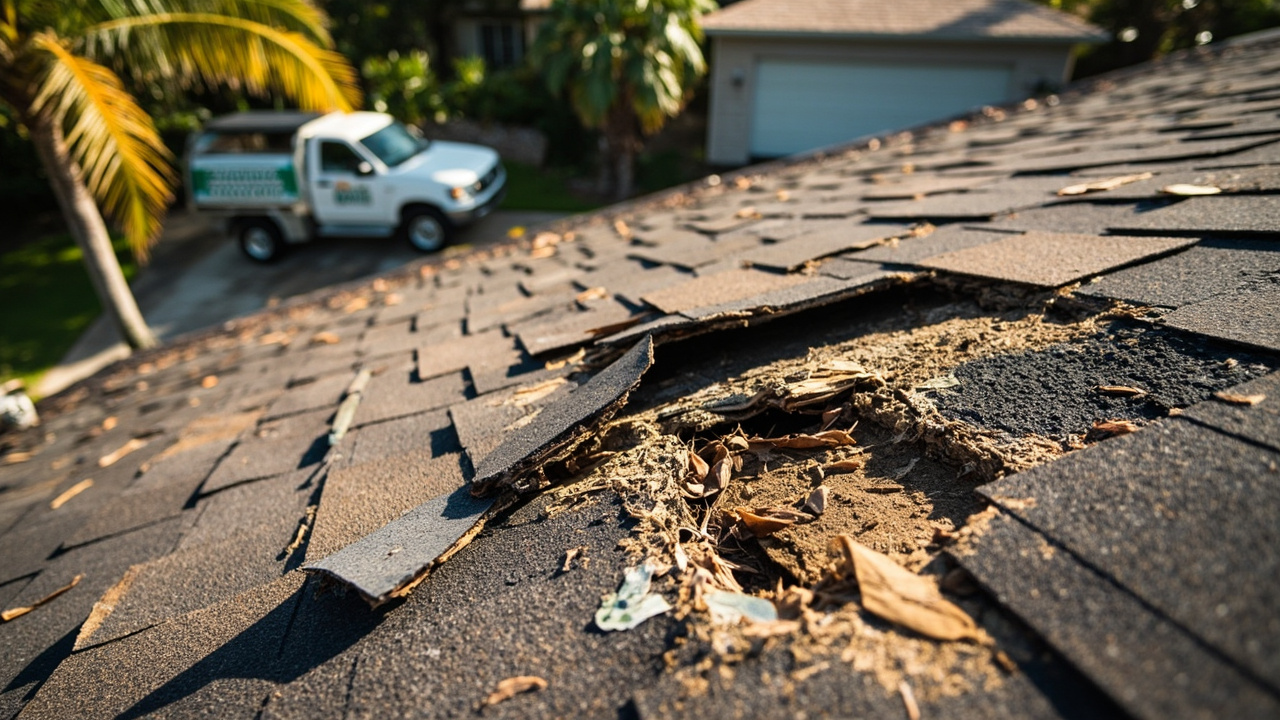
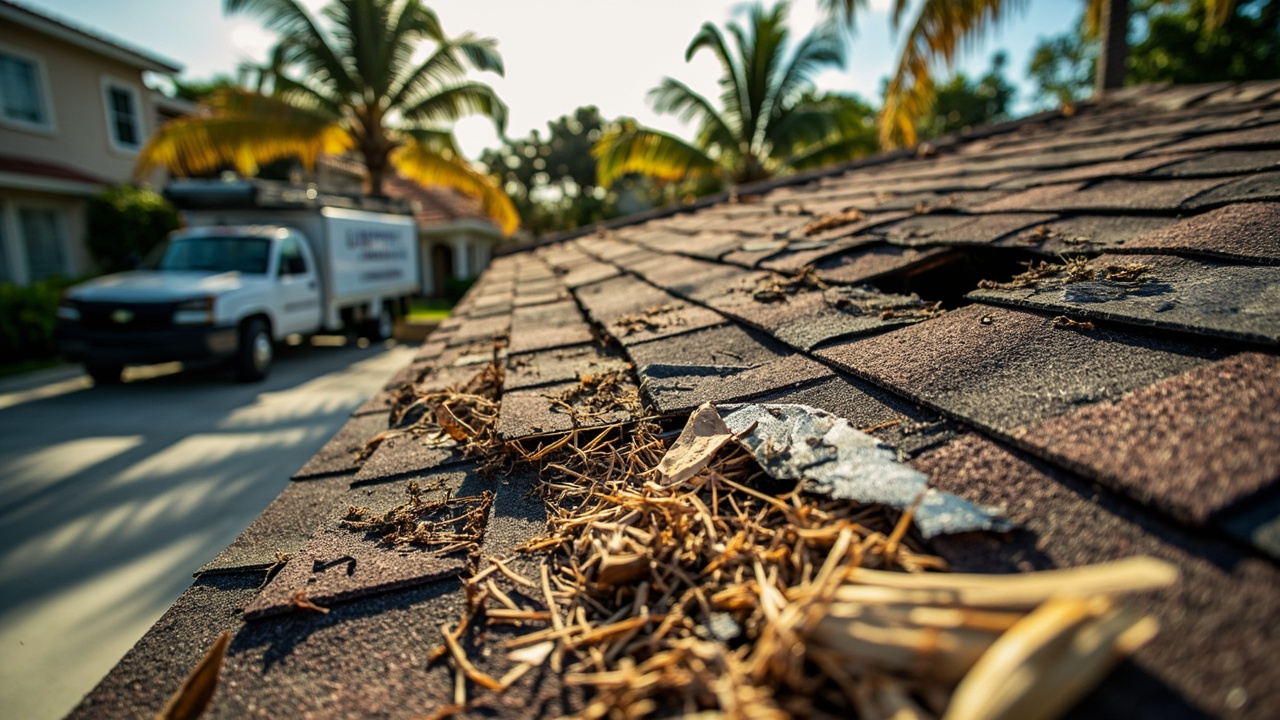
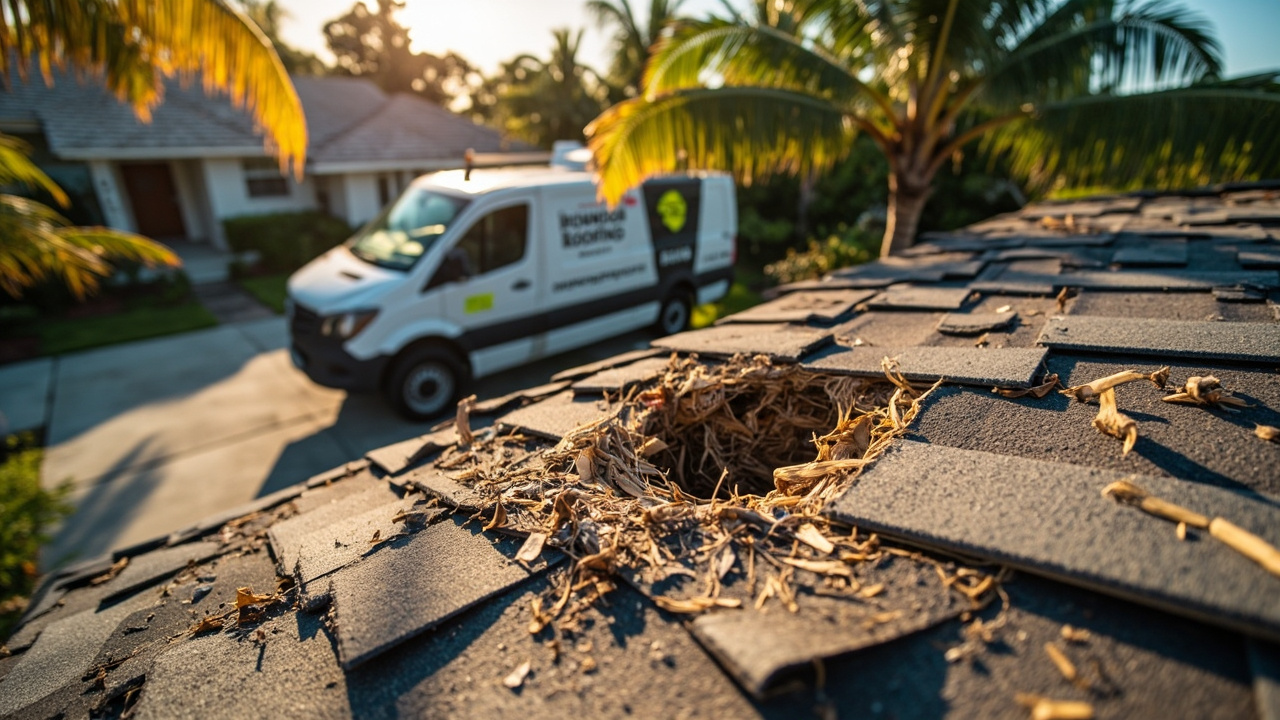
Animal intrusion roofing problems escalate fast in South Florida. A single rat can chew through asphalt shingles in 48 hours. Raccoons tear off ridge caps and fascia boards with their hands. Iguanas burrow under barrel tiles, displacing entire rows. Once inside, rodent roof damage spreads to insulation, wiring, and structural decking. The humidity accelerates rot in chewed wood. Urine stains ceiling drywall. Nesting materials block soffit vents, trapping heat and moisture.

The damage compounds during hurricane season. Vermin roof destruction weakens attachment points. Wind gets under compromised shingles and peels back entire sections. What started as a small entry hole becomes a missing roof plane after a tropical storm. Insurance adjusters classify this as maintenance-related damage, not covered under wind policies.

Miami's urban-wildlife interface makes this worse. As development pushes into the Everglades, displaced animals move into residential neighborhoods like Coconut Grove, Coral Gables, and Pinecrest. They exploit construction gaps, damaged flashing, and aging roof-to-wall transitions. Pest damage shingles show up as missing granules, punctures, and torn edges around pipe boots and chimney chases.

You cannot fix this with traps alone. You need structural repair and exclusion engineering.

Why Miami Roofs Are Magnets for Wildlife Intrusion
How We Stop Animal Damage and Restore Roof Integrity

How We Stop Animal Damage and Restore Roof Integrity

Ironwood Roofing Miami treats critter damage as a forensic engineering problem. We do not patch holes and leave. We trace the damage pattern, identify every access point, and rebuild the compromised envelope to exclusion-grade standards.

First, we document the damage zone. Our technicians photograph torn flashing, chewed fascia, displaced tiles, and droppings. We map entry points using thermal imaging to find gaps hidden behind trim or under valleys. Rodents exploit builder gaps as small as a quarter inch. Raccoons pry open construction defects around dormer tie-ins. We find them all.

Next, we assess the substrate. We pull back damaged shingles to inspect decking for urine staining, chew marks, and structural deflection. Rat urine contains uric acid that corrodes plywood fasteners. We probe for soft spots and check truss webbing for gnaw damage. If animals nested in the attic, we coordinate insulation removal with licensed wildlife technicians before starting roof repairs.

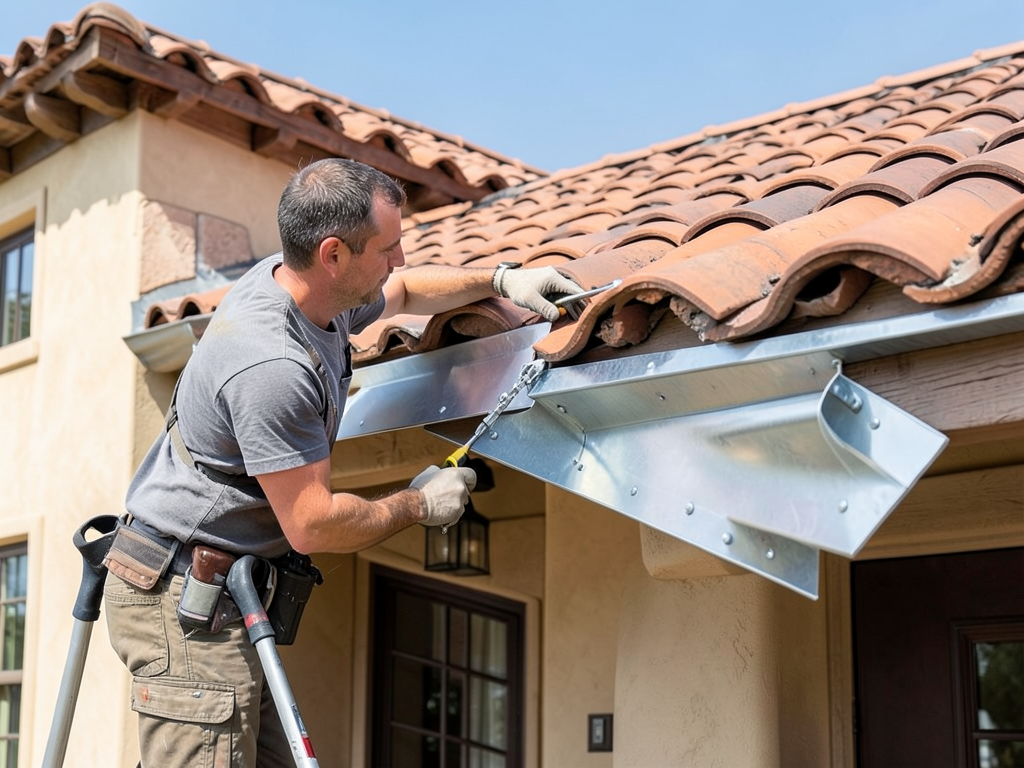
The repair phase uses exclusion-rated materials. We replace chewed fascia with PVC trim boards that rodents cannot penetrate. We install 16-gauge galvanized flashing with overlapping seams, eliminating the gaps raccoons exploit. Ridge vents get upgraded to models with integrated pest screens. Pipe boot collars are sealed with polyurethane caulk rated for Miami's UV exposure, not generic silicone that animals chew through.

For tile roofs, we use stainless steel screws and foam closures at every tile edge. Iguanas cannot displace mechanically fastened tiles. We seal rake edges with custom-bent metal that extends below the fascia plane, blocking the climbing path raccoons use to access the roof deck.

Final step is the exclusion barrier. We install 1/4-inch galvanized hardware cloth over soffit vents, gable louvers, and turbine bases. Every penetration gets a rodent-proof collar. The result is a roof assembly animals cannot compromise again.

What Happens During Your Wildlife Damage Roof Restoration

Critter & Pest Damage in Miami – Expert Diagnosis and Permanent Wildlife Exclusion
01

Damage Assessment and Mapping

We inspect your entire roof system to identify every entry point, damaged component, and hidden compromise. Using thermal cameras and moisture meters, we find gaps animals exploited that are invisible from the ground. You receive a photo-documented report showing the extent of rodent roof damage, including attic contamination, compromised flashing, and weakened decking that requires replacement before exclusion work begins.
02

Structural Repair and Replacement

We remove and replace all compromised materials, including chewed fascia, torn shingles, displaced tiles, and rotted decking. Every repair uses upgraded, pest-resistant components engineered for South Florida wildlife pressure. Metal flashing gets extended and sealed. Vents receive integrated screens. Fascia boards are swapped for PVC that raccoons cannot tear. The goal is a roof assembly stronger than original construction, designed to withstand animal intrusion attempts.
03

Exclusion System Installation

After structural repairs, we install permanent exclusion barriers at every potential entry point. Hardware cloth covers vents. Custom metal collars seal pipe penetrations. Rake edges get extended flashing that blocks climbing paths. Ridge caps are mechanically fastened with vermin-proof closures. The completed system eliminates future animal access while maintaining proper roof ventilation and drainage. Your roof is now a sealed building envelope that wildlife cannot compromise again.

Why Miami Property Owners Trust Local Expertise for Wildlife Roof Repairs

Critter damage repair requires knowledge of South Florida building assemblies and local wildlife behavior. National chains and general contractors miss the nuances. They patch the visible damage and leave the entry points open. Six months later, you have the same problem.

Ironwood Roofing Miami understands Miami-Dade and Broward construction methods. We know the difference between how builders detailed Spanish tile roofs in Coral Gables versus flat concrete tiles in Kendall. We recognize the rake edge gaps common in 1980s CBS homes. We understand how iguanas exploit the thermal expansion joints in barrel tile installations. This knowledge informs every repair.

We also understand local wildlife patterns. Roof rats in Miami are Norway rat variants that climb palm trees and use power lines as bridges to your roof. Raccoons in suburban areas are bolder than rural populations. They test flashing seams and pry at fascia corners. Iguanas burrow under tiles on south-facing slopes where solar heat helps them thermoregulate. These behaviors dictate where we reinforce and what materials we use.

Local building codes matter too. Miami-Dade requires High Velocity Hurricane Zone approvals for roofing products. Exclusion materials must meet wind uplift ratings. Flashing installations must follow the Florida Building Code's prescriptive details for secondary water barriers. We pull permits when structural decking replacement exceeds code thresholds. Out-of-town contractors skip this, leaving you with compliance issues during insurance claims or resale inspections.

We coordinate with Florida-licensed wildlife removal specialists when animals are still present. We do not trap or relocate, that requires separate licensure, but we schedule repairs immediately after exclusion to prevent re-entry. This integrated approach solves the problem permanently instead of creating a cycle of trapping and damage.

Miami homeowners need a roofer who understands the intersection of wildlife pressure, hurricane engineering, and subtropical material science. That is what we deliver.

What to Expect When You Call for Critter Damage Repairs

Response Time and Scheduling

We schedule inspections within 48 hours of your call. Wildlife damage is time-sensitive. Every day animals remain inside increases the scope of contamination and structural compromise. Our inspection takes 45 to 90 minutes depending on roof size and complexity. We assess from the attic, the roof surface, and the ground perimeter. You receive a written estimate the same day, broken down by repair category so you understand what needs immediate attention versus what can be phased. Emergency tarping is available if the roof envelope is breached and rain is forecast.

Inspection and Documentation Process

Our assessment starts in the attic, where we document nesting materials, droppings, urine staining, and chewed wiring or insulation. We use moisture meters to check decking for saturation from urine or rain intrusion. On the roof, we photograph every damaged component, measure the extent of vermin roof destruction, and identify how animals accessed the structure. Thermal imaging reveals hidden gaps behind trim or under valleys. You receive a photo report with annotations showing each issue and the recommended repair. This documentation supports insurance claims if applicable.

Quality of Repairs and Materials

We do not use standard residential materials for critter damage repairs. Fascia boards are upgraded to solid PVC or Azek trim that rodents cannot chew. Flashing is 16-gauge galvanized or aluminum, not the thin builder-grade stock raccoons peel back. Hardware cloth over vents is 1/4-inch 23-gauge galvanized mesh, not plastic screening. Shingles are replaced with impact-rated products that meet Miami-Dade NOA specifications for wind uplift. Tile repairs use stainless steel fasteners and closed-cell foam closures. Every material choice is informed by wildlife pressure and hurricane engineering requirements.

Follow-Up and Monitoring

After exclusion work is complete, we schedule a 90-day follow-up inspection to verify the system is holding. We check for new entry attempts, inspect seals and flashing for integrity, and confirm no animals have bypassed the barriers. If you notice scratching, droppings, or new damage during this period, we return to assess at no charge. Most wildlife damage repairs require attic restoration by separate specialists. We coordinate with licensed insulation contractors and provide them access documentation. Ongoing maintenance plans are available for properties with persistent wildlife pressure or complex roof geometries.

Frequently Asked Questions

You Have Questions,
We Have Answers

What is the hardest pest to get rid of? +

Bed bugs rank as the hardest pest to eliminate. They hide in tiny cracks, reproduce quickly, and resist many DIY treatments. In Miami's high humidity and dense housing, bed bugs spread fast between units. Termites come in second because they nest deep inside wood structures and require professional-grade treatment. Roaches, especially German cockroaches, also prove stubborn due to rapid breeding cycles. Effective elimination requires identifying the species, locating all harborage points, and using targeted treatments. Skip the store-bought sprays for these three pests. You need a trained technician who understands Miami's subtropical climate and how pests behave here.

Does critter control cost money? +

Yes, professional critter control costs money, but ignoring the problem costs more. In Miami, rodent removal typically ranges from a few hundred to over a thousand dollars depending on infestation severity, entry points, and structural damage. Raccoon or opossum removal runs higher due to trapping and exclusion work. You pay for inspection, trapping or exclusion, cleanup, and sealing entry points. The real cost comes from delayed action. Rodents chew electrical wiring, creating fire hazards. They damage insulation and ductwork. Raccoons tear through soffits and fascia. Factor repair costs into your decision. Professional control stops damage before it multiplies.

What are the types of damage by pests? +

Pests cause three main damage types. **Structural damage** happens when termites, carpenter ants, or rodents chew through wood framing, roof decking, and support beams. In Miami's older concrete block homes, they target wooden roof structures. **Electrical damage** occurs when rodents gnaw wiring, creating fire risks and system failures. **Contamination damage** includes urine, feces, and nesting materials that ruin insulation, drywall, and stored items. Some pests like carpenter bees bore holes directly into fascia and trim. Termites hollow out studs and joists silently. Squirrels shred attic insulation. Each pest targets specific materials, but all compromise your home's integrity and safety.

What pest is most damaging to a house? +

Termites cause the most structural damage to houses, costing U.S. homeowners billions annually. In Miami, subterranean termites thrive year-round due to heat and humidity. They consume wood framing, floor joists, and roof decking from the inside out, often undetected until serious damage occurs. Formosan termites, common in South Florida, attack even faster and build massive colonies. Carpenter ants come second, excavating wood to nest rather than eating it. Rodents rank third for chewing through electrical wiring, plumbing, and insulation. Termites win because they compromise the actual skeleton of your home, requiring expensive structural repairs that insurance rarely covers.

What is the most common house pest? +

Ants dominate as the most common house pest nationwide and in Miami. You will find them trailing through kitchens, bathrooms, and anywhere moisture exists. German cockroaches come second, especially in multifamily buildings and older homes. In Miami specifically, subterranean termites are nearly universal due to our climate. Rodents rank high in urban neighborhoods near water or dense vegetation. Mosquitoes breed year-round here, unlike northern climates. Spiders appear frequently but usually signal other pest problems since they hunt insects. The subtropical environment means pests never go dormant. You face constant pressure from multiple species, making prevention and regular inspections critical.

What is the number one pest problem in America? +

Ants claim the number one spot as America's most common pest problem, appearing in over 80 percent of homes at some point. In Miami, the problem intensifies because our heat and humidity support multiple aggressive ant species including fire ants, carpenter ants, and ghost ants. Termites rank second nationally for financial impact, causing over five billion in annual damage. Cockroaches place third, with Miami seeing especially high populations of American and German roaches. The key difference here is persistence. Northern states see seasonal pest cycles. South Florida deals with year-round activity. This constant pressure means you need proactive control, not reactive panic when you spot an infestation.

Does insurance cover rodent removal? +

Most homeowners insurance policies exclude rodent removal and related damage. Insurance treats rodent problems as a maintenance issue you should prevent through regular upkeep. If rodents chew wiring and cause a fire, fire damage may be covered, but not the rodent removal itself. Some policies cover damage from larger wildlife like raccoons if entry happens during a covered event like a hurricane. Read your specific policy or call your agent to confirm. In Miami, where rats and roof rats are common, you are responsible for exclusion, removal, and repairs. Document everything if you suspect a covered event triggered the wildlife intrusion.

Is it cheaper to DIY or hire an exterminator? +

For minor problems like a single mouse, DIY may work. For active infestations, hiring a professional saves money long-term. In Miami's climate, pests breed fast. A small problem becomes a big one within weeks. You waste money on ineffective store products while the colony grows. Professionals identify entry points, use commercial-grade treatments, and guarantee results. Termites, bed bugs, and rats require expertise you cannot replicate. Factor your time, repeated product purchases, and potential structural damage into the DIY cost. A professional handles it correctly the first time, stopping damage before it compounds. You pay more upfront but avoid expensive repairs later.

What are common signs of a rodent infestation? +

You will notice droppings first, small dark pellets near baseboards, cabinets, or attics. In Miami homes, check garage corners and storage areas. Listen for scratching or scurrying sounds in walls or ceilings, especially at night. Look for gnaw marks on wood trim, wiring, or food packaging. Greasy rub marks appear along walls where rodents repeatedly travel. You may smell a musky, urine odor in enclosed spaces. Check for nesting materials like shredded insulation, paper, or fabric. In South Florida, roof rats often enter through eaves and vents. Spotting one rodent means more hide nearby. Act immediately when you see these signs.

What pest causes the most damage? +

Termites cause the most damage financially and structurally, consuming wood 24 hours a day and compromising framing, joists, and roof decking. Miami's subterranean and Formosan termites work year-round, unlike northern species. Carpenter ants also damage wood but excavate rather than eat it. Rodents destroy more variety, chewing electrical wiring, plumbing, insulation, and even concrete. In South Florida homes, the combination of termites attacking the structure and rodents destroying systems creates the worst scenario. Termites win for pure structural destruction. One mature colony can consume significant framing before you notice. This silent damage requires immediate professional treatment to prevent collapse or costly repairs.

How Miami's Tropical Climate and Urban Sprawl Intensify Roof Wildlife Damage

Miami's year-round warmth eliminates the population controls that limit wildlife in northern climates. Roof rats breed continuously, producing up to six litters annually. Raccoons do not den for winter, so they are always active and searching for shelter. Iguanas thrive in South Florida's heat, with populations exploding in suburbs near the Everglades and along canal systems. These animals exploit the same construction vulnerabilities, chewed fascia, displaced tiles, torn flashing, but the damage accelerates because of constant activity and humidity-driven rot. A small entry point in January becomes a collapsed soffit by June. The UV intensity degrades sealants faster, creating gaps. Summer thunderstorms wash urine and droppings into insulation, spreading contamination. Miami's subtropical conditions turn minor pest damage shingles into major structural failures within months.

Choosing a local roofer for wildlife damage repairs means working with professionals who understand Miami-Dade building codes, Florida-specific product approvals, and the wildlife behavior patterns unique to South Florida. We know which vent models pass High Velocity Hurricane Zone testing and include pest screens. We understand how to detail flashing on CBS block walls versus wood-frame construction. We coordinate with county permitting when decking replacement triggers structural thresholds. National companies and traveling contractors lack this local knowledge. They use generic materials that fail under Miami's combined wildlife and hurricane pressures. Local expertise means repairs that last and exclusion systems that hold up to both animal intrusion attempts and 150 mph wind events.
Roofing Services in The Miami Area

Ironwood Roofing Miami is proud to service the entire Miami-Dade County area, including South Beach, Coral Gables, Doral, and beyond. We are a local company deeply familiar with the region, allowing us to respond quickly to your emergency needs and schedule non-urgent services with efficient turnaround. View our location on the map to see where our trusted professionals operate and invite us to your neighborhood for the area's most reliable roofing expertise.

Address:
Ironwood Roofing Miami, 2214 Biscayne Blvd, Miami, FL, 33131

Additional Services We Offer

Our news updates

Latest Articles & News from The Blogs

The Real Cost Difference Between Concrete and Clay Tiles for Hammock Lakes Homes Choosing between concrete and clay roof tiles…

The Real Cost Difference Between Concrete and Clay Tiles for Hammock Lakes Homes

The Real Cost Difference Between Concrete and Clay Tiles for Hammock Lakes Homes Choosing between concrete and clay roof tiles…

Managing Parapet Wall Leaks and Cap Flashing Issues for Brickell Townhomes

Managing Parapet Wall Leaks and Cap Flashing Issues for Brickell Townhomes Parapet walls create a critical vulnerability in Brickell townhome…

Why Your Ponce Davis Home Needs Heavy Duty Drip Edges to Prevent Wood Rot

Why Your Ponce Davis Home Needs Heavy Duty Drip Edges to Prevent Wood Rot The heavy afternoon thunderstorms that roll…

Contact Us

Every day you wait, animals cause more damage. Call Ironwood Roofing Miami at (645) 231-4888 for a comprehensive inspection. We will document the problem, explain your options, and restore your roof to exclusion-grade integrity.