menu

Insurance Claim Roofing Specialist in Miami – Your Advocate When the Insurance Company Fights Back

We handle the entire insurance claim process for storm-damaged roofs across Miami-Dade County, from documentation and adjuster meetings to securing full replacement approvals when carriers try to lowball you.

Slider Image 1
Slider Image 2
Slider Image 3
Slider Image 4
Slider Image 5
Slider Image 7
Slider Image 8
Slider Image 9
Slider Image 10
Slider Image 11

Why Your Insurance Claim Gets Denied After Hurricane Damage

You filed the claim within 48 hours. You documented the tarps. You followed every instruction. Then the adjuster shows up, spends twelve minutes on your roof, and sends a denial letter citing pre-existing wear or improper maintenance.

This scenario repeats across Miami after every named storm. Insurance carriers know most homeowners will accept the first answer and pay out of pocket. They count on you not understanding the difference between wind uplift damage and thermal aging. They hope you cannot prove that the fractured decking came from sustained 70 mph gusts, not from twenty years of sun exposure.

Miami's position in the hurricane corridor makes roof damage claims routine, but carriers treat every claim like fraud until proven otherwise. They send adjusters trained to minimize payouts, not to advocate for policyholders. A roof insurance claim contractor who works for you, not the insurance company, changes the entire dynamic. An insurance restoration roofer documents damage using the same wind load calculations and material standards the carrier's engineers use. A roof damage claim expert knows which policy exclusions apply and which ones do not hold up under Florida statute.

The gap between what your policy covers and what the adjuster approves often comes down to documentation quality. Carriers deny claims when the evidence does not meet their threshold. They approve claims when the documentation leaves no room for interpretation. The difference is expertise, not luck.

Ironwood Roofing Miami operates as your insurance roof replacement specialist from the moment you call, building the case the adjuster cannot dismiss.

Why Your Insurance Claim Gets Denied After Hurricane Damage
How We Force Insurance Companies to Honor Your Policy

How We Force Insurance Companies to Honor Your Policy

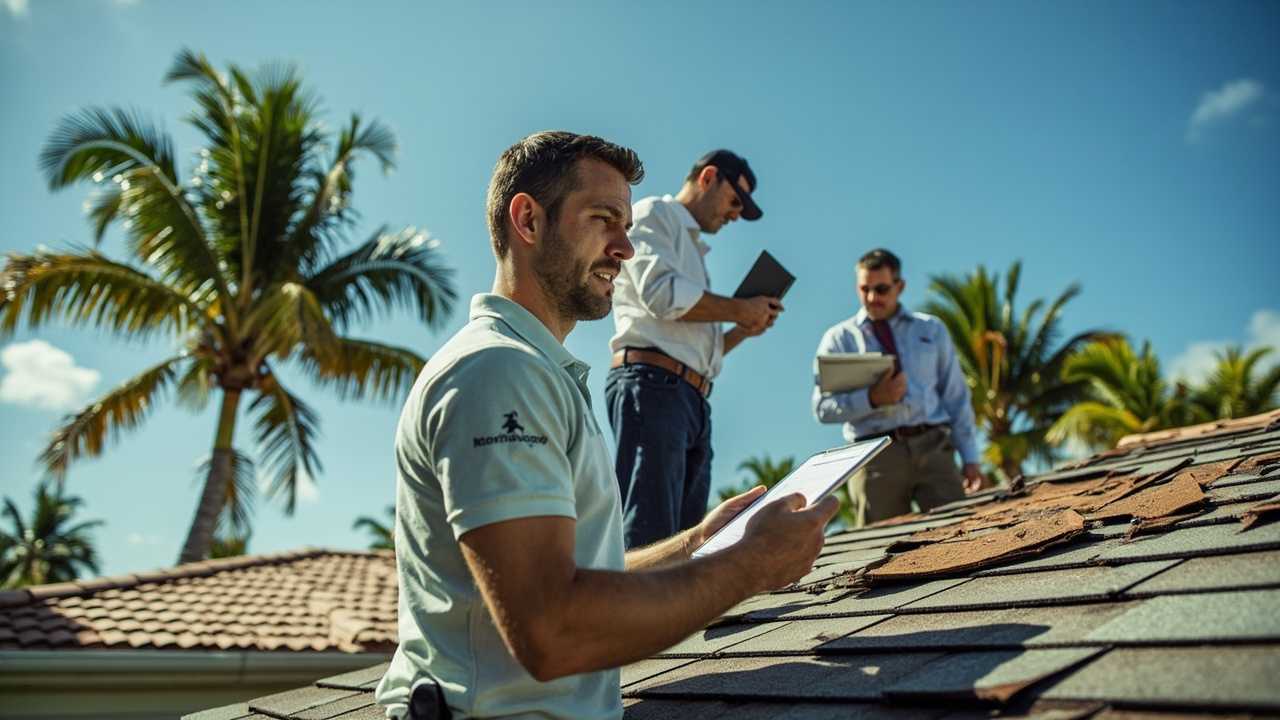
We do not estimate roof damage by walking the yard and looking up. We conduct a forensic roof inspection using moisture meters, thermal imaging, and core sampling when necessary. We document every compromised fastener, every area of delaminated underlayment, and every section where granule loss exceeds manufacturer thresholds. We photograph decision points like ridge vents and step flashing where wind-driven rain enters the building envelope. We map the damage using the same grid system insurance engineers use during litigation.

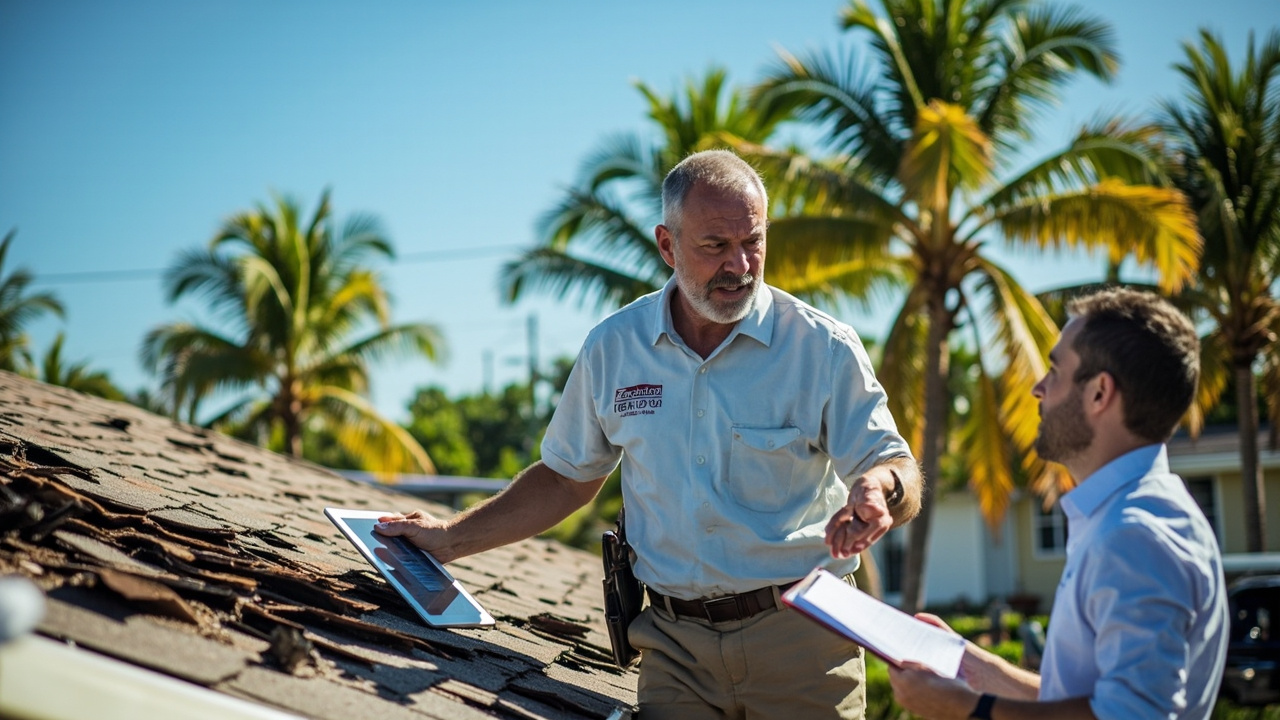
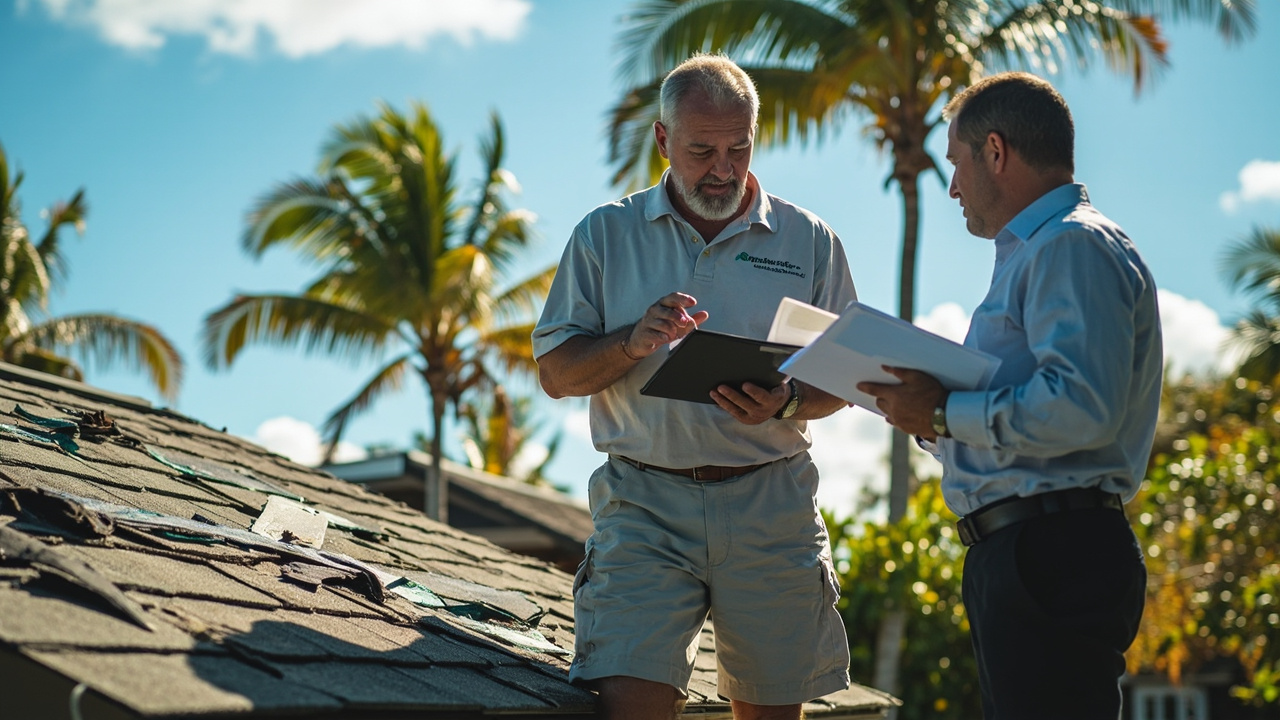
When the adjuster arrives, we attend the inspection. We point out the uplift damage at the eaves where negative pressure exceeded the nail pull-through resistance. We show the fractured sheathing where the roof deck failed under transient wind loads. We reference the wind speed data from the nearest NOAA station and explain how those speeds translate to pressure differentials across your specific roof geometry. We do not argue. We present engineering facts.

After the inspection, we submit a line-item scope of loss that matches the carrier's estimating platform. We include labor rates, material specifications, and code upgrade costs. We reference the Florida Building Code sections that require full tear-off when more than 25 percent of the roof area sustains damage. We attach moisture intrusion reports showing compromised insulation and damaged drywall that falls under the same peril.

If the carrier responds with a partial approval or a denial, we file a supplement with additional documentation. If they stall, we involve a public adjuster or an attorney who specializes in property insurance bad faith. We know which battles to fight and which settlements to accept.

You do not negotiate with billion-dollar companies alone. A storm damage insurance roofer levels the field.

What Happens When You Hire Us for Your Claim

Insurance Claim Roofing Specialist in Miami – Your Advocate When the Insurance Company Fights Back
01

Emergency Tarp and Documentation

We arrive within hours to tarp any active leaks and prevent secondary water damage that carriers love to exclude from coverage. While on-site, we photograph the damage from multiple angles, tag each compromised area with GPS coordinates, and collect samples of failed materials. This initial documentation becomes the foundation of your claim package and stops the insurance company from arguing the damage occurred after the loss date.
02

Adjuster Meeting and Inspection

We schedule the insurance adjuster inspection and attend on your behalf. We walk the roof with the adjuster, pointing out every area of wind damage, hail impact, or water intrusion. We reference your policy language and explain why each damaged component qualifies for replacement under the named peril. We take contemporaneous notes and photos to compare against the adjuster's report, catching discrepancies before they become denials.
03

Claim Approval and Restoration

Once the carrier issues payment, we manage the entire roof replacement using materials that meet or exceed the specifications in the approved estimate. We pull permits, coordinate inspections, and ensure compliance with Miami-Dade County's High Velocity Hurricane Zone requirements. You receive a fully restored roof and a closed claim, not a depreciated payout that leaves you responsible for thousands in uncovered costs.

Why Miami Homeowners Choose Us Over General Contractors

General contractors install roofs. Insurance restoration roofers navigate the claims process and install roofs. The difference matters when your financial recovery depends on claim approval, not just quality workmanship.

We understand Florida's Valued Policy Law, which requires carriers to pay the full policy limit when a home sustains a total loss. We know when to invoke appraisal clauses under Florida Statute 627.7074 to resolve valuation disputes without litigation. We recognize bad faith tactics like delayed responses, unreasonable documentation requests, and arbitrary coverage denials. We document everything because we assume every claim will end up in mediation.

Miami-Dade County enforces the most stringent wind load requirements in the continental United States. Roofs in the High Velocity Hurricane Zone must withstand 180 mph wind speeds and meet enhanced fastener schedules. Insurance carriers know these code requirements drive replacement costs higher, so they push hard for repair-only approvals. We push back with engineering data showing why repairs do not meet current code and why the Florida Building Code prohibits patchwork fixes on storm-damaged roofs.

Ironwood Roofing Miami holds the same certifications insurance adjusters hold. We speak their language. We use their software. We reference their internal guidelines. When we submit a claim, it arrives formatted exactly how their claims processors expect it, which eliminates the procedural delays carriers use to frustrate policyholders into giving up.

You hired an attorney when you bought your home and when you created your will. You hire a roof damage claim expert when your largest asset sustains damage and a corporation with a financial incentive to deny your claim controls your recovery. The cost of representation gets baked into the claim. The cost of going it alone comes out of your savings.

What to Expect When We Handle Your Insurance Claim

Same-Day Response for Active Damage

We deploy within hours of your call to tarp leaks, document damage, and stop water intrusion before it spreads to ceilings and walls. Speed matters because every hour of exposure gives the insurance company ammunition to argue the damage resulted from your failure to mitigate, not from the covered peril. We photograph the tarped areas, log the time and date of installation, and include these details in your claim submission to prove you acted responsibly. If adjusters take days or weeks to schedule an inspection, the tarps stay in place and your home stays protected while we pressure the carrier to move faster.

Forensic Roof Inspection and Loss Documentation

We conduct a full roof inspection using moisture meters to detect hidden water intrusion, infrared cameras to identify thermal bridging from wet insulation, and core samples when we need to prove sheathing damage. We map the damage using CAD software that generates detailed loss diagrams with measurements, annotations, and photo references. This documentation package includes material specifications, wind speed data from the storm event, and code references showing why replacement meets the least-cost method of repair. The goal is to submit a claim so thoroughly documented that the adjuster has no grounds for denial.

Full Roof Replacement to Current Code

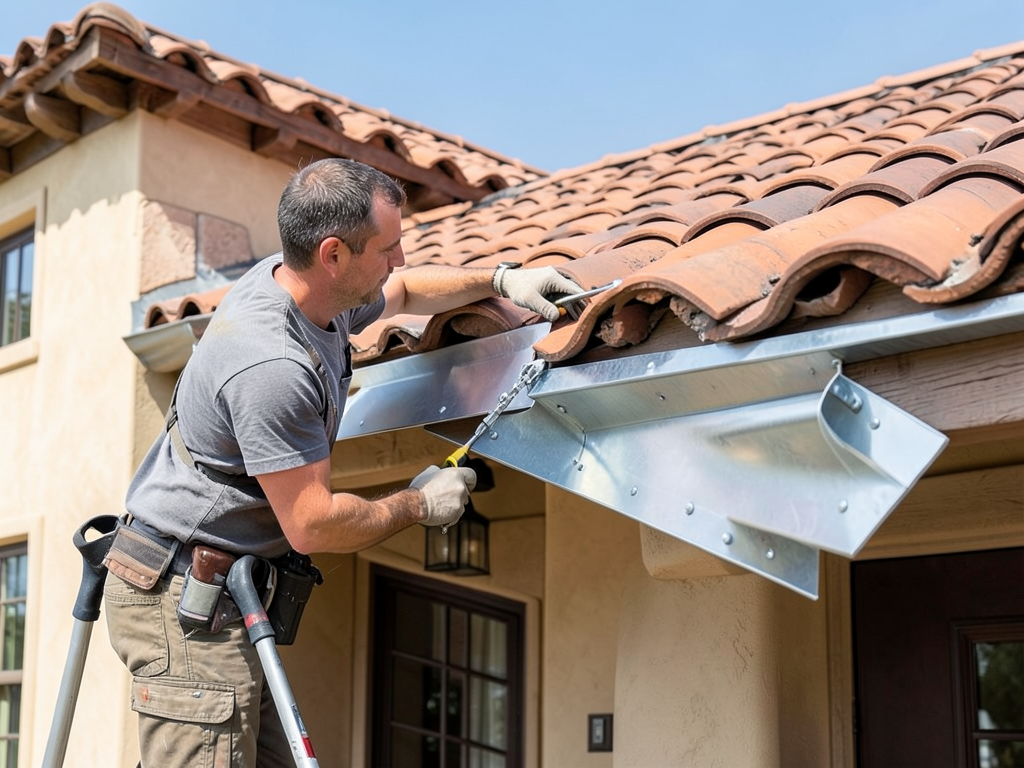
When the claim approves, we handle permitting, material procurement, and installation using Miami-Dade County Notice of Acceptance approved products that meet High Velocity Hurricane Zone standards. We install synthetic underlayment, not felt paper. We use ring shank nails at the engineered spacing your roof design requires. We install drip edge, ice and water shield, and proper ventilation because your policy covers code-compliant restoration, not the bare minimum. The finished roof passes final inspection and qualifies for the wind mitigation discounts that lower your future premiums, turning your insurance claim into a long-term financial benefit.

Post-Claim Support and Supplemental Filings

If the carrier short-pays the claim or denies coverage for interior damage, we file supplemental claims with updated documentation showing the full scope of loss. We attend mediation hearings, provide expert testimony when needed, and work with public adjusters or attorneys if the dispute escalates. We do not disappear after installation. We stay involved until the claim closes and you receive every dollar your policy owes. If hidden damage emerges during tear-off, we document it immediately and submit it as part of the same loss event, preventing the carrier from treating it as a separate claim with a new deductible.

Frequently Asked Questions

You Have Questions,
We Have Answers

What not to say to insurance adjuster roof? +

Never admit fault, exaggerate damage, or speculate about the cause. Do not say your roof was already old or leaking before the storm. Avoid statements like "I think" or "maybe." Stick to facts only. Do not agree to a settlement on the spot or sign anything without review. Never downplay visible damage just to be polite. In Miami, where hurricane and wind damage are common, adjusters look for reasons to deny claims. Let a roofing specialist document the damage first. Answer questions truthfully but keep responses short and factual.

How to make an insurance claim for roof damage? +

Act fast. Document all visible damage with photos and videos immediately after a storm. Contact your insurance company within 24 to 48 hours to report the claim. Request an adjuster inspection. Meanwhile, get a licensed roofing contractor in Miami to perform an independent inspection. They will identify wind damage, missing shingles, or compromised flashing that adjusters might overlook. Mitigate further damage with tarps if needed. Provide your insurer with the contractor's detailed report. Keep all receipts and communication records. This speeds up approval and maximizes your payout.

Is it worth claiming roof damage on insurance? +

Yes, if the damage is storm-related and repair costs exceed your deductible. Miami roofs face intense hurricane winds, tropical storms, and salt air corrosion. Ignoring damage leads to leaks, mold, and structural decay, which cost far more than your deductible. Filing a claim protects your home's integrity and resale value. However, avoid filing for minor wear and tear, as that can raise premiums. If a storm caused shingle blow-offs, cracked tiles, or underlayment failure, file immediately. A roofing specialist can assess whether the damage justifies a claim.

How old may a roof be before insurance claims it's too old? +

Most Florida insurers will not cover roofs older than 15 to 20 years, depending on the policy and material. Metal and tile roofs may get extended coverage. Asphalt shingle roofs older than 15 years often face actual cash value settlements instead of replacement cost. Some carriers require roof inspections for homes with roofs over 10 years old. In Miami, where salt air and sun accelerate aging, older roofs face stricter scrutiny. If your roof is borderline, get a pre-claim inspection to document its condition before storm season hits.

What insurance denies most claims? +

No single insurer denies the most claims universally, but state-specific data shows Florida carriers have high denial rates due to fraud concerns and hurricane exposure. Policies with vague wind damage clauses or strict maintenance requirements see more denials. In Miami, insurers scrutinize hurricane claims closely. They often dispute whether damage came from wind, rain, or prior neglect. Denials spike when homeowners lack documentation or hire unlicensed contractors. To avoid denial, hire a licensed roofing specialist who understands Florida building codes and can provide thorough damage reports that satisfy adjuster requirements.

What is the 80% rule in homeowners insurance? +

The 80% rule requires you to insure your home for at least 80% of its replacement cost to receive full reimbursement for partial losses. If you underinsure, the payout gets reduced proportionally. For example, if your home needs $400,000 to rebuild but you only carry $250,000 in coverage, you will not get full claim amounts. In Miami, where construction costs and hurricane risk are high, underinsuring is common. Review your policy annually. Make sure your coverage reflects current rebuilding costs, including updated building code compliance after storms.

How long does a roof insurance claim take? +

Simple claims can settle in two to four weeks. Complex hurricane damage claims in Miami often take 30 to 90 days or longer if disputes arise. Delays happen when adjusters undervalue damage, request multiple inspections, or dispute the cause. Hiring a roofing specialist who works directly with insurers speeds up the process. They provide detailed estimates, photos, and code citations that satisfy adjuster requirements. Emergency tarping and temporary repairs can begin immediately while the claim processes. Stay in contact with your adjuster and respond quickly to any document requests.

How do insurance companies decide how much to pay out? +

Insurers calculate payouts based on the type of coverage, replacement cost versus actual cash value, your deductible, and the adjuster's damage assessment. They review repair estimates, material costs, labor rates, and local building codes. In Miami, hurricane deductibles are often higher, typically 2% to 5% of your home's insured value. Adjusters also factor in depreciation for older roofs. If the adjuster's estimate seems low, get a second opinion from a licensed roofing contractor. Their detailed breakdown can challenge lowball offers and secure fair compensation.

What is the most common damage to your home that insurance does not cover? +

Flood damage is the most common exclusion. Standard homeowners policies do not cover rising water from storms, storm surge, or heavy rain. In Miami, where tropical storms and hurricanes bring flooding, this catches homeowners off guard. You need separate flood insurance through FEMA's National Flood Insurance Program. Other common exclusions include mold, termite damage, and normal wear and tear. Wind-driven rain may be covered if wind damage occurs first. Always review your policy exclusions before storm season and consider flood coverage if you live in a high-risk zone.

When not to file a homeowners insurance claim? +

Skip filing if repair costs are close to or below your deductible. Filing small claims can raise your premiums without financial benefit. Avoid claims for cosmetic issues, normal wear, or maintenance problems like aging shingles or granule loss. In Miami, where hurricane deductibles are high, minor repairs often cost less than the deductible. Also, skip filing if the damage existed before you bought the policy. Multiple claims within a short period can lead to non-renewal. Save claims for major storm damage, large leaks, or structural issues that exceed your deductible significantly.

Why Miami's Hurricane Exposure Requires an Insurance Claim Specialist

Miami sits in the crosshairs of the Atlantic hurricane corridor, where named storms arrive with enough frequency that insurance carriers have built entire denial strategies around the concept of cumulative damage. After every hurricane season, adjusters argue that your roof failed due to age and deferred maintenance, not from the specific storm you filed under. They point to granule loss, thermal cracking, and fastener back-out as evidence of pre-existing conditions. A storm damage insurance roofer counters these arguments with wind load analysis, material failure reports, and timestamped damage documentation that ties every compromised component to the specific weather event. Miami-Dade County's High Velocity Hurricane Zone building codes further complicate claims because carriers know that code-compliant replacements cost more than basic repairs, giving them financial motivation to deny full replacement approvals.

Ironwood Roofing Miami has handled hundreds of insurance claims across Miami-Dade County, from Coral Gables historic homes with clay tile roofs to Aventura high-rises with modified bitumen systems. We know which local adjusting firms the major carriers use and which engineers they bring in for disputed claims. We maintain relationships with public adjusters, insurance attorneys, and independent appraisers who specialize in property loss. When your claim needs expert testimony or appraisal invocation, we connect you with professionals who have won cases against the same carrier fighting your claim. Local expertise means we understand the building department's permitting process, the inspection schedule, and the documentation requirements that out-of-state contractors miss, keeping your claim moving instead of stalled in bureaucratic loops.
Roofing Services in The Miami Area

Ironwood Roofing Miami is proud to service the entire Miami-Dade County area, including South Beach, Coral Gables, Doral, and beyond. We are a local company deeply familiar with the region, allowing us to respond quickly to your emergency needs and schedule non-urgent services with efficient turnaround. View our location on the map to see where our trusted professionals operate and invite us to your neighborhood for the area's most reliable roofing expertise.

Address:
Ironwood Roofing Miami, 2214 Biscayne Blvd, Miami, FL, 33131

Additional Services We Offer

Our news updates

Latest Articles & News from The Blogs

Dealing with Bird Droppings and Nesting Damage on Waterfront Roofs in Key Biscayne Waterfront homes in Key Biscayne face a…

Dealing with Bird Droppings and Nesting Damage on Waterfront Roofs in Key Biscayne

Dealing with Bird Droppings and Nesting Damage on Waterfront Roofs in Key Biscayne Waterfront homes in Key Biscayne face a…

The Minimum Roof Life You Need Before Installing Solar Panels in South Miami

The Minimum Roof Life You Need Before Installing Solar Panels in South Miami If you’re thinking about adding solar panels…

Setting Up a Rainwater Collection System from Your Roof in The Redland

Setting Up a Rainwater Collection System from Your Roof in The Redland Collecting rainwater from your Redland roof gives you…

Contact Us

Insurance policies require notice within days, not weeks. Every hour you wait gives the carrier leverage to deny your claim. Call Ironwood Roofing Miami at (645) 231-4888 right now for emergency tarping and same-day claim documentation. We answer 24/7 because storm damage does not wait for business hours.