

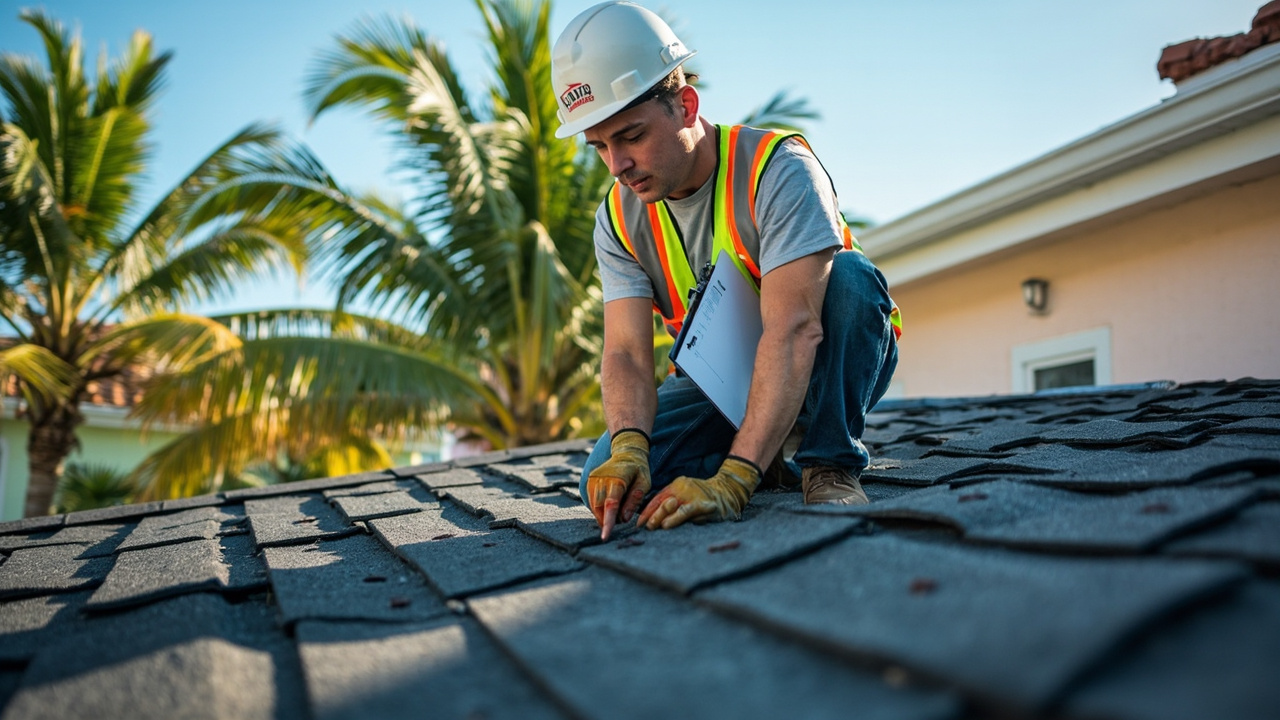
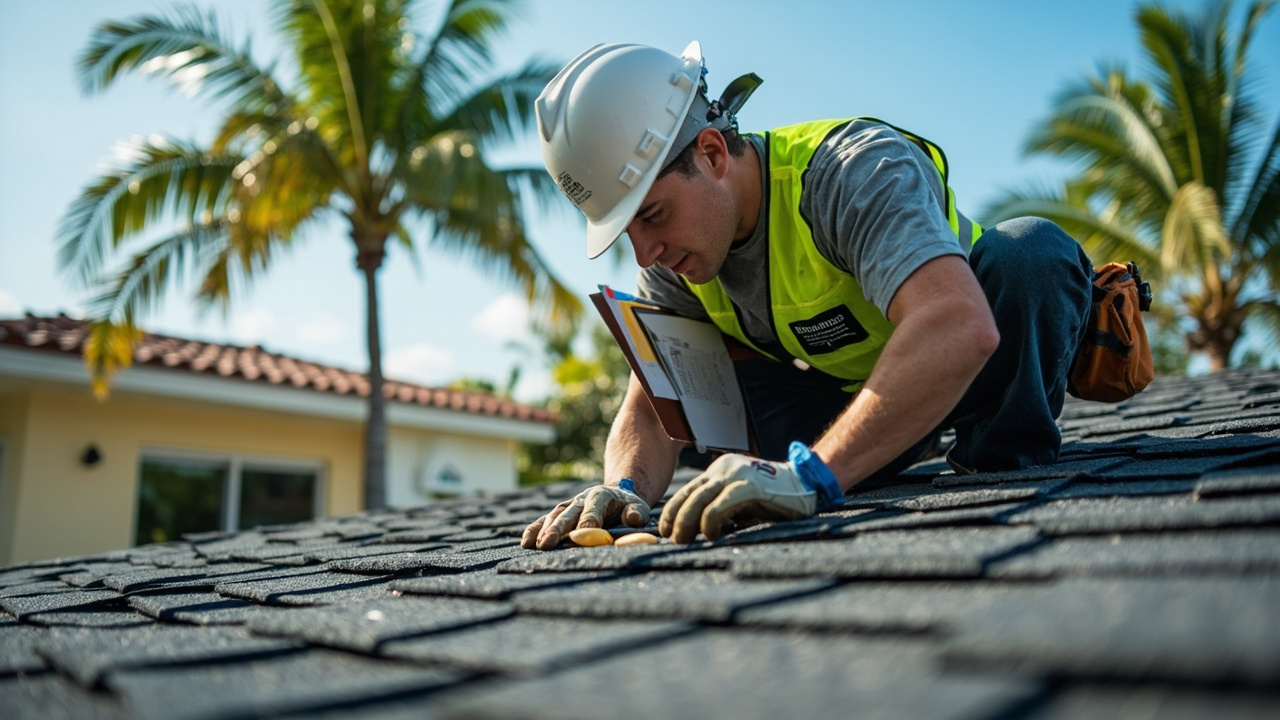
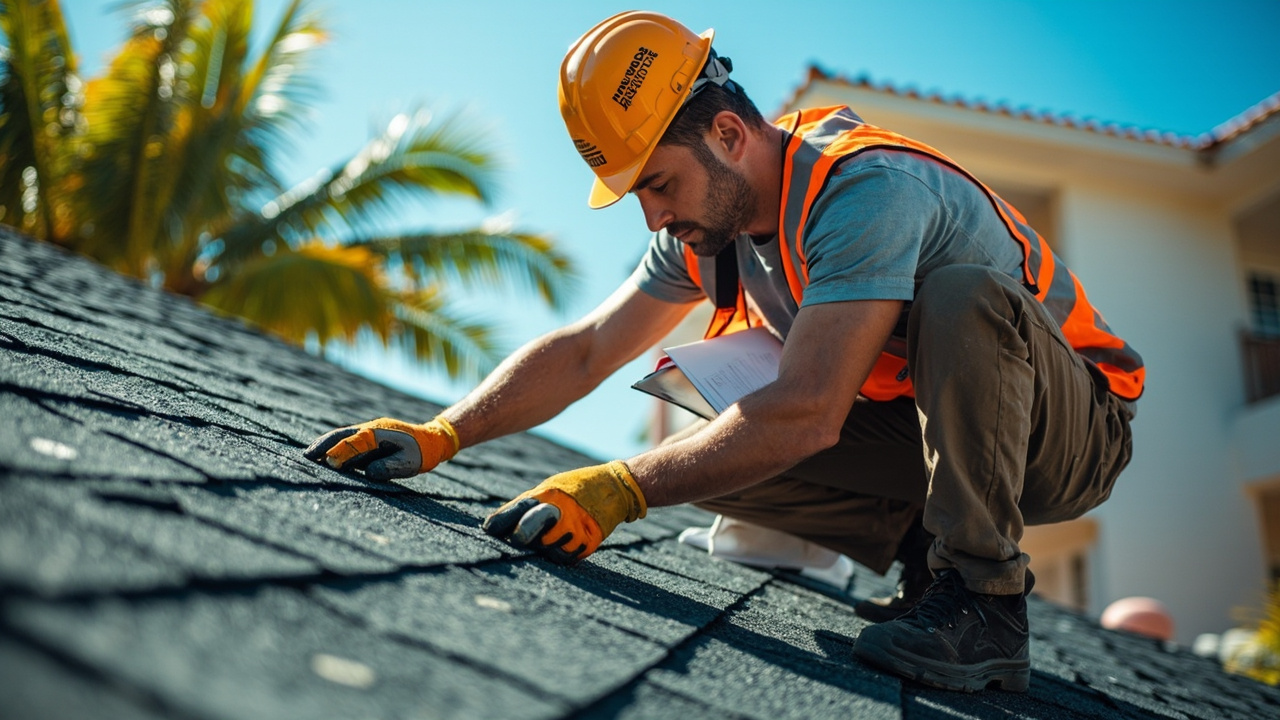
Miami sits in a unique weather pattern where severe thunderstorms can produce hail from March through October, right in the middle of hurricane season. A roof weakened by hail in May becomes a catastrophic failure point when a Category 3 storm pushes 120 mph winds across compromised shingles in September. The fractured asphalt mat and displaced granules create lift points where wind gets underneath the shingle tabs. What starts as hidden hail damage becomes full roof blow-off during a hurricane. That's why emergency roof hail inspection isn't optional in South Florida. It's preventive maintenance before the next major storm tests your roof's integrity. Insurance companies know this timeline, which is why they scrutinize claims filed after hurricanes to determine if damage was pre-existing hail impact versus storm wind. Early documentation protects you from that fight.
Miami-Dade and Broward counties enforce the strictest building codes in the continental United States because of hurricane exposure. Any roof repair or replacement must meet Florida Building Code High Velocity Hurricane Zone requirements and pass inspection by county building departments that don't accept shortcuts. When you hire Ironwood Roofing Miami for hail impact assessment, you're working with inspectors who understand these local compliance requirements and document damage in ways that support code-compliant repairs. We know which products are Miami-Dade NOA approved, which installation methods meet wind uplift requirements, and how to navigate the permit process that confuses out-of-state contractors who flood Miami after major storms. Local expertise isn't a nice-to-have when your home's structural integrity and insurance coverage depend on getting the assessment right the first time.