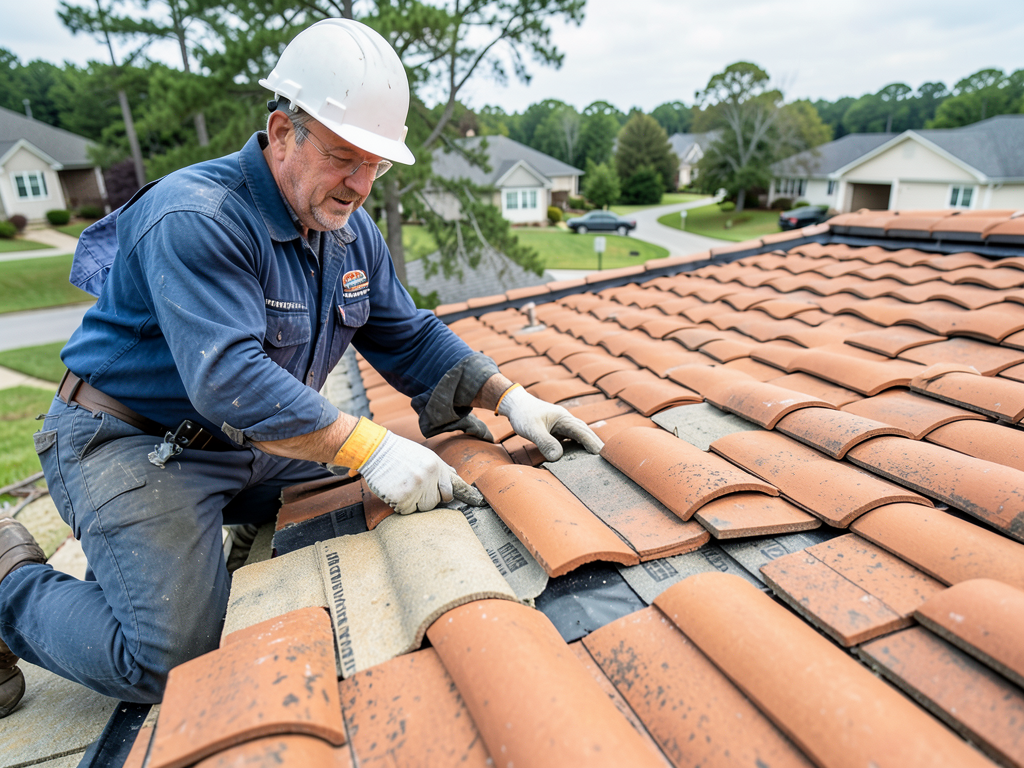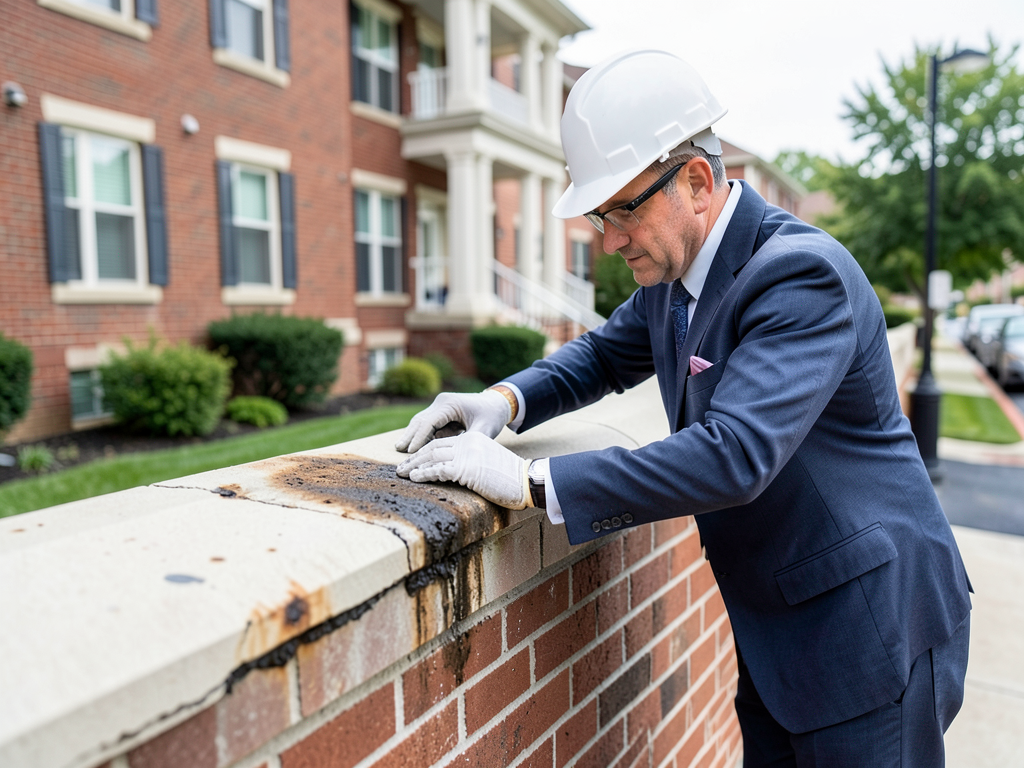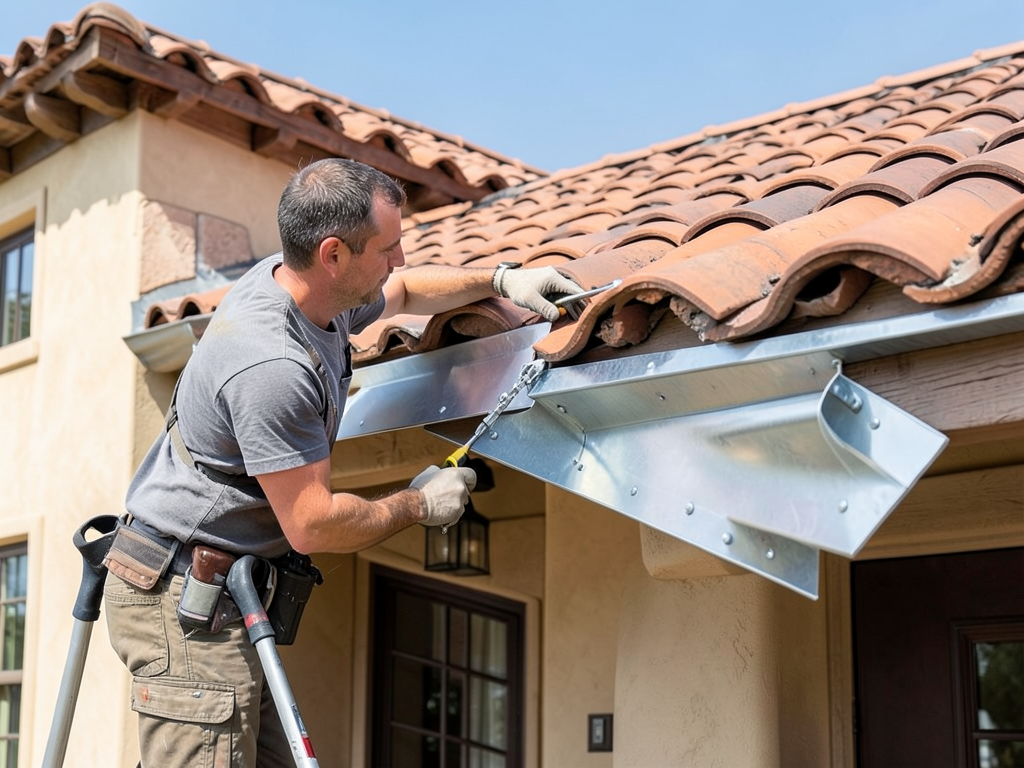


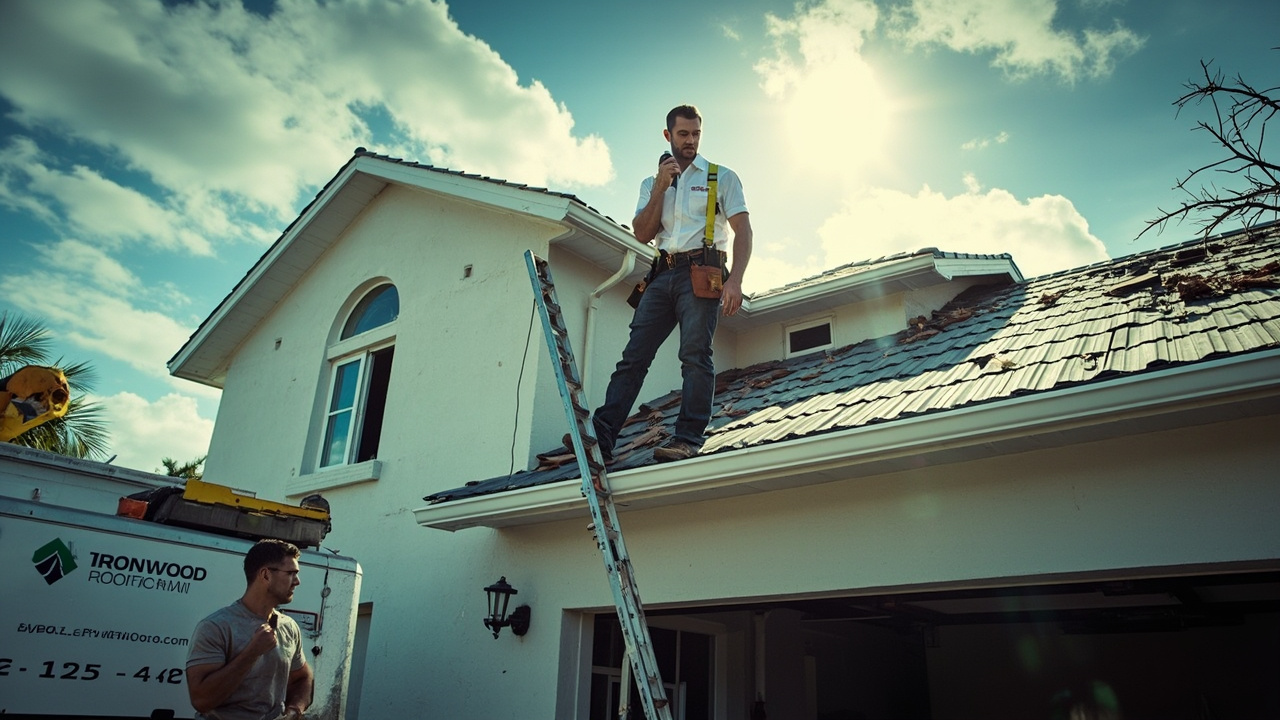
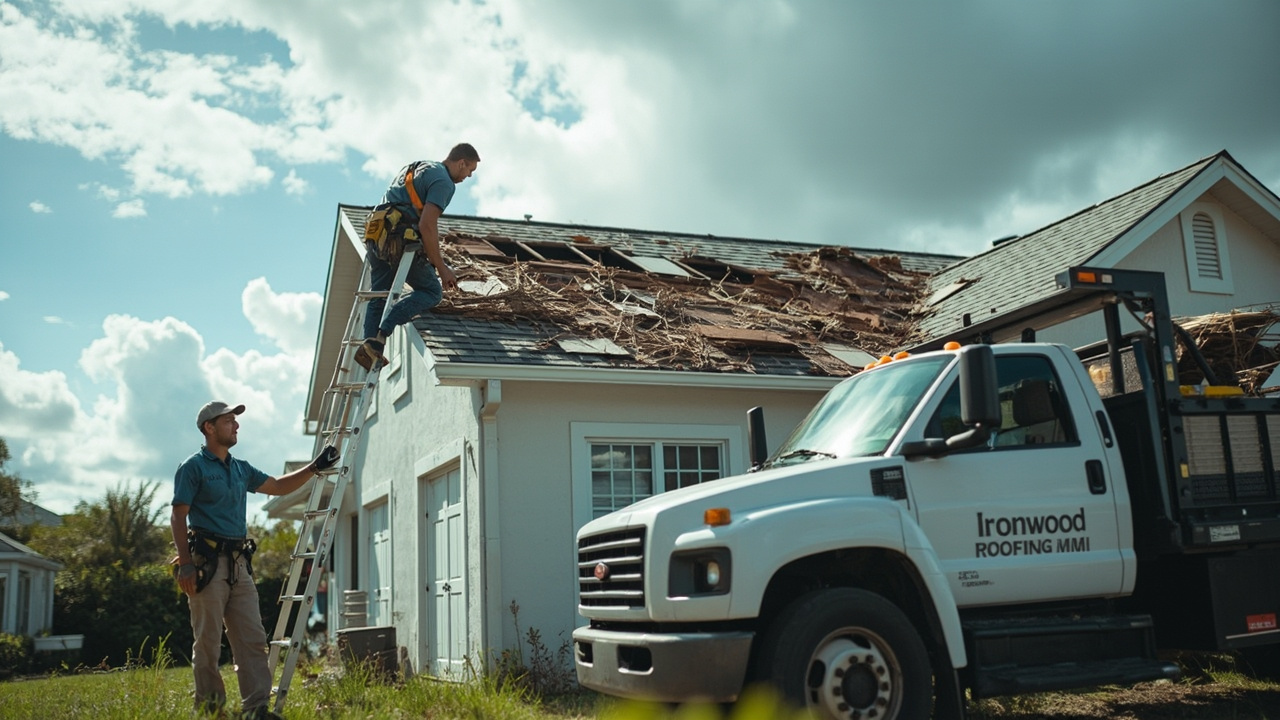
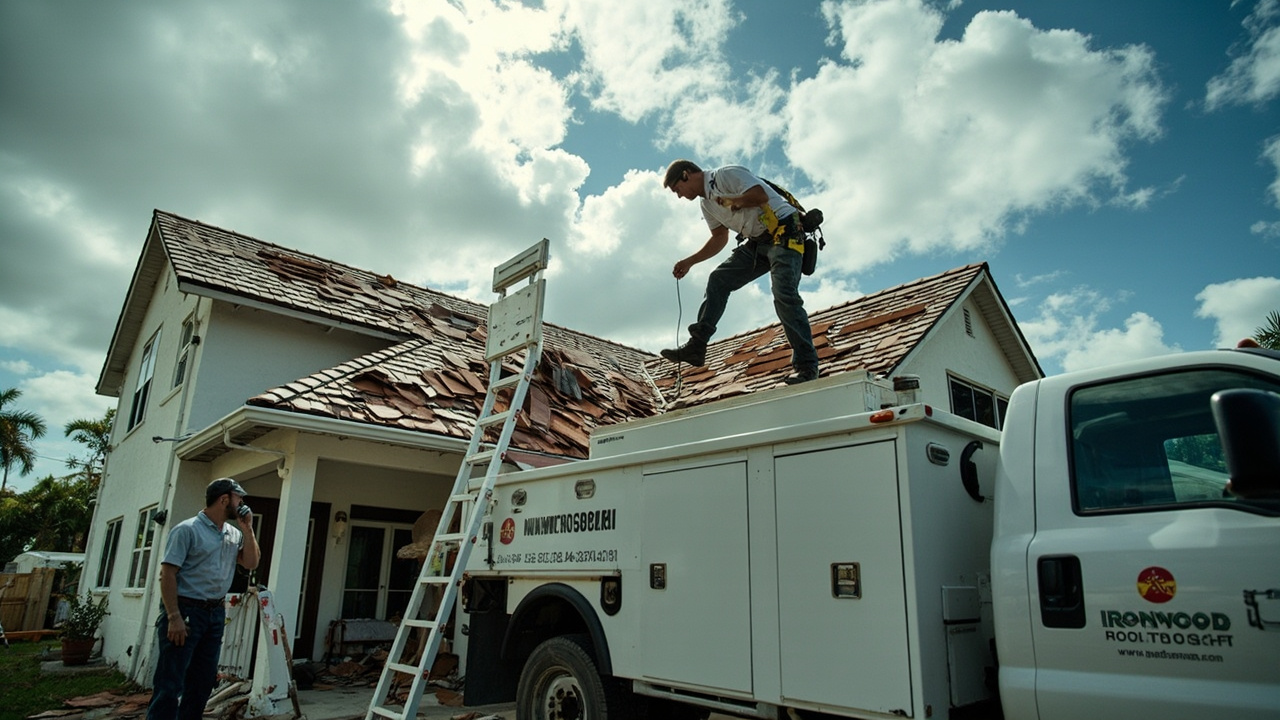
Miami faces direct hurricane threats from June through November, with peak storm activity in September and October. When a Category 3 hurricane makes landfall, wind speeds exceed 110 mph and sustained gusts can strip an entire roof in minutes. The combination of extreme wind uplift and horizontal rain drives water through the smallest gaps in flashing, ridge caps, and valley liners. Homes near Biscayne Bay and the Atlantic coastline face additional exposure from wind-driven spray and debris. Storm damage roof repair is not optional after a major weather event. It is the difference between a contained insurance claim and total structural failure. Emergency roofing contractors who understand Miami's wind load requirements and High Velocity Hurricane Zone installation standards deliver repairs that hold until permanent restoration is complete.
Miami-Dade County enforces the strictest building codes in the continental United States. Roof repairs must use products listed in the county's Notice of Acceptance database and installed according to manufacturer specifications for High Velocity Hurricane Zones. Generic repair methods fail inspection and create liability issues for homeowners. Ironwood Roofing Miami maintains current knowledge of local code requirements, permit processes, and insurance documentation standards. We work with the same building inspectors, insurance adjusters, and engineering firms year after year. When you need emergency roof repair or roof storm damage restoration, choosing a contractor with established local credibility protects your claim and ensures code-compliant work.