

North Miami sits in one of the most punishing roofing environments in America. Salt air from Biscayne Bay corrodes metal flashing and deteriorates shingles faster than inland areas. Homes in Sans Souci Estates and Keystone Islands face constant moisture from humid tropical air, creating perfect conditions for algae growth and wood rot under tiles. Hurricane season brings winds that rip off shingles and tear flashing loose. Afternoon thunderstorms dump inches of rain in minutes, testing every weak point in your roof system.
The flat and low-slope roofs common in North Miami create drainage challenges. Standing water after storms leads to membrane degradation and leak formation. Add intense UV radiation that bakes asphalt shingles year-round, and you understand why roofs here fail faster than anywhere else in Florida. Building codes require wind ratings of 140 mph or higher, but older homes in neighborhoods near Arch Creek often have roofs installed before current standards. These roofs need specialized inspection and reinforcement to survive the next big storm.
Roofing companies come and go after every hurricane, but Ironwood Roofing Miami stays because we live here. We've repaired roofs across North Miami through multiple storm seasons, learning exactly how coastal weather attacks different roof types. When you call us, you get contractors who've worked on homes just like yours in your neighborhood. We know which materials hold up to salt air, which ventilation systems prevent moisture buildup, and how to install flashing that won't blow off in 120 mph winds.
Our trucks carry emergency tarping materials and leak repair supplies because we respond to calls within hours, not days. Insurance companies know our documentation meets their requirements because we've worked thousands of claims in Miami-Dade County. We photograph damage from multiple angles, provide detailed estimates that match adjuster expectations, and communicate directly with your carrier to speed up approval. You don't wait weeks wondering if repairs are covered.
Every roof we repair gets inspected for code compliance. We identify problems before they become emergencies. Our crews are Florida-licensed, background-checked, and trained on current Miami-Dade building standards. We pull permits for major repairs and coordinate inspections so your roof meets legal requirements. When we finish, you get documentation proving the work was done right. That matters when you sell or file future claims.

Our crews respond to North Miami roof emergencies 24/7, arriving with tarps and temporary leak solutions within hours of your call. We stop water damage immediately while planning permanent repairs. You get a real person on the phone, not a voicemail system, because roof leaks don't wait for business hours.

We document storm damage and file insurance claims daily across Miami-Dade County. Our estimates match carrier requirements, our photos prove damage extent, and we communicate directly with adjusters to expedite approval. You get repairs covered without fighting your insurance company alone.
Every repair meets current Florida Building Code and Miami-Dade wind rating requirements. We pull permits, coordinate inspections, and provide documentation proving your roof is legally compliant. This protects your insurance coverage and property value when you need it most.
We've repaired roofs in every North Miami neighborhood from Biscayne Gardens to Keystone Islands. We know which roof types are common in your area, how they fail, and which materials survive coastal weather. This local experience means faster diagnosis and repairs that last.
Ironwood Roofing Miami handles every type of roof damage and repair need across North Miami. Our crews work on residential and commercial properties, repairing everything from minor leak patches to complete roof restoration after major storms. We specialize in the roof types common to this area including flat TPO and EPDM membranes, Spanish tile systems, architectural shingles, and metal roofing.
Our service range covers emergency leak repair when water is actively entering your building, scheduled maintenance to prevent future problems, and major restoration work after hurricanes or severe weather events. We work with all roofing materials and understand how each performs in Florida's coastal climate. Whether you need immediate roof patching to stop a leak or complete roof damage repair after storm impact, our roofing repair specialists assess the situation and recommend solutions that fit your timeline and budget. We coordinate with insurance carriers for covered repairs and provide detailed estimates for out-of-pocket work.
Water coming through your ceiling requires immediate action. Our emergency crews respond day or night with tarping materials, leak detection equipment, and temporary repair solutions. We locate the entry point, stop active water intrusion, and assess damage extent. You get same-day service that prevents further interior damage while we plan permanent repairs. We handle roof leak repair from missing shingles, torn membranes, damaged flashing, and storm impact. Emergency tarping protects your property until weather allows proper fixes.
Hurricane and wind damage requires proper documentation for insurance approval. Our roofing repair contractors photograph all damage, measure affected areas, and prepare detailed estimates that match carrier requirements. We communicate directly with adjusters, provide supplemental documentation when needed, and ensure you receive full coverage for approved repairs. This includes wind-damaged shingles, torn-off tiles, punctured membranes, and structural damage from fallen debris. We handle roof damage repair from assessment through final inspection.
Regular maintenance prevents expensive emergency repairs. Our roof patching services address minor problems before they become major leaks. We inspect flashing, check membrane seams, clear drainage systems, and identify weak points in your roof system. Small repairs like replacing cracked tiles, sealing penetrations, and fixing loose shingles extend roof life and prevent water damage. Annual inspections catch problems early when fixes are simple and affordable rather than waiting for catastrophic failure.
North Miami's coastal location and tropical climate create specific roofing challenges that differ from inland Florida areas. Salt air accelerates corrosion of metal components. High humidity promotes algae and mold growth on shingles and tiles. Intense UV radiation degrades asphalt and rubber roofing materials faster than moderate climates. Hurricane-force winds test every fastener and flashing detail. These environmental factors combine to reduce roof lifespan and create recurring maintenance needs.
Homes near Biscayne Bay face the worst salt air exposure, leading to premature flashing failure and fastener corrosion. Older neighborhoods often have roofs installed before current wind standards, making them vulnerable to blow-offs during tropical storms. Flat roofs common in commercial buildings struggle with drainage after heavy rain, leading to ponding water and membrane leaks. Understanding these location-specific problems helps homeowners recognize when professional inspection is needed before minor issues become expensive disasters.
Tropical storms and hurricanes tear shingles loose, even when winds don't reach hurricane strength. Improperly installed or aged roofs lose shingles during routine summer thunderstorms. Each missing shingle exposes underlayment to rain and UV damage. Water enters through nail holes and deteriorates roof decking. Wind-damaged areas spread quickly as adjacent shingles lose holding strength.
Metal flashing around chimneys, vents, and roof valleys corrodes rapidly in salt air. Sealants dry out and crack under constant UV exposure. Water enters at flashing joints during heavy rain, running down walls and creating interior ceiling stains. Failed flashing is the most common leak source in North Miami homes, often mistaken for roof surface problems.
Low-slope and flat roofs collect standing water after storms due to inadequate drainage or sagging deck structure. Ponding water breaks down TPO and EPDM membranes, creating leak points at seams and penetrations. UV exposure accelerates membrane degradation in ponded areas. Commercial buildings and modern homes with flat sections require regular drainage inspection and membrane maintenance.
Spanish and concrete tiles shift during high winds, especially on older roofs with degraded fasteners. Displaced tiles expose underlayment to direct sun and rain. Once underlayment fails, leaks develop rapidly. Tile roofs require periodic inspection to identify loose or cracked tiles before weather events. Walking on tile roofs without proper technique causes additional breakage and damage.
Roofing emergencies create stress and uncertainty. You need to know what happens next, how long repairs take, and what the process involves. Ironwood Roofing Miami follows a clear service protocol that keeps you informed from first call through final inspection. We answer phones directly, arrive when promised, and communicate every step of the repair process.
Our goal is stopping damage immediately and completing permanent repairs as quickly as weather and material availability allow. You talk to the same project coordinator throughout the job, not a different person each time you call. We provide written estimates before starting work, explain insurance claim procedures if applicable, and schedule repairs around your availability. Emergency situations get priority response, but we maintain the same quality standards whether we're tarping a leak at midnight or replacing a full roof section during normal business hours.
When you call about a roof leak or storm damage, we dispatch a crew immediately if water is actively entering your home. Emergency response includes temporary tarping, leak source identification, and interior damage assessment. We photograph all damage for insurance purposes and provide a verbal assessment of repair needs. You get a written estimate within 24 hours detailing permanent repair costs and timeline. If insurance covers the damage, we explain the claim process and provide documentation your carrier needs.
You receive updates at every project stage. We confirm crew arrival times the day before scheduled work. If weather delays repairs, you get notification immediately with revised scheduling. We explain what we find during tear-off if hidden damage appears. Material orders are tracked and you're informed when supplies arrive. Insurance claim status updates come as we communicate with your adjuster. No surprises, no waiting days for return calls.
Every completed repair gets photographed showing finished work and any replaced components. You receive copies of permits and inspection approvals for major repairs. We walk you through the completed work, explaining what was done and how to maintain it. Warranty documentation is provided in writing. If insurance covered repairs, you get copies of all claim correspondence and final settlement documentation for your records.
We've streamlined roof repair into three clear phases that minimize disruption and maximize quality. This process works for emergency repairs and scheduled maintenance alike.
Our licensed contractor inspects your roof from surface to attic, identifying all damage and potential problem areas. We photograph issues, measure affected areas, and check code compliance of existing installation. You receive a detailed written estimate explaining required repairs, material options, and timeline. For insurance claims, we provide documentation formatted for carrier submission. Emergency situations get temporary protection immediately while we plan permanent fixes.
Crews arrive on schedule with all materials and equipment needed for your specific repair. We protect landscaping and property around work areas. Damaged sections are removed carefully to prevent additional harm. New materials are installed following manufacturer specifications and Florida Building Code requirements. All flashing is sealed properly, fasteners meet wind rating standards, and waterproofing is tested before completion. Work areas are cleaned daily.
Completed repairs are inspected by our quality control supervisor before we call it finished. Required building inspections are scheduled and passed. We walk you through the completed work, explaining what was done and providing maintenance recommendations. You receive written warranty documentation covering materials and labor. All job site debris is removed and your property is left clean. Final payment is due only after you're satisfied with completed work.
North Miami falls under Miami-Dade County building jurisdiction, which maintains some of the strictest roofing codes in the United States. These regulations exist because hurricane damage analysis proved that properly installed roofs survive extreme winds while substandard work fails catastrophically. The Florida Building Code requires all roofing materials to meet High Velocity Hurricane Zone standards, meaning products must pass testing at wind speeds of 140 mph or higher with impact resistance from windborne debris.
Roof installations require permits for any work exceeding 100 square feet or structural repairs affecting load-bearing components. Permits trigger inspections at multiple stages including underlayment installation and final completion. Inspectors verify that fastener patterns meet manufacturer specifications, flashing is installed correctly, and ventilation meets code minimums. Many homeowners discover their existing roof doesn't meet current standards during repair work. Grandfathering protects existing installations, but any significant repair triggers requirement to bring affected sections up to current code.
Insurance companies increasingly require proof of code-compliant installation to maintain coverage in coastal areas. Homes with roofs installed before 2002 often lack proper secondary water barriers and may use fastening patterns inadequate for current wind ratings. Re-roofing provides opportunity to upgrade wind resistance and improve insurance rates through fortified roof certifications. These certifications require sealed roof decks, enhanced attachment at ridges and edges, and impact-resistant covering materials.
Material selection matters critically in salt air environments. Galvanized flashing corrodes within years near the coast. Stainless steel or coated aluminum provides necessary corrosion resistance. Asphalt shingles require algae-resistant formulations to prevent unsightly black streaks common in humid climates. Tile installations need corrosion-resistant fasteners and proper underlayment rated for high-temperature exposure under tiles. Flat roof membranes must be mechanically attached or fully adhered, as ballasted systems don't meet wind uplift requirements in High Velocity Hurricane Zones.
Miami-Dade County requires roofing products to pass testing for 140 mph wind speeds with large and small missile impact simulation. This testing verifies that shingles, tiles, or membranes stay attached during hurricanes and resist penetration from windborne debris. Products must carry Notice of Acceptance from Miami-Dade Building Code Compliance Office. Installation must follow tested fastener patterns exactly or wind rating is invalidated.
Roof repair costs depend on damage extent, material type, roof accessibility, and code compliance requirements. Simple shingle replacement costs less than tile work requiring custom color matching. Flat roof membrane repairs vary based on substrate condition and whether tear-off is needed. Hidden damage discovered during repairs affects final cost. Insurance deductibles and coverage limits determine out-of-pocket expense for storm damage claims.
Emergency tarping happens same-day or next-day depending on call time. Permanent repairs require material ordering, which takes 3-7 days for standard products. Custom tile colors or specialty materials may require weeks. Weather delays are common during summer rainy season. Permit approval adds 2-5 business days before work starts. Complex repairs requiring structural work take longer than simple surface fixes. Insurance claim approval can delay start dates.
Miami-Dade County requires permits for roof repairs exceeding 100 square feet, any structural work, or complete re-roofs. Permits cost vary based on project value and require licensed contractor application. Inspections occur at underlayment stage and final completion. Failed inspections delay project completion until deficiencies are corrected. Permit records become part of property history, affecting future sales and insurance underwriting.
This video explains common roofing problems affecting North Miami homes including wind damage, flashing deterioration, and flat roof failures. Ironwood Roofing Miami discusses how salt air and hurricanes impact different roof types, what Florida Building Code requires for repairs, and when homeowners should call for professional roof inspection. The video covers roof leak repair, emergency response procedures, and insurance claim documentation for storm damage across North Miami neighborhoods.
Ironwood Roofing Miami provides complete roofing services throughout North Miami and surrounding communities. Our crews work daily in neighborhoods from Biscayne Gardens to the eastern waterfront along Biscayne Bay. We've repaired roofs in Sans Souci Estates where Mediterranean-style homes feature barrel tile roofs requiring specialized repair techniques. The Keystone Islands community presents unique challenges with older flat-roof homes needing membrane restoration and improved drainage systems.
West of Biscayne Boulevard, homes in Arch Creek and Griffing Park areas often have older shingle roofs installed before current wind standards were implemented. These neighborhoods require careful assessment to determine if repairs should include wind resistance upgrades. Moving east toward the water, properties along Biscayne Bay face the harshest salt air exposure in the region. Metal flashing corrodes faster here, and tile fasteners require stainless steel to prevent premature failure. We stock marine-grade materials specifically for these waterfront properties.
The commercial corridor along NE 6th Avenue includes flat-roof buildings requiring different expertise than residential work. These structures need regular membrane inspection and drainage maintenance to prevent catastrophic interior damage during heavy rain events. North Miami's proximity to I-95 and the Palmetto Expressway makes our service area accessible across the greater Miami metro region. We regularly serve customers in adjacent Aventura, North Miami Beach, and parts of unincorporated Miami-Dade County.
Roofing needs vary significantly across North Miami's diverse housing stock. Mid-century homes in established neighborhoods use different materials and construction methods than new construction in developing areas. We adapt our approach based on your specific roof type, age, and location-specific environmental exposure. Whether you're dealing with hurricane damage in a waterfront condo or need maintenance on a historic home near Griffing Park, our experience across all North Miami neighborhoods means we understand your roof's specific vulnerabilities and repair requirements.
Roof replacement pricing in North Miami FL depends on your home's size, roofing material choice, and roof complexity. A standard asphalt shingle roof typically runs less than metal or tile options. Your total investment includes tear-off, new materials, underlayment, and labor. Most North Miami homes range from 1,500 to 3,000 square feet. Get three written estimates from local contractors. Ask about financing options if needed. Remember that hurricane-rated materials meeting Miami-Dade County requirements add value and protection to your home.
Metal roofing and concrete tiles perform best during hurricanes in North Miami. Metal roofs resist wind uplift and shed rain quickly. Concrete and clay tiles withstand high winds when properly installed with hurricane straps. Asphalt shingles work well if rated for 130 mph winds or higher. All materials must meet Miami-Dade County Product Control approval. Look for impact-resistant ratings. Your roof needs proper installation with upgraded fastening systems. Standing seam metal roofs offer superior wind resistance. Choose materials approved for High Velocity Hurricane Zones.
Roof lifespan in North Miami depends on your material choice and maintenance habits. Asphalt shingles last 15-20 years in humid conditions. Metal roofs endure 40-50 years. Concrete tiles reach 50 years or more. North Miami's heat, humidity, and salt air shorten roof life compared to other regions. UV exposure breaks down materials faster. Regular inspections and cleaning extend your roof's life. Remove algae and debris promptly. Trim overhanging branches. Schedule annual professional inspections to catch problems early.
Roof replacement pricing in North Miami FL depends on your home's size, roofing material choice, and roof complexity. A standard asphalt shingle roof typically runs less than metal or tile options. Your total investment includes tear-off, new materials, underlayment, and labor. Most North Miami homes range from 1,500 to 3,000 square feet. Get three written estimates from local contractors. Ask about financing options if needed. Remember that hurricane-rated materials meeting Miami-Dade County requirements add value and protection to your home.
Metal roofing and concrete tiles perform best during hurricanes in North Miami. Metal roofs resist wind uplift and shed rain quickly. Concrete and clay tiles withstand high winds when properly installed with hurricane straps. Asphalt shingles work well if rated for 130 mph winds or higher. All materials must meet Miami-Dade County Product Control approval. Look for impact-resistant ratings. Your roof needs proper installation with upgraded fastening systems. Standing seam metal roofs offer superior wind resistance. Choose materials approved for High Velocity Hurricane Zones.
Roof lifespan in North Miami depends on your material choice and maintenance habits. Asphalt shingles last 15-20 years in humid conditions. Metal roofs endure 40-50 years. Concrete tiles reach 50 years or more. North Miami's heat, humidity, and salt air shorten roof life compared to other regions. UV exposure breaks down materials faster. Regular inspections and cleaning extend your roof's life. Remove algae and debris promptly. Trim overhanging branches. Schedule annual professional inspections to catch problems early.
Yes, you need a building permit for roof replacement in North Miami FL. The city requires permits for all re-roofing projects. Your contractor typically handles permit applications and inspections. Permits ensure work meets Florida Building Code and Miami-Dade County requirements. Inspectors check underlayment, fastening patterns, and flashing details. Permit fees vary by project size. Working without permits risks fines and complications when selling your home. Permits protect you by ensuring proper installation. Most contractors include permit costs in their estimates.
Document hurricane damage immediately with photos and videos. Contact your insurance company within 24-48 hours to start your claim. Request an adjuster inspection. Get a professional roof inspection from a local contractor for a detailed damage report. Keep all repair receipts and communication records. Your policy covers wind and rain damage from named storms. Review your coverage limits and deductibles. Temporary repairs preventing further damage are typically reimbursable. Work with your contractor to provide the adjuster with accurate repair estimates.
Watch for missing, cracked, or curling shingles on your North Miami roof. Check for granule loss in gutters. Water stains on ceilings indicate leaks. Sagging areas suggest structural problems. Daylight visible through roof boards needs immediate attention. Excessive moss or algae growth signals moisture retention. Damaged or missing flashing around vents and chimneys allows water entry. Roofs over 15 years old need professional evaluation. After hurricanes, inspect for lifted shingles or tile displacement. Address problems quickly to prevent interior damage.
Most North Miami roof replacements take 1-3 days for completion. Your timeline depends on roof size, material choice, and weather conditions. A standard 2,000 square-foot asphalt shingle roof takes one to two days. Tile and metal installations require additional time. Unexpected damage to decking adds 1-2 days. Rain delays work temporarily. Large or complex roofs need longer. Your contractor provides a specific timeline estimate. Plan for noise and activity during work hours. Most crews work from sunrise to avoid afternoon heat.
Emergency roof repair services in North Miami operate 24/7 for urgent situations. Storm damage, fallen trees, and sudden leaks qualify as emergencies. Contractors provide temporary tarping and basic repairs at night to prevent water intrusion. Full repairs wait for daylight and better working conditions. Keep emergency roofing numbers saved before hurricane season. Response times vary during major storms when demand peaks. Emergency services prevent further damage until permanent repairs happen. Your homeowner's insurance often covers emergency mitigation. Document all emergency work with photos.
Winter months from November through April offer the best roof replacement conditions in North Miami. Lower humidity and minimal rain reduce installation delays. Temperatures stay comfortable for workers and proper material adhesion. Avoid summer's intense heat, daily thunderstorms, and hurricane season from June through November. Spring provides good conditions before summer rains begin. Schedule projects well ahead during peak season. Contractors book quickly in winter. Emergency replacements happen year-round when needed. Weather delays are always possible in South Florida.
Check online reviews on Google and Better Business Bureau for North Miami roofing contractors. Verify they hold proper Florida state certification. Ask for local references from recent projects. Get three detailed written estimates comparing materials and scope. Confirm they pull permits and schedule inspections. Ask about their experience with your specific roofing material. Review their insurance coverage documentation. Choose contractors familiar with Miami-Dade County building codes. Avoid door-to-door solicitors after storms. Select companies with established local reputations and physical addresses.
Yes, you need a building permit for roof replacement in North Miami FL. The city requires permits for all re-roofing projects. Your contractor typically handles permit applications and inspections. Permits ensure work meets Florida Building Code and Miami-Dade County requirements. Inspectors check underlayment, fastening patterns, and flashing details. Permit fees vary by project size. Working without permits risks fines and complications when selling your home. Permits protect you by ensuring proper installation. Most contractors include permit costs in their estimates.
Document hurricane damage immediately with photos and videos. Contact your insurance company within 24-48 hours to start your claim. Request an adjuster inspection. Get a professional roof inspection from a local contractor for a detailed damage report. Keep all repair receipts and communication records. Your policy covers wind and rain damage from named storms. Review your coverage limits and deductibles. Temporary repairs preventing further damage are typically reimbursable. Work with your contractor to provide the adjuster with accurate repair estimates.
Watch for missing, cracked, or curling shingles on your North Miami roof. Check for granule loss in gutters. Water stains on ceilings indicate leaks. Sagging areas suggest structural problems. Daylight visible through roof boards needs immediate attention. Excessive moss or algae growth signals moisture retention. Damaged or missing flashing around vents and chimneys allows water entry. Roofs over 15 years old need professional evaluation. After hurricanes, inspect for lifted shingles or tile displacement. Address problems quickly to prevent interior damage.
Most North Miami roof replacements take 1-3 days for completion. Your timeline depends on roof size, material choice, and weather conditions. A standard 2,000 square-foot asphalt shingle roof takes one to two days. Tile and metal installations require additional time. Unexpected damage to decking adds 1-2 days. Rain delays work temporarily. Large or complex roofs need longer. Your contractor provides a specific timeline estimate. Plan for noise and activity during work hours. Most crews work from sunrise to avoid afternoon heat.
Emergency roof repair services in North Miami operate 24/7 for urgent situations. Storm damage, fallen trees, and sudden leaks qualify as emergencies. Contractors provide temporary tarping and basic repairs at night to prevent water intrusion. Full repairs wait for daylight and better working conditions. Keep emergency roofing numbers saved before hurricane season. Response times vary during major storms when demand peaks. Emergency services prevent further damage until permanent repairs happen. Your homeowner's insurance often covers emergency mitigation. Document all emergency work with photos.
Winter months from November through April offer the best roof replacement conditions in North Miami. Lower humidity and minimal rain reduce installation delays. Temperatures stay comfortable for workers and proper material adhesion. Avoid summer's intense heat, daily thunderstorms, and hurricane season from June through November. Spring provides good conditions before summer rains begin. Schedule projects well ahead during peak season. Contractors book quickly in winter. Emergency replacements happen year-round when needed. Weather delays are always possible in South Florida.
Check online reviews on Google and Better Business Bureau for North Miami roofing contractors. Verify they hold proper Florida state certification. Ask for local references from recent projects. Get three detailed written estimates comparing materials and scope. Confirm they pull permits and schedule inspections. Ask about their experience with your specific roofing material. Review their insurance coverage documentation. Choose contractors familiar with Miami-Dade County building codes. Avoid door-to-door solicitors after storms. Select companies with established local reputations and physical addresses.
Ironwood Roofing Miami is proud to service the entire Miami-Dade County area, including South Beach, Coral Gables, Doral, and beyond. We are a local company deeply familiar with the region, allowing us to respond quickly to your emergency needs and schedule non-urgent services with efficient turnaround. View our location on the map to see where our trusted professionals operate and invite us to your neighborhood for the area's most reliable roofing expertise.
Address:
North Miami, FL, 33168
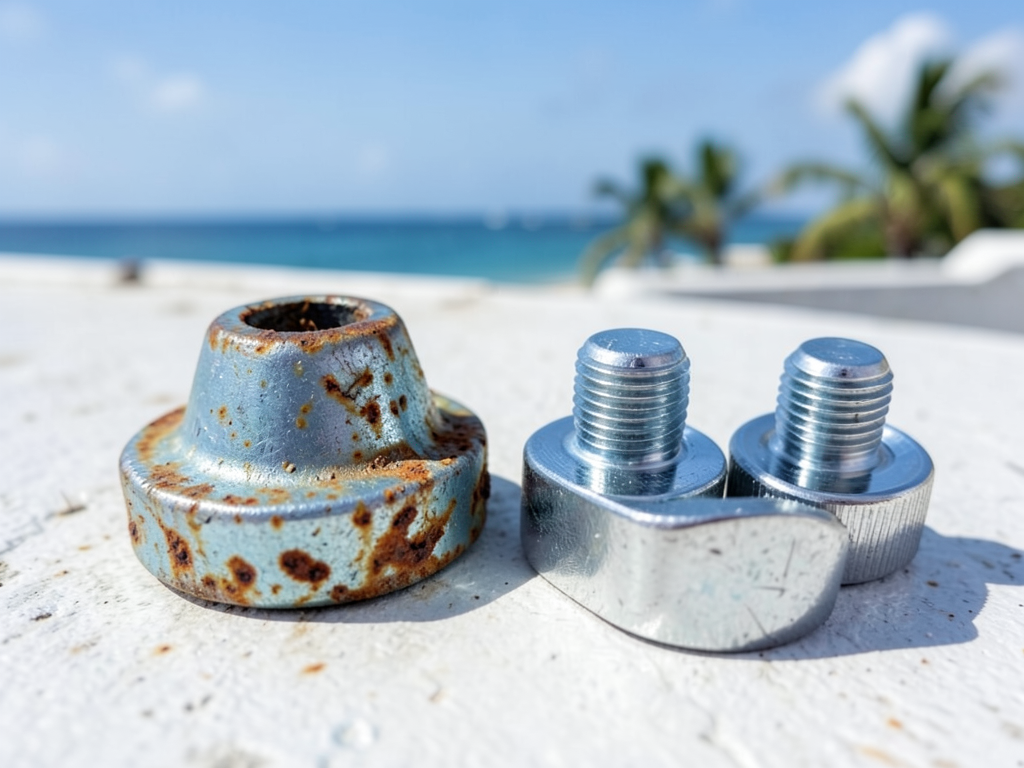
Living in Gables by the Sea means your roof faces relentless salt spray from Biscayne Bay every single day. Standard galvanized fasteners start corroding within three years and fail completely by year five. That's when…
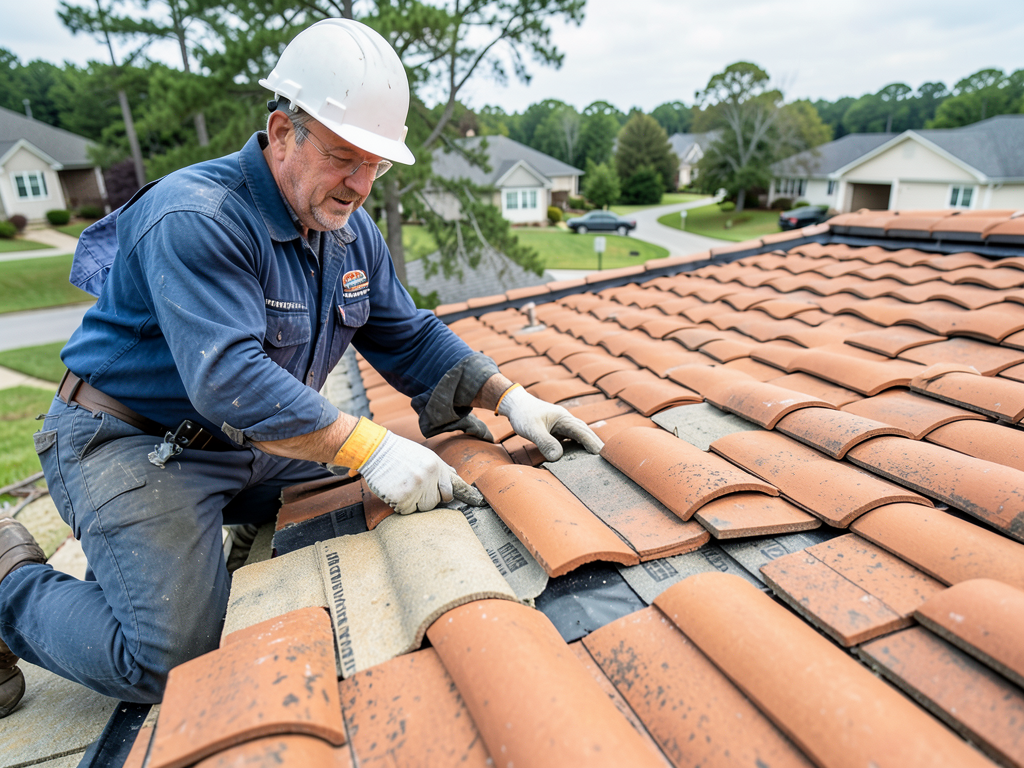
The Real Cost Difference Between Concrete and Clay Tiles for Hammock Lakes Homes Choosing between…
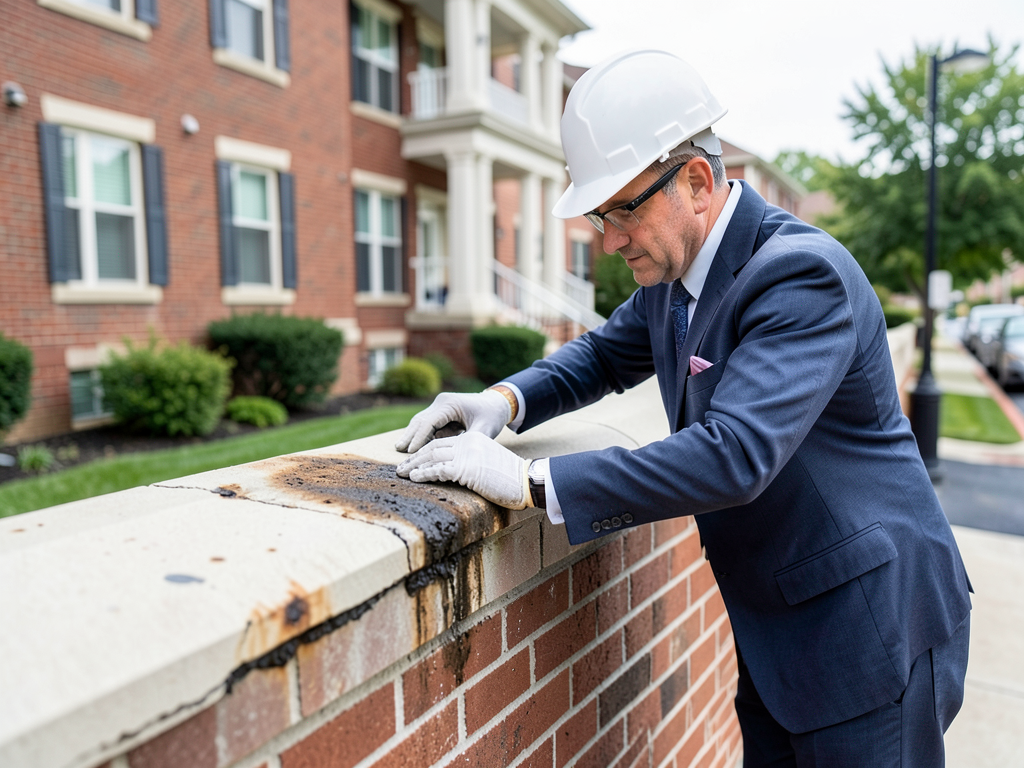
Managing Parapet Wall Leaks and Cap Flashing Issues for Brickell Townhomes Parapet walls create a…
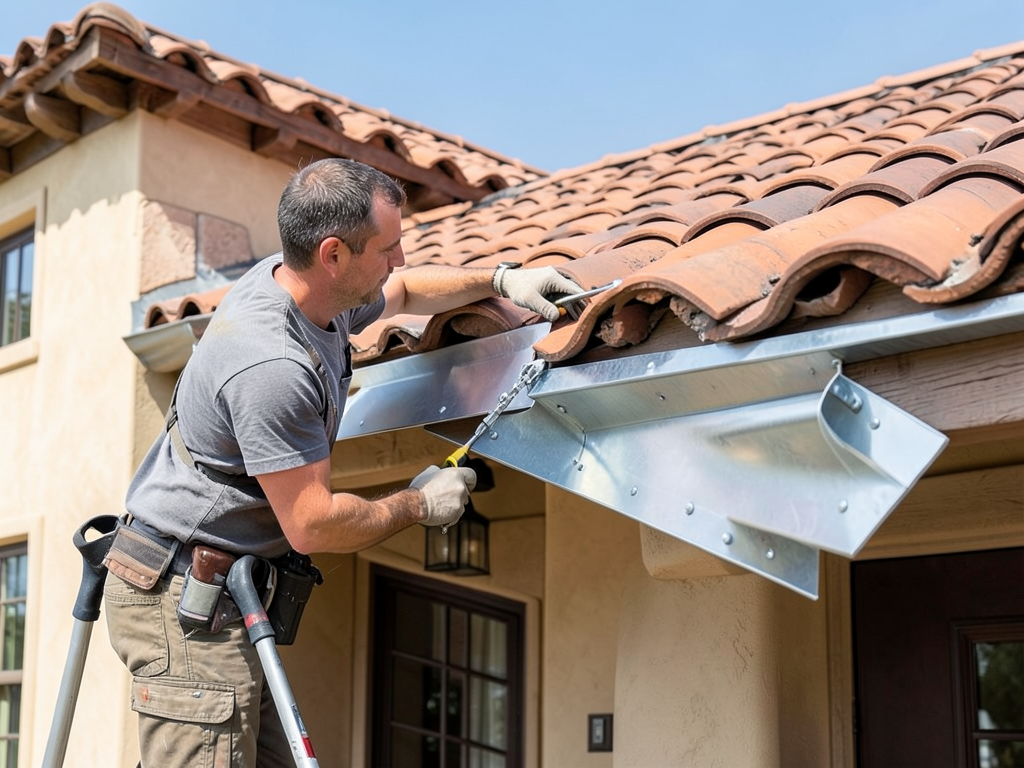
Why Your Ponce Davis Home Needs Heavy Duty Drip Edges to Prevent Wood Rot The…
Don't wait for a small leak to become major water damage. Call Ironwood Roofing Miami at (645) 231-4888 right now for emergency response or schedule a free roof inspection. We're ready to protect your home.