Upgrading Your Attic Insulation While Replacing Your Roof in Gladeview for Maximum Efficiency
When you replace your roof in Gladeview, you’re already exposing the attic space. That’s the perfect window to upgrade your insulation before the new roof deck goes down. Most homeowners miss this opportunity, but combining these projects can cut your cooling costs by 20-30% and prevent moisture damage that costs thousands later. Why Homeowners in Coral Gables Choose Professional Tile Roof Installation.
Gladeview homes face unique challenges. The subtropical heat means your attic can reach 140°F on summer afternoons. Poor insulation lets that heat radiate into your living space, forcing your AC to run constantly. During hurricane season, compromised insulation can trap moisture against your roof deck, creating the perfect environment for rot and mold. Protecting Your Home with Hurricane Rated Roofing Systems in Miami.
The Department of Energy recommends R-30 to R-49 insulation for Miami’s Climate Zone 1. Many Gladeview homes built before 2010 have R-13 or less. That’s like leaving a window open year-round. Upgrading now while your roof is exposed can save you $400-600 annually on FPL bills. Department of Energy insulation guidelines.
Call (645) 231-4888 today to schedule your inspection. We’ll show you exactly what’s in your attic and how much you can save.
Why Miami Homes Require Specialized Attic Insulation
Miami’s heat isn’t just hot—it’s relentless. The stack effect works differently here than in northern climates. Instead of warm air rising and escaping through the roof, hot air from your attic radiates downward into your cooled living space. Your AC then works overtime to compensate.. Read more about Red Flags to Watch for in a Miami Roofing Contract Before You Sign Anything.
Gladeview’s older homes often have fiberglass batts that have settled over decades. These create gaps where heat sneaks through. The moisture from our afternoon thunderstorms can cause these batts to compress further, reducing their R-value by up to 40%.
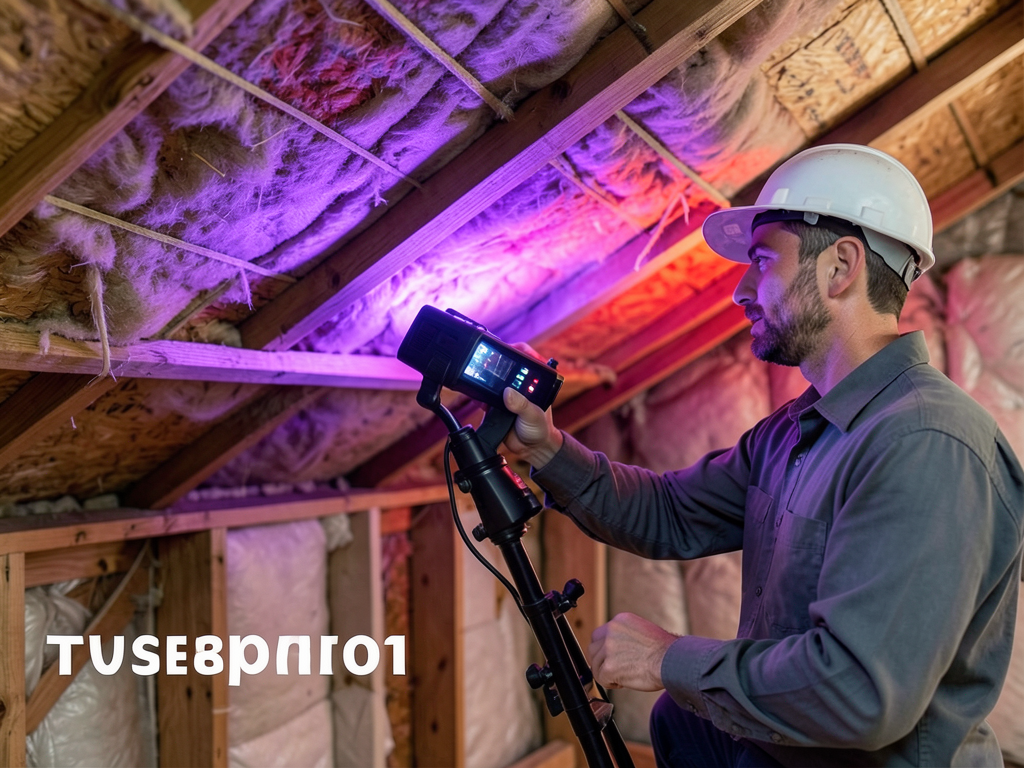
During a roof replacement, we use thermal imaging to show you exactly where your current insulation fails. You’ll see purple and red spots on the scan—those are heat leaks. Most homeowners are shocked to see how much heat their attic loses through the roof.
Florida Building Code Section 5 requires minimum R-values for new construction. When replacing your roof, upgrading to meet current standards isn’t just smart—it’s often required for permit approval.. Read more about The Minimum Roof Life You Need Before Installing Solar Panels in South Miami.
Recommended R-Value for South Florida Homes
The Department of Energy specifies R-30 to R-49 for Miami’s Climate Zone 1. But what does that mean for your Gladeview home?
R-value measures resistance to heat flow. The higher the number, the better the insulation. R-30 typically means about 10-12 inches of blown-in fiberglass. R-49 requires 15-18 inches.
Here’s what most Gladeview homeowners don’t know: the age of your home determines your starting point. Homes built before 1980 often have R-11 or less. Those from the 1980s-1990s might have R-19. Anything built after 2010 should meet current codes.
Climate Zone 1 homes need higher R-values than northern states because we battle heat gain year-round, not just in summer. Your AC runs 9-10 months annually, making insulation critical for energy savings.
Table 1: R-Value Recommendations by Home Age
| Construction Era | Typical Existing R-Value | Recommended Upgrade | Estimated Cost |
|---|---|---|---|
| Pre-1980 | R-11 or less | R-38-R-49 | $2,200-3,800 |
| 1980-1999 | R-19 | R-30-R-38 | $1,800-2,800 |
| 2000-2010 | R-30 | R-38 | $1,500-2,200 |
| 2010-Present | R-30-R-38 | R-38-R-49 | $1,200-2,000 |
Types of Insulation for Miami Roofs
Not all insulation performs equally in Miami’s climate. The wrong choice can trap moisture, grow mold, or degrade quickly under UV exposure.
Blown-in fiberglass remains the most popular choice for Gladeview homes. It’s cost-effective at $0.50-1.00 per square foot and resists moisture better than cellulose. The loose-fill nature fills gaps around pipes and wiring perfectly.
Spray foam insulation offers superior performance but costs $1.50-3.00 per square foot. Open-cell spray foam provides R-3.5 per inch and allows some moisture vapor transmission. Closed-cell spray foam delivers R-6.5 per inch and adds structural rigidity to your roof deck.
Radiant barriers work differently. Instead of slowing heat transfer, they reflect radiant heat away from your attic. Installed under the roof deck, they can reduce attic temperatures by 20-30°F. Cost runs $0.15-0.30 per square foot.
Table 2: Insulation Performance Comparison
| Material | R-Value per Inch | Moisture Resistance | Cost per Sq Ft | Best Use in Miami |
|---|---|---|---|---|
| Blown-in Fiberglass | R-2.2-2.7 | Excellent | $0.50-1.00 | Standard upgrades |
| Open-cell Spray Foam | R-3.5 | Good | $1.50-2.50 | Energy retrofits |
| Closed-cell Spray Foam | R-6.5 | Excellent | $2.00-3.00 | Storm protection |
| Radiant Barrier | N/A | Excellent | $0.15-0.30 | Heat reduction |
During roof replacement, we often combine materials. A radiant barrier under the new roof deck plus blown-in fiberglass in the attic creates a two-layer defense system.
The Intersection of Roofing and Insulation
Here’s something most insulation contractors don’t tell you: your roof’s ventilation system directly impacts your insulation’s performance. Poor ventilation traps heat and moisture, making even the best insulation struggle.
Gladeview homes typically need soffit vents, ridge vents, or gable vents working together. Soffit vents allow cool air intake at the eaves. Ridge vents let hot air escape at the peak. This continuous airflow keeps your attic closer to ambient temperature.
When we replace your roof, we inspect your current ventilation. Many Gladeview homes have blocked soffit vents from insulation installed incorrectly years ago. Others lack sufficient ridge venting for their attic volume.
The building code requires 1 square foot of net free ventilation area per 150 square feet of attic space. That’s about 1 vent every 300 square feet of roof area.
Closed-cell spray foam changes the equation. Because it creates an air seal, you might not need as much ventilation. But this requires careful calculation—trapped moisture can still cause problems.
We use moisture meters to test your roof deck before and after installation. If readings show elevated moisture, we address ventilation first. No amount of insulation fixes a ventilation problem.
FPL Rebates and Energy Savings
Florida Power & Light offers rebates that can cut your insulation upgrade cost by 30-50%. Most Gladeview homeowners don’t know these programs exist.
The FPL Attic Insulation Rebate pays $0.10-0.20 per square foot for qualifying upgrades. To qualify, you need a pre-inspection by an FPL-approved contractor. Your new insulation must meet minimum R-value requirements for your home’s age. FPL energy efficiency rebates.
Table 3: FPL Rebate Calculator
| Attic Size | Insulation Cost | Rebate Amount | Net Cost | Annual Energy Savings |
|---|---|---|---|---|
| 1,500 sq ft | $1,800 | $225 | $1,575 | $300-450 |
| 2,000 sq ft | $2,400 | $300 | $2,100 | $400-600 |
| 2,500 sq ft | $3,000 | $375 | $2,625 | $500-750 |
| 3,000 sq ft | $3,600 | $450 | $3,150 | $600-900 |
Beyond FPL, federal tax credits can provide additional savings. The Energy Efficient Home Improvement Credit offers 30% of costs up to $1,200 for qualifying insulation. These credits apply when you file your taxes the following year.
Most Gladeview homeowners see ROI in 2-4 years. The exact payback depends on your AC usage, current insulation levels, and electricity rates. Homes with elderly residents or medical equipment often see faster payback due to higher baseline usage.
We provide detailed energy savings projections before starting any work. These aren’t estimates—they’re based on your actual FPL billing history and our thermal imaging data.
Mold Prevention in Miami’s Humid Climate
Miami’s humidity creates a perfect storm for attic mold. When warm, moist air meets cool surfaces, condensation forms. Add organic material like wood framing, and mold grows within 24-48 hours.
Many Gladeview homes have bathroom fans venting directly into the attic instead of outside. This dumps warm, moist air right where you don’t want it. During roof replacement, we seal these vents and route them properly.
Closed-cell spray foam acts as both insulation and moisture barrier. It’s impermeable to water vapor, preventing condensation from forming on your roof deck. This can be crucial for homes near water bodies where humidity stays above 80%.. Read more about Preventing Hidden Mold Growth Under the Roof Decking of Your Homestead House.
But spray foam isn’t always the answer. If your roof deck already shows signs of moisture damage, adding a vapor barrier can trap existing moisture, making problems worse.. Read more about The Hidden Damage Raccoons and Squirrels Can Do to Your Attic and Roofline in Coral Gables.
We use moisture meters that read up to 3/4 inch deep in wood. Readings above 20% indicate active moisture problems. Before any insulation upgrade, we address these issues first.
Radiant barriers can also help with moisture control. By reducing attic temperatures, they minimize the temperature differential that causes condensation. Plus, they’re perforated to allow some vapor transmission.
During installation, we install baffles at the eaves to maintain ventilation channels. These prevent insulation from blocking soffit vents while still providing maximum R-value.
Preparing for Hurricane Season
Gladeview homeowners know hurricane season is serious business. What most don’t realize is that your insulation choice can affect your roof’s storm resistance.
Closed-cell spray foam adds structural rigidity to your roof deck. It bonds the underside of the sheathing to the rafters, creating a unified structure that resists uplift forces. This can mean the difference between your roof staying intact or failing during a Category 3 storm.
Florida Building Code requires enhanced uplift resistance in High-Velocity Hurricane Zones. Spray foam can help meet these requirements without additional hardware in some cases.
But there’s a trade-off. Closed-cell foam is more expensive and harder to remove if you need future repairs. It also requires professional installation—DIY kits often fail in our humid climate. Professional Flat Roof Repair Services for Brickell Business Owners.
Traditional insulation doesn’t provide structural benefits but offers easier access for future inspections. If you’re planning to stay in your home long-term, this accessibility might matter more than marginal energy savings.
We recommend discussing your specific needs with our team. If you’ve experienced roof damage in past storms, the added protection of spray foam might justify the cost. If your roof is relatively new and well-secured, blown-in fiberglass could be the better choice.
The Installation Process
Upgrading insulation during roof replacement follows a specific sequence. Doing it right ensures maximum performance and prevents future problems.
Step 1: Remove old roofing materials and inspect the deck. We check for rot, moisture damage, and ventilation issues. The Best Metal Roofing Options for Homes in Key Biscayne.
Step 2: Install any necessary repairs to the roof deck. This might include replacing damaged plywood or adding blocking for proper ventilation.
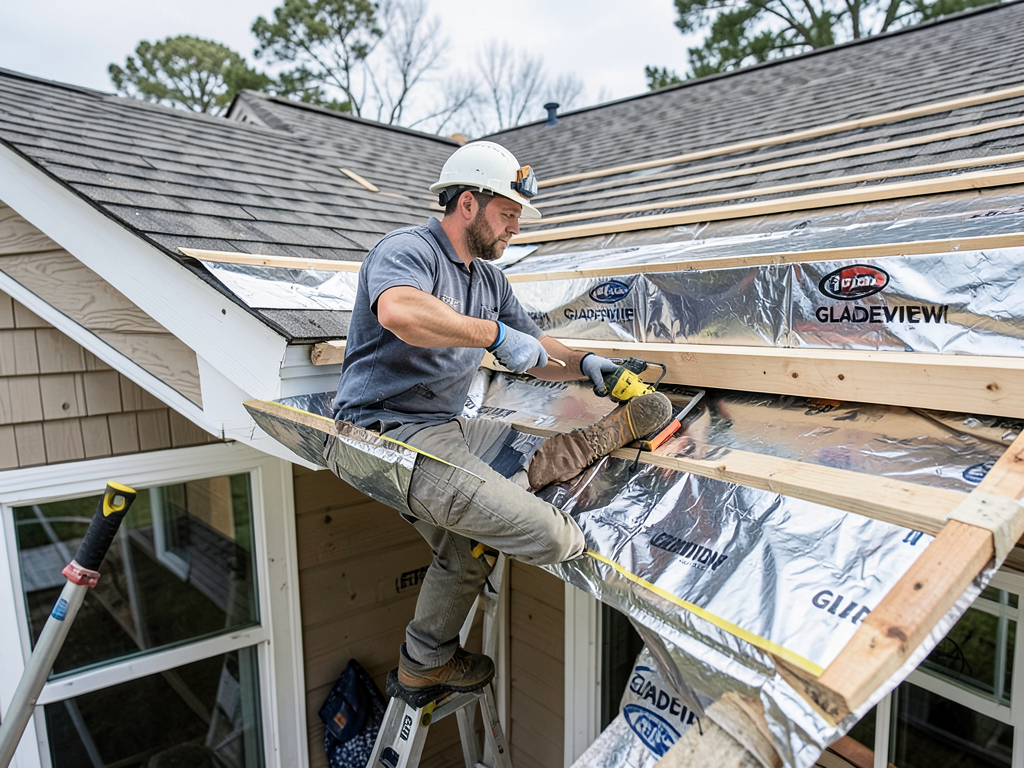
Step 3: Install radiant barrier if chosen. This goes directly under the new roof deck before installation.
Step 4: Replace the roof. Once the new roof is secure, we move to the attic.
Step 5: Install baffles at eaves to maintain ventilation channels. These cardboard or plastic chutes ensure air can flow from soffit vents to the attic space.
Step 6: Add new insulation. For blown-in materials, we use specialized equipment to achieve even coverage at the correct depth.
Step 7: Final inspection. We verify R-values using depth measurements and check for any gaps or compression.
The entire process typically adds 1-2 days to a standard roof replacement. But those days can save you thousands in energy costs over the next decade.
We provide before-and-after thermal imaging so you can see the difference. Most homeowners are amazed at how much cooler their attic stays after the upgrade.
Cost Factors to Consider
Several factors affect your insulation upgrade cost beyond just square footage.
Attic accessibility impacts labor costs. Homes with tight access hatches or finished ceilings below require more time and specialized equipment. Expect to pay 15-25% more for difficult access.
Existing insulation removal adds cost if needed. Old, wet, or moldy insulation must be removed before new installation. This can add $0.50-1.00 per square foot.
Roof pitch affects safety equipment needs. Steeper roofs require harnesses, scaffolding, or lift equipment. This overhead gets factored into your total cost.
Material choice drives the biggest price differences. Blown-in fiberglass might cost $1,000-1,500 for a 1,500 square foot attic. Closed-cell spray foam for the same space could run $3,000-4,500.
Permits and inspections add $150-300 in most Miami-Dade County jurisdictions. Some FPL rebates require additional inspections, which we coordinate for you.
We provide detailed, line-item quotes so you understand exactly what you’re paying for. No hidden fees, no surprise charges.
Call (645) 231-4888 today to schedule your inspection. We’ll show you exactly what’s in your attic and how much you can save.
Frequently Asked Questions
How long does insulation last in Miami’s climate?
Most insulation lasts 20-30 years in Miami, but performance degrades faster due to humidity. Fiberglass can settle 20-30% over a decade. Spray foam maintains its R-value longer but can yellow from UV exposure if attic lights aren’t properly shielded.
Can I install insulation myself to save money?
DIY insulation installation often leads to problems. Uneven coverage creates hot and cold spots. Compression reduces R-value. Worse, improper installation can block ventilation or create moisture traps. Professional installation includes thermal imaging to verify coverage and building code compliance inspections.
Will new insulation make my house too airtight?
Insulation and air sealing are different. Insulation slows heat transfer but doesn’t block air movement. Your home still needs controlled ventilation through HVAC systems, bathroom fans, and kitchen vents. We ensure proper air exchange while maximizing energy efficiency.
What’s the best time of year for this project?
Roof replacement and insulation upgrades can happen year-round in Miami. However, scheduling during our slightly cooler months (December-February) can be easier and sometimes cheaper. Avoid scheduling during active hurricane warnings or immediately after major storms when contractors are busiest.
How do I know if I need more insulation?
Signs include high energy bills, uneven temperatures between rooms, attic temperatures much higher than outside, ice dams on north-facing sections, and snow melting quickly from your roof while neighbors’ roofs stay white. A thermal imaging scan provides definitive answers.
Does insulation help with noise reduction?
Yes. Quality attic insulation reduces noise from rain, wind, and outdoor activities by 5-15 decibels. This can make a noticeable difference in bedrooms directly under the roof. Spray foam provides better sound dampening than fiberglass due to its density.
Will upgrading insulation affect my roof warranty?
Proper insulation installation won’t void your roof warranty. In fact, better attic ventilation and temperature control can extend your roof’s life by reducing thermal cycling stress. We coordinate with roofing manufacturers to ensure all work meets warranty requirements. Roofing Cutler Bay.
Ready to start saving money and improving your home’s comfort? Call (645) 231-4888 today to schedule your inspection. We’ll show you exactly what’s in your attic and how much you can save.
{
“@context”: “https://schema.org”,
“@type”: “BlogPosting”,
“headline”: “Upgrading Your Attic Insulation While Replacing Your Roof in Gladeview for Maximum Efficiency”,
“description”: “Discover how combining attic insulation upgrades with roof replacement in Gladeview can cut cooling costs by 20-30% and prevent mold growth in Miami’s humid climate.”,
“wordCount”: 2351,
“datePublished”: “2026-05-07T13:35:00.000Z”,
“dateModified”: “2026-05-07T13:35:00.000Z”,
“inLanguage”: “en-US”,
“mainEntityOfPage”: {
“@type”: “WebPage”,
“@id”: “https://ironwoodroofingmiami.com”
},
“publisher”: {
“@type”: “LocalBusiness”,
“name”: “Ironwood Roofing Miami”,
“url”: “https://ironwoodroofingmiami.com”
},
“author”: {
“@type”: “Organization”,
“name”: “Ironwood Roofing Miami”,
“url”: “https://ironwoodroofingmiami.com”
},
“image”: {
“@type”: “ImageObject”,
“url”: “https://ironwoodroofingmiami.com/wp-content/uploads/2026/03/upgrading-your-attic-insulation-while-replacing-yo-1.png”
}
}
{
“@context”: “https://schema.org”,
“@type”: “RoofingContractor”,
“name”: “Ironwood Roofing Miami”,
“url”: “https://ironwoodroofingmiami.com”,
“address”: {
“@type”: “PostalAddress”,
“addressLocality”: “Miami”
},
“areaServed”: {
“@type”: “City”,
“name”: “Miami”
}
}
{
“@context”: “https://schema.org”,
“@type”: “FAQPage”,
“mainEntity”: [
{
“@type”: “Question”,
“name”: “How long does insulation last in Miami’s climate?”,
“acceptedAnswer”: {
“@type”: “Answer”,
“text”: “Most insulation lasts 20-30 years in Miami, but performance degrades faster due to humidity. Fiberglass can settle 20-30% over a decade. Spray foam maintains its R-value longer but can yellow from UV exposure if attic lights aren’t properly shielded.”
}
},
{
“@type”: “Question”,
“name”: “Can I install insulation myself to save money?”,
“acceptedAnswer”: {
“@type”: “Answer”,
“text”: “DIY insulation installation often leads to problems. Uneven coverage creates hot and cold spots. Compression reduces R-value. Worse, improper installation can block ventilation or create moisture traps. Professional installation includes thermal imaging to verify coverage and building code compliance inspections.”
}
},
{
“@type”: “Question”,
“name”: “Will new insulation make my house too airtight?”,
“acceptedAnswer”: {
“@type”: “Answer”,
“text”: “Insulation and air sealing are different. Insulation slows heat transfer but doesn’t block air movement. Your home still needs controlled ventilation through HVAC systems, bathroom fans, and kitchen vents. We ensure proper air exchange while maximizing energy efficiency.”
}
},
{
“@type”: “Question”,
“name”: “What’s the best time of year for this project?”,
“acceptedAnswer”: {
“@type”: “Answer”,
“text”: “Roof replacement and insulation upgrades can happen year-round in Miami. However, scheduling during our slightly cooler months (December-February) can be easier and sometimes cheaper. Avoid scheduling during active hurricane warnings or immediately after major storms when contractors are busiest.”
}
},
{
“@type”: “Question”,
“name”: “How do I know if I need more insulation?”,
“acceptedAnswer”: {
“@type”: “Answer”,
“text”: “Signs include high energy bills, uneven temperatures between rooms, attic temperatures much higher than outside, ice dams on north-facing sections, and snow melting quickly from your roof while neighbors’ roofs stay white. A thermal imaging scan provides definitive answers.”
}
},
{
“@type”: “Question”,
“name”: “Will upgrading insulation affect my roof warranty?”,
“acceptedAnswer”: {
“@type”: “Answer”,
“text”: “Proper insulation installation won’t void your roof warranty. In fact, better attic ventilation and temperature control can extend your roof’s life by reducing thermal cycling stress. We coordinate with roofing manufacturers to ensure all work meets warranty requirements. Roofing Cutler Bay.”
}
}
]
}
{
“@context”: “https://schema.org”,
“@type”: “BreadcrumbList”,
“itemListElement”: [
{
“@type”: “ListItem”,
“position”: 1,
“name”: “Home”,
“item”: “https://ironwoodroofingmiami.com”
},
{
“@type”: “ListItem”,
“position”: 2,
“name”: “Blog”,
“item”: “https://ironwoodroofingmiami.com/blog”
},
{
“@type”: “ListItem”,
“position”: 3,
“name”: “Upgrading Your Attic Insulation While Replacing Your Roof in Gladeview for Maximum Efficiency”
}
]
}
{
“@context”: “https://schema.org”,
“@type”: “Service”,
“serviceType”: “Roofing”,
“provider”: {
“@type”: “LocalBusiness”,
“name”: “Ironwood Roofing Miami”,
“url”: “https://ironwoodroofingmiami.com”
},
“areaServed”: {
“@type”: “City”,
“name”: “Miami”
},
“description”: “Discover how combining attic insulation upgrades with roof replacement in Gladeview can cut cooling costs by 20-30% and prevent mold growth in Miami’s humid climate.”
}