Preventing Hidden Mold Growth Under the Roof Decking of Your Homestead House
Homestead’s humid subtropical climate creates the perfect conditions for mold to grow silently under your roof decking. The combination of heavy afternoon thunderstorms, high humidity levels above 85%, and salt air from nearby Biscayne Bay means moisture can penetrate your attic space within hours of a rain event. When warm air meets the cooler underside of your roof deck, condensation forms. That trapped moisture becomes a breeding ground for black mold and wood rot that can compromise your home’s structural integrity before you ever see visible signs on your ceiling.. Read more about Why Tropical Storms Cause More Roof Leaks in Miami Than Actual Hurricanes.
The first warning sign is often a musty odor in your attic or upper rooms. By the time you notice water stains on your ceiling, the damage underneath may already be extensive. Mold colonies can spread across plywood decking in as little as 24-48 hours in Homestead’s climate. The key to prevention is understanding how moisture enters and creating barriers that stop it before it reaches your roof structure.. Read more about Why Solar Powered Attic Fans Are the Best Cooling Upgrade for Hialeah Homes.
How Homestead’s Climate Creates Mold Problems
Homestead sits in USDA Plant Hardiness Zone 10b, where annual rainfall averages 58 inches and humidity rarely drops below 70%. This tropical savanna climate means your roof faces constant moisture stress. During summer months, afternoon thunderstorms dump several inches of rain in under an hour. The intense heat (often above 90°F) creates thermal expansion in roofing materials, creating tiny gaps where water can seep through. The Best Metal Roofing Options for Homes in Key Biscayne.
The South Dade Soil and Water Conservation District reports that Homestead’s limestone bedrock sits just 2-4 feet below the surface in many areas. This shallow water table means groundwater can rise during heavy rains, increasing moisture vapor pressure against your home’s foundation and walls. That vapor travels upward through your home’s structure, eventually reaching your attic space where it meets the cold underside of your roof decking.. Read more about How to Tell if Your Roof Decking Is Rotting Without Removing the Tiles.
Another factor specific to Homestead is the agricultural heritage of the area. Many homes sit on former farmland where soil composition includes high organic matter content. This material breaks down over time, releasing moisture vapor that can penetrate through concrete block walls and into attic spaces. The Homestead Extension of Florida’s Turnpike (HEFT) corridor experiences microclimatic effects where heat from pavement and traffic creates localized convection currents that pull moisture through roof vents at accelerated rates. Florida Building Code requirements.
Warning Signs of Hidden Roof Deck Mold
Before you see visible mold, you’ll notice other symptoms. The most reliable early warning is a persistent musty smell in your upper rooms, especially after rain. This odor indicates active mold growth somewhere in your attic space. Another sign is increased allergy symptoms among household members – mold spores circulating through your HVAC system can trigger respiratory issues even when the colony remains hidden. Finding a Reliable Roof Repair Company in Coconut Grove.
Physical inspection reveals more clues. Press on your ceiling drywall in different areas. If certain spots feel soft or spongy, moisture has already compromised the materials above. Look for paint bubbling or discoloration on your ceiling, particularly near exterior walls. These areas often indicate where roof leaks or condensation have been occurring for months.
The screwdriver test is your most valuable diagnostic tool. Take a Phillips screwdriver and press it against the underside of your roof decking in your attic. If the wood feels soft, crumbles, or the screwdriver penetrates easily, you have wood rot that requires immediate attention. Healthy plywood should resist moderate pressure. This simple test can reveal problems months before they become visible from inside your home.
Another diagnostic method involves checking your attic ventilation. During a humid afternoon, enter your attic and hold a flashlight near your ridge vents. If you see visible moisture condensation on the underside of your roof deck or on rafters, your ventilation system isn’t removing enough moisture. This creates the perfect environment for mold colonies to establish themselves.
Building Code Requirements for Moisture Control
The Florida Building Code Section 7.3.6.1 mandates specific requirements for attic ventilation in South Florida’s High-Velocity Hurricane Zone (HVHZ). For homes in Homestead, this means your attic must have a net free ventilation area equal to at least 1/150 of the attic floor area. This requirement increases to 1/300 if your home has a vapor retarder installed on the warm side of your ceiling insulation. Protecting Your Home with Hurricane Rated Roofing Systems in Miami.
Additionally, the code requires Class A fire-rated roofing materials in Homestead due to the area’s vulnerability to wildfires during dry seasons. This impacts your choice of underlayment materials – you must use fire-resistant synthetic underlayment that also provides moisture barriers. The Miami-Dade County Notice of Acceptance (NOA) program further restricts which materials can be used, requiring all roofing products to pass stringent wind uplift and water penetration tests.
For homes built before 2010, many may not meet current ventilation standards. The code change in 2010 increased ventilation requirements by 50% for homes in the HVHZ. If your home predates this change, you may be operating with inadequate ventilation that allows moisture to accumulate in your attic space.
Secondary water barriers represent another critical code requirement. Since Hurricane Wilma in 2005, Miami-Dade County requires a self-adhering polymer-modified bitumen membrane along eaves, valleys, and around roof penetrations. This membrane prevents wind-driven rain from reaching your roof deck even if shingles are damaged or blown off during a storm.
Moisture Prevention Strategies That Actually Work
Effective moisture control requires a multi-layered approach. The first layer is proper attic ventilation. This means installing both intake vents (typically soffit vents) and exhaust vents (ridge vents or powered attic fans). The key is creating continuous airflow from the eaves to the ridge. Without proper intake, exhaust vents can actually pull conditioned air from your living space, increasing energy costs and bringing moisture into your attic.
Humidity control represents the second critical layer. In Homestead’s climate, indoor humidity should stay below 60% year-round. This requires your HVAC system to effectively remove moisture from the air. If your air conditioner is oversized, it may cool your home quickly without running long enough to remove humidity. A properly sized system runs longer cycles, removing more moisture from the air.
Roof maintenance forms the third layer of protection. This includes keeping your roof clean of debris that can trap moisture. Leaves, pine needles, and other organic material create pockets where water pools and slowly penetrates your roofing system. Regular cleaning prevents these moisture traps from forming.
The fourth layer involves proper insulation installation. In Homestead, building code requires at least R-30 insulation in attics. However, the type and installation method matter as much as the R-value. Spray foam insulation can create an effective moisture barrier, but it must be installed with proper ventilation gaps to prevent condensation on the underside of your roof deck.
Professional Inspection and Remediation Process
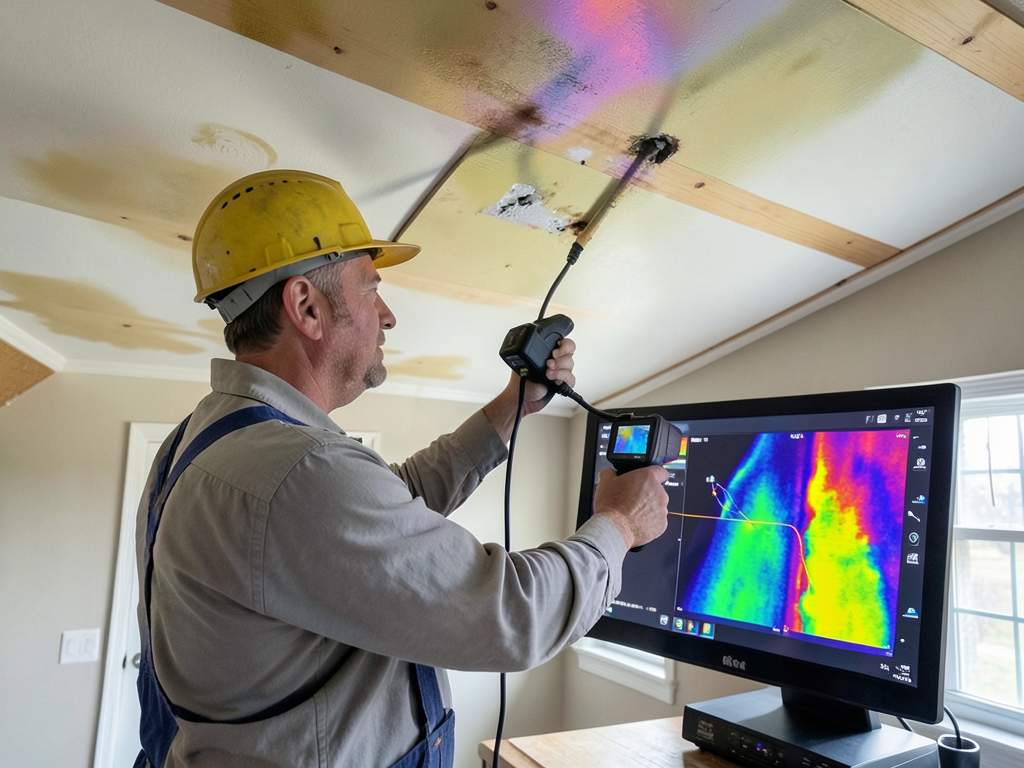
A thorough roof inspection for mold prevention involves multiple diagnostic steps. First, technicians use infrared thermal imaging cameras to detect temperature variations that indicate moisture presence. Wet areas appear cooler than dry areas, even when hidden behind drywall or under roofing materials. This technology can identify problem areas without destructive testing.
Next comes moisture meter testing. Professional-grade moisture meters can detect water content in wood and drywall to a depth of 3/4 inch. Readings above 20% moisture content in roof decking indicate active water intrusion that requires immediate attention. These meters help pinpoint exactly where moisture is entering your home. Professional Flat Roof Repair Services for Brickell Business Owners.
Air quality testing provides another diagnostic layer. Mold spore counts in your attic air can reveal active colonies even when they’re not visible. Professional testing compares indoor spore counts to outdoor baseline levels. Significantly higher indoor counts indicate active mold growth somewhere in your home’s structure.
The remediation process depends on the extent of damage. For minor issues, cleaning with EPA-registered fungicides and improving ventilation may suffice. More extensive mold colonies require removal of affected materials, treatment of surrounding areas, and installation of new moisture barriers. In severe cases, sections of roof decking may need replacement. EPA mold prevention guidelines.
Post-remediation verification ensures the problem is truly solved. This involves retesting moisture levels, air quality, and visual inspection of treated areas. Only after passing these tests should repair work proceed. Skipping this step risks covering up ongoing moisture problems that will return.
Long-Term Maintenance Schedule
Preventing mold requires ongoing attention rather than one-time fixes. Create a maintenance schedule that includes quarterly visual inspections of your attic space. Look for new water stains, check that vents remain clear, and verify that insulation hasn’t shifted or become compressed. These quick checks can catch problems while they’re still minor.
Annual professional inspections provide deeper analysis. A qualified roofing contractor should inspect your roof decking, ventilation system, and attic space every year before hurricane season. This timing allows you to address any issues before the most severe weather hits. The inspection should include moisture testing and evaluation of your roof’s overall condition.
Seasonal maintenance tasks vary by time of year. During dry winter months (December through February), check that your attic remains dry even without active rain. This reveals whether moisture problems are weather-related or stem from internal sources like plumbing leaks or HVAC issues.
Before summer thunderstorm season, clean your gutters and downspouts. Clogged drainage systems cause water to back up under shingles and into your attic. Ensure all roof penetrations (vents, chimneys, skylights) have intact flashing that directs water away from vulnerable areas.
After any major storm, inspect your attic for new water intrusion. Even if your ceiling shows no stains, wind-driven rain can penetrate through tiny gaps. Early detection prevents minor leaks from becoming major mold problems.
Choosing the Right Materials for Homestead Homes
Material selection significantly impacts your home’s moisture resistance. For roof decking, CDX plywood remains the most common choice, but Advantech or similar engineered panels offer superior moisture resistance. These panels use water-resistant adhesives and have tighter veneer layers that resist delamination when exposed to moisture.
Underlayment choices matter tremendously in Homestead’s climate. Synthetic underlayment provides better tear resistance and moisture protection than traditional felt paper. Look for products with UV resistance if your roof might be exposed during installation delays. Some synthetic underlayments include self-sealing properties around nails, creating additional moisture barriers.
Roofing material selection affects long-term moisture management. Metal roofing systems with proper ventilation create excellent moisture barriers while allowing heat to escape. The standing seam design eliminates penetrations that can become leak points. For traditional shingles, architectural shingles with algae-resistant granules help prevent the dark streaks that indicate moisture problems.
Flashing materials require special consideration in Homestead’s salt-air environment. Aluminum flashing corrodes quickly in coastal areas. Instead, use copper or stainless steel flashing around chimneys, vents, and valleys. These materials cost more initially but provide decades of reliable service without corrosion-related failures.
Attic ventilation products must withstand hurricane-force winds. Hurricane straps and proper fastening patterns keep vents secure during storms. Powered attic fans should have automatic rain sensors that shut them off during storms to prevent pulling rain into your attic through vent openings.
When to Call a Professional
Certain situations require immediate professional attention. If you notice active water dripping from your ceiling during rain, the problem needs emergency repair. Continuing to let water enter your home risks structural damage and mold growth that can spread throughout your home’s framing.. Read more about Why Your Ponce Davis Home Needs Heavy Duty Drip Edges to Prevent Wood Rot.
Visible mold growth on any surface indicates a moisture problem that requires professional assessment. Mold can cause health issues and structural damage. Professional remediation ensures complete removal and addresses the moisture source rather than just treating symptoms.
If your energy bills suddenly increase without explanation, your attic may have moisture problems affecting your insulation’s effectiveness. Wet insulation loses its R-value and forces your HVAC system to work harder. This creates a cycle where increased cooling creates more condensation, worsening the problem.
Before purchasing a home in Homestead, always have a professional roof inspection. The area’s climate means many homes have existing moisture issues that sellers may not disclose. A thorough inspection can reveal problems before you commit to purchase, potentially saving thousands in future repairs.
Insurance companies often require documentation of roof condition for coverage. If your insurance provider requests an inspection or threatens non-renewal due to roof age, professional assessment becomes necessary. They may require specific repairs or upgrades to maintain coverage.
Cost Considerations and Insurance
Preventing mold through proper ventilation and maintenance costs significantly less than remediation after problems develop. Basic ventilation improvements might cost $500-1,500, while mold remediation can run $5,000-15,000 depending on the extent of damage. The cost difference makes prevention the financially sound choice.
Insurance coverage for mold damage varies by policy. Many standard homeowner policies exclude mold damage or limit coverage to specific causes like sudden pipe bursts. Gradual moisture intrusion that leads to mold often falls outside coverage. Review your policy to understand what’s covered and consider adding mold-specific riders if available.
Some insurance companies offer premium discounts for homes with upgraded moisture control features. Installing proper ventilation, using mold-resistant materials, or adding secondary water barriers might qualify you for discounts of 5-15% on annual premiums. These upgrades often pay for themselves through both prevented damage and insurance savings.
Documentation becomes crucial for insurance claims. Keep records of all maintenance, inspections, and repairs. Photos showing the condition of your roof and attic before problems develop provide valuable evidence if you need to file a claim. Many successful claims depend on proving you maintained your home properly.
Emergency repair costs during hurricane season often run 30-50% higher than off-season work due to demand and urgency. Planning improvements during slower months can save substantial money while ensuring your home is protected before the next storm season.
Frequently Asked Questions
How can I tell if mold is growing under my roof decking?
Look for musty odors in upper rooms, soft spots in ceiling drywall, water stains, or increased allergy symptoms. The screwdriver test can reveal soft, rotting wood in your attic. Professional moisture meters and infrared cameras can detect problems before they become visible.
How much does it cost to prevent mold under roof decking?
Prevention costs vary widely. Basic ventilation improvements run $500-1,500, while comprehensive moisture barrier installation might cost $2,000-5,000. These costs pale compared to $5,000-15,000 for mold remediation after problems develop.
Can I install mold-resistant materials myself?
While some materials are available to homeowners, proper installation requires specific knowledge of building codes, ventilation requirements, and moisture management. Improper installation can trap moisture rather than prevent it. Professional installation ensures materials work as intended and meet code requirements. Why Homeowners in Coral Gables Choose Professional Tile Roof Installation.
How often should I inspect my attic for moisture problems?
Visual inspections should occur quarterly, with professional inspections annually before hurricane season. Check your attic after any major storm, even if you see no interior signs of leaks. Early detection prevents minor issues from becoming major problems.
Will improving ventilation solve all my moisture problems?
Ventilation is crucial but not the only factor. You also need proper insulation, intact roofing materials, functioning HVAC systems, and moisture barriers. The most effective approach combines all these elements. A professional assessment can identify which factors need attention in your specific situation.
Take Action Before Moisture Becomes Mold
Hidden mold growth under your roof decking represents a serious threat to your Homestead home’s structural integrity and your family’s health. The combination of Homestead’s humid climate, frequent storms, and shallow water table creates conditions where moisture problems can develop rapidly and spread extensively before you notice visible signs.
Don’t wait until you see water stains on your ceiling or smell musty odors in your home. By then, the damage may already be extensive and expensive to repair. A professional inspection can identify moisture problems while they’re still minor and easily corrected.
Call (645) 231-4888 today to schedule your free roof deck moisture inspection. Our experienced technicians use thermal imaging, moisture meters, and professional diagnostic tools to find problems before they become disasters. We’ll provide a detailed assessment of your home’s moisture conditions and recommend specific solutions tailored to Homestead’s unique climate challenges.
Pick up the phone and call (645) 231-4888 before the next afternoon thunderstorm hits. Your home’s structural integrity and your family’s health are too important to leave to chance. Let our 15+ years of local experience protect your investment from the hidden dangers of roof deck mold.
{
“@context”: “https://schema.org”,
“@type”: “BlogPosting”,
“headline”: “Preventing Hidden Mold Growth Under the Roof Decking of Your Homestead House”,
“description”: “Stop mold before it spreads. Learn how Homestead’s humidity affects your roof deck and what to do about it. Call (645) 231-4888 for a free inspection.”,
“wordCount”: 2746,
“datePublished”: “2026-05-19T08:16:00.000Z”,
“dateModified”: “2026-05-19T08:16:00.000Z”,
“inLanguage”: “en-US”,
“mainEntityOfPage”: {
“@type”: “WebPage”,
“@id”: “https://ironwoodroofingmiami.com”
},
“publisher”: {
“@type”: “LocalBusiness”,
“name”: “Ironwood Roofing Miami”,
“url”: “https://ironwoodroofingmiami.com”
},
“author”: {
“@type”: “Organization”,
“name”: “Ironwood Roofing Miami”,
“url”: “https://ironwoodroofingmiami.com”
},
“image”: {
“@type”: “ImageObject”,
“url”: “https://ironwoodroofingmiami.com/wp-content/uploads/2026/03/preventing-hidden-mold-growth-under-the-roof-decki-1.png”
}
}
{
“@context”: “https://schema.org”,
“@type”: “RoofingContractor”,
“name”: “Ironwood Roofing Miami”,
“url”: “https://ironwoodroofingmiami.com”,
“address”: {
“@type”: “PostalAddress”,
“addressLocality”: “Miami”
},
“areaServed”: {
“@type”: “City”,
“name”: “Miami”
}
}
{
“@context”: “https://schema.org”,
“@type”: “FAQPage”,
“mainEntity”: [
{
“@type”: “Question”,
“name”: “How can I tell if mold is growing under my roof decking?”,
“acceptedAnswer”: {
“@type”: “Answer”,
“text”: “Look for musty odors in upper rooms, soft spots in ceiling drywall, water stains, or increased allergy symptoms. The screwdriver test can reveal soft, rotting wood in your attic. Professional moisture meters and infrared cameras can detect problems before they become visible.”
}
},
{
“@type”: “Question”,
“name”: “How much does it cost to prevent mold under roof decking?”,
“acceptedAnswer”: {
“@type”: “Answer”,
“text”: “Prevention costs vary widely. Basic ventilation improvements run $500-1,500, while comprehensive moisture barrier installation might cost $2,000-5,000. These costs pale compared to $5,000-15,000 for mold remediation after problems develop.”
}
},
{
“@type”: “Question”,
“name”: “Can I install mold-resistant materials myself?”,
“acceptedAnswer”: {
“@type”: “Answer”,
“text”: “While some materials are available to homeowners, proper installation requires specific knowledge of building codes, ventilation requirements, and moisture management. Improper installation can trap moisture rather than prevent it. Professional installation ensures materials work as intended and meet code requirements. Why Homeowners in Coral Gables Choose Professional Tile Roof Installation.”
}
},
{
“@type”: “Question”,
“name”: “How often should I inspect my attic for moisture problems?”,
“acceptedAnswer”: {
“@type”: “Answer”,
“text”: “Visual inspections should occur quarterly, with professional inspections annually before hurricane season. Check your attic after any major storm, even if you see no interior signs of leaks. Early detection prevents minor issues from becoming major problems.”
}
},
{
“@type”: “Question”,
“name”: “Will improving ventilation solve all my moisture problems?”,
“acceptedAnswer”: {
“@type”: “Answer”,
“text”: “Ventilation is crucial but not the only factor. You also need proper insulation, intact roofing materials, functioning HVAC systems, and moisture barriers. The most effective approach combines all these elements. A professional assessment can identify which factors need attention in your specific situation.”
}
}
]
}
{
“@context”: “https://schema.org”,
“@type”: “BreadcrumbList”,
“itemListElement”: [
{
“@type”: “ListItem”,
“position”: 1,
“name”: “Home”,
“item”: “https://ironwoodroofingmiami.com”
},
{
“@type”: “ListItem”,
“position”: 2,
“name”: “Blog”,
“item”: “https://ironwoodroofingmiami.com/blog”
},
{
“@type”: “ListItem”,
“position”: 3,
“name”: “Preventing Hidden Mold Growth Under the Roof Decking of Your Homestead House”
}
]
}
{
“@context”: “https://schema.org”,
“@type”: “Service”,
“serviceType”: “Roofing”,
“provider”: {
“@type”: “LocalBusiness”,
“name”: “Ironwood Roofing Miami”,
“url”: “https://ironwoodroofingmiami.com”
},
“areaServed”: {
“@type”: “City”,
“name”: “Miami”
},
“description”: “Stop mold before it spreads. Learn how Homestead’s humidity affects your roof deck and what to do about it. Call (645) 231-4888 for a free inspection.”
}