
Why Your West Little River Home Might Benefit From a Secondary Water Barrier
Living in West Little River means dealing with South Florida’s intense hurricane season every year. A secondary water barrier isn’t just another roofing layer—it’s your home’s last defense when shingles blow off and water tries to penetrate your attic. This self-adhering underlayment bonds directly to your roof deck, creating a waterproof shield that keeps your home dry even when the outer roof fails. Florida Building Code Information.
West Little River homes face unique challenges. The area sits in Miami-Dade’s High-Velocity Hurricane Zone where wind speeds can exceed 170 mph. Many homes here were built before the 2007 Florida Building Code updates that made secondary barriers mandatory for new construction. If your home was built before then, you might be missing this critical protection layer that could prevent thousands in water damage during the next big storm. Miami-Dade Product Control Division.
The financial benefits extend beyond storm protection. Insurance companies offer wind mitigation discounts for homes with proper secondary water barriers. These discounts can range from 5% to 15% on annual premiums, potentially saving you hundreds of dollars each year. The barrier also helps with the My Safe Florida Home grant program, which provides matching funds for hurricane mitigation improvements. Protecting Your Home with Hurricane Rated Roofing Systems in Miami.
How Secondary Water Barriers Work in Miami’s Climate
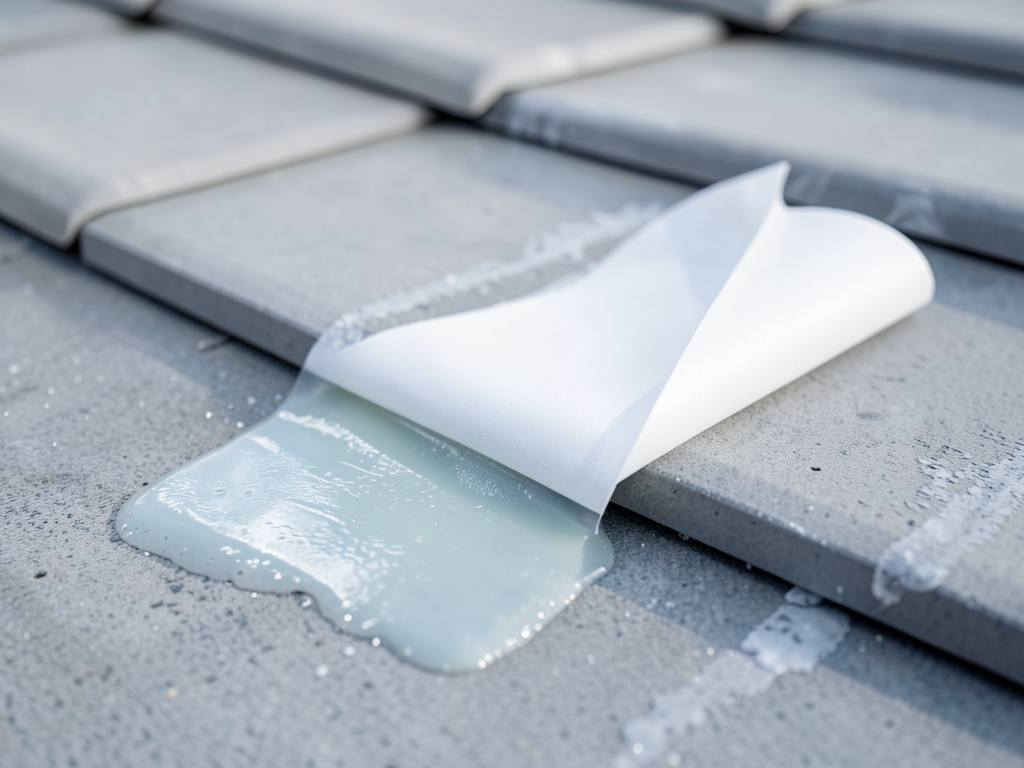
Secondary water barriers use polymer-modified bitumen sheets that come with a split-release backing. When installed correctly, these sheets bond to the roof deck through pressure and heat. Miami’s high temperatures actually help activate the adhesive, creating a stronger seal than you’d get in cooler climates.
The material works differently than traditional felt paper. Instead of relying on nails or staples that create penetration points, the self-adhering barrier creates a continuous membrane across your entire roof deck. This eliminates the weak spots where water typically enters during high-wind events.
In West Little River’s flat and low-slope roof designs common in mid-century homes, proper drainage becomes critical. Secondary barriers provide extra protection against the ponding water that often forms after heavy afternoon thunderstorms. The barrier’s flexibility allows it to expand and contract with temperature changes without cracking or separating from the deck.
Installation timing matters significantly. The best results occur when temperatures are between 50°F and 120°F. Miami’s climate usually provides ideal conditions year-round, but humidity levels above 85% can affect adhesion. Professional installers use moisture meters to ensure the deck is dry before application. Professional Flat Roof Repair Services for Brickell Business Owners.
Florida Building Code Requirements for Your Area
The 2007 Florida Building Code established specific requirements for secondary water barriers in Miami-Dade County. Section 15.1.7.9 mandates these barriers for all new residential construction and major roof replacements in the High-Velocity Hurricane Zone. The code references ASTM D1970 standards for self-adhering polymer-modified bitumen sheets.
West Little River homes fall under Miami-Dade Notice of Acceptance (NOA) requirements. Every roofing material used must have an active NOA number from the Miami-Dade Product Control Division. This certification ensures the materials have passed rigorous testing for wind uplift, water penetration, and durability in South Florida conditions. The Best Metal Roofing Options for Homes in Key Biscayne.
The code specifies two acceptable installation methods. Method A covers the entire roof deck with the self-adhering material. Method B applies the barrier only at roof joints and eave edges. For West Little River’s exposure to easterly winds coming off Biscayne Bay, Method A provides superior protection despite the higher initial cost.
Building permits require documentation showing compliance with these standards. Your roofing contractor must submit NOA certificates, installation method specifications, and wind mitigation form OIR-B1-1802. Without these documents, you cannot receive insurance discounts or qualify for mitigation grants. Roofing Cutler Bay.
Types of Secondary Water Barriers Available
Self-adhering polymer-modified bitumen remains the most common secondary barrier material. These sheets typically measure 36 inches wide and come in rolls of various lengths. The polymer modification provides flexibility and UV resistance that standard asphalt products cannot match.
Synthetic underlayment serves as an alternative in some applications. While not technically a secondary water barrier per building code, high-quality synthetic products offer excellent water resistance. These materials weigh less than traditional felt and resist mold growth in Miami’s humid conditions.
Modified bitumen membranes with fiberglass reinforcement provide additional strength. These products resist tearing during installation and maintain dimensional stability across Miami’s wide temperature swings. The fiberglass core prevents the material from stretching or shrinking after installation.
Peel-and-stick products designed specifically for Miami’s climate include salt-air resistant formulations. Homes within two miles of the coast need these specialized products to prevent premature degradation from salt spray carried by ocean winds.
Joint sealing methods use tape systems to seal seams between traditional underlayment sheets. While less expensive than full coverage, this method leaves large areas vulnerable to water infiltration. The tape can fail in extreme heat, creating leak points during hurricane conditions.
Insurance Benefits and Wind Mitigation
Wind mitigation inspections determine your insurance discounts based on seven key factors. Secondary water barriers contribute significantly to your overall score on the OIR-B1-1802 form. A properly installed barrier can add 2-3 points to your inspection score, potentially saving you $200-$400 annually on premiums.
The inspection process involves a certified inspector examining your roof’s structural components. They verify the secondary barrier’s presence, installation method, and compliance with current building codes. Photos documenting the installation become part of your permanent insurance file.
Insurance companies in Florida must offer wind mitigation discounts by state law. However, they only provide these discounts for features that meet specific code requirements. A barrier installed before 2007 might not qualify for the maximum discount even if it provides adequate protection.
The My Safe Florida Home program matches homeowner investments in hurricane protection up to $10,000. Secondary water barriers qualify for this matching grant if installed by a licensed contractor with proper permitting. The application process requires a free home inspection to identify vulnerabilities.
Commercial properties in West Little River can also benefit from secondary barriers. While the insurance discount structure differs from residential properties, the protection against business interruption during storm events provides significant value. Water damage to inventory or equipment can cost thousands to repair.
Installation Process and Best Practices
Professional installation begins with deck preparation. The roof surface must be clean, dry, and free of debris. Any protruding nails or screws get removed to prevent bumps under the barrier. The deck temperature should be above 50°F for proper adhesion.
Installers start at the eave edge and work upward. Each sheet overlaps the previous one by at least 3 inches. The release paper peels off as the sheet unrolls, exposing the adhesive. Workers use roofer’s brooms to press the material firmly against the deck, ensuring complete contact.
Corner details require special attention. Installers cut the material diagonally at inside corners to prevent bunching. Outside corners get extra material to ensure complete coverage. These details prevent the most common failure points during high winds.
Penetration areas around vents, pipes, and chimneys need additional sealing. Installers cut the barrier to fit around these obstacles, then seal the edges with compatible sealant. This prevents water from tracking under the barrier through these vulnerable points.
The final step involves inspecting all seams and edges. Workers check for areas where the barrier might have lifted or failed to adhere. Any problems get corrected immediately before the outer roofing material goes on. This inspection ensures the barrier will perform when needed most.
Cost Considerations for West Little River Homes
Secondary water barrier installation adds $1.50 to $2.50 per square foot to your roofing project. For an average West Little River home with 2,000 square feet of roof area, this means an additional $3,000 to $5,000 investment. While significant, this cost often pays for itself through insurance savings within 5-7 years.
Material costs vary by product type. Basic self-adhering sheets run $0.75 to $1.25 per square foot. Premium products with enhanced UV resistance or salt-air protection cost $1.50 to $2.00 per square foot. Labor typically adds another $0.75 to $1.00 per square foot.
Permit fees in Miami-Dade County add $150 to $300 to the project cost. These fees cover the building department’s review of your plans and inspection of the completed work. Your contractor handles permit acquisition as part of the overall project.
Insurance premium reductions provide immediate financial benefits. A 10% reduction on a $3,000 annual premium saves $300 per year. Over ten years, these savings offset the initial investment while providing continued protection against storm damage.
Financing options exist for homeowners who cannot afford the upfront cost. Some contractors offer payment plans, and certain banks provide home improvement loans with favorable terms for hurricane mitigation projects. The long-term savings often justify the financing costs. Why Homeowners in Coral Gables Choose Professional Tile Roof Installation.
Common Installation Mistakes to Avoid
Improper surface preparation causes the most installation failures. Moisture trapped under the barrier creates bubbles that compromise adhesion. Dust or debris prevents the material from bonding to the deck. Professional installers always clean the surface thoroughly before beginning.
Temperature extremes affect installation quality. Applying the material when it’s too cold prevents proper adhesion. Installation during extreme heat can cause the material to stretch or become difficult to handle. Miami’s climate usually provides good working conditions, but afternoon thunderstorms can interrupt work.
Inadequate overlap creates leak paths. The minimum 3-inch overlap might not provide sufficient protection in high-wind areas. Some installers recommend 6-inch overlaps for added security, especially on the windward side of the roof.
Skipping corner details leaves vulnerable points. Inside corners often get compressed material that doesn’t adhere properly. Outside corners might have gaps where water can enter. Proper detailing at these locations prevents the most common failure modes.
Using incompatible sealants causes adhesion problems. Not all sealants work with polymer-modified bitumen. Using the wrong product can cause the barrier to delaminate or prevent proper bonding. Professional installers use only manufacturer-recommended products.
Maintenance and Inspection Guidelines
Secondary water barriers require minimal maintenance once installed correctly. However, annual inspections help identify potential problems before they become serious. Check the barrier after any major storm for signs of lifting or damage.
Look for areas where the outer roofing material might have been damaged. Even small holes in shingles or tiles can allow water to reach the barrier. Repair any damage to the outer roof promptly to prevent water from testing the barrier’s integrity.
Check roof penetrations annually. Vent pipes, chimneys, and other penetrations create potential leak paths. Ensure the flashing around these elements remains in good condition and properly sealed to the barrier.
Clean gutters and downspouts regularly. Clogged drainage systems cause water to back up under roofing materials. This standing water can eventually find its way through even the best secondary barriers.. Read more about The Best Gutter Sizes and Styles to Handle Torrential Downpours in Miami Shores.
Document your barrier installation with photos and permits. Keep these records with your home maintenance files. They prove valuable when selling your home or filing insurance claims after storms.
Frequently Asked Questions
Do I need a secondary water barrier if I’m just doing a roof repair?
Building code requirements depend on the scope of work. Minor repairs typically don’t require adding a barrier. However, if you’re replacing more than 25% of your roof area or working on the roof deck, the barrier becomes mandatory under current codes.
How long do secondary water barriers last?
Quality barriers installed correctly can last 20-25 years or more. The material itself often outlasts the outer roofing material. However, the barrier’s effectiveness depends on the condition of the outer roof. Damaged outer roofing can compromise the barrier even if the material remains intact.
Can I install a secondary barrier myself?
While DIY installation is possible, it’s not recommended. Professional installation ensures code compliance, proper adhesion, and warranty coverage. Improper installation can void insurance discounts and leave your home vulnerable to water damage. The cost savings rarely justify the risks.
Will a secondary barrier prevent all roof leaks?
No barrier provides absolute protection. Secondary barriers significantly reduce leak risk but cannot prevent all water infiltration. They work best as part of a complete roofing system that includes proper underlayment, flashing, and outer roofing materials. Regular maintenance remains essential.
How do I know if my current roof has a secondary barrier?
A qualified roofing contractor can inspect your roof and determine if a barrier exists. Look for permit records from previous roof work, as permits typically require barrier installation for work done after 2007. Your insurance company’s wind mitigation report should also indicate whether a barrier is present.

Take Action to Protect Your West Little River Home
Your West Little River home faces real hurricane threats every season. A secondary water barrier provides proven protection against the water damage that often costs homeowners thousands in repairs. The combination of storm protection, insurance savings, and potential grant funding makes this improvement a smart investment for any homeowner.
Don’t wait for the next hurricane warning to discover your roof’s vulnerabilities. Professional inspection can identify whether your home needs a secondary barrier and what installation method works best for your specific roof design. The peace of mind during storm season alone justifies the investment.
Call (645) 231-4888 today to schedule your inspection. Our experienced team understands West Little River’s unique roofing challenges and can recommend the best secondary barrier solution for your home. Protect your investment before the next storm hits.
Pick up the phone and call (645) 231-4888 before the next storm hits. Your home deserves the best protection available, and we’re here to provide it. Don’t let another hurricane season pass without proper protection.
You may also find this helpful. How to Secure Your Flagami Retail Store Against Heavy Summer Rain Leaks.
{
“@context”: “https://schema.org”,
“@type”: “BlogPosting”,
“headline”: “Why Your West Little River Home Might Benefit From a Secondary Water Barrier”,
“description”: “Learn how a secondary water barrier protects your West Little River roof during hurricanes and could lower your insurance premiums. Find out if you need one.”,
“wordCount”: 2268,
“datePublished”: “2026-04-02T10:08:00.000Z”,
“dateModified”: “2026-04-02T10:08:00.000Z”,
“inLanguage”: “en-US”,
“mainEntityOfPage”: {
“@type”: “WebPage”,
“@id”: “https://ironwoodroofingmiami.com”
},
“publisher”: {
“@type”: “LocalBusiness”,
“name”: “Ironwood Roofing Miami”,
“url”: “https://ironwoodroofingmiami.com”
},
“author”: {
“@type”: “Organization”,
“name”: “Ironwood Roofing Miami”,
“url”: “https://ironwoodroofingmiami.com”
},
“image”: {
“@type”: “ImageObject”,
“url”: “https://ironwoodroofingmiami.com/wp-content/uploads/2026/03/why-your-west-little-river-home-might-benefit-from-1.png”
}
}
{
“@context”: “https://schema.org”,
“@type”: “RoofingContractor”,
“name”: “Ironwood Roofing Miami”,
“url”: “https://ironwoodroofingmiami.com”,
“address”: {
“@type”: “PostalAddress”,
“addressLocality”: “Miami”
},
“areaServed”: {
“@type”: “City”,
“name”: “Miami”
}
}
{
“@context”: “https://schema.org”,
“@type”: “FAQPage”,
“mainEntity”: [
{
“@type”: “Question”,
“name”: “Do I need a secondary water barrier if I’m just doing a roof repair?”,
“acceptedAnswer”: {
“@type”: “Answer”,
“text”: “Building code requirements depend on the scope of work. Minor repairs typically don’t require adding a barrier. However, if you’re replacing more than 25% of your roof area or working on the roof deck, the barrier becomes mandatory under current codes.”
}
},
{
“@type”: “Question”,
“name”: “How long do secondary water barriers last?”,
“acceptedAnswer”: {
“@type”: “Answer”,
“text”: “Quality barriers installed correctly can last 20-25 years or more. The material itself often outlasts the outer roofing material. However, the barrier’s effectiveness depends on the condition of the outer roof. Damaged outer roofing can compromise the barrier even if the material remains intact.”
}
},
{
“@type”: “Question”,
“name”: “Can I install a secondary barrier myself?”,
“acceptedAnswer”: {
“@type”: “Answer”,
“text”: “While DIY installation is possible, it’s not recommended. Professional installation ensures code compliance, proper adhesion, and warranty coverage. Improper installation can void insurance discounts and leave your home vulnerable to water damage. The cost savings rarely justify the risks.”
}
},
{
“@type”: “Question”,
“name”: “Will a secondary barrier prevent all roof leaks?”,
“acceptedAnswer”: {
“@type”: “Answer”,
“text”: “No barrier provides absolute protection. Secondary barriers significantly reduce leak risk but cannot prevent all water infiltration. They work best as part of a complete roofing system that includes proper underlayment, flashing, and outer roofing materials. Regular maintenance remains essential.”
}
},
{
“@type”: “Question”,
“name”: “How do I know if my current roof has a secondary barrier?”,
“acceptedAnswer”: {
“@type”: “Answer”,
“text”: “A qualified roofing contractor can inspect your roof and determine if a barrier exists. Look for permit records from previous roof work, as permits typically require barrier installation for work done after 2007. Your insurance company’s wind mitigation report should also indicate whether a barrier is present.”
}
}
]
}
{
“@context”: “https://schema.org”,
“@type”: “BreadcrumbList”,
“itemListElement”: [
{
“@type”: “ListItem”,
“position”: 1,
“name”: “Home”,
“item”: “https://ironwoodroofingmiami.com”
},
{
“@type”: “ListItem”,
“position”: 2,
“name”: “Blog”,
“item”: “https://ironwoodroofingmiami.com/blog”
},
{
“@type”: “ListItem”,
“position”: 3,
“name”: “Why Your West Little River Home Might Benefit From a Secondary Water Barrier”
}
]
}
{
“@context”: “https://schema.org”,
“@type”: “Service”,
“serviceType”: “Roofing”,
“provider”: {
“@type”: “LocalBusiness”,
“name”: “Ironwood Roofing Miami”,
“url”: “https://ironwoodroofingmiami.com”
},
“areaServed”: {
“@type”: “City”,
“name”: “Miami”
},
“description”: “Learn how a secondary water barrier protects your West Little River roof during hurricanes and could lower your insurance premiums. Find out if you need one.”
}