Why Multi Story Condos in North Bay Village Need High Performance Liquid Applied Membranes
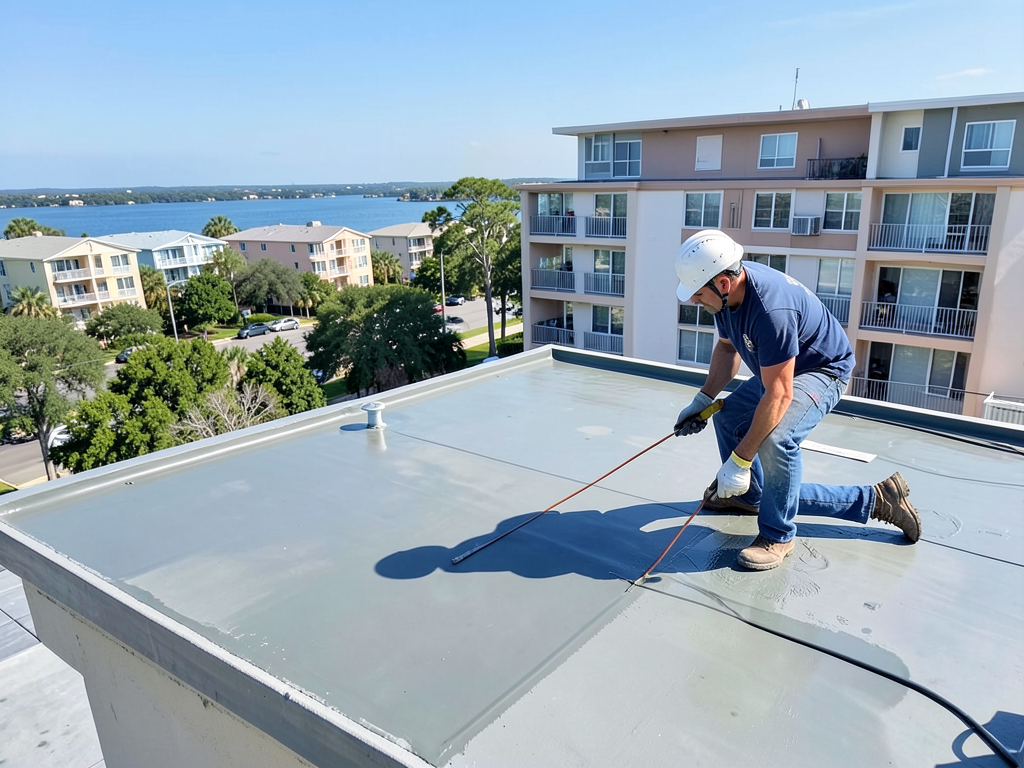
North Bay Village sits on three man-made islands in Biscayne Bay where salt air, hurricane winds, and ponding water create unique roofing challenges for multi-story condos. The constant exposure to salt spray accelerates corrosion of traditional roofing materials while the flat roof designs common in Treasure Island and Pelican Island trap water during Florida’s heavy afternoon thunderstorms. High-performance liquid applied membranes provide a seamless waterproof barrier that bonds directly to the substrate eliminating seams where water intrusion typically begins. These systems reflect UV radiation reducing cooling costs by up to 30% while meeting Miami-Dade Notice of Acceptance requirements for High Velocity Hurricane Zone applications. Miami-Dade County High Velocity Hurricane Zone requirements.
Coastal Weather Challenges Facing North Bay Village Condos
The island geography of North Bay Village creates a microclimate where buildings face constant salt-laden winds traveling across Biscayne Bay. These winds carry microscopic salt particles that settle on roof surfaces and penetrate microscopic gaps in traditional roofing materials. The 33141 ZIP code experiences an average of 61 inches of rainfall annually with most storms delivering intense downpours that test roof drainage systems. Salt air accelerates the breakdown of asphalt-based materials while the flat roof profiles common in mid-rise condos create ponding areas where water sits for 48-72 hours after heavy rain events. The Best Metal Roofing Options for Homes in Key Biscayne.
Multi-story buildings in North Bay Village face additional challenges from thermal cycling. Concrete roof decks expand and contract with temperature changes creating stress points at joints and penetrations. Traditional built-up roofing systems rely on overlapping seams that eventually separate under this constant movement. The proximity to the bay means buildings experience higher humidity levels year-round which promotes mold growth under compromised roofing materials and accelerates wood rot in roof structures. Roofing Cutler Bay.
How Liquid Applied Membranes Solve These Problems
Liquid applied membranes create a fully adhered monolithic surface that moves as one unit with the building structure. The material flows into every crack crevice and penetration point creating a watertight seal that traditional sheet materials cannot achieve. Silicone formulations resist UV degradation maintaining their flexibility for 20+ years while acrylic systems provide cost-effective solutions for buildings with less severe exposure. These coatings typically apply at 20-30 mils dry film thickness providing a durable barrier against salt air and water intrusion.
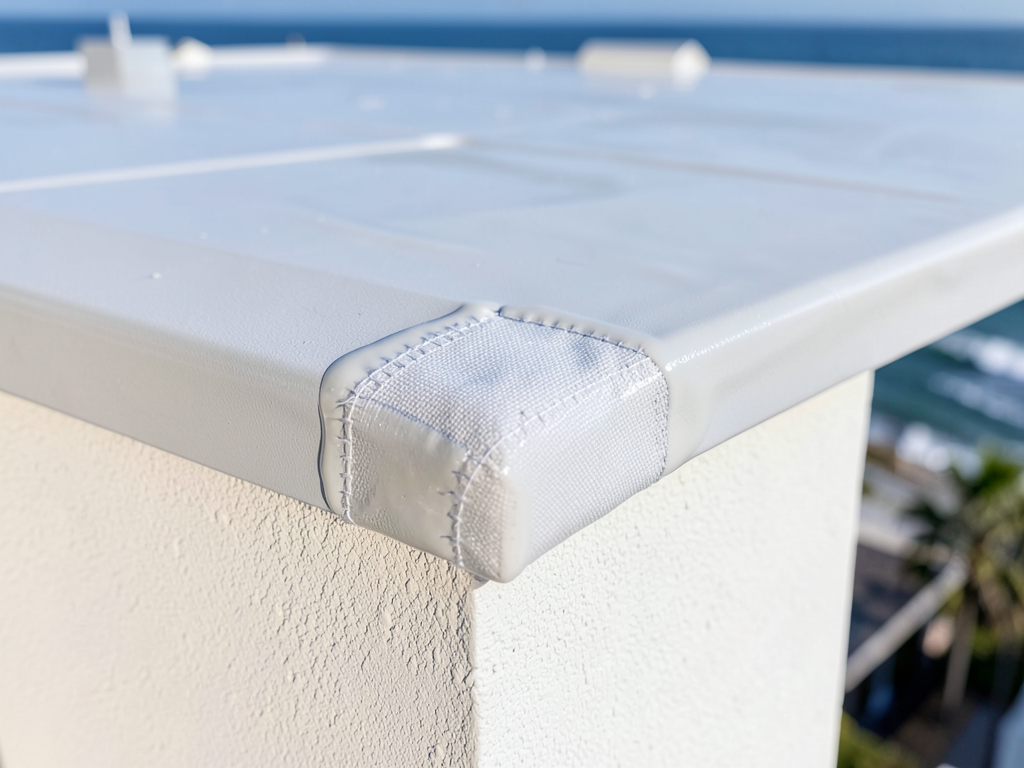
The application process begins with thorough cleaning to remove salt deposits algae and loose materials. Technicians then repair all cracks and damaged areas before applying primer that ensures proper adhesion. The liquid membrane applies in multiple coats with reinforcement fabric at critical areas like roof edges and penetrations. This creates a roofing system that actually strengthens over time as the material cross-links and bonds to the substrate. Professional Flat Roof Repair Services for Brickell Business Owners.
Miami-Dade Building Code Requirements for Coastal Roofing
The Miami-Dade County High Velocity Hurricane Zone building code requires all roofing materials to carry Notice of Acceptance certification proving they can withstand wind speeds up to 180 mph. Liquid applied membranes meeting ASTM D6083 and FM 4470 standards qualify for NOA approval when installed according to manufacturer specifications. The code also mandates secondary water barriers for buildings over 2,500 square feet of roof area which liquid applied systems provide inherently through their fully adhered nature. Protecting Your Home with Hurricane Rated Roofing Systems in Miami.
Section 1521 of the Florida Building Code requires all low-slope roofs to have positive drainage with no standing water for more than 48 hours. Liquid applied membranes with reinforced fabric reinforcement meet this requirement by creating a seamless surface that slopes toward drains without weak seam points. The Kennedy Causeway area experiences frequent wind-driven rain where traditional roofing fails at the perimeter. Liquid membranes extend up parapet walls and around penetrations creating continuous protection that wind cannot lift. Metal Roofing Systems.
Energy Efficiency Benefits for Condo Associations
White silicone and acrylic liquid membranes achieve Solar Reflectance Index ratings above 100 meeting Cool Roof Rating Council standards. These high SRI values reflect up to 85% of solar radiation reducing roof surface temperatures by 50-70 degrees Fahrenheit compared to traditional dark roofing. For North Bay Village condos this translates to 20-30% lower cooling costs during the long Miami cooling season. The Florida Power & Light Cool Savings Program offers rebates up to $0.20 per square foot for qualifying reflective roof coatings. Cool Roof Rating Council standards.
The energy savings calculation becomes more significant for multi-story buildings where upper floor units bear the full heat load from an uninsulated roof. A 10,000 square foot condo roof coated with high-reflectivity liquid membrane can save $3,000-$5,000 annually in cooling costs. The coating also reduces thermal expansion and contraction of the roof deck minimizing stress on the building structure and extending the life of HVAC equipment by reducing runtime hours.
Application Process for Multi-Story Buildings
- Roof Inspection and Moisture Mapping
Technicians use infrared scanning and core sampling to identify wet areas and delamination before starting work. This diagnostic step prevents sealing in moisture that would cause premature failure.
- Surface Preparation
High-pressure washing removes salt deposits algae and loose materials. Acid etching opens concrete pores for better adhesion. All cracks repair with elastomeric sealant rated for coastal environments.
- Primer Application
Acrylic or epoxy primers create the bonding layer between the substrate and the final coating. Primer selection depends on the existing roof material whether concrete modified bitumen or metal.
- Reinforcement Fabric Installation
Polyester or fiberglass fabric embeds in the base coat at roof edges penetrations and any joints. This reinforcement prevents cracking from building movement and provides extra strength at vulnerable points.
- Topcoat Application
Two to three coats of the final membrane material apply at manufacturer-specified thickness. Each coat requires proper cure time between applications typically 4-6 hours in Miami humidity.
The entire process for a typical 10,000 square foot condo roof takes 3-5 days depending on weather conditions. The liquid nature of the material means work can continue even if rain threatens since the uncured coating will not wash away like traditional materials. Building occupants experience minimal disruption since the process produces no fumes and requires no heavy equipment on the roof.
Comparing Liquid Applied Systems to Traditional Options
| Feature | Liquid Applied Membrane | Modified Bitumen | Single-Ply TPO |
|---|---|---|---|
| Seam Count | 0 (fully adhered) | Multiple overlaps per roll | Heat-welded seams |
| Salt Air Resistance | Excellent | Poor (asphalt breaks down) | Good |
| UV Reflectivity | Up to 85% | 5-15% | 70-80% |
| Installation Time | 3-5 days | 5-7 days | 2-3 days |
| Maintenance Access | Easy (seamless repair) | Difficult (seam separation) | Moderate |
Liquid applied systems provide superior performance in North Bay Village’s coastal environment where traditional materials fail prematurely. The initial cost runs 15-20% higher than modified bitumen but the 20+ year lifespan and energy savings provide better lifetime value. Single-ply systems offer quick installation but the heat-welded seams can fail in hurricane conditions when wind-driven rain exploits even microscopic gaps.
Cost-Benefit Analysis for Condo Associations
A full roof replacement for a 10,000 square foot condo roof costs $40,000-$60,000 using traditional materials. The same roof coated with high-performance liquid membrane costs $28,000-$35,000 including surface preparation. The coating process requires no removal of the existing roof eliminating disposal fees and reducing project time by 40%. Most condo associations recover the cost difference within 3-4 years through energy savings and extended roof life.
The coating process also allows buildings to remain occupied during installation since there are no odors or structural disruptions. Traditional replacement requires tenants to temporarily relocate due to noise dust and the risk of water intrusion during the tear-off phase. For buildings with 24/7 operations like hotels or senior living facilities this continuity represents significant value beyond the direct cost comparison.
Maintenance and Warranty Considerations
High-performance liquid membranes carry 10-20 year manufacturer warranties when installed by certified contractors. These warranties cover material failure but not damage from hurricane debris or building movement. Annual inspections identify small issues before they become major problems extending the roof life beyond the warranty period. The seamless nature of the coating means repairs involve simply cleaning and reapplying material to the affected area rather than replacing entire sections.
Maintenance costs average $0.05-$0.10 per square foot annually including cleaning and minor repairs. This compares to $0.15-$0.25 per square foot for traditional roofs that require more frequent maintenance due to seam separation and material degradation. The reflective properties of the coating also reduce HVAC maintenance costs by decreasing the load on cooling systems.
Environmental and Building Recertification Benefits
The 40-year recertification process required for buildings in Miami-Dade County includes roof inspection for structural integrity and waterproofing. Liquid applied membranes provide documentation of roof condition through thickness testing and adhesion testing that satisfies building inspectors. The energy efficiency improvements also help buildings meet current energy code requirements which have become more stringent since many North Bay Village buildings were constructed.
The coating process qualifies as a sustainable building improvement since it extends the life of the existing roof assembly keeping materials out of landfills. Many liquid membrane products contain recycled content and can be applied over existing roofs reducing the environmental impact compared to complete replacement. The energy savings also reduce the building’s carbon footprint by decreasing electricity consumption for cooling.
Frequently Asked Questions
How long does a liquid applied roof last in coastal Miami?
High-quality silicone systems last 20-25 years in North Bay Village’s coastal environment when properly maintained. The key factors are thorough surface preparation salt deposit removal and annual inspections to catch any damage from hurricane debris.
Can liquid coating fix existing roof leaks?
The coating process includes repairing all known leaks before application. The liquid membrane then creates a new waterproof layer. However if the roof deck has extensive water damage or rot the underlying structure must address those issues first.
What happens during a hurricane?
Liquid applied membranes meeting Miami-Dade NOA standards withstand hurricane winds up to 180 mph. The fully adhered nature means wind cannot lift the material at the edges. The seamless surface also prevents wind-driven rain from penetrating at laps or seams.
How much does it cost per square foot?
Installation costs range from $2.80-$4.50 per square foot depending on roof condition existing material and the specific membrane system chosen. This includes all preparation reinforcement and multiple coating layers.
Is the building occupied during installation?
Yes. The low-odor water-based materials and lack of heavy equipment mean normal building operations continue throughout the project. Most occupants notice only minor noise from surface preparation.
North Bay Village condos face unique challenges from their coastal island location where traditional roofing materials fail prematurely under salt air and hurricane conditions. High-performance liquid applied membranes provide a proven solution that meets Miami-Dade building codes while delivering energy savings and extended roof life. The seamless application eliminates the weak points where water intrusion typically begins while the reflective properties reduce cooling costs by up to 30%. For condo associations looking to protect their investment while minimizing disruption to residents liquid applied roofing represents the most cost-effective long-term solution available today.
Call (645) 231-4888 today to schedule your inspection and learn how liquid applied membranes can protect your North Bay Village condo from the harsh coastal environment. Our certified technicians understand the specific challenges of Miami-Dade’s High Velocity Hurricane Zone and can provide a detailed proposal tailored to your building’s needs.
{
“@context”: “https://schema.org”,
“@type”: “BlogPosting”,
“headline”: “Why Multi Story Condos in North Bay Village Need High Performance Liquid Applied Membranes”,
“description”: “Discover why North Bay Village condos require high-performance liquid membranes for coastal protection, energy efficiency, and Miami-Dade code compliance. Call (645) 231-4888.”,
“wordCount”: 1891,
“datePublished”: “2026-04-22T08:41:00.000Z”,
“dateModified”: “2026-04-22T08:41:00.000Z”,
“inLanguage”: “en-US”,
“mainEntityOfPage”: {
“@type”: “WebPage”,
“@id”: “https://ironwoodroofingmiami.com”
},
“publisher”: {
“@type”: “LocalBusiness”,
“name”: “Ironwood Roofing Miami”,
“url”: “https://ironwoodroofingmiami.com”
},
“author”: {
“@type”: “Organization”,
“name”: “Ironwood Roofing Miami”,
“url”: “https://ironwoodroofingmiami.com”
},
“image”: {
“@type”: “ImageObject”,
“url”: “https://ironwoodroofingmiami.com/wp-content/uploads/2026/03/why-multi-story-condos-in-north-bay-village-need-h-1.png”
}
}
{
“@context”: “https://schema.org”,
“@type”: “RoofingContractor”,
“name”: “Ironwood Roofing Miami”,
“url”: “https://ironwoodroofingmiami.com”,
“address”: {
“@type”: “PostalAddress”,
“addressLocality”: “Miami”
},
“areaServed”: {
“@type”: “City”,
“name”: “Miami”
}
}
{
“@context”: “https://schema.org”,
“@type”: “FAQPage”,
“mainEntity”: [
{
“@type”: “Question”,
“name”: “How long does a liquid applied roof last in coastal Miami?”,
“acceptedAnswer”: {
“@type”: “Answer”,
“text”: “High-quality silicone systems last 20-25 years in North Bay Village’s coastal environment when properly maintained. The key factors are thorough surface preparation salt deposit removal and annual inspections to catch any damage from hurricane debris.”
}
},
{
“@type”: “Question”,
“name”: “Can liquid coating fix existing roof leaks?”,
“acceptedAnswer”: {
“@type”: “Answer”,
“text”: “The coating process includes repairing all known leaks before application. The liquid membrane then creates a new waterproof layer. However if the roof deck has extensive water damage or rot the underlying structure must address those issues first.”
}
},
{
“@type”: “Question”,
“name”: “What happens during a hurricane?”,
“acceptedAnswer”: {
“@type”: “Answer”,
“text”: “Liquid applied membranes meeting Miami-Dade NOA standards withstand hurricane winds up to 180 mph. The fully adhered nature means wind cannot lift the material at the edges. The seamless surface also prevents wind-driven rain from penetrating at laps or seams.”
}
},
{
“@type”: “Question”,
“name”: “How much does it cost per square foot?”,
“acceptedAnswer”: {
“@type”: “Answer”,
“text”: “Installation costs range from $2.80-$4.50 per square foot depending on roof condition existing material and the specific membrane system chosen. This includes all preparation reinforcement and multiple coating layers.”
}
},
{
“@type”: “Question”,
“name”: “Is the building occupied during installation?”,
“acceptedAnswer”: {
“@type”: “Answer”,
“text”: “Yes. The low-odor water-based materials and lack of heavy equipment mean normal building operations continue throughout the project. Most occupants notice only minor noise from surface preparation.”
}
}
]
}
{
“@context”: “https://schema.org”,
“@type”: “HowTo”,
“name”: “Liquid Applied Membrane Installation Process”,
“step”: [
{
“@type”: “HowToStep”,
“position”: 1,
“name”: “Roof Inspection and Moisture Mapping”,
“text”: “Technicians use infrared scanning and core sampling to identify wet areas and delamination before starting work. This diagnostic step prevents sealing in moisture that would cause premature failure.”
},
{
“@type”: “HowToStep”,
“position”: 2,
“name”: “Surface Preparation”,
“text”: “High-pressure washing removes salt deposits algae and loose materials. Acid etching opens concrete pores for better adhesion. All cracks repair with elastomeric sealant rated for coastal environments.”
},
{
“@type”: “HowToStep”,
“position”: 3,
“name”: “Primer Application”,
“text”: “Acrylic or epoxy primers create the bonding layer between the substrate and the final coating. Primer selection depends on the existing roof material whether concrete modified bitumen or metal.”
},
{
“@type”: “HowToStep”,
“position”: 4,
“name”: “Reinforcement Fabric Installation”,
“text”: “Polyester or fiberglass fabric embeds in the base coat at roof edges penetrations and any joints. This reinforcement prevents cracking from building movement and provides extra strength at vulnerable points.”
},
{
“@type”: “HowToStep”,
“position”: 5,
“name”: “Topcoat Application”,
“text”: “Two to three coats of the final membrane material apply at manufacturer-specified thickness. Each coat requires proper cure time between applications typically 4-6 hours in Miami humidity.”
}
],
“image”: “https://ironwoodroofingmiami.com/wp-content/uploads/2026/03/why-multi-story-condos-in-north-bay-village-need-h-1.png”
}
{
“@context”: “https://schema.org”,
“@type”: “BreadcrumbList”,
“itemListElement”: [
{
“@type”: “ListItem”,
“position”: 1,
“name”: “Home”,
“item”: “https://ironwoodroofingmiami.com”
},
{
“@type”: “ListItem”,
“position”: 2,
“name”: “Blog”,
“item”: “https://ironwoodroofingmiami.com/blog”
},
{
“@type”: “ListItem”,
“position”: 3,
“name”: “Why Multi Story Condos in North Bay Village Need High Performance Liquid Applied Membranes”
}
]
}
{
“@context”: “https://schema.org”,
“@type”: “Service”,
“serviceType”: “Roofing”,
“provider”: {
“@type”: “LocalBusiness”,
“name”: “Ironwood Roofing Miami”,
“url”: “https://ironwoodroofingmiami.com”
},
“areaServed”: {
“@type”: “City”,
“name”: “Miami”
},
“description”: “Discover why North Bay Village condos require high-performance liquid membranes for coastal protection, energy efficiency, and Miami-Dade code compliance. Call (645) 231-4888.”
}