Why Modified Bitumen Is a Better Choice for Small Flat Roofs in Little Haiti
Modified bitumen roofing offers superior protection for Little Haiti’s small flat roofs through its multi-layer asphalt membrane system. This material handles Miami’s extreme heat and heavy rainfall while meeting strict hurricane wind requirements. Property owners in zip codes 33127 and 33137 choose modified bitumen for its proven durability and cost-effectiveness. The Best Metal Roofing Options for Homes in Key Biscayne.
Little Haiti’s older concrete block buildings with flat roof sections face unique challenges. The tropical sun beats down on these surfaces all day. Modified bitumen’s granulated cap sheets reflect UV rays and resist the thermal expansion that cracks other materials. The torch-applied or cold adhesive installation creates a seamless barrier that prevents the ponding water common after Miami’s afternoon thunderstorms.. Read more about Why Thermal Shock Causes Your Miami Roof to Crack During Afternoon Rainstorms.
Heat Resistance and UV Protection for Little Haiti’s Climate
Little Haiti sits in Miami-Dade County’s High Velocity Hurricane Zone where summer temperatures regularly exceed 90 degrees. Modified bitumen’s built-in UV inhibitors prevent the surface degradation that affects standard roofing materials. The cap sheet contains mineral granules that reflect up to 30 percent of solar radiation. Miami-Dade County Building Code Compliance.
The multi-layer system creates dead air space between plies. This trapped air acts as insulation keeping buildings cooler and reducing energy costs. During Miami’s six-month rainy season, the asphalt-based membrane expands and contracts without cracking. Traditional single-ply membranes often split at seams under this thermal stress.
Local building inspectors frequently see modified bitumen installations that outlast other flat roof systems by five to seven years. The material’s flexibility allows it to bridge minor substrate movement common in older Little Haiti structures built on Miami Oolite limestone.
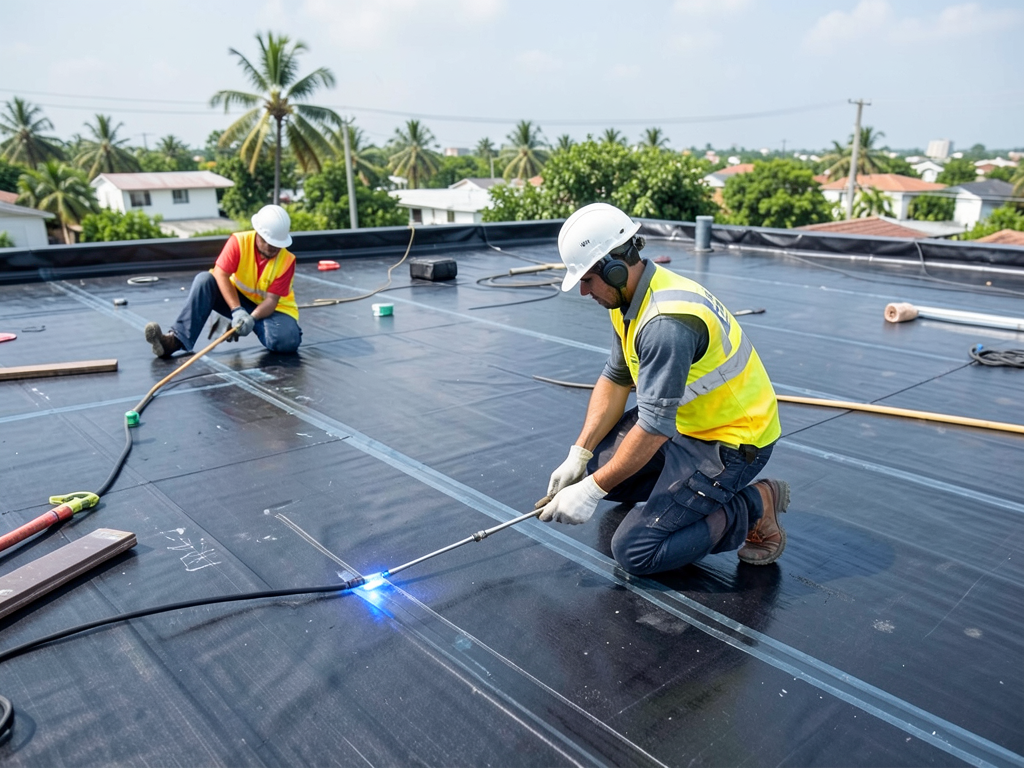
Diagram showing modified bitumen’s multi-layer construction with base sheet, mid-ply, and cap sheet layers protecting against UV radiation and thermal expansion
Installation Methods: Torch-Down vs Cold-Applied Systems
Modified bitumen comes in two primary installation systems. Torch-down application melts the bottom of the membrane creating a permanent bond with the substrate. This method works best on clean concrete decks common in Little Haiti’s commercial buildings along NE 2nd Avenue.
Cold-applied systems use asphalt-based adhesives that cure without heat. These adhesives contain solvents that evaporate leaving a waterproof seal. Cold application reduces fire risk during installation and works on occupied buildings where open flames pose hazards.
The choice between methods depends on building use and substrate condition. Torch-down provides stronger seams and better wind uplift resistance. Cold-applied systems install faster and produce no fumes. Both methods meet Miami-Dade County Notice of Acceptance requirements for HVHZ zones.
Installation crews must follow Florida Building Code Chapter 15 specifications. The code requires minimum 2-inch overlaps at seams and specific nail patterns for perimeter edge details. These requirements prevent the wind uplift failures that damaged thousands of roofs during Hurricane Irma in 2017. Florida Building Code Information.
Compliance with Miami-Dade Building Codes
Miami-Dade County enforces the strictest roofing codes in the nation. Every modified bitumen installation must use materials with current Notice of Acceptance numbers. NOAs prove products passed wind uplift testing at speeds exceeding 150 mph. Roofing Cutler Bay.
The Florida Building Code mandates secondary water barriers for all re-roofing projects. Modified bitumen installations include self-adhering underlayment at eaves and valleys. This underlayment seals around fasteners preventing water intrusion if the primary membrane fails. Metal Roofing Systems.
Building officials verify installation methods match approved NOA specifications. They check torch temperatures, overlap dimensions, and flashing details. Improper installation voids the NOA making the roof non-compliant. Non-compliant roofs cannot pass final inspection or obtain insurance coverage.
Local contractors must maintain Florida roofing licenses and carry workers’ compensation insurance. Miami-Dade requires permit pulls for all roofing work regardless of project size. The permit process includes plan review ensuring installations meet current code requirements.
Residential and Commercial Applications in Little Haiti
Little Haiti’s architectural mix includes 1950s concrete block homes and newer commercial buildings. Modified bitumen works on both applications. Residential installations typically use 2-ply systems with 30-mil cap sheets. Commercial projects often specify 3-ply systems with 40-mil caps for added durability.
Many Little Haiti properties sit near the Atlantic Ocean. Salt air accelerates metal corrosion and degrades standard roofing adhesives. Modified bitumen’s asphalt base resists salt damage. The material maintains flexibility in high humidity preventing the brittleness that causes premature failure.
Flat roof sections on pitched tile roofs also benefit from modified bitumen. These areas experience concentrated water flow during heavy rains. The seamless membrane prevents the leaks that occur at tile edges and flashing joints.. Read more about Fixing Roof Leaks Caused by Restaurant Exhaust Fans and Grease Traps in Wynwood.
Property managers choose modified bitumen for its low maintenance requirements. The surface cleans easily with pressure washing removing algae and debris. Annual inspections identify minor issues before they become major repairs. Professional Flat Roof Repair Services for Brickell Business Owners.
Modified Bitumen vs Other Flat Roof Materials
| Material | Lifespan (Miami) | Installation Method | UV Resistance | Wind Uplift Rating |
|---|---|---|---|---|
| Modified Bitumen | 15-20 years | Torch or cold adhesive | Excellent | 150+ mph |
| EPDM Rubber | 10-15 years | Adhesive or ballasted | Good | 100-120 mph |
| TPO Single-Ply | 12-18 years | Heat welded | Very Good | 120-140 mph |
| Roof Coating | 5-10 years | Roller or spray | Fair | 80-100 mph |
Modified bitumen outperforms other materials in Miami’s climate. The asphalt base resists UV degradation better than EPDM’s synthetic rubber. TPO membranes can delaminate in extreme heat. Roof coatings require frequent reapplication as they break down under UV exposure.
The material’s multi-layer construction provides redundancy. If the cap sheet develops minor damage, underlying plies continue protecting the building. Single-ply systems fail completely when the top layer breaches. Protecting Your Home with Hurricane Rated Roofing Systems in Miami.
Cost comparisons favor modified bitumen over time. Initial installation costs run 15-20 percent higher than basic single-ply systems. The extended lifespan and reduced maintenance offset this difference within seven to ten years.
Common Failure Points and Prevention
Modified bitumen installations fail when installers cut corners. Insufficient surface preparation causes poor adhesion. Dirty or damp substrates prevent proper bonding. Contractors must clean concrete decks with pressure washers and allow complete drying before installation.
Improper torch technique creates weak seams. Operators must maintain consistent temperatures between 400-450 degrees Fahrenheit. Too much heat burns the membrane. Too little heat prevents proper melting and bonding.
Flashing details require special attention. Roof penetrations, parapet walls, and expansion joints need custom-fabricated metal flashings. These flashings must extend at least 6 inches onto vertical surfaces and terminate with counterflashing.. Read more about Managing Parapet Wall Leaks and Cap Flashing Issues for Brickell Townhomes.
Regular maintenance prevents most failures. Property owners should schedule annual inspections after hurricane season. Inspectors check for blisters, splits, and loose flashings. They also verify drainage systems remain clear preventing ponding water.
Small repairs cost significantly less than full replacements. Promptly addressing minor issues extends roof life by five to seven years. Waiting until major leaks develop often requires complete tear-off and replacement.. Read more about Why Your Rooftop AC Unit Is Causing Leaks in Your Richmond West Business.
Cost Factors for Little Haiti Properties
Modified bitumen installation costs vary based on several factors. Roof accessibility affects labor costs. Buildings with limited parking or narrow alleys increase crew setup time. Multiple stories require roof hoists adding equipment rental fees.
Substrate condition impacts preparation costs. Damaged concrete decks need patching or replacement before membrane installation. Wood substrates require different underlayment systems adding material costs.
Building height influences wind uplift requirements. Taller structures need heavier fasteners and additional adhesive beads. These reinforcements add 10-15 percent to material costs but ensure code compliance.
Project timing affects pricing. Peak season runs from October through April when weather conditions favor installation. Off-season work may offer slight discounts but carries weather delay risks.
Permit fees vary by municipality. Miami-Dade County charges based on project valuation. Commercial installations typically cost more to permit than residential due to additional review requirements.
Maintenance Requirements and Best Practices
Modified bitumen roofs need minimal maintenance when properly installed. Property owners should schedule biannual inspections in spring and fall. These inspections identify potential issues before they cause damage.
Cleaning removes debris that holds moisture against the membrane. Pressure washing at 1500-2000 psi removes algae, dirt, and loose granules. Avoid harsh chemicals that can strip UV protectants from cap sheets.
Drainage systems require regular attention. Clean scuppers and downspouts prevent ponding water. Standing water exceeding 48 hours can cause membrane deterioration and void warranties.
Sealant joints around penetrations need inspection every two years. These areas experience movement from thermal expansion. Failed sealant allows water intrusion at critical points.
Document all maintenance activities. Keep records of inspections, cleaning, and repairs. These records help warranty claims and demonstrate due diligence to insurance companies.
Energy Efficiency Benefits
Modified bitumen’s reflective cap sheets reduce cooling costs in Little Haiti’s hot climate. Light-colored granules reflect up to 80 percent of solar radiation. This reflection keeps building interiors cooler reducing air conditioning runtime.
The material’s insulation properties add to energy savings. Dead air space between plies reduces heat transfer through the roof assembly. Buildings maintain more consistent temperatures reducing HVAC cycling.
Some modified bitumen systems qualify for Energy Star ratings. These systems use special reflective granules meeting specific solar reflectance requirements. Energy Star certification may qualify for utility rebates in some areas.
Infrared studies show modified bitumen roofs run 20-30 degrees cooler than standard dark roofing materials. This temperature difference translates to measurable energy savings over the roof’s lifespan.
Property owners report 15-25 percent reductions in cooling costs after installing reflective modified bitumen systems. These savings offset the higher initial material costs within three to five years.
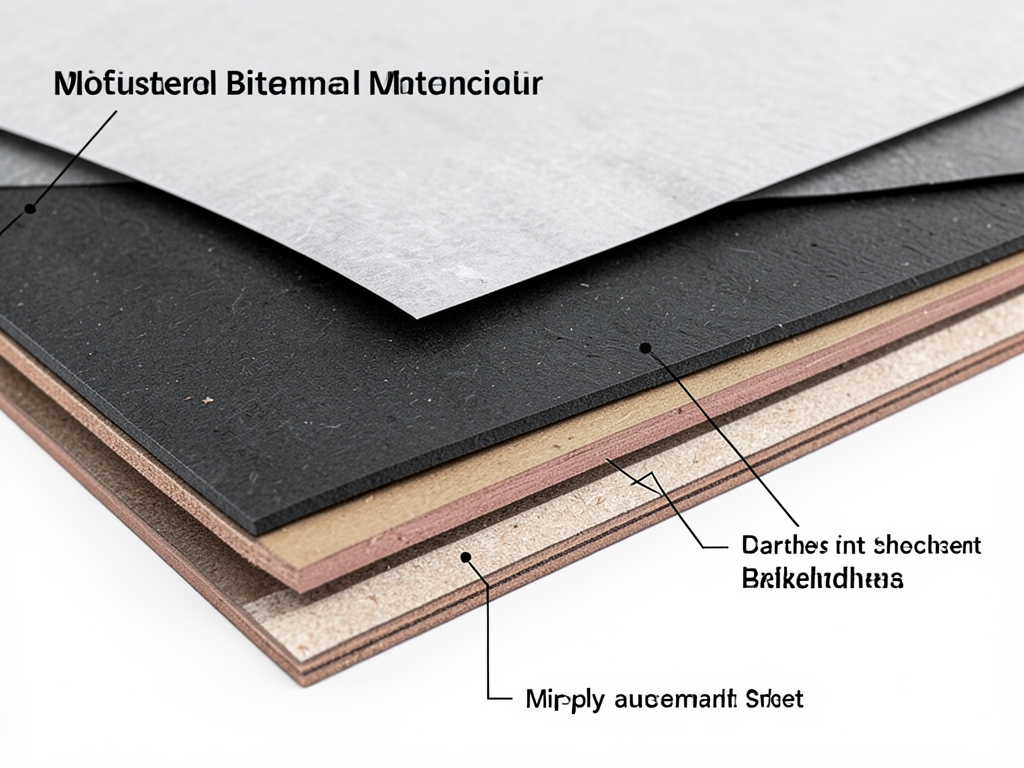
Photo showing modified bitumen installation crew applying torch-down membrane on a Little Haiti commercial building
Environmental Considerations
Modified bitumen contains recycled materials reducing environmental impact. Manufacturing processes incorporate reclaimed asphalt from old roofing materials. This recycling reduces landfill waste and conserves natural resources.
The material’s long lifespan means fewer replacement cycles. Fewer replacements reduce manufacturing emissions and construction waste. A 20-year roof produces less environmental impact than three 7-year roofs.
Disposal options exist for old modified bitumen. Recycling facilities process removed material into road paving and other asphalt products. This recycling keeps roofing waste out of landfills.
Manufacturing facilities continue improving environmental practices. Many producers now use low-VOC adhesives and implement water recycling in production processes.
Energy savings from reflective systems reduce carbon emissions from power generation. Buildings with cool roofs contribute less to urban heat island effects in Miami’s dense neighborhoods.
Selecting a Qualified Contractor
Modified bitumen installation requires specialized skills and equipment. Property owners should verify contractor credentials before hiring. Florida roofing licenses must be current and in good standing with the Department of Business and Professional Regulation.
Experience matters significantly with this material. Ask contractors for modified bitumen project portfolios. Request references from similar Little Haiti installations. Verify they carry workers’ compensation and liability insurance.
Contractors should provide detailed written proposals. Proposals must specify materials, installation methods, and warranty terms. Vague descriptions often indicate inexperience or corner-cutting.
Check manufacturer certifications. Many modified bitumen producers offer training and certification programs. Certified contractors receive technical support and extended warranty options.
Obtain multiple bids but avoid choosing based solely on price. Low bids often indicate inferior materials or rushed installation. Quality installation prevents costly repairs and premature replacement.
Frequently Asked Questions
How long does modified bitumen roofing last in Miami’s climate?
Properly installed modified bitumen roofing typically lasts 15-20 years in Miami. The material’s UV resistance and flexibility help it withstand the intense sun and heavy rains common in South Florida. Regular maintenance can extend this lifespan by several years.
Is modified bitumen roofing more expensive than other flat roof options?
Modified bitumen costs 15-20 percent more than basic single-ply systems initially. However, its longer lifespan and lower maintenance requirements make it more cost-effective over time. The material typically pays for itself within 7-10 years through reduced replacement and repair costs.
Does modified bitumen roofing meet Miami-Dade’s strict building codes?
Yes, modified bitumen roofing meets all Miami-Dade County Notice of Acceptance requirements when installed correctly. The material passes wind uplift testing at speeds exceeding 150 mph. All installations must use approved materials and follow Florida Building Code Chapter 15 specifications.
Can modified bitumen be installed over existing roofing?
Sometimes. The existing roof must be in good condition without major damage or ponding water. A professional inspection determines if overlay installation meets code requirements. Many projects require complete tear-off to ensure proper substrate preparation and warranty coverage.
How do I maintain a modified bitumen roof?
Schedule biannual inspections in spring and fall. Keep drainage systems clear and remove debris with pressure washing. Check sealant joints every two years and address minor repairs promptly. Document all maintenance activities for warranty purposes.
Photo showing a completed modified bitumen flat roof installation on a Little Haiti commercial building with proper flashing details
Take Action Today
Modified bitumen roofing provides Little Haiti property owners with proven protection against Miami’s harsh climate. The material’s durability, code compliance, and energy efficiency make it the smart choice for small flat roofs. Don’t wait for leaks to damage your building interior.
Call (645) 231-4888 today to schedule your free modified bitumen roofing consultation. Our experienced team will inspect your current roof, explain your options, and provide a detailed proposal. Protect your investment with the roofing material trusted by Little Haiti property owners for decades.
Pick up the phone and call (645) 231-4888 before the next storm hits. Your building deserves the best protection available. Modified bitumen roofing delivers that protection while meeting all local code requirements.
{
“@context”: “https://schema.org”,
“@type”: “BlogPosting”,
“headline”: “Why Modified Bitumen Is a Better Choice for Small Flat Roofs in Little Haiti”,
“description”: “Learn why modified bitumen roofing excels in Little Haiti’s climate. Discover heat resistance, hurricane compliance, and installation methods for your flat roof.”,
“wordCount”: 2210,
“datePublished”: “2026-05-24T14:54:00.000Z”,
“dateModified”: “2026-05-24T14:54:00.000Z”,
“inLanguage”: “en-US”,
“mainEntityOfPage”: {
“@type”: “WebPage”,
“@id”: “https://ironwoodroofingmiami.com”
},
“publisher”: {
“@type”: “LocalBusiness”,
“name”: “Ironwood Roofing Miami”,
“url”: “https://ironwoodroofingmiami.com”
},
“author”: {
“@type”: “Organization”,
“name”: “Ironwood Roofing Miami”,
“url”: “https://ironwoodroofingmiami.com”
},
“image”: {
“@type”: “ImageObject”,
“url”: “https://ironwoodroofingmiami.com/wp-content/uploads/2026/03/why-modified-bitumen-is-a-better-choice-for-small-1.png”
}
}
{
“@context”: “https://schema.org”,
“@type”: “RoofingContractor”,
“name”: “Ironwood Roofing Miami”,
“url”: “https://ironwoodroofingmiami.com”,
“address”: {
“@type”: “PostalAddress”,
“addressLocality”: “Miami”
},
“areaServed”: {
“@type”: “City”,
“name”: “Miami”
}
}
{
“@context”: “https://schema.org”,
“@type”: “FAQPage”,
“mainEntity”: [
{
“@type”: “Question”,
“name”: “How long does modified bitumen roofing last in Miami’s climate?”,
“acceptedAnswer”: {
“@type”: “Answer”,
“text”: “Properly installed modified bitumen roofing typically lasts 15-20 years in Miami. The material’s UV resistance and flexibility help it withstand the intense sun and heavy rains common in South Florida. Regular maintenance can extend this lifespan by several years.”
}
},
{
“@type”: “Question”,
“name”: “Is modified bitumen roofing more expensive than other flat roof options?”,
“acceptedAnswer”: {
“@type”: “Answer”,
“text”: “Modified bitumen costs 15-20 percent more than basic single-ply systems initially. However, its longer lifespan and lower maintenance requirements make it more cost-effective over time. The material typically pays for itself within 7-10 years through reduced replacement and repair costs.”
}
},
{
“@type”: “Question”,
“name”: “Does modified bitumen roofing meet Miami-Dade’s strict building codes?”,
“acceptedAnswer”: {
“@type”: “Answer”,
“text”: “Yes, modified bitumen roofing meets all Miami-Dade County Notice of Acceptance requirements when installed correctly. The material passes wind uplift testing at speeds exceeding 150 mph. All installations must use approved materials and follow Florida Building Code Chapter 15 specifications.”
}
},
{
“@type”: “Question”,
“name”: “Can modified bitumen be installed over existing roofing?”,
“acceptedAnswer”: {
“@type”: “Answer”,
“text”: “Sometimes. The existing roof must be in good condition without major damage or ponding water. A professional inspection determines if overlay installation meets code requirements. Many projects require complete tear-off to ensure proper substrate preparation and warranty coverage.”
}
},
{
“@type”: “Question”,
“name”: “How do I maintain a modified bitumen roof?”,
“acceptedAnswer”: {
“@type”: “Answer”,
“text”: “Schedule biannual inspections in spring and fall. Keep drainage systems clear and remove debris with pressure washing. Check sealant joints every two years and address minor repairs promptly. Document all maintenance activities for warranty purposes.”
}
}
]
}
{
“@context”: “https://schema.org”,
“@type”: “BreadcrumbList”,
“itemListElement”: [
{
“@type”: “ListItem”,
“position”: 1,
“name”: “Home”,
“item”: “https://ironwoodroofingmiami.com”
},
{
“@type”: “ListItem”,
“position”: 2,
“name”: “Blog”,
“item”: “https://ironwoodroofingmiami.com/blog”
},
{
“@type”: “ListItem”,
“position”: 3,
“name”: “Why Modified Bitumen Is a Better Choice for Small Flat Roofs in Little Haiti”
}
]
}
{
“@context”: “https://schema.org”,
“@type”: “Service”,
“serviceType”: “Roofing”,
“provider”: {
“@type”: “LocalBusiness”,
“name”: “Ironwood Roofing Miami”,
“url”: “https://ironwoodroofingmiami.com”
},
“areaServed”: {
“@type”: “City”,
“name”: “Miami”
},
“description”: “Learn why modified bitumen roofing excels in Little Haiti’s climate. Discover heat resistance, hurricane compliance, and installation methods for your flat roof.”
}