The Real Pros and Cons of Silicone Roof Coatings for North Miami Beach Properties
Flat roofs dominate North Miami Beach’s commercial and residential properties, creating a unique challenge in South Florida’s extreme climate. Silicone roof coatings offer a compelling alternative to full replacement, but only if you understand the specific advantages and limitations for this coastal community. This guide breaks down exactly what you need to know before investing in a silicone coating system for your property.
Why North Miami Beach Properties Need Specialized Roof Protection
North Miami Beach sits in Miami-Dade County’s High Velocity Hurricane Zone, where building codes require materials that can withstand sustained winds over 170 mph. The area’s proximity to the Atlantic means salt-air corrosion accelerates roof deterioration, while intense UV exposure and afternoon thunderstorms create ponding water that damages traditional roofing materials. Silicone coatings address these specific vulnerabilities through their unique chemical composition and application method. Miami-Dade County Building Code Compliance Office.
The coating process begins with pressure washing to remove algae, salt deposits, and loose material. Technicians then apply a primer that bonds to the existing roof surface, followed by multiple layers of silicone. Each layer must cure properly in Miami’s humidity before the next application, typically requiring 24-48 hours between coats depending on temperature and moisture levels.
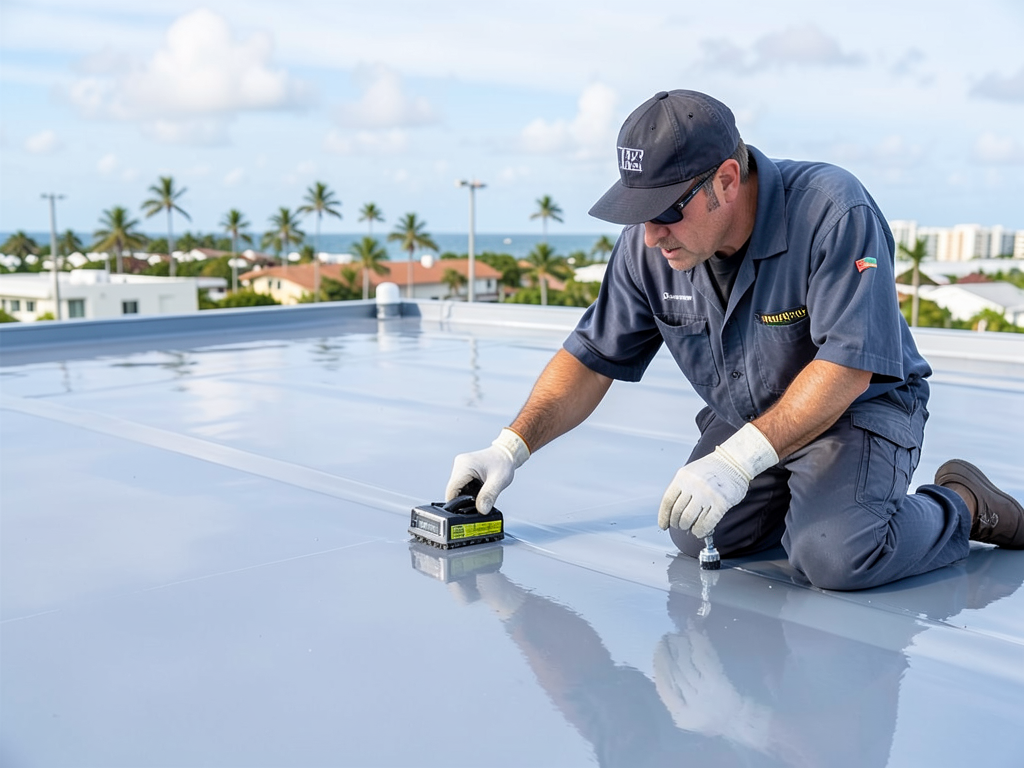
Technician applying silicone coating to a flat roof in North Miami Beach, showing proper thickness and even coverage
Technical Advantages of Silicone Coatings in South Florida
Silicone’s molecular structure creates a seamless membrane that resists ponding water better than acrylic alternatives. While acrylic coatings break down when submerged for extended periods, silicone maintains its integrity even when water stands for days after heavy rains. This makes it particularly effective for North Miami Beach properties where flat roof designs trap water during the rainy season.
The coating’s Solar Reflective Index (SRI) typically ranges from 100-110, reflecting up to 85% of solar radiation. This translates to surface temperature reductions of 50-60 degrees Fahrenheit compared to uncoated roofs. For commercial buildings, this can mean 20-30% lower cooling costs during Miami’s nine-month cooling season. Cool Roof Rating Council.
Silicone also expands and contracts with temperature changes without cracking, crucial for Miami’s daily thermal cycling. The material’s flexibility allows it to bridge small cracks and seams that would otherwise leak, creating a monolithic barrier against water intrusion.
Miami-Dade County Compliance Requirements
All roofing materials in Miami-Dade County must carry a Notice of Acceptance (NOA) from the Building Code Compliance Office. Silicone coatings must meet specific ASTM standards for tensile strength, elongation, and water absorption. The NOA number should be clearly visible on product data sheets and included in contractor proposals. The Best Metal Roofing Options for Homes in Key Biscayne.
For properties in flood zones, the coating must maintain adhesion when submerged and resist microbial growth in standing water. The Florida Building Code Section 15 mandates secondary water barriers for re-roofing projects, which silicone coatings can provide when properly applied over existing roof systems. Roofing Cutler Bay.
Commercial properties must also comply with the Cool Roof Rating Council (CRRC) standards for energy efficiency. Only CRRC-rated products qualify for Florida Power & Light rebates, which can offset 10-15% of coating installation costs.
Step-by-Step Silicone Coating Application Process
- Roof Inspection and Moisture Mapping
Technicians use infrared scanners to detect moisture trapped in the existing roof assembly. Areas with elevated moisture levels must be dried or replaced before coating application.
- Surface Preparation
High-pressure washing at 3,000+ PSI removes dirt, algae, and loose material. Any remaining debris compromises coating adhesion and voids warranties.
- Repairs and Priming
Cracks wider than 1/8 inch receive elastomeric patching compound. A bonding primer creates the chemical link between the existing roof and silicone layers.
- First Coat Application
The initial silicone layer establishes base thickness, typically 10-12 mils dry film thickness. Application must occur when surface temperature stays between 50-120°F.
- Curing and Second Coat
After proper curing time, a second coat adds another 10-12 mils. Some systems require a third coat for enhanced durability in hurricane zones. Protecting Your Home with Hurricane Rated Roofing Systems in Miami.
- Final Inspection and Documentation
Technicians measure coating thickness at multiple points and document NOA compliance. Property owners receive warranty certificates and maintenance schedules.
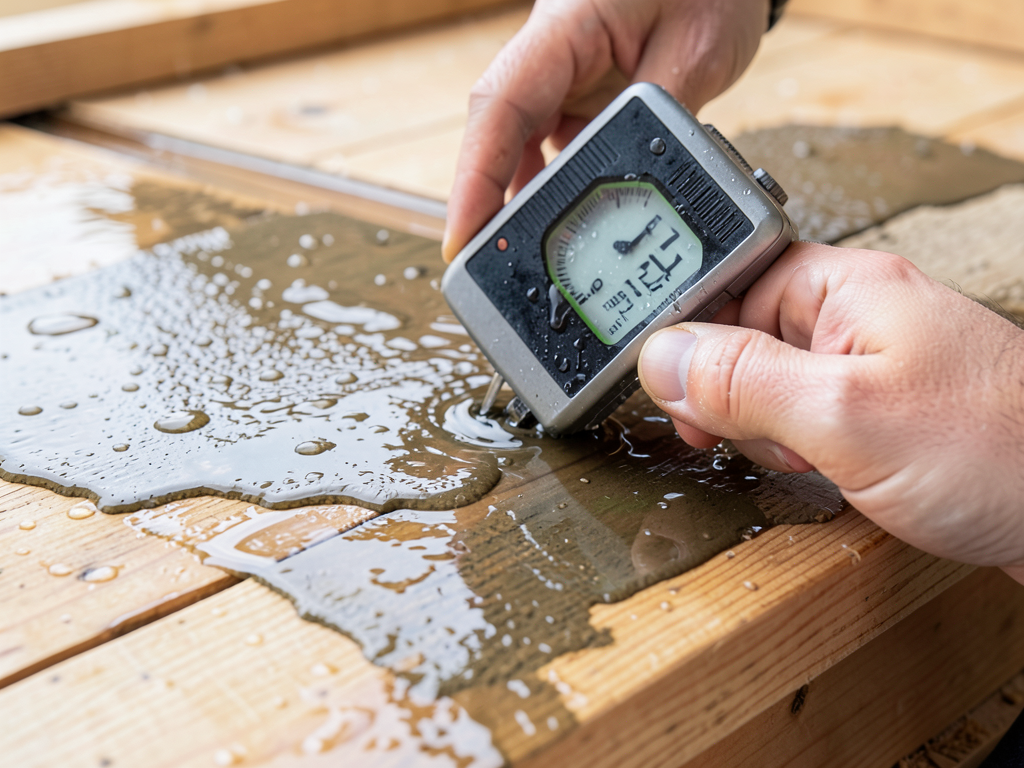
Moisture meter reading showing trapped water in roof deck before coating application
Silicone vs. Acrylic: Critical Differences for Miami Properties
| Property | Silicone Coating | Acrylic Coating |
|---|---|---|
| Ponding Water Resistance | Excellent – maintains integrity when submerged | Poor – breaks down with standing water |
| UV Reflectivity | 85-90% initial, minimal degradation | 70-80% initial, significant degradation over time |
| Flexibility | 350-400% elongation | 150-200% elongation |
| Cost per Square Foot | $2.50-$4.00 | $1.50-$2.50 |
| Expected Lifespan in Miami | 15-20 years | 8-12 years |
The higher initial cost of silicone coatings often pays for itself through extended lifespan and energy savings. For North Miami Beach properties, the ponding water resistance alone can prevent thousands in water damage repairs over a decade. Professional Flat Roof Repair Services for Brickell Business Owners.
Cost Factors Specific to North Miami Beach
Several factors influence silicone coating costs in this area. Roof accessibility affects labor costs – properties near the Intracoastal Waterway may require additional equipment to navigate narrow streets or limited parking. The age and condition of the existing roof determines preparation time; roofs over 15 years old typically need more extensive repairs before coating.
Building height impacts material costs due to wind load requirements. Structures over three stories need additional coating thickness and may require special application equipment. Properties in flood zones must use products with enhanced submersion resistance, which increases material costs by 10-15%.
Commercial properties often qualify for bulk pricing when coating areas exceed 10,000 square feet. However, these larger projects require careful scheduling around business operations and may need night or weekend work to minimize disruption.
Common Failure Points and How to Avoid Them
Improper surface preparation causes 60% of silicone coating failures. Pressure washing must achieve a clean, sound substrate – any remaining dirt or algae prevents proper adhesion. Contractors should provide before-and-after photos showing cleaned surfaces.
Application in incorrect temperatures leads to poor curing. Miami’s humidity accelerates curing but also creates challenges. Coatings applied when surface temperatures exceed 120°F can blister, while application during rain or within 24 hours of forecasted precipitation prevents proper bonding.
Insufficient mil thickness reduces effectiveness. Most manufacturers require minimum dry film thickness of 20-24 mils for full warranty coverage. Some contractors cut corners by applying thinner coats, which fail prematurely under Miami’s harsh conditions.
Lack of proper documentation can void warranties. Property owners should receive detailed application reports showing mil thickness measurements, NOA compliance documentation, and maintenance requirements.
Technician using wet film thickness gauge to verify proper coating application on a North Miami Beach commercial roof
Maintenance Requirements for Maximum Lifespan
Silicone coatings require specific maintenance to achieve their full lifespan in Miami’s climate. Annual inspections should check for debris accumulation, particularly in roof drains and scuppers. Even small amounts of debris can trap moisture and accelerate coating degradation.
Cleaning should occur every 18-24 months using low-pressure washing to remove salt deposits and organic growth. High-pressure washing can damage the coating surface and void warranties. Property owners should avoid walking on coated surfaces except for necessary maintenance.
Small repairs become critical in hurricane zones. Any tears or punctures should be repaired within 48 hours using manufacturer-approved patching materials. Water intrusion through damaged coating can compromise the entire roof system.
Documentation of all maintenance activities helps preserve warranty coverage. Most manufacturers require proof of regular inspections and cleaning to honor extended warranty terms.
Environmental and Energy Benefits
Beyond energy savings, silicone coatings offer significant environmental advantages for North Miami Beach properties. The high reflectivity reduces urban heat island effects, lowering ambient temperatures in surrounding areas. This can decrease energy demand across the electrical grid during peak cooling seasons.
Coating existing roofs prevents tear-off waste from entering landfills. A typical commercial roof replacement generates 10-15 tons of waste, while coating adds minimal material to the waste stream. The reduced cooling load also decreases carbon emissions from power generation.
Some silicone products contain recycled content and are themselves recyclable at end of life. This closed-loop approach aligns with Miami-Dade County’s sustainability initiatives and can help properties qualify for green building certifications.
Frequently Asked Questions
How long does a silicone roof coating last in North Miami Beach?
Properly applied silicone coatings typically last 15-20 years in Miami’s climate. Factors affecting lifespan include roof condition before coating, application quality, and maintenance adherence. Properties near the coast may see slightly reduced lifespans due to salt exposure.
Can silicone coating fix existing roof leaks?
Silicone coating can seal minor cracks and seams but cannot fix structural damage or major deterioration. All existing leaks must be repaired before coating application. Coating over active leaks only traps moisture and accelerates roof failure.
What’s the warranty coverage for silicone coatings?
Warranties range from 10 to 50 years depending on coating thickness and manufacturer. Most require professional installation and documented maintenance. Labor warranties are typically shorter than material warranties, often 5-10 years.
How does silicone coating affect my insurance?
Many insurance companies offer premium discounts for reflective roof coatings due to reduced cooling costs and improved storm resistance. Some may require documentation of NOA compliance and proper installation for coverage eligibility.
Is silicone coating better than a new roof?
Coating works best for roofs in good structural condition that need waterproofing and UV protection. Roofs with extensive damage, rot, or structural issues require replacement. A professional inspection can determine which option suits your specific situation. Metal Roofing Systems.
Making the Right Decision for Your Property
Silicone roof coatings offer significant advantages for North Miami Beach properties, but they’re not a universal solution. The technology works best for flat or low-slope roofs in good structural condition that need waterproofing and UV protection. Properties with extensive damage or structural issues still require full replacement.
The decision ultimately depends on your roof’s current condition, budget constraints, and long-term property plans. A professional inspection using moisture meters and infrared scanning can reveal whether your roof qualifies for coating or needs more extensive work.
For commercial property owners, the energy savings and extended roof life often provide compelling ROI calculations. The ability to maintain operations during installation and avoid the disruption of full replacement adds significant value beyond the direct cost comparison.
Ready to Protect Your Investment?
Don’t wait until the next tropical storm reveals your roof’s vulnerabilities. A professional inspection can identify potential problems and determine if silicone coating offers the right solution for your North Miami Beach property. Call (645) 231-4888 today to schedule your comprehensive roof assessment and receive a detailed proposal tailored to your specific needs.
Our team understands the unique challenges of South Florida roofing and can help you make an informed decision that protects your property for years to come. The call takes just 15 minutes but could save you thousands in future repairs and energy costs.
{
“@context”: “https://schema.org”,
“@type”: “BlogPosting”,
“headline”: “The Real Pros and Cons of Silicone Roof Coatings for North Miami Beach Properties”,
“description”: “Discover if silicone roof coatings are right for your North Miami Beach property. Learn about UV resistance, hurricane compliance, and cost vs. replacement in South Florida’s climate.”,
“wordCount”: 1818,
“datePublished”: “2026-03-08T10:21:00.000Z”,
“dateModified”: “2026-03-08T10:21:00.000Z”,
“inLanguage”: “en-US”,
“mainEntityOfPage”: {
“@type”: “WebPage”,
“@id”: “https://ironwoodroofingmiami.com”
},
“publisher”: {
“@type”: “LocalBusiness”,
“name”: “Ironwood Roofing Miami”,
“url”: “https://ironwoodroofingmiami.com”
},
“author”: {
“@type”: “Organization”,
“name”: “Ironwood Roofing Miami”,
“url”: “https://ironwoodroofingmiami.com”
},
“image”: {
“@type”: “ImageObject”,
“url”: “https://ironwoodroofingmiami.com/wp-content/uploads/2026/03/the-real-pros-and-cons-of-silicone-roof-coatings-f-1.png”
}
}
{
“@context”: “https://schema.org”,
“@type”: “RoofingContractor”,
“name”: “Ironwood Roofing Miami”,
“url”: “https://ironwoodroofingmiami.com”,
“address”: {
“@type”: “PostalAddress”,
“addressLocality”: “Miami”
},
“areaServed”: {
“@type”: “City”,
“name”: “Miami”
}
}
{
“@context”: “https://schema.org”,
“@type”: “FAQPage”,
“mainEntity”: [
{
“@type”: “Question”,
“name”: “How long does a silicone roof coating last in North Miami Beach?”,
“acceptedAnswer”: {
“@type”: “Answer”,
“text”: “Properly applied silicone coatings typically last 15-20 years in Miami’s climate. Factors affecting lifespan include roof condition before coating, application quality, and maintenance adherence. Properties near the coast may see slightly reduced lifespans due to salt exposure.”
}
},
{
“@type”: “Question”,
“name”: “Can silicone coating fix existing roof leaks?”,
“acceptedAnswer”: {
“@type”: “Answer”,
“text”: “Silicone coating can seal minor cracks and seams but cannot fix structural damage or major deterioration. All existing leaks must be repaired before coating application. Coating over active leaks only traps moisture and accelerates roof failure.”
}
},
{
“@type”: “Question”,
“name”: “What’s the warranty coverage for silicone coatings?”,
“acceptedAnswer”: {
“@type”: “Answer”,
“text”: “Warranties range from 10 to 50 years depending on coating thickness and manufacturer. Most require professional installation and documented maintenance. Labor warranties are typically shorter than material warranties, often 5-10 years.”
}
},
{
“@type”: “Question”,
“name”: “How does silicone coating affect my insurance?”,
“acceptedAnswer”: {
“@type”: “Answer”,
“text”: “Many insurance companies offer premium discounts for reflective roof coatings due to reduced cooling costs and improved storm resistance. Some may require documentation of NOA compliance and proper installation for coverage eligibility.”
}
},
{
“@type”: “Question”,
“name”: “Is silicone coating better than a new roof?”,
“acceptedAnswer”: {
“@type”: “Answer”,
“text”: “Coating works best for roofs in good structural condition that need waterproofing and UV protection. Roofs with extensive damage, rot, or structural issues require replacement. A professional inspection can determine which option suits your specific situation. Metal Roofing Systems.”
}
},
{
“@type”: “Question”,
“name”: “Ready to Protect Your Investment?”,
“acceptedAnswer”: {
“@type”: “Answer”,
“text”: “Don’t wait until the next tropical storm reveals your roof’s vulnerabilities. A professional inspection can identify potential problems and determine if silicone coating offers the right solution for your North Miami Beach property. Call (645) 231-4888 today to schedule your comprehensive roof assessment and receive a detailed proposal tailored to your specific needs.”
}
}
]
}
{
“@context”: “https://schema.org”,
“@type”: “HowTo”,
“name”: “Silicone Roof Coating Application Process”,
“step”: [
{
“@type”: “HowToStep”,
“position”: 1,
“name”: “Roof Inspection and Moisture Mapping”,
“text”: “Technicians use infrared scanners to detect moisture trapped in the existing roof assembly. Areas with elevated moisture levels must be dried or replaced before coating application.”
},
{
“@type”: “HowToStep”,
“position”: 2,
“name”: “Surface Preparation”,
“text”: “High-pressure washing at 3,000+ PSI removes dirt, algae, and loose material. Any remaining debris compromises coating adhesion and voids warranties.”
},
{
“@type”: “HowToStep”,
“position”: 3,
“name”: “Repairs and Priming”,
“text”: “Cracks wider than 1/8 inch receive elastomeric patching compound. A bonding primer creates the chemical link between the existing roof and silicone layers.”
},
{
“@type”: “HowToStep”,
“position”: 4,
“name”: “First Coat Application”,
“text”: “The initial silicone layer establishes base thickness, typically 10-12 mils dry film thickness. Application must occur when surface temperature stays between 50-120°F.”
},
{
“@type”: “HowToStep”,
“position”: 5,
“name”: “Curing and Second Coat”,
“text”: “After proper curing time, a second coat adds another 10-12 mils. Some systems require a third coat for enhanced durability in hurricane zones. Protecting Your Home with Hurricane Rated Roofing Systems in Miami.”
},
{
“@type”: “HowToStep”,
“position”: 6,
“name”: “Final Inspection and Documentation”,
“text”: “Technicians measure coating thickness at multiple points and document NOA compliance. Property owners receive warranty certificates and maintenance schedules.”
}
],
“image”: “https://ironwoodroofingmiami.com/wp-content/uploads/2026/03/the-real-pros-and-cons-of-silicone-roof-coatings-f-1.png”
}
{
“@context”: “https://schema.org”,
“@type”: “BreadcrumbList”,
“itemListElement”: [
{
“@type”: “ListItem”,
“position”: 1,
“name”: “Home”,
“item”: “https://ironwoodroofingmiami.com”
},
{
“@type”: “ListItem”,
“position”: 2,
“name”: “Blog”,
“item”: “https://ironwoodroofingmiami.com/blog”
},
{
“@type”: “ListItem”,
“position”: 3,
“name”: “The Real Pros and Cons of Silicone Roof Coatings for North Miami Beach Properties”
}
]
}
{
“@context”: “https://schema.org”,
“@type”: “Service”,
“serviceType”: “Roofing”,
“provider”: {
“@type”: “LocalBusiness”,
“name”: “Ironwood Roofing Miami”,
“url”: “https://ironwoodroofingmiami.com”
},
“areaServed”: {
“@type”: “City”,
“name”: “Miami”
},
“description”: “Discover if silicone roof coatings are right for your North Miami Beach property. Learn about UV resistance, hurricane compliance, and cost vs. replacement in South Florida’s climate.”
}