
The Best Roofing Options for Flat Roof Patios and Decks in the Miami Design District
Flat roof patios and decks in the Miami Design District face intense sun, heavy rains, and salt spray from Biscayne Bay. These outdoor living spaces require specialized waterproofing systems that handle foot traffic while resisting Miami’s extreme weather. The right system prevents leaks, extends deck life, and maintains the aesthetic appeal that makes the Design District a premier destination. The Best Metal Roofing Options for Homes in Key Biscayne.
Property owners in the 33127 and 33137 zip codes need materials that meet Miami-Dade County’s Notice of Acceptance (NOA) standards for high-velocity hurricane zones. The Design District’s mix of luxury condos, restaurants, and retail spaces creates unique demands for waterproofing systems that look good while performing under pressure. Miami-Dade County Notice of Acceptance Program.
Why Miami’s Climate Destroys Standard Waterproofing
The Design District sits just north of downtown Miami where afternoon thunderstorms dump 2-4 inches of rain during summer months. These heavy downpours test every seam and flashing on a flat roof deck. Standard residential waterproofing fails quickly when exposed to Miami’s combination of UV radiation, humidity, and salt air. Roofing Cutler Bay.
UV exposure breaks down conventional coatings within 3-5 years in South Florida. The intense sunlight causes materials to become brittle and crack, creating entry points for water. Salt spray from nearby waterways accelerates corrosion of metal components and degrades membrane adhesives. Florida Building Code Product Approval.
Temperature fluctuations cause expansion and contraction that standard systems cannot handle. Miami’s concrete decks expand up to 0.5 inches per 100 feet when temperatures rise from morning to afternoon. This movement creates stress points that lead to leaks if the waterproofing cannot flex with the substrate. Metal Roofing Systems.
Diagram showing thermal expansion stress on flat roof decks and how flexible membranes accommodate movement without cracking.
NOA-Approved Waterproofing Systems for Miami
Miami-Dade County requires all roofing materials to pass rigorous testing for wind uplift, impact resistance, and water penetration. The Notice of Acceptance (NOA) program ensures products can withstand Category 5 hurricane conditions. Only certified materials receive NOA numbers that contractors must use for permits. Protecting Your Home with Hurricane Rated Roofing Systems in Miami.
PMMA (Polymethyl Methacrylate) systems dominate the high-end flat roof market in the Design District. These liquid-applied membranes cure in 30-60 minutes even in high humidity. PMMA forms a seamless, flexible barrier that bridges cracks up to 1/8 inch wide.
Polyurethane coatings offer excellent chemical resistance and UV stability. Two-component systems provide superior adhesion to concrete and wood substrates common in the Design District. These coatings maintain flexibility at temperatures from -40°F to 200°F, handling Miami’s thermal swings.
Liquid-applied membranes create monolithic waterproofing without seams or joints. Application involves multiple coats with reinforcement fabric at critical areas. These systems achieve 1,000% elongation before breaking, allowing them to move with the building structure.
PMMA vs. Polyurethane: Technical Comparison
| Feature | PMMA Systems | Polyurethane Systems |
|---|---|---|
| Cure Time | 30-60 minutes | 4-24 hours |
| UV Resistance | Excellent | Very Good |
| Flexibility | 800-1,000% | 300-500% |
| Traffic Rating | Pedestrian/Moderate | Pedestrian/Heavy |
| NOA Status | Multiple approvals | Multiple approvals |
| Cost per sq ft | $8-12 | $6-9 |
Surface Preparation Requirements
Successful waterproofing starts with proper substrate preparation. Concrete decks require diamond grinding to remove laitance and create a profile for adhesion. Wood substrates need sanding and filling of all cracks and joints before priming.
Moisture testing determines if the substrate can accept waterproofing. Concrete must test below 4% moisture content using ASTM F2170 probe tests. Wood decks require 12% or lower moisture content with a moisture meter.
Cleaning removes oils, waxes, and contaminants that prevent adhesion. Pressure washing at 3,000+ PSI removes surface dirt. Chemical cleaners dissolve grease and oil residues. The surface must dry completely before primer application.
Repairing cracks and spalls prevents future failures. Epoxy injection fills structural cracks wider than 1/16 inch. Patching compounds rebuild spalled areas to match surrounding surfaces. All repairs must cure fully before waterproofing application. Professional Flat Roof Repair Services for Brickell Business Owners.
Application Process for Maximum Durability
- Surface Preparation
Diamond grind concrete to CSP-3 profile. Sand wood to remove splinters and smooth surface. Clean thoroughly and allow to dry completely.
- Primer Application
Apply solvent-based primer at 300-400 square feet per gallon. Allow 2-4 hours flash time depending on temperature and humidity.
- Base Coat Installation
Roll or spray base coat at 25-30 mils dry film thickness. Embed reinforcement fabric at all joints and penetrations.
- Flashing Details
Install 12-inch wide flashing at all vertical transitions. Apply 40-60 mils thickness at critical areas.
- Topcoat Finish
Apply final coat at 20-25 mils thickness. Add non-skid aggregate for pedestrian safety if required.
Pedestrian Traffic Considerations
Design District properties often convert flat roofs into outdoor dining areas, lounges, or event spaces. These applications require waterproofing systems rated for continuous foot traffic. Standard roof coatings cannot handle the wear from chairs, tables, and regular use.
Anti-slip textures prevent accidents on wet surfaces. Silica sand or aluminum oxide aggregates create traction without feeling rough underfoot. These additives must be broadcast into the final wet coat for proper adhesion.
Cool roof coatings reduce surface temperatures by 50-80°F compared to standard dark coatings. These highly reflective systems improve comfort and reduce cooling costs. Miami-Dade County offers incentives for solar reflectance index (SRI) values above 78.
Drainage integration prevents ponding water that accelerates coating degradation. Internal drains with sumps collect water at low points. Scuppers provide overflow protection during heavy rains. Proper slope ensures water moves toward drainage points within 48 hours per building code.
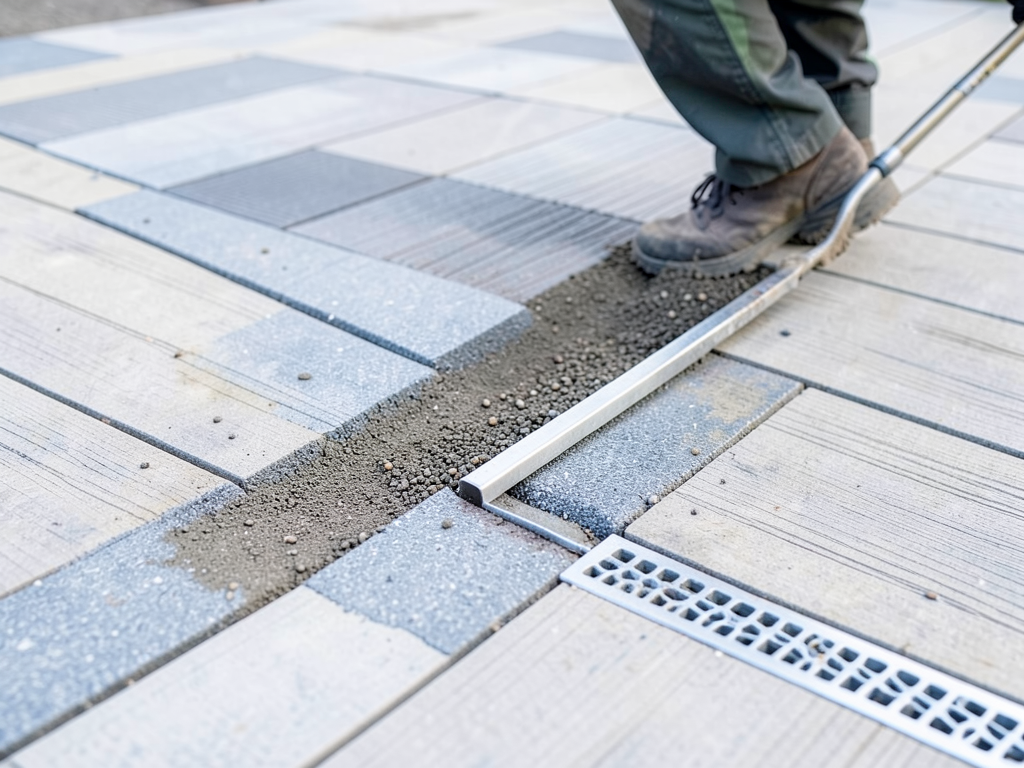
Photo showing anti-slip aggregate application on pedestrian deck coating with proper drainage slope toward scuppers.
Wood vs. Concrete Substrate Requirements
Wood decks require different preparation than concrete. Plywood substrates need 3/4-inch exterior grade minimum with 1/8-inch gaps between sheets for expansion. OSB board cannot be used as it swells when wet.
Concrete decks benefit from polymer-modified cement toppings for smooth surfaces. These toppings provide uniform absorption and prevent telegraphing of substrate imperfections. Application requires 1/4-inch minimum thickness with proper curing.
Expansion joints in concrete must transfer through the waterproofing system. Pre-manufactured joint covers allow movement while maintaining waterproofing. These covers install every 20-30 feet depending on deck size and temperature range.
Wood decks need additional protection at fastener penetrations. Each screw or nail hole becomes a potential leak point. Self-adhering flashing tape seals around fasteners before membrane application.
Maintenance Requirements for Long-Term Performance
Regular inspections catch problems before they become expensive repairs. Check for blisters, cracks, or delamination every six months. Pay special attention to areas around drains, scuppers, and penetrations where failures commonly occur.
Cleaning removes debris that traps moisture against the coating. Pressure washing at 1,500-2,000 PSI removes dirt without damaging the membrane. Avoid harsh chemicals that can break down waterproofing chemistry.
Recoating extends system life by 5-7 years. Clean the surface thoroughly then apply maintenance coat at 75% of original thickness. This refreshes UV protection and seals minor wear areas.
Repair damaged areas immediately to prevent water intrusion. Cut out failed sections to sound material. Patch with compatible products from the original manufacturer. Feather edges to blend with surrounding coating.
Cost Factors and ROI Considerations
Initial installation costs range from $8-15 per square foot depending on system selection and substrate condition. PMMA systems cost more but offer faster return to service. Polyurethane provides better value for large areas with simpler requirements.
Premium systems reduce long-term maintenance costs. Higher initial investment often pays back through extended service life and fewer repairs. Quality installation prevents costly interior damage from leaks.
Energy savings from cool roof coatings provide ongoing returns. Reflective surfaces reduce air conditioning loads by 10-20% in Miami’s climate. Many utility companies offer rebates for high-SRI installations.
Insurance premiums may decrease with certified waterproofing systems. Some carriers offer discounts for Miami-Dade NOA approved materials that resist hurricane damage. Documentation of proper installation helps with claims if problems occur.
Building Code Compliance in the Design District
Florida Building Code Chapter 15 requires specific wind uplift ratings for Miami-Dade County. Most flat roof decks need Class H or higher resistance to meet HVHz (High Velocity Hurricane Zone) standards. NOA approved materials automatically meet these requirements.
Secondary water barriers protect against wind-driven rain during hurricanes. Self-adhering underlayment installed at perimeters and penetrations prevents water entry if primary roofing fails. This requirement applies to all re-roofing projects over 50% of the deck area.
Fire ratings affect material selection for occupied spaces below decks. Class A fire resistance prevents flame spread from external sources. Many Design District buildings require this rating due to mixed-use occupancy.
ADA compliance may apply to public access areas. Slip resistance testing ensures surfaces meet accessibility standards. Proper slope and drainage prevent standing water that creates hazards.
Photo showing NOA label on waterproofing material with Miami-Dade testing certification for wind uplift and impact resistance.
Frequently Asked Questions
How long does flat roof deck waterproofing last in Miami?
Quality systems installed to manufacturer specifications typically last 15-20 years in Miami’s climate. PMMA systems often exceed 20 years with proper maintenance. Harsh UV exposure and salt air reduce lifespan compared to inland areas.
Can I install waterproofing over existing coatings?
Only if the existing coating is fully adhered and compatible. Most systems require complete removal of old coatings to ensure proper adhesion. Adhesion testing determines if overlay installation is possible.
What’s the best waterproofing for a rooftop restaurant in the Design District?
PMMA systems with anti-slip textures provide the best combination of durability, chemical resistance, and quick return to service. These handle food spills, heavy foot traffic, and maintain appearance under intense UV exposure.
How soon can we use the deck after waterproofing?
PMMA systems allow foot traffic in 2-4 hours after application. Polyurethane coatings need 24-48 hours before light use. Full chemical cure requires 7 days before placing heavy furniture or equipment.
Do I need permits for waterproofing in Miami?
Yes. Miami-Dade County requires building permits for all waterproofing work over 100 square feet. The permit process ensures compliance with NOA requirements and building code standards.
Protect Your Design District Investment
Flat roof patios and decks represent significant investments in the Miami Design District’s competitive real estate market. Quality waterproofing protects these assets from Miami’s harsh climate while maintaining the aesthetic appeal that attracts tenants and customers.
Don’t wait for the next tropical storm to discover waterproofing failures. The intense Miami sun and frequent afternoon thunderstorms create perfect conditions for leaks that damage interior spaces and create liability issues.
Call (645) 231-4888 today to schedule your Miami-Dade NOA approved waterproofing consultation. Our technicians understand the unique challenges of the Design District and can recommend systems that provide lasting protection for your flat roof deck.
Pick up the phone and call (645) 231-4888 before the next storm hits. Every day without proper waterproofing increases the risk of expensive water damage to your property and the spaces below your deck.
{
“@context”: “https://schema.org”,
“@type”: “BlogPosting”,
“headline”: “The Best Roofing Options for Flat Roof Patios and Decks in the Miami Design District”,
“description”: “Discover Miami-Dade NOA-approved waterproofing systems for flat roof patios. Compare PMMA vs. polyurethane coatings for hurricane resistance and salt-air durability.”,
“wordCount”: 1810,
“datePublished”: “2026-03-21T15:30:00.000Z”,
“dateModified”: “2026-03-21T15:30:00.000Z”,
“inLanguage”: “en-US”,
“mainEntityOfPage”: {
“@type”: “WebPage”,
“@id”: “https://ironwoodroofingmiami.com”
},
“publisher”: {
“@type”: “LocalBusiness”,
“name”: “Ironwood Roofing Miami”,
“url”: “https://ironwoodroofingmiami.com”
},
“author”: {
“@type”: “Organization”,
“name”: “Ironwood Roofing Miami”,
“url”: “https://ironwoodroofingmiami.com”
}
}
{
“@context”: “https://schema.org”,
“@type”: “RoofingContractor”,
“name”: “Ironwood Roofing Miami”,
“url”: “https://ironwoodroofingmiami.com”,
“address”: {
“@type”: “PostalAddress”,
“addressLocality”: “Miami”
},
“areaServed”: {
“@type”: “City”,
“name”: “Miami”
}
}
{
“@context”: “https://schema.org”,
“@type”: “FAQPage”,
“mainEntity”: [
{
“@type”: “Question”,
“name”: “How long does flat roof deck waterproofing last in Miami?”,
“acceptedAnswer”: {
“@type”: “Answer”,
“text”: “Quality systems installed to manufacturer specifications typically last 15-20 years in Miami’s climate. PMMA systems often exceed 20 years with proper maintenance. Harsh UV exposure and salt air reduce lifespan compared to inland areas.”
}
},
{
“@type”: “Question”,
“name”: “Can I install waterproofing over existing coatings?”,
“acceptedAnswer”: {
“@type”: “Answer”,
“text”: “Only if the existing coating is fully adhered and compatible. Most systems require complete removal of old coatings to ensure proper adhesion. Adhesion testing determines if overlay installation is possible.”
}
},
{
“@type”: “Question”,
“name”: “What’s the best waterproofing for a rooftop restaurant in the Design District?”,
“acceptedAnswer”: {
“@type”: “Answer”,
“text”: “PMMA systems with anti-slip textures provide the best combination of durability, chemical resistance, and quick return to service. These handle food spills, heavy foot traffic, and maintain appearance under intense UV exposure.”
}
},
{
“@type”: “Question”,
“name”: “How soon can we use the deck after waterproofing?”,
“acceptedAnswer”: {
“@type”: “Answer”,
“text”: “PMMA systems allow foot traffic in 2-4 hours after application. Polyurethane coatings need 24-48 hours before light use. Full chemical cure requires 7 days before placing heavy furniture or equipment.”
}
},
{
“@type”: “Question”,
“name”: “Do I need permits for waterproofing in Miami?”,
“acceptedAnswer”: {
“@type”: “Answer”,
“text”: “Yes. Miami-Dade County requires building permits for all waterproofing work over 100 square feet. The permit process ensures compliance with NOA requirements and building code standards.”
}
}
]
}
{
“@context”: “https://schema.org”,
“@type”: “HowTo”,
“name”: “Waterproofing Application Process”,
“step”: [
{
“@type”: “HowToStep”,
“position”: 1,
“name”: “Surface Preparation”,
“text”: “Diamond grind concrete to CSP-3 profile. Sand wood to remove splinters and smooth surface. Clean thoroughly and allow to dry completely.”
},
{
“@type”: “HowToStep”,
“position”: 2,
“name”: “Primer Application”,
“text”: “Apply solvent-based primer at 300-400 square feet per gallon. Allow 2-4 hours flash time depending on temperature and humidity.”
},
{
“@type”: “HowToStep”,
“position”: 3,
“name”: “Base Coat Installation”,
“text”: “Roll or spray base coat at 25-30 mils dry film thickness. Embed reinforcement fabric at all joints and penetrations.”
},
{
“@type”: “HowToStep”,
“position”: 4,
“name”: “Flashing Details”,
“text”: “Install 12-inch wide flashing at all vertical transitions. Apply 40-60 mils thickness at critical areas.”
},
{
“@type”: “HowToStep”,
“position”: 5,
“name”: “Topcoat Finish”,
“text”: “Apply final coat at 20-25 mils thickness. Add non-skid aggregate for pedestrian safety if required.”
}
]
}
{
“@context”: “https://schema.org”,
“@type”: “BreadcrumbList”,
“itemListElement”: [
{
“@type”: “ListItem”,
“position”: 1,
“name”: “Home”,
“item”: “https://ironwoodroofingmiami.com”
},
{
“@type”: “ListItem”,
“position”: 2,
“name”: “Blog”,
“item”: “https://ironwoodroofingmiami.com/blog”
},
{
“@type”: “ListItem”,
“position”: 3,
“name”: “The Best Roofing Options for Flat Roof Patios and Decks in the Miami Design District”
}
]
}
{
“@context”: “https://schema.org”,
“@type”: “Service”,
“serviceType”: “Roofing”,
“provider”: {
“@type”: “LocalBusiness”,
“name”: “Ironwood Roofing Miami”,
“url”: “https://ironwoodroofingmiami.com”
},
“areaServed”: {
“@type”: “City”,
“name”: “Miami”
},
“description”: “Discover Miami-Dade NOA-approved waterproofing systems for flat roof patios. Compare PMMA vs. polyurethane coatings for hurricane resistance and salt-air durability.”
}