Restoring the Authentic Look of Mid Century Modern Roof Lines in Miami Shores
The clean horizontal lines and low-profile roofs that define Mid Century Modern architecture in Miami Shores face unique challenges in South Florida’s climate. These homes built between the 1940s and 1970s were designed with flat or gently sloped roofs that create the signature geometric silhouette. Today, restoring these roof lines requires balancing historical accuracy with modern hurricane resistance and energy efficiency standards that simply did not exist when these homes were constructed. Protecting Your Home with Hurricane Rated Roofing Systems in Miami.
Miami Shores’ MCM homes sit in a high-velocity hurricane zone where wind speeds can exceed 175 mph during major storms. The original roofing materials often cannot withstand these forces while maintaining the thin profile that makes these homes visually distinctive. Our restoration process focuses on preserving the authentic architectural intent while upgrading the structural integrity to meet current Miami-Dade NOA requirements for wind uplift resistance. Miami-Dade Building Code Information.
The challenge lies in the details. Original MCM roofs often featured exposed tongue-and-groove decking, minimal overhangs, and parapet walls that create the clean horizontal lines. These elements must be preserved or carefully replicated during restoration. We use tapered insulation systems that maintain the low profile while providing proper drainage for Miami’s heavy afternoon thunderstorms. The result is a roof that looks exactly as the original architect intended but performs to 2026 building standards.. Read more about Calculating if Your Older West Miami Home Can Support the Weight of Heavy Clay Tiles.
Material selection becomes critical when restoring MCM roof lines. Traditional options like built-up gravel roofs add excessive weight and bulk that destroys the original proportions. Modern alternatives like TPO membrane roofing offer the thin profile needed while providing superior reflectivity for Miami’s intense sun. Standing seam metal roofing in low-profile profiles can also work when properly detailed to maintain the horizontal emphasis of the original design. The Best Metal Roofing Options for Homes in Key Biscayne.
Top Roofing Materials for Miami Mid-Century Homes
Choosing the right material for your MCM restoration determines whether the finished roof honors the original design or creates an awkward modern addition. Each material offers different advantages for maintaining the authentic look while meeting current performance requirements.. Read more about How Modern Metal Roofing Enhances the Minimalist Aesthetic of Pinecrest Architecture.
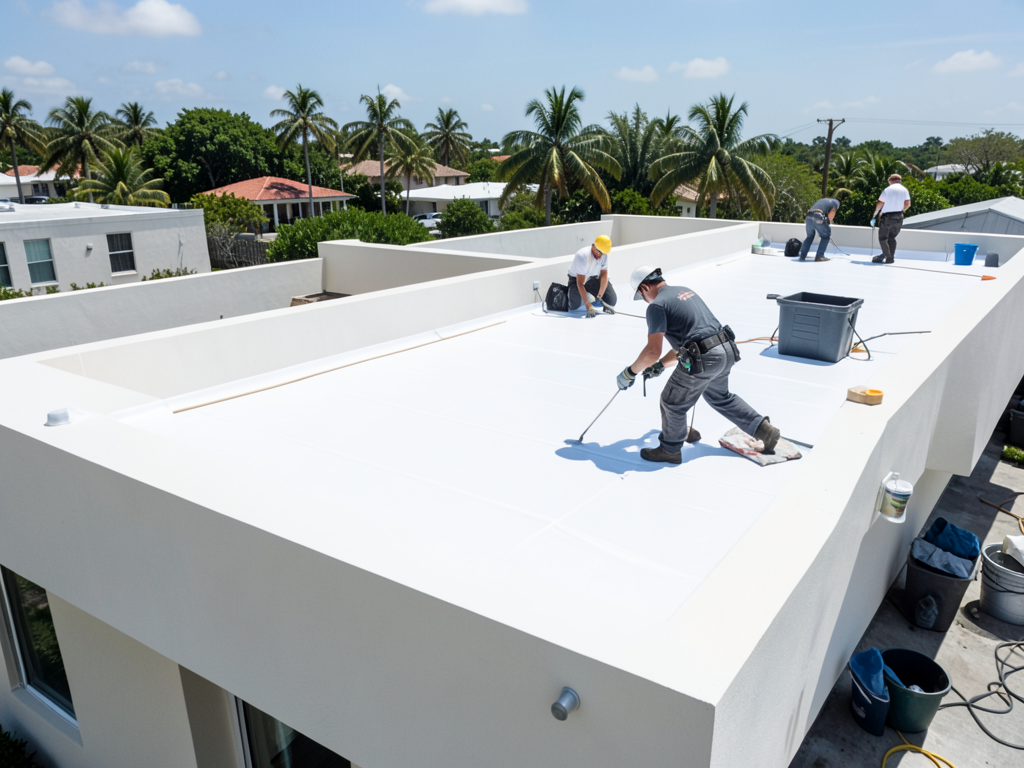
TPO Membrane Roofing provides the closest match to original flat roof profiles while offering excellent energy efficiency. The white reflective surface reduces cooling costs by up to 30% compared to traditional dark materials. Modern TPO systems use heat-welded seams that create a monolithic waterproof barrier without the bulky flashings that would interrupt clean roof lines.
Modified Bitumen roofing offers a slightly thicker profile but provides superior durability in Miami’s harsh UV environment. The torch-down installation creates seamless coverage while the modified asphalt composition withstands thermal expansion better than traditional built-up roofs. This material works well for homes where the original roof had a very slight pitch that needs to be maintained.
Standing Seam Metal in low-profile configurations can restore MCM homes that originally featured metal roofing or when maximum durability is required. Modern aluminum or steel panels in 24-gauge thickness provide Class 4 impact resistance while powder-coated finishes prevent the corrosion that plagued earlier metal roofs in coastal environments. The key is selecting panels with minimal reveal height to avoid creating an industrial appearance that conflicts with MCM aesthetics.
Navigating Miami-Dade HVHZ Building Codes
Restoring an MCM roof in Miami Shores means complying with some of the strictest building codes in the nation. The Miami-Dade High Velocity Hurricane Zone (HVHZ) requirements affect every aspect of the restoration process, from material selection to installation methods.
Wind uplift calculations must account for the original roof’s structural capacity. Many MCM homes used 2×6 or 2×8 rafters on 24-inch centers, which may not meet current span requirements for high-wind areas. We often need to sister existing rafters or add hurricane straps to achieve the necessary uplift resistance ratings. The Miami-Dade NOA process requires engineering calculations that prove the restored roof can withstand design wind speeds of 175 mph or greater.
Secondary water barriers have been mandatory since the 2007 building code update. This means installing self-adhering polymer-modified bitumen underlayment across the entire roof deck. While this adds minimal thickness, proper detailing around parapet walls and roof edges prevents the buildup that would destroy the original profile. The underlayment also provides crucial protection if the primary roof covering is damaged during a storm.. Read more about Why Modified Bitumen Is a Better Choice for Small Flat Roofs in Little Haiti.
Drainage requirements present another challenge. The original MCM designs often relied on minimal slope and simple scuppers for water evacuation. Current codes require positive drainage with slopes of at least 1/4 inch per foot for flat roofs. We solve this with tapered insulation systems that create the necessary slope while maintaining the visual flatness from street level. The insulation also provides R-30 thermal resistance, which exceeds the original construction by a significant margin.
Preserving the MCM Aesthetic in Miami Shores
The visual success of an MCM roof restoration depends on understanding the architectural principles that guided the original design. These homes emphasize horizontal lines, minimal ornamentation, and a strong connection between indoor and outdoor spaces. The roof plays a crucial role in creating this aesthetic by appearing to float above the walls with minimal visual interruption.. Read more about The Real Cost Difference Between Concrete and Clay Tiles for Hammock Lakes Homes.
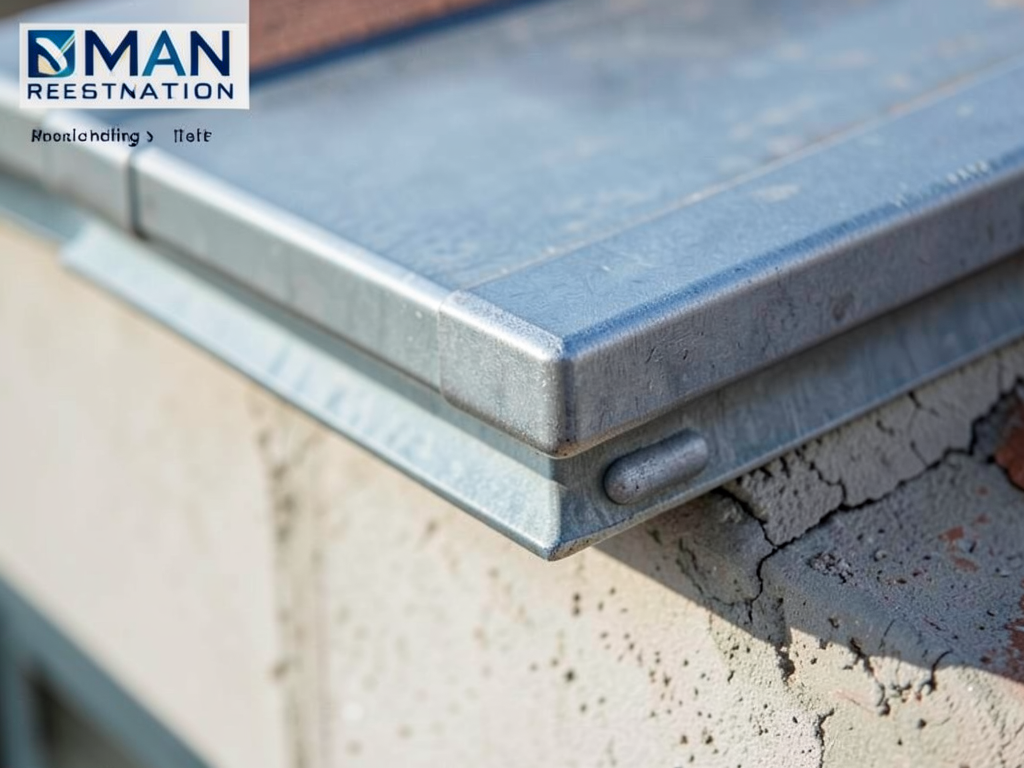
Parapet walls require special attention during restoration. Many MCM homes in Miami Shores feature parapet walls that extend above the roof plane, creating the characteristic horizontal band that runs the length of the house. These walls must be properly flashed and sealed to prevent water infiltration while maintaining their visual prominence. We use custom-fabricated metal coping caps that match the original profile exactly, often creating new pieces based on careful measurements of existing elements. Metal Roofing Systems.
Exposed structural elements present both a design opportunity and a technical challenge. Original MCM homes often featured exposed rafters, beams, or tongue-and-groove decking that created visual interest while reducing material costs. During restoration, these elements must be evaluated for structural integrity and treated for termite and rot damage common in Miami’s humid climate. When replacement is necessary, we source materials that match the original dimensions and wood species to maintain authenticity.
Roof-to-wall transitions require meticulous detailing to preserve the clean lines. Original construction often used simple metal flashing or built-in gutters that have deteriorated over decades of exposure. Modern restoration involves creating custom-fabricated flashings that match the original profile while incorporating improved waterproofing technology. The goal is making the transition appear exactly as it did when the home was built while ensuring it will last for another fifty years. Roofing Cutler Bay.
Miami Shores Project Gallery
Our restoration work in Miami Shores focuses on homes along the historic corridors where MCM architecture flourished. The Biscayne Boulevard corridor and areas near Miami Shores Country Club contain some of the finest examples of post-war modern design in South Florida.
The Naranja Drive Residence presented unique challenges with its butterfly roof configuration and extensive use of exposed wood decking. The original roof had suffered from decades of water infiltration through failing built-up roofing. Our restoration involved carefully removing the existing roof while preserving the original decking where possible. We installed a new TPO membrane system over tapered insulation that maintained the dramatic low points of the butterfly design while providing proper drainage. The exposed rafters were treated and reinforced to meet current load requirements.
The San Miguel Drive Home featured extensive parapet walls and a flat roof with minimal overhang. The original construction used lightweight concrete deck that had developed extensive cracking. We stabilized the existing deck structure and installed a new modified bitumen roofing system with custom-fabricated coping caps that matched the original profile. The restoration included repairing the parapet walls and installing new scupper drains that maintained the original water management approach while meeting current code requirements.
The Ludlam Trail Property sits near the historic rail corridor and features a low-pitch hip roof with wide eaves. The original wood shake roofing had been replaced with asphalt shingles that destroyed the authentic profile. Our restoration involved removing the existing shingles and installing a standing seam metal roof in a low-profile configuration. We matched the original panel width and seam spacing to maintain the horizontal emphasis while providing superior wind resistance for the hurricane-prone location.
Sustainable Roofing Solutions for South Florida
Modern MCM restorations incorporate sustainability features that were unavailable to original builders while maintaining the authentic aesthetic. Energy efficiency becomes particularly important in Miami’s climate where cooling costs can represent the largest portion of utility bills. Cool Roof Rating Council.
Cool roof technology significantly reduces heat gain through reflective roofing materials. White TPO membranes reflect up to 85% of solar radiation compared to traditional dark materials that absorb heat. This reflectivity translates to cooler attic spaces and reduced air conditioning load. The Energy Policy Act of 2005 provides tax incentives for cool roof installations, making this upgrade both environmentally and financially beneficial.
Solar integration presents opportunities for MCM homes with good sun exposure. Modern solar panels can be mounted flush with low-profile roofs or integrated into standing seam metal roofing systems. The key is maintaining the clean horizontal lines that define MCM design. We work with solar specialists to create mounting systems that preserve the architectural integrity while providing renewable energy generation.
Rainwater harvesting systems can be incorporated into MCM restorations without disrupting the original design. Hidden gutters and downspouts can collect rainwater for irrigation while maintaining the clean roof lines. The Miami-Dade Cooperative Extension Service provides guidelines for residential rainwater harvesting that can be integrated into restoration projects.
Diagnostic Testing for MCM Roof Restoration
Before beginning any restoration project, we perform comprehensive diagnostic testing to understand the existing roof’s condition and identify hidden problems that could affect the restoration process.
Moisture Meter Testing reveals water infiltration patterns that may not be visible from the surface. We use penetrating moisture meters at multiple depths to map moisture content throughout the roof assembly. This testing identifies areas where the original waterproofing has failed and helps determine whether the roof deck requires replacement or can be salvaged.
Infrared Thermography detects heat loss patterns that indicate insulation deficiencies or air leaks. This non-invasive testing helps identify areas where the original construction falls short of current energy efficiency standards. The thermal imaging also reveals moisture intrusion by showing temperature differences caused by wet materials retaining heat differently than dry materials.
Structural Load Testing evaluates whether the existing roof structure can support the weight of modern roofing materials and meet current wind uplift requirements. We use specialized equipment to measure deflection and identify areas where reinforcement is necessary. This testing is particularly important for MCM homes where the original construction may not meet current structural standards.
Cost Factors for MCM Roof Restoration
Restoring an MCM roof in Miami Shores typically costs 30-50% more than standard roof replacement due to the specialized knowledge and materials required. However, several factors influence the final cost of your restoration project.
Roof Size and Complexity directly affects labor costs. Simple rectangular flat roofs cost less per square foot than complex configurations with multiple roof planes, parapet walls, or unusual shapes. The butterfly roof design common in MCM homes requires more precise installation and material handling, increasing labor costs.
Material Selection significantly impacts the budget. TPO membrane roofing offers the best value for most MCM restorations, typically costing $8-12 per square foot installed. Modified bitumen ranges from $10-15 per square foot, while standing seam metal roofing can cost $15-25 per square foot depending on the profile and finish selected.
Structural Repairs often become necessary during restoration. If the existing roof deck requires replacement or reinforcement, costs can increase by $3-6 per square foot. Termite damage, which is common in Miami’s climate, may require wood replacement in addition to the roofing work.
Frequently Asked Questions
How long does an MCM roof restoration typically take?
Most MCM roof restorations in Miami Shores take 2-3 weeks from start to finish. This includes the diagnostic testing phase, material ordering, and the actual installation. Complex projects with extensive structural repairs may take 4-6 weeks. Professional Flat Roof Repair Services for Brickell Business Owners.
Will my restored roof look exactly like the original?
Yes, when done properly. Our restoration process focuses on maintaining the exact visual profile and details of the original roof. We use materials and installation techniques that preserve the clean horizontal lines and minimal visual interruption that define MCM design.
Does MCM roof restoration qualify for any tax incentives?
Energy-efficient roofing materials like TPO membrane may qualify for federal tax credits under the Energy Policy Act. Additionally, historic preservation tax credits may be available if your home is designated as a historic property by Miami-Dade County or the National Register of Historic Places.
How do I know if my MCM roof needs restoration versus replacement?
Diagnostic testing can determine the extent of existing damage and whether restoration is feasible. Signs that restoration may be needed include water stains on interior ceilings, visible sagging or deflection in the roof plane, and deterioration of existing roofing materials. Homes over 20 years old with original roofing should be evaluated for restoration potential.
Can I install solar panels on my restored MCM roof?
Yes, solar integration is possible with proper planning. Low-profile mounting systems can be installed on flat or low-slope roofs without disrupting the MCM aesthetic. We recommend coordinating with a solar specialist during the restoration planning phase to ensure compatibility with your roofing system.
What permits are required for MCM roof restoration in Miami Shores?
Miami-Dade County requires building permits for all roof replacements, including restorations. If your home is within a historic district or has historic designation, additional approvals may be required from the Miami Shores Historic Preservation Board. We handle all permit applications and coordinate with local authorities throughout the process.
Protect Your MCM Home’s Architectural Legacy
Your Mid Century Modern home in Miami Shores represents a unique period in architectural history. The clean lines, minimal ornamentation, and innovative use of space that define MCM design deserve preservation through careful restoration that respects the original vision while meeting modern performance standards.
The humid South Florida climate and hurricane threats make proper roof restoration essential for protecting your home’s structural integrity and maintaining its value. A poorly executed roof replacement can destroy the very features that make your MCM home special, while a professionally restored roof enhances both the appearance and functionality of your property.
Don’t let your MCM roof become a source of water damage, energy waste, or structural problems. Our team understands the unique requirements of Mid Century Modern architecture and has successfully restored numerous homes in the Miami Shores area. We combine historical sensitivity with modern building science to create roofs that look authentic while providing superior protection against Miami’s challenging climate.
Ready to restore your MCM roof to its original glory? Call (645) 231-4888 today to schedule your free diagnostic inspection. Our specialists will evaluate your roof’s condition, discuss restoration options, and provide a detailed proposal for bringing your home back to its authentic Mid Century Modern appearance.
Pick up the phone and call (645) 231-4888 before the next storm hits. Your MCM home deserves protection that honors its architectural heritage while providing the security and efficiency you need in 2026 and beyond.
{
“@context”: “https://schema.org”,
“@type”: “BlogPosting”,
“headline”: “Restoring the Authentic Look of Mid Century Modern Roof Lines in Miami Shores”,
“description”: “Preserve your MCM home’s iconic profile with hurricane-rated roofing that meets Miami-Dade codes. See authentic Miami Shores restorations and get a free inspection.”,
“wordCount”: 2526,
“datePublished”: “2026-05-17T08:54:00.000Z”,
“dateModified”: “2026-05-17T08:54:00.000Z”,
“inLanguage”: “en-US”,
“mainEntityOfPage”: {
“@type”: “WebPage”,
“@id”: “https://ironwoodroofingmiami.com”
},
“publisher”: {
“@type”: “LocalBusiness”,
“name”: “Ironwood Roofing Miami”,
“url”: “https://ironwoodroofingmiami.com”
},
“author”: {
“@type”: “Organization”,
“name”: “Ironwood Roofing Miami”,
“url”: “https://ironwoodroofingmiami.com”
},
“image”: {
“@type”: “ImageObject”,
“url”: “https://ironwoodroofingmiami.com/wp-content/uploads/2026/03/restoring-the-authentic-look-of-mid-century-modern-1.png”
}
}
{
“@context”: “https://schema.org”,
“@type”: “RoofingContractor”,
“name”: “Ironwood Roofing Miami”,
“url”: “https://ironwoodroofingmiami.com”,
“address”: {
“@type”: “PostalAddress”,
“addressLocality”: “Miami”
},
“areaServed”: {
“@type”: “City”,
“name”: “Miami”
}
}
{
“@context”: “https://schema.org”,
“@type”: “FAQPage”,
“mainEntity”: [
{
“@type”: “Question”,
“name”: “How long does an MCM roof restoration typically take?”,
“acceptedAnswer”: {
“@type”: “Answer”,
“text”: “Most MCM roof restorations in Miami Shores take 2-3 weeks from start to finish. This includes the diagnostic testing phase, material ordering, and the actual installation. Complex projects with extensive structural repairs may take 4-6 weeks. Professional Flat Roof Repair Services for Brickell Business Owners.”
}
},
{
“@type”: “Question”,
“name”: “Will my restored roof look exactly like the original?”,
“acceptedAnswer”: {
“@type”: “Answer”,
“text”: “Yes, when done properly. Our restoration process focuses on maintaining the exact visual profile and details of the original roof. We use materials and installation techniques that preserve the clean horizontal lines and minimal visual interruption that define MCM design.”
}
},
{
“@type”: “Question”,
“name”: “Does MCM roof restoration qualify for any tax incentives?”,
“acceptedAnswer”: {
“@type”: “Answer”,
“text”: “Energy-efficient roofing materials like TPO membrane may qualify for federal tax credits under the Energy Policy Act. Additionally, historic preservation tax credits may be available if your home is designated as a historic property by Miami-Dade County or the National Register of Historic Places.”
}
},
{
“@type”: “Question”,
“name”: “How do I know if my MCM roof needs restoration versus replacement?”,
“acceptedAnswer”: {
“@type”: “Answer”,
“text”: “Diagnostic testing can determine the extent of existing damage and whether restoration is feasible. Signs that restoration may be needed include water stains on interior ceilings, visible sagging or deflection in the roof plane, and deterioration of existing roofing materials. Homes over 20 years old with original roofing should be evaluated for restoration potential.”
}
},
{
“@type”: “Question”,
“name”: “Can I install solar panels on my restored MCM roof?”,
“acceptedAnswer”: {
“@type”: “Answer”,
“text”: “Yes, solar integration is possible with proper planning. Low-profile mounting systems can be installed on flat or low-slope roofs without disrupting the MCM aesthetic. We recommend coordinating with a solar specialist during the restoration planning phase to ensure compatibility with your roofing system.”
}
},
{
“@type”: “Question”,
“name”: “What permits are required for MCM roof restoration in Miami Shores?”,
“acceptedAnswer”: {
“@type”: “Answer”,
“text”: “Miami-Dade County requires building permits for all roof replacements, including restorations. If your home is within a historic district or has historic designation, additional approvals may be required from the Miami Shores Historic Preservation Board. We handle all permit applications and coordinate with local authorities throughout the process.”
}
}
]
}
{
“@context”: “https://schema.org”,
“@type”: “BreadcrumbList”,
“itemListElement”: [
{
“@type”: “ListItem”,
“position”: 1,
“name”: “Home”,
“item”: “https://ironwoodroofingmiami.com”
},
{
“@type”: “ListItem”,
“position”: 2,
“name”: “Blog”,
“item”: “https://ironwoodroofingmiami.com/blog”
},
{
“@type”: “ListItem”,
“position”: 3,
“name”: “Restoring the Authentic Look of Mid Century Modern Roof Lines in Miami Shores”
}
]
}
{
“@context”: “https://schema.org”,
“@type”: “Service”,
“serviceType”: “Roofing”,
“provider”: {
“@type”: “LocalBusiness”,
“name”: “Ironwood Roofing Miami”,
“url”: “https://ironwoodroofingmiami.com”
},
“areaServed”: {
“@type”: “City”,
“name”: “Miami”
},
“description”: “Preserve your MCM home’s iconic profile with hurricane-rated roofing that meets Miami-Dade codes. See authentic Miami Shores restorations and get a free inspection.”
}