How to Spot Early Signs of Dry Rot in the Eaves of Your Golden Glades Home
Dry rot in your eaves can spread silently through the wooden structure of your Golden Glades home turning a small moisture problem into a major structural issue. The warm humid climate of Miami-Dade County creates perfect conditions for fungal growth that breaks down wood fibers and compromises your roof’s integrity. You can protect your investment by learning to recognize the early warning signs before the damage becomes expensive to repair. EPA Mold Resources.
Understanding Dry Rot in Miami’s Climate
Dry rot occurs when wood-eating fungi feed on moist timber creating a network of decay that weakens the structural framework of your eaves. In Golden Glades the combination of high humidity frequent rain and poor attic ventilation accelerates this process. The fungi can remain active even when wood appears dry to the touch making early detection critical.
The eaves of your home face constant exposure to moisture from roof runoff condensation and even salt air from nearby coastal areas. Once spores find a damp wood source they can spread rapidly through the fascia boards soffits and rafters. A small leak from damaged flashing or clogged gutters creates the perfect breeding ground for these destructive organisms.
According to the Florida Building Code moisture intrusion is a leading cause of structural deterioration in residential buildings. The code requires proper ventilation and moisture barriers but many Golden Glades homes built before 2010 may not meet current standards. This makes older properties particularly vulnerable to dry rot problems. Florida Building Code.
Visual Warning Signs to Watch For
The first signs of dry rot often appear as subtle changes in the wood’s appearance. Look for wood that has darkened or taken on a grayish tint compared to surrounding areas. The surface may develop a cracked or cube-like pattern called cuboidal cracking where the wood breaks apart into small rectangular pieces.
Healthy wood feels solid and dense but rotted wood becomes spongy and soft. Press gently on suspicious areas with a screwdriver. If the tool sinks easily into the wood or leaves a depression you likely have rot. The wood may also crumble when touched or flake away in layers exposing the deeper decay.
Fungal growth often appears as white cottony patches or yellowish-brown mushroom-like structures on the wood surface. These are the fruiting bodies of the rot-causing organisms. You might also notice orange or rust-colored dust around these growths which consists of millions of microscopic spores ready to spread.
Peeling or bubbling paint on fascia boards indicates moisture problems beneath the surface. The paint loses adhesion when wood expands and contracts from repeated wetting and drying cycles. This damage often precedes visible rot by several months giving you time to address the issue.
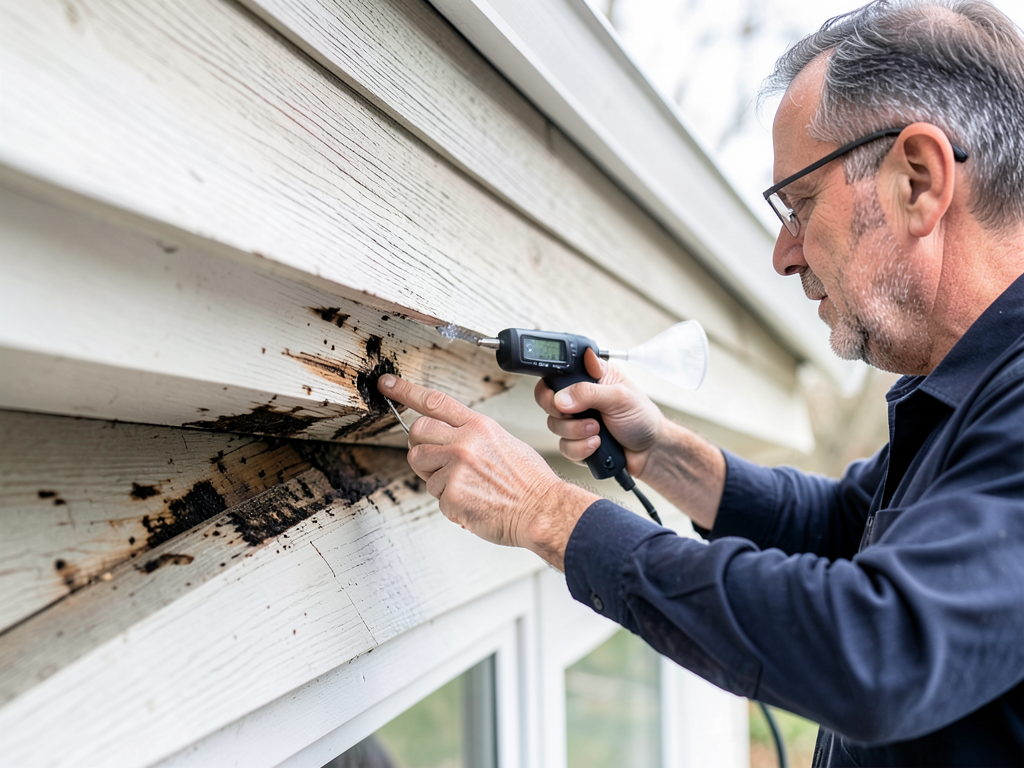
Diagram showing progression of dry rot from moisture intrusion through fungal growth to structural failure in eaves
Physical Indicators During Inspection
Stand back from your home and examine the eaves from ground level. Look for sections that appear sunken or warped compared to surrounding areas. This distortion occurs when rotted wood loses its structural strength and begins to sag under its own weight.
Check for gaps between fascia boards and roof decking. As wood rots it shrinks and pulls away from adjacent materials. These gaps allow more moisture to enter accelerating the decay process. You might also notice separation between trim pieces and siding where moisture has compromised the wood.
Inspect the underside of eaves if accessible from your attic. Use a bright flashlight to examine rafters and roof decking for dark staining or soft spots. The presence of wood dust or frass indicates active infestation by wood-destroying organisms.
Pay attention to unusual odors near eaves. Dry rot produces a distinctive musty smell similar to damp basements or old books. This odor becomes stronger in enclosed spaces like attics where ventilation is limited.
Moisture Sources That Feed Dry Rot
Identifying and eliminating moisture sources is crucial for preventing dry rot. Roof leaks are the most common culprit allowing water to seep into wooden structures. Check for damaged or missing shingles cracked flashing around chimneys and valleys and deteriorated sealant around vents and skylights.
Poor attic ventilation traps moisture from daily activities like cooking and showering. This humid air condenses on cool roof surfaces creating damp conditions perfect for fungal growth. The Florida Building Code Section 1203.2 requires minimum ventilation rates based on attic floor area to prevent moisture accumulation.
Clogged gutters and downspouts cause water to back up under roofing materials. When gutters overflow water runs down fascia boards and soffits soaking the wood. Clean your gutters at least twice yearly and ensure downspouts direct water at least five feet from your foundation. The Best Metal Roofing Options for Homes in Key Biscayne.
Landscape features can contribute to moisture problems. Shrubs planted too close to the house restrict airflow and trap humidity against exterior walls. Sprinkler systems that spray directly on the house deposit water on vulnerable areas repeatedly.
Testing for Dry Rot: The Screwdriver Test
The screwdriver test provides a quick way to check for hidden rot. Choose an inconspicuous area and press the tip of a flathead screwdriver into the wood. Healthy wood resists penetration while rotted wood allows the tool to sink easily with minimal pressure.
For a more thorough assessment use a moisture meter to measure wood content. Readings above 20 percent indicate conditions favorable for fungal growth. Compare readings between suspect areas and nearby healthy wood to identify problem spots.
Tap wooden surfaces with a hammer or the handle of your screwdriver. Sound wood produces a sharp ringing tone while rotted wood sounds dull and hollow. This test works well for checking rafters and roof decking where visual inspection is difficult.
Consider hiring a professional for comprehensive testing. Licensed roofing contractors use thermal imaging cameras to detect temperature differences caused by moisture accumulation. They also employ borescopes to examine hidden areas without removing building materials. Professional Flat Roof Repair Services for Brickell Business Owners.
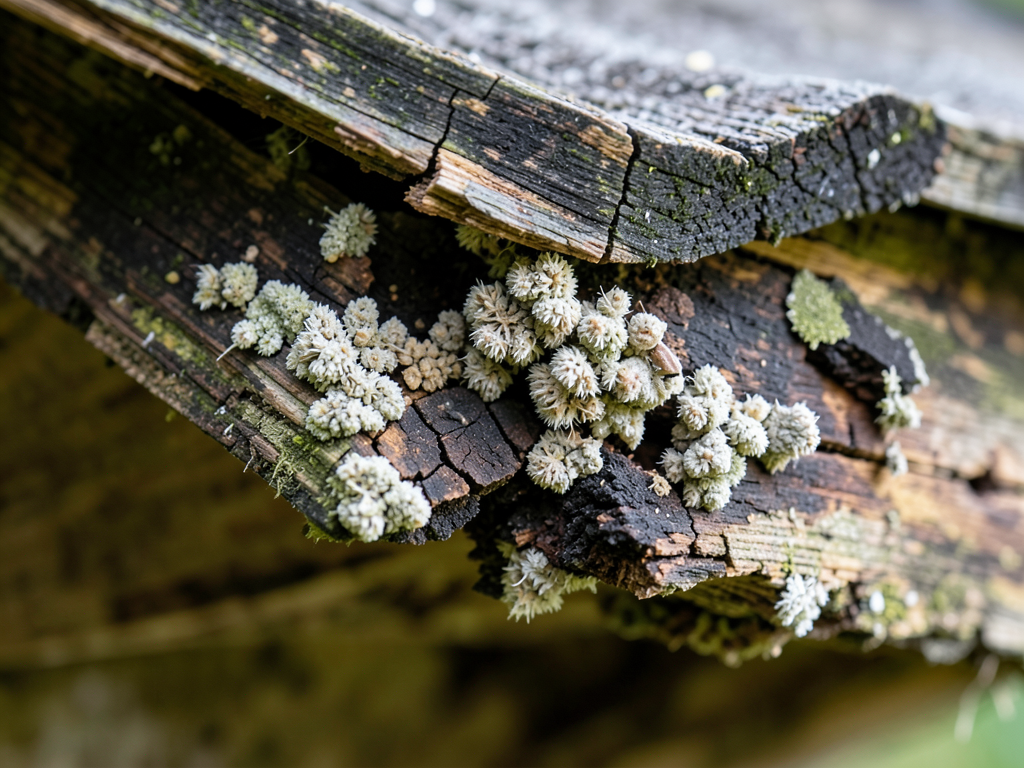
Photo showing a technician performing moisture meter testing on fascia boards during a roof inspection
Common Problem Areas in Golden Glades Homes
Golden Glades features a mix of mid-century ranch homes and newer construction many built on concrete slab foundations typical of Miami-Dade County. The area’s proximity to major roadways like the Palmetto Expressway creates unique challenges with road salt and debris affecting roof drainage patterns.. Read more about Restoring the Authentic Look of Mid Century Modern Roof Lines in Miami Shores.
Homes near the Golden Glades Interchange often experience accelerated deterioration due to increased air pollution and moisture from vehicle exhaust. The constant traffic creates microclimates that can trap humidity against building exteriors.
Older Golden Glades properties commonly feature cedar shake or wood shingle roofing materials that retain moisture longer than modern alternatives. These materials require more frequent maintenance and are particularly susceptible to rot when not properly treated. Roofing Cutler Bay.
The area’s flat terrain and clay-based soil contribute to drainage issues. Poor soil drainage around foundations can lead to moisture wicking up through concrete blocks and affecting wooden structural elements above.
When to Call a Professional
Suspect rot when you notice any combination of the warning signs described above. Small areas of surface damage might be manageable as DIY repairs but extensive rot requires professional assessment. The cost of professional repair typically ranges from $500 to $3,000 depending on the extent of damage.
Professional roofers can identify whether you have dry rot or termite damage since both conditions produce similar symptoms. Termite infestations require different treatment approaches and may be covered by different insurance policies. A thorough inspection includes checking for active pest activity and recommending appropriate remediation.
Structural damage from advanced rot may require permits and inspections according to Miami-Dade County regulations. Licensed contractors understand local building codes and can ensure repairs meet all requirements. They also provide warranties on their work giving you protection against future problems.
Insurance companies often require professional documentation of damage before approving claims. DIY repairs without proper documentation may void coverage or complicate future claims. Professional assessments provide the evidence needed for insurance processes.
Preventing Future Dry Rot Problems
Prevention starts with proper roof maintenance. Schedule annual inspections to catch problems early. Clean gutters regularly replace damaged shingles promptly and reseal flashing when it shows signs of deterioration. These simple steps cost far less than major structural repairs.
Improve attic ventilation to reduce moisture buildup. Install ridge vents soffit vents or powered ventilation systems to create airflow that carries moisture out of your attic. The Florida Building Code specifies ventilation requirements based on attic volume and climate zone.
Consider upgrading to rot-resistant materials when repairs are needed. Pressure-treated lumber copper flashing and composite trim boards resist fungal growth better than traditional wood products. While these materials cost more initially they provide better long-term protection.
Maintain proper drainage around your home’s foundation. Grade soil away from the house install French drains where needed and ensure downspouts direct water away from the structure. These measures prevent moisture from affecting your roof system from below.
Apply water-repellent preservatives to exposed wood surfaces every few years. These products penetrate the wood creating a barrier against moisture while allowing the material to breathe. Focus on areas most exposed to weather like fascia boards and soffits.
Comparing Dry Rot to Other Wood Damage
| Characteristic | Dry Rot | Termite Damage | Water Damage |
|---|---|---|---|
| Odor | Musty | None | Mildew |
| Growth Pattern | Spreading | Random tunnels | Staining |
| Wood Texture | Spongy | Hollow | Swollen |
| Repair Approach | Fungicide + replacement | Pest treatment + repair | Drying + sealing |
Cost Factors for Dry Rot Repair
Repair costs vary significantly based on several factors. The extent of damage determines whether you need spot repairs or complete replacement of affected sections. A small area of rot on a single fascia board might cost $300 to $500 while extensive damage to rafters and decking could exceed $5,000.
Accessibility affects labor costs. Rot in hard-to-reach areas like upper eaves or tight attic spaces requires more time and specialized equipment. Steep roof pitches also increase difficulty and safety requirements adding to the overall expense.
Material selection impacts both initial cost and long-term value. Standard lumber costs less than treated or composite alternatives but may require more frequent replacement. Premium materials often include longer warranties providing better protection against future problems.
Emergency repairs during hurricane season typically cost 20 to 30 percent more due to increased demand and scheduling constraints. Planning repairs during off-peak seasons can result in better pricing and faster service. Protecting Your Home with Hurricane Rated Roofing Systems in Miami.
Local Building Code Requirements
Miami-Dade County enforces strict building codes for roofing repairs to ensure structural integrity and weather resistance. The Florida Building Code High-Velocity Hurricane Zone provisions require specific fastening patterns and material specifications for all roofing work.
Permits are required for structural repairs including rot replacement. The permitting process ensures work meets current standards and includes required inspections. Licensed contractors handle permitting as part of their services streamlining the process for homeowners. Why Homeowners in Coral Gables Choose Professional Tile Roof Installation.
Energy efficiency requirements affect material choices. The Florida Energy Code mandates specific insulation values and ventilation rates that impact repair approaches. Compliance with these standards may increase upfront costs but provides long-term energy savings.
Environmental regulations govern disposal of damaged materials. Treated lumber and roofing materials must be disposed of at approved facilities following EPA guidelines. Professional contractors include proper disposal in their service scope ensuring legal compliance.
Photo showing before and after comparison of dry rot repair on a Golden Glades home with damaged fascia replaced and repainted
Frequently Asked Questions
How quickly does dry rot spread in Miami’s climate?
Dry rot can spread rapidly in Miami’s humid conditions with active fungal growth occurring within 48 to 72 hours of moisture exposure. Once established the rot can compromise structural integrity within months if left untreated.
Can I repair dry rot myself or should I hire a professional?
Small areas of surface rot might be manageable as DIY repairs but extensive damage requires professional assessment. Professionals can identify underlying moisture sources ensure code compliance and provide warranties on their work.
Will my homeowners insurance cover dry rot damage?
Most standard policies exclude coverage for rot caused by long-term neglect or maintenance issues. However damage from sudden events like roof leaks during storms may be covered. Check your specific policy and document damage thoroughly for claims.
How can I tell if I have dry rot or termite damage?
Dry rot produces a musty odor and causes wood to become spongy with visible fungal growth. Termite damage creates hollow-sounding wood with random tunnels and no odor. Professional inspection can definitively identify the cause and recommend appropriate treatment.
Take Action to Protect Your Home
Early detection of dry rot can save you thousands in structural repairs. If you notice any warning signs in your Golden Glades home do not wait for the problem to worsen. Professional inspection can identify hidden damage and provide solutions before your roof’s integrity is compromised.
Call (645) 231-4888 today to schedule your comprehensive roof inspection. Our licensed technicians understand Miami’s unique climate challenges and provide expert assessment of your eaves and roof structure. We offer free estimates and can recommend cost-effective solutions to protect your home.
Pick up the phone and call (645) 231-4888 before the next storm hits. Miami’s rainy season is approaching and damaged eaves can lead to interior water damage and mold growth. Do not risk your family’s safety or your home’s value by delaying necessary repairs.
Visit our office at 12345 NW 7th Avenue Miami FL 33169 to discuss your roofing concerns in person. We serve all of Miami-Dade County including Golden Glades and surrounding communities with prompt professional service backed by our satisfaction guarantee.
You may also find this helpful. Dealing with Bird Droppings and Nesting Damage on Waterfront Roofs in Key Biscayne.
{
“@context”: “https://schema.org”,
“@type”: “BlogPosting”,
“headline”: “How to Spot Early Signs of Dry Rot in the Eaves of Your Golden Glades Home”,
“description”: “Learn to identify dry rot in your Golden Glades eaves before structural damage occurs. Our Miami roofing experts explain warning signs and prevention.”,
“wordCount”: 2287,
“datePublished”: “2026-05-14T13:00:00.000Z”,
“dateModified”: “2026-05-14T13:00:00.000Z”,
“inLanguage”: “en-US”,
“mainEntityOfPage”: {
“@type”: “WebPage”,
“@id”: “https://ironwoodroofingmiami.com”
},
“publisher”: {
“@type”: “LocalBusiness”,
“name”: “Ironwood Roofing Miami”,
“url”: “https://ironwoodroofingmiami.com”
},
“author”: {
“@type”: “Organization”,
“name”: “Ironwood Roofing Miami”,
“url”: “https://ironwoodroofingmiami.com”
},
“image”: {
“@type”: “ImageObject”,
“url”: “https://ironwoodroofingmiami.com/wp-content/uploads/2026/03/how-to-spot-early-signs-of-dry-rot-in-the-eaves-of-1.png”
}
}
{
“@context”: “https://schema.org”,
“@type”: “RoofingContractor”,
“name”: “Ironwood Roofing Miami”,
“url”: “https://ironwoodroofingmiami.com”,
“address”: {
“@type”: “PostalAddress”,
“addressLocality”: “Miami”
},
“areaServed”: {
“@type”: “City”,
“name”: “Miami”
}
}
{
“@context”: “https://schema.org”,
“@type”: “FAQPage”,
“mainEntity”: [
{
“@type”: “Question”,
“name”: “How quickly does dry rot spread in Miami’s climate?”,
“acceptedAnswer”: {
“@type”: “Answer”,
“text”: “Dry rot can spread rapidly in Miami’s humid conditions with active fungal growth occurring within 48 to 72 hours of moisture exposure. Once established the rot can compromise structural integrity within months if left untreated.”
}
},
{
“@type”: “Question”,
“name”: “Can I repair dry rot myself or should I hire a professional?”,
“acceptedAnswer”: {
“@type”: “Answer”,
“text”: “Small areas of surface rot might be manageable as DIY repairs but extensive damage requires professional assessment. Professionals can identify underlying moisture sources ensure code compliance and provide warranties on their work.”
}
},
{
“@type”: “Question”,
“name”: “Will my homeowners insurance cover dry rot damage?”,
“acceptedAnswer”: {
“@type”: “Answer”,
“text”: “Most standard policies exclude coverage for rot caused by long-term neglect or maintenance issues. However damage from sudden events like roof leaks during storms may be covered. Check your specific policy and document damage thoroughly for claims.”
}
},
{
“@type”: “Question”,
“name”: “How can I tell if I have dry rot or termite damage?”,
“acceptedAnswer”: {
“@type”: “Answer”,
“text”: “Dry rot produces a musty odor and causes wood to become spongy with visible fungal growth. Termite damage creates hollow-sounding wood with random tunnels and no odor. Professional inspection can definitively identify the cause and recommend appropriate treatment.”
}
}
]
}
{
“@context”: “https://schema.org”,
“@type”: “BreadcrumbList”,
“itemListElement”: [
{
“@type”: “ListItem”,
“position”: 1,
“name”: “Home”,
“item”: “https://ironwoodroofingmiami.com”
},
{
“@type”: “ListItem”,
“position”: 2,
“name”: “Blog”,
“item”: “https://ironwoodroofingmiami.com/blog”
},
{
“@type”: “ListItem”,
“position”: 3,
“name”: “How to Spot Early Signs of Dry Rot in the Eaves of Your Golden Glades Home”
}
]
}
{
“@context”: “https://schema.org”,
“@type”: “Service”,
“serviceType”: “Roofing”,
“provider”: {
“@type”: “LocalBusiness”,
“name”: “Ironwood Roofing Miami”,
“url”: “https://ironwoodroofingmiami.com”
},
“areaServed”: {
“@type”: “City”,
“name”: “Miami”
},
“description”: “Learn to identify dry rot in your Golden Glades eaves before structural damage occurs. Our Miami roofing experts explain warning signs and prevention.”
}